Politics
New report shows inequality and poverty are putting children at risk

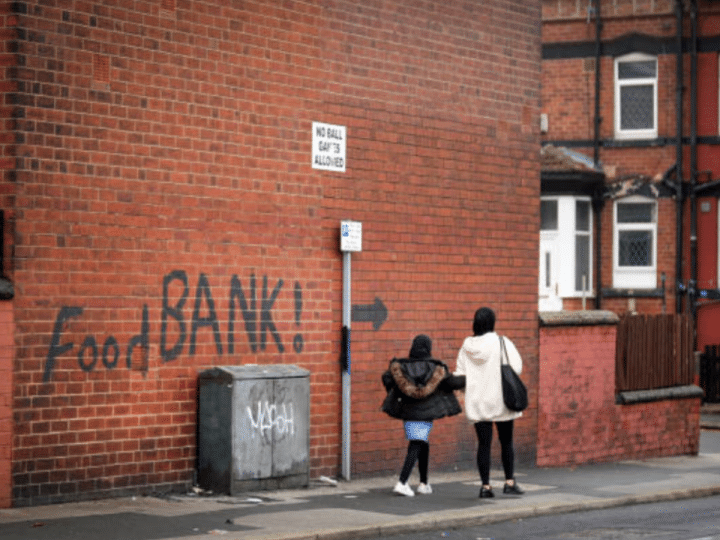

A new report from a group of renowned paediatricians has raised huge alarm as poverty and inequality mean that child health outcomes have either stalled or declined so much that this generation has the poorest health in decades.
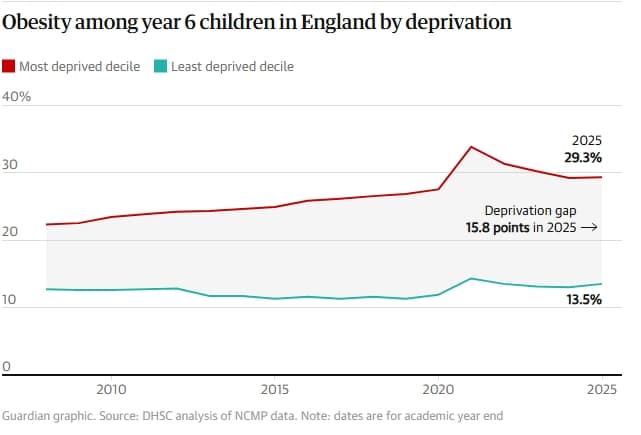
Inequality and poverty are significant factors in this critical issue hurting the UK’s children, with those living in more deprived areas seeing rates of infant deaths and childhood obesity that are twice as high as the least deprived.
Dr Helen Stewart, officer for health improvement at the Royal College of Paediatrics and Child Health (RCPCH), has powerfully stated:
The UK’s record on children’s health should be a national embarrassment.
UK children will be one of unhealthiest generations in decades.
Reduced vaccination rates, rising asthma, mental health disorders; high infant mortality rates, oral health, obesity.
Poverty a major factor. Significant health inequalities across the UK.https://t.co/yrMDETPLPO
— Prem Sikka (@premnsikka) July 14, 2026
Children’s health stagnating by every metric
The report examined 12 internationally recognised indicators used to measure child health and wellbeing. These indicators include infant mortality, oral health, obesity, vaccination uptake, mental health disorders, and asthma. Its analysis found that children’s health has stagnated across every indicator, with the UK now lagging behind many countries in western Europe and ranking among the least healthy for children.
Examples given refer to the uptake of the MMR vaccination which stands at 84% by the age of five, despite the World Health Organisation (WHO) setting a target of 95%. The report says this makes the UK the worst amongst G7 countries.
The picture gets even bleaker: the UK records one of the highest rates of asthma-related deaths among children anywhere in Europe. Looking at infant deaths, there has been little improvement since 2023, and the UK’s rate of deaths remains higher compared to other European countries.
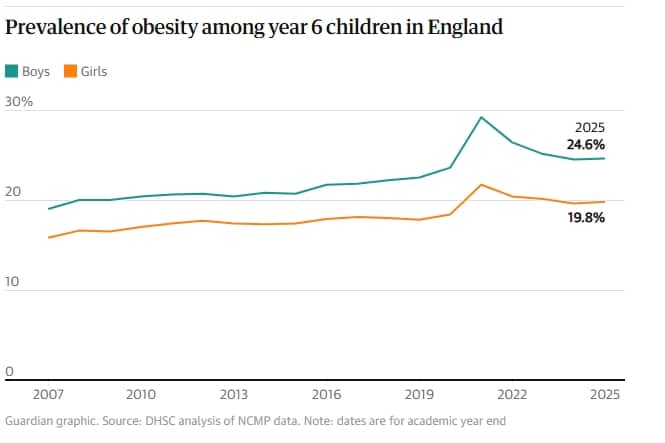
It also raises concerns about rising obesity, with almost 1/4 of boys being obese and almost 1/5 of girls. Given how expensive extra-curricular clubs are in schools, the cost-of-greed crisis squeezing the pockets of lower-income families, and a lack of accessible green spaces in more deprived areas, this is hardly a surprise.
Poverty wake-up call
But it should be a wake-up call for our leaders if they truly cared about improving the chances of the next generation.
Dr Helen Stewart from the RCPCH says we are “failing children” in the UK:
Across western Europe, many other countries are achieving better outcomes for children, yet too many children here are being left behind. The State of Child Health report shows that we are categorically failing children in the UK, but especially those from ethnic minorities and poorer backgrounds.
The new government has a chance to be bold on child health. Without action, more children will grow up in poor health, entering adulthood at a disadvantage and putting even greater pressure on families and public services.
She then challenged the incoming Burnham government:
In its first 100 days, the new government should set out how it will make children’s health a priority through sustained investment, better use of data and clear national targets.
Paediatricians have provided the blueprint, now policymakers must listen.

Poverty: class war is hurting life chances of children
Deprivation brought on by rising poverty and widening inequality have a huge impact on the life chances of children, which is emphasised by the findings of this crucial report.
For instance, the prevalence of obesity and infant mortality is twice as high as children from wealthier families revealing further how the class war we are currently living in is having very real, and potentially fatal, impacts on young children today.

As a result of this inequality the report urges the government to implement a variety of measures, such as more investment in children’s health services and in the workforce looking after our children.
The report also calls for better collection and sharing of child health data, alongside legally binding national targets to close the health gap between children from the richest and poorest families.
Stop blaming parents
Efforts to blame this on parents are already coming in on X. This is despite the fact that parents on low incomes have little power over the exorbitant costs they are having to cover through high rents, the ever-increasing cost of food, and trouble accessing healthy food being a significant challenge for those on tighter budgets.
In fact, some are attempting to offload state responsibility for children’s health entirely:
Kids in the UK will grow up to be one of the unhealthiest generations in decades according to a new report.
Who should take responsibility for children’s health in the UK? pic.twitter.com/GmGEfWcNof
— BBC Radio Scotland (@BBCRadioScot) July 14, 2026
Children growing up in social housing have far greater challenges. They are more likely to live alongside industrial sites, breathe polluted air, and have limited access to safe green spaces because of years of underinvestment. Many families are also priced out of clubs, sports, and other extracurricular activities.
Even the most determined parents can only do so much when the places around them deny their children the opportunities to thrive.
I, like many, know this from personal experience. I lived briefly in social housing with my eldest daughter in Salford in an incredibly deprived area with high levels of antisocial behaviour. We were surrounded by lorries, plastic recycling factories kicking out fumes, and industrial businesses. My car was covered in an orange dust every morning and my daughter had a cough every single day.
Chief exec of health charity the King’s Fund, Sarah Woolnough, insists this must be a “wake-up call” for the government and that without sustained and urgent remedial action, children will be left to pay the price for the failure of the generations who came before them.
This, alongside the climate crisis, has become a consistent pattern, it must be said.
She said:
This report paints a deeply worrying picture of children’s health across the UK. It is a stark reminder that health inequalities begin early in life and can shape health, wellbeing and opportunities for years to come. Whether it is infant mortality, obesity, mental health or vaccination uptake, the evidence is clear that children from disadvantaged backgrounds are more likely to experience worse outcomes.
Will the government listen?
The government has spoken out in response to the report’s concerning findings with an apparent lack of humility and showing just how out of touch with reality they truly are. They have been in power for two years, yet little has changed, in fact poverty and inequality have risen.
Nevertheless, they have said they are:
expanding mental health support in schools and colleges, opening family hubs and local health centres, and protecting children through tougher rules on smoking, vapes and junk food ads.
We’re also giving primary pupils a healthier start to the day with free breakfast clubs and providing free school meals to every single child from a household in receipt of universal credit.
However, tackling the concentration of wealth and power that is driving inequality, pushing up living costs and making life harder for most families would do far more to improve children’s lives.
Without addressing the root causes of inequality, its damaging impact on children’s health and wellbeing will continue.
Featured image via the Canary
You must be logged in to post a comment Login