Politics
Politics Home Article | Building Jobs, Skills and Growth in Wales and Scotland


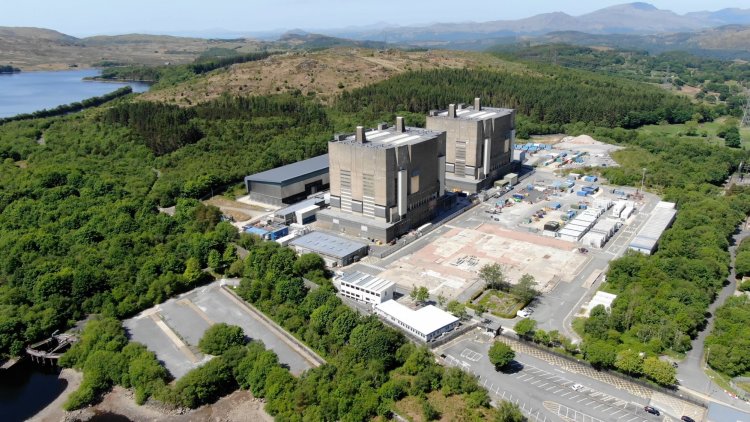
Trawsfynydd, Gwynedd, North Wales, one of the UK’s nuclear sites progressing through decommissioning, underpinning national capability, skills and future energy opportunities. Image Credit: Nuclear Restoration Services.


There is a version of the nuclear decommissioning story that focuses entirely on endings. Sites going quiet, reactors being dismantled, an eventual reduction of jobs. That version misses many critical things that matter.
Nuclear Restoration Services (NRS) manages 14 former nuclear sites across the United Kingdom. Our work will continue well into the next century. The communities that grew up around these sites have given decades of skilled, committed service to the country’s energy needs, and our job is to honour that by building something lasting in return.
In Scotland, NRS supports around 3500 jobs across 4 sites and contributes £241.0 million GVA to the Scottish economy. At Dounreay in Caithness, the numbers speak clearly. More than 1300 people work at the site representing around 11% of all employment in Caithness and North Sutherland. The site alone supports around 2700 jobs across Scotland, contributing £189.4 million GVA to the Scottish economy. Dounreay has been recruiting engineering apprentices for over 60 years. The expertise accumulated there, across generations of workers, is one of the most significant concentrations of technical skill anywhere in the UK.
“We all greatly value the contribution to the economy of the Far North by NRS – and I should add that this is in parallel with our great desire to see a next-generation small modular reactor (SMR) being planned for the same area where we have a licensed site and highly skilled workforce.” – Jamie Stone MP, Caithness, Sutherland and Easter Ross
When Hunterston B transferred to NRS in April 2026, hundreds of highly skilled workers came with it. These are engineers, technicians and specialists who have spent careers mastering one of the most demanding disciplines in industry. Keeping that workforce together, in the communities where they live and where their families are rooted, is central to what NRS does.
Not far from Dounreay, in Wick, the Nucleus nuclear archive is the kind of institution that rarely makes headlines but quietly anchors a local economy. It employs 68 people and generates between £4 million and £4.5 million for the area each year. For a town of Wick’s size, that kind of reliable, skilled employment is genuinely significant.
In Wales, NRS operates Trawsfynydd and Wylfa nuclear sites in parts of the country where well-paid technical work has long been valued by the communities that depend on it. NRS is also responsible for Maentwrog hydroelectric power station, which has been generating renewable electricity since 1928 and provides enough power for around 12,000 home each year. In 2025, these sites contributed more than £55 million GVA to the Welsh economy and supported over 800 jobs. Since 2005, the NDA and NRS have invested nearly £16 million across Anglesey and Gwynedd in socio-economic grant funding, supporting hundreds of businesses and thousands of jobs while drawing in millions more from partner funders.
One of the most exciting projects to emerge from that commitment is the Egni low carbon innovation team at Menai Science Park on Anglesey, which received £389,000 from NRS. Since the programme began, Egni has delivered more than 5,000 hours of business support, attracted over £7 million in wider investment, and brought thousands of school children into contact with science and engineering through STEM outreach. It is exactly the kind of initiative that changes what young people in North Wales believe is possible for them.
Wylfa itself sits at the centre of something bigger. The government’s decision to site the UK’s first small modular reactors there is expected to create thousands of jobs at peak construction. That decision reflects decades of nuclear expertise embedded in the local workforce, expertise that NRS has played a significant role in sustaining. The skills being developed today, through decommissioning, are many of the same skills that will build the energy infrastructure of tomorrow.
Across Scotland and Wales, NRS works with hundreds of businesses, from specialist contractors to small local firms, supporting employment and building commercial capability throughout local supply chains. The breadth of that activity, spread through communities the length of both nations, is one of the most enduring contributions that decommissioning makes to regional economies.
The community investment figures for 2024/25 give a sense of the scale of what is possible when public investment is thoughtfully directed. NRS invested £2.3 million across 149 projects as part of our socio-economic investment in our communities and every pound unlocked a further £8.23 in match funding, generating £18.8 million in total community support. Across those projects, 142 new jobs were created, 215 businesses supported, 70 start-up grants awarded, and more than 10,000 training opportunities delivered.
Among them: a community café and hub in North Wales that received £65,000 and created four local jobs, and a 27-acre forest school in the south of England that will serve schools and community groups for years to come. Eighty-two grassroots organisations received support in 2024/25, the kind of quiet, sustained investment in community life that makes a real difference on the ground.
None of this works without people coming through. The NDA group invests more than £45 million each year in early careers programmes, and this year saw the biggest apprentice and graduate intake in the group’s history so far, with more than 1,100 people starting schemes. Graduate applications hit a record high. The nuclear sector is drawing in talented people who see a long, rewarding career ahead of them, and NRS is a significant part of why.
At Chapelcross in Dumfries and Galloway, a former nuclear site is being carefully prepared for new uses, with the land steadily restored and made ready for whatever the community and government decide comes next. It is a model for how decommissioning, done well, creates opportunity rather than just closing a chapter.
The communities of Caithness, Anglesey, Ayrshire and the other places where NRS operates have contributed enormously to the UK’s energy history. NRS’s commitment is to give something lasting back, through good jobs, strong supply chains, genuine investment in local life, and the patient work of preparing the ground for what comes next. That work is well under way.

You must be logged in to post a comment Login