Politics
Politics Home Article | From strategy to safety


Unlocking the power of communities to tackle violence against women and girls
Around 3.8 million adults experienced domestic abuse in the last year in England and Wales (ONS), and one in four of us will experience it in our lifetime. These figures still barely capture the number of people currently living in fear across our towns, cities and rural communities, as too many domestic abuse crimes still go unreported.


At Hestia we see the devastating impact of domestic abuse every day. Many live with abuse for years before being able to reach out for help or before anyone around them notices.
This is why we need a whole-society approach to tackling domestic abuse. We need charities, businesses and government pulling in the same direction, creating the networks, services and safe spaces that help people escape abuse and rebuild their lives.
Community solutions in action
Hestia’s Safe Spaces programme, launched in 2020 as part of its UK Says No More campaign, demonstrates what cross-sector collaboration can deliver. Working with banks, pharmacies, and other community-based partners, Safe Spaces creates simple, accessible places for people to seek help.
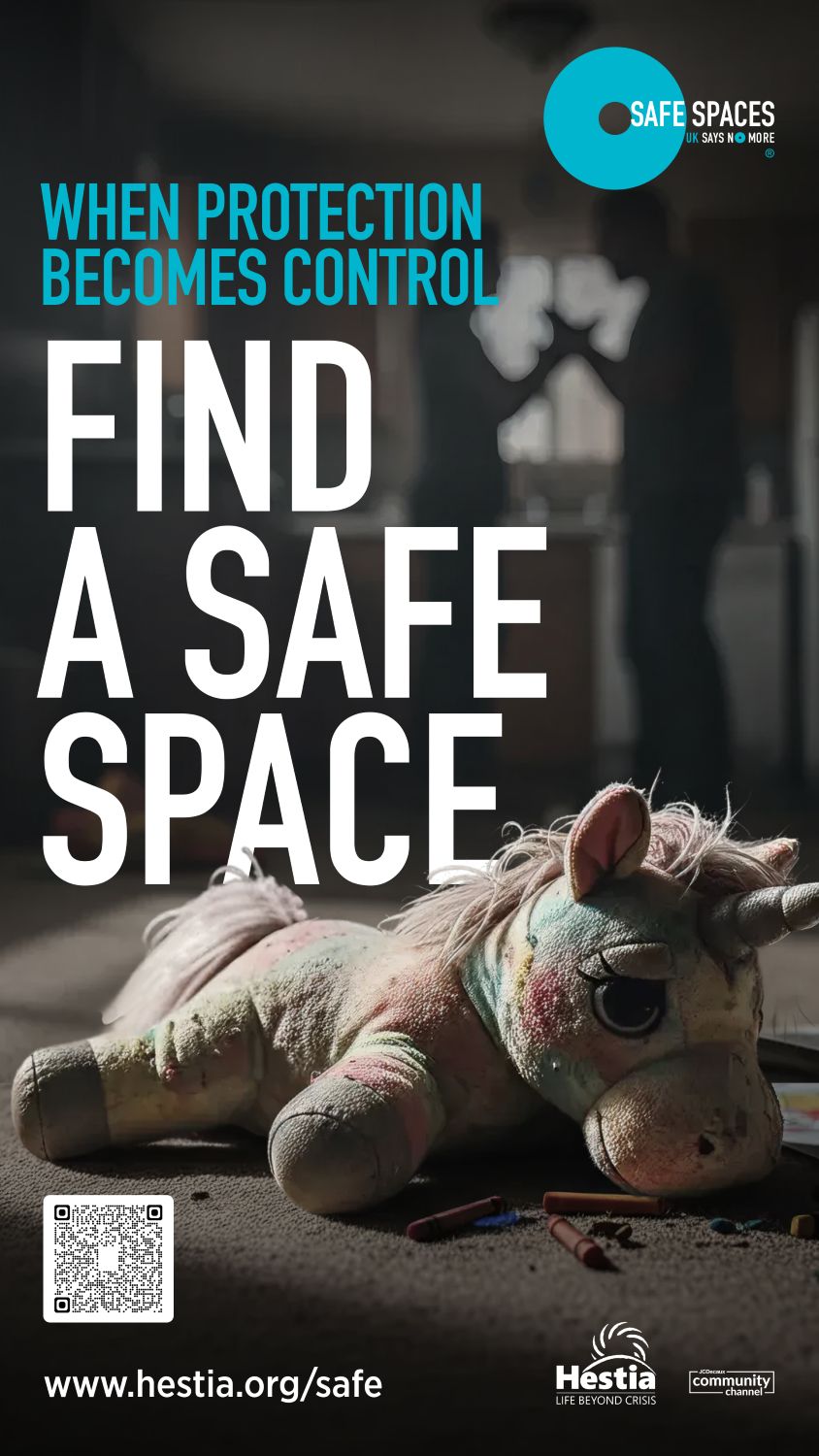
Participating organisations such as TSB, Boots and others provide a discreet room within their branches or stores. These are private and confidential areas in high street locations, where anyone experiencing domestic abuse can access support. Inside a Safe Space, survivors can connect with specialist services, make phone calls to loved ones or lawyers, access online support, and take other steps on their journey towards safety. For many, this can be lifechanging, even lifesaving.
Born out of the pandemic, there are now around 4,300 Safe Spaces across the UK. We aim to reach 5,000 by the end of 2026. But the goal isn’t just more locations – it’s ensuring they are visible, trusted and genuinely accessible. We want Safe Spaces on every high street and in every community, including remote and rural areas. To do that, we need sustained commitment from government, alongside our corporate partners.
Halving violence against women and girls
The Government’s Freedom from Violence and Abuse strategy, published in December, laid out its plan to halve violence against women and girls within a decade. It rightly recognises the need for a whole-society response to domestic abuse.
Safe Spaces is exactly the kind of model the strategy calls for: charities and businesses combining their strengths to create practical, everyday support for survivors.
To make Safe Spaces universal and genuinely accessible, government must play its part. That means encouraging collaboration, removing barriers to partnership and providing the stability needed for long-term planning.
Above all, it requires sustained investment. You cannot build trust between partners or survivors on year-to-year funding. If Safe Spaces are to become a permanent feature of the UK’s response to domestic abuse, they must be openly backed and properly resourced.
Domestic abuse affects every community. It deserves a response from every part of society. When government, business and charities work together, we can ensure that anyone experiencing abuse gets help when and where they need it most.
Find Safe Spaces in your constituency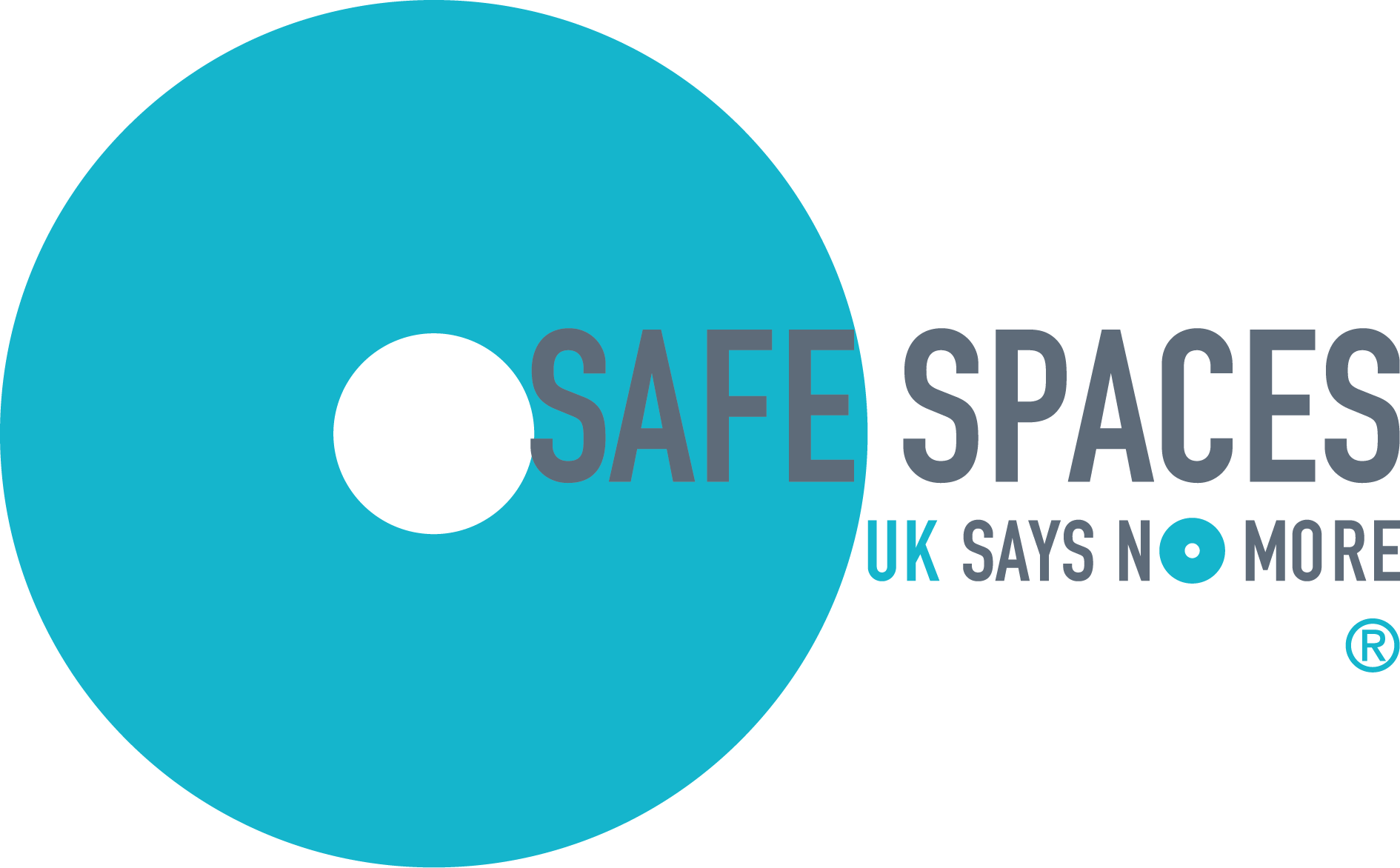

Visit uksaysnomore.org/safespaces to find your nearest Safe Spaces or look out for this logo on your local high street.
How to access a safe space
- Look for the Safe Spaces logo displayed in participating pharmacies, banks and other venues.
- Ask a member of staff at the counter to use the Safe Space. You do not need to explain why.
- You will be shown to a private room.
- Inside, you can use a phone to call a helpline, contact a friend or family member, or access specialist support information online.
- You can leave at any time. The service is free and confidential.

You must be logged in to post a comment Login