Politics
Politics Home Article | Labour Deputy Leader Opposed By-Election Attack On Green Drug Policy




4 min read
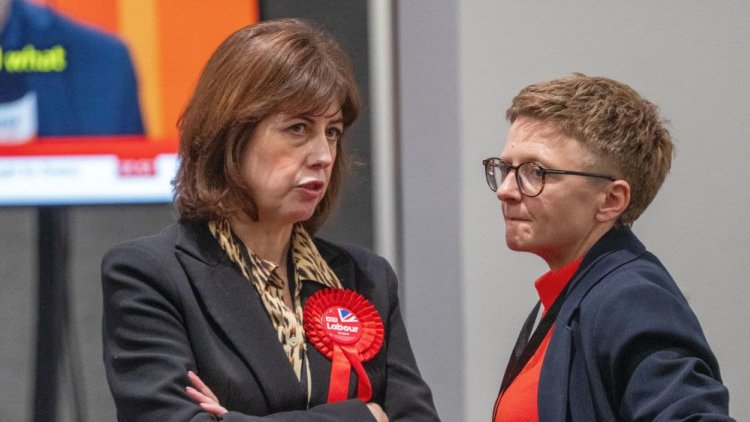
Lucy Powell was among the Labour figures privately concerned about attacking the Greens’ drug policy during the Gorton and Denton by-election campaign, PoliticsHome understands.
Powell, who succeeded Angela Rayner as Labour’s deputy leader last year, played a key role in the party’s campaign in Greater Manchester. She herself is an MP in the region.
However, several sources have told PoliticsHome that she expressed concern about particular attacks used by Labour against Zack Polanski’s party late in the campaign, which focused on Green positions on drug legalisation and prostitution.
A Labour spokesperson declined to comment on internal campaign discussions.
Many Labour MPs, including ministers, have complained that the party’s unsuccessful campaign in Greater Manchester was misjudged, focused too much on criticising the Greens rather than setting out a positive case for what the government had achieved in office. One minister told PoliticsHome that the lesson from the by-election defeat to the Greens was that Labour “can’t be negative” if it wants to win back progressive voters.
Cat Eccles, the Labour MP for Stourbridge, last week told PoliticsHome: “I cannot understand the choice to attack the Greens on their drug policies with sensationalism and misinformation. It did the party no favours whatsoever.”
Powell has appeared to publicly distance herself from elements of the Labour campaign.
In an interview with The Observer at the weekend, the MP for Manchester Central said her party would not succeed by trying to “out Reform” Nigel Farage’s party, and instead should present itself as a “progressive alliance that is against the politics of the right”.
The government has doubled down on the drug policy attack, despite concern in parts of the Parliamentary Labour Party (PLP).
In a letter to Labour MPs following their defeat in Greater Manchester, first reported by PoliticsHome, Keir Starmer said he would continue to highlight the risk posed to the country by the Greens, including “extreme policies like legalising all drugs and pulling out of NATO”.
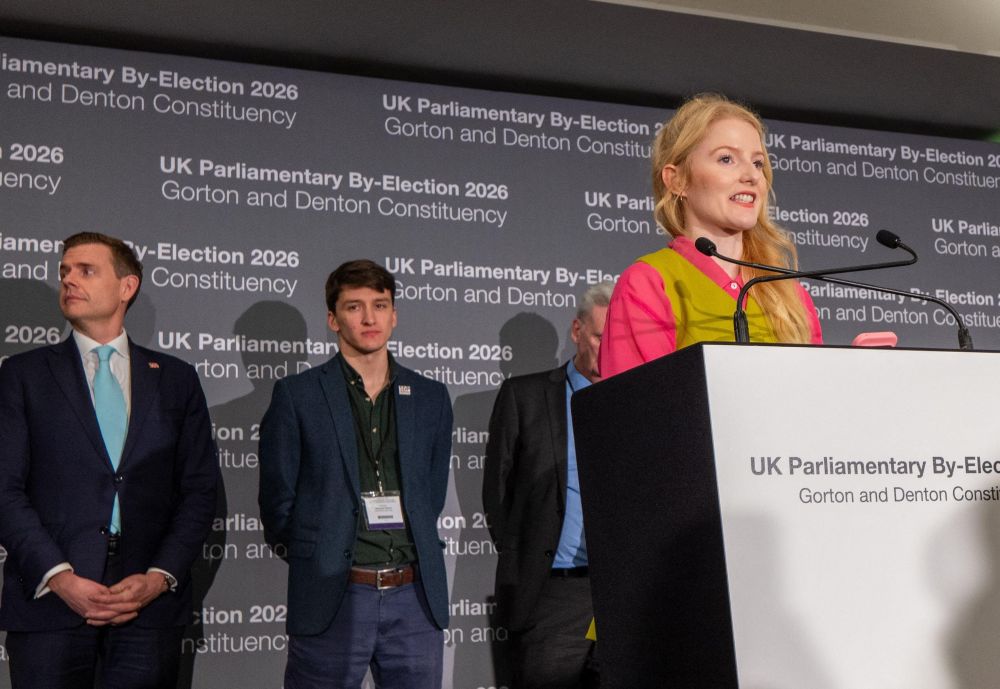
The seismic Labour defeat to Green candidate Hannah Spencer has triggered a debate within the party about the direction it should go in to recover its electoral position.
In her weekend interview, Powell also said stricter immigration rules being introduced by Home Secretary Shabana Mahmood Powell were “a real concern to our ethnic minority communities” in Gorton and Denton.
Starmer’s description of the Greens as “sectarian” and “divisive” in his letter to the PLP unsettled some Labour MPs, who felt that it risked further alienating progressive voters whom the party must win back. “That letter is what the Greens will use to raise the money. Slow clap,” one backbencher complained last week.
The PM is also being warned that the Green victory in Greater Manchester means a strategy of presenting Labour as the party best-placed to stop Farage’s Reform can no longer be relied upon.
London Mayor Sadiq Khan has intervened, arguing that his party must abandon its “flawed” strategy of “taking liberal, progressive voters for granted”.

Echoing a feeling widespread in the PLP, one Labour MP told PoliticsHome that coming second to Reform in Gorton and Denton would have been a more palatable result for the party, as, in that scenario, Labour could continue to argue that it is in a stronger position than the Greens to stop Farage. But now, “the barbarians are at the gate”, they added.
However, other Labour figures have warned that it would be misguided to shift to the left in response to the defeat last week.
Mahmood is pressing ahead with immigration and asylum reforms, with allies of the Home Secretary warning that rowing back would be to misinterpret public sentiment.
Paul Ovendon, former adviser to Starmer, today wrote in The Times: “If the government, reeling from recent events, now fails to fully back the Home Secretary, it will reap a far worse hangover than the one it is currently suffering.”
Recent research suggests that the Green policy of legalising drugs could be a problem for Polanski as his party gains more attention and exposure.
Focus groups carried out by Thinks Insight & Strategy for PoliticsHome last month picked up strong concern about the policy among people considering voting Green in Sheffield and East London. Allie Jennings, director at the research organisation, told PoliticsHome: “We found that focus group participants were often unaware of the Green Party’s policy on drugs. However, once informed, there was either disbelief or strong opposition. For those who opposed the policy, it confirmed their sense that the Green Party are idealistic and their policies are unlikely to work in reality.”
One Labour source claimed that the attack would have had more cut through had the party used it earlier in the by-election campaign.
A YouGov poll published on Tuesday, carried out following the Green victory in Gorton and Denton, put Polanski’s party in second place, five per cent ahead of both Labour and the Tories.
Additional reporting by Adam Payne

You must be logged in to post a comment Login