Politics
Politics Home Article | PM Says His Principles Are The Same As Public On Iran War


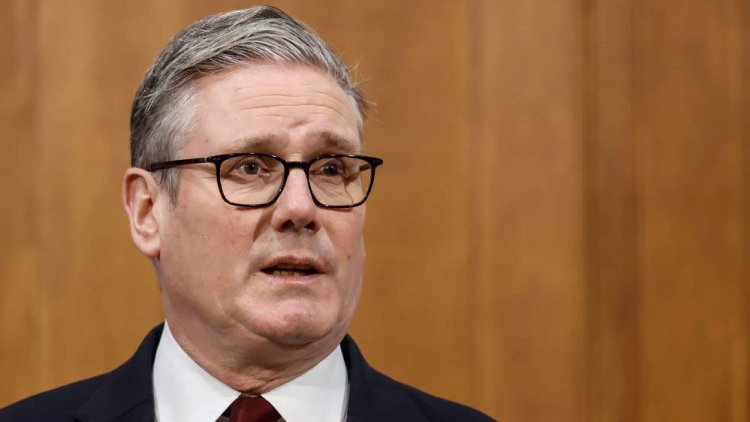
(Alamy)
4 min read
Keir Starmer has said he believes that his principles on how to approach the Iran war “are shared by the British people” as he set out support for UK households using heating oil.
At a Downing Street press conference on Monday morning, Starmer said there would be “immediate support” worth £53m for households reliant on heating oil that are “most exposed” to rising prices.
Referring to reports that oil companies had been cancelling orders and hiking prices, the Prime Minister said legal action would be taken if they had been found to have broken the law.
UK households will be protected by the Ofgem cap until July. However, energy bills could rise that month if global prices remain high.
Drivers are already seeing the impact of the war in Iran, with diesel and petrol prices rising sharply in recent weeks.
On Sunday night, US President Donald Trump called for European allies to join him in the Middle East, telling the Financial Times that NATO faces a “very bad” future if allies like the UK do not help to reopen the Strait of Hormuz.
The threat of attack by Iran for traffic passing through the Strait, which is one of the most important trade routes in the world, has led to a spike in oil and gas prices.
Starmer said he was working with allies on a “viable collective plan” to restore freedom of navigation for ships seeking to pass through the Strait of Hormuz.
“We’ve already acted alongside other countries to release emergency oil stocks at a level that is completely unprecedented. But, ultimately, we have to reopen the Strait of Hormuz to ensure stability in the market.”
Questioned by the media about what shape this plan would take, Starmer said he was “looking at options” and wanted to involve “as many partners as possible”.
The Prime Minister said that while the UK would take “the necessary action to defend ourselves and our allies”, it would “not be drawn into the wider war”.
Starmer has so far committed the UK to “defensive” action, allowing the US to use British bases to carry out strikes in Iran.
However, he refused to join the initial US and Israeli attacks on Iran, arguing that there was no viable, long-term plan or clear legal basis for the action.
In his press conference, Starmer said the question of “whether to commit British troops to military action is the most serious responsibility for any Prime Minister”.
“I have been attacked by some for my decision not to join the offensive against Iran.
“But at every stage, I’ve stood by my principles, principles which I held just as strongly when it came to debate about the Iraq war in 2003, principles which I believe are shared by the British people, that our decision should be based on a calm, level-headed assessment of the British national interest.
“And that if we are to send our service men and women into harm’s way, the very least they deserve is to know that they do so on a legal basis and with a properly thought-through plan,” he said.
Referring to the Conservatives and Reform UK’s initial stance on the war, when both parties called on the UK to join the first US and Israeli strikes, Starmer said some would have “rushed the UK headlong into this war without the full picture of what they’re sending our forces into, and without a plan to get us out”, adding that approach was “not leading”, but “following”.
“My leadership is about standing firm for the British interest, no matter the pressure. And I believe time will show that we have the right approach, right on the economy and the cost of living, right on defence and energy, and right on this war in the best interests of the British people.”
