Politics
Politics Home Article | The Cost of Cute


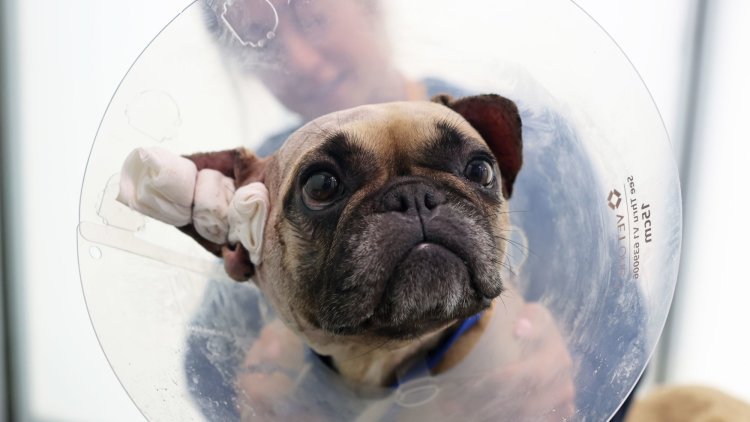


Across the UK, more and more dogs and cats are being bred to look fashionable or cute. But this can come at a serious cost to their health and welfare.
Flat faces, excessive skin wrinkles, folded ears, very short legs. They might look cute, but they are design choices with consequences.
I am supporting Battersea’s Cost of Cute campaign to make sure anyone thinking about getting a pet understands those consequences before they choose.
Because this is not just about fashion. It is about suffering.
Challenging what we think is “cute”
Scroll through social media, and you will see them everywhere. Flat-faced dogs that snort and struggle for breath. Cats with folded ears and wide eyes. Puppies with exaggerated features that look almost cartoon-like.
We have normalised this.
Many people simply do not realise that the very features they find cute are often the source of pain, discomfort and disease. The look is the problem.
This is the cost of cute.
What it means for animals
Take breeds like Pugs, French Bulldogs and English Bulldogs. Their flattened faces and compressed airways mean that something as basic as breathing can be a daily struggle.
As a vet, I have seen the reality up close. Dogs coming in for surgery not because of injury or illness, but because they cannot breathe properly as they are. Owners sitting in front of you, worried and upset. Vets having to operate just to give an animal a chance at a normal life.
It is heartbreaking. For the owner, for the vet, and most of all for the animal.
We need to be honest about this. Breeding a dog that may need surgery simply to breathe is not unfortunate. It is unethical.
And it does not stop there. These same features can affect eating, sleeping, exercise, or even the ability to play or communicate normally.
Other popular breeds bring different but equally serious risks. Miniature Dachshunds, now the most bred puppy in the UK, have a high risk of spinal disease and even paralysis. Shar Pei dogs, known for their wrinkles, can suffer from chronic and painful skin conditions when those features are exaggerated.
Cats are not immune. Traditional mixed-breed cats are being replaced by pedigree breeds with extreme traits. Scottish Fold cats, popular online and in films, owe their folded ears to a cartilage defect that affects their whole body. Many go on to develop painful joint disease. The very feature people love is a warning sign.
Case study: Yoda
Yoda, the French Bulldog, arrived at Battersea as a stray. After a thorough medical check, Battersea’s clinic team found that she had sore ears, skin issues and warts that needed immediate treatment. As a French Bulldog, Yoda also had Brachycephalic Obstructive Airway Syndrome (BOAS), a condition common in flat-faced breeds. This meant that she required surgery to help her breathe easier and enjoy a better quality of life.
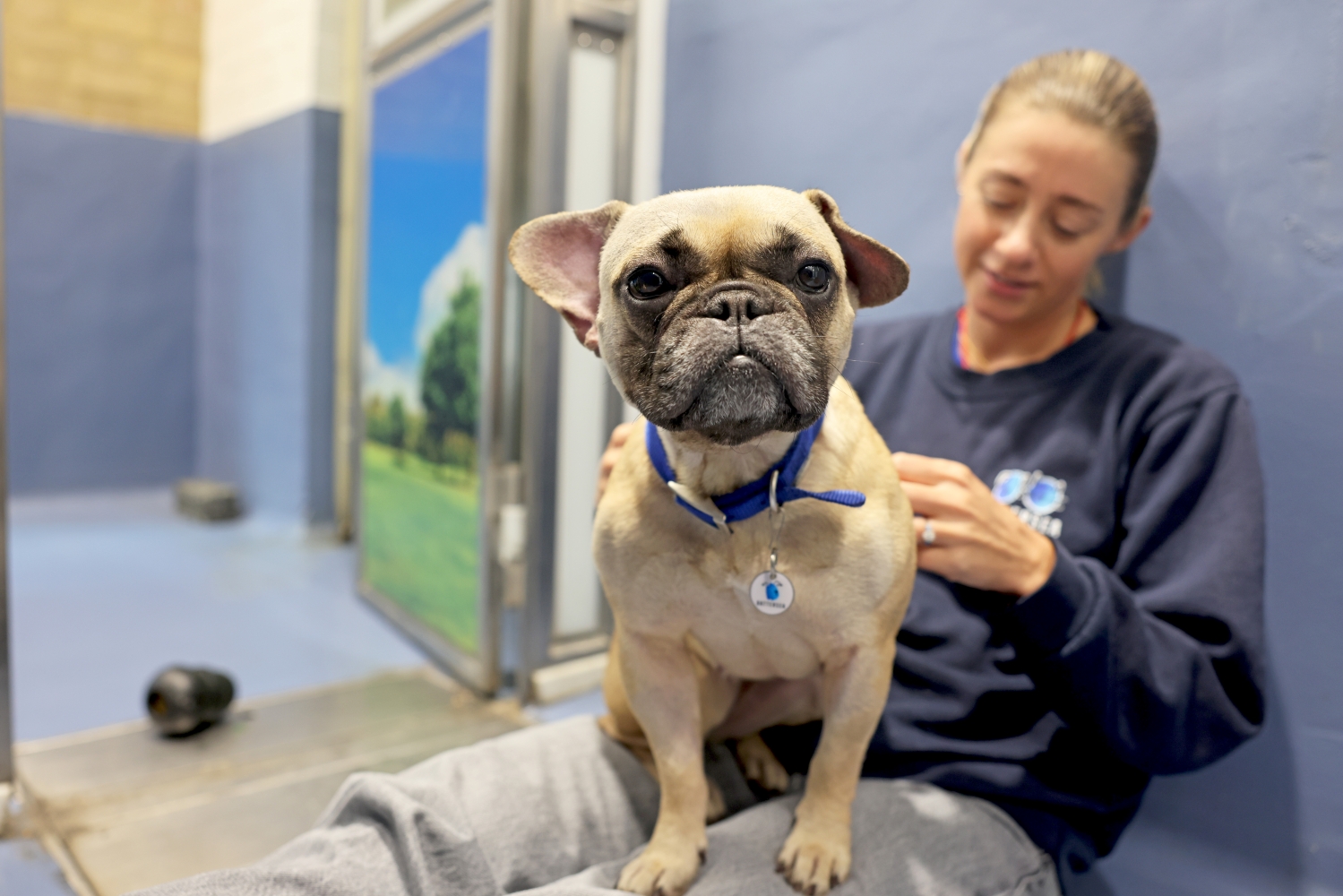

Yoda underwent the procedure and took her treatments in her stride. She also needed eye drops to treat her dry eyes, along with cream to help soothe her skin – issues that are associated with the bulging eyes and wrinkled skin of her breed.
Fortunately, Yoda has found a loving new home, where she is flourishing and continuing her recovery.
What it means for owners
For any owner, watching a pet suffer is distressing. When that suffering is built in from the start, it is even harder.
These animals often need ongoing care, repeated vet visits, and major surgery. That brings financial but also emotional strain. Anyone who has sat up at night worrying about their pet knows how heavy that can feel.
Rescue centres see the impact, too.
Organisations like Battersea care for animals that need complex treatment because of how they were bred. Some owners, faced with costs they cannot manage, make the painful decision to give their pet up. Those animals often stay longer in rescue because their needs are greater.
This is a human cost as well as an animal welfare issue.
Changing course
The good news is this is not inevitable.
Most people are not choosing suffering on purpose. They are choosing what they think is cute, without knowing the consequences. That means awareness matters.
If people understand the risks, many will make different choices.
That is why campaigns like Cost of Cute are so important. They shine a light on what is really going on and help people choose pets that can live healthy, happy lives.
You can learn more at battersea.org.uk/costofcute and help spread the message.
And we need to go further. As policymakers, we should be challenging the demand that is driven by appearance at the expense of welfare. The government is consulting on dog breeding as part of its Animal Welfare Strategy, but it is a mistake not to include cats.
If we are serious about animal welfare, tackling extreme breeding must be central to that work.
We should not be intentionally breeding animals with extreme conformations that we know will struggle to breathe, to walk, or to live without pain. This must be the bare minimum we expect when it comes to animal welfare.

You must be logged in to post a comment Login