
Politics
Politics Home | Making the Growth and Skills Levy work in practice: CCEP’s view from Wakefield



For employers in manufacturing, making sure that workforce skills keep pace with evolving technology and customer expectations is an ongoing priority. It’s essential if we’re to stay competitive and continue to develop high-quality products as effectively and sustainably as possible.
The Growth and Skills Levy, which comes into force in April 2026, offers an opportunity to support that process and change how employers invest in people. By replacing the current Apprenticeship Levy and giving employers more flexibility to invest in shorter, modular training alongside traditional apprenticeships, it has the potential to create a system that better reflects how work is changing.
But that can only happen if reform is designed around real jobs and workplaces.
At Coca-Cola Europacific Partners (CCEP), we see three priorities from an FMCG and manufacturing perspective.
Building a skills system that keeps pace with change
For us, the most pressing skills gap is digital and automation. Manufacturing environments are evolving rapidly, and roles are shifting in response.
Employers need routes that allow people to build high-quality skills at the pace that jobs are changing, and that isn’t always easy to do. That includes shorter, targeted ‘bolt-on’ training options that can help address urgent gaps in areas like AI and advanced automation, while still supporting long-term career progression.
The Growth and Skills Levy can help unlock this flexibility, but only if it works both for new entrants and for colleagues already in work who need to upskill as their roles evolve.
Protecting standards while improving assessment clarity
Assessment reform presents an opportunity to move away from a single, high-stakes moment at the very end, towards clearer, staged assessment throughout a programme.
In manufacturing, competence and confidence go hand in hand with safety. Any changes must preserve high standards, particularly in environments like ours, while making the system clearer and easier to navigate for apprentices and employers alike.
Any reform must protect the integrity of occupational standards, while giving apprentices a clearer and more supportive experience.
Reaching young people earlier
One of the biggest challenges for early careers in our industry is perception. Institute of Grocery Distribution research found that 72 per cent of young people don’t consider the food and drink industry a place where they could learn essential skills, and 57 per cent have felt pressure to pursue more ‘traditional’ careers.1
If we want more people to choose technical routes, we have to reach them earlier and demonstrate the fantastic opportunities that exist in this vital part of the UK’s manufacturing economy.
At CCEP, we’re continuing to build relationships with schools and colleges and engaging with young people from age 14 onwards. We’ve seen colleagues start in frontline roles and go on to build careers in engineering, digital, sales and leadership. Our Career Builder programme is open to colleagues of any age, and 144 colleagues have used it to progress since its launch.
T-levels also have an important role to play, but practical challenges remain – particularly in engineering, where aligning placement requirements with a live manufacturing environment can be complex. Ongoing dialogue between employers and Skills England will be vital to ensure these routes work in practice.
Partnership in action
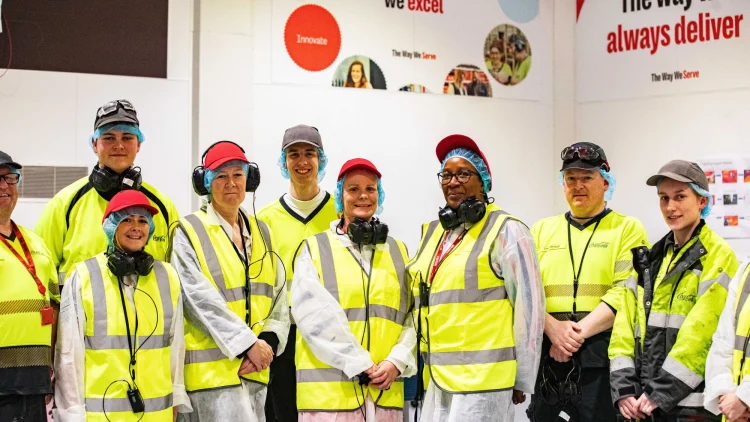
These are precisely the issues we discussed when we recently welcomed Gemma Marsh, Deputy CEO of Skills England, to our Wakefield manufacturing site.
Seeing apprentices and colleagues interact on a manufacturing site makes it clear why policy design must be grounded in operational reality. Skills show up every day on a manufacturing line – in how safely a line runs, how confidently someone handles equipment and how quickly a team can respond when technology changes.
Skills England has convening power that can bring employers closer to the system. Reform will be stronger if it’s shaped with different sectors in mind and informed by the experience of those investing in skills for the long term.
Making reform work
The Growth and Skills Levy is a chance to build a system that keeps pace with the world of work.
From our perspective, the priorities should be to design new training options in partnership with employers so they match real job roles; maintain high and trusted standards while improving clarity of assessments, particularly where safety is critical; and strengthen the pipeline into technical roles through earlier engagement with schools and T-levels.
We’re committed to continuing to work with stakeholders, including Skills England, to help ensure the new levy achieves its objectives.
The introduction of the Growth and Skills Levy is a real opportunity to evolve the apprenticeship system so that it is fit for the future, but reform will only succeed if it works for people. That means apprentices building confidence, managers creating space for them to learn and a system that supports progression at every stage of a career.
References

Carolyn Rowe, Ed Turner, Tobias Hofelich and Jannike Wachowiak look at the UK-German relationship since Brexit and consider how the two sides could work more closely together.
The UK’s relationship with Germany is multifaceted, complex and deep. The UK was one of the ‘occupying powers’ after the Second World War. The stationing of British troops in Germany until 2020 created lifelong bonds between people, contributed to cultural exchange, and shaped German institutions. Footballing rivalries are epic, with the hugely successful 2006 World Cup a game-changer in many Brits’ perception of Germany. Yet Britain and Germany did not always see eye-to-eye on matters such as European integration and Prime Minister Margaret Thatcher, fearful of the potential power of a united Germany, was initially sceptical about German reunification. Despite their differences, the two countries were often allies in the European Union, frequently in agreement on questions about trade openness and competitiveness, thus functioning as a counterweight to French and southern European interests.
This changed – dramatically – with Brexit. There was some acrimony towards Germany in the run-up, with British politicians naively expecting then Chancellor Angela Merkel to intervene to give them a better deal in the pre-referendum renegotiation of the terms of membership. But far more profound was German consternation at the UK’s decision, being compared variously (in the many interviews we have conducted for a research project on the UK-German relationship) to a messy relationship break-up, and an act of self-harm. Precisely because of strong German ties to and affinity with the UK, the distress at Brexit was felt by German decision-makers, many of whom had lived and, importantly, studied in Britain, all the more acutely. Throughout the ‘Brexit period’ (from the referendum in 2016 through, at least, to the signing of the Windsor Framework in 2023), the UK’s difficult relationship with the EU had a profoundly negative impact upon bilateral relations with Germany. There was a sense that ‘perfidious Albion’ was seeking to divide and conquer EU member states by looking for bilateral dialogue with them rather than working through the European Commission; there were worries that if the UK got ‘too good’ a Brexit deal, other countries might follow it out of the EU, and European integration, a cornerstone of post-war (West) Germany’s DNA, would be fatally undermined. There was also a strong sense that the UK’s proposed terms of its future relationship were unreasonable, often decried as Rosinenpicken, or ‘cherry picking’. There was fury when the UK failed to honour its commitments in the Withdrawal Agreement and even owned up to a ‘specific and limited’ breach of international law, while Boris Johnson – about as different a politician to Angela Merkel as it was possible to be – was hugely disliked and mistrusted.
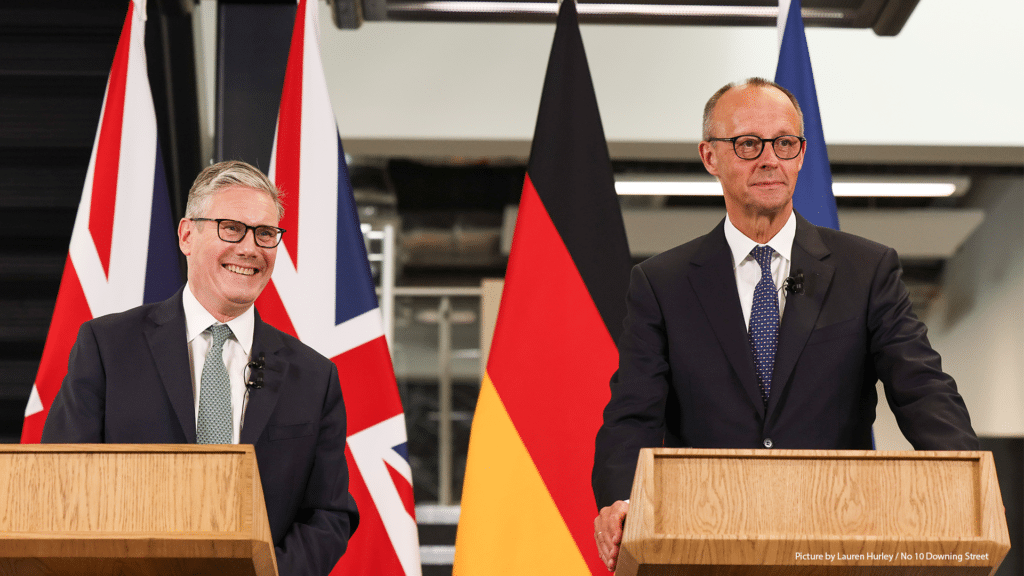
Things started to improve with the election Rishi Sunak as Prime Minister, and the signing of the Windsor Framework. The German government, led by the social democratic SPD, welcomed the election of a new Labour government under Sir Keir Starmer in 2024. Labour and SPD politicians had quietly got to know each other in the years before the general election, laying the groundwork for closer bilateral cooperation with security and defence being a point of focus. Starmer’s visit to Berlin, just weeks after his election, in August 2024, kicked off work on a new bilateral treaty. There was a hiatus after the German government collapsed later that year, but the Kensington Treaty was finally agreed in July 2025, promising many new forms of intergovernmental co-operation as well as concrete ‘lighthouse projects’ such as co-operation on defence industrial co-operation, North Sea energy, and irregular migration, and enshrining deeper commitments on defence which had been set out in the Trinity House UK-Germany defence agreement of October 2024.
On its own, though, the Kensington Treaty will achieve little, without ongoing commitment, especially political commitment, in the two countries. It will not be sufficient just to talk at moments of pressing crisis, and consistent investment of time is needed. The various ministerial dialogues set up under the Kensington and Trinity House Treaties will help, however, ministers and officials will have to prioritise areas of engagement, and the ghost of Brexit will continue to lurk in the shadows. For instance, Germany rapidly backed off a bilateral agreement on youth mobility when the EU decided to get involved.
The UK has to tread a careful line, never asking Germany to ‘choose’ between the UK and the EU, but still using bilateral channels to influence the EU, such as securing a more accommodating stance on potential UK membership of the SAFE programme. Narrowly transactional behaviour by the UK in the sense of ‘we give you security, you help us on trade’ will fail. But there are links between different strands of the relationship, with fluid boundaries between different aspects of security such as questions of defence procurement and deployment, shared economic projects and labour mobility. The UK should use these links to create a narrative of mutually beneficial relations and real partnership.
The importance of bilateral trade diplomacy should also not be underestimated: precisely because of the greater complexity in trading relationships in the post-Brexit world, active trade diplomacy is more important than ever, and the Department for Business and Trade needs sufficient capacity to deliver it.
So, what is needed to unleash the potential of the UK-German relationship? Four things stand out. First, it must be understood in Britain that sound relations with the EU form the baseline for bilateral cooperation with Germany. Secondly, there needs to be consistency in political commitment, with full delivery on the Kensington Treaty. Thirdly, dialogue should not just be for ministers and senior officials, but also a wider cast of parliamentarians (recent visits to Berlin by select committees are an excellent start), and other public servants, for instance through secondments. And finally, civil society links are crucial: even though fewer UK schoolchildren are learning German, school and youth trips are more important than they were before Brexit, while sporting and cultural exchange is essential, especially where it reaches parts of society that would not normally be taking city breaks to Berlin or cruising down the Rhine. The commitments made in the Kensington Treaty are welcome. Now, these must be delivered on. In the post-Brexit world with a destabilised transatlantic relationship and war in Europe, strong UK-German relations are more important than ever before.
By Carolyn Rowe, Head of Department, Society & Politics at Aston University and Co-Director of the Aston Centre for Europe; Ed Turner, Reader in Politics at Aston University and Co-Director of the Aston Centre for Europe and acting chair of the International Association for the Study of German Politics; Tobias Hofelich, Research Associate, Aston University; and Jannike Wachowiak, Research Associate, UK in a Changing Europe.
This blog draws on a series of roundtables organised by the Aston Centre for Europe and UK in a Changing Europe in March 2026. The discussions were supported by funding from the German Academic Exchange Service (DAAD).
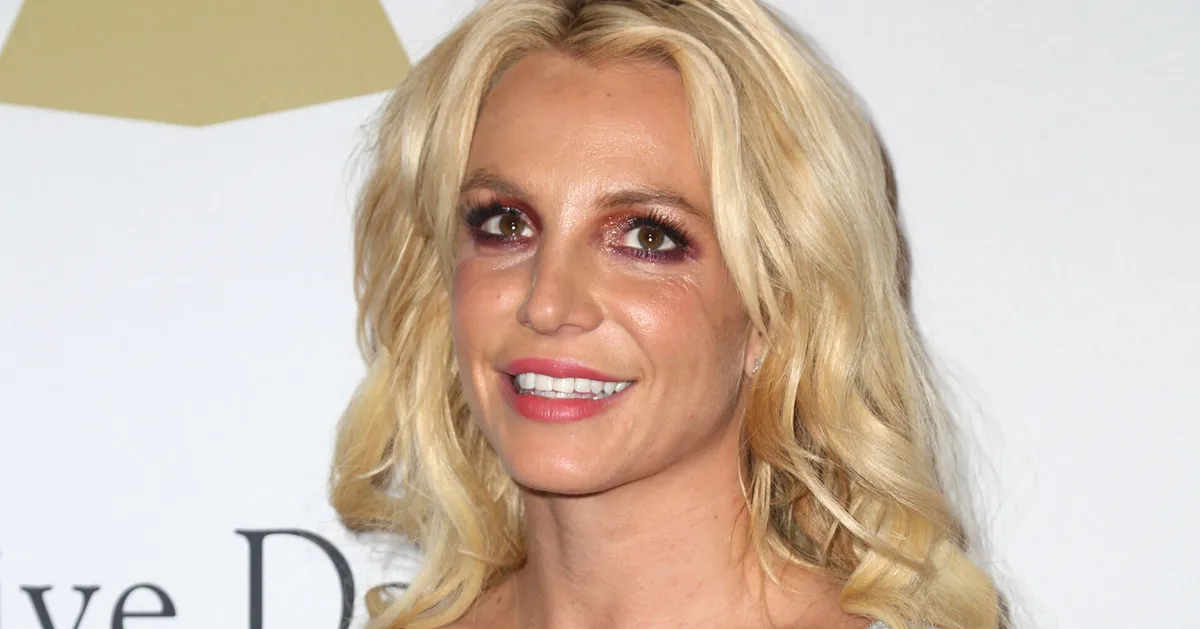
Britney Spears has voluntarily checked herself into rehab, her team has confirmed.
The Grammy-winning singer is currently awaiting a court appearance after being pulled over by the police while driving in California and eventually arrested last month.
On Sunday night, Britney’s representatives told Us Weekly that the Piece Of Me star has now entered herself into a treatment facility.
Following her arrest in March, a spokesperson for Britney told HuffPost UK: “This was an unfortunate incident that is completely inexcusable. Britney is going to take the right steps and comply with the law and hopefully this can be the first step in long overdue change that needs to occur in Britney’s life.
“Hopefully, she can get the help and support she needs during this difficult time. Her boys are going to be spending time with her. Her loved ones are going to come up with an overdue needed plan to set her up for success for well being.”
Since then, Britney has shared a number of Instagram posts depicting herself and her two sons, 19-year-old Jayden James and 20-year-old Sean Preston.
It’s not clear exactly when Britney entered the treatment facility in question, and her most recent Instagram post was uploaded on Saturday.
Britney has had a turbulent few years since being released from the conservatorship she’d been placed under 13 years earlier.
This legal arrangement finally came to an end in 2021, with Britney sharing much of her side of the story in her 2023 memoir The Woman In Me.
In her book, Britney spoke about one experience of being forced into a treatment facility “against my will” for two months, while still under the conservatorship co-run by her father Jamie Spears and her former business manager Lou Taylor, comparing the experience to “torture”.
She also wrote that it was during this rehab stint that she was shown footage of the “Free Britney” movement by a nurse at the facility, encouraging her to formally seek to end the legal arrangement.
Britney is due to appear in court on Monday 4 May concerning her recent arrest.
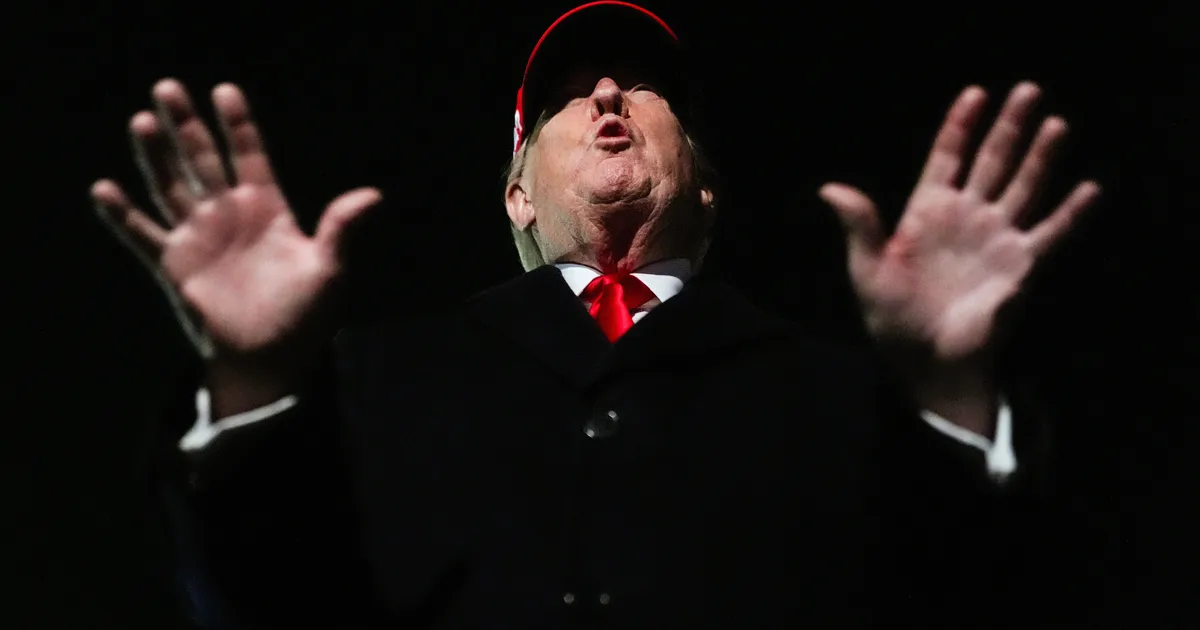
Soaring oil prices caused by the war in Iran are “going to hurt Donald Trump politically”, according to a BBC expert.
Jo Floto, the broadcaster’s Middle East bureau, said that explained why the US president has announced controversial plans to blockade Iranian ports.
Trump sparked confusion on Sunday when he said the US Navy would stop all ships going in and out of the Strait of Hormuz.
The US military later clarified that while it will blockade of Iranian ports from 2pm on Monday UK time, it will “not impede” ships using the strait to get to or from other countries.
Global oil prices once again rose in response to Trump’s announcement.
On Radio 4′s Today programme, Jo Floto said that was putting further pressure on American household budgets.
He said: “Despite Donald Trump’s knowledge of his own oil production – America is the biggest oil producer, doesn’t need this oil from the Gulf – but the prices are set globally and they’re affecting the pumps in America and that is going to hurt Donald Trump politically.”
Meanwhile, the UK government has confirmed it will not help America carry out its blockade.
A spokesperson said: “We continue to support freedom of navigation and the opening of the Strait of Hormuz, which is urgently needed to support the global economy and the cost of living back home.
“The Strait of Hormuz must not be subject to tolling. We are urgently working with France and other partners to put together a wide coalition to protect freedom of navigation.”
Subscribe to Commons People, the podcast that makes politics easy. Every week, Kevin Schofield and Kate Nicholson unpack the week’s biggest stories to keep you informed. Join us for straightforward analysis of what’s going on at Westminster.
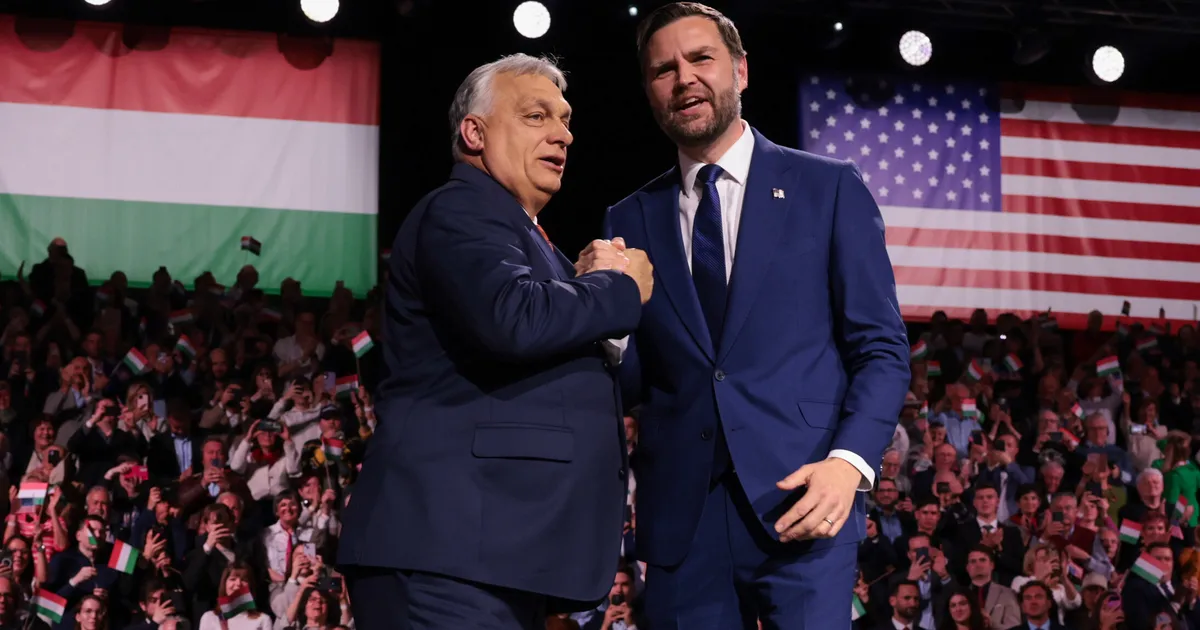
Viktor Orban’s crushing defeat in the Hungarian elections has triggered online mockery of JD Vance.
In a highly-controversial move, the US vice-president travelled to Budapest last week to give his support to Orban, the pro-Russia, right-wing nationalist who had been his country’s prime minister for 16 years.
Confirming the Trump administration’s backing for Orban, Vance said he was there “to help him in this campaign cycle”.
However, Orban lost in a landslide to his pro-EU rival Peter Magyar when Hungarians went to the polls on Sunday.
Magyar had said the election was “a choice between East or West, propaganda or honest public discourse, corruption or clean public life”.
His victory was quickly welcomed by politicians across the EU, as well as by Keir Starmer.
Posting on X, the prime minister said: “Congratulations Peter Magyar on your election victory. This is an historic moment, not only for Hungary, but for European democracy. I look forward to working with you for the security and prosperity of both our countries.”
European Commission president Ursula von der Leyen said: “Hungary has chosen Europe. Europe has always chosen Hungary. A country reclaims its European path. The Union grows stronger.”
Other social media users, including Lib Dem leader Ed Davey, were quick to point out that Magyar’s victory was also a humiliation for JD Vance.
Subscribe to Commons People, the podcast that makes politics easy. Every week, Kevin Schofield and Kate Nicholson unpack the week’s biggest stories to keep you informed. Join us for straightforward analysis of what’s going on at Westminster.
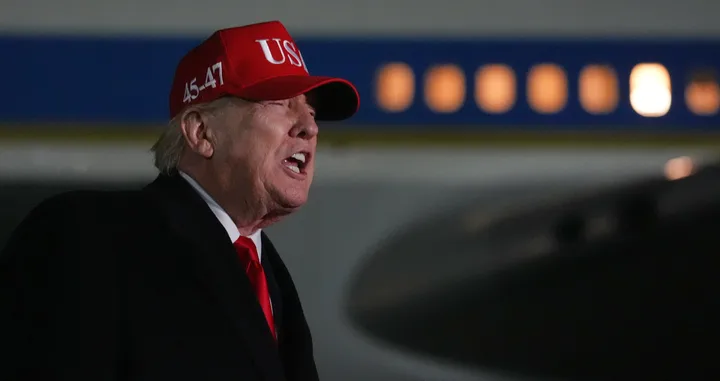
Critics have condemned President Donald Trump after he attacked Pope Leo XIV in a Sunday night rant.
In a lengthy Truth Social post that ran more than 300 words, Trump slammed the pope for being “WEAK on Crime, and terrible for Foreign Policy.”
“I don’t want a Pope who criticizes the President of the United States because I’m doing exactly what I was elected, IN A LANDSLIDE, to do, setting Record Low Numbers in Crime, and creating the Greatest Stock Market in History.”
Trump also took credit for the Chicago-born pope’s election, claiming the College of Cardinals selected the first-ever American pontiff last year because “they thought that would be the best way to deal with President Donald J. Trump.”
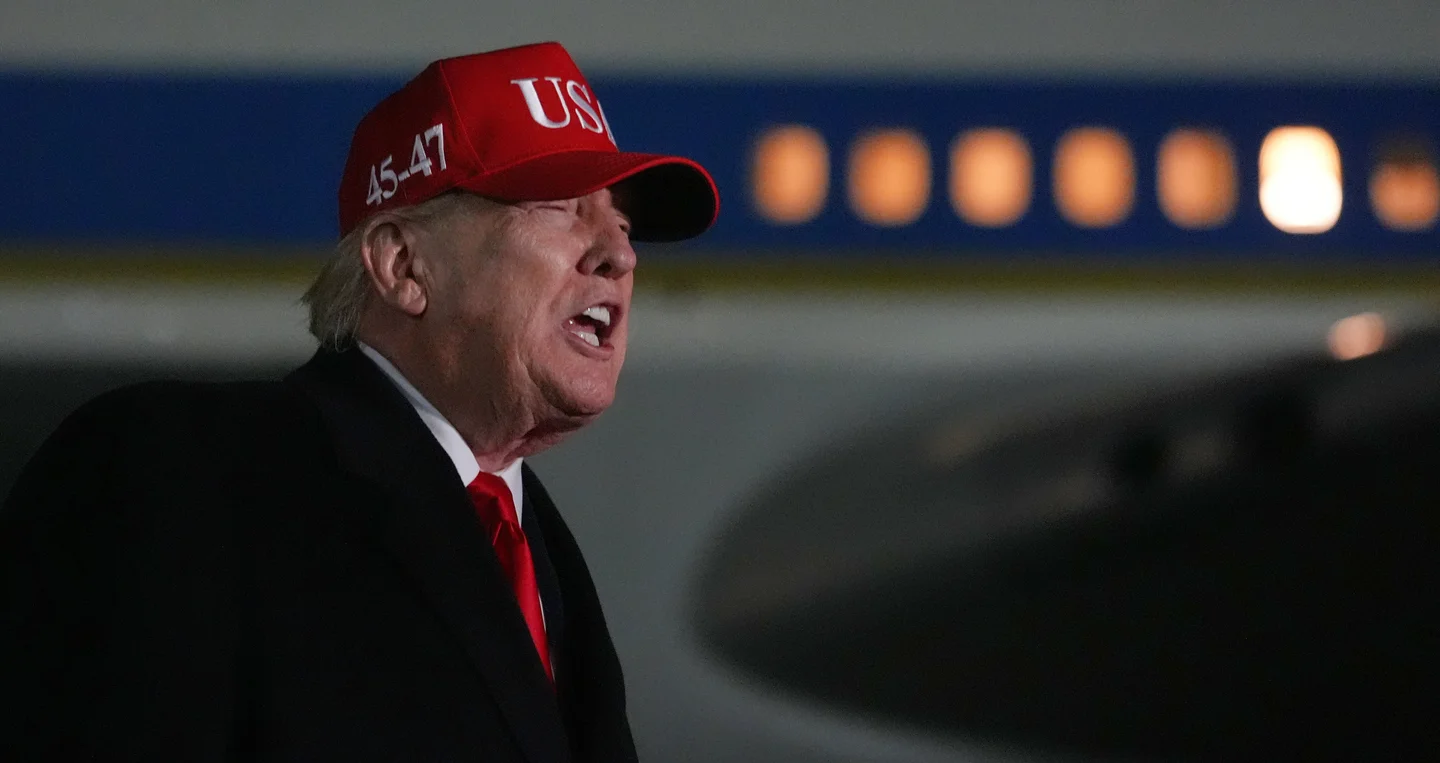
AP Photo/Julia Demaree Nikhinson
He repeated his grievances a little later when he spoke to reporters as he returned to Washington from Miami on Sunday night.
“I don’t think he’s doing a very good job,” Trump said. “He likes crime, I guess.”
He also called the pontiff “a very liberal person” and “a man that doesn’t believe in stopping crime.”
“I’m not a fan of Pope Leo,” he added.
Trump’s attack came after the pope repeatedly called for peace amid the ongoing war with Iran.
He did so again on Saturday.
“Enough of the idolatry of self and money!” Leo said during an evening prayer service, according to The Associated Press. “Enough of the display of power! Enough of war!”
The pope did not mention Trump by name as he described the “delusion of omnipotence” as a threat to global stability, but the comments apparently triggered the president.
Trump’s critics fired back on X:
Subscribe to Commons People, the podcast that makes politics easy. Every week, Kevin Schofield and Kate Nicholson unpack the week’s biggest stories to keep you informed. Join us for straightforward analysis of what’s going on at Westminster.
The elections on 7th May could turn out to be seismic in their political consequences. They’re a mix of parliamentary elections in both Scotland and Wales, as well as in local councils and mayoralties all over England. In Scotland the conventional wisdom is that the SNP will win with Reform UK pipping Labour into second place. In Wales, Labour is expected to lose power for the first time ever, with Reform UK pipping Labour into second place and Plaid Cymru topping the polls. In England the main speculation is how badly Labour will lose, and will there be a subsequent leadership crisis. Both Reform UK and the Greens are expected to make spectacular gains, the with Conservatives not only failing to make many gains, but losing yet more seats. The polls show the LibDems languishing, but they always outperform the polls in local elections, so they will make gains in both councillors and councils that they control.
Tomorrow night at 7pm, I have the LibDem leader Sir Ed Davey on the show for an hour long-phone-in. There could also be consequences for his leadership, if things don’t go to plan. Some of his MPs don’t see a strategy and complain that there is no strategy coming from the centre. He will point to the fact that they were all elected under his leadership. MPs never look back, though. They always look forward and their thoughts are dominated by the prospects of re-election. And the fact is, many of those who won their seats in the south and south-west know that many of them only won because Reform took so many votes away from the Conservatives, rather than because of any massive increase in the LibDem vote. Now in theory, history may repeat itself, but with our politics so fluid at the moment, LibDem MPs would rather have a positive offering to the electorate rather than repeat the stuntfest of 2024. Tune in tomorrow at 7!
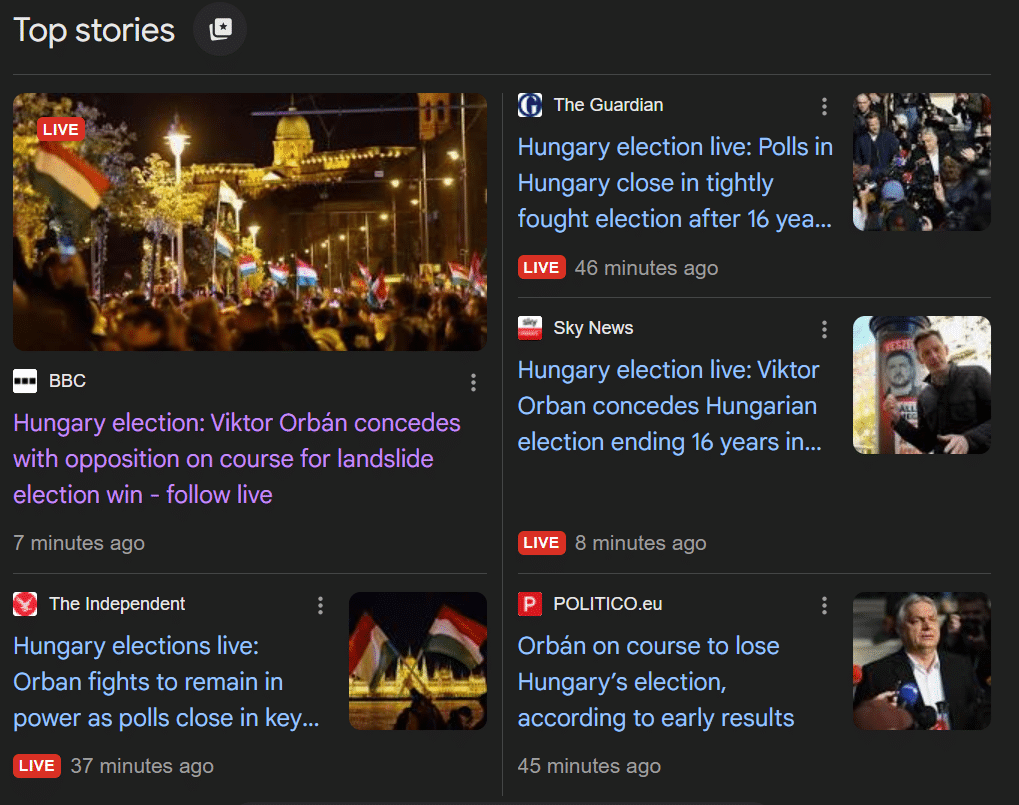
Right-wing extremist – and antisemitic friend of Israel – Viktor Orbán has conceded the Hungarian general election. With two-thirds of the vote counted, his right-wing rival Péter Magyar is on course for what the BBC describes as a “landslide” victory.
Hungarian elections: two cheeks… etc etc
The sudden concession has thrown UK state-corporate media into a spin, with some announcing it and the landslide while others, at the time of writing, say it’s still being fought and is close:

As the careful reader will have noted, both men are right-wingers. Quite hard right-wingers. But while Orbán is EU-phobic, Magyar has promised closer ties with the union. However, Magyar is not expected to change Hungary’s defence of Israel against any stray EU anti-genocide measures in any significant way.
Great. Another rigged ‘two cheeks of the same arse’ result while Israel continues to slaughter and destabilise.
Featured image via the Canary


9 min read
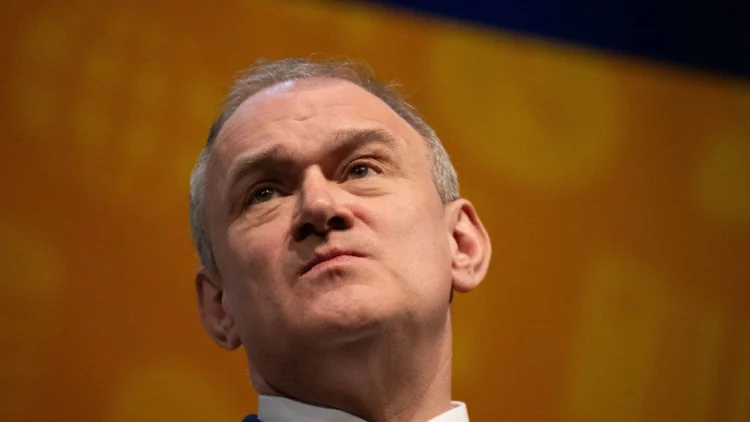
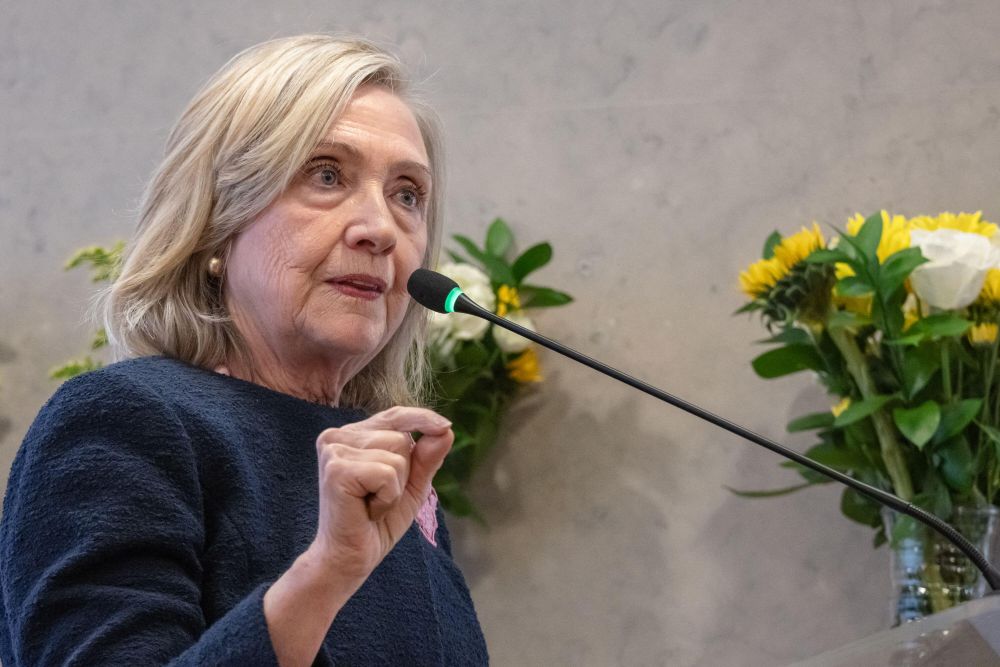
Former US presidential candidate Hillary Clinton privately urged Liberal Democrat leader Ed Davey to “stand up to bullies” like Reform UK during a recent visit to London.
In an interview with PoliticsHome ahead of the 7 May local elections, Davey revealed that he had a “long chat” with the former US secretary of state when she spoke at a business reception in the capital late last year.
“We talked about how we need to fight Reform in the way they need to fight Donald Trump, and she gave me some choice advice, which I’m not going to repeat because that would be unfair on her,” he said.
When pressed, he added: “She said you have to be very strong and stand up to bullies and don’t cave in and cosy up to them. She didn’t say she was criticising Keir Starmer, but I think the approach we [the Lib Dems] have taken, and the approach that someone like the Liberal Prime Minister of Canada, Mark Carney, has taken, is the sort of approach she will endorse.”
He described Clinton as “very friendly and very warm”: “You could tell that she realised that we had shared values.”
Davey sat down with PoliticsHome a month out from voters going to the polls for highly-anticipated elections in Scotland, Wales and council areas across England.
Ahead of those elections, the Lib Dems have sought to frame themselves as part of the broader pushback against the rise of the populist right, taking strong positions against Trump and his actions in Iran, and calling on King Charles and Queen Camilla’s planned visit to the US to be cancelled over the US president’s treatment of the UK.
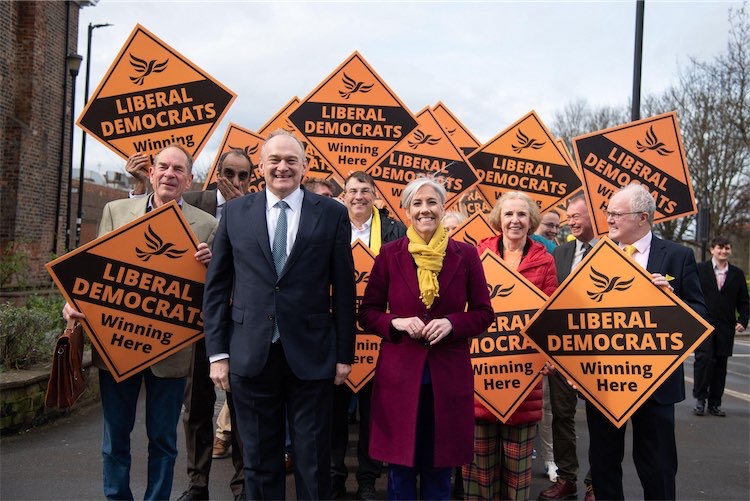
Speaking at the party’s local election campaign launch in Birmingham on Friday, Davey accused Nigel Farage’s Reform of “importing the divisive, nasty politics of Donald Trump into the UK”, adding: “This does not sit well with British values.”
The Lib Dem leader said he hopes that the Democratic Party defeats the Republicans in the US midterm elections in November, and while he joked that his party was “pretty busy in the UK at the moment”, he said they do have a “good relationship with a lot of Democrats”.
“We’ve helped Democrat politicians in the past,” he said.
“They have a good relationship with our party. We had a good relationship with a few Republicans, but I’m afraid lots of Republicans from that great party have now backed the MAGA movement and now support Donald Trump and some of his nasty, divisive, damaging policies.”
As well as Canadian Prime Minister Carney, Davey praised the “strong leadership” of Spanish Prime Minister Pedro Sánchez, who on Wednesday issued a thinly veiled swipe at the Trump administration by saying Spain “will not applaud those who set the world on fire just because they show up with a bucket”.
With Trump continuing to be a deeply unpopular figure in the UK, Davey hopes that his party’s opposition to the US president will boost Lib Dem prospects on 7 May.
Last month, The Spectator obtained internal plans revealing a belief among Lib Dem strategists that their position on the Iran war will pay dividends at those elections, with a memo reading: “For the first time since the Iraq war… we have a chance to turn a distinctive and principled Liberal Democrat position on foreign affairs into significant election gains.”
However, despite leading the Liberal Democrats to their best general election result two years ago, Davey is heading next month’s locals under pressure from restless Lib Dem MPs who complain that the party is drifting and failing to capitalise on the 2024 success.
The polls are the polls, but the elections are the elections
Most opinion polls show that the Lib Dems have hovered around 12 per cent of the national vote since the 2024 general election, with no significant increase.
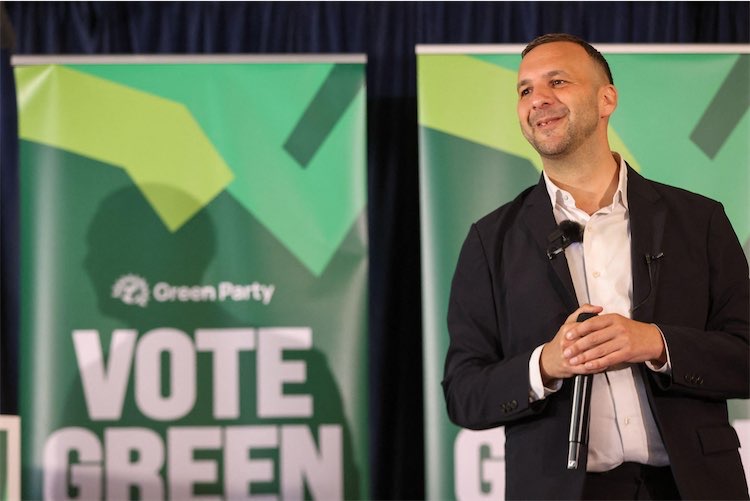
Last month, PoliticsHome reported concern within the party that a handful of Lib Dem MPs could be tempted to join Zack Polanski’s surging Greens.
“I’m restless like they are… I share their restlessness,” Davey told PoliticsHome, while stressing that his MPs and the party “work really well together”.
However, in a bid to face down his critics, the Lib Dem leader pointed to his electoral record.
“The polls are the polls, but the elections are the elections,” he told PoliticsHome.
“Winning elections is what we’ve done under my leadership. If we make net gains in May, it will be the eighth year in a row we’ve made net gains, the sixth under my leadership. It’s never happened before. That’s a continual increase, year on year.
“This year we could well beat Labour and the Tories for the number of councillors we elect for the second year in a row, and it’s never happened previously.”
He insisted that the Lib Dems are “still the most united parliamentary party” despite recent negative briefings.
“Labour could have a leadership election after May, the Tories could. They’re certainly losing MPs to Reform, and then Reform is losing those MPs on the other side. We haven’t, we won’t, and we will work really well together. I am determined to lead us into the next election and show that we have the ideas for our country,” he said.
One complaint among uneasy Lib Dems is that the party currently lacks a clear identity and target audience, having spent recent years focusing its electoral strategy on former Conservative voters in the south of England.
According to Davey, the party now has an opportunity to pick up former Green supporters who care deeply about the environment but are not as left-wing as the party’s self-described eco-populist leader, Zack Polanski.
“You’re going to see a fracturing of the Green Party in the sense that there’s a lot of the former Greens before this Corbynista push, who were much more middle of the road,” he said.
“Their focus was on the environment… The stuff that they [the Greens] are now talking about, they don’t really buy… they don’t like what they’re seeing.”
The discussion heading into 7 May has been dominated by the rise of the Greens and Reform, and their threat to the historic two-party dominance of Labour and the Conservatives.
However, the Lib Dems are hopeful of making gains across the country next month, including in East and West Surrey, Hampshire, Portsmouth, and some areas in the north of England, such as Stockport and Newcastle.
Asked what distinct message the Lib Dems are offering to voters, Davey told PoliticsHome they were positioning themselves as “local champions” who will fix church roofs – a deliberate echo of Conservative leader Kemi Badenoch, who mockingly described a Lib Dem “somebody who is good at fixing their church roof” last year.
At the campaign launch on Friday, PoliticsHome spoke to Lib Dem councillors and candidates who felt that while it was unlikely they – or any party – would win outright control of Birmingham Council, the Lib Dems could be left in a good position to play a “leading role” in the administration after the elections.
The question of who Davey would be prepared to work with could be one he faces increasingly in the future, as the fragmentation of UK politics into a multi-party system shows no signs of going away.
Davey was clear that his party has ruled out working with Reform, and the leader of the Scottish Liberal Democrats, Alex Cole-Hamilton, has ruled out entering a coalition with the Scottish National Party (SNP).
However, the party has not ruled out a coalition with Labour, the Green Party, independent candidates, or Plaid Cymru in Wales. Jane Dodds, the leader of the Welsh Liberal Democrats and the only Lib Dem member of the Senedd, said this week that the Lib Dems would only work with Plaid Cymru if they “confirm that they will not spend a penny of government money on independence”.
Asked whether his party might enter an agreement with the Welsh nationalist party, Davey said he had not spoken to Dodds about it yet.
“I’d be really surprised, given our opposition to independence,” he said.
“You would have to speak to Alex Cole-Hamilton and Jane Dodds, because they will run those negotiations. They’re devolved administrations.”
Liberal Democrat MP Roz Savage told The House magazine in March that the party “needs a plan” for a coalition scenario after the next general election, having been “badly burned” by their experience sharing power with David Cameron’s Conservatives.
Asked whether any resulting coalitions from the May elections could provide test cases for where Lib Dems could work with other parties after a general election, Davey said: “Good question, but I am very focused on the local elections and the next general election, maximising Liberal Democrat victories.”
The challenge for Davey and his party, however, is that the 7 May elections are so unpredictable that they are struggling to predict where they might make the strongest gains.
“It’s complicated, because you’ve got the two old parties’ votes collapsing,” the former cabinet minister said.
“Where we’re strong, we’re big beneficiaries of that, but then there’s Reform coming in… And so we’re finding it quite difficult to read the canvassing, because the Reform vote is a little bit shy.”
Davey suggested the Lib Dems could cause “a bit of a surprise” in Birmingham, pointing to the fact that his party are fielding an expanded list of 101 candidates in the city and describing local campaigners as having “really gone for it”.
In the bid for attention in an increasingly fragmented political landscape, Davey intends to continue carrying out publicity stunts for the cameras. Most recently, he was pictured playing chess with Hull City Council leader Mike Ross at the Hull campaign launch last week.
Davey – similarly to Chancellor Rachel Reeves – played chess competitively until he was about 12 years old, though he said he would “not put myself up as a great chess player” anymore.
“Playing the long game, that’s the key thing in chess,” he said.
“You play all your moves, you don’t get worried if you make a sacrifice here, you work out where you’re going to go.”

The post Why Bonnie Blue is good for feminism, with Zoe Strimpel appeared first on spiked.

The YouTube platform has (again) removed the account of Explosive Media, the makers of Iran’s ‘Lego’-style and intensely viral propaganda videos mocking Donald Trump, Benjamin Netanyahu and their failures.
Explosive Media announced the ban on X:

The group’s accounts on X, UpScrolled, Instagram and other platforms are so far unaffected. Explosive Media marked the occasion by releasing a new video, Loser 2 — described as a ‘banger’ — mocking Trump’s endless lies, his loss to Iran in his and Israel’s illegal war and his guilt in the crimes of serial child-rapist and Israeli spy Jeffrey Epstein. It also directly refers to Trump being behind the ban:
Iranians just published the new very banger LEGO AI movie that Trump almost wants to put onto agreement list to stop them.
Do whatever you need to do but don’t let Trump watch this 😭🤣😂 pic.twitter.com/y66Mr7Yadk
— Furkan Gözükara (@FurkanGozukara) April 11, 2026
Featured image via the Canary
RTL Point Continues to Expand Its Role in the Global Crypto News Ecosystem

The Great Airdrop Industrial Complex

‘Marshals’ Pushes ‘Yellowstone’s Kayce Dutton Into New Soapy Territory, for Better and Worse


-

 Politics3 days ago
US brings back mandatory military draft registration
-

 Fashion3 days ago
Weekend Open Thread: Veronica Beard
-
 Sports3 days ago
Man United discover Nico Schlotterbeck transfer fee as defender reaches Dortmund agreement
-

 Tech5 days ago
How Long Can You Drive With Expired Registration? What Florida Law Says
-

 Politics16 hours ago
World Cup exit makes Italy enter crisis mode
-

 Crypto World4 days ago
Canary Capital Files SEC Registration for PEPE ETF
-

 Fashion7 days ago
Massimo Dutti Offers Inspiration for Your Summer Mood Board
-

 Business2 days ago
Tesla Model Y Tops China Auto Sales in March 2026 With 39,827 Registrations, Beating Cheaper EVs and Gas Cars
-

 Fashion6 days ago
Let’s Discuss: DEI in 2026
-

 Crypto World5 days ago
Bitcoin recovers as US and Iran Agree a Ceasefire Deal
-

 Politics3 days ago
Malcolm In The Middle OG Turned Down ‘Buckets Of Money’ To Appear In Reboot
-
 NewsBeat9 hours ago
Pep Guardiola and Gary Neville agree over Arsenal title problem that benefits Man City
-

 Business3 days ago
OpenAI Halts Stargate UK Data Centre Project Over Energy Costs and Copyright Row
-

 Business2 days ago
Ireland Fuel Protests Enter Day 5 as Blockades Spark Shortages and Government Prepares Support Package
-

 Tech7 days ago
Italian court says Netflix must refund customers up to $576 over price hikes
-

 Tech7 days ago
Haier is betting big that your next TV purchase will be one of these
-

 Tech7 days ago
Gamer Restores the Original PlayStation Portal From Two Decades Ago
-

 Tech7 days ago
The Xiaomi 17 Ultra has some impressive add-ons that make snapping photos really fun
-

 Tech7 days ago
Samsung just gave up on its own Messages app
-

 Tech7 days ago
Save $130 on the Samsung Galaxy Watch 8 Classic: rotating bezel, sleep coaching, and running coach for $369
You must be logged in to post a comment Login