Politics
Politics Home | NHS bodies must stop breaking guidelines and blocking life-changing surgery


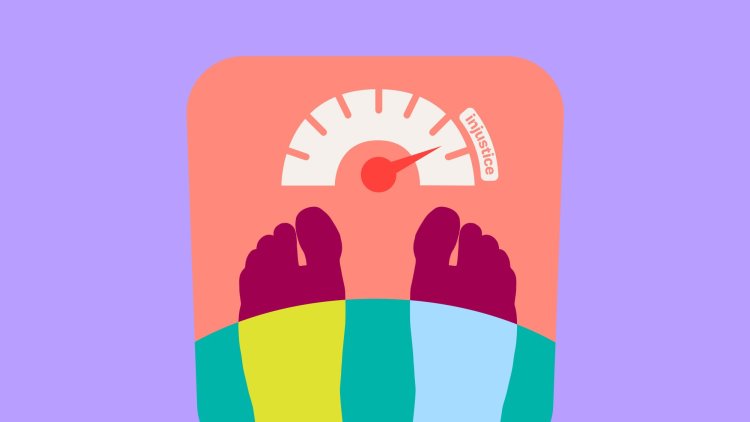


For many people living with arthritis, joint replacement surgery is not a lifestyle choice; it’s the difference between independence and daily pain. Yet across England, access to treatment is unfairly being rationed due to a patient’s BMI.
Our newly published report reveals that 1 in 5 Integrated Care Boards (ICBs) in England are ignoring both NICE guidelines and government advice by rationing joint replacement surgeries based on a person’s body mass index (BMI) alone. The guidelines state that people should not be barred from joint replacement surgery exclusively because of overweight or obesity based on body measures such as BMI.
Using BMI as a single threshold fails to reflect a patient’s overall health, circumstances or need, preventing them access to treatment altogether. Instead, decisions about surgery should be made through shared decision making.
People waiting for joint replacement surgery, often due to arthritis, have already spent many months or years with their health and mobility in decline , as joint replacement surgery is the final line of treatment. Joints in need of replacement are incredibly painful and severely impact the ability of individuals to exercise , which can lead to weight gain. It is counterproductive to deny surgery that could get people back on the road to mobility and improved health and fitness.
ICBs such as Black Country, Sussex, Herefordshire and Worcestershire, among others, have adopted rationing-based policies, often justifying them by pointing to the increased risks associated with a higher BMI. However, research surrounding this is mixed, and multiple large-scale studies shed light on the significant benefits of having the surgery, which outweigh any risks.
BMI alone should not determine who can access planned orthopaedic surgery, nor should anyone be denied its benefits. Yet inconsistent policies across the country mean patients’ access to treatment too often depends on their postcode.
For example, a patient with a BMI above 35 will be denied surgery with Lincolnshire ICB but may qualify for surgery at Leicester, Leicestershire and Rutland ICB, where their cut-off point is a BMI above 45. In practical terms, a difference of about 13kg can determine whether someone receives life-changing treatment or is left in pain.
As the NHS enters a pivotal period of reform, with ICBs clustering and merging from April, there is a rare opportunity to review and reform local policies. Newly formed systems must seize this moment to end practices that unfairly penalise patients and restrict access to surgery based on where they live.
For people with arthritis, time spent waiting is time spent in pain. Delays can result in prolonged pain and further deterioration of the joint, which could be prevented earlier through surgery. These are not neutral delays; they are periods of avoidable suffering.
Being denied [a] knee operation for being overweight only made things worse because of problems getting around, so you end up putting on even more weight
(Man, aged 55+)
The pain can affect people’s abilities to carry out daily activities. Arthritis UK’s Left Waiting, Left Behind survey found that 68 per cent of respondents said that waiting for treatment had impacted their ability to work, and 73 per cent said that it had impacted their social activities. No one with arthritis should be forced to give up the daily activities that give life meaning because of arbitrary eligibility thresholds.
Moreover, being out of work or on sick leave can cause significant emotional and financial distress, taking a toll on an individual’s mental health. 66 per cent of respondents said that waiting for treatment impacted their mental health. Therefore, this highlights how a single decision can trigger a cascade of harm.
While some patients can skip the agony of long waits through private weight loss injections or surgery, these options are only available to those with the means to pay, creating a two-tiered health system. Healthcare should not depend on wealth, and access to treatment should be equal.
I have felt a little isolated. Financial impact – not being eligible for financial support. Weight gain due to physical limitations.
(Female, aged 55+)
The most affected are people living with arthritis in deprived areas, where obesity rates are higher and the risk of knee osteoarthritis is around 50 per cent greater. Yet these communities often have limited access to the required weight management services and, as a result, are disproportionately affected, further entrenching existing health inequalities. We are deeply concerned that these policies continue to penalise those already most vulnerable.
No one should be excluded from accessing surgery that could greatly impact their lives because of an arbitrary metric. Such policies do not just delay treatment; they institutionalise injustice and widen inequalities.
As the UK’s leading arthritis charity, we are concerned that ICBs are implementing BMI policies in a bid to cut waiting lists and running costs through rationing. We want to ensure that patients come first and stand firmly against any cost-cutting policy that inappropriately rations surgery based on BMI rather than clinical need.
We are in the process of contacting all ICBs named in the report with its findings and hope to see the cessation of BMI policies to restrict access to surgery. We are also calling for the end of these practices and for ensuring fair, timely access to surgery for everyone who needs it.

You must be logged in to post a comment Login