
Politics
Politics Home | Public Opinion On Digital ID Has Not Shifted Since Move To Make It Optional



4 min read
New polling shared with PoliticsHome suggests that public opinion of digital ID has not shifted after the government removed the mandatory element of the policy.
A Savanta survey, carried out in recent days and shared exclusively with PoliticsHome, found that the public is broadly split on whether they would sign up to the government’s proposed digital ID scheme, with fewer than half saying they would be likely to take part.
Forty-one per cent of people said they would be likely to sign up to the optional digital ID scheme being planned by the Labour government, compared to 48 per cent who said they would be unlikely to use it.
Meanwhile, eight per cent of respondents said they used to support digital ID but now oppose it, and 9 per cent said they used to oppose it and now support it, indicating little overall change in public opinion despite changes to the policy.
Overall, 36 per cent of respondents said they support the scheme, and 42 per cent said they oppose it.
Savanta’s Chris Hopkins said the findings suggest that “the government’s climb down on its mandatory nature has had little impact on general sentiment”.
The Savanta poll asked 2,306 respondents between 23-26 January about their views on the government’s plan to roll out a digital ID scheme. Prime Minister Keir Starmer first announced the policy ahead of Labour Party conference in September, saying that it could play a key part in modernising the state and tackling illegal immigration.
PoliticsHome revealed earlier this month that the government was introducing a key part of the digital ID scheme as optional, despite originally planning for the scheme to be mandatory for everyone to prove their right to work in the UK.
This came following a growing belief within government and among Labour MPs that they would struggle to make the policy more popular with the public while the mandatory element was in place.
The Savanta poll also asked respondents how effective they think digital ID will be for different purposes.
Overall, 69 per cent thought it would be useful for proving identity when going to vote, 64 per cent for streamlining age verification processes, 60 per cent for toughening employment checks, 59 per cent for making it easier to access public services, 58 per cent for reducing identity fraud, and 47 per cent for reducing illegal immigration.
Since the plans were announced, government figures have admitted that the initial bid to communicate the policy was flawed. In particular, there is an acceptance that the argument around how digital ID could help tackle illegal immigration by combating illegal working was badly explained, and government messaging has since sought to focus more on how a digital ID scheme could improve access to public services.
Hopkins, Political Research Director at Savanta, told PoliticsHome: “The public remains divided over digital ID generally, with similar proportions opposing the scheme as supporting it.
“This is broadly unchanged from when the scheme was first announced, implying the government’s climb down on its mandatory nature has had little impact on general sentiment. In fact, Savanta’s data explicitly shows there has been limited change in support over time.
“It’s no surprise, then, that the public will be similarly divided over their likelihood to sign up to a non-mandatory digital ID scheme. Those already in opposition to the scheme are similarly less likely to take part.
“And while the public believes the scheme will be effective in some ways, there is less belief it will be effective at curbing illegal immigration, which was the main benefit the government expunged political capital talking up when first announced.”
A Cabinet Office spokesperson told PoliticsHome: “The aim of digital ID is to make dealing with the government as quick and easy as online banking, saving you time by connecting you to services in one secure place.
“We will shortly be launching a consultation to gather the public’s view on how we should build the system so that it works for everyone.”

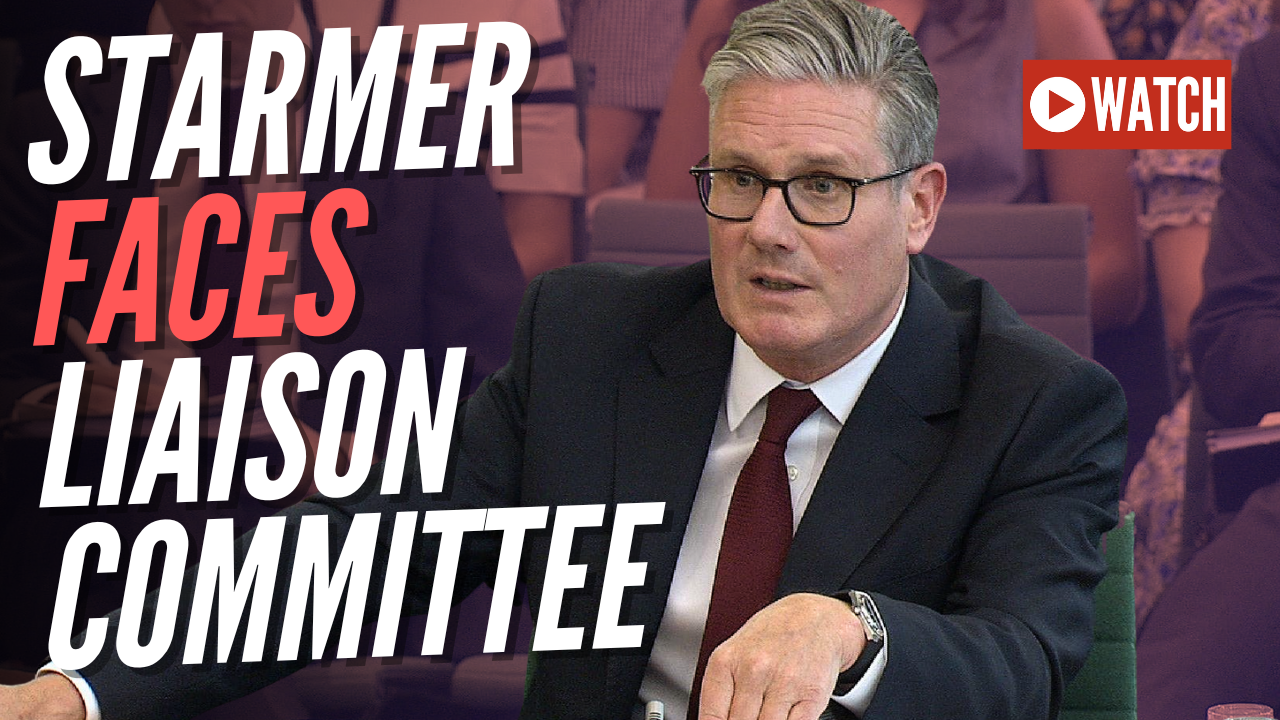
Keir Starmer is up in front of the Liaison Committee for the next hour. Expect plenty on Iran and the economy…
I love a good TikTok-viral recipe. I’ve tried “frambled” eggs and Italian wedding soup, and have even given a version of “swamp potatoes” a go.
And recently, I’ve been seeing a lot of “dumpling lasagnes”, too.
Popularised by food influencer @april_eatz, it offers “all the flavour and texture of soup dumplings – no folding, no sealing, no stress”.
What is a dumpling lasagne?
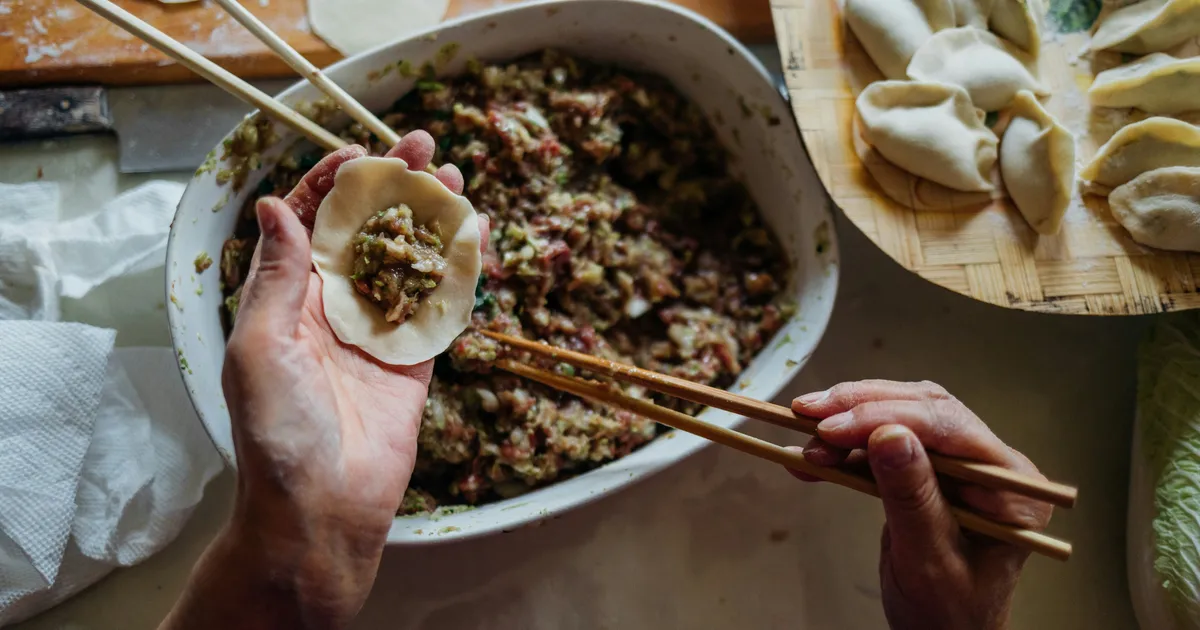
It’s a layered version of dumplings with ground meat. Its structure goes seasoned mince, then dumpling wrapper, then mince, etc., (you can see how it got its name).
It’s a lot easier than maki traditional dumplings, which require careful folding to prevent leaks.
And it doesn’t require the hours of cooking involved in a classic Italian lasagne, either. You just mix your mince, place it between some dumpling skin layers, add sauce, and cook.
How do you make a dumpling lasagne?
There’s no set single recipe; like swamp potatoes, it’s more of a general set of rules than one exact formula.
Start with mince; this can be chicken mince or pork mince.
Add whatever combination of grated ginger, grated garlic, chopped spring onion, soy sauce, chilli crisp, sesame oil, rice vinegar, and/or pepper to the mix that you like.
Then, take your wonton wrappers and a bowl of water. Dip them briefly in the liquid before placing a layer at the bottom of your tray (unlike Italian lasagne, where mince goes in the pan first).
Next, add mince; then a dumpling skin layer – as food creator @heresyourbite puts it, “wrappers, pork, wrappers, pork, until you run out of space or ingredients”.
Make sure the top layer is a dumpling wrapper.
Once it’s assembled, add chicken stock or water to the dish to ensure it steams as it cooks.
Steam the dish, either over a large pot of water or, if you have one big enough to hold your tray, a steamer, until the mince is cooked.
Some TikTokers use a small inverted saucer in a lidded frying pan as a makeshift steamer.
The amount of time that it takes will depend on the amount of “dumpling lasagne” you’re making. The mince should be cooked thoroughly once it’s done.
After it’s cooked, add soy sauce, chilli oil, sesame seeds, or whatever other toppings you like to the dish, and you’re done.
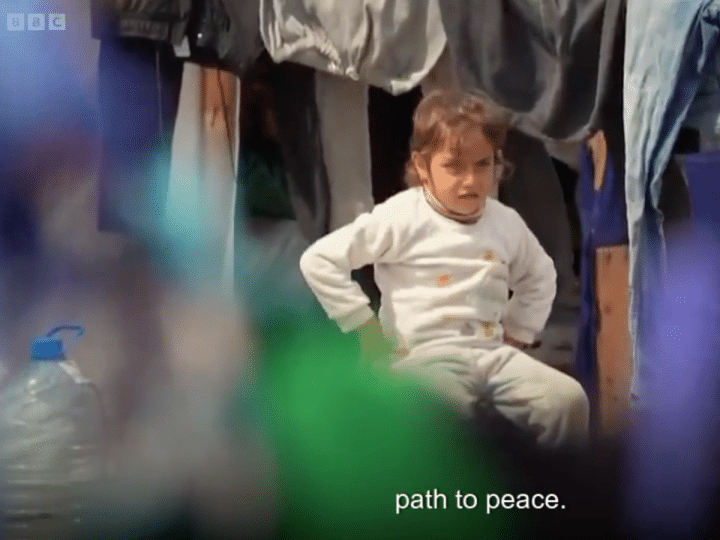

The BBC, in a piece on Israel’s mass slaughter and displacement of civilians in Lebanon, has committed an astonishing breach of decency, let alone impartiality. The broadcaster described Israel’s Gaza genocide, and its replication of the same tactics in its war of aggression on Lebanon, as Israel’s “path to peace.”
In the segment, BBC reporter Lucy Williamson said, in reference to a Israel forcibly displacing a million Lebanese people:
A blueprint for destruction used again as a path to peace.
The BBC was found in March 2026 to have broken the law by hiding details of its executives’ calls with the Israeli embassy. Its ‘Middle East’ editor who has gushed about his relationship with Benjamin Netanyahu and the CIA is suing a journalist for describing his bias on Israel and Palestine, despite a judge ruling the comments were honest and structured opinion. Now this.
Clearly it’s ‘business as usual’ at the friends-of-Israel BBC.
Featured image via screenshot
By Skwawkbox
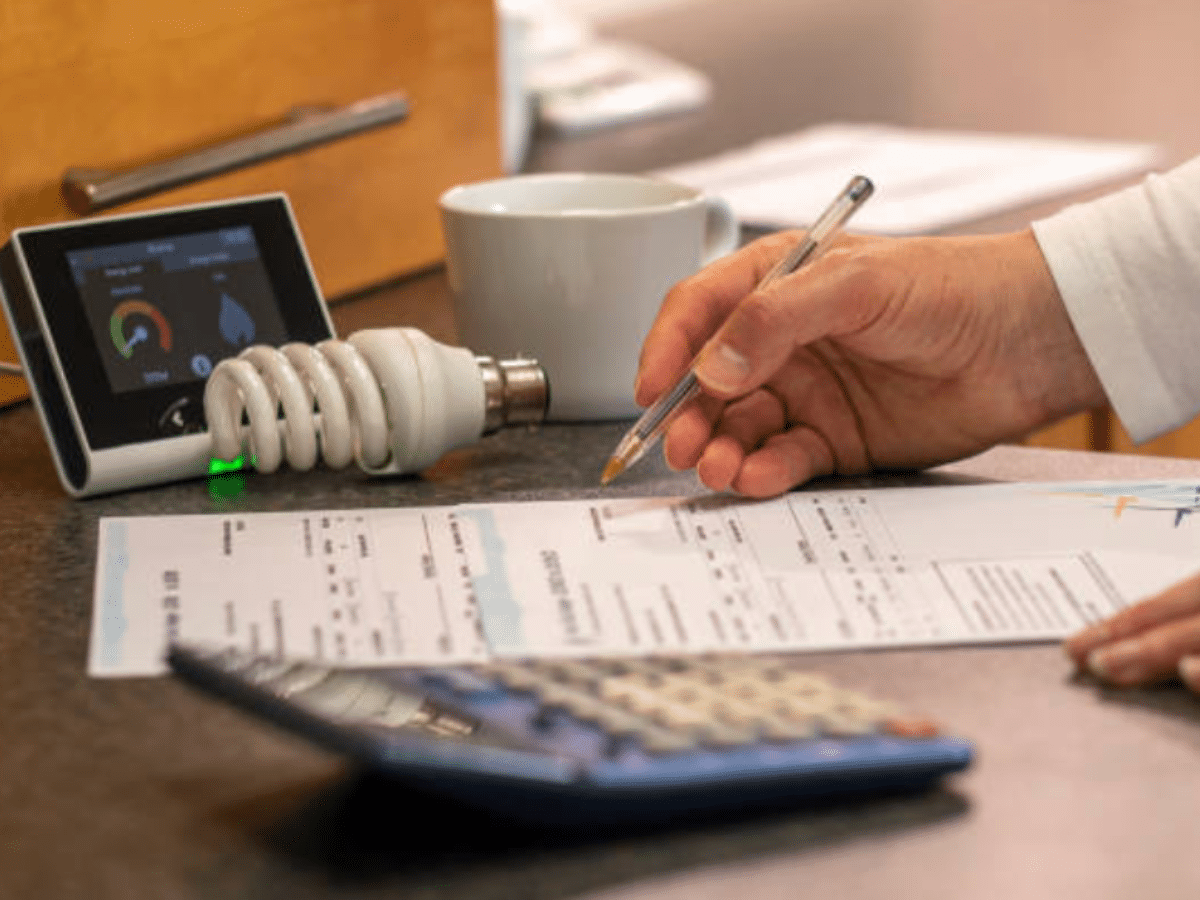
A stock market investor took to social media to share the vast benefits of renewable energy, namely solar panels. His electric bill dropped 71% in the week that began on 10 March compared to the same time last year. He is likely to save even more as fossil fuel prices surge because of the war on Iran, given gas largely sets the price of energy bills.
Two weeks ago we had solar panels and a battery fitted. We have just completed our first full week with the system.
Our electric bill for the week commencing 10th March 2026 compared to the same week last year has dropped by 71% from £31.71 to £9.05.We also have not received… pic.twitter.com/lqRtuI35X5
— Justin Waite (@SharePickers) March 21, 2026
Solar panel scale across the country
The issue is low income people do not have the disposable cash to install a solar panel and battery system, which can cost £8,000 to above £14,000. And the Labour government is predominantly letting the market solve the energy and climate crisis, rather than taking an active and strategic state investment approach.
In Green party leader Zack Polanski’s first economic speech, he pointed to Spain as an example of a country that has “doubled” its renewable energy capacity:
Spain… has doubled its wind and solar capacities since 2019, taking it from having some of the highest energy bills in Europe to some of the lowest. Other countries have been able to learn the lessons from previous crises and prepare – why is our response so weak when disaster strikes?
Spain’s investment in renewables means that gas set the price of electricity just 15% of time, compared to 89% in Italy and around 66% of the time in the UK. The FT further notes:
Spain’s average electricity price for the remainder of this year is forecast at about €66 per megawatt hour, or half the level of Italy’s.
Going backwards?
Meanwhile, the fossil fuel industry and many politicians want to take us into the past with increased fossil fuel usage. Labour MP Henry Tufnell, writing in the Sun, called for ministers to scrap the ban on new North Sea drilling – over 90% of which has already been used up. He attempted to reverse reality, saying that the move away from fossil fuels is “impoverishing our communities”.
Big Oil has long propagandised against renewable energy, despite its own reports from 70 years ago predicting the dangers of climate change.
No-brainer
While the war on Iran is a catastrophe, it is highlighting the benefits of renewable energy.
In 50 years burning fossil fuels will be looked on as being as ridiculous as burning candles for light is now.
It is stone age technology, expensive, polluting and inefficient.
— BladeoftheSun (@BladeoftheS) March 22, 2026
Quite.
Featured image via the Canary
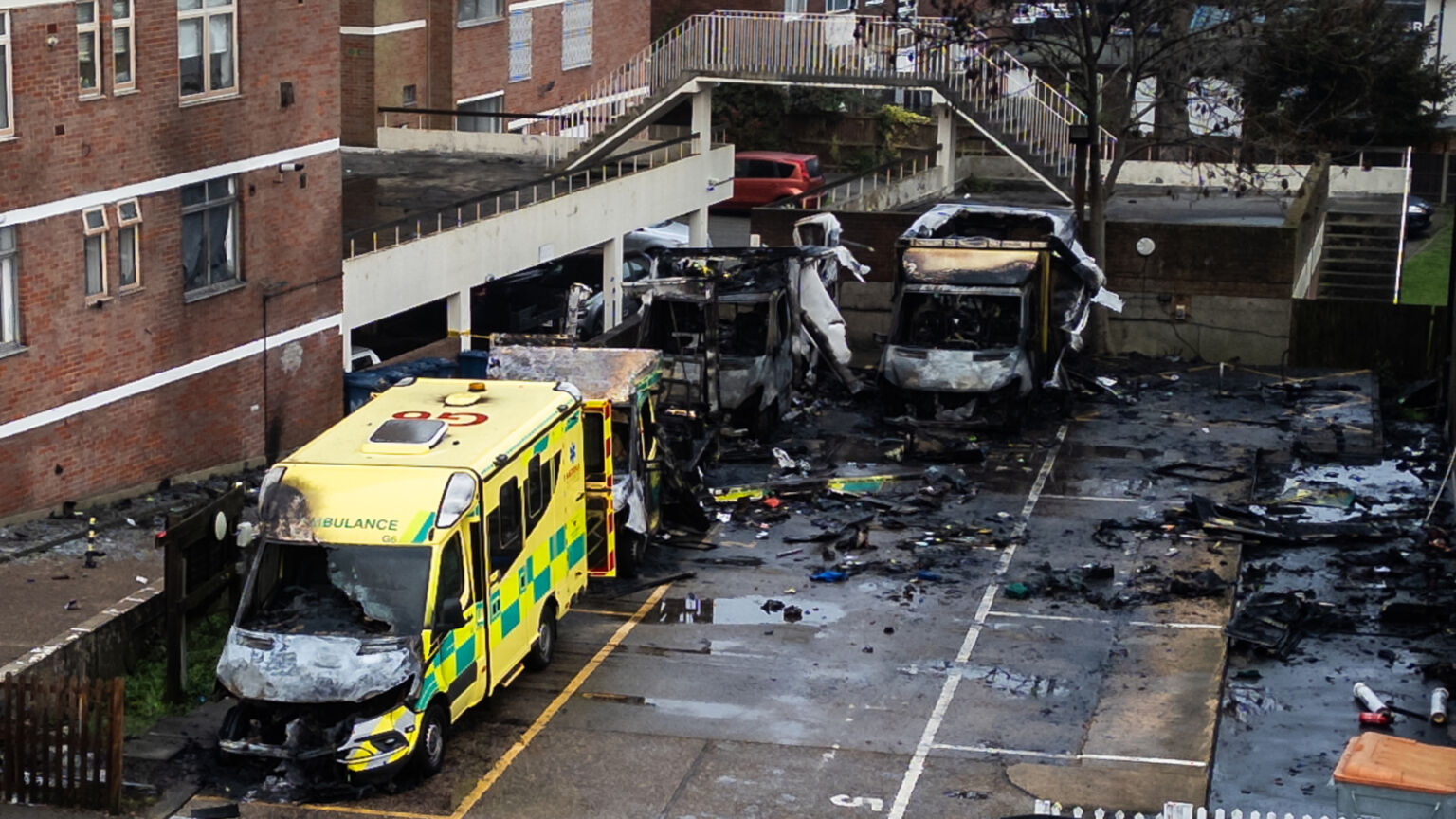
Ambulances set on fire because they are run by a Jewish charity. The anti-Semites aren’t even trying to hide behind Gaza anymore. Truly, theirs is a movement that loathes Jews just as much as it loathes life.
Around 1.30am this morning, four ambulances were set ablaze in Golders Green, the heart of Jewish north London. They belonged to the Hatzola charity, which has been helping the ill and injured residents of the area, Jewish and non-Jewish alike, since 1979.
CCTV footage shows three suspects, clad head to toe in black, approaching the ambulances. They were parked next to a synagogue. Cylinders on the vehicles exploded, shattering the windows of nearby flats.
Right now, all we have is this grainy video footage to go on – motives are too early to establish. But I dare say we can make some educated guesses.
The Golders Green fire attacks come after a man named Jihad al-Shamie slashed at worshippers at a Heaton Park synagogue during Yom Kippur last October; after two foreign-born ISIS fanatics were locked up last month for plotting to gun down as many of Manchester’s Jews as they could; and after two Iranian men were charged a few days ago with spying on London’s Jewish communities on behalf of the Islamic Republic.
The butchers of Tehran were sending their henchmen after Jews in Britain – and across Europe – long before American and Israeli bombs began falling on the Ayatollah, his missile sites and the IRGC earlier this month. More than 20 potentially Iran-linked plots have been disrupted in Britain over the past two years.
A new Islamist group calling itself Harakat Ashab al-Yamin al-Islamia, apparently spawned from the Islamic Republic’s terror networks, has also entered the stage. Last week, it claimed responsibility for explosives attacks on a synagogue in Belgium, a Jewish school in Amsterdam and a synagogue in Rotterdam.
Meanwhile, an ambient Jew hatred fouls the air everywhere. Anti-Semitic incidents in Britain, as recorded each month by the Community Security Trust, are double where they were before Hamas’s pogrom in 2023 emboldened the nation’s Jew-hating scumbags.
It’s in our schools, where Jewish MPs are having visits cancelled due to the fury of the ‘pro-Palestine’ mob. It’s in our universities, where ‘Put the Zios in the ground’ has replaced ‘Be Kind’ as the slogan du jour. It’s on our streets, where Islamists glorify Israel’s jihadist enemies while know-nothing progressives giggle with titillation.
There’s almost a grim division of labour. While radical Islamic mobs threaten, maim and take Jewish life, activists, students and perma-students launch Jew hunts on university campuses – targeting Israeli academics – or smash up Jewish-owned businesses, using bogus connections to Israeli defence firms as a pretext.
The sewers may have burst in Britain after October 7. But anyone who had been paying attention could see this coming. The Kent synagogue smashed up eight times in 10 years. The random attacks on doddery Jewish men. That convoy that drove around Finchley Road in north-west London in 2021, shouting ‘Fuck the Jews’ and ‘Rape their daughters’ from loud-hailers.
We’ve been told since Brexit that a new 1930s is upon us. Apparently, British voters politely asking for more democratic clout and better border control constituted a terrifying descent into Nazism. All the while, those menacing Britain’s tiny Jewish community – smaller in number than British Sikhs – were rendered invisible.
Smashed shops, firebombings, murder – purely because they are Jews. I don’t know how many echoes of history need to ring out, how much broken glass needs to rattle on the ground, before the anti-fascists rouse from their slumber. Or realise they’ve slipped on to the other side.
Muslim anti-Semitism, in particular, has been lent cover by all the usual idiots and cowards. Despite anti-Semitic attitudes being stubbornly higher among British Muslims, despite Islamic extremism being the biggest terror threat we face by a country mile, every political discussion must at some point pivot to the spectre of the ‘far right’.
Given you could now fit the actual far right in the back of an Uber XL, this requires smear tactics and spectacular mental gymnastics – like when Gary Neville responded to the Heaton Park killings by bemoaning the blokes putting Union flags on lampposts, or when Green MP Hannah Spencer blamed the 2017 Manchester Arena bombing on the ‘division’ generated by Reform UK.
The arguments are almost too stupid to rebut. Apparently, Jihad al-Shamie only decided to lunge at Jews with a knife because he was made to feel ‘unwelcome’ by the sight of our national flag, and Salman Abedi only blew up girls at a pop concert because he stumbled across one of Nigel Farage’s old speeches to the European Parliament.
These are just the more low-wattage attempts to defend the indefensible. Jew hatred is back. But our rulers cannot compute it, let alone fight it. For that would require ditching their comforting ideologies, their identitarian blinkers, their deranged Israelophobia. It would mean accepting that they are part of the problem.
Tom Slater is editor of spiked. Follow him on X: @Tom_Slater_.
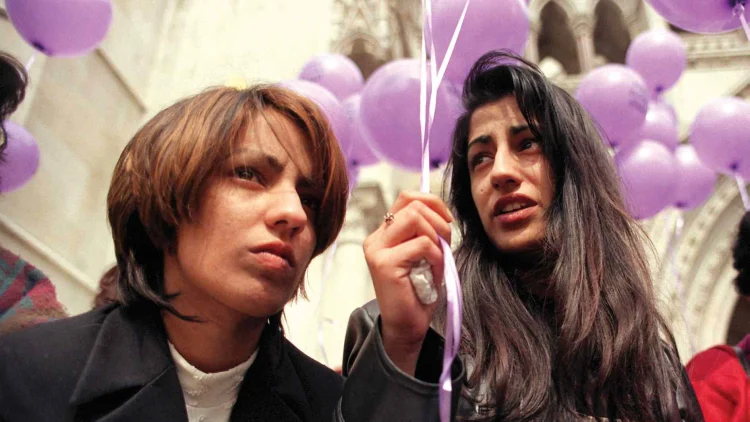

High Court, 1998: Naz Shah and her sister Fozia protest against their mother’s conviction for murder | Image by: : PA Images / Alamy

3 min read
Confronting some uncomfortable truths about abuse, honour culture and the justice system, Naz Shah’s memoir is both painful and inspiring
A fearless memoir of survival, Honoured is both painful and inspiring. Naz Shah recounts her life with unflinching honesty, a witness to her father’s violence towards her mother, enduring his abandonment, and being taken out of school aged 12 and sent to Pakistan. She shares her experiences of living in Pakistan, including only being allowed to return after being forced into marriage at 15.
Back in the UK, as education was no longer an option, she ends up working in a factory packing nappies. Just as adulthood seemed to offer some relief, she experienced more trauma. Her mother Zoora was arrested for killing the man Naz had believed to be a trusted uncle. Convicted and sentenced to 20 years, Zoora’s imprisonment shocked Naz. She had been unaware that he had been physically and sexually abusing her mother for many years. Naz writes with raw honesty about how, as a child, she had even questioned her mother’s character, not realising that Zoora had endured so much to protect her children, even sending Naz to Pakistan to protect her from being exploited too.
Through these memories, the weight of abuse and societal shame becomes clear. Her mother carried the blame, while those responsible were often protected by silence. Shah explores how honour, or izzat, shaped their lives: how shame silenced her mother, how single mothers were judged unfairly, and how coercive control – unrecognised at the time – governed women’s lives.
Honoured is not just a story of trauma but a story of resilience, faith, activism, and triumph
She also reflects on her own lack of agency in her first marriage: “When I first went to Pakistan, there was a list of things I couldn’t do because I didn’t have a father. I was returning to the UK with the same lack of control, only now I belonged to a man who had power of veto over my life. My existence was once again defined by a man.”
Forced to grow up quickly, Naz recounts shouldering parental responsibility for her younger siblings while navigating a marriage she never wanted. She confronts her darkest moments with unflinching honesty, including her suicide attempts. Amid this turmoil, she campaigned relentlessly to reduce her mother’s prison sentence – a campaign she ultimately won. Early in her efforts, she sought support from then long-serving Labour MP Marsha Singh, never imagining that one day she would rise from hardship to occupy his seat as the MP for Bradford West.
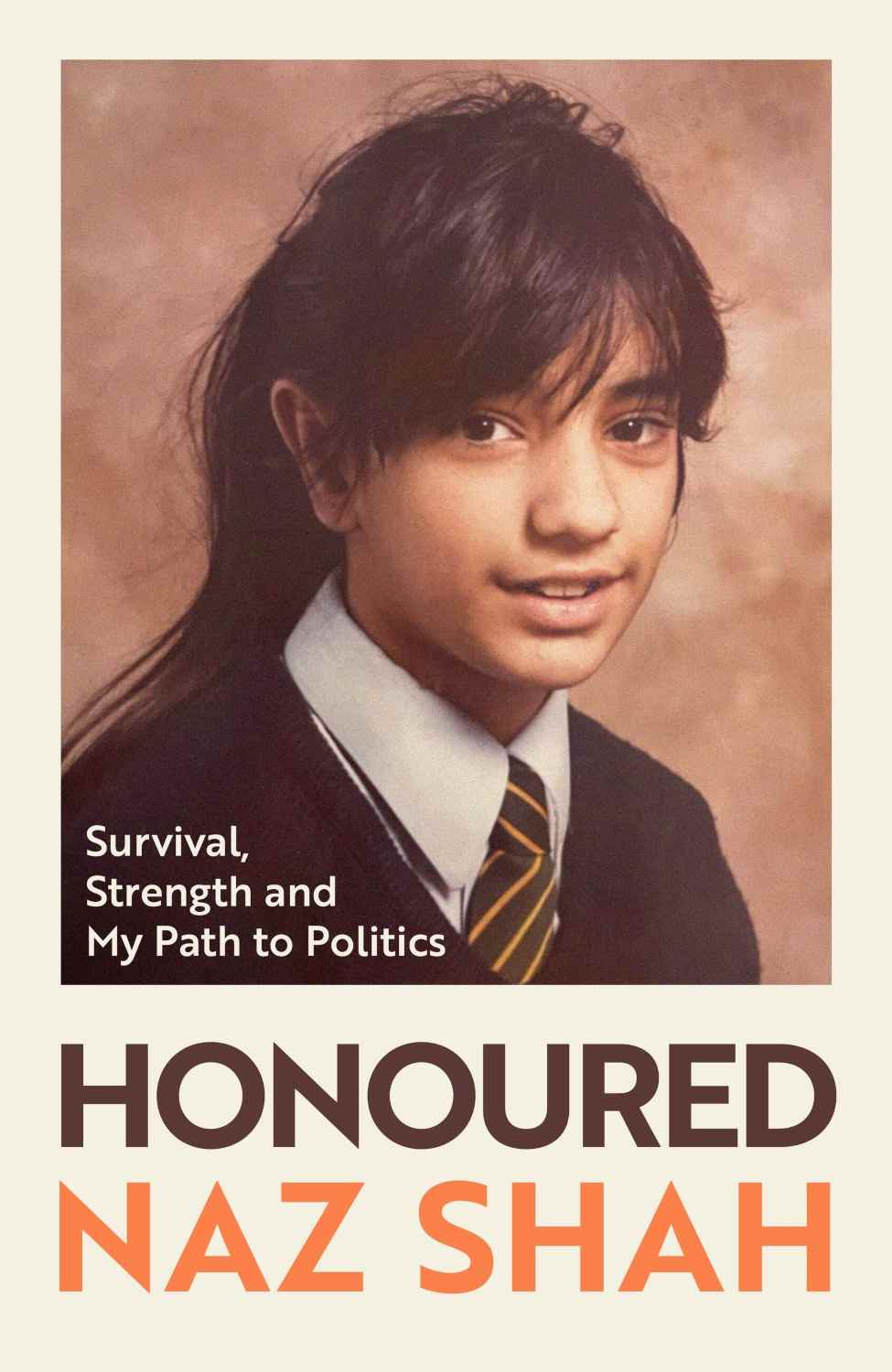 Honoured is not just a story of trauma but a story of resilience, faith, activism, and triumph. Naz’s Islamic faith provided a quiet anchor through her hardships, and her grit propelled her to a remarkable political victory, defeating George Galloway in the 2015 general election despite his aggressive campaigning. The book begins on the eve of that election, marking the start of a new chapter in her life.
Naz’s experiences continue to fuel her politics. The same fire that helped her survive childhood drives her advocacy for vulnerable women, children, and families, especially those who, like her, feel abandoned or unheard. She confronts uncomfortable truths about abuse, honour culture, and the justice system, challenging readers to face these realities. Ultimately, Honoured is a story of transformation – showing how one life, forged in hardship, can ignite change for countless others.
Baroness Gohir is a Crossbench peer
Honoured: Survival, Strength and My Path to Politics
By: Naz Shah
Publisher: W&N
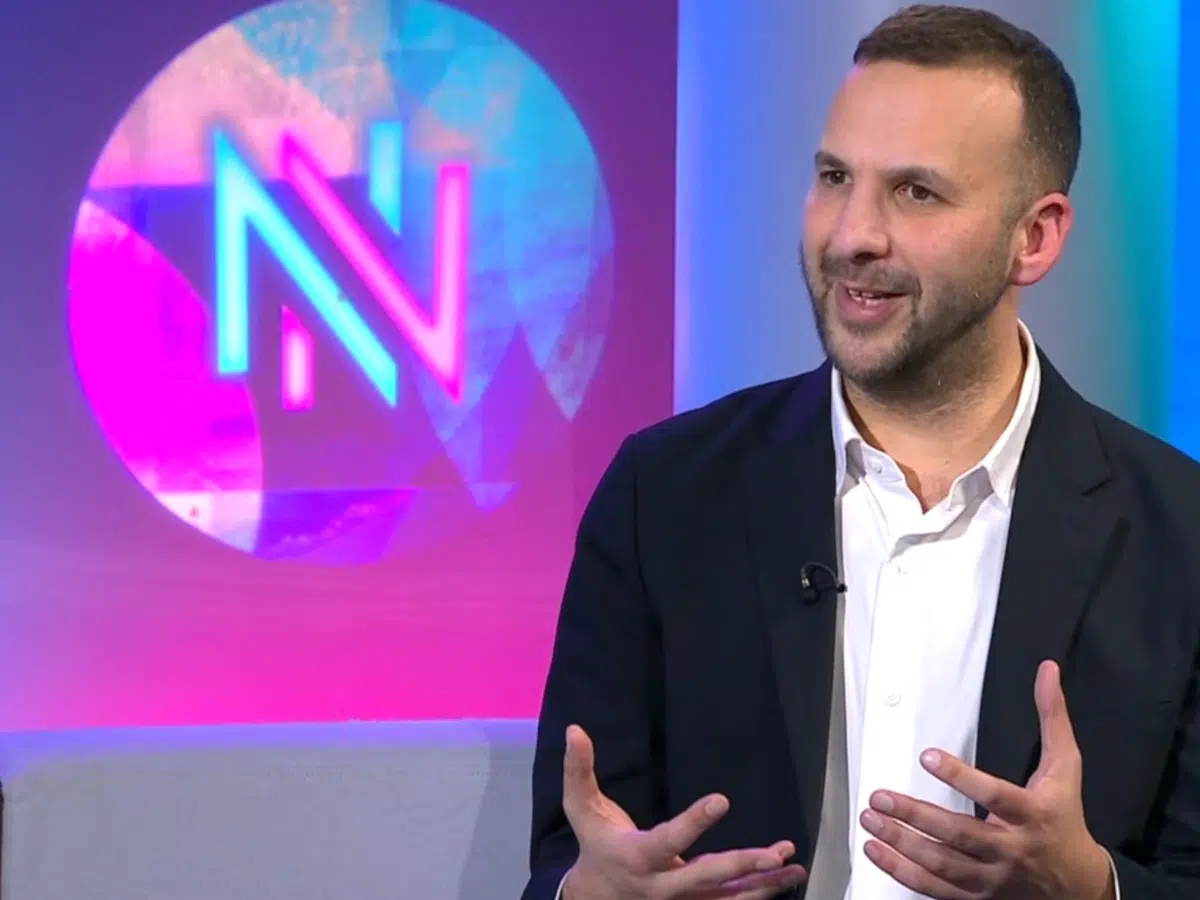
In an interview with Green Party leader Zack Polanski, BBC presenter Nick Robinson insisted on amplifying the voice of genocidaires and genocide-deniers. He even claimed it’s the BBC‘s job to do so.
With the overwhelming weight of expert opinion calling Israel’s mass murder in Gaza genocide, however, people expressed serious concern about the BBC still clinging to its longstanding efforts to downplay the genocide.
BBC wants to be “fair” to the people committing genocide
In the interview, Robinson interrupted Polanski to say:
I don’t want to have a debate about the word, but I do want it noted that no court has said it’s genocide and Israel completely rejects the idea it’s genocide.
Criticising the BBC‘s pro-Israel bias in 2025, actor Liam Cunningham asked:
Are we saying, due to impartiality, that if this was 1944 or 1945 when we discovered the horrors of Auschwitz, would we be contacting Heinrich Himmler for his take on the genocide? Because that’s what’s going on now.
Fast-forwarding to 2026, Robinson did just that. Because after emphasising the genocidaires’ denial, he insisted:
it’s only fair to point that out.
And when Polanski challenged him on X after the interview, Robinson doubled down:
Simple answer Zack. Our job is to report. We interview you & those you quote who use the word genocide. We do the same for those who disagree. We also report that no international court has yet made a judgment. Nor has the UN. That’s not me or the BBC taking sides or downplaying…
— Nick Robinson (@bbcnickrobinson) March 22, 2026
Hi @bbcnickrobinson, you said “Nor has the UN made a judgment” but on the 16th of September 2025 the UN made a judgment (see below). I trust you’ll have the integrity to acknowledge your honest oversight to @ZackPolanski & BBC licence fee payers.
Source: https://t.co/yBkL6cU3VZ https://t.co/3aldaJ8H1x pic.twitter.com/uzcvSYGgK0
— Ben Goren (@BanGaoRen) March 23, 2026
As the Canary has documented in depth, UN legal expert Francesca Albanese absolutely has called Israel’s actions genocide, as has the UN Independent International Commission of Inquiry on the Occupied Palestinian Territory, including East Jerusalem, and Israel.
Countless genocide scholars, legal professionals, human rights groups, and humanitarian organisations have joined them. Even prominent Israeli genocide scholars have reached the conclusion that Israel has committed genocide. And a Dutch media report summarised that “leading genocide researchers are surprisingly unanimous”.
This overwhelming consensus is why so many people are sick of BBC figures trying to explain away their shocking ‘both sides‘ approach to genocide:
When the overwhelming body of experts describe it as genocide, and you still disagree, this is making a judgement. The BBC would not deny climate change. Nearly every major human rights and academic experts on genocide have determined Israel has carried out genocide.
— Philip Proudfoot (@PhilipProudfoot) March 22, 2026
You’re wrong on the UN. The UN Commission concluded in their report in September 2025 that Israel has committed genocide. You should not only know this, you should state this every time the issue arises.
— Omar Baggili 💙 (@OmarBaggili) March 23, 2026
Balance, Nick. Please.
We’ve have been here before on climate change denial. pic.twitter.com/4ChWfVTFuP— Mick ☕️🍉 (@MickCoffey2) March 23, 2026
Giving genocidal allies an equal say is complicity
Genocide expert Martin Shaw has previously called media outlets avoiding the word genocide “tame“. And he highlighted that the BBC has hardly been rushing to amplify his voice, saying:
But Nick you don’t “interview those who use the word genocide”. I’m one of the most prominent British genocide scholars and I called Israel’s genocide in October 2023. I’ve had a lot of international media attention but my BBC total in 30 months is one interview on Radio Ulster.
He also suggested that the BBC probably wouldn’t jump to highlight the voices of genocidaires in other cases:
This. Even in his interview with @ZackPolanski, @bbcnickrobinson had to say ‘but Israel says’.
I don’t think he would have said ‘but the Myanmar government says’ if Zack had referred to the genocide of the Rohingya. https://t.co/isUZQCdcb0
— Martin Shaw (@martinshawx) March 23, 2026
A terrible betrayal of journalistic standards & duty of BBC @bbcnickrobinson
Genocide Convention 1948 is designed to stop genocides. Not for the world to wait for a final court judgement
The evidence of a genocide in Gaza is conclusive
BBC is protecting Israel, the… https://t.co/tRRP0mQGSm
— Tom London (@TomLondon6) March 22, 2026
And as experts have highlighted, genocidal campaigns would struggle to get off the ground without favourable media coverage:
From the Gaza Tribunal, which of course the BBC completely ignored.
Genocide denial is ALWAYS a part of genocide. https://t.co/ifRPWmxYpZ pic.twitter.com/kFGfJkHUnP
— Wokerati Marty (@WokeratiMarty) March 23, 2026
Polanski: “it feels like it’s getting a lot worse”
Polanski, meanwhile, shared a speech that he thinks is appropriate to consider:
whenever a BBC journalist denies the evidence in front of our very eyes in the name of “balance.”
The speaker was former BBC presenter Emily Maitlis, who spoke about the famous ‘boiling frog’ scenario, where a frog will jump out of already boiling water but stay in water that gradually boils around it. She said:
we have to stop normalizing the absurd.
And in a critique of the kinds of attitude that lead the BBC to both-sides genocide, she explained that:
we don’t have to be campaigners, but nor should we be complacent, complicit onlookers. Our job is to make sense of what we’re seeing and anticipate the next move. It’s the moment, in other words, that frog should be leaping out of the boiling water and phoning all its friends to warn them. But by then, we’re so far along the path of passivity, we’re cooked.
The BBC has a history too. In the past, for example, the broadcaster’s director of news and current affairs had to admit that its climate-change coverage was “wrong too often”, insisting that:
You do not need a ‘denier’ to balance the debate.
The speech from Maitlis, Polanski said, “should have been a turning point”. Instead, he stressed:
it feels like it’s getting a lot worse
And it really is hard to get much worse than constantly straining to emphasise the denial of genocidaires when experts overwhelmingly conclude they’ve been committing genocide. We know the BBC is state propaganda. But this is just nauseating.
Featured image via YouTube screenshot/BBC Politics
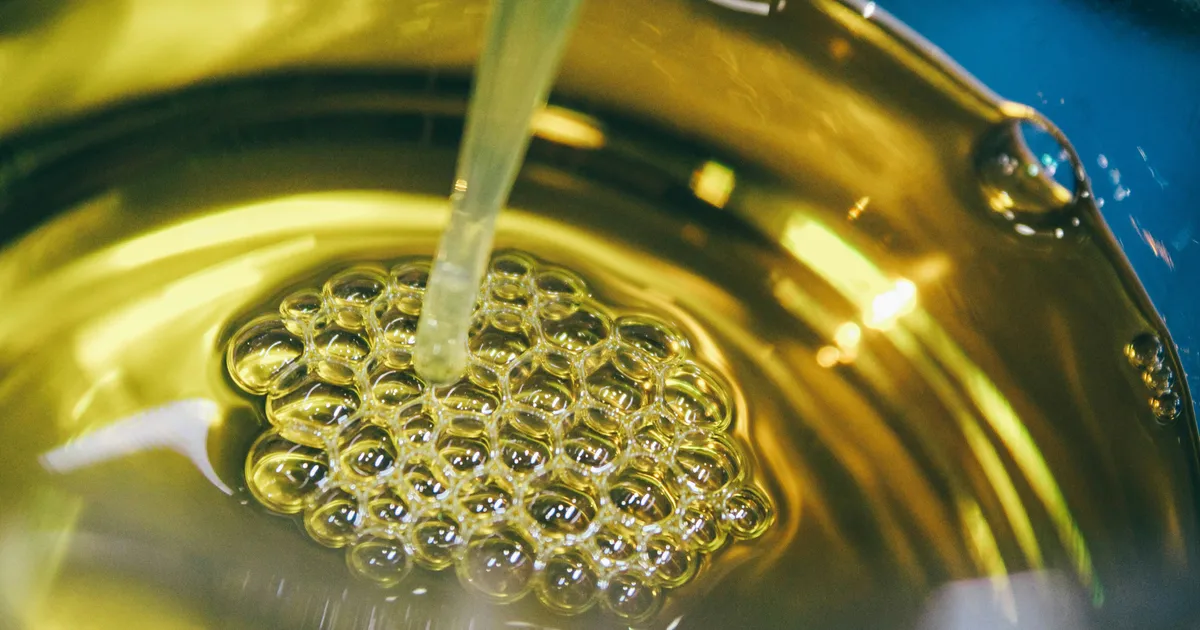
Some research suggests that sticking to a Mediterranean diet might lower a person’s risk of dementia by as much as 23%.
That involves loads of vegetables, whole grains, and olive oil.
A new study, published in The American Journal of Clinical Nutrition, which followed thousands of older participants for years, has suggested that the type of oil you cook with could affect dementia risk, too.
“Replacing animal fat and saturated fat with vegetable fat and monounsaturated fats could serve as a dementia prevention strategy,” it reads.
Why might that be?
The researchers looked at the data from just under 6,000 participants who had an average age of 68 at the start of the study. None had dementia in the beginning.
The study authors asked participants to fill in surveys about the food they most regularly ate. That included the oils they cooked with, but they also counted oils already present in premade food they consumed.
Scientists split the oils they consumed into animal and vegetable fats, and also marked which were monounsaturated and polyunsaturated fats and trans fats.
They tracked participants’ progress for an average of six years.
By the end of the observation period, 44% of participants had gone on to develop dementia.
Those who had the highest consumption of vegetable oils were 31% less likely to develop dementia. That accounted for about 23.5% of their diet.
But the researchers worked out that even if a person replaced 5% of their total caloric intake that would otherwise go to animal fat with vegetable and/or polyunsaturated fats, dementia risk may shrink by 15%.
What are some examples of animal and vegetable fats?
Animal fats tend to be saturated fats, while vegetable fats tend to be polyunsaturated.
Some examples of saturated animal fats include:
And though they aren’t animal-sourced, saturated fats can also include:
Some examples of polyunsaturated and monounsaturated vegetable oils include:
- Rapeseed oil
- Corn oil
- Sunflower oil
- Olive oil.
Politics
Lord Ashcroft: The records of the Conservatives, Labour and the SNP have condensed into ‘a strong need to give someone a sore face’

Lord Ashcroft KCMG PC is an international businessman, philanthropist, author and pollster. For more information on his work, visit lordashcroft.com
Ask an SNP voter to name the Scottish government’s greatest achievements since it came to power in 2007 and you are all but guaranteed to hear the following: free university tuition, free prescriptions, free school meals, baby boxes, and free bus travel for young people. Nicola Sturgeon’s handling of the covid pandemic might also get a mention.
The trouble with these feats of civic nationalism, towering though they may be, is that they date, respectively, from 2008, 2011, 2015, 2017 and 2020. In other words, none of this passes what political scientists call (or ought to call) the Janet Jackson test: What have you done for me lately?
In my latest round of Scottish research, even some previously loyal SNP voters were starting to wonder if their party’s record over 19 years – let alone the last five – wasn’t beginning to look a bit thin. Only around half of them say it has done a good job on health, schools or the economy, or on keeping its promises. Some even dared commit the heresy of asking whether the money spent on universal free benefits might have been better directed towards those actually in need.
Among voters as a whole, the proportion saying the SNP has done well on these measures barely exceeds three in ten. Things like the ferry fiasco, the Queen Elizabeth University Hospital scandal and the police investigations into the party’s finances have done nothing for its reputation for competence or for honesty and integrity – the single measure on which it scored lowest in my survey. Energy and momentum have drained away since the intoxicating days of the referendum campaign and the subsequent election surge. Voters described John Swinney as an “interim manager” and a “wet weekend”; nobody expects him to come up with anything that could honestly be called a new idea.
So why, in common with other pollsters, do I find the SNP once again entering the election campaign in pole position?
One reason is that – not for the first time – they have been given a considerable helping hand by their opponents. I barely found even a Labour voter in Scotland who had a good word to stay about Keir Starmer’s record since 2024. Few thought his party had brought any change for the better, and Scots were more than twice as likely to say the SNP were doing a good job in Holyrood as to say the same of Labour in Westminster. Though they were much more likely than not to think Anas Sarwar had been right to call for Starmer’s resignation, most also saw it as a somewhat desperate tactical move to try and distance Scottish Labour from the London party.
Another reason for wavering SNP voters to fall into line is the rise of Reform UK, vying to become the second largest party in Holyrood after May. This phenomenon has not come out of nowhere. The effects of small-boat migration are increasingly making themselves felt in Scotland, and the records of the Conservatives and Labour in London and the SNP in Edinburgh have condensed into what one chap articulated as “a strong need to give someone a sore face”. While former Tory voters are the biggest source of Reform support, they are not the only one: I found more than one in ten 2021 Labour list voters leaning in Reform’s direction, not to mention one in sixteen of those who backed the SNP.
Even so, this gives the SNP a new purpose: that of a bulwark against the “far right” and, of course, the threat of England’s nasty political culture taking hold north of the border. (I would expect to see that message on a leaflet or two in the next few weeks).
Being the antidote to England, whether in the form of Starmer’s hopelessness or Farage’s right-wingery, is the SNP’s sweet spot. “Standing up for Scotland” was the only area in which I found most Scots – and three quarters of SNP voters – saying the Holyrood government had done a good job.
This can only be pushed so far, however. Only a quarter of Scots backed the idea that a pro-independence majority would constitute a mandate for another referendum. Indeed, only just over half of likely SNP voters agreed with the proposition. Those leaning towards the Greens – whose profile and credibility had received a boost from their success in the Gorton and Denton by-election – were divided but on balance agreed that we can’t assume someone supports independence just because they vote for a particular party. In fact, only a quarter of likely SNP voters put independence in the top three most important issues facing Scotland; for those leaning Green, the issue ranked equal eighth.
Just as the failings of the established parties – including the SNP – have opened the door to Reform, so Nigel Farage will concentrate nationalist minds. In other words, in this election, Reform and the SNP need each other. Who knows what the campaign will bring. But if, when the votes are counted, Farage and Swinney are the two big winners, both will regard that as a pretty good night’s work.
After keeping us waiting for more than a decade, Lisa Kudrow has donned that coiffed red wig for one last outing as Valerie Cherish.
The Comeback’s third (and, apparently, final) season premiered in the UK on Monday, with our central anti-heroine returning to the artform that first launched her to “stardom” – the sitcom.
In the new episode, Valerie learns that she’s been hand-picked as the lead in a new TV sitcom, How’s That?, but is contractually obligated to keep it secret that the whole thing has been generated by AI.
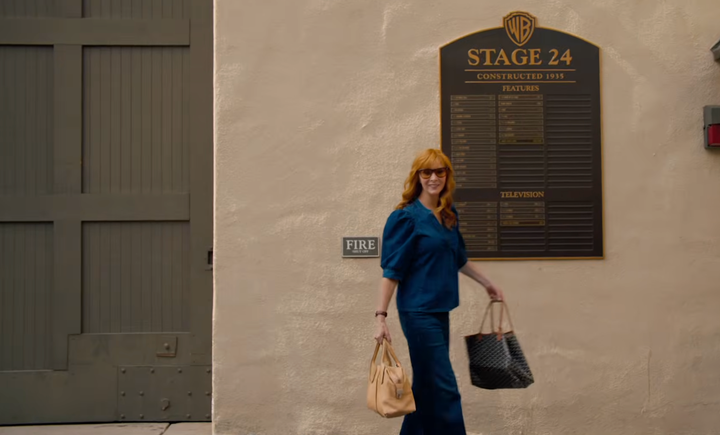
While promoting the latest iteration of The Comeback, Lisa shared that Valerie’s How’s That? scenes hold particular significance for her, as these parts of the show were filmed at Warner Bros.’ Stage 24 – the very same soundstage where she shot her scenes as Phoebe Buffay in Friends.

Appearing on CBS Mornings over the weekend, Lisa shared: “[It’s special] on different levels. We finished up Friends, which was one of the biggest things in my professional life – and life, period. And now I’m finishing up The Comeback trilogy in the same place where I finished the other most important thing.
“So, that made me a little emotional.”
During a previous interview on Jimmy Kimmel Live!, the Emmy winner said: “That was really strange and kind of emotional. That’s where we ended [Friends and The Comeback], so it was the ending of two really important things. So, it was a big deal.”
Asked about this by the New Yorker, she also joked: “I’m trying to think of a word that’s not ‘mindfucky’.”
The Comeback’s final outing sees the return of some familiar faces, including Laura Silverman as Jane and Damian Young as Valerie’s husband Mark, as well as new characters played by Andrew Scott, Jack O’Brien and Ella Stiller.
It’s also the first season not to feature fan-favourite Robert Michael Morris as hairdresser Mickey Deane, following the actor’s death in 2017.
The first episode of The Comeback season three is now streaming on Sky and Now in the UK, with new instalments every Monday.

Teach Kids Saving: Financial Literacy in Kindergarten! #shorts
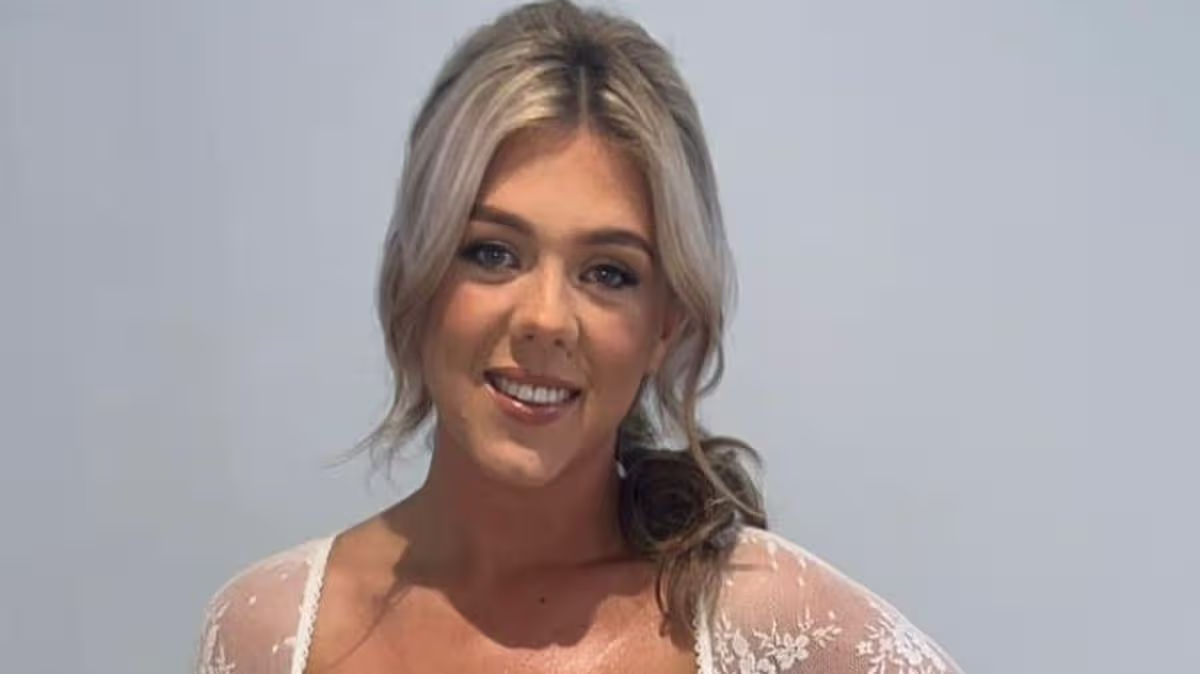
Amy Doherty: Police name 28-year-old Derry murder victim

Jean-Claude Bastos’ Beyond’ Podcast Features a Probing Conversation on Architecture, Intelligence, and the Nature of Design


-

 Fashion3 days ago
Weekend Open Thread: Adidas – Corporette.com
-
 Crypto World3 days ago
NIO (NIO) Stock Plunges 6.5% as Shelf Registration Sparks Dilution Worries
-

 Politics3 days ago
Jenni Murray, Long-Serving Woman’s Hour Presenter, Dies Aged 75
-
 Tech6 days ago
Are Split Spacebars the Next Big Gaming Keyboard Trend?
-

 Business7 days ago
How the UK and China Trade Agreement Could Shape UK Businesses in 2026
-

 Crypto World2 days ago
Best Crypto to Buy Now: Strategy Just Spent $1.57 Billion on Bitcoin During Fear While Early Investors Quietly Enter Pepeto for 150x Potential
-

 News Videos5 days ago
RBA board divided on rate cut, unusually buoyant share market | Finance Report | ABC NEWS
-

 Crypto World2 days ago
Bitcoin Price News: Bhutan Sells $72 Million in BTC Under Fiscal Pressure, but the Smart Money Entering Pepeto Sees What the Market Does Not
-

 Politics5 days ago
The House | The new register to protect children from their abusers shows Parliament at its best
-

 Tech3 days ago
inKONBINI Lets You Spend Summer Days Behind the Register
-
 Politics6 days ago
Real-time pollution monitoring calls after boy nearly dies
-

 Crypto World5 days ago
Canada’s FINTRAC revokes registrations of 23 crypto MSBs in AML crackdown
-

 Sports3 hours ago
Remo Stars and Kano Pillars Strengthen Survival Hopes in NPFL
-
 NewsBeat5 days ago
Residents in North Lanarkshire reminded to register to vote in Scottish Parliament Election
-

 News Videos5 days ago
PARLIAMENT OF MALAWI – PAC MEETING WITH REGISTRAR OF FINANCIAL ON AMARYLLIS HOTEL – INQUIRY LIVE
-

 Politics4 days ago
Gender equality discussions at UN face pushbacks and US resistance
-

 Business23 hours ago
No Winner in March 21 Drawing as Prize Rolls to $133 Million for Next
-

 Business5 days ago
Who Was Alex Pretti? 5 Key Facts About the ICU Nurse Killed by Federal Agents in Minneapolis
-

 Tech18 hours ago
Give Your Phone a Huge (and Free) Upgrade by Switching to Another Keyboard
-
Sports4 days ago
Vikings Free Agency Enters Phase 2 with Key Questions
You must be logged in to post a comment Login