Connect with us

Politics

‘Profoundly unhelpful’: Texas Republicans worry Bo French’s xenophobic posts make a tough year worse

Published

on

‘Profoundly unhelpful’: Texas Republicans worry Bo French’s xenophobic posts make a tough year worse

Texas Republicans were already fretting about slipping support with voters of color. Then Bo French got on X.

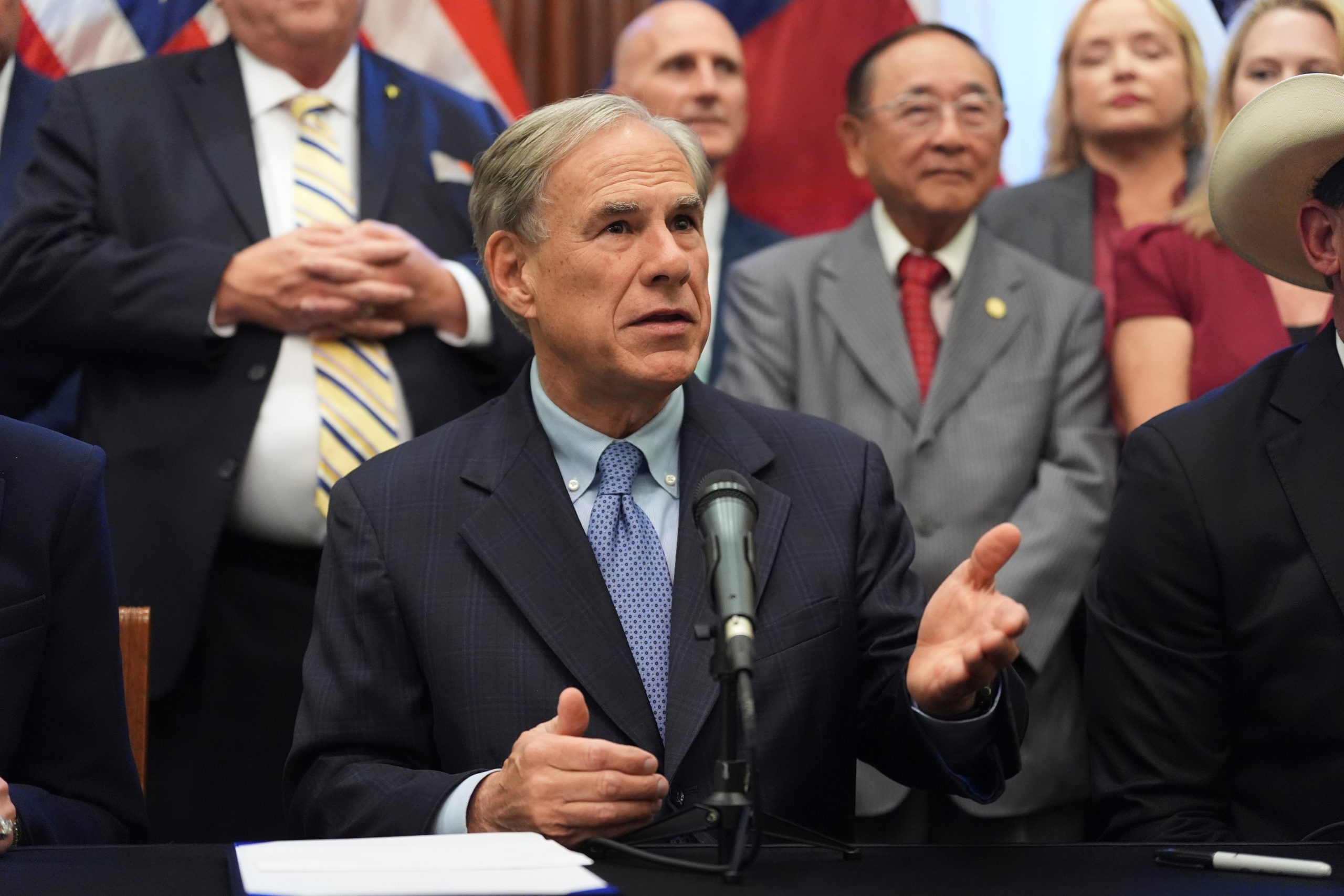
The Republican nominee for Texas Railroad Commissioner posted a photo of a crowd of University of Texas football fans, most of them people of color, saying, “The problem is now obviously far worse than anyone imagined.”The Sunday morning comments, which appeared to target South Asian students, sent Lone Star Republicans into a frenzy, worried about the impact the rhetoric could have on GOP candidates up and down the ballot, including Attorney General Ken Paxton’s high-profile Senate race and Texas Gov. Greg Abbott’s reelection fight.

A number of Republican lawmakers, including some in tough races, quickly denounced the post as racist, as others squirmed with carefully worded statements. And GOP operatives winced at the potential electoral backlash — in a year that’s already looking tougher-than-normal for a party that has dominated the state for decades. Still, no one explicitly called for him to drop out of the race.

“His post on social media is profoundly unhelpful if his goal is to see Republicans win statewide races in a tough political environment in 50 days,” said Matt Mackowiak, an Austin-based GOP consultant who advised Sen. John Cornyn’s (R-Texas) unsuccessful primary campaign against Paxton.

Advertisement

Cornyn condemned the post, asking whether other GOP officials would “condemn the intolerance and racism, or look the other way while it becomes normalized.”

Rep. Monica De La Cruz (R-Texas), who is facing a tough reelection fight in a Hispanic-majority district, told POLITICO in a statement she’s willing to “condemn racism” wherever it comes from.

“All I see in that photograph is a group of kids celebrating a Longhorns win. What can be more Texan than that?” De La Cruz said, before taking a shot at her Democratic opponent, Bobby Pulido, for his past racial comments.

And Karl Rove, a longtime adviser to former President George W. Bush, called French a “bigot” at a private lunch event and said he’s voting for French’s Democratic opponent, The Texas Tribune reported. Meanwhile, state Rep. Jon Rosenthal, the Democrat running against French, said he had his best fundraising day of the cycle after French’s post.

Advertisement

French didn’t respond to requests for comment. He repeatedly stood by his comments since Sunday morning. During a local radio appearance Monday, he said he didn’t have any personal animosity against the students at the football game, but said that it is “not racist to point out that we should be favoring Texans over foreigners” and that his fellow Republicans are afraid of being called racist.

The divide emerging among Texas Republicans over the social media post — and Democrats’ eagerness to capitalize on it — show just how precarious the party finds its position this cycle. Texas Republicans were already worrying about losing support from Hispanic and other minority voters amid a tough economic environment and President Donald Trump’s unpopular immigration agenda. They need to hold onto or improve the incremental gains they made over previous cycles with voters of color in a fast-changing state where non-Hispanic white people now only make up 37% of the population. The stakes are high this cycle: Most polls show Paxton slightly trailing in a Senate race that could determine control of the upper chamber; Abbott appears to be in the toughest of his four election fights; and the state is home to several key House races.

“I don’t think [French’s post] independently and universally sours voter sentiment. But it contributes to GOP declining numbers with Hispanic voters particularly in the South Texas congressional races which we hope to win,” said Alfredo Rodriguez, a Dallas-based Republican strategist, who called on French to “stop the petty political theatrics.”

The blast radius of French’s posts was wide enough to garner carefully worded responses from the top of the ticket. Abbott said in a Sunday statement that French’s post “is not my message,” before noting unity “doesn’t mean that Texas cannot also lead in having the toughest immigration laws of any state in America and freezing H1B visas at our universities.”

Advertisement

Two of the students in the photo told the Dallas Morning News that they’re U.S. citizens. Most UT students are Texans — state law requires that 90% of each freshman class come from in-state — and there is no evidence that the students in the photo French posted are foreigners.

Some Republicans weren’t thrilled about Abbott’s response.

“This had nothing to do with illegal immigrants,” said Anang Mittal, an Indian American national GOP strategist, of Abbott’s comments. “These were students at a college game. They’re not H-1B. If they’re students, they’re on a student visa. … It’s pretty damn disgusting of Greg Abbott to say, ‘I condemn racism, but also, like, we’re keeping all the Indians out.’ That’s essentially what that tweet read to me.”Democrat James Talarico called Paxton out on social media, asking if he would follow Cornyn’s lead in denouncing French’s post. The GOP nominee replied that he condemns “racism in all its forms” — and then claimed Talarico had a “history of dividing Texans by race.”

Spokespeople for Paxton and Abbott did not respond to requests for comment.

Advertisement

Other Republicans were less willing to fully denounce French’s comments.

“I don’t really know the guy. I heard he said some not so pleasant things,” said Rep. Troy Nehls (R-Texas), who said he hadn’t seen the posts — but launched into a criticism of immigration nonetheless. “I am concerned about the number of people living in this country, and we don’t even know who they really are,” he said. ”Shut the border down for 10 years, and then let’s try to figure out who we got in this country because we don’t even know.”

Sen. Andy Kim (D-N.J.), who campaigned with Talarico in Houston on Sunday, said French’s posts came up in conversations with every Asian American voter he met.

“Everyone was talking about it,” Kim said. “Every single Asian American that I was with yesterday raised this with me. They were saying this is an example of, ‘Not only are they not courting us or engaging with us, but they’re actively demonizing us, actively being xenophobic and racist towards us.’ We need leaders that stand up against this.”

Advertisement

The political damage could also extend — potentially for years — to Texas’ small but growing Indian American population, the demographic group French appeared to target in his posts. Both Dallas and Houston have significant Indian American populations. In 2019, an event at a Houston stadium headlined by Trump and Indian Prime Minister Narendra Modi drew over 50,000 attendees.

French’s comments could alienate those same voters, said Brendan Steinhauser, a Republican consultant in Austin.

“He just irritated a bunch of people, many of whom could be supporters and could be Republicans,” said Steinhauser, a University of Texas graduate. “I’d be willing to bet a lot of those kids that he was posting a photo of are probably, you know, their parents might be Republicans, or they might be Republicans, or conservatives, or independent-leaning conservatives.”

If French is elected, he would sit on a commission that regulates Texas’ powerful oil, gas and mining industries — which has little to do with immigration or social issues. But French, a longtime provocateur in Texas political circles, has a history of incendiary statements. Just last year, Republicans were calling on French to resign as chair of the Tarrant County Republican Party after he published an online poll asking whether Muslims or Jews were “the bigger threat to America.” He deleted the post and said he regretted it, adding “antisemitism has no place in the Republican Party.” This spring, he unseated a well-financed Republican incumbent for Texas Railroad Commission.

Advertisement

French isn’t the only politician in Texas who has made singling out Muslims part of his political brand. Lt. Gov. Dan Patrick has made “preventing Shariah law in Texas” one of his legislative priorities. Patrick didn’t respond to a request for comment. Abbott, Paxton and Cornyn have all called for investigations and other government action to stop development of a commercial and residential development being built by the East Plano Islamic Center, a mosque outside Dallas. And just last month, Abbott threatened to withhold funding from Dallas Fort Worth International Airport to block plans for ritual washing facilities for Muslim travelers in the airport’s terminals. There’s little difference between French’s attacks and the other politicians’ actions, said Yasir Qadhi, an Islamic scholar at the Islamic center.“It is the same mindset,” he said in an interview. “What we’re witnessing is really an unprecedented and increasingly brazen form of racism. It’s unfiltered, it’s unapologetic, it’s even stripped of even the pretense of political correctness. You know, this is a type of racism we’ve never seen in our lifetimes.”

When French unleashed a string of inflammatory social media posts in 2025, several GOP officeholders — including Patrick, the lieutenant governor — called on him to resign as county GOP chair. But Republicans now refuse to tell French to drop out now “because that might mean that there would be a Democrat elected statewide,” said Glen Whitley, a Republican former Tarrant County judge. “That’s the bottom line.”

“That’s part of my frustration with the Republican Party altogether: They talk about being Christian, but they get up every morning to talk about who they hate,” said Whitley, who still identifies as Republican but endorsed Talarico for Senate.

Joey Fox contributed to this report.

Advertisement

Source link

Continue Reading
Click to comment

You must be logged in to post a comment Login

Leave a Reply

Politics

Emmys 2026: Why Widow’s Bay Is Such A Hit With Critics And Viewers

Published

on

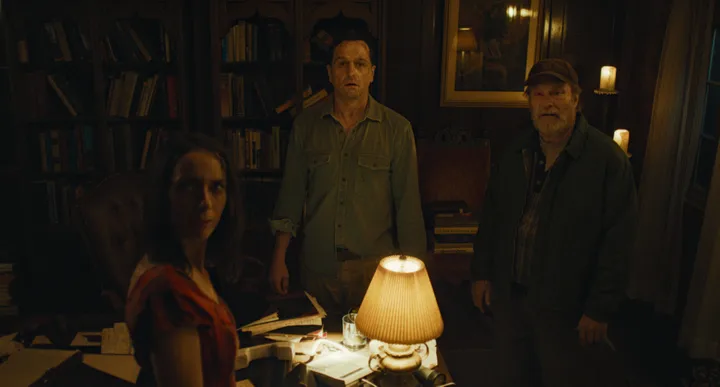
Kate O'Flynn, Matthew Rhys and Stephen Root all won Emmys for their work in Widow's Bay

With roughly 7,000 streaming services at your disposal, if you’re a regular TV fan, you might find you spend a surprisingly large amount of time politely smiling and nodding at friends, acquaintances and colleagues as they recommend whatever their latest telly obsession is.

“Oh, that’s going straight on my list,” you find yourself parroting back at them, with little to no intention of ever seeking the show in question out, or even making a note of it.

And that’s how, for many of us, we’re either checking out critically-acclaimed shows much later than the rest of the world, or having them pass us by completely.

That being said… if Widow’s Bay is one of those word-of-mouth series you’ve been putting off watching until now, let this year’s Emmys be your sign that you need to bump it up to prime position on your watchlist.

Advertisement

Believe us, we’d been umming and ahhing about whether the hype was actually worth it, too – and it was.

Kate O'Flynn, Matthew Rhys and Stephen Root all won Emmys for their work in Widow's Bay
Kate O’Flynn, Matthew Rhys and Stephen Root all won Emmys for their work in Widow’s Bay

On Monday night, Widow’s Bay made TV history when it came the most-decorated comedy show ever at the Emmys, with 14 wins overall, including recognition for cast members Kate O’Flynn, Stephen Root and Matthew Rhys (who set a new record as the first actor in history to ever win two leading acting Emmys in the same night, thanks to his work in both Widow’s Bay and The Beast In Me).

Set in an eerie fictional New England island town with a dark history, Widow’s Bay gets underway with a deluge of tourists suddenly arriving to the area, just as its mysterious and sinister past begins to repeat itself.

Matthew takes the lead as Widow’s Bay’s sceptical mayor Tom Loftis, initially reluctant to acknowledge that anything is amiss, with Kate and Stephen among the many absolute scene-stealers among the town’s kooky residents.

Billed as a comedy-horror, Widow’s Bay probably leans more into the comedic side of things – although it definitely delivers on chills and thrills too, so be prepared for a few jump scares along the way.

Advertisement
Kate O'Flynn as the complicated Patricia Moyer in Widow's Bay
Kate O’Flynn as the complicated Patricia Moyer in Widow’s Bay

Even before its runaway success at the Emmys, the show held an enviable 98% critical score on Rotten Tomatoes, with viewers seemingly just as enthralled, going off its audience score of 92%.

And don’t worry about feeling like you’ve missed the boat – Widow’s Bay has already been renewed for a second season by Apple TV+, so there’s plenty of time to catch up before the next run of episodes.

Source link

Advertisement
Continue Reading

Politics

Politics Home Article | Getting people active: a national movement, powered locally

Published

on

Getting people active: a national movement, powered locally

Credit: Adobe Stock

Lisa Dodd-Mayne, Executive Director, Partnerships and Place


Lisa Dodd-Mayne, Executive Director, Partnerships and Place
| Sport England

Advertisement

As the government looks to shift power closer to communities, Lisa Dodd-Mayne, Executive Director of Partnerships and Place at Sport England, sets out how local knowledge and national investment can work together to get more people active — and why closing the physical activity gap depends on both

There are over 30 million active adults in England, but nearly 12 million are not active enough – and inactivity is more common in areas facing higher levels of social need.

Advertisement

To close the national physical activity gap, we need to think locally.

The people and organisations closest to communities understand their needs, have the relationships to engage people, and are best placed to shape solutions that work for them.

But local action to get more people active does not happen in a vacuum. The most effective approach combines local knowledge, relationships, and leadership with national evidence, expertise, investment, and support.

That balance matters as the government looks to shift power closer to communities and ensure national funding works harder for them.

Advertisement

The opportunity is huge: create the conditions for places to lead, equip them with the support, learning and resources they need, and turn community action into meaningful impact – with the potential to drive national change.

Getting more people active cannot be achieved by one organisation alone. It depends on what happens in the places where people live: the opportunities available to them, how organisations work together and whether communities themselves have a meaningful role in shaping what happens.

That is why our place-based work starts with communities – but is supported nationally. Through National Lottery and Exchequer investment, we are working in partnership with communities across England where inactivity levels are highest, supporting our local partners to create the conditions for more people to get active where they live.

Advertisement

The starting point is understanding what life is like in each place.

Local people understand their communities better than anyone. They know what works, what does not, the resources that are available, which places feel welcoming and what gets in the way of being active. They also know the strengths that already exist – the people, organisations, spaces and relationships that can make a difference.

That insight cannot simply be delivered from the centre. It comes from listening to communities and understanding what shapes activity and inactivity in different places.

But local insight is most powerful when it is combined with evidence, learning and expertise from elsewhere, alongside the investment needed to turn it into action and impact.

Advertisement

Connecting places facing similar challenges and creating opportunities to learn from what is working elsewhere can help local partners build the confidence and capacity to develop approaches that work for their communities.

The result is a national movement powered by local action. And we can see how this approach works in practice.

In Doncaster, more than 2,500 residents have helped create a community-run “Friends of” group that now independently delivers physical activity events in local parks.

In Blackpool, a youth leadership programme, co-designed with 16- to 17-year-olds, has brought young people into leadership spaces to help shape decisions about activity in their community.

Advertisement

These examples look different because the places themselves are different. That is precisely the point.

Place-based working is not about taking the same programme everywhere. It is about understanding what needs to change in each place and giving partners the freedom and support to make it happen. The national role is not to prescribe the solution, but to create the conditions for those solutions to succeed.

That flexibility matters particularly in communities where inactivity is closely connected to wider inequalities.

Our Active Lives research shows that just 53.8 per cent of adults in the least affluent groups are active, compared with 73.2 per cent of the most affluent. There are also significant inequalities in activity levels among disabled people, older adults and some ethnic minority communities.

Advertisement

These differences cannot be explained by motivation alone. Cost, transport, safety, caring responsibilities, confidence and access to facilities and green spaces can all influence whether someone is active.

Local knowledge is essential to understanding those barriers. But tackling them also requires sustained investment, shared evidence, specialist expertise and the ability to learn across places.

There is, of course, a wider prize. Physical activity can improve health and wellbeing, strengthen social connections and help people feel more connected to where they live.  It can also make a significant contribution to reducing pressure on public services. Our research shows that active lifestyles could prevent more than 3.3m cases of chronic health conditions each year, including depression, back pain and type 2 diabetes, delivering an estimated £8bn in direct net savings to the healthcare system.

Realising those benefits requires more than providing opportunities to be active. It requires communities to bring knowledge, trust and lived experience; local organisations to bring relationships and leadership; and national organisations to bring evidence, expertise, investment, accountability and the ability to connect learning across the country.

Advertisement

Localism works best when places are empowered to lead, backed by a national system that helps them learn, invest and deliver – turning local action into national impact.

Advertisement

Source link

Continue Reading

Politics

The House Article | Mega donations will do more damage to public trust in politics

Published

on

Mega donations will do more damage to public trust in politics


3 min read

The two Reform mega donations, which saw the party receive an unprecedented £72m from two billionaires, have been a thunderclap moment for our democracy.

Advertisement

The sums dwarf any previous single donations to political parties and have opened up an urgent debate about the role money plays in our democracy. 

These massive donations haven’t happened in a vacuum; political parties have become increasingly reliant on wealthy donors in recent years. In 2023, Transparency International found that two-thirds of the £85m given to parties in private donations came from just 19 donors, the highest ever share from mega-donors at the time. This problem has become entrenched across the political spectrum.

The colossal Reform donations are of a different order of magnitude and mean we are entering a new epoch in the amounts of money flowing into politics.

This has profound implications for our democracy. The danger now is not just that ultra-wealthy individuals can influence political parties, but effectively buy them with vast donations. The UK is particularly exposed in this regard, in that it currently has no limits on how much individuals can give to political parties. This makes the UK something of an outlier, as countries as diverse as Canada, Australia, Ireland, and Spain all have curbs on political donations.

Advertisement

Huge donations also risk doing profound damage to trust in our democracy. When the public sees ultra-wealthy individuals giving gargantuan sums of money to political parties, they are left wondering what these donors expect in return. That has a corrosive effect on trust in politics, which the British Social Attitudes Survey shows is now at record lows.

There is a clear solution here: the government needs to impose a donations cap that limits how much can be given to a party in a single year. This is something that is supported by the public, with a clear majority wanting a cap

We have also seen wide support for a donations cap among MPs as the Representation of the People Bill has made its way through Parliament. Two Labour MPs, Stella Creasy and Alex Sobel, proposed amendments for donations caps of £100,000 and £1m respectively. Even the Prime Minister has previously expressed support for a cap, saying he felt £500,000 was around the right amount. 

Advertisement

So it was disappointing that no proposals for a cap were added to the bill, although a taskforce has now been given the job of looking at the issue.

The case for a cap becomes even stronger in light of the government taking up the recommendation from Sir Philip Rycroft’s review to introduce an annual donations cap of £100,000 for overseas donors. Yet, without a domestic equivalent, we risk having a donations cap for donors based in every country bar the one that matters most, the UK.

The events of the last week show how urgent the matter has become and that action needs to be taken now. 

Our politics is currently dangerously exposed to being for sale to the highest bidder. Inertia would leave us heading towards a crisis of trust in our democracy.

Advertisement

At the heart of this debate there is a simple question: who is it that influences the politicians making decisions that affect all of us? A donations cap is a crucial step to ensuring the answer is always the voters, not wealthy donors.


Darren Hughes is Chief Executive of the Electoral Reform Society

Source link

Advertisement
Continue Reading

Politics

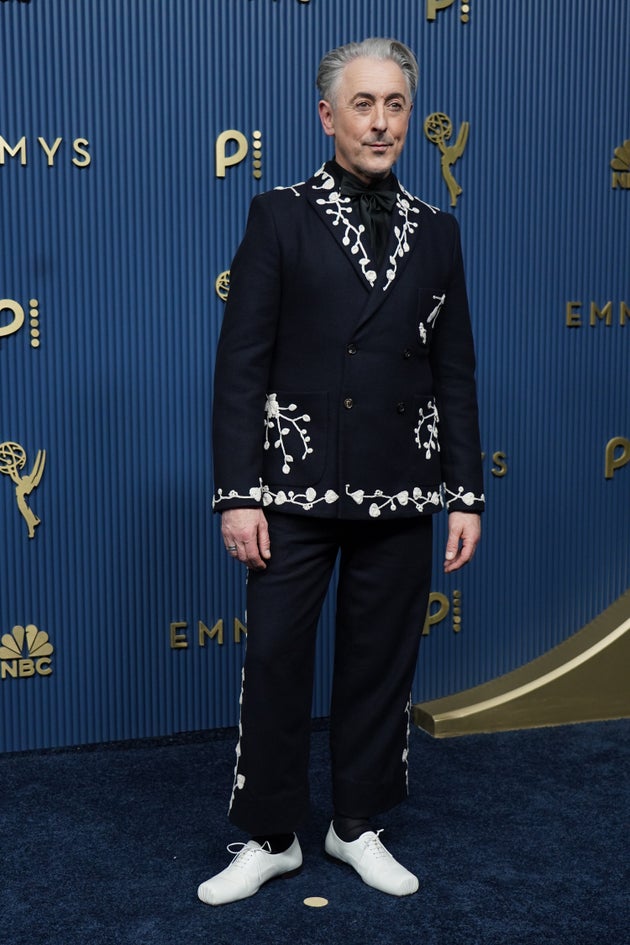
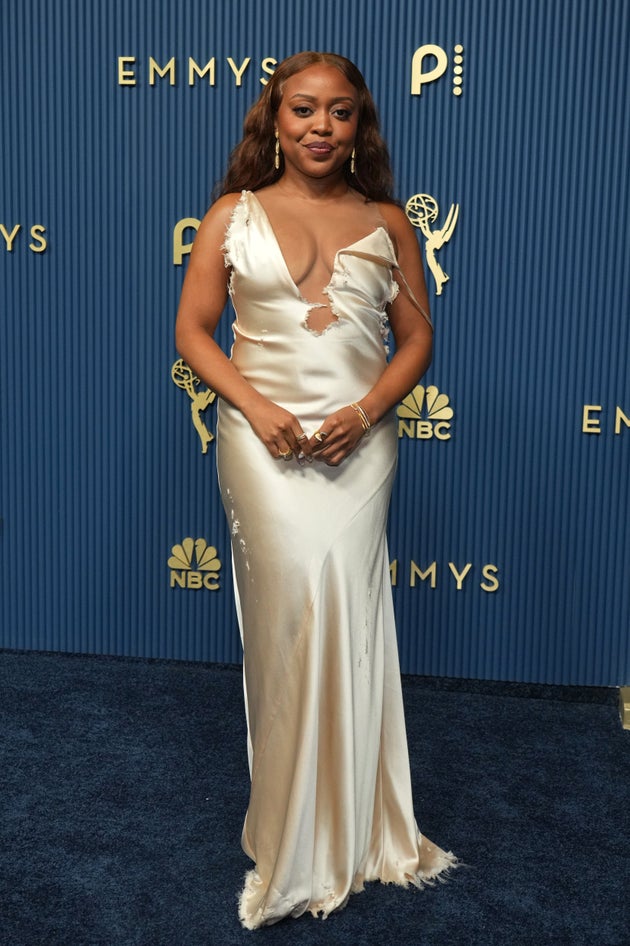
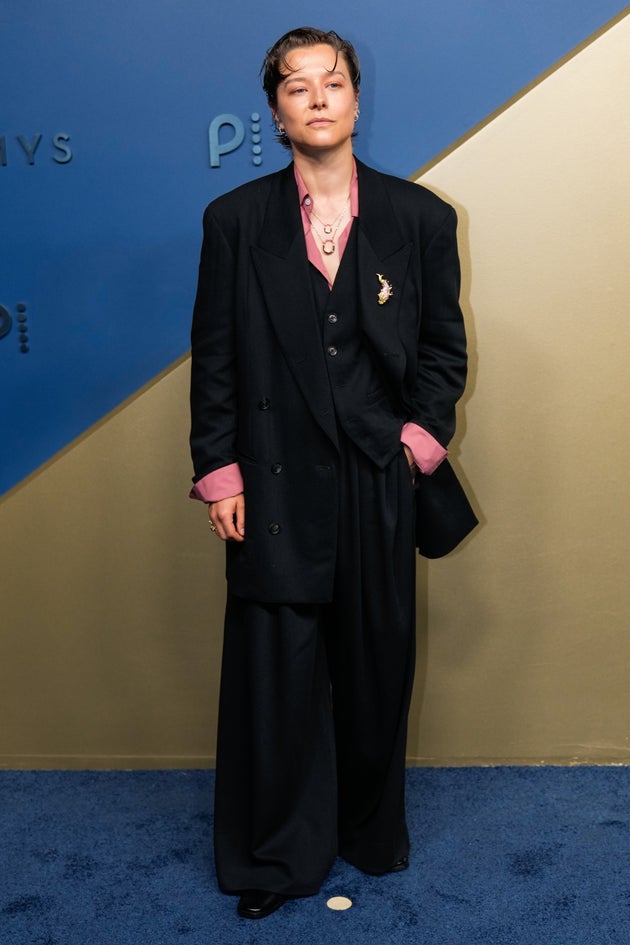
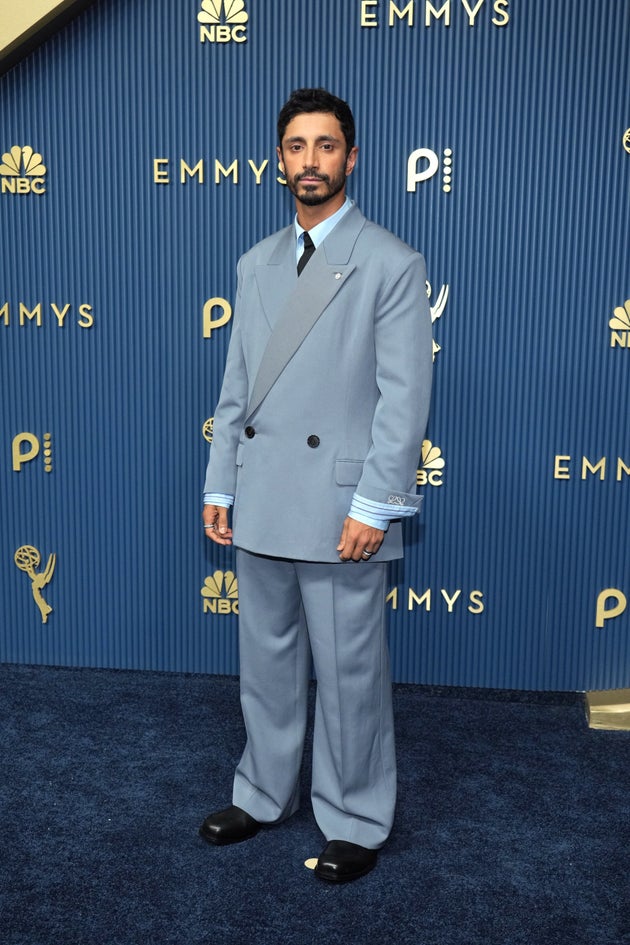
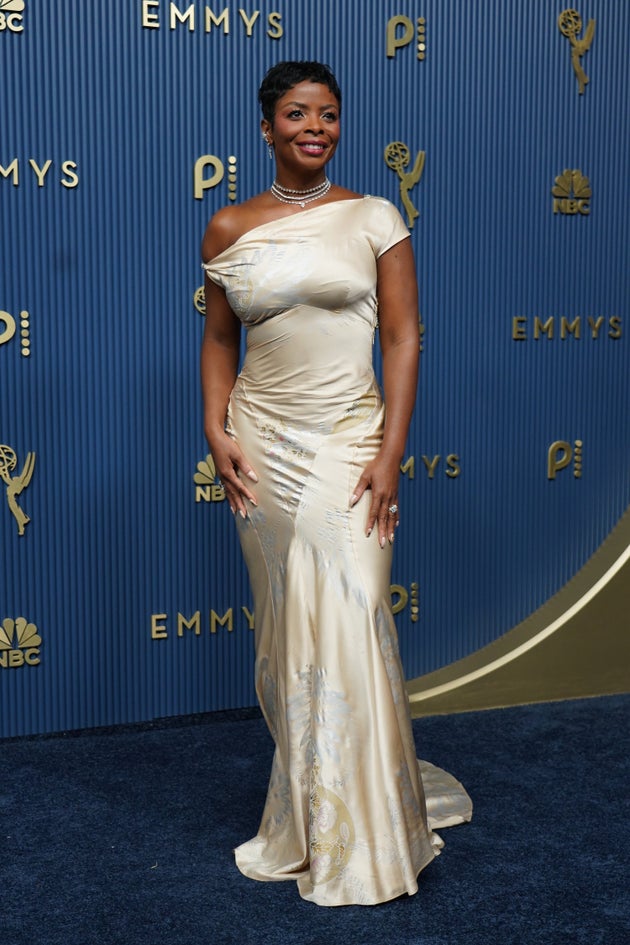
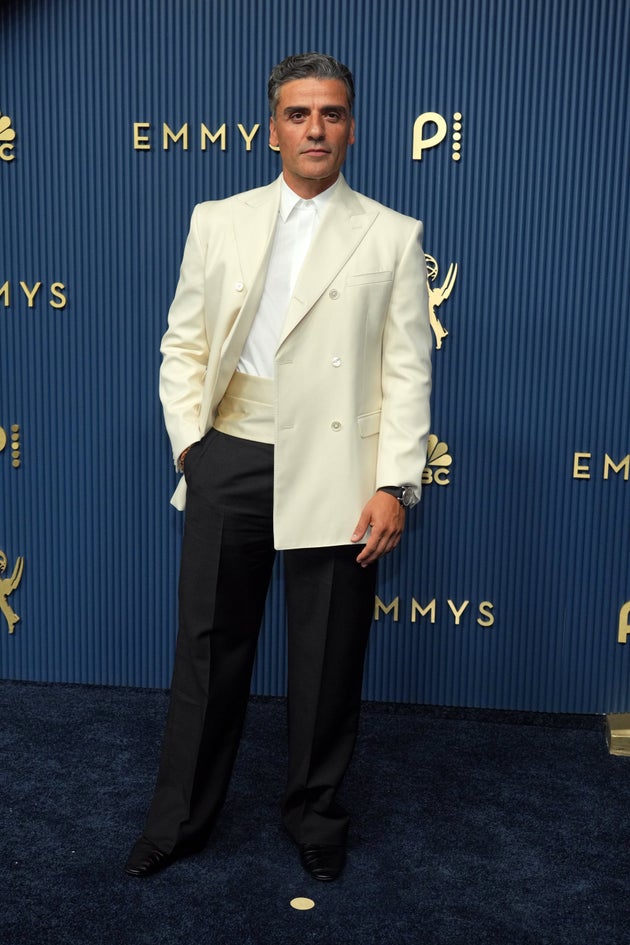
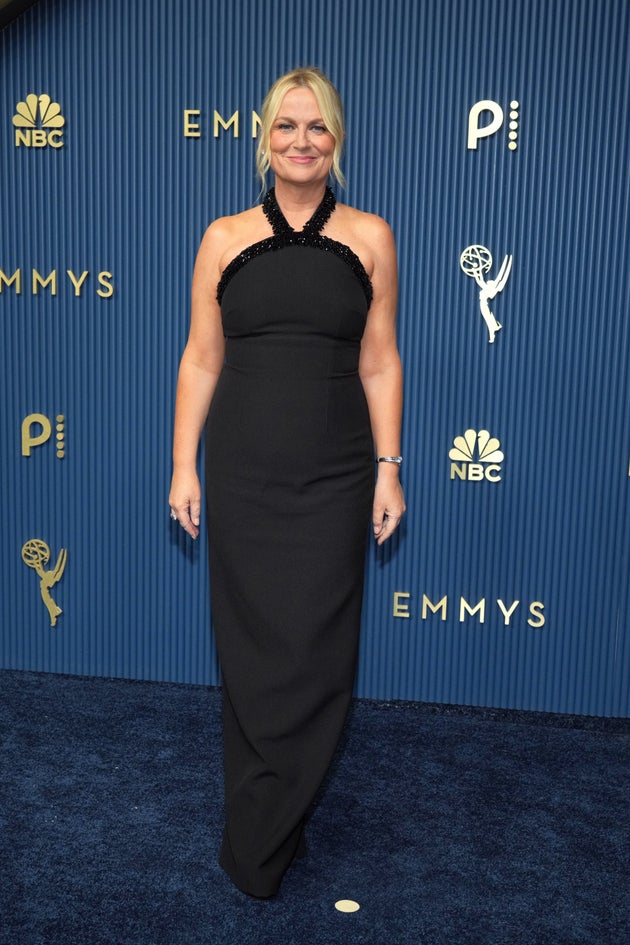
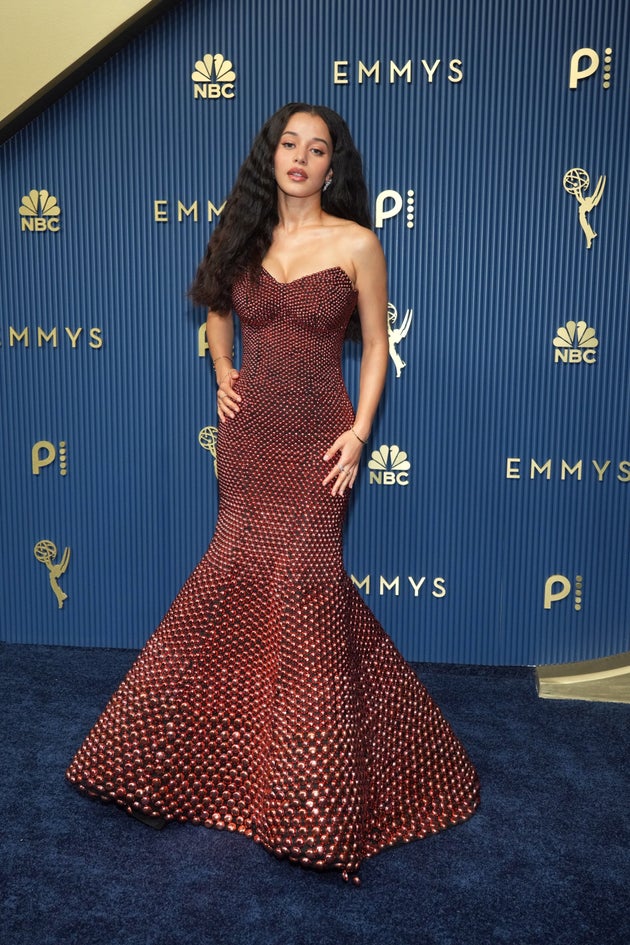
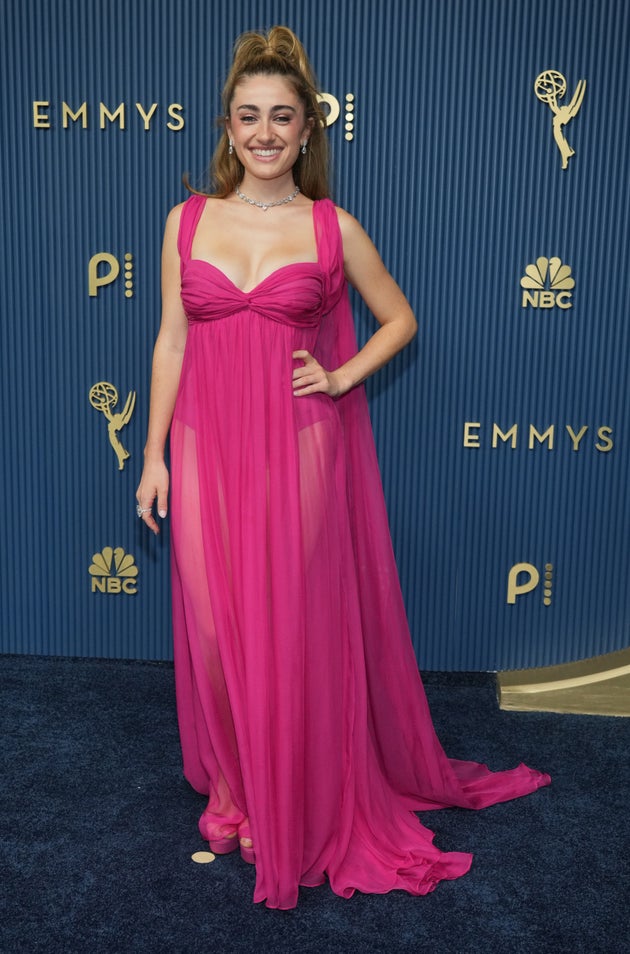
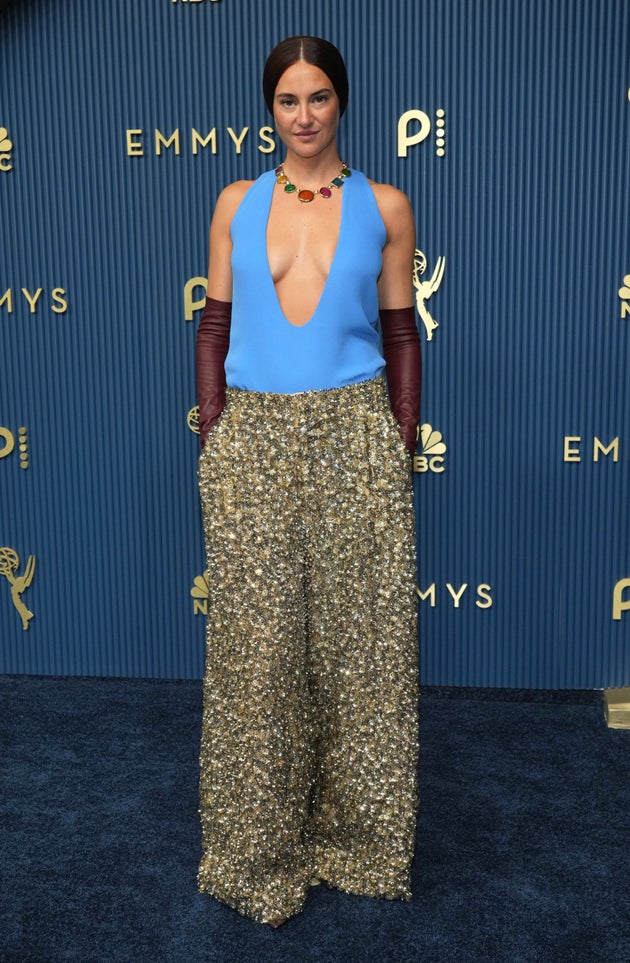
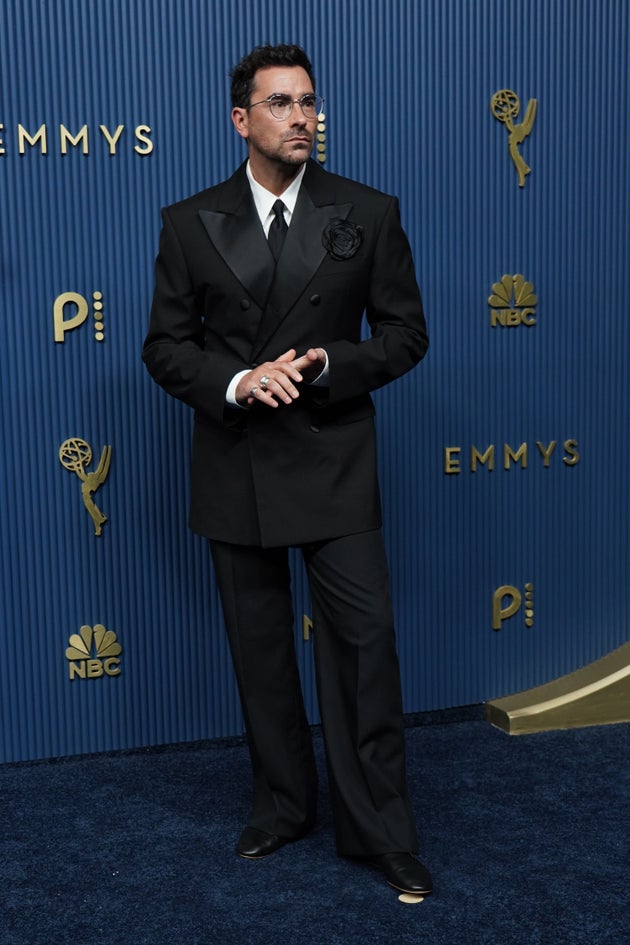
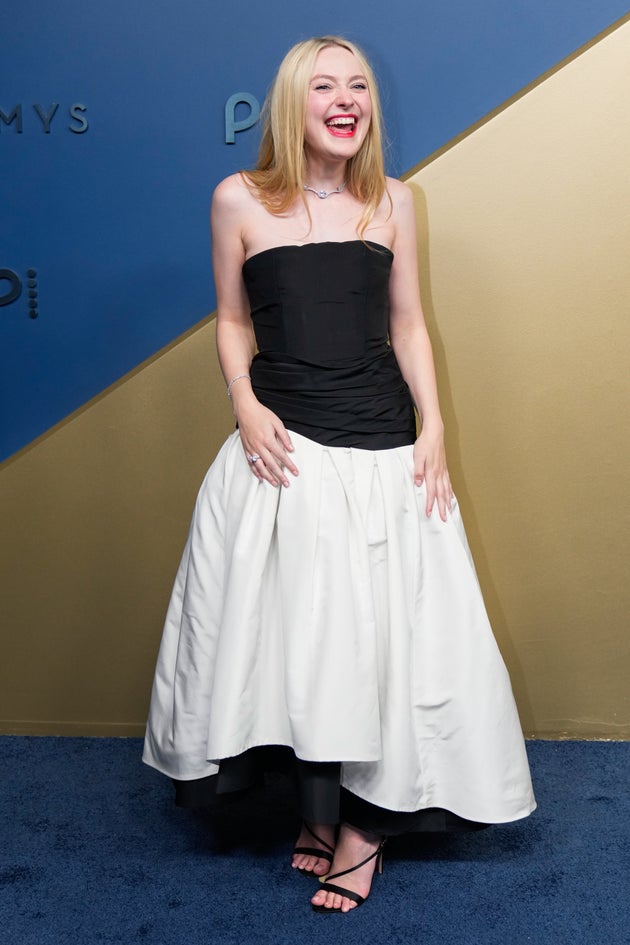
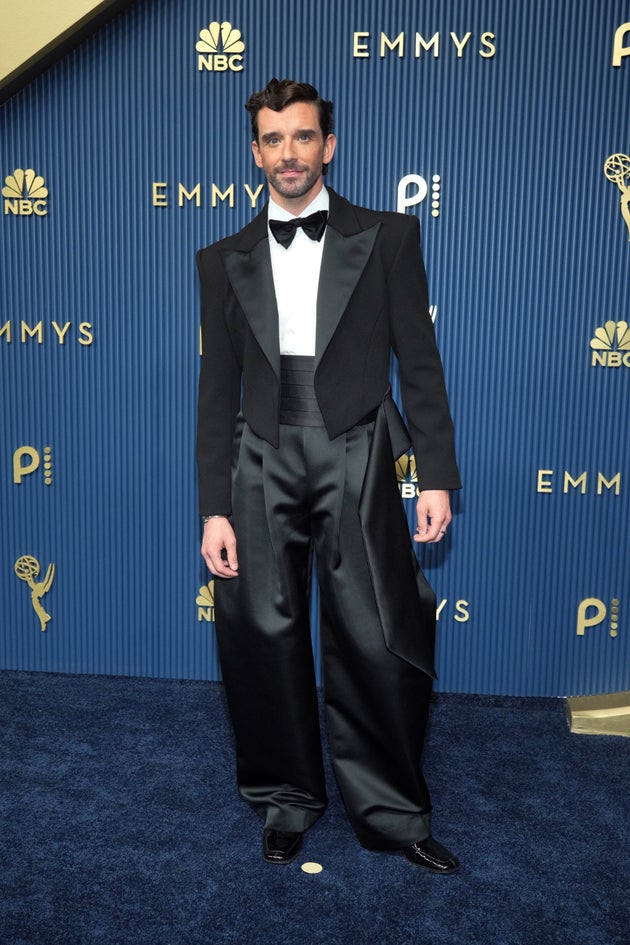
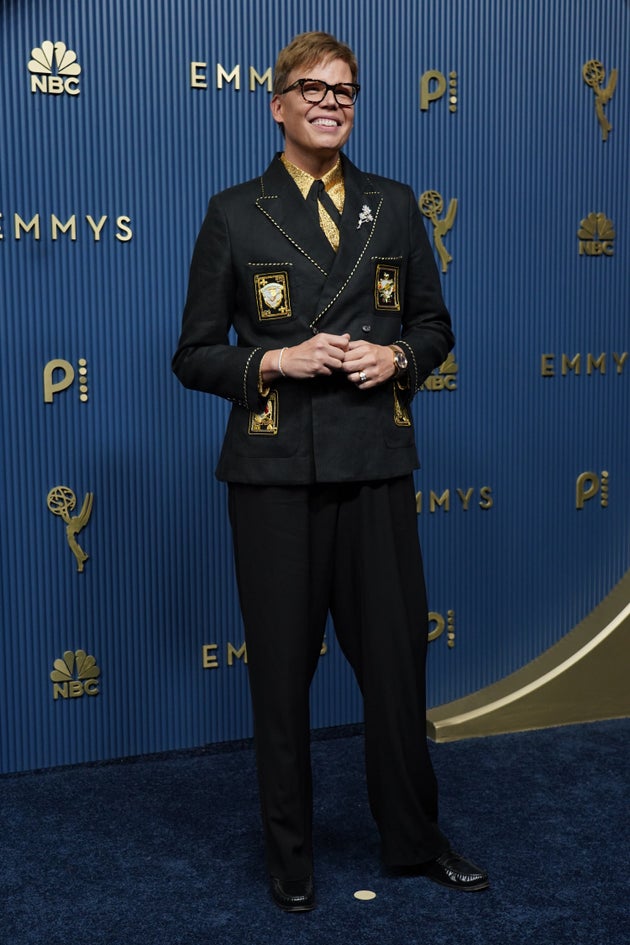
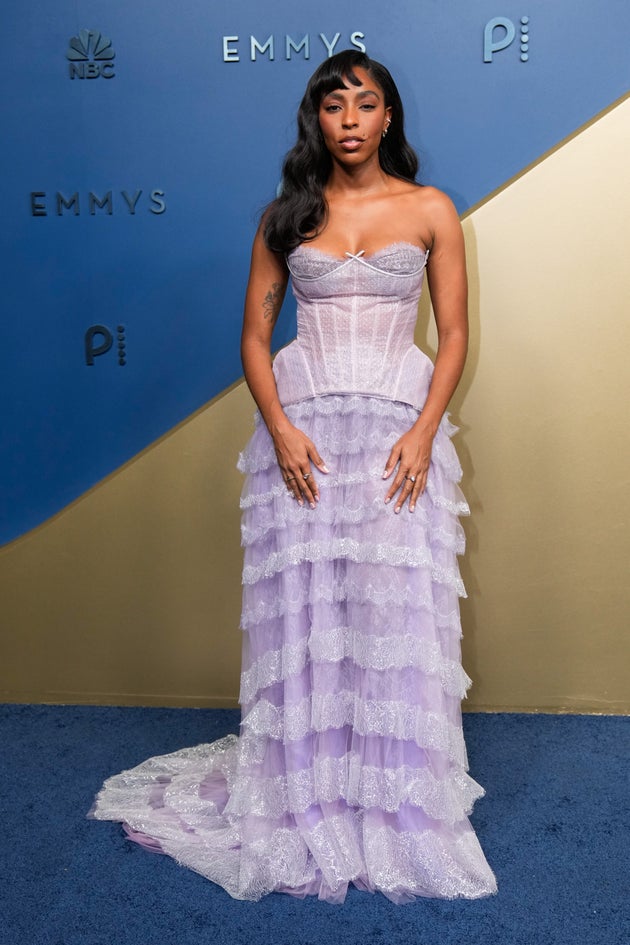
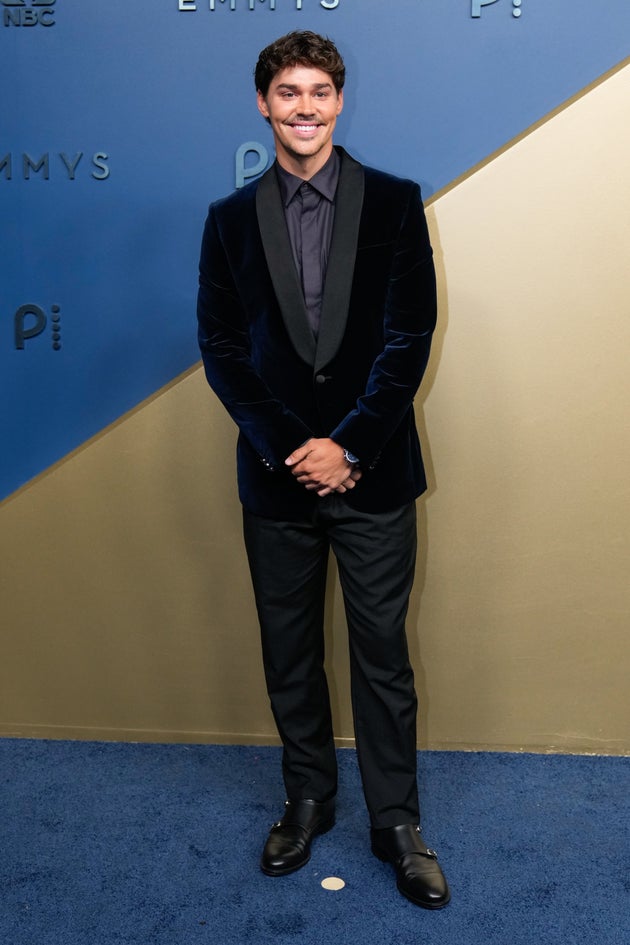
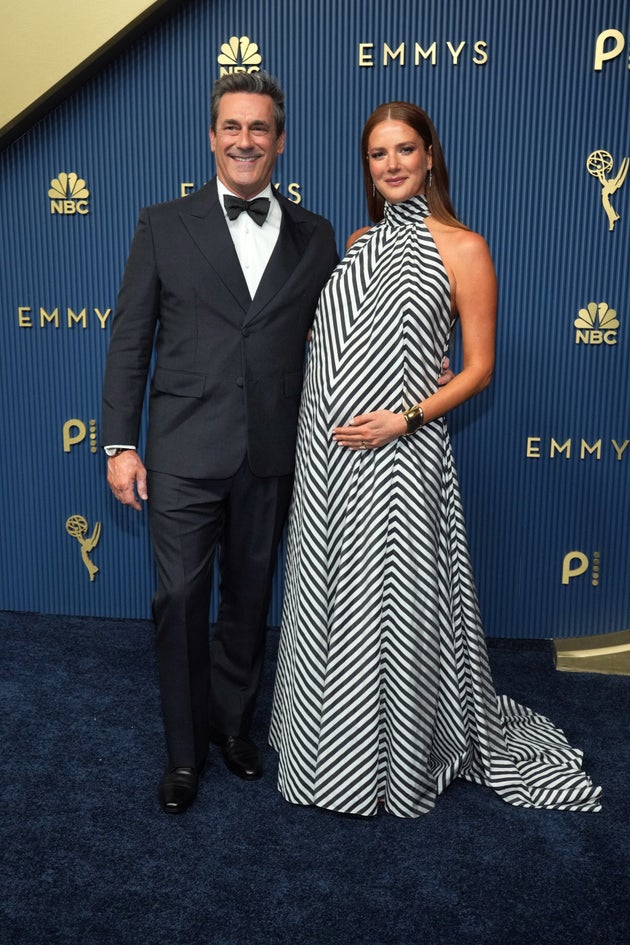
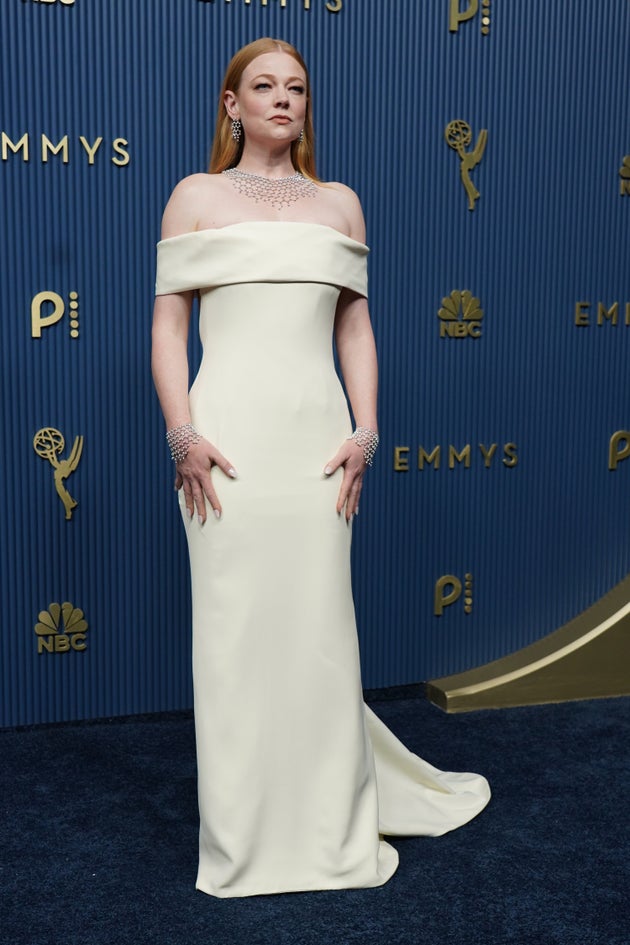
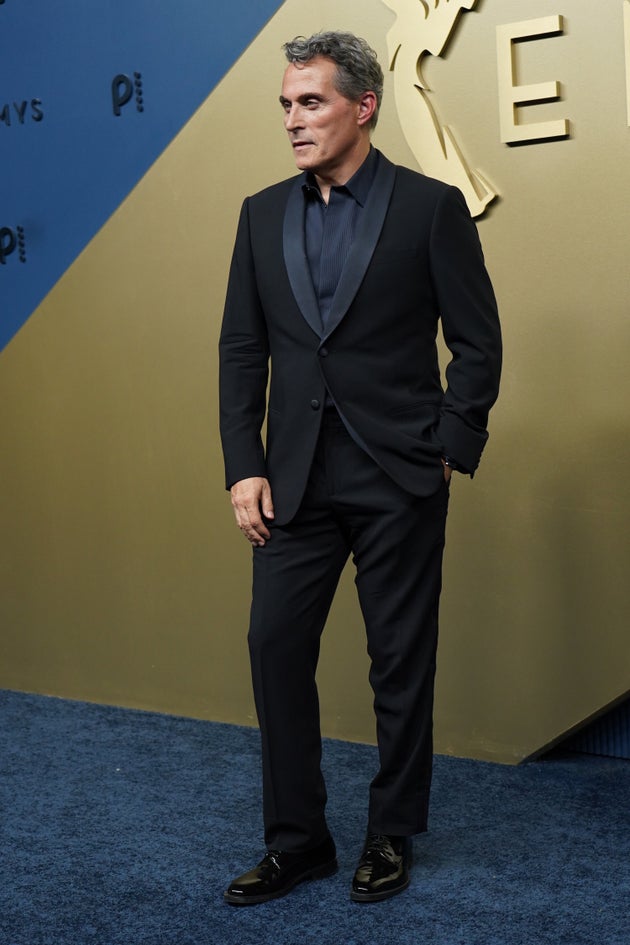
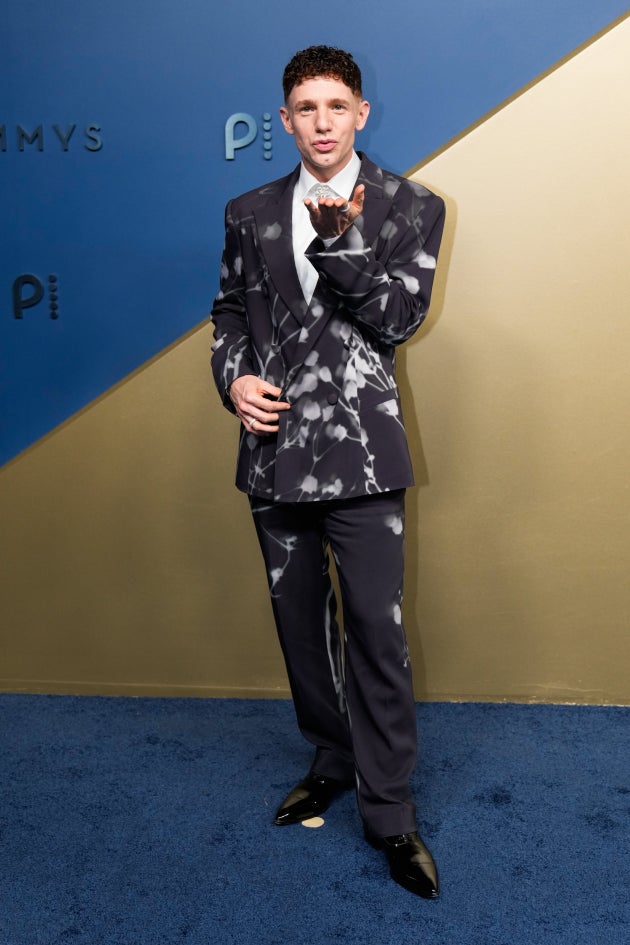
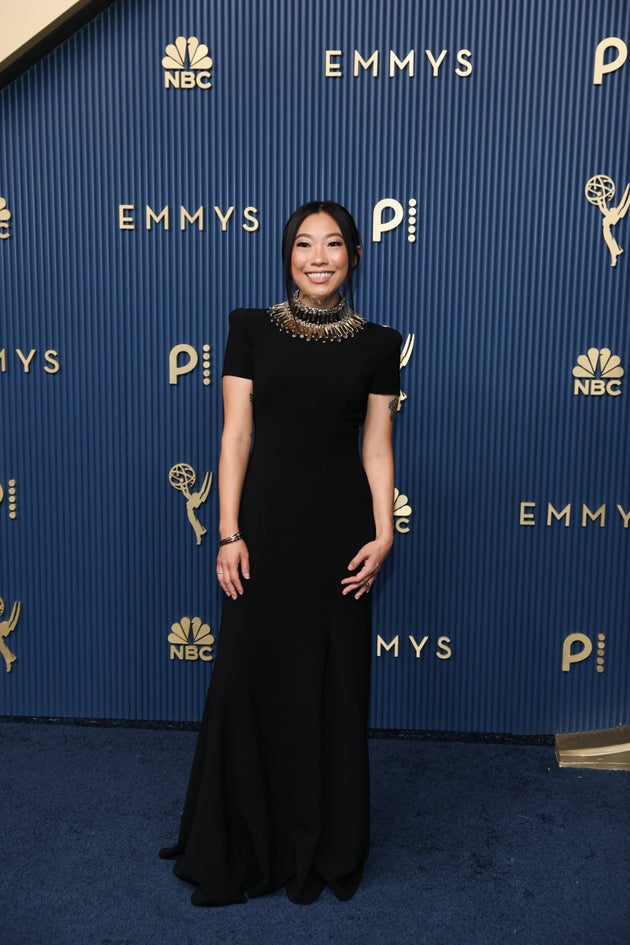
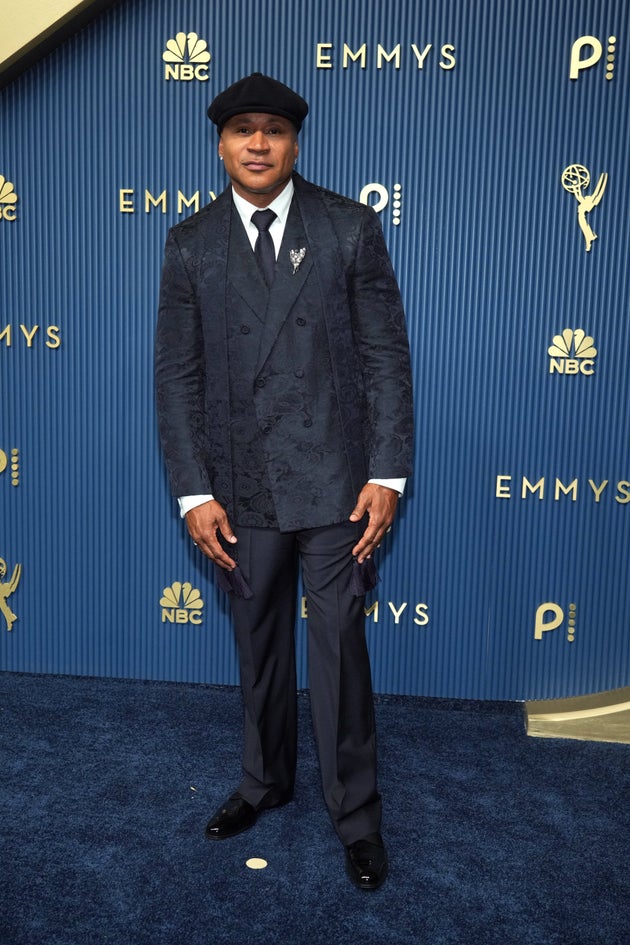
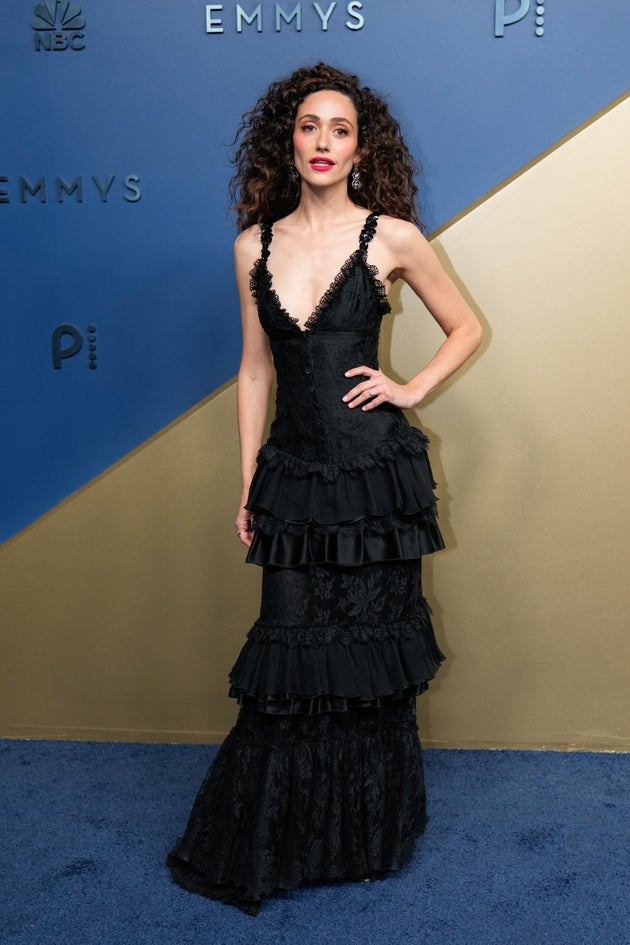
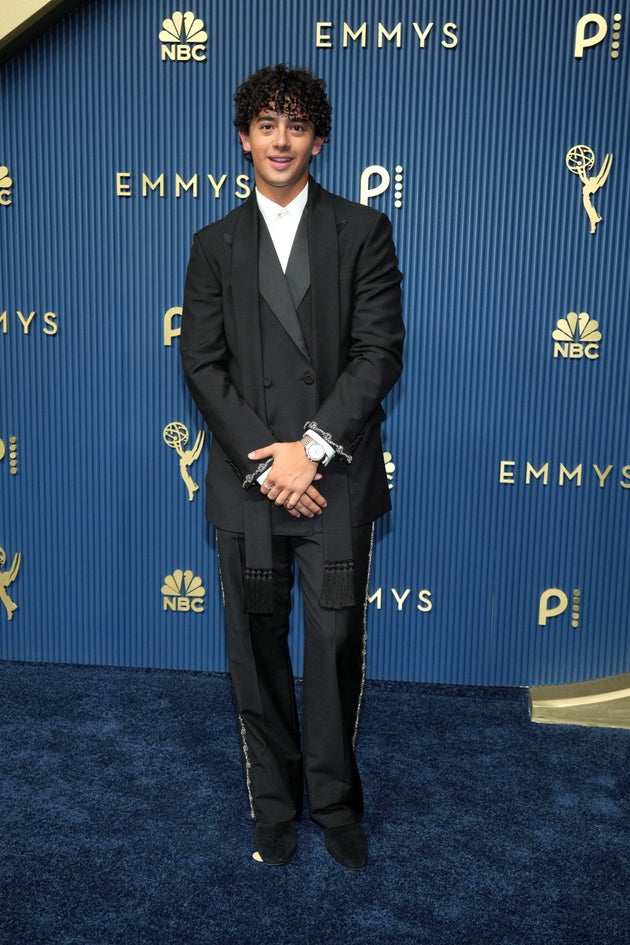
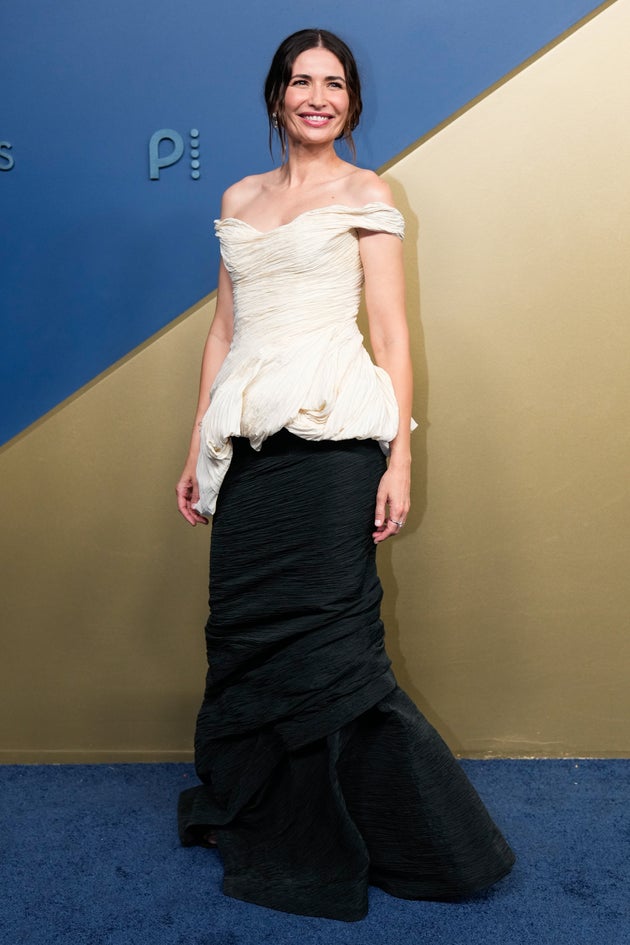
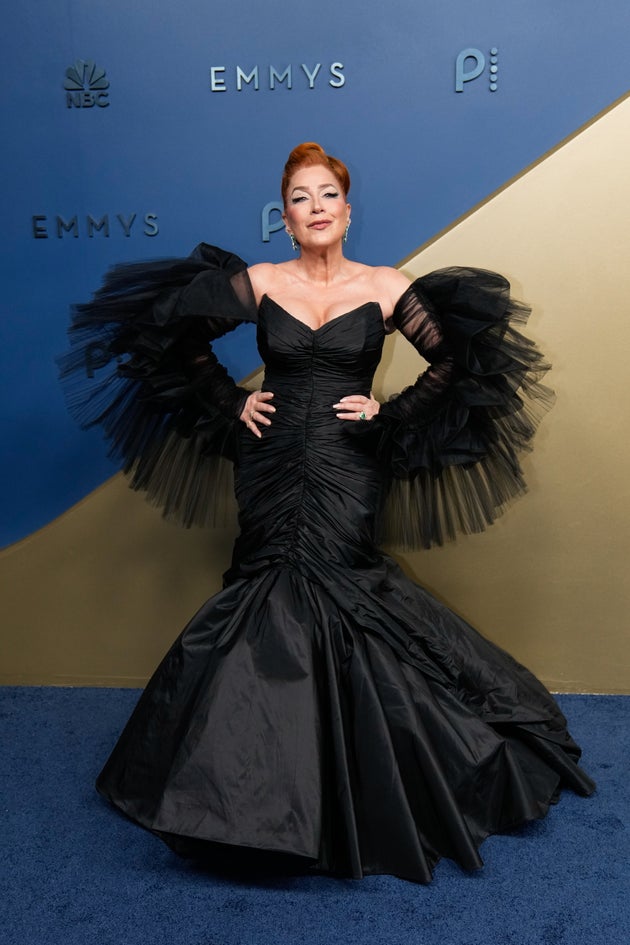
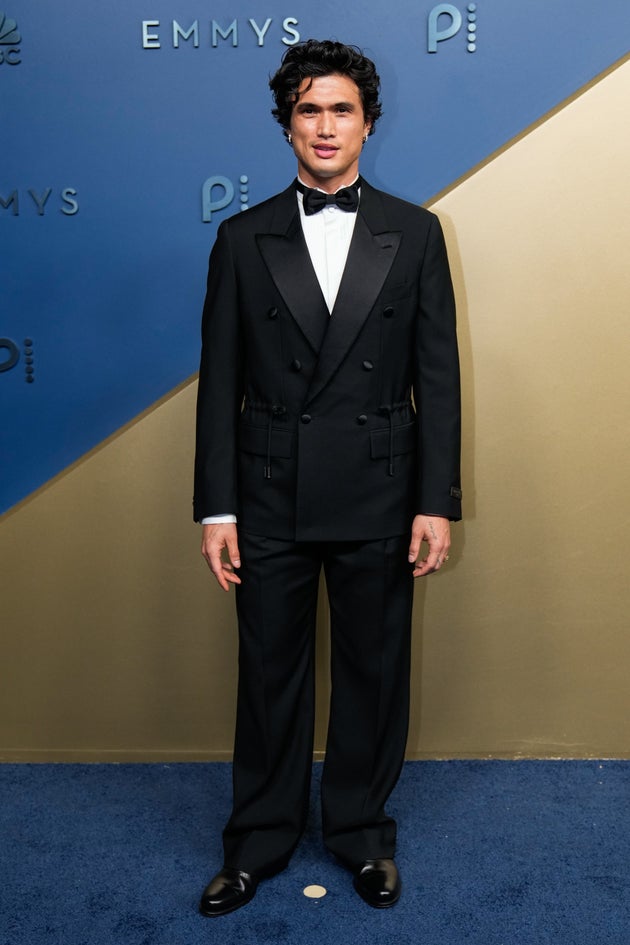
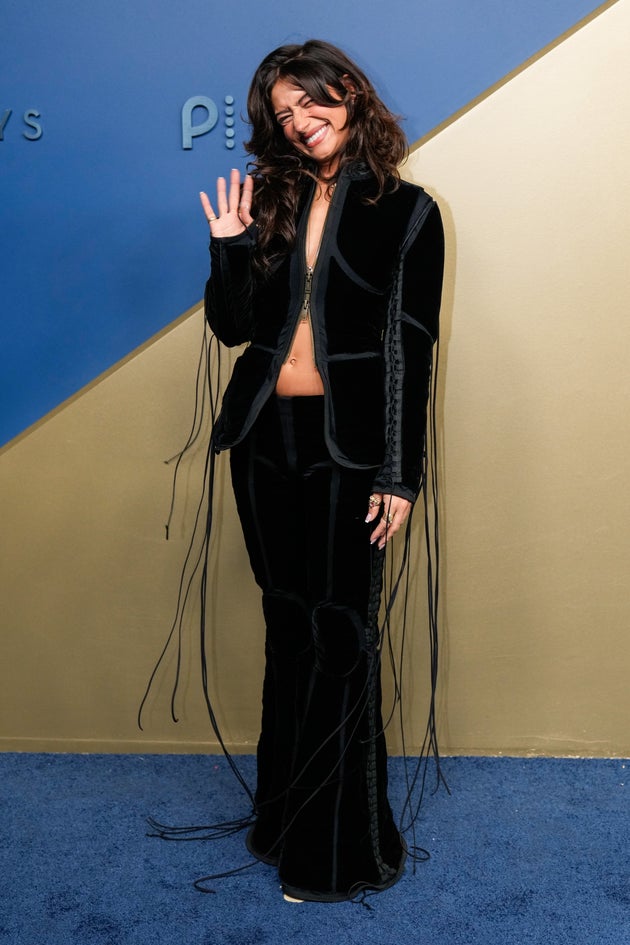
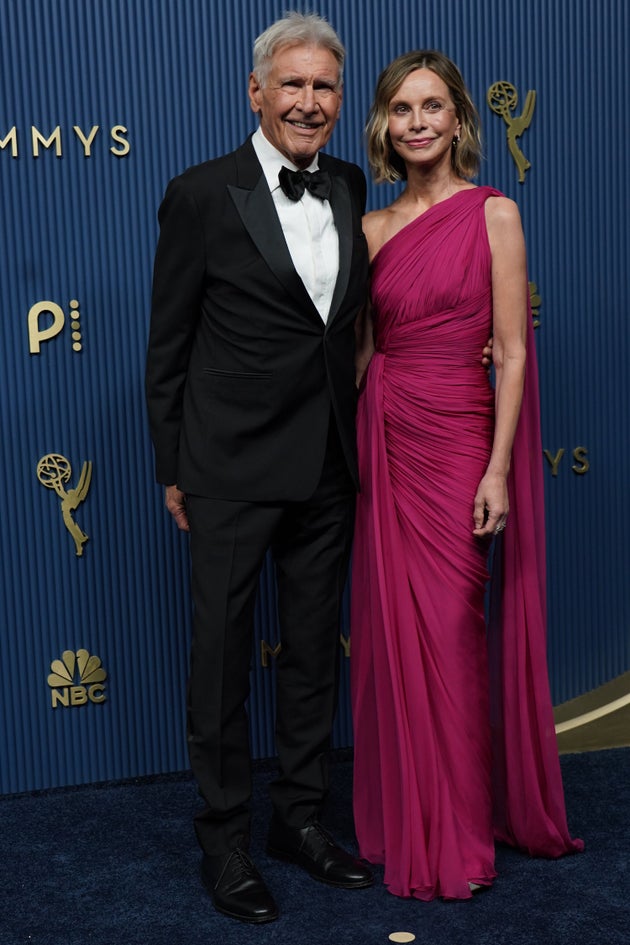
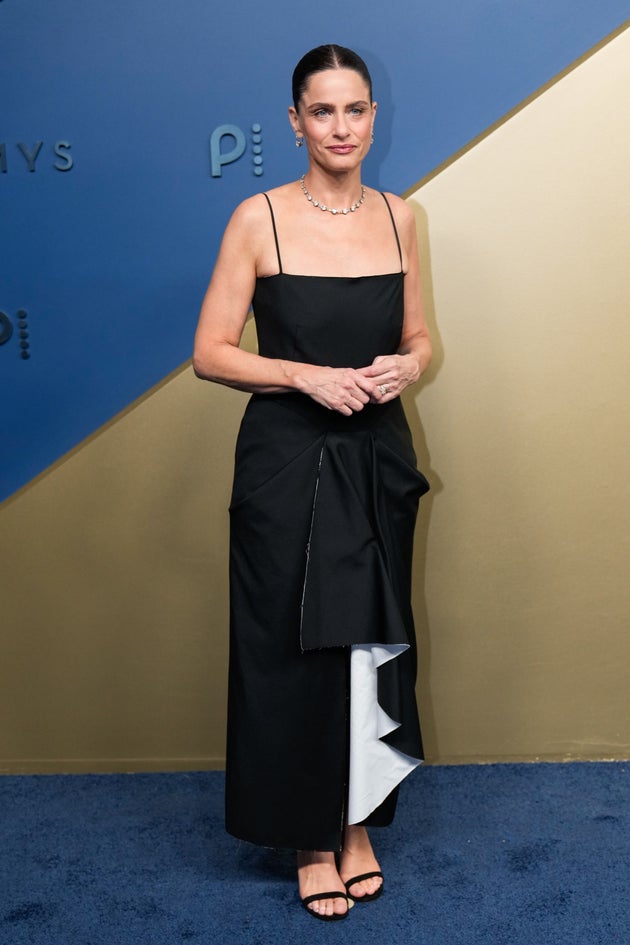
All The A-List Photos You Need To See From The 2026 Emmys Red Carpet

Published

on

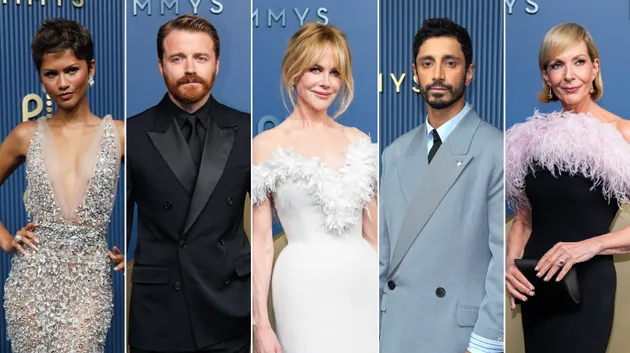
Zendaya, Jack Lowden, Nicole Kidman, Riz Ahmed and Allison Janney at the 2026 Emmys
Zendaya, Jack Lowden, Nicole Kidman, Riz Ahmed and Allison Janney at the 2026 EmmysZendaya, Jack Lowden, Nicole Kidman, Riz Ahmed and Allison Janney at the 2026 Emmys
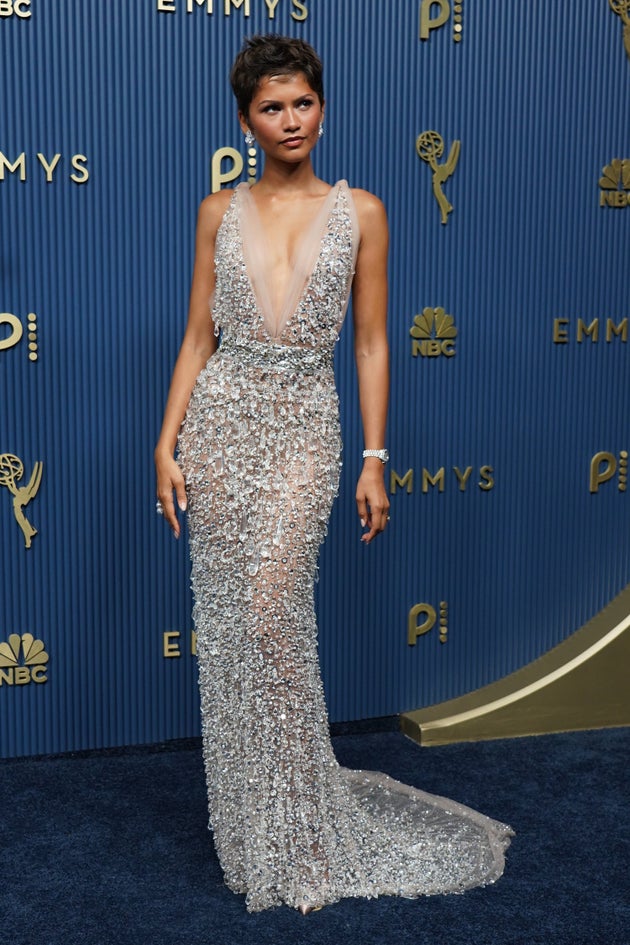
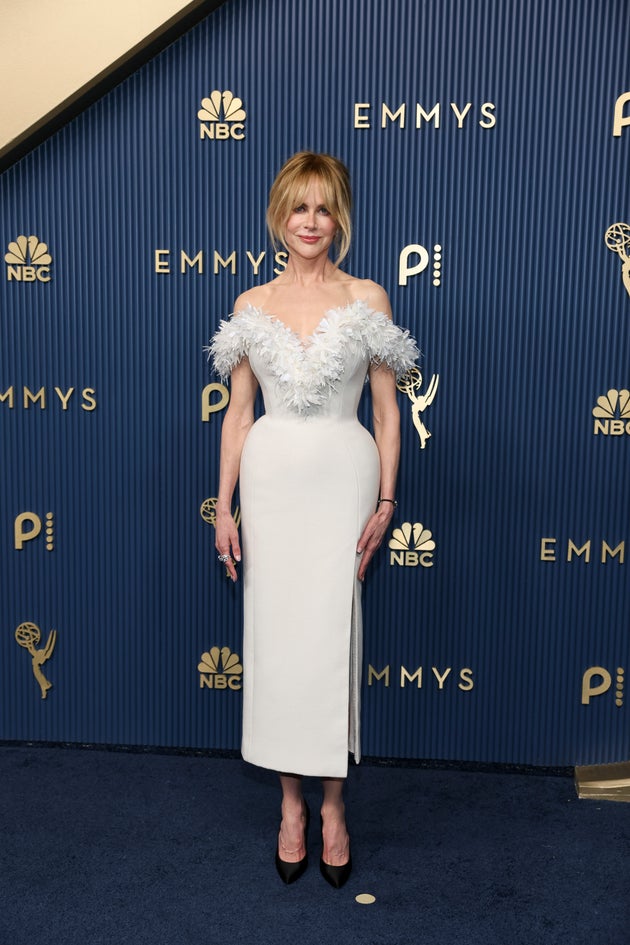
The 2026 Emmy Awards took place in Los Angeles on Monday evening, drawing a crowd of some of the biggest A-listers from the world of TV all under one roof.

Between the nominees, presenters, performers and some other surprise names, this year’s Emmys guestlist proved to be one of the most star-studded of the year so far, with winners on the night including the stars of shows like Widow’s Bay, The Pitt, Hacks, Pluribus and more.

In other words – if scrolling through glitzy red carpet photos is your idea of a good time, you’re definitely in for a treat.

Here are all the photos you need to see from the 2026 Emmys red carpet…

Zendaya

Nicole Kidman

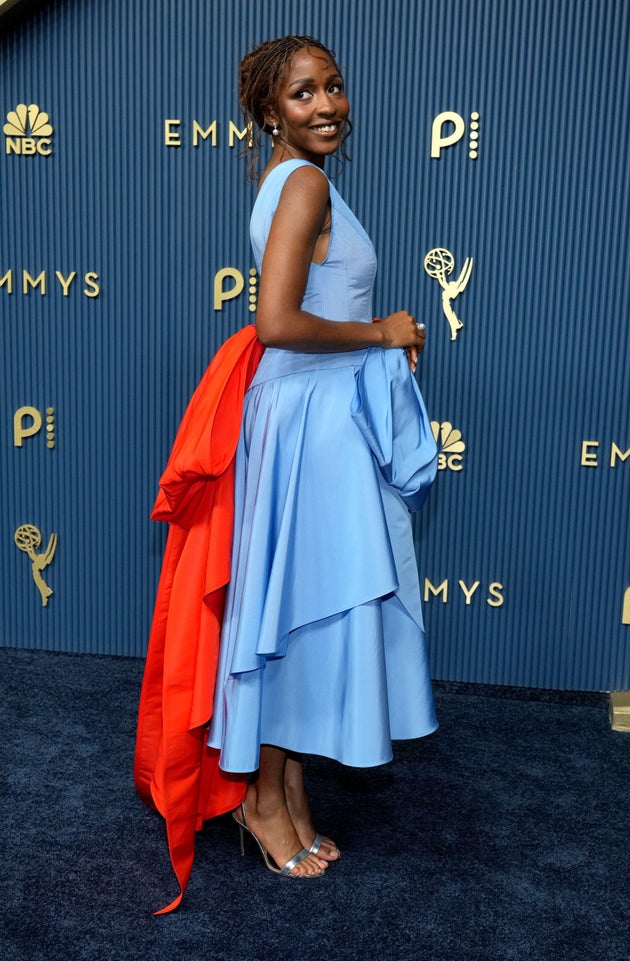
Ayo Edebiri

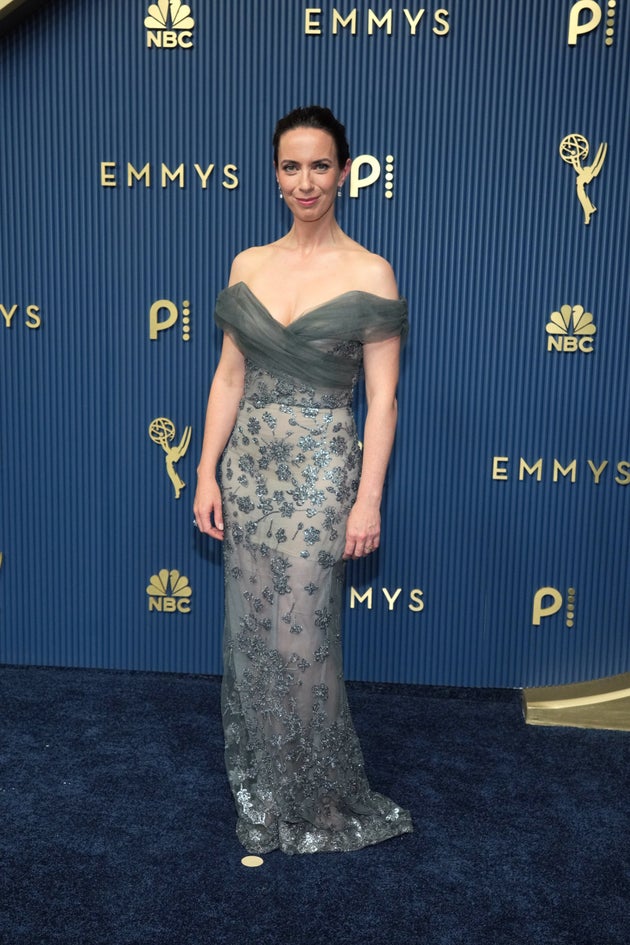
Kate O’Flynn

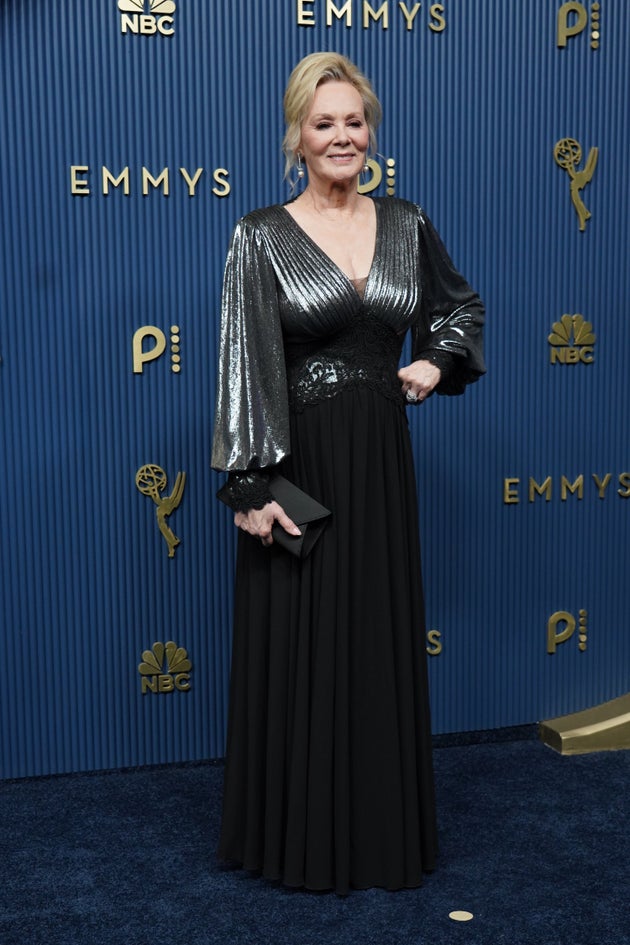
Jean Smart

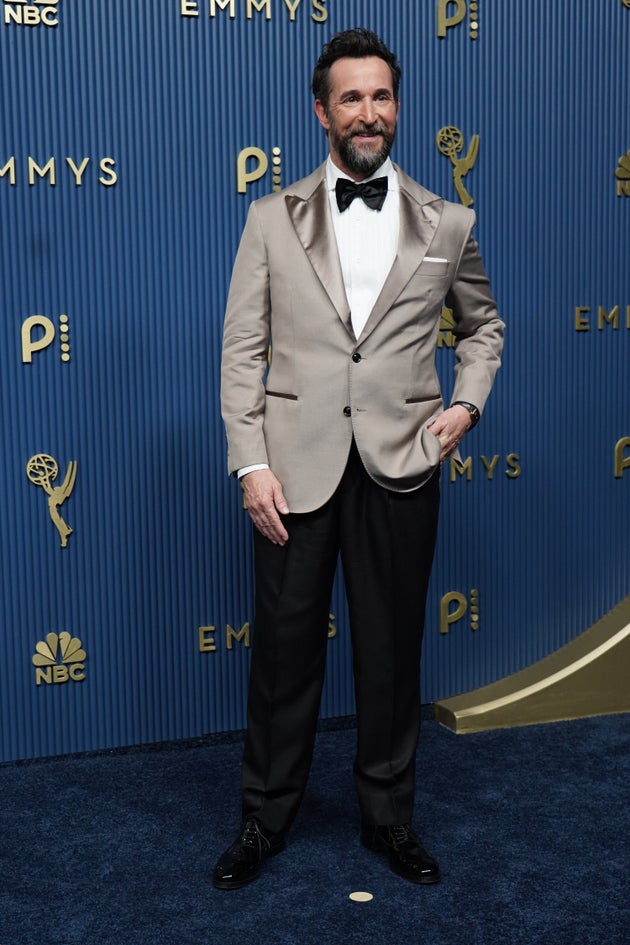
Noah Wyle

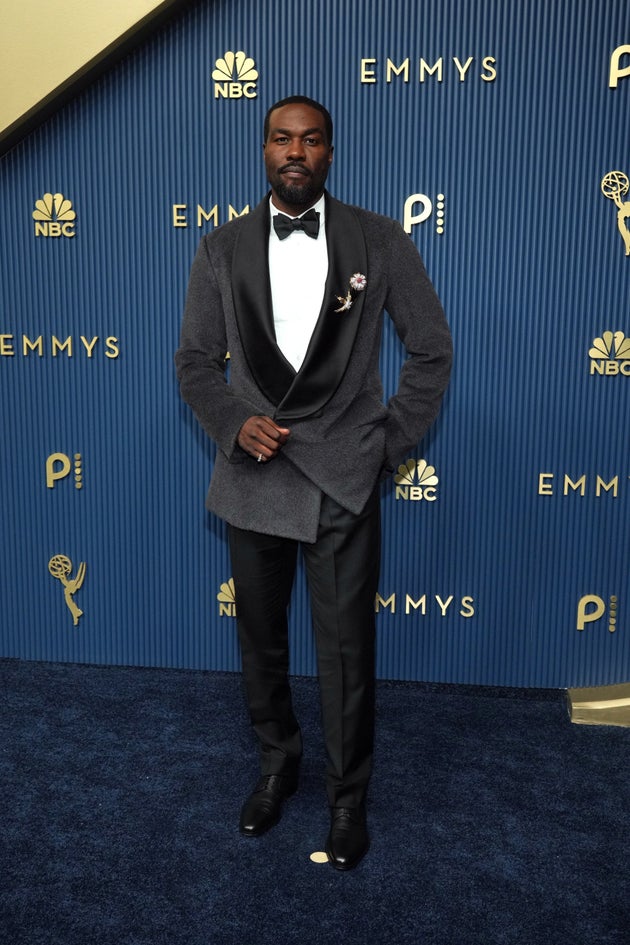
Yahya Abdul-Mateen II

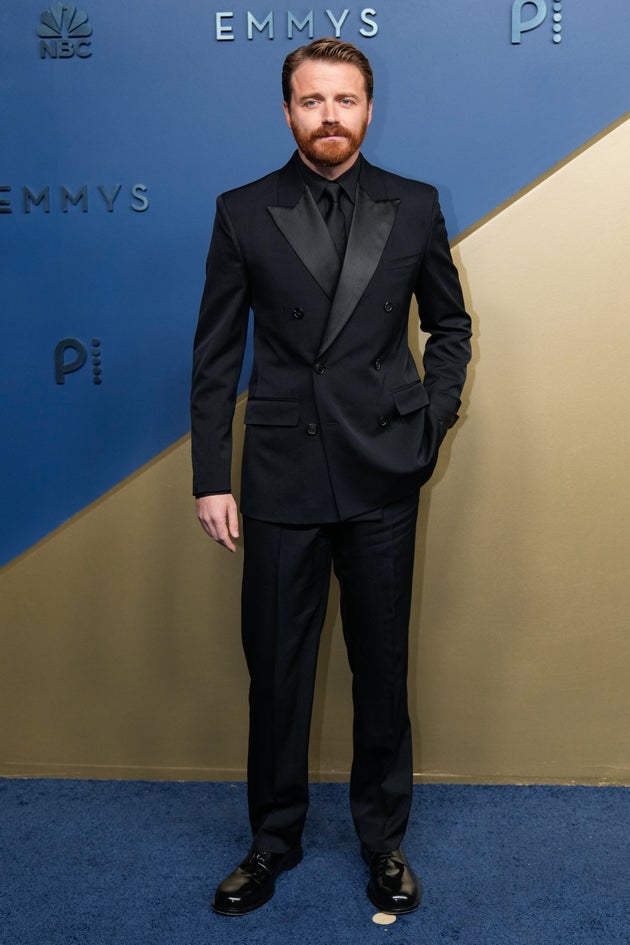
Jack Lowden

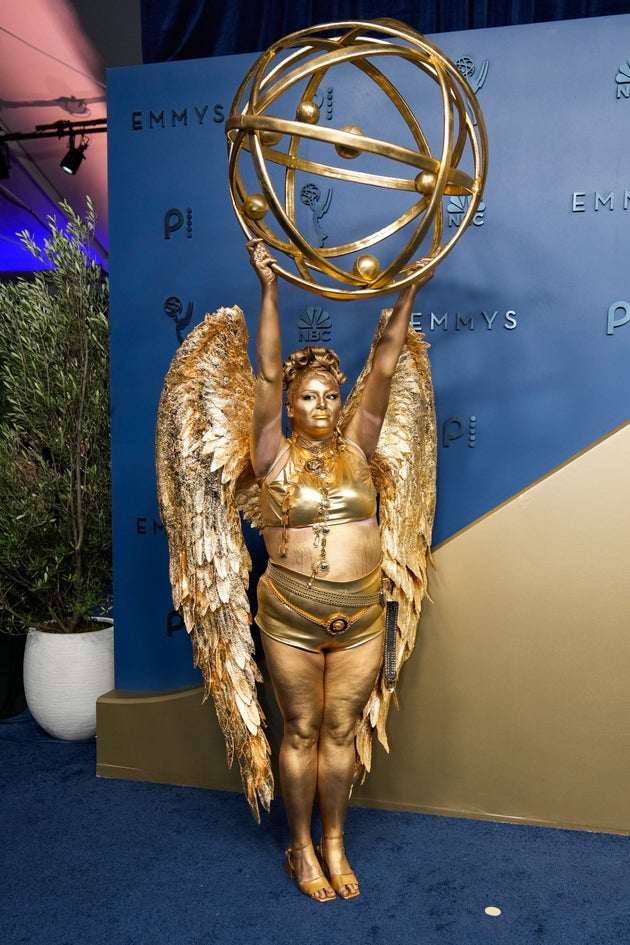
Megan Stalter

Alan Cumming

Quinta Brunson

Emma D’Arcy

Riz Ahmed

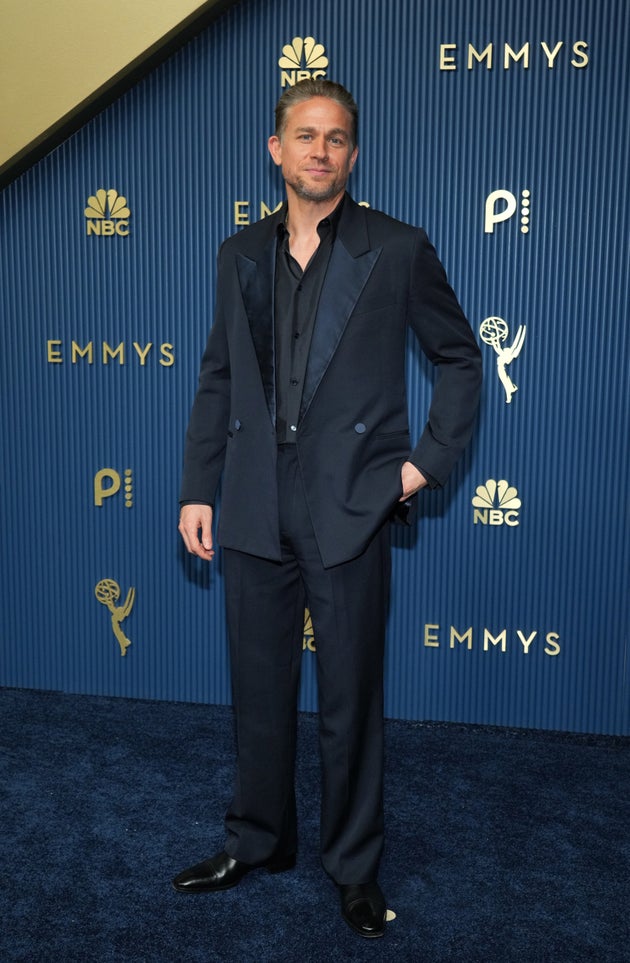
Charlie Hunnam

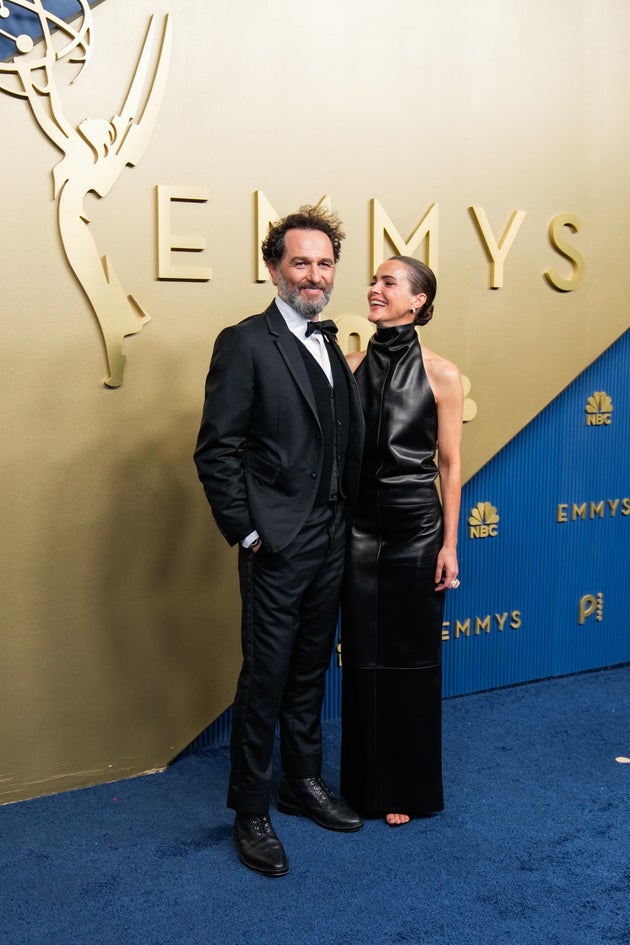
Matthew Rhys and Keri Russell

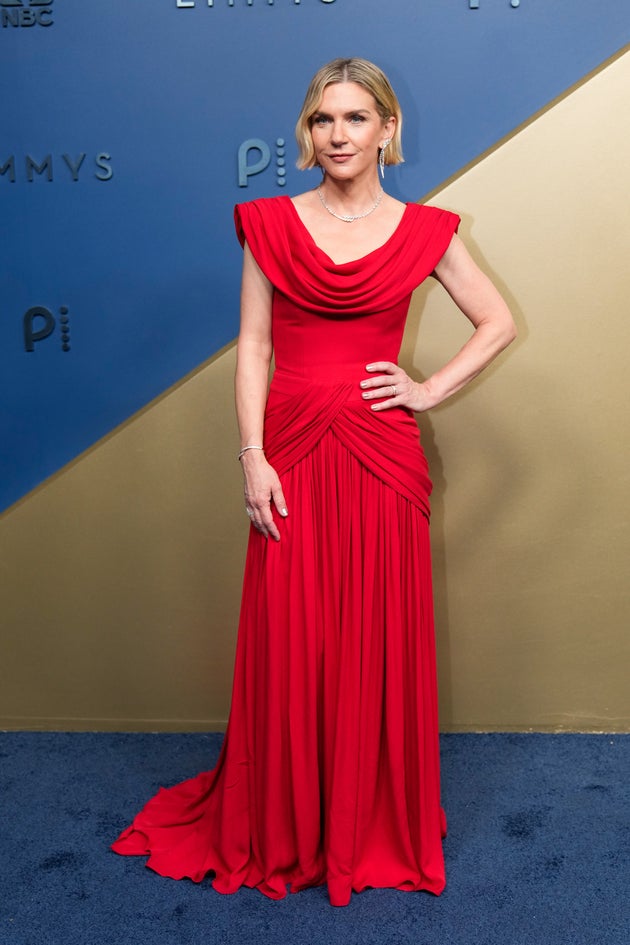
Rhea Seehorn

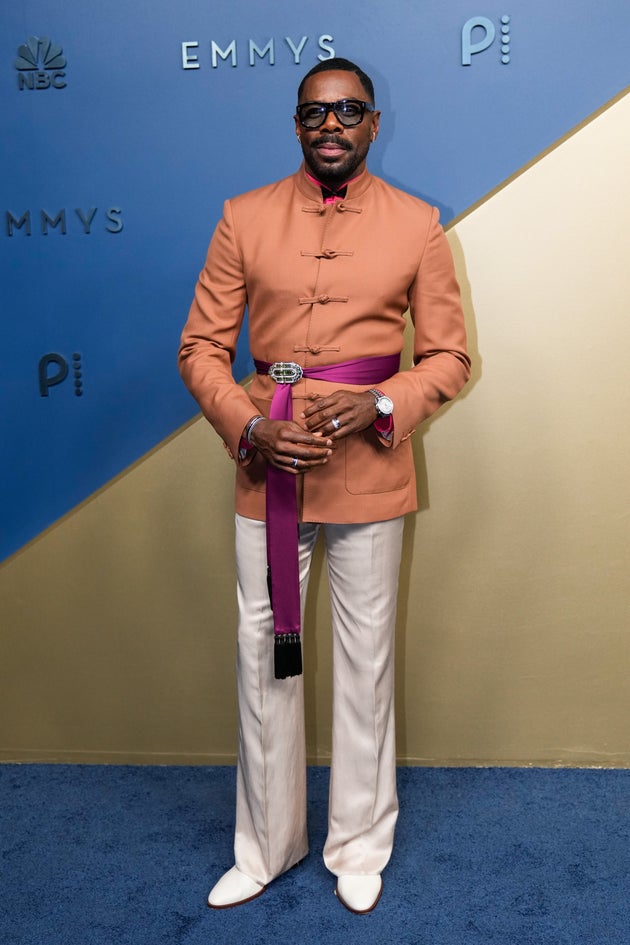
Colman Domingo

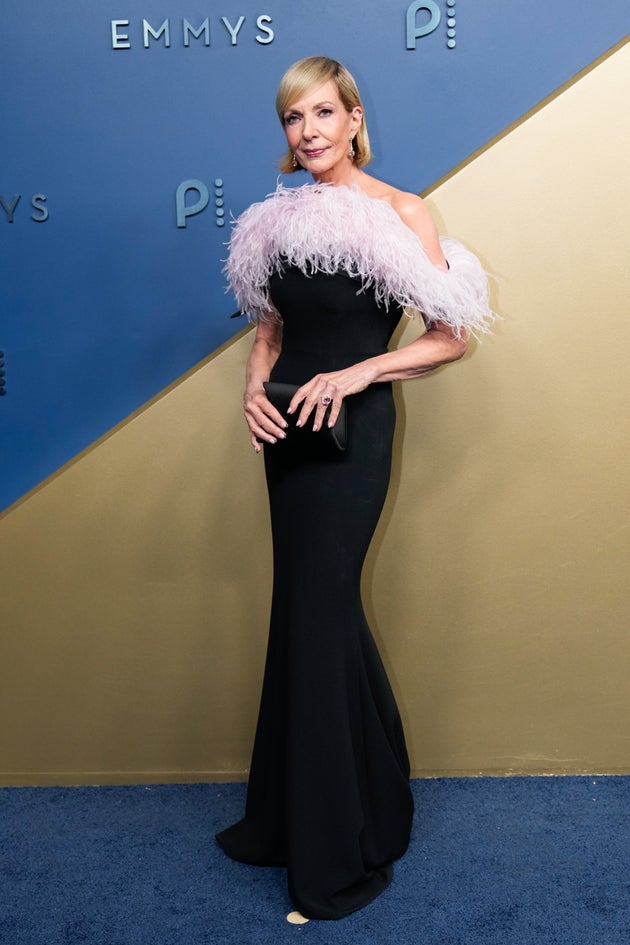
Allison Janney

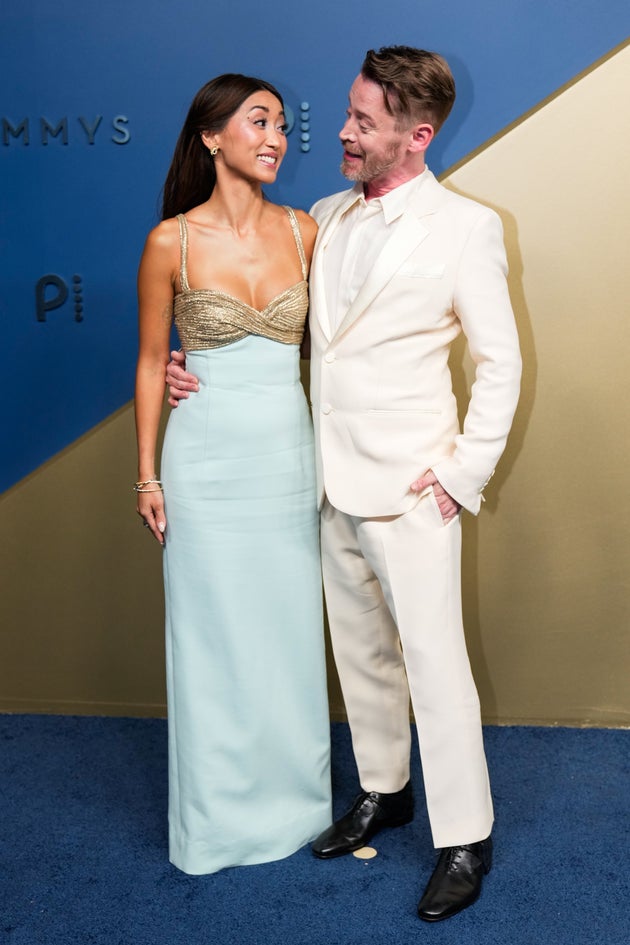
Brenda Song and Macaulay Culkin

Katherine LaNasa

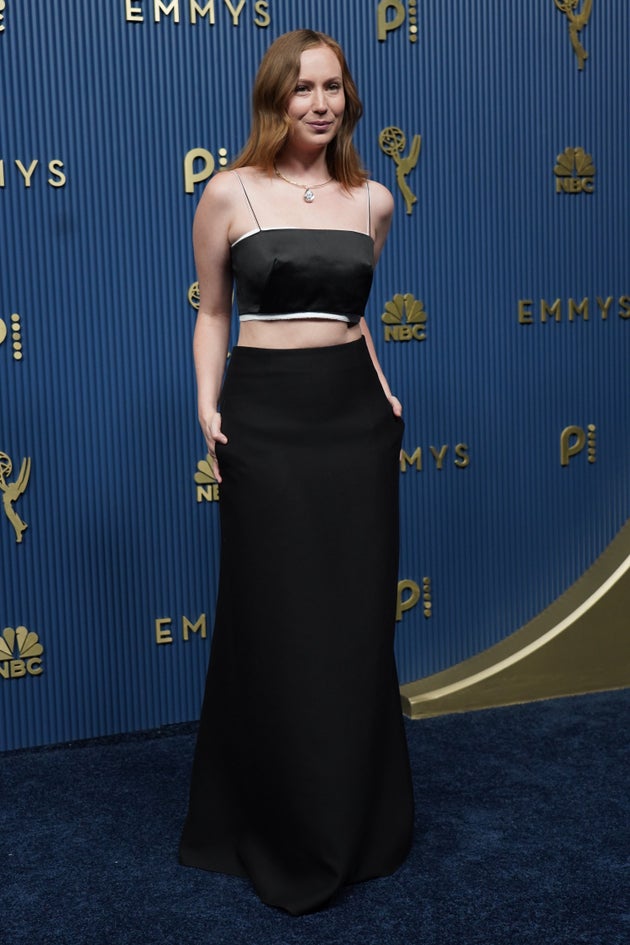
Hannah Einbinder

Janelle James

Paul W Downs

Oscar Isaac

Amy Poehler

Chase Infiniti

Rachel Sennott

Shailene Woodley

Dan Levy

Elle Fanning

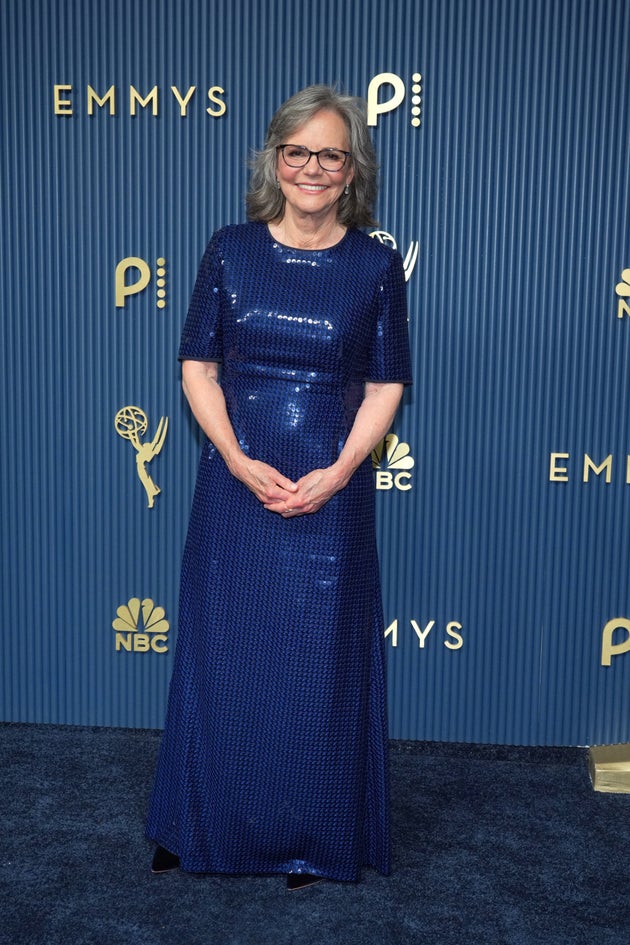
Sally Field

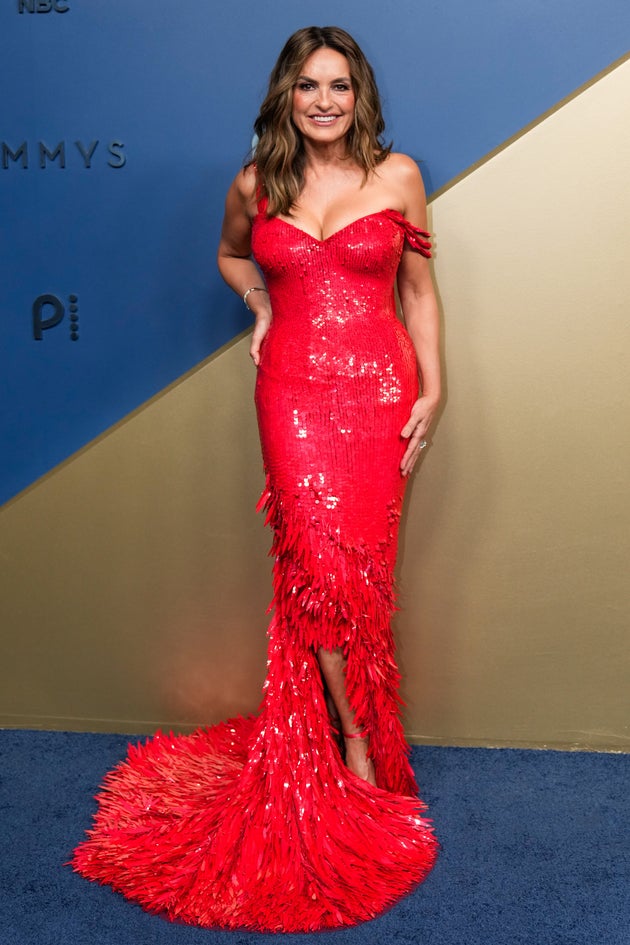
Mariska Hargitay

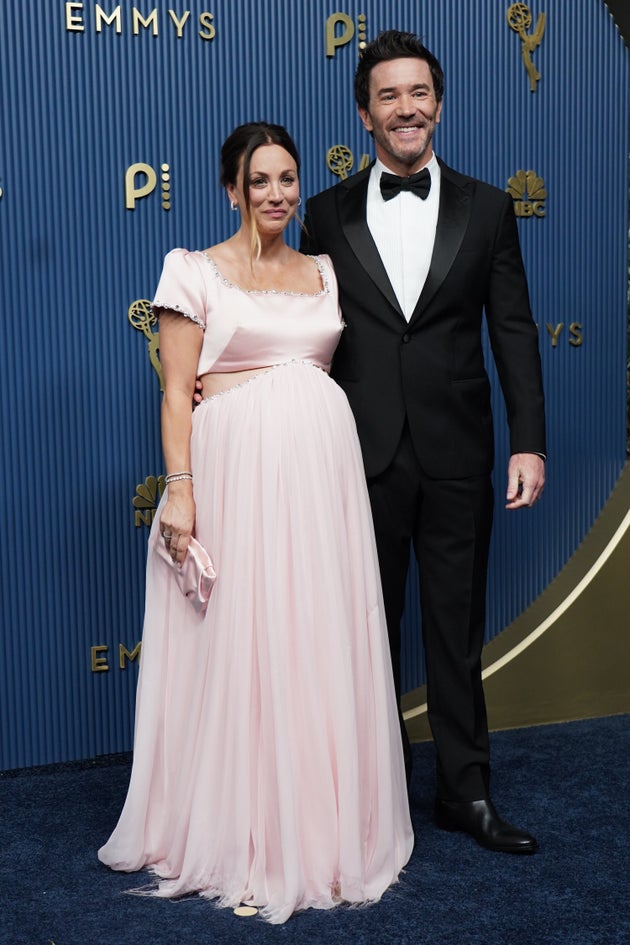
Kaley Cuoco and Tom Pelphrey

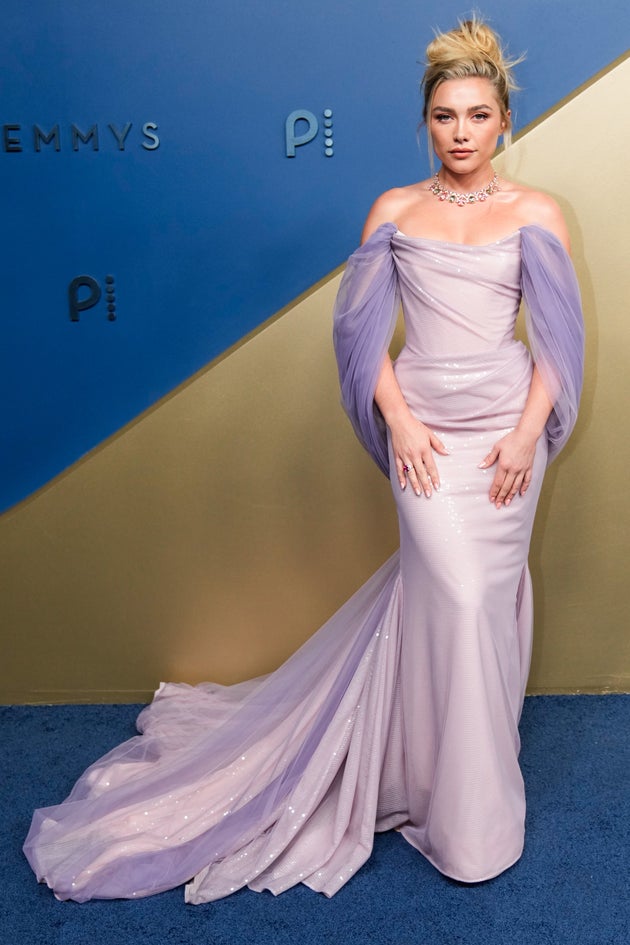
Florence Pugh

Charles Melton 

Odessa A’zion

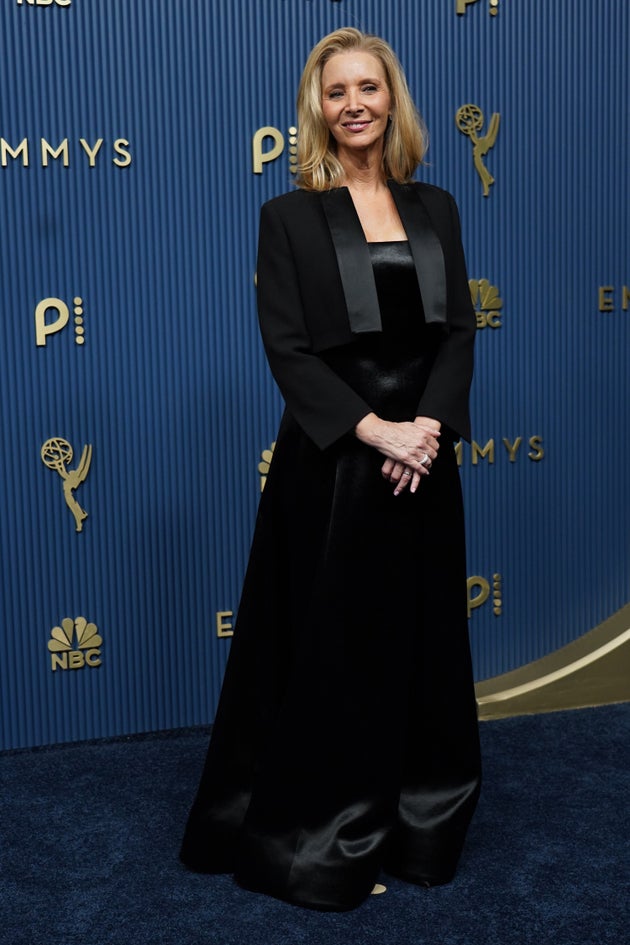
Lisa Kudrow

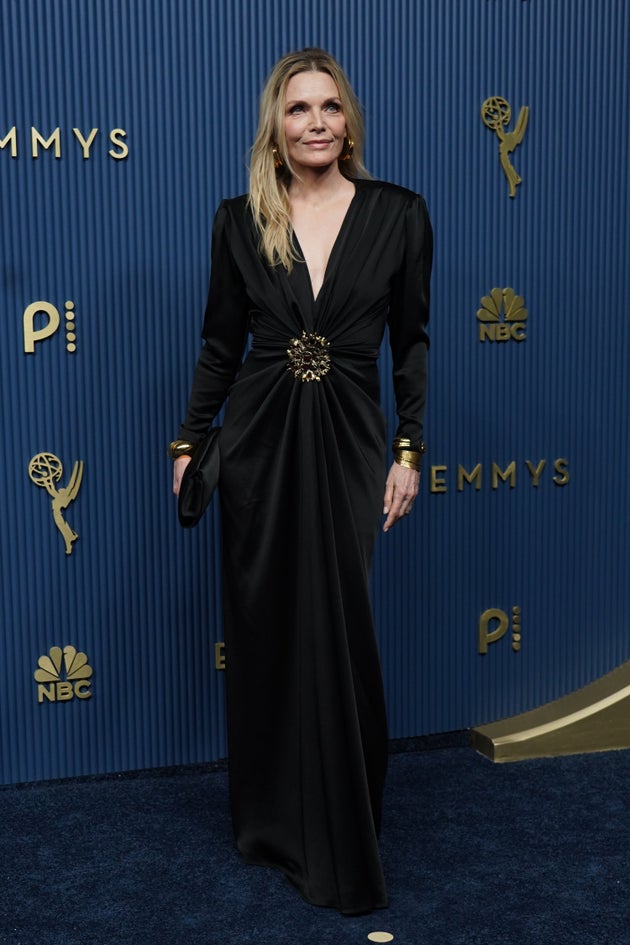
Michelle Pfeiffer

Harrison Ford and Calista Flockhart

Amanda Peet

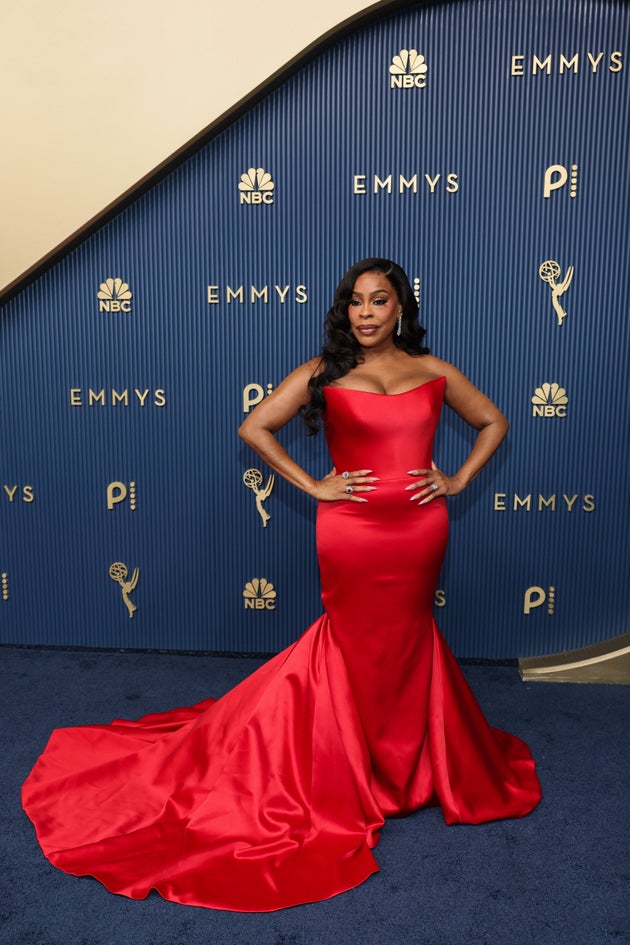
Niecy Nash-Betts

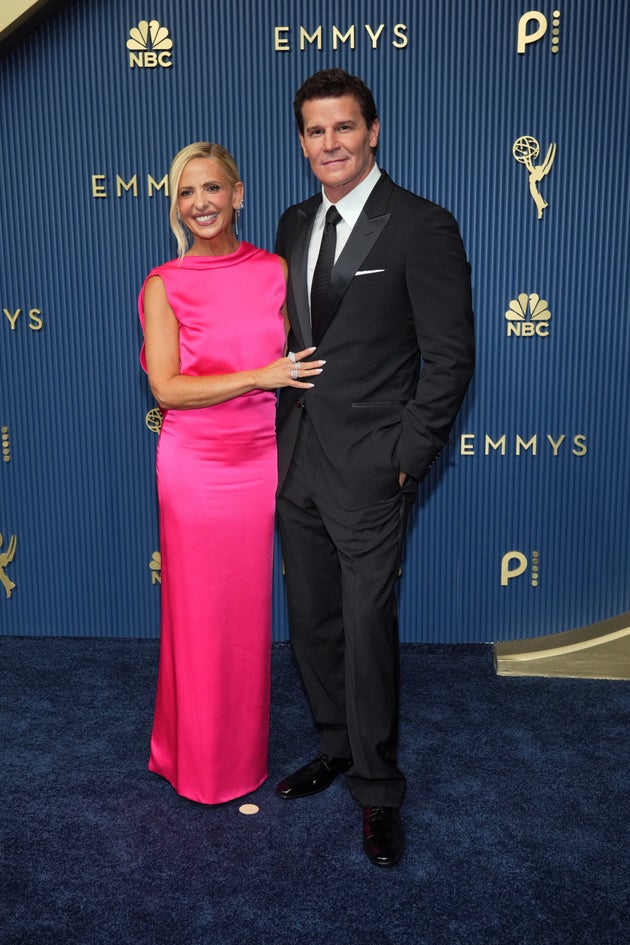
Sarah Michelle Gellar and David Boreanaz

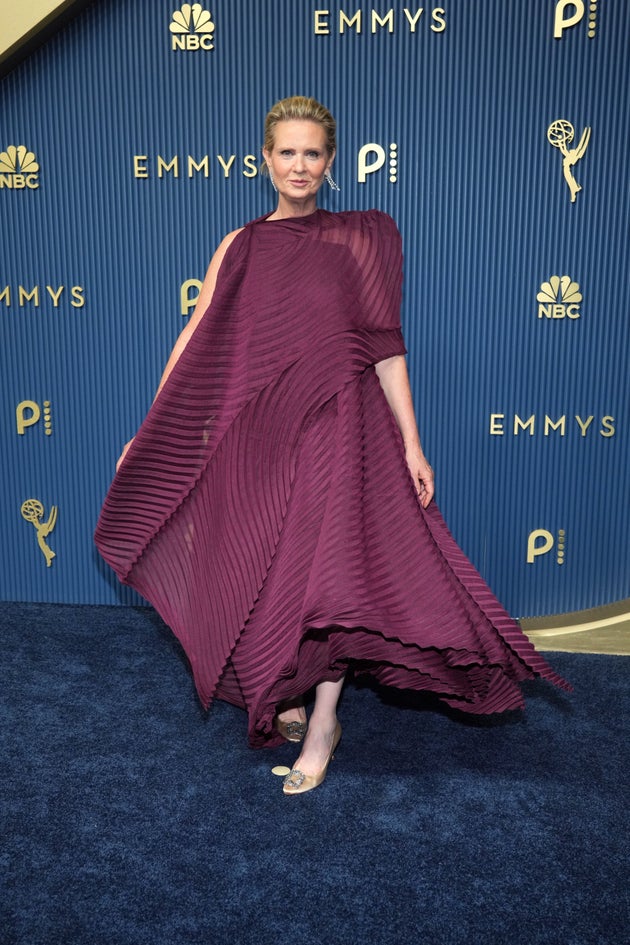
 Cynthia Nixon

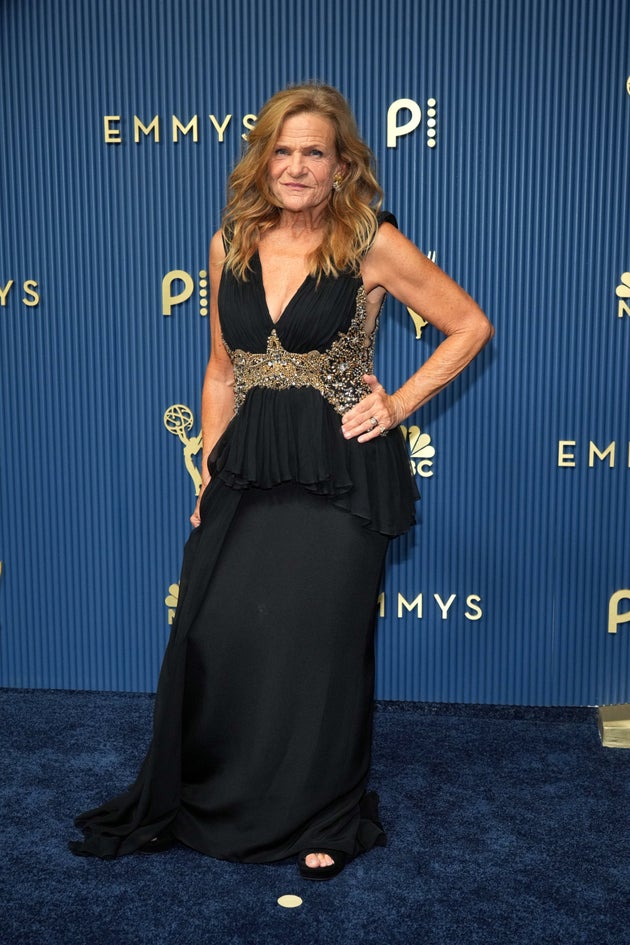
Dale Dickey

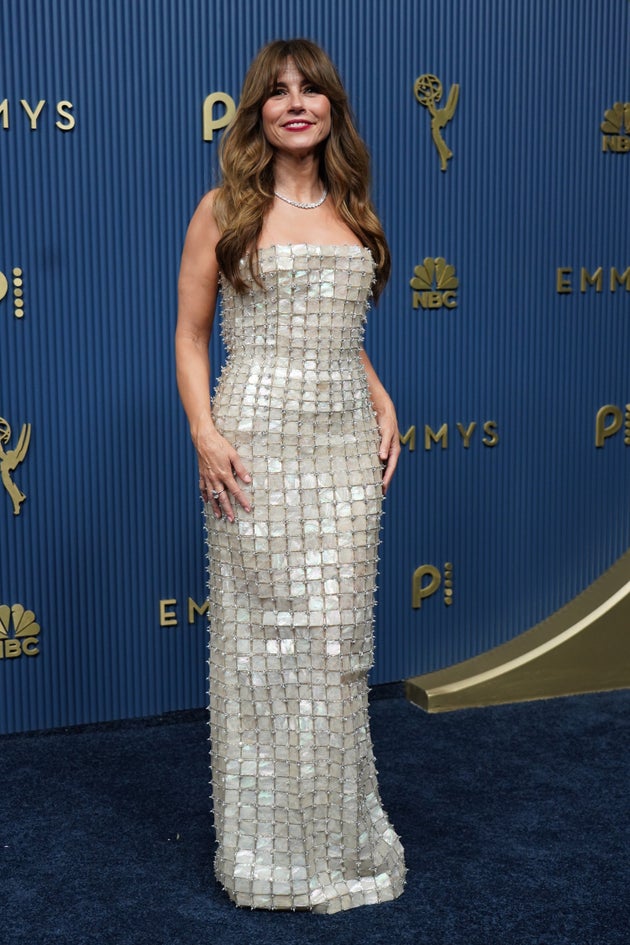
Linda Cardellini

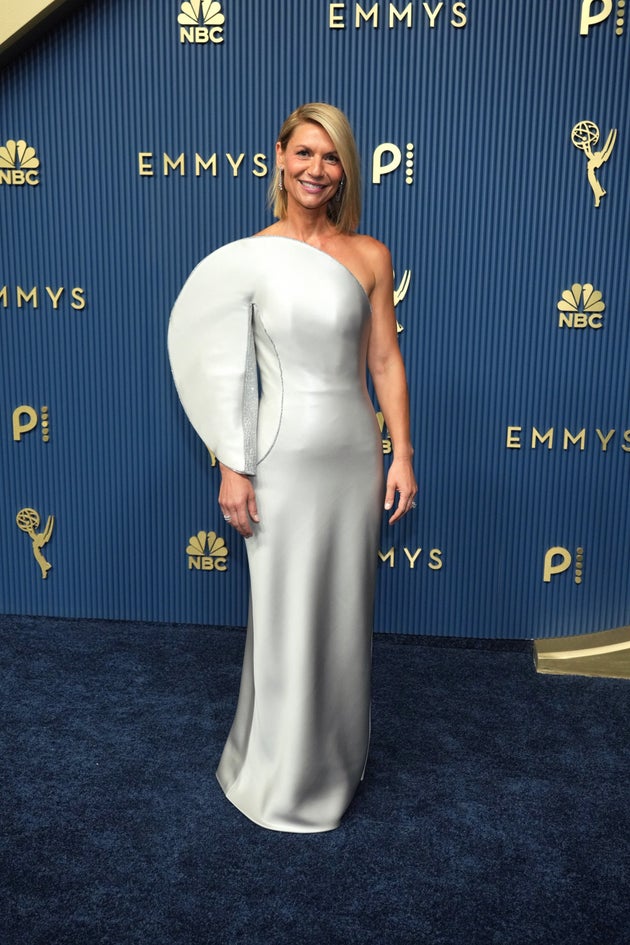
Claire Danes

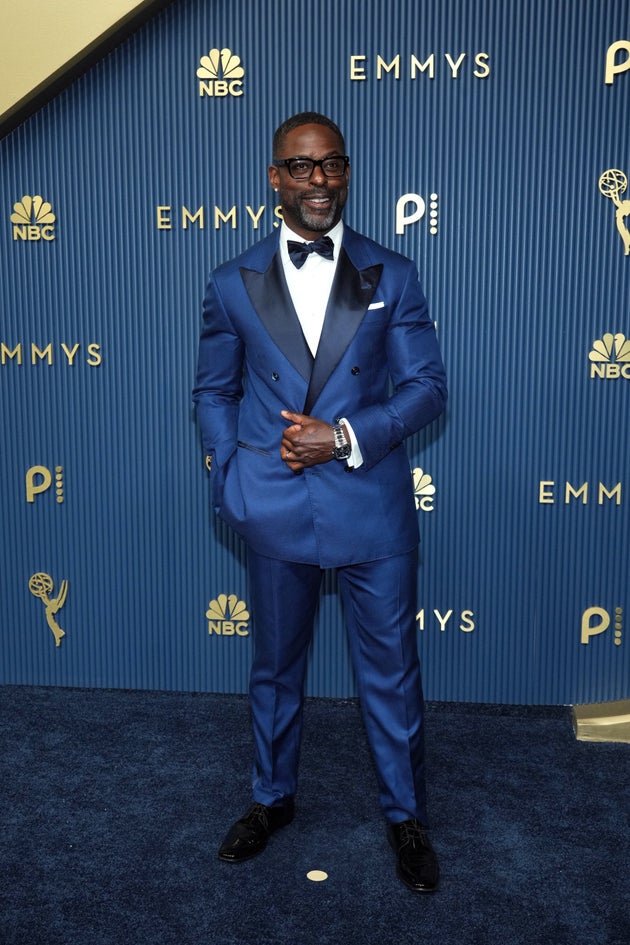
Sterling K Brown

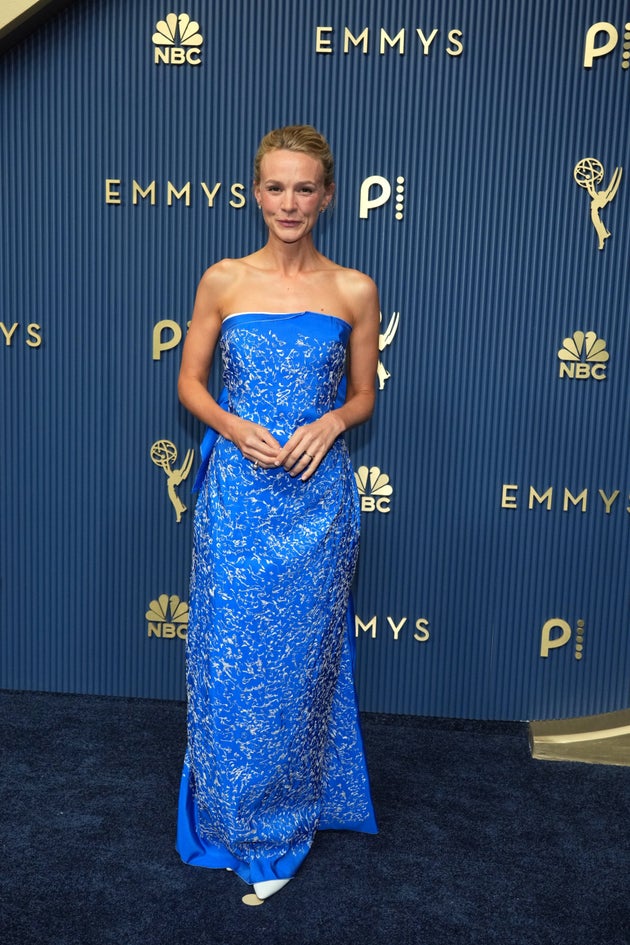
Carey Mulligan

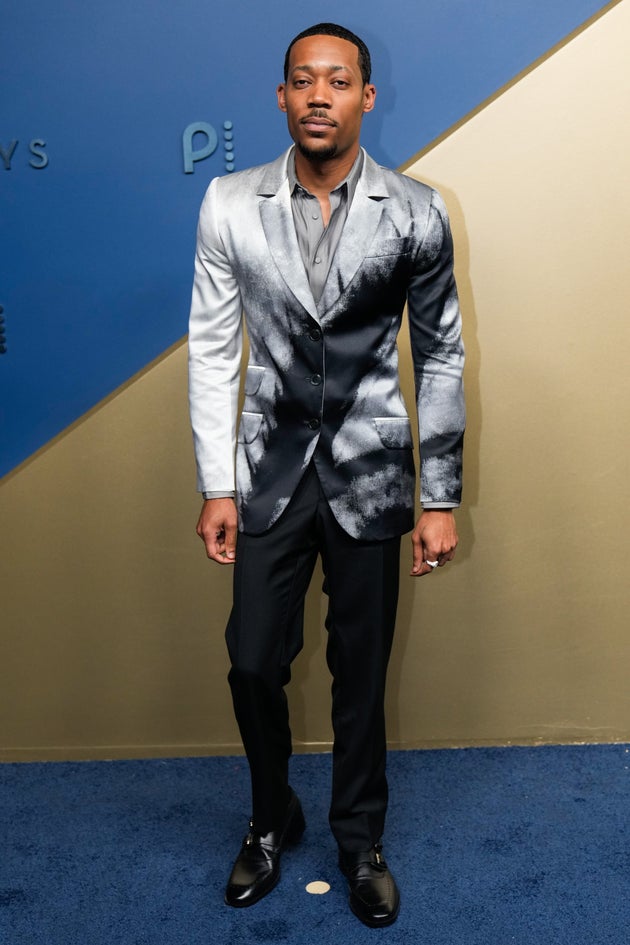
Tyler James Williams

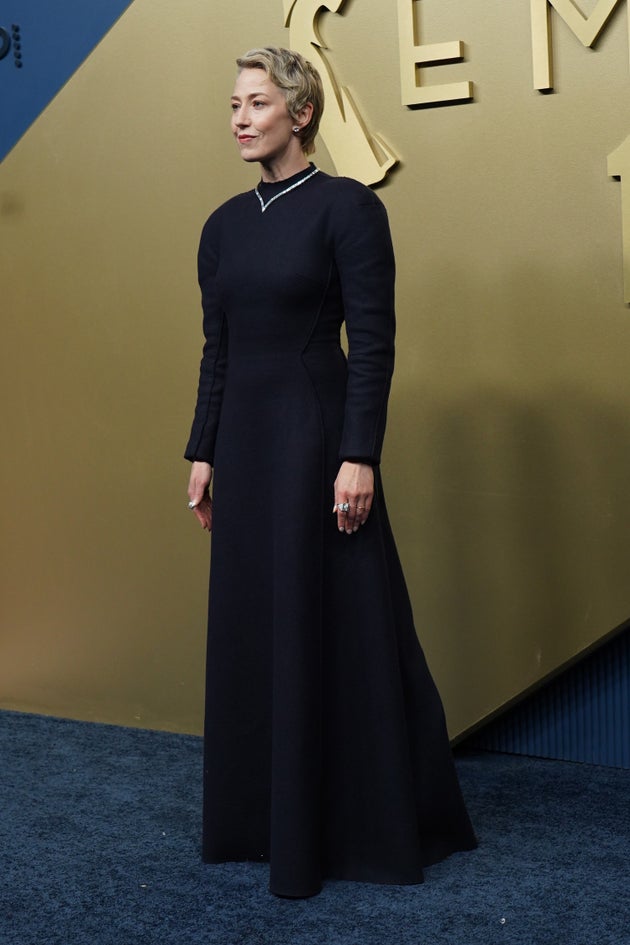
Carrie Coon

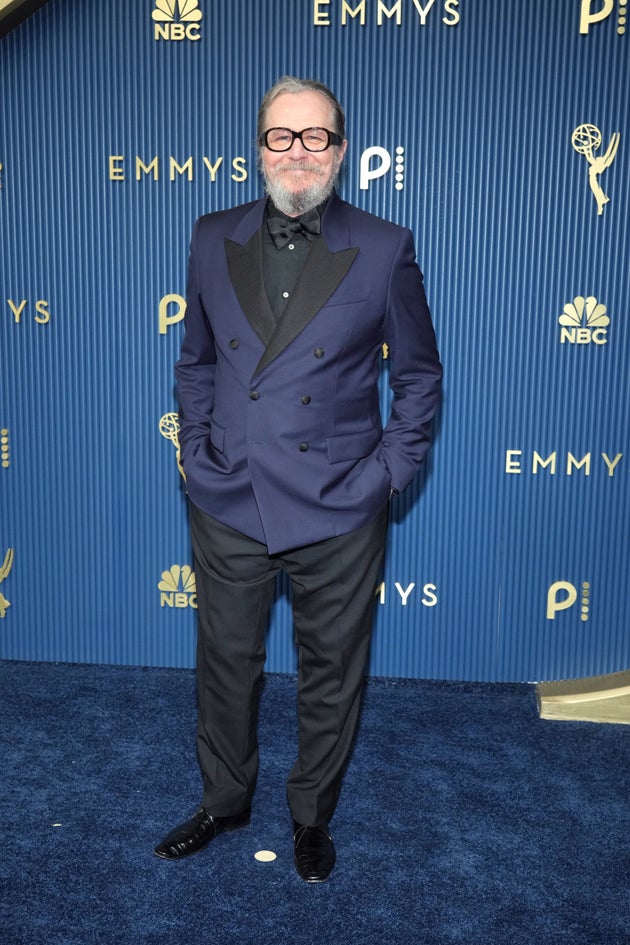
Gary Oldman

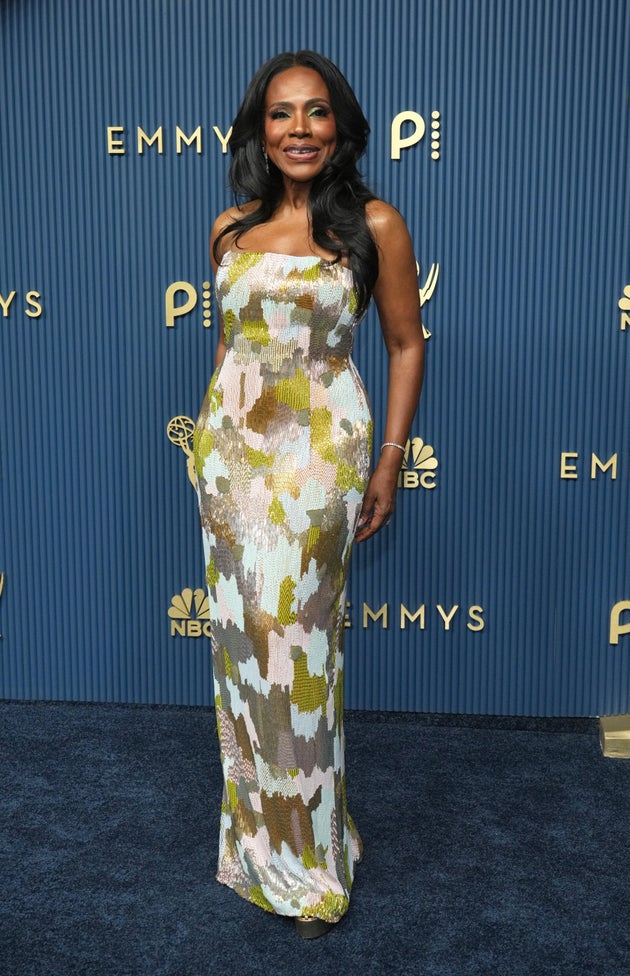
Sheryl Lee Ralph

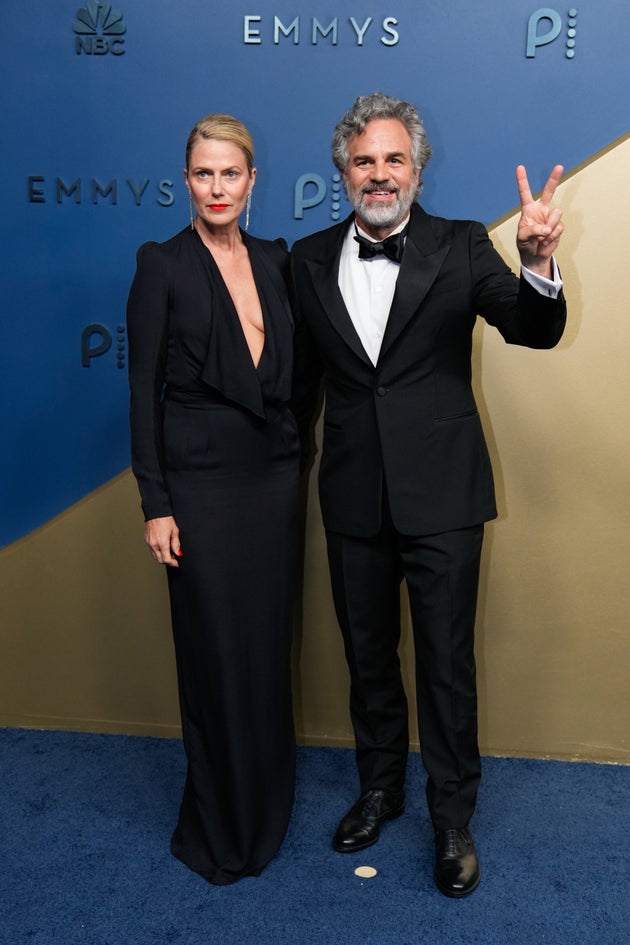
Sunrise Coigney and Mark Ruffalo

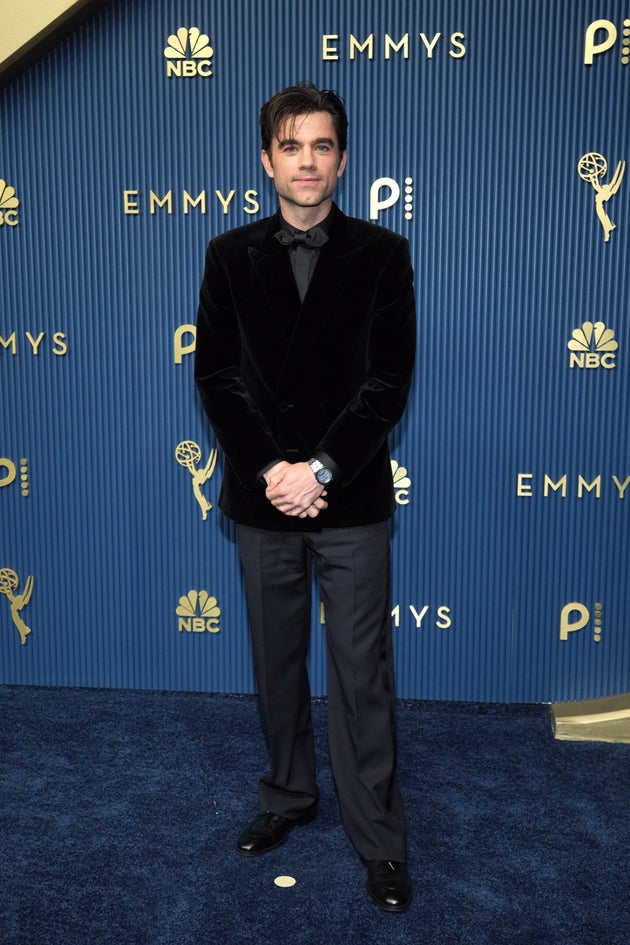
Patrick Ball

Michael Urie

Jeff Hiller

Jessica Williams

Noah Beck

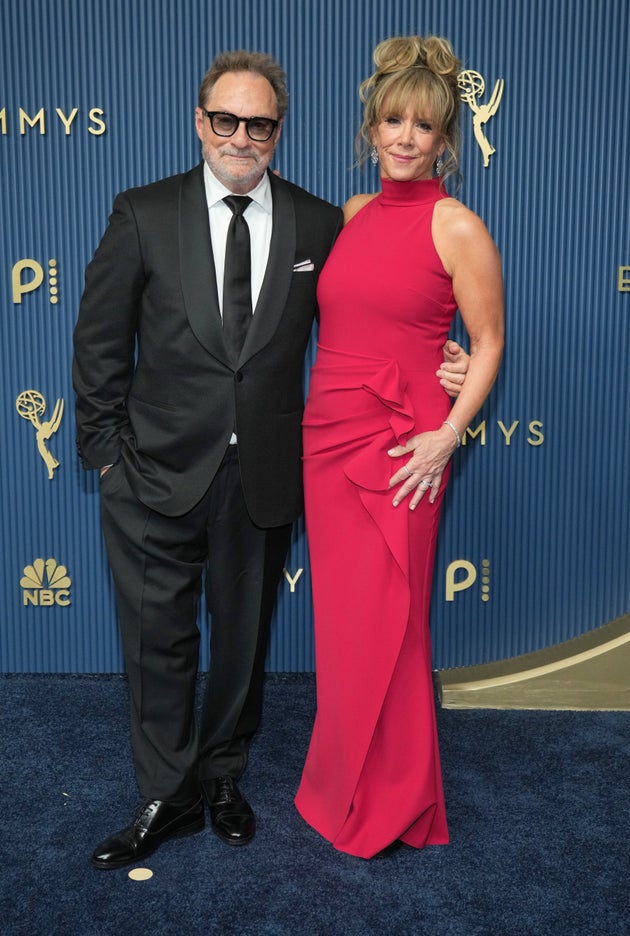
Stephen Root and Romy Rosemont

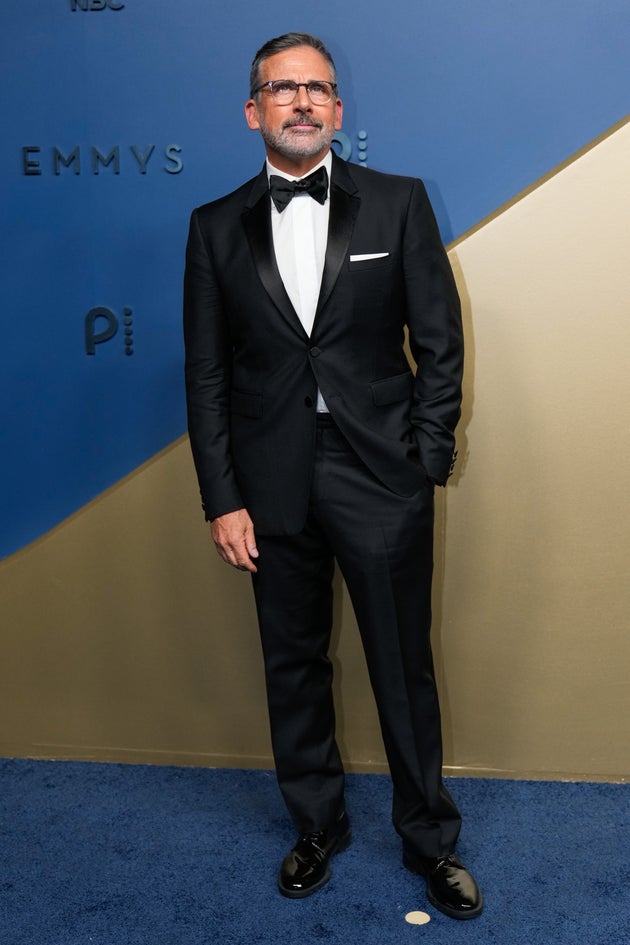
Steve Carell

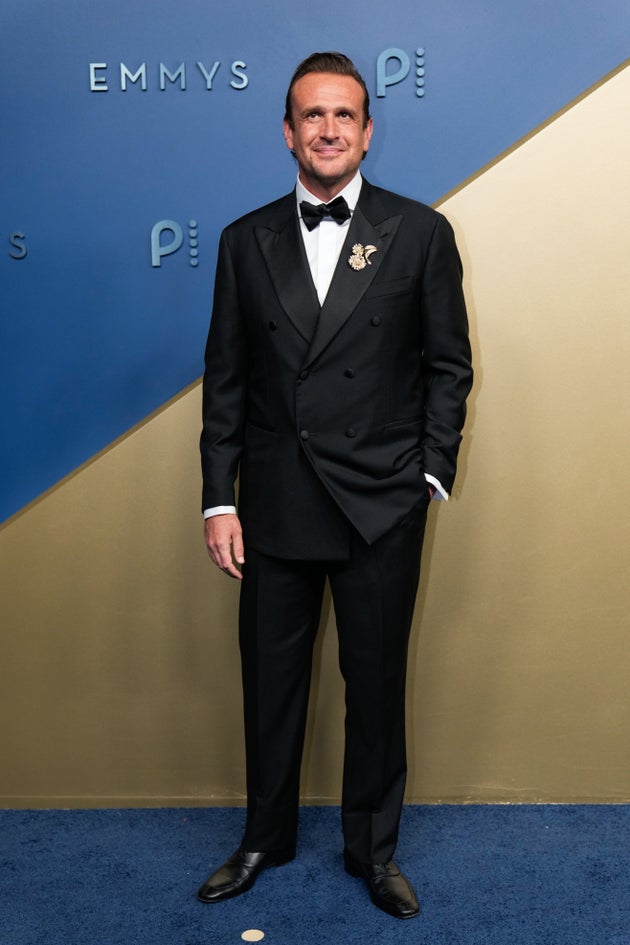
Jason Segel

Marcello Hernández

Jon Hamm and Anna Osceola

Sarah Snook

Rufus Sewell

Chris Perfetti

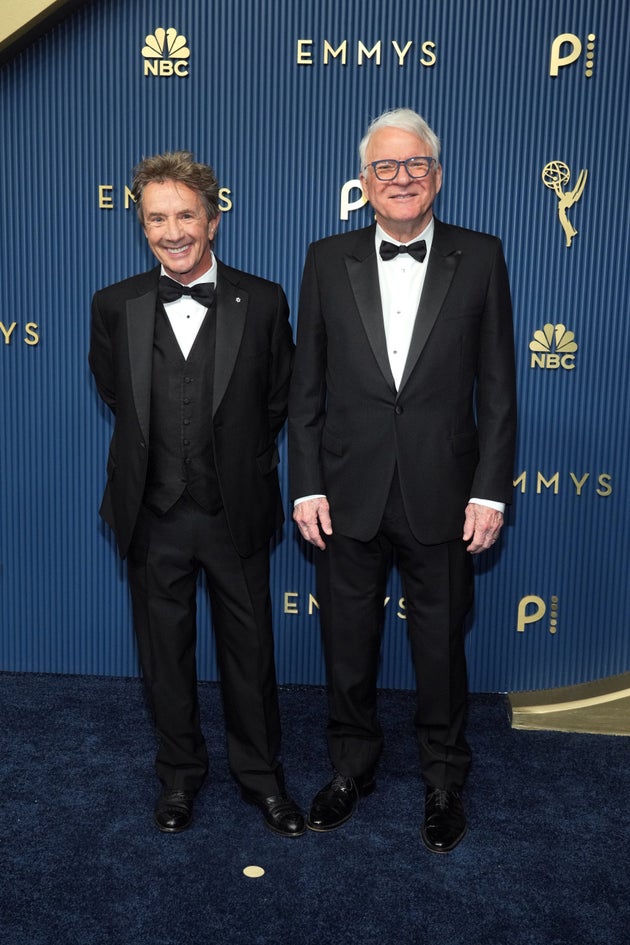
Martin Short and Steve Martin

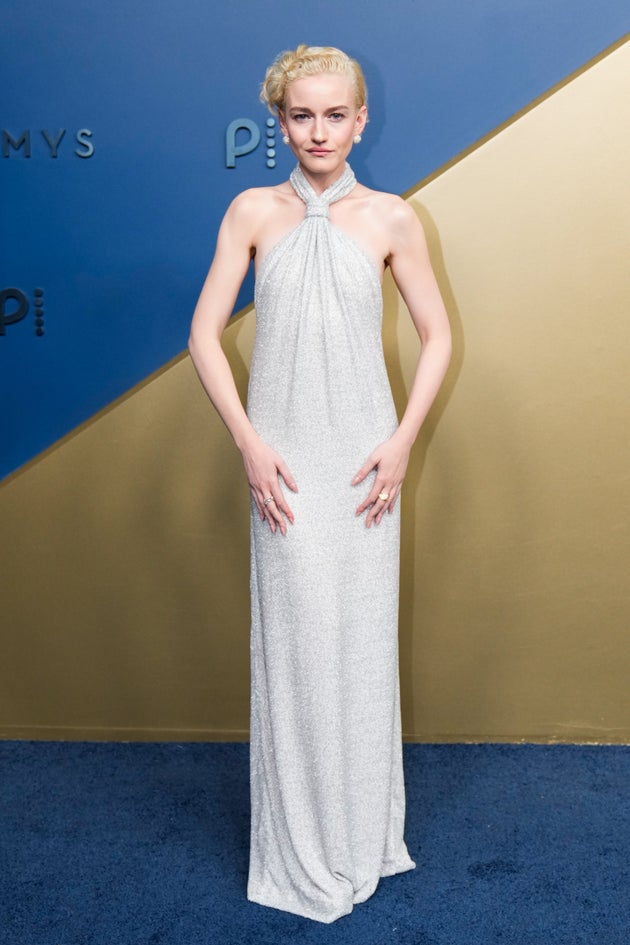
Julia Garner

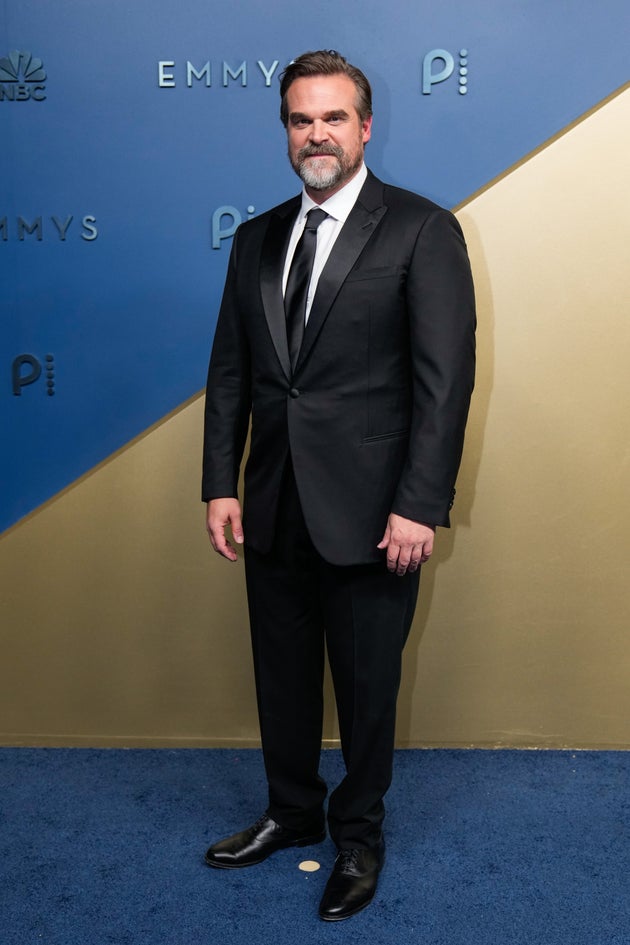
David Harbour

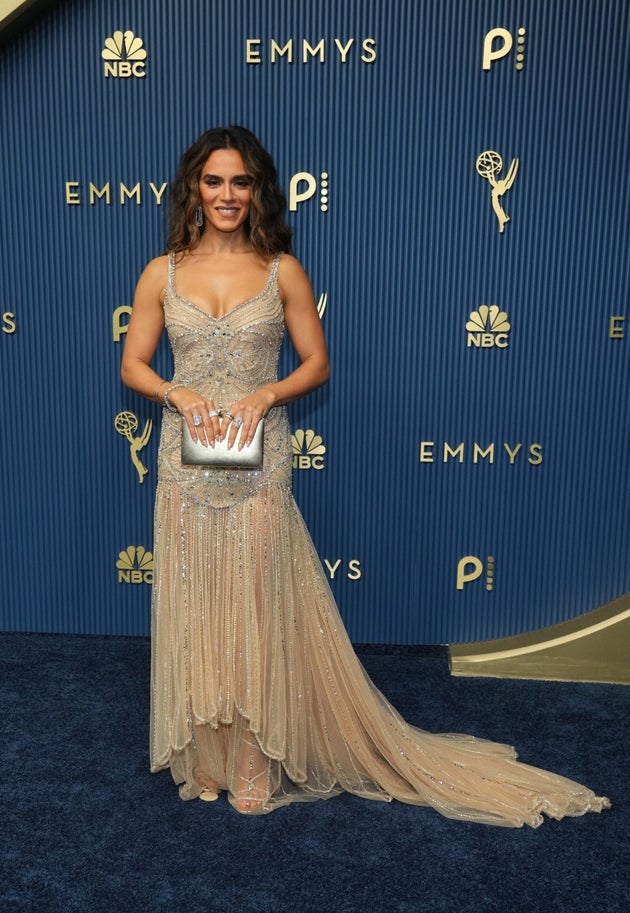
Sepideh Moafi

Awkwafina

LL Cool J

Emmy Rossum

Kingston Rumi Southwick 

Karolina Wydra

Lisa Ann Walter

Source link

Advertisement
Continue Reading

Politics

Emmys 2026: 19 Awards Show Moments You Might Have Missed

Published

on

Every year, the Emmys gathers some of the biggest names from the small screen under one roof to celebrate the past year’s achievements in TV – and this year’s ceremony was especially jam-packed with stars.

Unfortunately, the Emmys is one of those few US awards shows that doesn’t actually air in the UK, meaning those of us on this side of the Atlantic often miss out on the fun (which is particularly disappointing in years like this one, when numerous homegrown stars are up on stage there winning prizes).

However, we’re happy to say that we’ve got you covered.

Advertisement

From the red carpet to the main event, here are all the key moments you might have missed from the 2026 Emmys, where Widow’s Bay, The Pitt, Pluribus and Hacks were among the evening’s most recognised shows…

Obviously, whenever Zendaya steps onto a red carpet, that’s going to be a moment

But some of our other favourite red carpet looks from the 2026 Emmys included Florence Pugh

Colman Domingo (who never misses, let’s be real)…

…and Selena Gomez, who dressed fittingly for the awards show in gold

Meanwhile, if ever there was a chance you’d forgotten what Monday night’s red carpet was for, Hacks star Megan Stalter was on hand to remind us

The night’s host Mariska Hargitay kicked things off with a pre-recorded musical number celebrating some of the year’s nominees, featuring cameos from HuffPost faves Jean Smart, Jennifer Coolidge and Jeff Hiller

Kate O’Flynn got the ceremony off to a great start as the first Brit of the night to win an award for Widow’s Bay

Her Widow’s Bay co-star Matthew Rhys then picked up his first award of the evening for The Beast In Me, briefly tapping into his character from the Netflix series before delivering his acceptance speech

Advertisement

Nicole Kidman heckled host Mariska Hargitay during a skit parodying her now-infamous AMC sketch

There was no mistaking how excited Sally Field was to win her award (the best part has to be when she praised ‘author Shelby Van Pelt… or whatever her name is… anyway, she knows what it is’)

Taylor Swift surprised everyone when she joined host Mariska Hargitay in a pre-taped sketch about whether or not she’d be at the Emmys (spoiler alert… she wasn’t because, as was said in the skit, ‘her husband has a work thing’)

Matthew Rhys then made Emmys history as the first actor to win two leading awards in the same night

As did Jean Smart – not only becoming the first actor to win an acting Emmy for every season of a show, but also matching the record for the most performance wins ever

Country icon Reba McIntyre’s tribute to three-time Emmy winner and ‘piece of America’s heart’ Dolly Parton had us totally choked up

And by the time it got to Macaulay Culkin and the Schitt’s Creek stars sharing their memories of Catherine O’Hara, we were a total mess

Advertisement

The Pitt went into the night as the most recognised show, and while it wasn’t exactly a clean sweep for the medical drama, it did pick up a couple of awards, including an acting win for Noah Wyle, making him another of the night’s double winners due to his work as a producer, too

Towards the end of the ceremony, Matthew McConaughey and Woody Harrelson piled on the charm to present Best Comedy Series

And – by this point, as if there was any doubt – Widow’s Bay rounded off the night with one last win

Advertisement

Source link

Continue Reading

Politics

Donald Trump Condemned For Dismissing AI Threats As Hoax

Published

on

Donald Trump Condemned For Dismissing AI Threats As Hoax

Donald Trump has been condemned after dismissing warnings that articifical intelligence could destroy humanity as “a hoax”.

The US president was accused of “gaslighting” the entire world after he said AI and the data centres that drive it “will be the greatest economic development engine in history”.

Trump himself is a keen user of AI, regularly posting bizarre slop videos and images on Truth Social.

Senior executives and staff at AI firms have called for greater regulation of the technology before it gets out of control.

Advertisement

But in a rambling post on Truth Social, Trump rejected those fears and said there were no need for new guardrails to tame the technology.

He said: “Concerning AI, when, in the History of Business, did anyone see the Leaders of an Industry call for Regulation that, if strongly implemented, will drive them into oblivion and bankruptcy?

“AI taking over the World, destroying Humanity, and all other things bad, is a HOAX, no different from RUSSIA, RUSSIA, RUSSIA — UKRAINE, UKRAINE, UKRAINE — IMPEACHMENT HOAX #1 — IMPEACHMENT HOAX #2 — and all of the other HOAXES and SCAMS that America was forced to endure through the Destructionists’ and Deviants’ foul play and illegal conduct.”

Trump said President Xi of China “will be doing absolutely nothing to stand in the way of AI, or its future” and so America should follow suit.

Advertisement

He added: “AI, and Data Centers, will be the Greatest Economic Development Engine in History — Bigger than Oil, Gold, Diamonds, or even the Internet.”

But his comments drew widespread criticism online, with the president being branded “unfit for office” for gambling with the future of the planet.

Meanwhile, First Secretary of State Louise Haigh will today say the government must “heed the warnings” of AI experts about the dangers posed by technology.

Addressing the TUC congress in Brighton, she will say ministers are “ready to work with international partners” to prioritise public safety and national security.

Listen to Commons People, the podcast that makes politics easy. Every week, Kevin Schofield and Kate Nicholson unpack the week’s biggest stories to keep you informed. Join us for straightforward analysis of what’s going on at Westminster.

Advertisement

Source link

Continue Reading

Politics

3 Symptom Patterns That Could Flag Your Child Has Cancer

Published

on

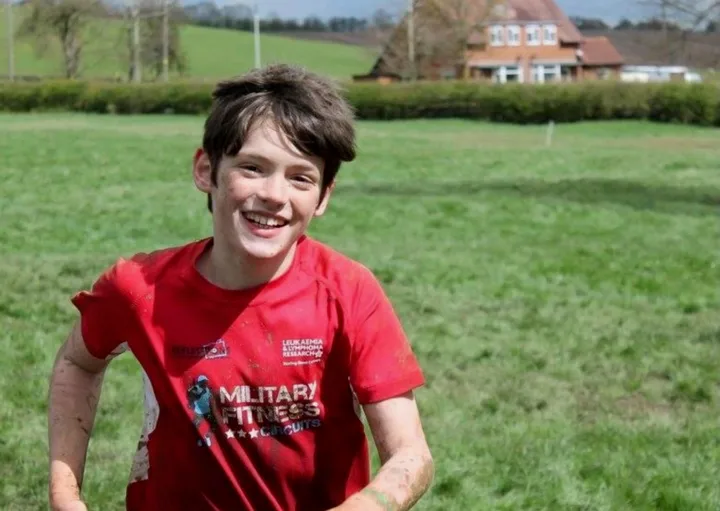
Fred Bennett died a year after his leukaemia diagnosis.

A mum is urging parents to be aware of the symptoms that could flag childhood cancer, after her son was diagnosed with leukaemia at just 13 years old and tragically died a year later.

Louise Bennett, from Rugby, Warwickshire, said her son Fred had initially seemed tired and off his food, which the family put down as typical teenage changes and tiredness with the school year coming to a close.

But when his glands began to swell, they took him to the GP thinking it might be glandular fever instead.

A blood test revealed he had acute lymphoblastic leukaemia (ALL), and within hours he was preparing to begin treatment at Birmingham Children’s Hospital.

Advertisement

Around 1,900 children aged 0-14 are diagnosed with cancer in the UK every year, and cancer remains the leading cause of death from disease among children.

Yet survey findings from CCLG: The Children & Young People’s Cancer Association reveal that public awareness of childhood cancer is low.

Louise said: “I didn’t know anything about childhood cancer in terms of what to look for. I had memorised all the symptoms of meningitis. I knew about sepsis. I actually sent my husband a list of sepsis symptoms the day before we took him to the GP because that was in my mind.

“But a cancer diagnosis was completely off our radar.”

Advertisement

Sadly, her son died in May 2020 – a year after his diagnosis – aged 14.

Fred Bennett died a year after his leukaemia diagnosis.

The most common types of cancer in children are leukaemia, brain tumours and lymphomas, according to Children With Cancer UK.

As the symptoms of childhood cancer can mimic common illnesses and viral infections, CCLG’s Child Cancer Smart campaign is encouraging parents and carers to look for patterns of symptoms rather than focusing on a single sign.

Dr Sharna Shanmugavadivel, a paediatric emergency medicine doctor and the Child Cancer Smart lead, has shared three patterns of change in a child’s health that may need investigating.

If symptoms don’t go away after two weeks or something doesn’t feel right, her advice is simple: “Trust your instincts and see a doctor.”

Advertisement

Stay vigilant for three symptom patterns

1. Persistent symptoms

These are symptoms that do not improve or go away as expected and keep coming back after a child has been unwell.

Parents and carers should look out for symptoms that last longer than expected or where their child is taking more time than usual to recover from an illness, said CCLG.

Advertisement

2. Progressive symptoms

Any symptoms that get worse, become more frequent, or change over time rather than improving as expected should be flagged with a GP.

Parents and carers should look out for changes in the way symptoms develop, for example, a child may start with one symptom, such as a headache, but over time the symptom may become more severe or additional symptoms may appear.

3. Clustered symptoms

Advertisement

This refers to a group of symptoms that appear together rather than a single symptom on its own. Parents and carers should look out for combinations of symptoms, particularly when they occur at the same time, persist, or seem unusual for their child.

For example, a child who has ongoing tiredness alongside unexplained bruising, persistent pain, fever, or a lump may need further medical advice.

Symptoms can vary depending on the type of cancer, but these should definitely be checked out

Some of the more common signs and symptoms of childhood cancer include:

Advertisement
  • persistent tiredness or paleness,
  • repeated infections,
  • flu-like symptoms that don’t go away,
  • unexplained bruising or bleeding,
  • ongoing fever or night sweats,
  • persistent aches or pains,
  • unexplained lumps or swelling,
  • limping or leg weakness,
  • changes in bowel habits,
  • unexplained weight loss,
  • slow growth,
  • and changes in behaviour.

Source link

Continue Reading

Politics

Emmys 2026: Full Winners List As Widow’s Bay And Matthew Rhys Make TV History

Published

on

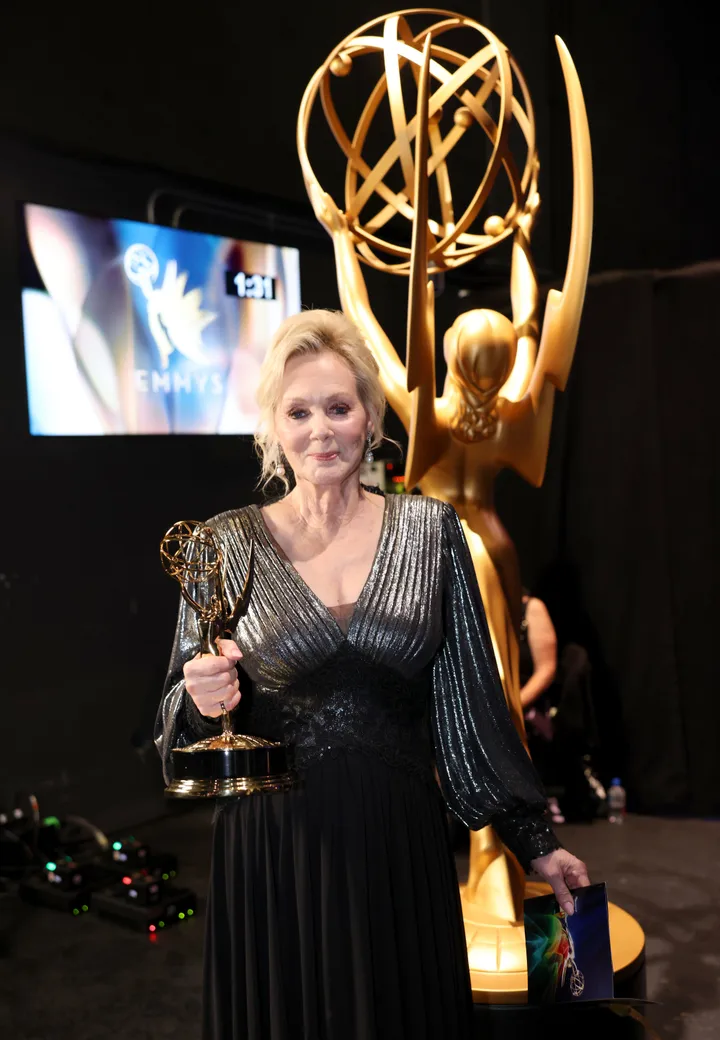
Jean Smart has now won an Emmy for every season of Hacks

In news that will come as little surprise to anyone who’s binge-watched Apple TV+’s Widow’s Bay in the last five months, the hit comedy horror was the big winner at this year’s Emmys.

Across major and technical categories, the show came away with a total of 14 Emmys this year, the most for any single season of a comedy in the awards show’s history.

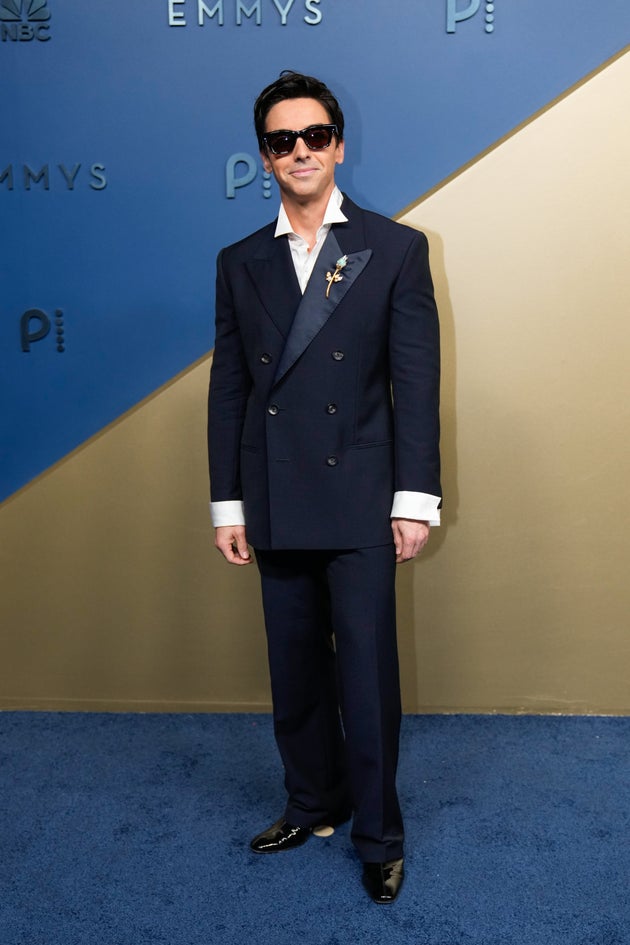
This included acting wins for cast members Kate O’Flynn, Stephen Root and Matthew Rhys, who also made history as the first performer to win an Emmy for two leading performances in the same night, having also picked up a prize for his work in Netflix’s The Beast In Me.

Meanwhile, Hacks star Jean Smart set a new record of her own, as the first person to win Best Actress for every single season of a show’s run.

Advertisement
Jean Smart has now won an Emmy for every season of Hacks

With a total of eight wins across her career, she now equals Cloris Leachman and Julia Louis-Dreyfus’ record for the most acting wins at the Emmys.

Here’s the full list of who won what at the 2026 Emmys on Monday night…
Outstanding Supporting Actress In A Comedy Series

Kate O’Flynn (Widow’s Bay)

Outstanding Lead Actress In A Comedy Series

Advertisement

Outstanding Lead Actor In A Limited Series, Anthology Series Or TV Movie

Matthew Rhys (The Beast In Me)

Outstanding Supporting Actress In A Drama Series

Allison Janney (The Diplomat)

Advertisement

Outstanding Lead Actress In A Drama Series

Kate O'Flynn was among the winners for Widow’s Bay
Kate O’Flynn was among the winners for Widow’s Bay

Outstanding Supporting Actor In A Comedy Series

Stephen Root (Widow’s Bay)

Outstanding Reality Competition

Outstanding Lead Actor In A Drama Series

Advertisement

Outstanding Supporting Actor In A Drama Series

Outstanding Lead Actress In A Limited Series, Anthology Series Or TV Movie

Sally Field (Remarkably Bright Creatures)

Outstanding Lead Actor In A Comedy Series

Advertisement

Matthew Rhys (Widow’s Bay)

Outstanding Writing For A Comedy Series

Outstanding Directing For A Drama Series

Outstanding Variety Series

Advertisement

The Late Show With Stephen Colbert

Noah Wyle adds two more Emmys to his collection for The Pitt
Outstanding Directing For A Comedy Series

Outstanding Writing For A Drama Series

Outstanding Limited Series, Anthology Series Or TV Movie

Outstanding Drama Series

Advertisement

Outstanding Comedy Series

Source link

Advertisement
Continue Reading

Politics

If Your Parent Lives To 100, It Might Spell Good News For Your Longevity

Published

on

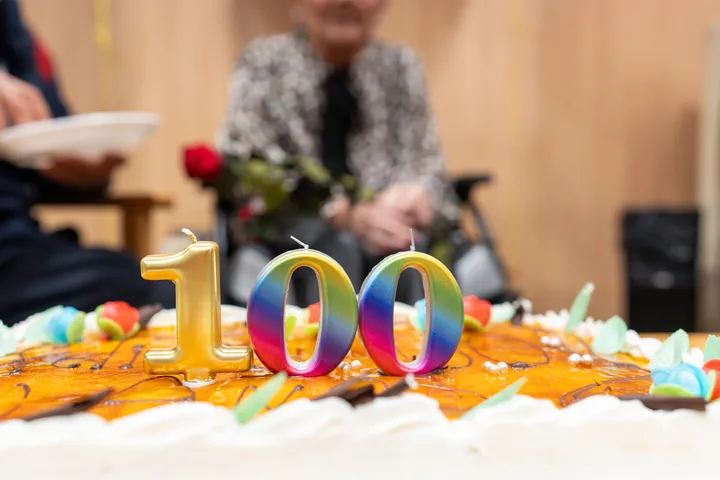
The offspring of centenarians tend to live longer, too.

If one or both of your parents lives to 100 – or surpasses that mighty age – it might mean you’re likely to reap the rewards, too.

Not only do you get to spend more time with your parent(s), but a new study suggests children of centenarians are likely to also live longer – and they’re less likely to develop cardiovascular disease and hypertension, too.

What did the study find?

Researchers at Albert Einstein College of Medicine, Boston University, and Tufts Medical Center analysed data from three long-running studies. A total of 2,319 centenarians’ offspring were compared with 2,703 controls (the offspring of people who lived to age 85 or younger).

Advertisement

Compared with people whose parents had shorter lifespans, centenarians’ offspring had a 42% lower risk of early death, the study found. They also had a 33% lower risk of cardiovascular disease, and a 32% lower risk of high blood pressure.

Having a centenarian parent didn’t seem to affect cancer or stroke risk, however.

The offspring of centenarians tend to live longer, too.

Daniel Lozano Gonzalez via Getty Images

The offspring of centenarians tend to live longer, too.

“The overall consistency of these findings across these quite different studies was especially noteworthy and reinforces the idea that exceptional longevity runs in families,” said Eric Reed, a staff scientist in medicine and lead author of the study.

“This is not to say that lifestyle doesn’t count – healthy behaviours remain important for everyone.”

Advertisement

Researchers said studying families with exceptional longevity can provide a window into the biology of healthy ageing and might even lead to treatments that could enhance lifespan, including in those who don’t inherit exceptional longevity from their parents.

Study co-author Paola Sebastiani, director of the Center for Quantitative Methods and Data Science at Tufts Medical Center, ended: “These findings bring us closer to understanding the biological factors that may help protect against age-related disease and promote longer, healthier lives.”

What can I do for my own longevity?

If you’re keen to try and ‘lifemaxx’, Dr Asiya Maula, a GP and functional and lifestyle medicine specialist at The Health Suite, previously shared three habits she swears by for healthy ageing and longevity.

Advertisement

1. Regular strength training and general exercise

“Building and maintaining muscle mass is so important, especially as we age,” Dr Maula said.

“I try to stick to at least two strength sessions a week, plus making sure I do some kind of daily movement each day, whether that be a brisk walk, some yoga or swimming.”

2. Getting at least seven hours sleep a night

Advertisement

“Good quality sleep is fundamental to living a healthy life so I always try to prioritise getting at least seven hours each night,” the doctor added.
“That means sticking to a regular bedtime routine and turning off my phone at least an hour before bed each night.”
3. Following a Mediterranean diet

“Finally, I like to stick to a Mediterranean diet that prioritises whole foods, healthy fats and lean protein,” the GP ended.

Advertisement

“Numerous studies have linked a Mediterranean diet to a reduced risk of chronic disease and increased lifespan. It’s also not overly restrictive, so it doesn’t feel like a diet, but becomes a way of life instead.”

Source link

Advertisement
Continue Reading

Politics

Lord Ashcroft: Can the right unite? I’ve revisited the question after a summer of upheaval in the political landscape

Published

on

Lord Ashcroft KCMG PC is an international businessman, philanthropist, author and pollster. For more information on his work, visit lordashcroft.com

 Much has changed since we last looked at the idea of an alliance between Reform UK and the Conservatives. It was, for one thing, a whole prime minister ago (admittedly not as great a measure of political time as it once was), and the fortunes of several parties look different. Is the same true for the prospects of a united right?

A year ago, with a consistent ten-point poll lead and a divided opposition, Nigel Farage could credibly claim that he was going to win the next election and form a majority government with no help from anyone else. That lead has disappeared, and as we saw in Gorton and Denton, Caerphilly and Makerfield, the party’s opponents are willing to vote tactically to keep Reform out. This is not to say that a Reform majority government is impossible, but it is certainly not inevitable. Even if Labour’s Burnham bounce subsides, the damaging publicity around Reform’s finances is likely to endure.

Another factor is the removal of Keir Starmer, whose tenure was marked by a parade of unforced errors and an inability to articulate any kind of purpose: this, rather than the unpalatable but necessary decisions inherent in modern government, was the root of his unpopularity. Even allowing for the adage that elections are lost by governments rather than won by oppositions, Keir Starmer was the ideal incumbent for the Conservatives and Reform.

Advertisement

We might also consider recent policy announcements from the two parties, which suggest might they could find common ground in areas like net zero, welfare, defence and the European Convention on Human Rights.

All of that being the case, if Nigel Farage regarded coming to an agreement with the Conservatives as an unnecessary and avoidable risk, that is no longer the case – not because it isn’t risky, but because all options are risky. Leaders can employ a risk-averse “ming vase” strategy when blessed with double-digit polling leads, but when their party is level or slightly behind in the polls, that won’t cut it.

On the Conservative side, if they would once have been the junior partner in an alliance with Reform, they would now look much more like equals. In the new political landscape, should they look at such an arrangement with new interest? When we looked at a potential Conservative-Reform alliance last September, we found it was considerably weaker than the sum of its parts. Have the changing circumstances made a united right more viable?

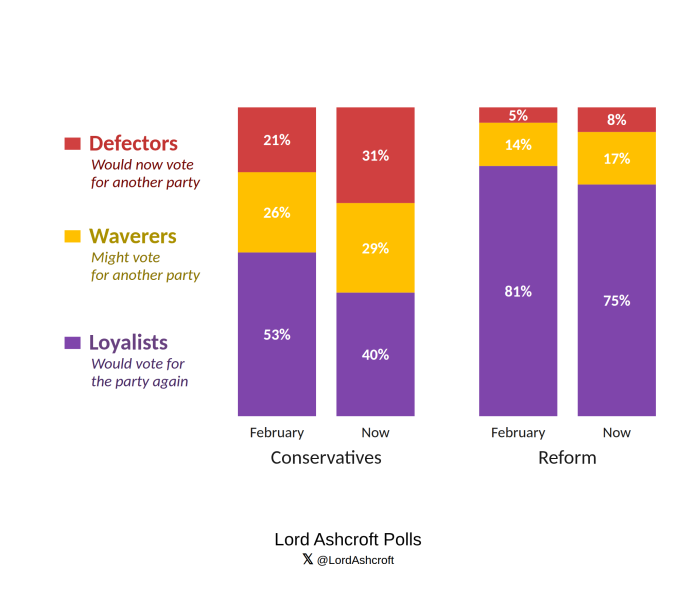
The starting point is that a party leader will need the support, or at least acquiescence, of their voters for any kind of deal. We found previously that Conservative voters were much more likely to oppose working with Reform: any alliance would disproportionately damage the Tories. We have analysed this again based on people’s answers to two questions: first their preference in a head-to-head between Burnham and the other party’s leader (Badenoch if they are Reform voters, Farage if they are Conservatives); second their preference for a coalition comprising Reform and the Tories or between Labour, the Lib Dems and the Greens. Based on this, we have three groups:

Advertisement
  • Loyalists, who prefer the other right-wing party’s leader to Burnham and who prefer a Conservative-Reform coalition
  • Defectors, who prefer Burnham to the other right-wing party’s leader and who do not prefer a Reform-Conservative coalition in the event of a hung parliament (they either prefer the left-wing coalition or say they don’t know)
  • Waverers, who do not fall into either of these category

Last time, a slender majority of Conservative voters were loyalists; this majority has shrunk to a plurality of just 40 per cent. The growth has mostly come in defectors, who are up by 10 points to 31 per cent. While Reform voters remain broadly positive about such an arrangement, the proportion of loyalists among them has dropped 6 points to 75 per cent; waverers and defectors are both up slightly compared to last time. Not only do Conservative voters remain much less positive than Reform voters about a Conservative-Reform alliance, their disapproval is growing more quickly.

As the name suggests, we would expect loyalists to stick with a Reform-Conservative alliance and defectors to refuse to vote for it. If we assume that all the loyalists, half of the waverers and none of the defectors would vote for a Reform-Conservative alliance, then we would currently expect it to poll 28 per cent of the vote – much less than the share the two parties currently command between them.

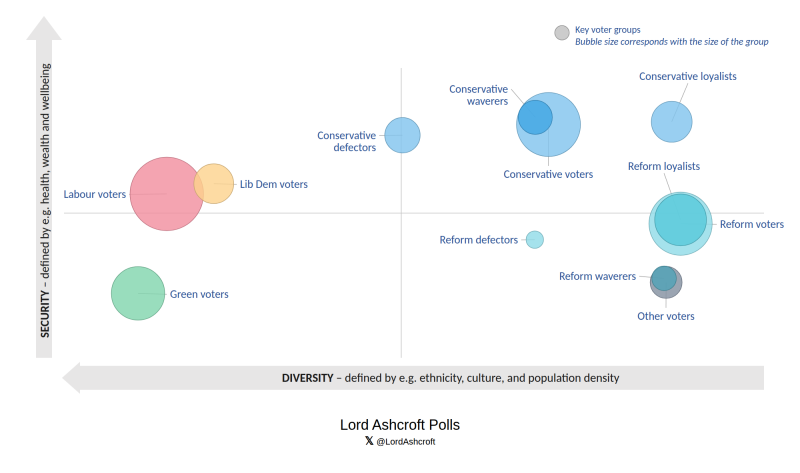
Of course, the argument could be made that these defectors – of either shade of blue – are not actually going to end up supporting the party which they currently say they do. To assess this, we turn to our political map, where we have plotted the current support for each of the major parties, as well as the Reform and Conservative voters of interest. The size of the bubbles is proportional to the size of the voter group, and the closer bubbles are together, the more similar these groups are.

The Conservative defectors (who prefer Burnham to Farage and do not prefer a Tory-Reform coalition to a Labour-Lib Dem-Green one) are at around the “12 o’clock” point on the map, not especially close to any of the major party bubbles. However, they are still closest to the Conservative bubble and therefore have most in common with current Conservative voters. The Conservative waverer bubble overlaps with the overall Conservative bubble, suggesting that this is where the centre of gravity in Conservative opinion currently sits.

Advertisement

For Reform, the overall bubble and the Reform loyalist bubble largely overlap – unsurprisingly, given that three quarters of Reform voters are loyalists. However, the Reform waverer bubble overlaps with the bubble for people intending to vote for a party other than the major parties (mostly Restore Britain). Therefore, while the Conservative defectors look likely to end up voting Conservative at the next election (if there isn’t a unite the right alliance), the Reform defectors – and especially the Reform waverers – are closer to the bubble for “another party” than their own party’s bubble.

This suggests that the voters who Reform would risk losing from making a deal with the Conservatives are already at high risk of switching away from Reform (mostly to Restore Britain), whereas the Conservatives would risk losing voters who are otherwise not especially likely to switch away from their party.

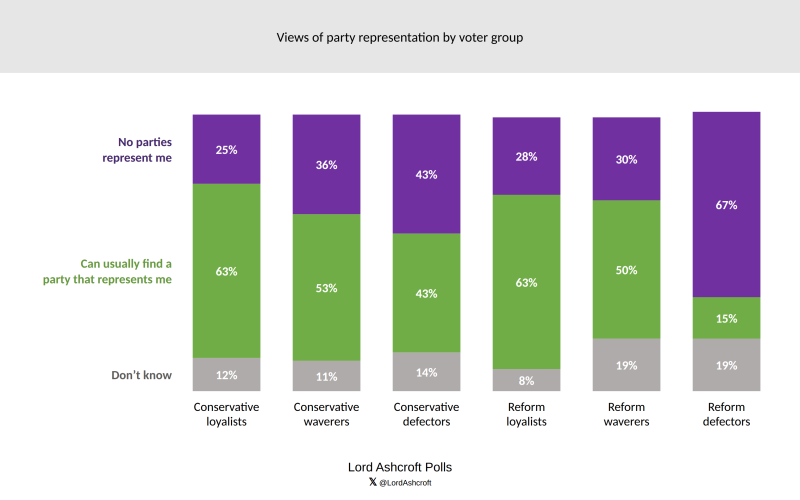
We can confirm this with a simple question about whether people feel there is a political party which represents them. Overall, 49 per cent of people say that they can usually find a party which more or less represents their views, while 40 per cent say that none of the current parties really represent them. The remaining 11 per cent say they don’t know. The chart below illustrates how this question breaks down among the various groups of Conservative and Reform voters.

The Reform defector column here is the noteworthy: two thirds of these people – who are currently saying that they’ll vote for Reform – say that none of the British political parties represent them. That suggests that these voters will be difficult for Reform to retain. In contrast, the Conservative defectors divide evenly as to whether they feel any party represents them. Looking at the political map, one can understand it: these voters are in a “no-man’s land” between the Labour and Conservative bubbles, albeit closer to the Tories. We have written before about the challenge Badenoch faces in keeping her voter coalition together: she cannot make these centrist “12 o’clock” voters the cornerstone of policy offerings because that gives Reform a free hand on the right, but nor can she lose them.

Advertisement

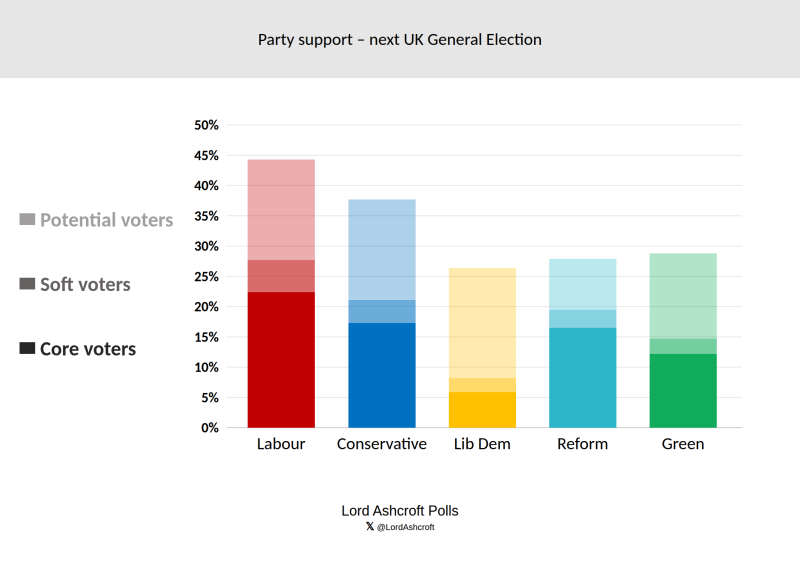
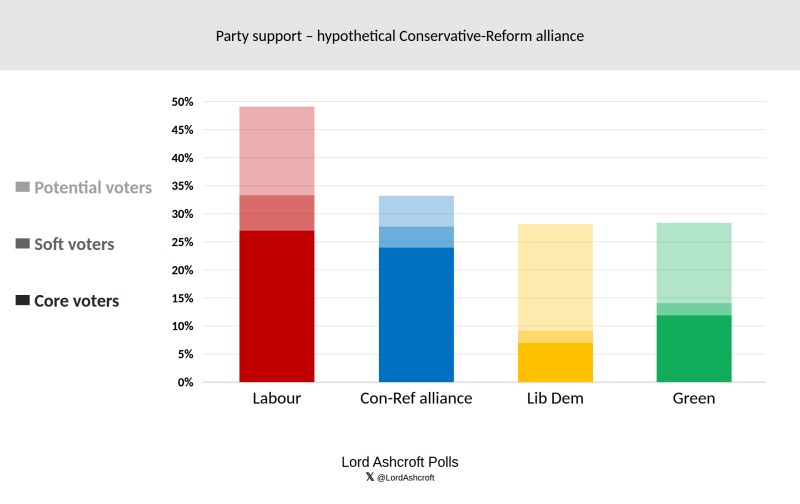
Another question – how likely people are to vote for each party are to support each party at the next election on a scale from zero to one hundred – allows us to distinguish between committed supporters and floating voters. We can therefore derive three categories of voters for each party:

  • Core voters, who say their likelihood of supporting that party is very high (75+ out of 100)
  • Soft voters, whose likelihood to support is between 50 and 75
  • Potential voters, who are currently intending to support a different party but who are at least slightly open (25-49) to supporting this party

Asking about the individual parties we find Labour slightly ahead, but with the combined Reform and Conservative vote share some 13 points higher than the Labour vote share. Notably, Reform have the smallest gap between their floor and ceiling and the highest proportion of their current voters being core voters, demonstrating that they retain a highly motivated base, but have limited scope for expanding their vote share.

When we ask the same question including a Conservative-Reform alliance in place of the two parties separately we find a somewhat different picture:

Merely because of facing a Conservative-Reform alliance, Labour’s vote share increases five points, and their ceiling also increases by five points. One might think that this is a manifestation of anti-right bloc tactical voting, but in fact only 8 per cent of these voters come from other parties on the left: 31 per cent of these new Labour voters would currently vote for the Conservatives, 29 per cent are undecided, and more than a quarter say they would not vote.

Advertisement

The Conservative-Reform alliance cuts Labour’s current lead from 7 points to 5 points. However, while the Reform vote share and the Conservative vote share add up to 41 per cent, the alliance only manages 28 per cent – some 13 points lower. This is even worse than a year ago, when we found that a Conservative-Reform alliance would poll 10 points less than the sum of its parts. The alliance also has a high floor and a low ceiling. Its ceiling is at 33 per cent, halfway between the Reform’s at 28 per cent and the Conservatives’ at 38 per cent. These are inauspicious numbers for a putative alliance.

If uniting the right has never been more important since we entered the era of five-party politics, it has also never been more difficult. An electoral alliance between Reform and the Conservatives would be doomed to fail, and the Conservatives have much more to lose from trying.

Full data at LordAshcroftPolls.com

The post Lord Ashcroft: Can the right unite? I’ve revisited the question after a summer of upheaval in the political landscape appeared first on Conservative Home.

Advertisement

Source link

Continue Reading

Trending

Copyright © 2025