
Politics
Rachel Reeves Criticises Liz Truss Over Energy Bill Support

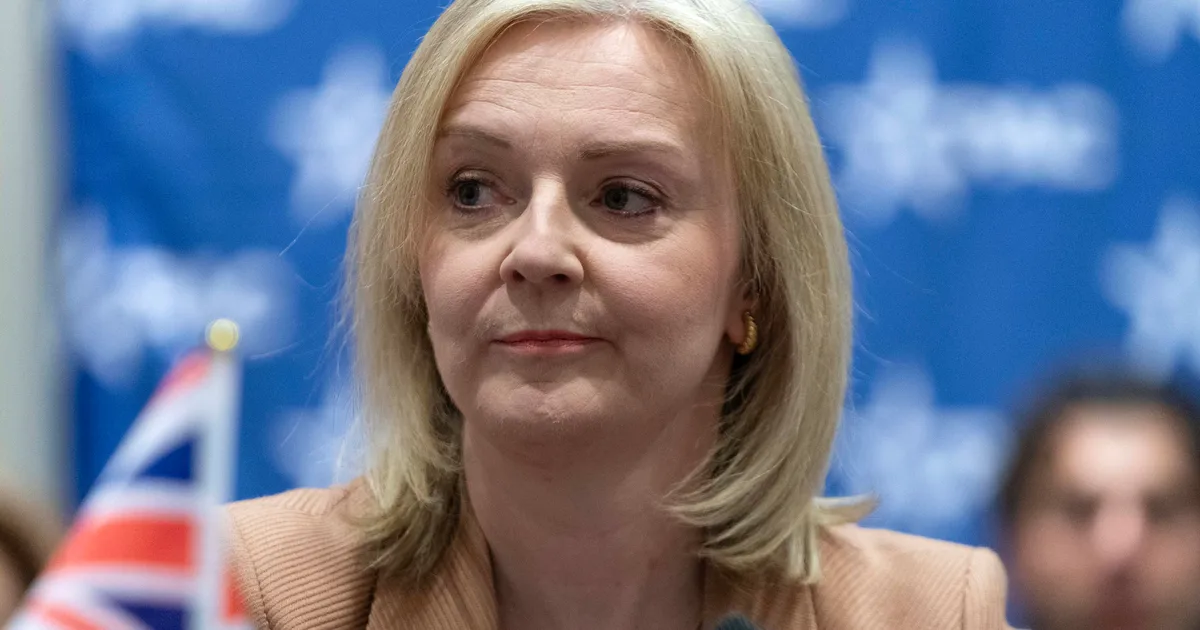
Rachel Reeves has hit out at Liz Truss as she ruled out giving the richest families in the country taxpayer-funded help if their energy bills soar because of the Iran war.
The chancellor all-but confirmed that only low-income households will get government support if the conflict pushes up gas and electricity charges.
In one of the first acts in her 49-day stint as prime minister, Truss capped everyone in the country’s energy bills at £2,500 a year after Russia’s 2022 invasion of Ukraine caused a spike in gas prices.
The bailout came with a price tag of up to £150 billion, paid for from general taxation and extra government borrowing.
Truss was eventually forced to quit as prime minister after her tax-cutting mini-Budget crashed the economy.
In the Commons on Tuesday, Reeves said the economic problems caused by the Iran war may be “significant” but said the government would only step in to provide help “for those who need it most”.
She said: “The previous government pushed up borrowing, interest rates, inflation and mortgage costs with an unfunded, untargeted package of support under Liz Truss. That gave the support to the most wealthiest of households.
“That left us with high levels of national debt, a cheque written then for a bill that is still being paid today.
“I can confirm to the House that contingency planning is taking place for every eventuality so that we can keep costs down for everyone and provide support for those who need it most, acting within our iron-clad fiscal rules to keep inflation and interest rates as low as possible.”
Donald Trump’s decision to join Israel in bombing Iran has led to a spike in oil prices, raising fears that energy bills will soar.
Reeves told MPs: “This is not a war that we started, nor is it a war that we joined… but it is a war that will have an impact on our country.
“The challenges may be significant but I promise to do what is right and fair, being responsive in a changing world and responsible in the national interest.”


Oliver Dean is a political commentator with Young Voices UK. He studies History and Politics at the London School of Economics and Political Science (LSE) where he is the President of the LSE Hayek Society
There was once a time wherein a university education was the best investment a young person could make. That time has since passed. Tuition fees have soared, graduate debt has ballooned to an average of £53,000, and courses that offer neither serious career prospects nor meaningful wage returns continue to attract thousands of applicants annually. This could be fixed if the government released the necessary data to transform higher education – yet it refuses to do it.
University used to be a rite of passage.
One would leave home, perhaps freckle-faced and optimistic about their life chances, and have their ideas and opinions challenged by world-renowned professors. They would emerge from university, equipped with the skills and ideas needed for a career. Yet this is no longer the case. Graduates now become ensnared in a student debt trap, trying to put a dent in the balance which just keeps rising. Indeed, higher education has stopped being about intellectual transformation and started being about financial survival.
Such a shift is worrying for the state of tertiary education in Britain, yet there is a way in which the government can begin fixing such an issue. However, since 2015, they have refused to do it.
The government holds a centralised database of Longitudinal Education Outcome (LEO) data. Simply put, it is a breakdown of what graduates actually earn, by university, by course and by year, grounded in tax receipt data. It is exactly the information a would-be student needs before committing to a £50,000 decision. And yet it remains locked away, accessible only to a handful of approved researchers. Everyone else is left to piece together a picture from a patchwork of university brochures and a select through higher education-focused websites.
The consequences of keeping such information under lock and key are predictable. Without reliable data, students make choices based on university marketing and vibes rather than market reality. The explosion of so-called “Mickey Mouse degrees,” courses that leave graduates worse off financially than had they never enrolled, is not an accident. More than 27,000 young people have been funnelled into qualifications that don’t deliver since 2022. And in return, they have been gifted a lifetime of debt and little in the way of career prospects.
Some will argue that the data is already available and, technically, this is true. But scattering figures across dozens of competing websites, presented in incompatible formats, is not the same as making information available. It is bureaucratic cover for the status quo. If the government genuinely believed in informed choice, it would provide a single, accessible platform where students, parents and teachers could compare outcomes clearly and honestly. In the current system, the only groups that benefit are the universities that are pulling the wool over students’ eyes.
By publishing the data, universities that do not offer value for money would face accountability. Students would punish them by going elsewhere, or opting not to go to university whatsoever – instead focusing on building real-world skills in an apprenticeship or full-time employment. The degrees and institutions which provide real value would be allowed to thrive, and those that don’t would be phased out. This would not only ease the strain on British universities, but it would prevent the rise of credential inflation and save thousands of young people from becoming entangled in a lifetime of debt.
The government spends billions subsidising student loans it knows will never be repaid. The least it can do is give students the information to make better decisions in the first place. Releasing the LEO data won’t solve the higher education crisis overnight. But it would be the first honest thing done about it in years, and could be the first major step to fixing the higher education crisis.
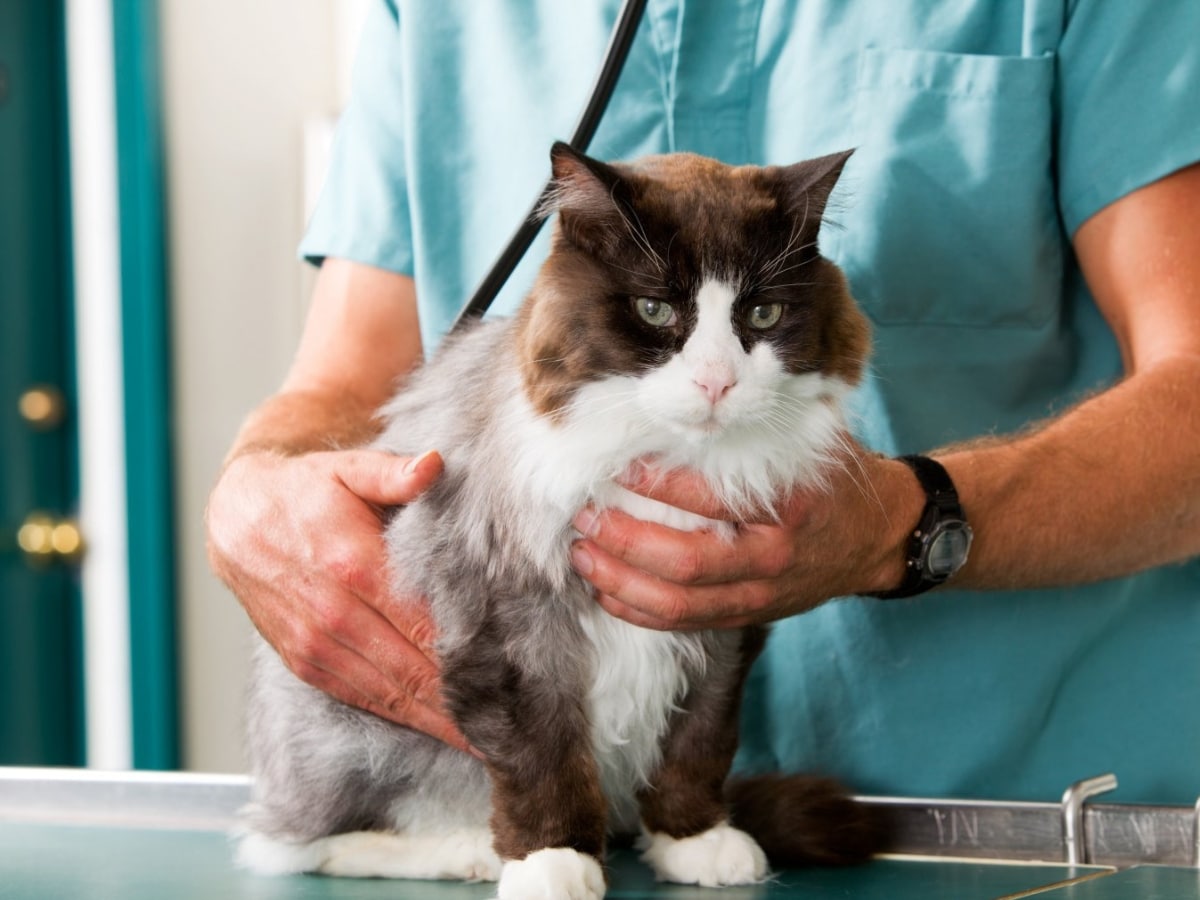
Trips to vets in the UK could soon become less expensive. And crucially, there should be fewer nasty surprises when the bill comes. Vet practices will have to publish standard price lists. Any treatment costing over £500 (except emergencies) will require a detailed written estimate. And prescriptions will have a price cap of £21.
The Competition and Markets Authority (CMA) has concluded its investigation into vet services for household pets in the UK. This comes after an independent inquiry group found that the current system is leaving pet owners in the dark. A lack of information that helps people make informed decisions is leading to weak competition and high prices.
An unprecedented response from both the public and the sector has helped to shape the CMA’s final report. 56,000 people took part in the consultation, including 11,000 working in the vet industry.
The report green lights a package of measures to make the market more competitive, easier to navigate and more responsive to pet owners’ needs. The investigation has intensified public scrutiny of the veterinary services industry. However, the professionalism, compassion, and commitment to animal welfare shown by veterinary professionals remains unquestioned.
Martin Coleman, chair of the independent inquiry group, said:
This is the most extensive review of veterinary services in a generation, and today’s reforms will make a real difference to the millions of pet owners who want the best for their pets but struggle to find the practice, treatment and price that meets their needs.
Too often, people are left in the dark about who owns their practice, treatment options and prices – even when facing bills running into thousands of pounds. Our measures mean it will be made clear to pet owners which practices are part of large groups, which are charging higher prices, and for the first time, vet businesses will be held to account by an independent regulator.
Our changes put pet owners at the centre but also help vets by enhancing trust in the profession and protecting clinical judgement from undue commercial pressure – and that is important to ensure our pets continue to get the best care.
What’s changing at the vets?
A raft of changes will come in over the next 18 months. Small independent vets will have longer to introduce the new measures. Large companies, such as chain groups, will have to meet the demands sooner, including making clear their company ownership. All the changes that affect customers should come in by September 2027.
One of the first measures is that practices will have to publish a comprehensive price list for standard services. This will include consultations, common procedures, diagnostics, written prescriptions and cremation options. Currently, fewer than 40% of practices do this.
Vets will have to tell pet owners they can have a written prescription. Using a written prescription to buy medication elsewhere, instead of at the vet practice itself, could save £200 a year. At the moment, over 70% of customers get their long-term medication from the practice.
Written prescription fees will have a cap of £21 for the first medicine and £12.50 for any additional medicines. Currently, fees often top £30.
By September 2027, the Royal College of Veterinary Surgeons will have an online ‘Find a Vet’ service. This will enable pet owners to find price and ownership information from their local providers. And the service will share the data with third-party comparison sites. Right now there’s no easy way to compare prices.
Featured image via the Canary
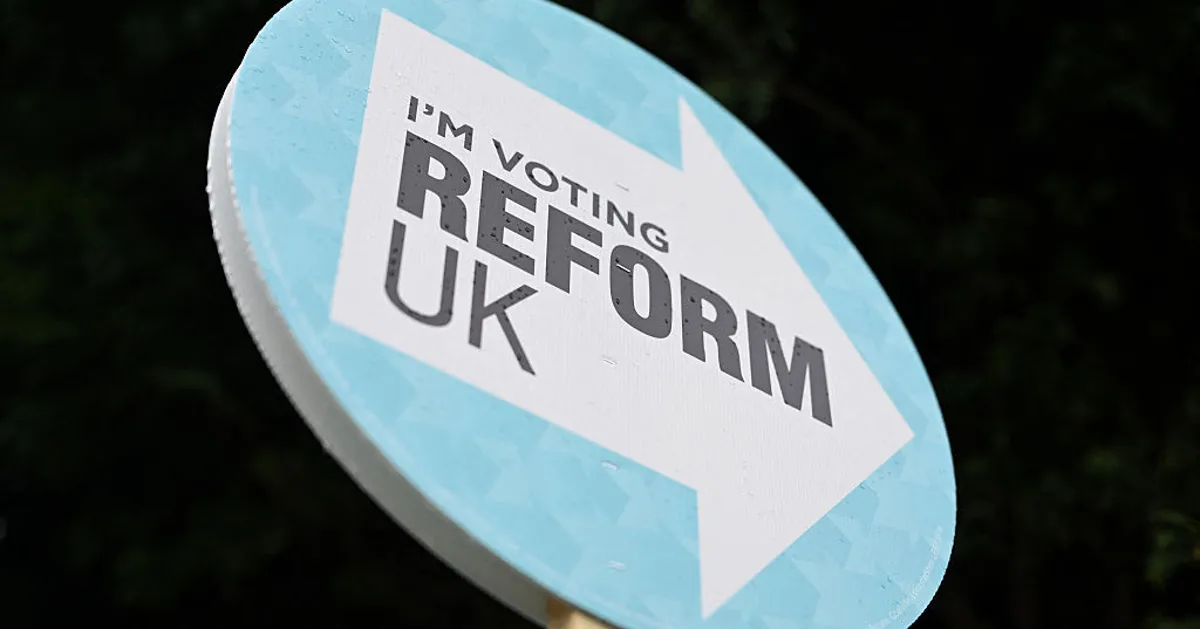
Reform UK has reportedly dropped a mayoral candidate after he compared a Jewish community group to “Islamists on horseback”.
Chris Parry was standing to be the mayor of Hampshire until he made the shocking remarks about members of Jewish neighbourhood safeguarding group called Shomrim.
His remarks came hours after an arson attack on ambulances run by a Jewish charity, Hatzola, in North London, which works alongside Shomrim.
A Reform UK spokesperson told the Hampshire Chronicle: “He has been suspended pending an investigation and is no longer our mayoral candidate.”
Parry, a retired Royal Navy rear admiral, shared a post on X which asked: “Can Christian’s [sic] in Britain set up their own police and patrol certain neighbourhoods?”
Parry added: “Remember that these cosplayers have no more jurisdiction or legal authority than ordinary citizens.”
After another user questioned the mayoral candidate over the depiction of Shomrim, he wrote: “They are a community organisation, not a legal entity. It’s the same with Islamists on horseback. But if it offends you, I’ll remove it.”
He later told the Guardian: “Most people on X commenting seem to be confusing various community action groups with the real police. Keen that people understand that.”
Parry, who was set to stand in the Hampshire and the Solent mayoral election in 2028, had previously faced calls for his sacking after he called for deputy prime minister David Lammy to “go home” to the Caribbean last December.
He retained Reform’s support at the time with party leader Nigel Farage refused to condemn the comments.
Labour and the Lib Dems called for Farage sack Parry on Tuesday morning, claiming Parry “is not fit to be a candidate for public office”.
Labour MP for Leyton and Wanstead, Calvin Bailey, responded to reports of Parry’s departure on X, writing: “In December, I wrote to Nigel Farage about his candidate’s many vile racist and misogynist comments, asking if he would take action. Months later – and only after further offensive remarks – Reform have finally suspended Chris Parry.
“It should not take repeated incidents for basic standards of decency to be upheld.”
Reform UK have been contacted for comment.

Actor Charlotte Riley has opened up about falling for her now-husband Tom Hardy on set while they were working on an adaptation of Wuthering Heights.
Back in 2009, Charlotte starred as Catherine Earnshaw to Tom’s Heathcliff in an ITV drama inspired by the iconic Emily Brontë novel.
During an interview with The Times published over the weekend, she was asked for her first impression of the man she’d go on to marry, recalling: “He made me a really decent cup of tea. Strong.
“There’s not much point if the spoon doesn’t stand up. And he told me that his mother was northern. So I thought, ‘all right then’.”

Another memory that has stuck with Charlotte was one that led to her and Tom bonding over a very rude slip of the tongue.
“We were talking about it the other day,” she explained. “There’s that famous line – ‘Whatever our souls are made of, yours and mine are the same’. We shot it in a tiny church on the moors and it was beautiful.
“We were sitting in a pew and I had to turn to Tom and say my line. And he absolutely died laughing. Because when you say it with my northern accent, it sounds like, ‘Whatever arseholes are made of…’ And that was it, we were gone for the rest of the day.”
Charlotte also insisted that the Oscar nominee didn’t charm her by staying in character as Heathcliff between takes.
She claimed: “There’s this myth that Tom’s some sort of Method actor, which he really isn’t. He was just his cheeky-chappy self.”

After meeting in the late 2000s, Charlotte and Tom tied the knot in 2014, and have since welcomed a son and daughter, born in October 2015 and December 2018 respectively.
Tom also has a 17-year-old son, Louis, from a previous relationship with casting director Rachael Speed.
Politics
The House | The elections bill will only properly deal with big money in politics by capping donations

4 min read
The government deserves credit for the steps it has taken to reform money in politics. But it needs to do more.
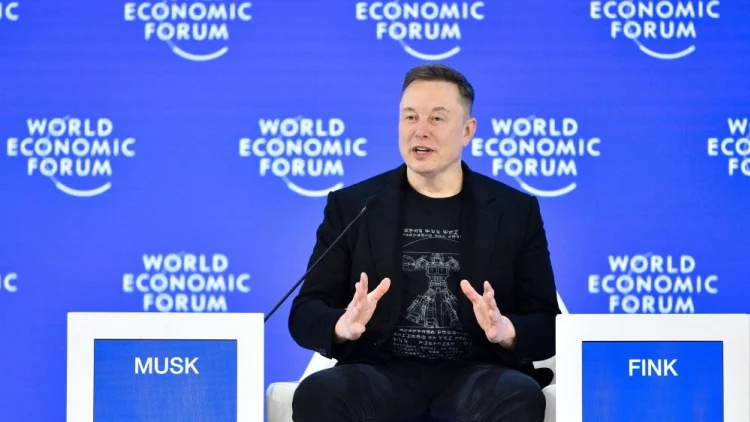
At the last US election, Americans watched Elon Musk hand out million-dollar cheques to voters during the campaign. Everyone could see what was happening. Regulators did nothing. Weeks later, he was sitting at the right hand of the President. It was a vivid, public demonstration of what happens when money in politics has no limits: the rules become irrelevant, and by the time anyone acts, the damage is done.
The UK is not the United States. But the direction of travel should worry us. Nearly £100m was spent at the last general election after the previous government dramatically increased already multi-million-pound spending limits. We are building a system where a shrinking pool of very wealthy people bankroll our politics, and where political parties have become dangerously dependent on them. A system where big money donations are apparently traded for access and influence.
The Representation of the People Bill now before Parliament introduces some welcome reforms to our political finance regime. The government is seeking to tackle foreign interference. The tightening of rules on unincorporated associations, the increase in Electoral Commission fining powers, and tighter restrictions on corporate donations are real improvements, and the ministers and officials working on them deserve credit.
But there are gaps at the heart of this bill. Left open, they will leave room for foreign and undue influence to thrive.
Last week I gave evidence to the bill committee, and I put this problem as plainly as I could.
The UK does not prohibit people who cannot vote here from owning companies that trade here. So, someone determined to funnel money into British politics can simply acquire a company to do the job for them. The Electoral Commission has flagged the revenue test for corporate donors as a real foreign interference risk. Tax experts confirm it is fairly straightforward to generate significant UK turnover with no genuine operations in this country. This is not hypothetical: investigations have already traced around £6m in donations to companies ultimately owned by individuals who are not eligible to vote in the UK.
You can keep plugging holes in this system one by one. But if there is no limit on how much any single donor can give, you are trying to secure a building while leaving the front door wide open.
That’s why, along with other civil society organisations, academics and experts, we are calling for MPs to use this bill to introduce a meaningful cap on donations and join democracies such as Canada, France, Italy, and Australia, which is introducing its own cap in July, in taking action against big money in politics.
A cap does not starve parties of funds. It breaks the dependence on a handful of donors who currently account for an outsized share of the total. And let me be clear about what that dependence means. It is not just about the outcome of any one election. It is about the process. With our analysis showing that over two-thirds of all private donations in 2023 came from just 19 mega donors, you no longer have a system that represents the people. A bill called the Representation of the People Bill ought to take that seriously.
Some will argue that stronger enforcement is the answer, but enforcement in this area is too slow to keep pace with our politics. Former MEP and Reform Wales leader Nathan Gill is serving a 10-year prison sentence for bribery offences he admitted to in court. Those offences happened seven years before he was convicted. That is the reality of relying on criminal enforcement to protect our elections. By the time the system catches up, the election is over, and the consequences have already been played out. Parliament’s own report into Russian Interference, commissioned in 2017, was repeatedly delayed, with its publication held back by the government until July 2020. We need measures that prevent foreign and undue influence, not ones that chase it years after the fact.
The government has been clear that it wants to tackle foreign interference and protect democratic integrity. That is to be welcomed. But every safeguard in this bill can be circumvented by someone with enough money and enough determination, so long as there is no ceiling on what they can spend. Two-thirds of the public support donation caps of £50,000 or less. The opportunity is here. The mandate is there. A donation cap is how you prove you mean it.
Duncan Hames is Director of Policy at Transparency International UK and a former Liberal Democrat MP
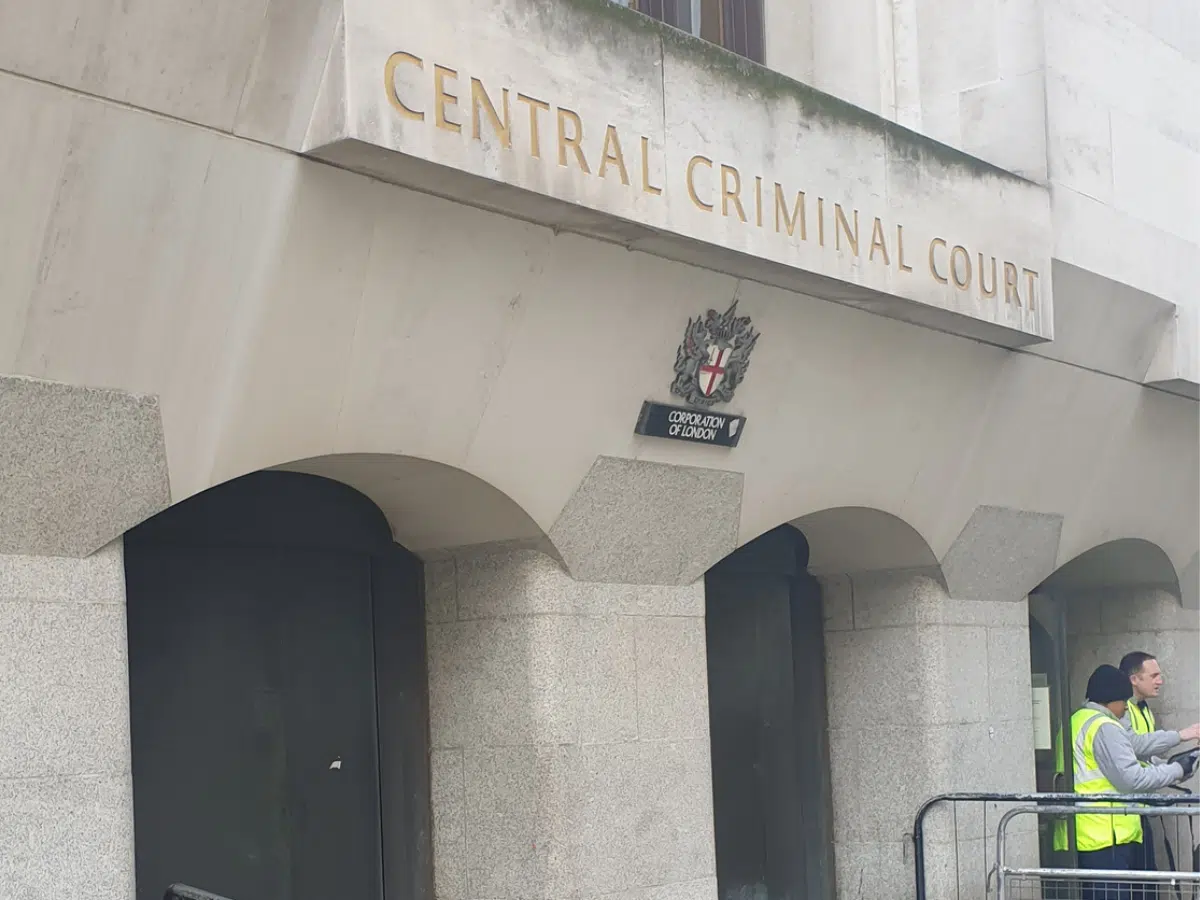
Labour MP Karl Turner has repeatedly raised alarm bells warning that the government’s proposed reforms to jury trials will hurt ordinary people.
Leading a group of up to 80 Labour MPs opposing the reforms, Turner persuaded them to abstain from the vote, securing a good faith agreement with ministers that they would allow a rebel MP to sit on the scrutiny committee.
However, unsurprisingly, the government has apparently reneged on this agreement made in good faith, with chief whip, Jonathan Reynolds, rejecting the two MPs proposed by Turner: Rachael Maskell and Stella Creasy.
According to the Telegraph, Turner said:
A very large number are now saying that we should not have abstained because we cannot trust the Government to act in good faith.
As usual, Labour denies that Turner secured any deal to influence who gets a seat at the table. Instead, ministers appointed Yasmin Qureshi who is referred to in the Telegraph as a “known and vocal critic” of the jury reforms.
A Labour source is cited as saying:
Karl getting to decide individual members of the bill committee was not part of any conversations he has had with government ministers or the whips.
It is not in any way fair to say this is a bad faith decision. We selected [Ms Qureshi] in good faith.
Nevertheless, Karl Turner will continue to oppose this dreadful reform.
Jury trials could be scrapped for crimes likely to attract a shorter prison sentence
Ministers have been accused of reneging on an offer to Labour MPs who are opposed to a reduction in the number of jury trials @DavidLammy @KarlTurnerMP @sarahsackman @TheCriminalBar @JamesDRossiter @thebarcouncil @RachaelMaskell @stellacreasy @TheLawSociety @DannyShawNews…
— Charles Hymas (@charleshymas) March 22, 2026
‘Dishonest’
Justice secretary, David Lammy, is working to restrict the human rights of defendants in criminal cases which would typically receive less than three years in prison. This has been widely condemned by lawyers, with some even calling for Lammy’s resignation. The condemnation followed Lammy’s appalling comparison of a three-year prison sentence to seeing a consultant for a “scraped knee”.
The European Convention on Human Rights (ECHR) enshrines the right to a fair trial, including the right to a jury, to protect citizens from potential state oppression and to uphold justice. Yet David Lammy now asks us to accept that scrapping jury trials will somehow deliver swifter justice.
A claim which is disputed as “deception”, as barrister, Michael Mansfield, highlighted to Sky News.
This is the very reason I have described the governments line from the very outset as “dishonest”. Mike Mansfield describes it as a “deception”. https://t.co/w0cQNx7eyw
— Karl Turner MP (@KarlTurnerMP) March 23, 2026
Nevertheless, the dishonesty doesn’t end there. Adding insult to injury, this refusal to allow a proposed ‘rebel MP’ on to the committee follows the government’s egregious move to restrict access to legal advice for concerned MPs from Socialist Lawyers for Labour (SLL).
Karl Turner also led the charge then and said:
The policy position of the SLL is that these measures are a terrible mistake, are unworkable and must be stopped, but they have been blocked from sharing that position with Labour MPs in a briefing of the sort which one would expect it to be able to make.
The Canary reported on the devastating impact this will have on the perception of justice if these reforms go ahead, particularly for the rights of women and girls who are failed by the justice system.
Labour MP, Charlotte Nichols, had also shared her own traumatic experience as a survivor of rape. This principled intervention came in order to counter the cynical attempts by the government to use the very real pain of rape survivors to trample over the legal rights and freedoms of defendants.
When Nichols spoke up in the House of Commons against the bullying tactics used against her and other women, she incredulously said:
If we have concerns about this bill, it is because we have not been raped or because we don’t care enough for rape victims.
‘Scrutiny isn’t a luxury’
Speaking on jury trial reforms, Liverpool Riverside MP, Kim Johnson, told the Canary the strength of opposition is “palpable”.
She said:
The fact that Lammy has not included any critical voices from his own benches is very revealing. The strength of opposition to the jury proposals is palpable.
Blocking critical voices confirms the government is not confident in its own arguments, and instead of negotiating with the large numbers of concerned MPs, they are choosing to sideline us. Instead of trying to find solutions, this will only deepen existing concerns that our voices are not being listened to.
Scrutiny isn’t a luxury – it’s the foundation of democratic law-making.
If we are serious about justice, then we must be serious about scrutiny and that means listening to, not side-lining, those raising concerns about the proposed changes to our jury system.
Johnson is absolutely bang on; scrutiny only scares those who have something to hide. If the Starmer government genuinely believed this policy benefited the country and its citizens, they wouldn’t be so eager to avoid scrutiny.
Criticism is not a threat, it is essential. After all, it exposes blind spots and strengthens decision-making, forming a cornerstone of any healthy democracy.
Featured image via the Canary
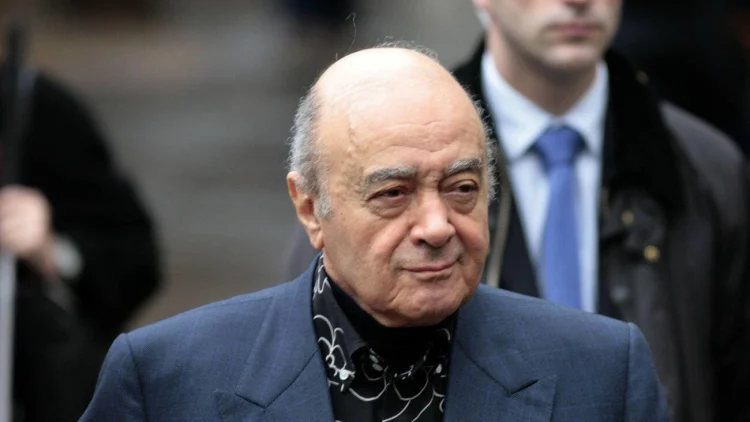

The late Mohamed Fayed pictured in 2008 | Image by: Jeff Moore / Alamy
3 min read
Many parliamentarians will either represent survivors in their constituencies, or simply feel the utter outrage at the crimes which have taken place. Please join the APPG and support its work
The crimes of Mohammed Fayed in gross abuse of his power, and the alleged crimes of those connected with him, are horrific.
There is evidence that over the course of decades Fayed systemically used his power within Harrods to select, groom, and sexually abuse girls and women. There are further allegations which remain under investigation relating to his other business interests including Fulham Football Club and House of Fraser.
This is not a case of one bad apple. The abuse that took place was enabled by systems within and outwith Harrods. Survivors were subjected to invasive medical tests by doctors, they were moved from place to place, their families were intimidated, and the police failed to investigate complaints.
And now for the first time a link to Jeffrey Epstein has come to light, with a survivor reporting being trafficked by Epstein to London for Fayed. Perhaps it is no surprise: two predators, operating at the same time, using their powerful positions and institutional links to do so.
Fayed and Epstein may be dead – but their systems, institutions, and many enablers live on. And crucially so do the survivors of their crimes. Several hundred women have come forward already in relation to the abuse of Mohammed Fayed – and certainly there will be more who have not yet chosen to speak.
This is why last year we established the All-Party Parliamentary Group for Survivors of Fayed and Harrods to be their voice in Parliament. We have met dozens of survivors over the past 12 months and pay tribute to their tenacity and strength.
And now for the first time a link to Jeffrey Epstein has come to light, with a survivor reporting being trafficked by Epstein to London for Fayed
We also know how hard it can be for survivors to put their trust into another institution after decades of being let down. To that end we have spent some months now working with survivor networks, putting in place best practice standards, and establishing a framework of trust which we do not take for granted. The APPG is also working closely with The Survivors Trust to make sure we are working in a safe way – bearing in mind the trauma that survivors have suffered.
There was one underlying message that came through from the APPG’s recent consultation with survivors: there is a web of implicated individuals and institutions which must be investigated fully. And this can only be achieved by framing the police investigation into crimes of trafficking; alongside a statutory public inquiry.
This is the drum beat that the APPG will be playing over the months and years to come. In the short term we are hearing the concerns of survivors in relation to the redress scheme and the ongoing investigations of the Metropolitan police and IOPC and will be pushing for answers. We are also pleased to be facilitating engagement with the minister for safeguarding and the Prime Minister.
Many parliamentarians will either represent survivors in their constituencies, or simply feel the utter outrage at the crimes which have taken place. Please join the APPG and support its work. Fayed’s crimes were abhorrent – but so were the actions of those who enabled him and covered it up. Indeed, we don’t yet know the extent of the enterprise. But let this be the institution that stands with survivors in their campaign for justice.
Wendy Chamberlain, Liberal Democrat MP for North East Fife, and Dave Robertson, Labour MP for Lichfield, are co-chairs of the APPG for Survivors of Fayed and Harrods
The last faint hope of any remotely positive or at least interesting outcome of May’s election just left the building.

It wasn’t MUCH of a hope, and it’s absolutely no surprise in the wake of the comically shambolic, belief-defyingly inept farce that has been the birth of Jeremy Corbyn and Zarah Sultana’s fringe-of-the fringe Your Party, but all the same its extinguishing means the next two months will be even more of a waste of time than they looked like being.
Frankly, readers, we may as well not bother having an election at all.
Firstly because it’d save a fortune. A whopping 40 MSPs are standing down at the election, and they’ll all be eligible for redundancy payments (called “resettlement grants”), and some will also be eligible for additional payments for standing down as ministers or officeholders – we reckon Alison Johnstone, the current Presiding Officer, will score the biggest payday, picking up a tidy £105,706.
Most will trouser the maximum (£77,710), and the total will be in the region of £2.65 million. That’s a heck of a wedge for hard-pressed taxpayers to be laying out just because people have voluntarily decided they don’t want their jobs any more. (It’s not like we’re SAVING anything from their redundancies, because their roles will be taken over by new gravy-seekers.)
But it’s small beer compared to the overall cost of the election, which will be in the region of £50 million. The 2026-27 budget allots £37m for the election specifically, but there are various other costs and contingencies that come on top.

So what will we get for this £53m? Well, more of the same. While there’s actually a fairly wide range of possible arithmetical outcomes, they all amount to the same thing. There is zero doubt that the SNP will form the “new” government, and zero prospect of them doing anything differently.
(The best-case scenario for the SNP is probably around 66 seats, a one-party majority, backed up with double-digit Greens. The absolute worst-case is maybe 50, which would still be double anyone else, and there’d be no credible way for anyone else to get enough support to form a government.)
The Unionist parties will rearrange the deckchairs, swapping a bunch of Labour and Tory MSPs for Reform ones, but all will be equally irrelevant. Polling (which is all over the shop) suggests that Reform, Labour and even the Greens are in the running for second place, but who other than themselves actually cares? (There is no “official opposition” at Holyrood.)
Independence? Don’t make us laugh. Less than a quarter of SNP voters even think it’s a pressing issue, and no other party’s voters are interested in the constitution either. Everyone knows it’s a dead political duck and only political pundits and (during the campaign) candidates are forced for professional reasons to pretend otherwise.

A “pro-independence” majority now looks all but a certainty with the collapse of Your Party Scotland, and an SNP-alone majority is a possibility, but neither outcome would be any different to a minority and more to the point, everyone knows it. Whatever the result, the SNP will bleat pitifully at Keir Starmer for another referendum, Starmer will tell them to sod off, and they’ll scuttle away happily to bag another five years’ wages.
So why are we bothering with six more weeks of wretched, transparent pretence that anything about this election matters? Nothing will change except the names on the paycheques. We’d be as well just carrying on as we are, and if anyone wants to stand down we’ll just have a by-election. The only real losers would be Reform, but pretty much everyone seems to hate them anyway so there wouldn’t be much of a protest.

Of course, we’d still be left with a useless government almost nobody likes. Barely half of SNP voters think the party’s record has been even fairly good in anything but the vague, unmeasurable “standing up for Scotland”.

And almost six in ten of them are unwilling to even say John Swinney is “honest”, let alone have faith in him to turn the country around.

But they understandably don’t think any of the other halfwits applying for his job are any better. Hilariously, the least unpopular political leader in Scotland is the Lib Dem UK leader Ed Davey, who gets a negative approval rating of only -9, mainly because 57% of Scots can’t be bothered to have an opinion of him at all.

(Swinney gets -17 in seventh place, just below Russell Findlay and Malcolm Offord on -16 each, and Anas Sarwar gets a brutal -31, although he’ll be pleased to be only seven points behind Nicola Sturgeon. Nigel Farage and Keir Starmer tie for last on -52, so it’s not looking good Prime Minister-wise for the UK for the next nine years. Poor old Humza Yousaf, meanwhile, doesn’t even get a look-in.)
Last night STV called this “the scunnered election”, but we think a better word is “accursed”, because like COVID-19 it’s a plague nobody wants but that we’re all going to have to grit our teeth and endure anyway, at enormous cost to the public purse, to gain nothing.
The Six Nations is over and the World Cup isn’t until June. If you’ve been thinking of taking a lengthy holiday somewhere with no internet access, readers, there’s never been a better time than now.

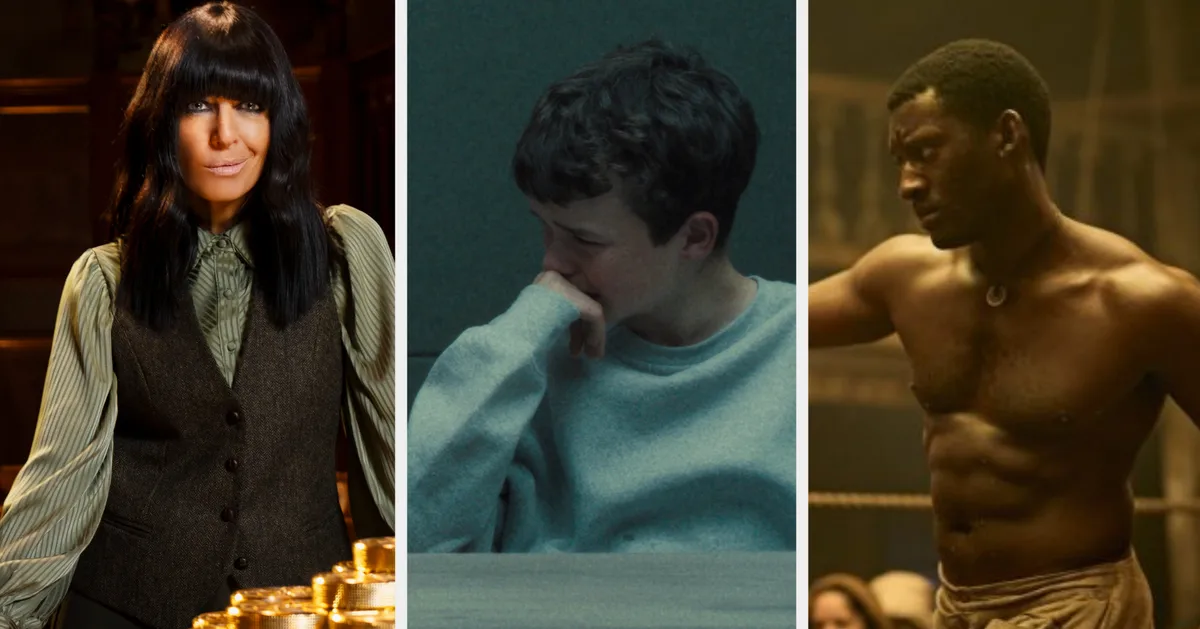
It’s a good day to be Stephen Graham, following the news that two of his two TV offerings are leading the way at this year’s TV Baftas.
The nominees at the upcoming awards show were announced on Tuesday afternoon, with Netflix’s Adolescence unsurprisingly leading the way with a hefty 11 nominations.
Just behind on seven nods is A Thousand Blows, another drama starring and produced by Stephen.
As for individual performers with multiple nods, Erin Doherty and Aimee Lou Wood each have two acting nods, while Romesh Ranganathan is recognised twice in the Entertainment Performance category.
Thanks to their nods in the fan-voted Memorable Moment category, Bob Mortimer and Alan Carr each have two nominations, too.
The full list of nominations at the 2026 TV Baftas is as follows…
Aimee Lou Wod (Film Club)
Erin Doherty (A Thousand Blows)
Jodie Whittaker (Toxic Town)
Narges Rashidi (Prisoner 951)
Sheridan Smith (I Fought The Law)
Siân Brooke (Blue Lights)
Colin Firth (Lockerbie: A Search For Truth)
Ellis Howard (What It Feels Like For A Girl)
James Nelson-Joyce (This City Is Ours)
Matt Smith (The Death Of Bunny Munro)
Stephen Graham (Adolescence)
Lenny Rush (Am I Being Unreasonable?)
Oliver Savell (Changing Ends)
Steve Coogan (How Are You? It’s Alan(Partridge))
Jennifer Saunders (Amandaland)
Katherine Parkinson (Here We Go)
Philippa Dunne (Amandaland)
Aimee Lou Wood (The White Lotus)
Christine Tremarco (Adolescence)
Chyna McQueen (Get Millie Black)
Erin Doherty (Adolescence)
Rose Ayling-Ellis (Reunion)
Ashley Walters (Adolescence)
Fehinti Balogun (Down Cemetery Road)
Joshua McGuire (The Gold)
Owen Cooper (Adolescence)
Paddy Considibe (MobLand)
Rafael Mathee (The Death Of Bunny Munro)
What It Feels Like For A Girl
Entertainment Performance
Amanda Holden and Alan Carr (Amanda & Alan’s Spanish Job)
Bob Mortimer (Last One Laughing)
Claudia Winkleman (The Celebrity Traitors)
Rob Beckett and Romesh Ranganathan (Rob & Romesh Vs…)
Romesh Ranganathan (Romesh: Can’t Knock The Hustle)
Michael McIntyre’s Big Show
How Are You? It’s Alan (Partridge)
Things You Should Have Done
Squid Game: The Challenge
Richard Osman’s House Of Games
Go Back To Where You Came From
Knife Edge: Chasing Michelin Stars
Bibaa & Nicola: Murder In The Park
The Undercover Police Scandal: Love And Lies Exposed
Simon Schama: The Road To Auschwitz
Surviving Black Hawk Down
Vietnam: The War That Changed America
Breaking Ranks: Inside Israel’s War Exposure
The Covid Contracts: Follow The Money
Gaza: Doctors Under Attack
Undercover In The Police: Panorama
Holocaust Memorial Day 2025
Last Night Of The Proms: Finale
VE Day 80: A Celebration To Remember
Grooming Survivors Speak (BBC Newsnight)
Israel-Iran: The Twelve Day War (Channel 4 News)
Gaza: Fight For Survival (Sky News)
Louis Theroux: The Settlers
Unforgotten: The Bradford City Fire
Children’s Non-Scripted
The Wonderfully Weird World Of Gumball
Jamie snaps at the psychologist (Adolescence)
“I didn’t make it, did I?” (Big Boys)
Police are warned of an ambush plot to silence a key witness (Blue Lights)
Alan Carr wins (The Celebrity Traitors)
Bob Mortimer and Richard Ayoade speed-date (Last One Laughing UK)
Byron introduces herself as Paris (What It Feels Like For A Girl)
The 2026 TV Baftas will take place on Sunday 10 May, with Greg Davies taking over from Alan Cumming on presenting duties.
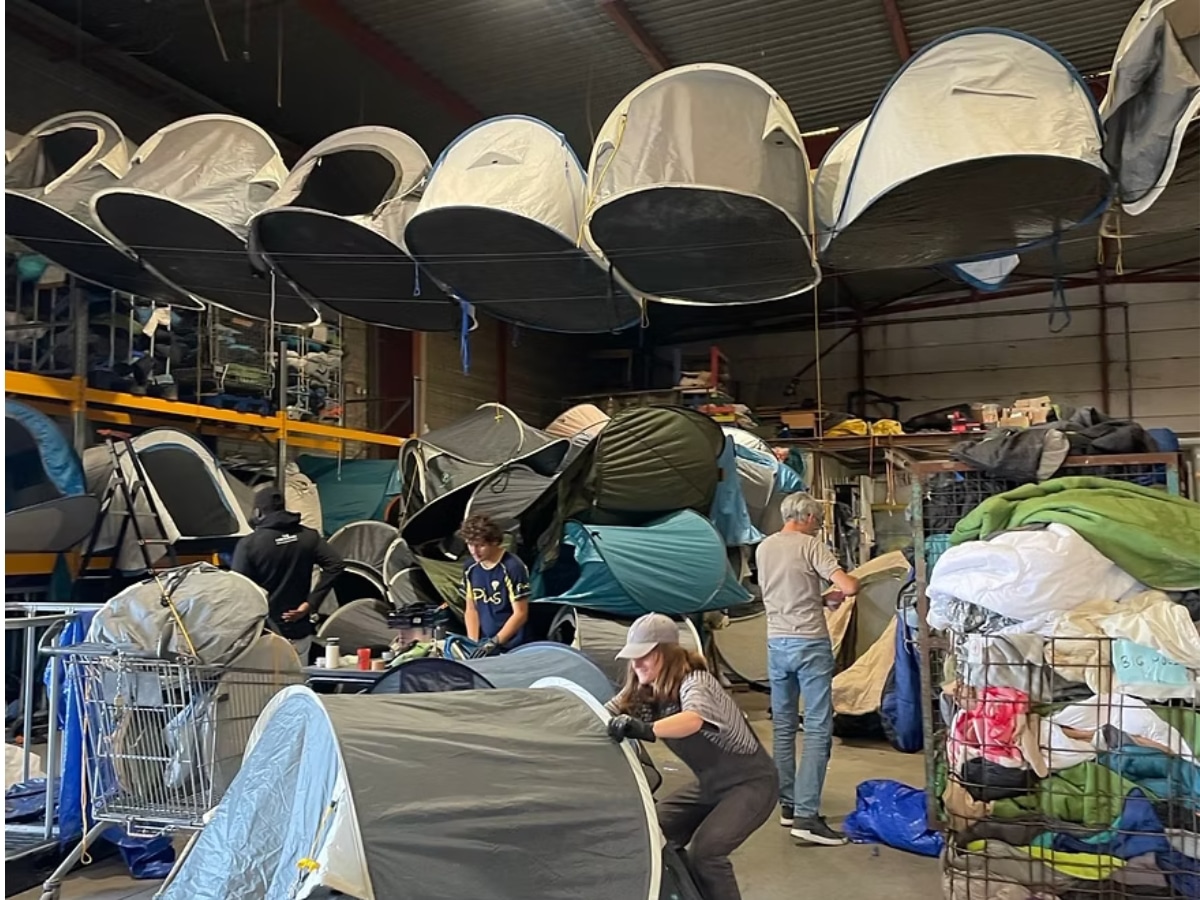
Three of Calais Appeal’s members, La Capuche Mobilisée, Utopia 56 & Refugee Women’s Centre, are launching a crowdfunder to purchase urgently needed tents for people stuck at the France-UK border.
Every year, tens of thousands of people on the move spend time at the France-UK border whilst seeking to claim asylum in the UK. In Calais and Dunkirk, at any one time there are around 2,000 people having to sleep outside, in tents or under tarpaulins.
Tent stocks running low
At the end of a winter marked by harsh weather conditions, stocks are currently so limited that single men have to wait up to two weeks to receive a tent through Calais Appeal’s organisations.
This situation of material precarity gets even worse with frequent evictions, which the UK government funds. During these, the French authorities take people’s personal belongings (including tents and sleeping bags) away.
As long ago as 2020, the Canary was reporting that living conditions in Calais could be driving refugees to attempt crossing the channel to the UK.
Utopia 56 works in Calais and Dunkirk with the most vulnerable groups, particularly unaccompanied minors. It distributes emergency supplies such as tents, sleeping bags and other essential items.
Refugee Women’s Centre, also active in Calais and Dunkirk, focuses on supporting women and families. It combines material aid, access to hygiene and medical care, and psychosocial support.
Finally, La Capuche, an association which started in January 2025, distributes tents and runs a free clothing shop where people can choose their own clothes. It also manages a recently established community laundry system.
The goal of this crowdfunder is to raise €10,000, which would allow Calais Appeal to buy 1,000 tents, costing €10 / £9 each. Reaching this target will allow Calais Appeal to continue distributing tents for another month.
Featured image via Calais Appeal / La Capuche Mobilisée

The Next Big Theme: March 2026
Aptos’ APT price jumps 10% but still trades 94% below ATH after regulatory clarity

Super Eagles’ Star Alex Iwobi Makes 2025 Football Black List for Off-Field Impact


![Gini caranya! [Adira Finance berizin dan diawasi oleh Otoritas Jasa Keuangan] #MomobilalanNinjaku](https://wordupnews.com/wp-content/uploads/2026/03/1774364352_maxresdefault-80x80.jpg)

-
 Crypto World4 days ago
NIO (NIO) Stock Plunges 6.5% as Shelf Registration Sparks Dilution Worries
-

 Fashion4 days ago
Weekend Open Thread: Adidas – Corporette.com
-

 Politics4 days ago
Jenni Murray, Long-Serving Woman’s Hour Presenter, Dies Aged 75
-
 Tech7 days ago
Are Split Spacebars the Next Big Gaming Keyboard Trend?
-

 Crypto World3 days ago
Best Crypto to Buy Now: Strategy Just Spent $1.57 Billion on Bitcoin During Fear While Early Investors Quietly Enter Pepeto for 150x Potential
-

 News Videos6 days ago
RBA board divided on rate cut, unusually buoyant share market | Finance Report | ABC NEWS
-

 Crypto World3 days ago
Bitcoin Price News: Bhutan Sells $72 Million in BTC Under Fiscal Pressure, but the Smart Money Entering Pepeto Sees What the Market Does Not
-

 Politics6 days ago
The House | The new register to protect children from their abusers shows Parliament at its best
-

 Tech4 days ago
inKONBINI Lets You Spend Summer Days Behind the Register
-

 Crypto World6 days ago
Canada’s FINTRAC revokes registrations of 23 crypto MSBs in AML crackdown
-

 Sports1 day ago
Remo Stars and Kano Pillars Strengthen Survival Hopes in NPFL
-
 NewsBeat6 days ago
Residents in North Lanarkshire reminded to register to vote in Scottish Parliament Election
-

 News Videos6 days ago
PARLIAMENT OF MALAWI – PAC MEETING WITH REGISTRAR OF FINANCIAL ON AMARYLLIS HOTEL – INQUIRY LIVE
-

 Politics5 days ago
Gender equality discussions at UN face pushbacks and US resistance
-

 Business2 days ago
No Winner in March 21 Drawing as Prize Rolls to $133 Million for Next
-

 Business6 days ago
Who Was Alex Pretti? 5 Key Facts About the ICU Nurse Killed by Federal Agents in Minneapolis
-

 Sports1 day ago
Gary Kirsten Accuses Pakistan Cricket Board Of ‘Interference’, Mohsin Naqvi Responds
-

 Tech2 days ago
Give Your Phone a Huge (and Free) Upgrade by Switching to Another Keyboard
-

 Sports4 days ago
2026 Kentucky Derby horses, odds, futures, preview, date: Expert who nailed 12 Derby-Oaks Doubles enters picks
-
Sports5 days ago
Vikings Free Agency Enters Phase 2 with Key Questions
You must be logged in to post a comment Login