Politics
The Health Dangers Of Browning Your Food

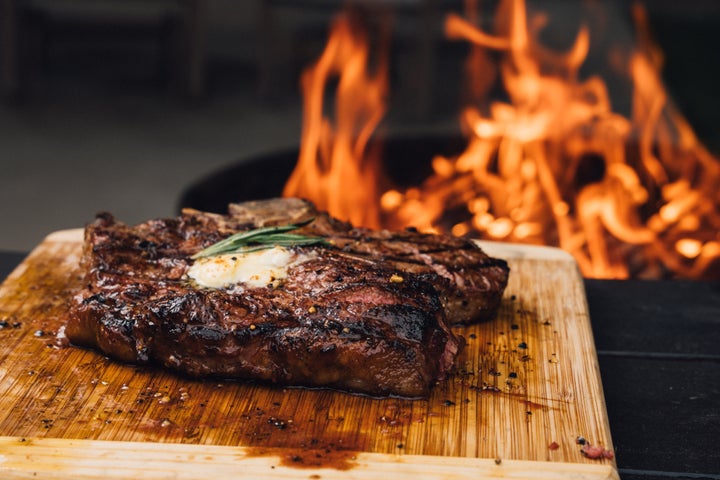
The flames leapt higher as smoke billowed across the backyard. I told my father the meat was ready. “Just a few more minutes,” he said, surveying the charcoaled steaks. For him, well done meant the fire brigade was on its way.
My dad taught me to love grilling, and despite his questionable doneness preferences, I inherited his passion for it. These days, I fire up the grill a few times a week, convinced it’s one of the healthier ways to cook — it requires less oil than pan frying, uses fresh ingredients and just feels more satisfying to sizzle protein over an open flame.
Turns out I need to rethink that. Research shows that high-heat cooking creates harmful compounds linked to cancer, diabetes and accelerated aging. Everyone knows deep-frying isn’t ideal, but the concern extends to methods most people consider healthy. Grilling, roasting, broiling and even air-frying all trigger the same chemical reactions.
The Science Behind Browning
The golden colour and crispy texture many cooks aim for come at a cost. At temperatures above 280 degrees Fahrenheit / 137.7 degree Celsius, sugars and proteins in food react to create compounds called AGEs that build up in the body over time. “The accumulation of AGEs has been associated with aging and the development of chronic diseases such as cardiovascular disease and Type 2 diabetes,” explained Sharon Collison, a registered dietitian at the University of Delaware.

Joey Ingelhart via Getty Images
Any cooking method that browns food triggers this reaction. If it’s golden and crispy, AGEs have formed. That includes the caramelised crust on roasted vegetables, the char on grilled chicken and the crispy coating from an air-fryer.
Grilling adds a second risk. When fat drips onto flames or hot coals, the burning fat creates smoke that carries carcinogens called PAHs back onto the food. “Grilling can increase total carcinogenic risk from PAHs by three- to fivefold,” said Dr. Michael Ednie, a physician and registered dietitian at Bespoke Concierge MD. Fattier cuts may add more taste but result in more dripping and greater exposure.
Even air fryers, considered a healthy alternative, have some risks. They avoid the fat-dripping problem, so they don’t create PAHs. But browning still occurs, and browning means AGEs. “Unfortunately, air-frying and grilling meats produces AGEs,” Collison said. So while air fryers are better than deep-frying and avoid grilling’s smoke problem, they’re not risk-free.
What You’re Cooking Matters, Too
The cooking method is only part of the equation. What you’re cooking amplifies the risk. “From a cancer-prevention perspective, grilling any animal protein can lead to the formation of carcinogens,” explained Milette Siler, a registered dietitian who co-founded the culinary medicine program at UT Southwestern Medical Center. “Processed meats are the worst, followed by red meat.” Chicken and fish are safer choices, though not entirely risk-free.
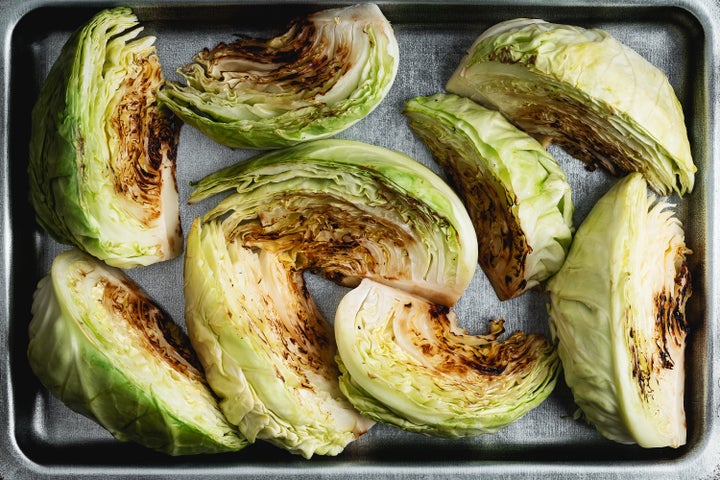
Even vegetables produce these compounds when roasted at high temperatures. “High-heat roasted vegetables produce more of these compounds than when vegetables are cooked in water or with acids added,” Collison said. But meats produce far higher levels at the same temperatures, making vegetables the safer choice when you want that roasted flavor.
istetiana via Getty Images
The frequency matters, too. Cooking meat at high temperatures every other day was linked to a 28% higher risk of Type 2 diabetes compared to once a week. That’s the difference between firing up the grill as a weeknight default versus saving it for weekends. “How often we consume grilled food does matter, but every person needs to look at their overall diet quality,” Siler said.
Your Diet Alone Doesn’t Determine Your Cancer Risk
For anyone who loves weekend barbecues, the convenience of air-frying or the caramelised edges of a roasted dinner, this research might have you worried. But before you rethink your entire cooking routine, the experts offer some reassurance.
“The research does not show that grilling occasionally, or even regularly, automatically leads to cancer,” Siler said. “Cancer risk isn’t driven by one meal or one method. It’s shaped by what you do most days, over many years.”
Risk increases when multiple factors combine: eating red or processed meat frequently, charring food until it blackens, relying on processed foods, which manufacturers cook at high heat to extend shelf life. Any single habit is manageable. It’s stacking all of them that compounds the problem.
Small Changes To Your Cooking Routine Can Lower Your Risk
Simple adjustments to your cooking routine reduce exposure significantly. An easy solution is to use acidic marinades. “Marinating meats in vinegar, lemon juice, wine or yogurt before cooking at high temperatures can significantly reduce production of AGEs,” Collison said. Fifteen minutes is enough. One warning, though. Sugar feeds the reaction. “Marinades with high sugar content, such as barbecue sauce, can increase production of AGEs,” she added.
Time on the heat matters, too. “Long cooking times and heavy charring increase exposure,” Siler said. Cutting meat into smaller pieces speeds up cooking and reduces compound formation. Another option that may surprise you: Start cooking in the microwave. A few minutes of precooking means less time over the flames and fewer harmful compounds formed.
Gentler methods avoid the problem entirely by staying below that 280 F /137.7 C-degree threshold. “Alternative cooking methods such as braising, steaming, poaching, stewing and microwaving minimise production of carcinogenic chemicals,” Ednie advises. Slow cooking and sous vide also qualify. Microwaving may seem out of place alongside slow-cooking methods like braising and stewing, but it keeps temperatures low, and there’s no flame for fat to drip onto.
If you love using your grill or air fryer, these steps help reduce your risk.
- Choose vegetables, fish and chicken over red meat
- Skip processed meats entirely
- Pick lean beef cuts (look for “round,” “loin” or “flank”)
- Marinate in acidic liquids for at least 15 minutes
- Avoid sugar-based sauces
- Use moderate heat and flip often
- Trim visible fat before cooking
- Scrape off char before eating
My father was right about one thing: Cooking over fire makes food taste better. I’m keeping the grill, just using it smarter. Chicken and fish have replaced hot dogs and burgers, and every piece of meat gets an acidic marinade. I always take the meat off when it’s medium, not when it looks like it survived a house fire. Sorry, Dad.
“The goal isn’t perfection,” Siler said. “It’s stacking the odds in your favour by choosing better foods and better methods most of the time.”
You must be logged in to post a comment Login