Politics
The House | “A read worthy of its subject”: Sir David Natzler reviews ‘Walter Bagehot: Life and legacy’


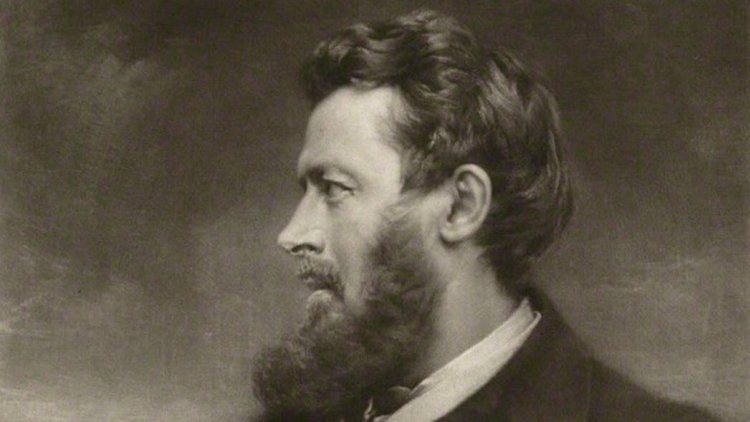
1831: Walter Bagehot | Image by: History and Art Collection / Alamy
4 min read
Marking the bicentenary of his birth, the authors have delivered a balanced and lively examination of the life of the English journalist and constitutional authority
Last month was not only the 200th birthday of University College London but also of one of its distinguished early graduates: Walter Bagehot. Editor of The Economist at the age of 32, author of a seminal work on the British constitution and perhaps our first and finest financial journalist. His birthday has produced this endearing and lively tribute by former House of Commons Library stalwarts Janet Seaton and Barry Winetrobe. Now settled in England’s smallest town, Langport in Somerset – Walter’s hometown – they are justifiably keen to see him properly remembered, although not always admired. Their turn of phrase matches his. It is a fitting tribute, but not an encomium. At the outset they deal with one puzzle head on: how to pronounce his name; it is Badge-ut.
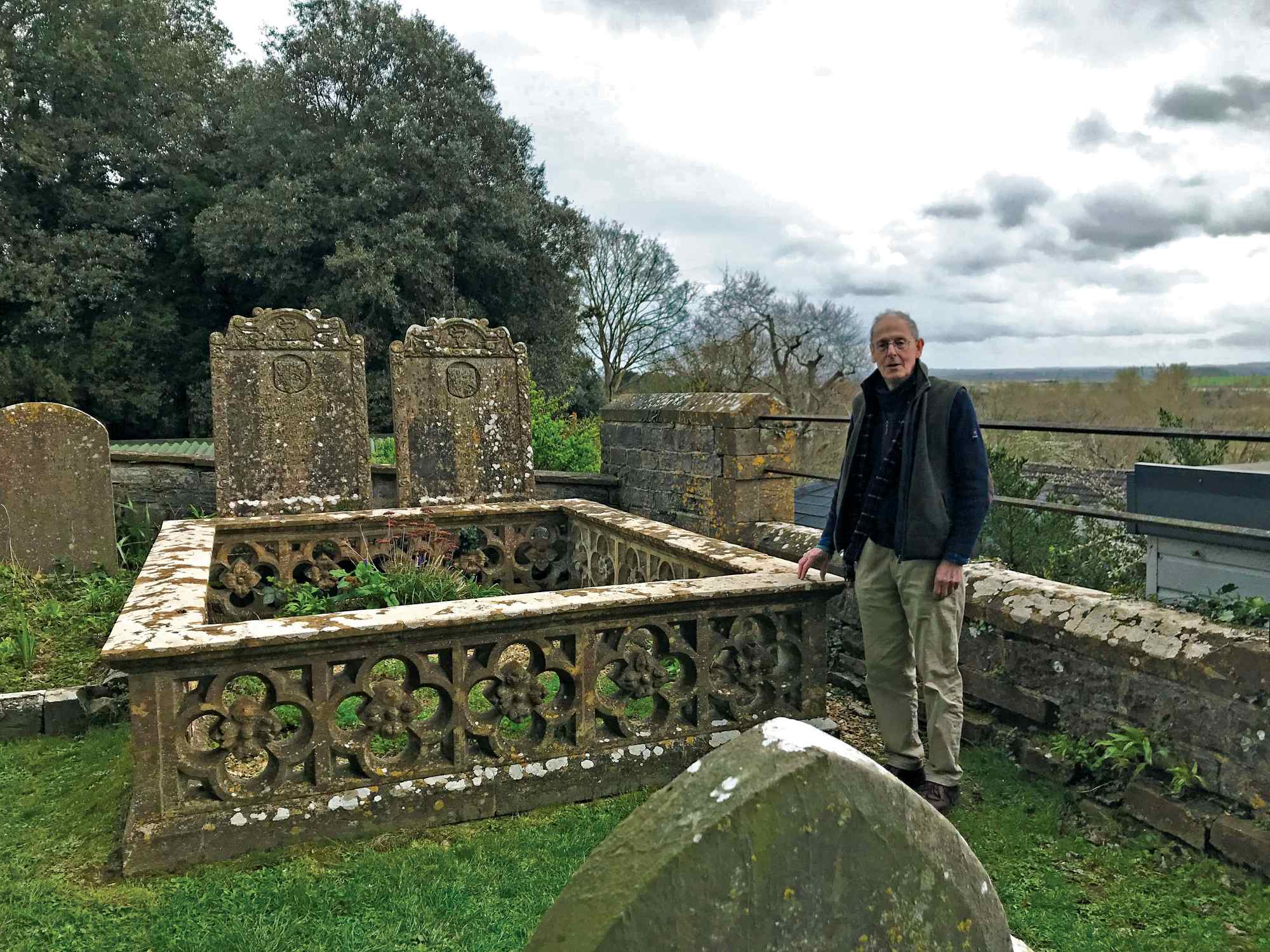
Bagehot has had surprising admirers: from Woodrow Wilson, who as a Princeton academic visited his grave while on a cycling tour of Britain – alas, no photos survive – to the editor of 15 volumes of his collected writings, the late Norman St John-Stevas, who left his collection of Bagehot bric-a-brac to Langport. (There is no proper picture in the book of St John-Stevas, but curiously there is a picture of Pope Paul VI, who admitted to St John- Stevas that he had never heard of Bagehot and mispronounced his name. One can hardly blame the pontiff.)

Bagehot’s reputation as a constitutional expert rests mainly on his 1867 book The English Constitution (meaning the British constitution). An academic or thoroughly researched work it is certainly not, but it is a shrewd and sardonic description from a London perspective of the role of the monarchy and legislature and how the whole machinery is (or was) organised by the cabinet as the effective organ of management. Bagehot was candid and quotable about the monarchy in particular and the importance of royal weddings. He loved a turn of phrase more than profound analysis. But I suspect he was the first constitutional commentator to publish a truly readable book – a long way from Erskine May.
He loved a turn of phrase more than profound analysis
Bagehot was quintessentially a man of business who commented on politics and economics from a position of mid-Victorian consensus. A scion of the firm of Bagehot and Stuckey (who controlled the Parrett river trade of west Somerset and the big West of England banking house of Stuckeys), he wrote influential articles on banking controversies in The Economist while still a salaried employee of, and substantial shareholder in, Stuckeys Bank. He also produced Bagehot’s Rule on the lending duties of a central bank in a banking crisis, which central bankers still quote, even if they do not rely on.
Bagehot lived the life and died the death of a character from a Trollope novel, or at some moments from the provincial settings of George Eliot. He came from sound Unitarian stock: married the daughter of the founder of The Economist; enjoyed hunting; had an enormous and concealing beard; was a poor orator; and employed William Morris and William de Morgan to do up his house. He stood for Parliament once, possibly to please his mother, but was defeated. Some of his opinions, such as on social Darwinism and on a racial hierarchy, are now simply noxious.
The third and final section of this work looks at the ways in which he has been commemorated, including a fine stained-glass window in the church at Langport, which I finally managed to visit. This thorough and very balanced book can itself now be added to their list of commemorations, and I can wholeheartedly recommend it as a read worthy of its subject.
Sir David Natzler was clerk of the Commons 2014-19, honorary senior research fellow at the UCL Constitution Unit, and co-editor of the 25th edition of Erskine May
Walter Bagehot: Life and legacy
By: Janet Seaton & Barry Winetrobe
Publisher: Langport & District History Society

You must be logged in to post a comment Login