Politics
The House Article | It is in all of our interests to improve prisoner health


4 min read
It may not be a huge vote-winner, but a safer prison estate benefits society as a whole.
The realities of prisoner ill health are shocking. You are much more likely to die young in prison: the average age of death in custody is 56, compared to 81 in the general population. Prisoners also experience a wide range of serious long-term conditions, including higher rates of infectious disease, respiratory disease, and cardiovascular disease than the wider public. Substance use is widespread, as is gambling. Poor mental health is common.
Some groups face distinct health risks. Women have particular needs, including higher rates of self-harm and gender-specific gaps in care, and there have been reports that babies have died in prison after their mothers gave birth without medical assistance. All people face health risks as they age, and older prisoners – defined as those aged 50 and above, reflecting evidence that health problems appear around ten years earlier in prison – are no exception. Young people in custody also have disproportionately high health needs, often rooted in childhood adversity and abuse.
Part of the explanation is that people in prison often face complex needs before entering custody, shaped by deep-rooted societal inequalities. Just as deprivation, disadvantage and trauma drive crime, they also take a heavy toll on public health. Prisons inherit poor health and face significant challenges from the outset.
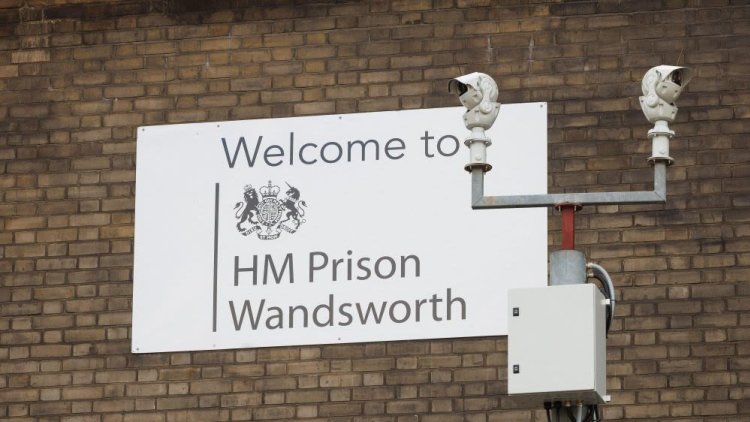
Another reason for prisoner ill health lies within the estate itself. Life in prison is brutal, and deteriorating facilities – HMP Wandsworth being a prime example – with cramped and dirty cells, failing sewage systems and rodent infestations compound existing problems. Overcrowding and staff shortages, a matter of considerable political attention under this Labour government, make it even more difficult to manage prisoners’ health and safety.
Healthcare in custody depends on a functioning prison regime, yet services are poorly equipped to meet prisoners’ needs. Public spending cuts under austerity, falling standards, and fragmented, siloed services mean the system is not working as effectively as it could. Continuity of care is crucial, but evidence shows post-release healthcare is often poor, with many people losing contact with treatment once in the community, perpetuating poor health.
‘Why should I care?’, some might ask. Prisoners, whatever their background or crime, are often seen as worthy of only punitive treatment, and investing in improving their conditions may not be, on the face of it, a vote-winning topic.
First and foremost, healthcare is a human right – and that includes prisoners. Even if your view is that prison should be punitive, not rehabilitative, its purpose is to restrict the liberty of those convicted of crimes, not to harm their health or deprive them of necessary care. Prisoners deserve and are entitled to medical treatment, and ensuring they receive it is the right thing to do.
Second, aside from questions of human rights, investment in prisoners carries public health dividends, shaping outcomes long after release. As isolated as they are, prisons are not sealed off from society. People enter custody from the community and return to it when their sentence ends. The burden of our collective healthcare falls on us all, so a healthier prisoner population is in society’s interest.
It can also help reduce reoffending. As the Chief Medical Officer for England, Professor Chris Whitty, has highlighted, offending and reoffending after release are closely linked to health. Access to good health services can support engagement with rehabilitation, delivering positive social and economic benefits in the long run. Less offending means less demand for costly prison places, freeing up public resources for more effective use elsewhere.
Crime, poverty and health are inextricably linked, and breaking this cycle benefits not only prisoners but society as a whole, including the taxpayer. If the government is serious about improving the health of people in prison – and realising the wider benefits this entails – action is needed, including greater investment in the deteriorating prison estate, support for prevention measures to address illness as early as possible, and improved coordination and integration across health services.
It is time to consign the appalling state of health in prisons to history, where it belongs.
Jake Shepherd is a senior researcher at the Social Market Foundation
