Politics
The House Article | Restoring the home of Parliament is an act of responsibility




4 min read
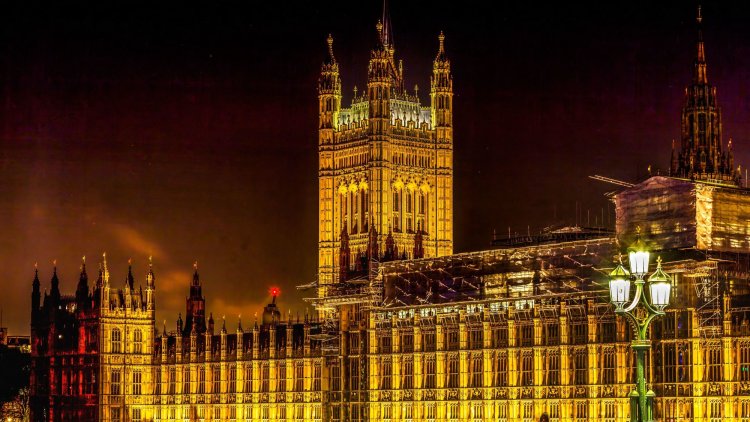
Restoring the home of Parliament is about safeguarding the heart of our democracy for future generations.
The proposals now before Parliament are the result of years of detailed analysis, technical studies, and independent expert assurance. It is right that work of this scale has prompted wide debate, particularly given the very significant costs involved.
There is, however, a broad consensus on one central point: the Victorian building requires major work to address fundamental issues such as fire safety, ageing infrastructure, asbestos, and deteriorating stonework. Without decisive action, these challenges will continue to grow.
Most of the proposed investment—around 85 per cent of construction costs for the Palace of Westminster—is focused on priority works. This includes replacing mechanical, power, water, sewage and heating systems; improving fire safety; managing asbestos safely; and repairing extensive stone damage. These are not optional enhancements but core requirements to keep a complex, heavily occupied historic building functioning safely and effectively.
One of the biggest costs is linked to the extensive network of increasingly outdated services embedded throughout the Palace. The steam heating system for example was installed in the 1950s and has become increasingly unreliable. Recent years have seen up to 80 leaks annually and just a few weeks ago it took several days to fix a major failure.
Ensuring that heating, power and water systems can operate dependably across a 150-year-old building with more than 1,100 rooms is a basic necessity. Improved energy efficiency would be a welcome and sensible byproduct of modernising these systems.
Fire safety is another critical area. Proper fire zoning in a building used daily by thousands of people is essential. In fact, these measures will build on the original fire safety principles in Sir Charles Barry’s design, which have been compromised over time by successive alterations. Restoring that integrity and improving fire protection is both achievable and vital.
Alongside these priority works, the proposals also deliver important benefits for everyone who uses the building. Improving step-free access to around 60 per cent would make Parliament more usable for those who work here and for visitors. In many cases, accessibility improvements are a welcome benefit of safety upgrades—for example, the installation of fire evacuation lifts gives an in-built accessibility improvement.
The plans also include a permanent education centre for the tens of thousands of children on school visits every year as well as an improved visitor entrance and visitor routes. These changes are designed to enhance security and safety for visitors and those who work in Parliament. Basement visitor routes and education centre would make use of existing, underused spaces that would be repurposed with sympathetic restoration that respects the Palace’s historic fabric.
Importantly, these education and visitor improvements represent a modest proportion of the budget— between 0.8 and 2.7 per cent of Palace construction costs—yet they deliver significant benefits for security, safety, and public access.
No one underestimates the scale or cost of a programme of this complexity and duration. That is why extensive parliamentary scrutiny has already been applied and will continue throughout the project. Robust accountability for public spending is essential.
What is equally clear is that delaying decisions comes at a price. Putting off a decision will add many hundreds of millions to the costs of doing the work due to the impact of inflation. As the report warns, continuing with this approach will lead to managed decline of one of the most recognised buildings in the world as it becomes increasingly unfit for the country it serves. It will mean higher maintenance costs, and increasing safety and operational risks for those who visit and work in the building.
After more than a decade of studies, committees and analysis, it is evident that there is no perfect or low cost option. The recommended way forward is a pragmatic one: approval for seven years of work to begin now, with costs capped at £3 billion, averaging £429 million a year (both figures exclude inflation). This approach allows work to proceed while continuing to bear down on costs while testing and assuring designs with MPs and Peers before decisions on the longer term work need to be taken.
Investment in the Palace will also support thousands of jobs and apprenticeships from modern construction and engineering to traditional crafts. The restoration will need the skills of businesses and people in nations and regions across the UK in this national endeavour to preserve one of the world’s most recognised and cherished buildings.
As custodians of this national symbol, we have a responsibility to act. Continuing to defer decisions only increases risk and cost. The sensible way forward is to begin the work now, safeguard the future of the Palace of Westminster, and ensure it remains a safe, functioning home for UK democracy. It is time to get on with the job.
