Politics
The House | “Every Movement Was Controlled”: The Quiet Rise In Children Under Deprivation Of Liberty Orders


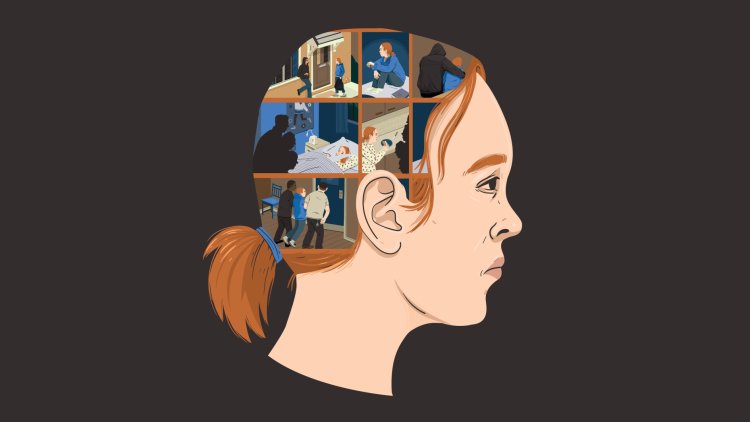
Illustration by Tracy Worrall
10 min read
There has been a 13-fold increase in the use of court orders that deny children freedom to move and associate in the last seven years. Justine Smith explores the reasons behind this huge increase in what are supposed to be emergency orders
Hundreds of children with the very highest level of need are being locked away from society, often in illegal, unregistered homes with a rolling rota of untrained staff, because of shortages in therapeutic care.
These children can be controlled through frequent physical restraint and denied basic rights such as contact with family and friends or an education, the ultimate victims of a care system in crisis. They are held under Deprivation of Liberty (DoL) orders, which were designed to give special legal powers to local authorities to restrict the freedom and rights of children and teenagers considered to be an extreme risk to themselves or others.
The orders are handed down through the inherent jurisdiction of the High Court, not criminal courts, but can be more repressive and open-ended than even Young Offender Institutions. Though they are meant to be an emergency, short-term response, critics say they are increasingly being used to plug gaps in health and social care services.
Since 2017, the number of orders has rocketed from just over 100 a year to around 1,300. There are now three times the number of children detained under them than there are in prison, and a fifth stay in place for at least a year. The Children’s Commissioner found that a third were placed in unregistered homes – which are not monitored by education regulator Ofsted – often because legal homes refuse to take them.
The rise can be largely attributed to an increase in older children entering care with complex issues, the collapse of mental health and early intervention services, the reduction of places in secure children’s homes and paediatric psychiatric wards and a shortage of foster carers and children’s homes with the acute expertise and experience needed to support them in the community.
Restrictions often include a ratio of between one and five adults around the child 24 hours a day, sometimes sat outside their bedrooms at night and with bars on windows and locks on every door and limits or bans on phone and internet use. Two thirds come with the right for staff to use physical restraint.
Children subjected to them are almost always in the care system and have complex and unmet needs, such as mental health issues, physical and learning disabilities, and the legacy of early life trauma, sexual and criminal exploitation and familial abuse or neglect.
Judges, campaigners and human rights advocates have all raised concerns about their inappropriate overuse for children who have already been let down by poor, fragmented health and social care services, often leading to an escalation of their challenges.
I was just contained like a wild animal for more than two years, not supported
When most teenagers her age were juggling busy social lives with the build-up to GCSEs, Roismi was being kept in a locked house and followed everywhere by five adults from a rolling rota of paid staff. At a time when she needed unconditional love and privacy during adolescence, her every movement was scrutinised; any change of mood or sign of emotion might lead to terrifying physical restraint.
She was not in trouble with the police or considered a risk to society – only to herself after a history of sexual, psychological and physical abuse, and failures of the services that were supposed to help her recover from her trauma.
After being sectioned hundreds of times and moved through countless foster homes and residential placements, Roismi, who is autistic and has ADHD and Post-Traumatic Stress Disorder, was put on a DoL Order in unregistered accommodation.
Roismi says she was made to feel like a “demon” by staff who appeared to fear rather than understand her.
“Every movement was controlled,” she explains. “I was watched all the time by people I didn’t know. I cannot cope with being in a room with lots of people. I would go to the kitchen and five people would follow me in so I would retreat to my room, the only place I had moments of privacy. I lost a significant amount of weight in two months.”
Even in her bedroom, staff checked on her every 15 minutes, 24 hours per day, adding insomnia to her problems.
“The damage done to me will last a lifetime,” she adds. “I was just contained like a wild animal for more than two years, not supported. I lost my friends. I only left the house for appointments. It was so much worse than being sectioned in a hospital, where at least I could associate with other young people like me. I wish I had stayed in my abusive family home because at least by now I might have an education and some kind of normal life.”
Anela Anwar, CEO of care charity Become, which has supported Roismi, says: “A society having to resort to depriving children in care of their liberty because there are no safe and suitable homes is one completely failing the children in its care.
“But it doesn’t have to be this way. Through proper investment, the government can create the right homes in the right places, especially those that offer more therapeutic support, to give children the care and stability they need.”
Roismi experienced 18 months of stability in a good, therapeutic children’s home with trauma-informed staff, but she was thrown back into chaos when her most trusted caregiver had to leave.
Latest quarterly figures show the majority on DoL orders are aged 13 to 15, but there was a 52 per cent rise in under-12s over just three months last year.
The orders severely restrict access to education, training or work, and disrupt important relationships and any medical or therapeutic interventions.
Carolyne Willow, a campaigning barrister specialising in children’s rights, says: “It is intolerable that highly vulnerable children continue to be deprived of their liberty in arrangements cobbled together in crisis and haste, often in unregistered children’s homes devoid of Ofsted scrutiny and other protections such as monthly independent safeguarding checks.”
She says the lack of specialist, skilled local authority provision is driving the increase in cases to the High Court for the last resort “safety net” of DoL orders.
“These children are being typically held in so-called ‘solo placements’ where they are under constant surveillance by staff who often have neither the training nor support to meet their considerable needs.”
Research led by the Nuffield Family Justice Observatory (FJO) into the risk factors and reasons for increases in orders, and the conditions and outcomes children on them face, found they were placed an average of 56 miles from home, and more than half were put in unregistered – therefore illegal – provision.
Roismi’s experiences were reflected in interviews with other young people for the project, who described the draconian orders as damaging, re-traumatising and exacerbating existing problems, leading to feelings of isolation, hopelessness, despondency, distrust and resentment. Some told of being repeatedly restrained by staff who had not been trained, in which they suffered injuries as well as psychological trauma.
Some said they had not been told why they were on one or how to get it removed, while others said they had not spoken to their families for months. Many, like Roismi, said they were completely unprepared when they were thrown back into the real world at 18, expecting to end up dead or in prison.
FJO director Lisa Harker says: “The reality is, they very rarely go to school, a few have learning at home. They often have complex mental health and trauma-related issues, however they do not get priority in CAMHS [Children and Adolescent Mental Health Services] even though they are often moved around a lot, meaning they never get to the front of any queue.
“Services may say they can only start treatment once settled. So they are denied the very help that might get them off a DoL, keeping them prolonged, and are then dumped when they are 18 with no education, having not developed social skills or been able to learn how to be independent and with mental health issues that have been allowed to escalate in the absence of any meaningful support.”
A spokesperson for the Department for Education said: “These reports of children’s experiences are shocking, and we recognise the concerns raised. We are making major changes to children’s social care to ensure that when, in the most serious cases, a child needs to be deprived of their liberty for their own safety, they are cared for in accommodation that is safe, appropriate and fit for purpose.
“Children should not be facing placements in unregistered homes when they need the highest levels of care and protection.”
They added that the government was spending £2.4bn on supporting families to stay together and £560m to create more places for children in high-quality, registered homes.
The Children’s Wellbeing and Schools Bill is proposing new DoLs accommodation in the community, as an alternative to secure children’s homes where they are unable to leave the premises, and would strengthen oversight and accountability where children are deprived of their liberty. However, the changes could take years to take effect and the rate of incarceration through DoL orders continues to rise.
Campaigners including the Children’s Commissioner are calling for the bill to go further, mandating national data recording and oversight of every DoL and legal representation for those affected, as well as a clear legal and regulatory framework safeguarding their rights and welfare.
There are alternative models, such as the multi-agency Myst (My Support Team) model in Wales, an intensive mental health service for children on the edge in the care system which works with their carers to provide holistic, long-term support before issues escalate to the point where a DoL might be needed.
As well as drastically improving their outcomes and wellbeing, such early, committed interventions, while costly in the short term, will undoubtedly reduce pressures on council resources down the line.
Secure children’s homes can cost £350,000 a year, but an intensive DoL order such as Roismi’s – which included four trained nurses at all times – can cost up to £3m.
Now 20, she is in supported living and has more freedom, but says she has lost years of her childhood and is now struggling to catch up before all support ends when she turns 25. She has been so institutionalised, she says, she still automatically asks for permission just to be able to go outside and has accumulated £28,000 of debt in unpaid rent and bills, having been unaware she needed to sign on for the housing element of Universal Credit.
Despite all the challenges she has faced, she has set up a not-for-profit organisation, My Trauma is Chronic but I’m Iconic, which mentors and supports other young people as they go into adulthood after care or other adverse early life experiences.
However, Roismi is an anomaly in a care system that is failing so badly that leavers are seven to eight times more likely to die before they reach the age of 21, five times more likely to die by suicide and make up around a quarter of the prison and homeless populations.

You must be logged in to post a comment Login