

Politics
The House | “One of the most memorable films of the last year”: Baroness Chakrabarti on ‘Train Dreams’



Robert Grainier with his daughter, Kate | Image courtesy of Netflix | © 2025 BBP Train Dreams. LLC

4 min read
With its stunning locations and exquisite cinematography, this Oscar-nominated portrait of the life of an American itinerant labourer at the turn of the 20th century is also the story of the country itself
In previous times of major crisis, the United States provided hope, sometimes even mythologised, as rescue for the world. Today it can at least still offer stories of self-examination and solace. If the 20th was the American century, cinema was surely its great art form.
In Train Dreams – Clint Bentley’s 2025 film inspired by Denis Johnson’s 2011 novella – the simple life of woodsman and itinerant labourer, Robert Grainier, becomes the story of the country itself, from his birth in the 1886 of horses and carts to his death amidst the space race in 1968. In this respect, it might appeal to fans of the previous year’s The Life of Chuck by Mike Flanagan. This time, however, the form is more rural elegy than science fantasy.
Grainier is an orphan who drops out of school and lives a hard and hermit-like existence until he meets his future wife, Gladys (Felicity Jones). His orphanhood represents both the dislocation and stoic heroism of a migrant pioneering nation. Played with quiet but captivating pathos by Joel Edgerton, his precise ethnicity seems ambiguous.

Issues of race come to the fore on at least three memorable occasions. First, when Robert is complicit in a brutal incident involving a Chinese logger, Fu Sheng (Alfred Hsing). This episode forever haunts him and he feels cursed as a result of it. Secondly, when an African American cowboy arrives to avenge the racially motivated murder of his brother. Finally, Robert is befriended by Ignatius Jack (Nathaniel Arcand), a Native American who seems to understand both him and their surroundings better than so many others.
As so often in fine cinema, the score plays an essential part
The nobility of rural life is explored both via its various dangers and privations and in the way that neighbours embrace natural duty, travelling considerable distances to check on one another.

The environment is a major theme of the film, with some stunning locations cherished by Adolpho Veloso’s exquisite and rightly Oscar-nominated cinematography. We see it change over the years and one night around the campfire on a “cut”, the veteran explosives expert (played by the impeccably understated William H Macy) expresses his regret at what they have been doing to the forest all their working lives. The forest almost appears to exact her revenge by way of the various casualties that result from tall fallen trees and large branches. The animal kingdom is also represented by way of the relationship between Robert and his dogs in particular.
 As so often in fine cinema, the score plays an essential part. Bryce Dessner has been understandably lauded for a string-based soundtrack using period-appropriate instruments, enhanced by modern synthesisers. There are nods to Philip Glass and Michael Nyman. Both the harshness and beauty of the landscape is evoked alongside the intrusion of industrialisation in the form of the all-important railway. Indeed, the music joins the best tradition of train sounds and rhythms, almost magically conjured for the screen experience by way of acoustic instruments. The title song, co-written by Nick Cave, receives another of the film’s worthy Academy Award nominations.
Whether Oscar glory follows or not, I recommend Train Dreams as one of the most thoughtful and memorable films of the last year.
Baroness Chakrabarti is a Labour peer
Train Dreams
Directed by: Clint Bentley
Broadcaster: Netflix

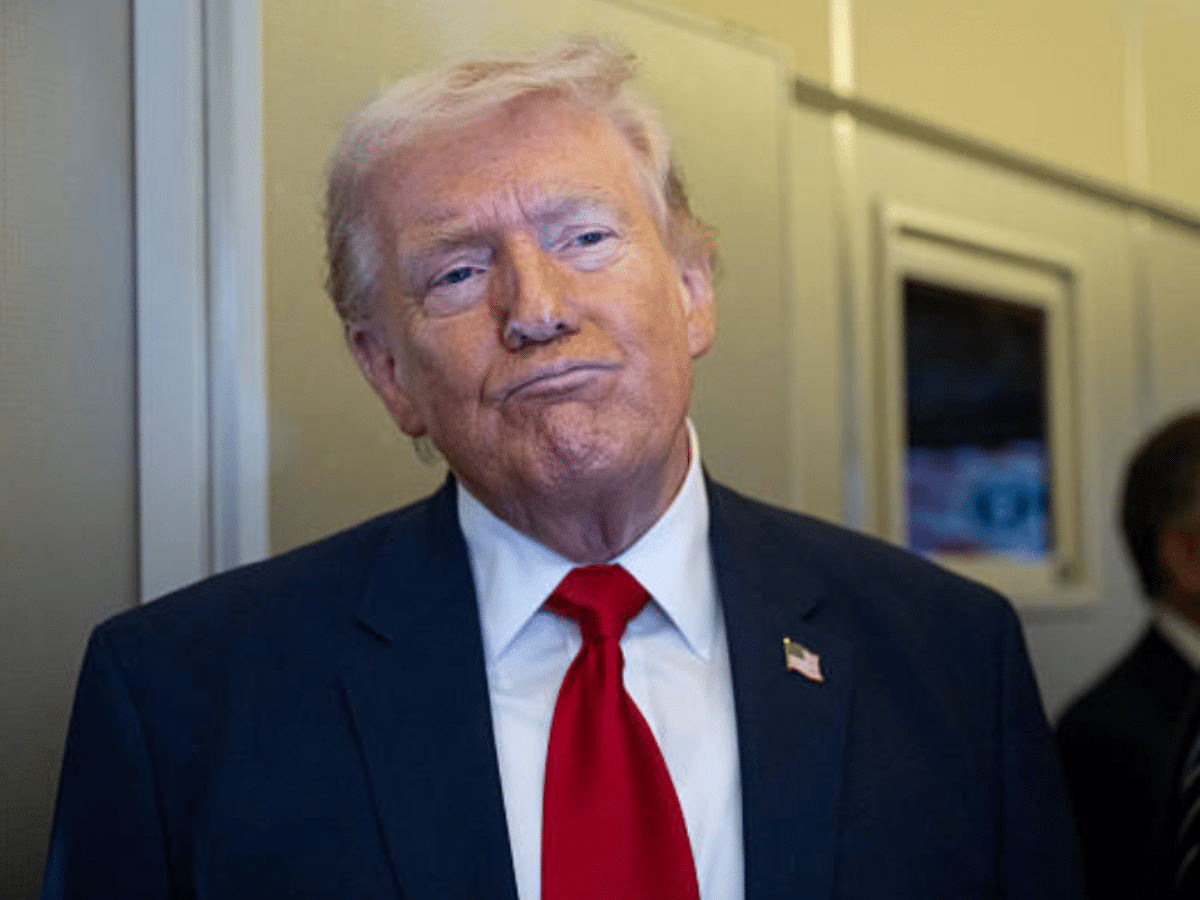
As the illegal US-Israeli war against Iran drags on, it seems clearer and clearer that Donald Trump either miscalculated or fell for the lies warhawk allies sold him. And it’s spreading the stocks of US forces and their allies thin. As a result, they’ve had to get backup from South Korea.
Trump has depleted military resources
Amid Israel’s ongoing genocide in Gaza and rampage through the Middle East in 2025, the US army had already:
redeployed two MIM-104 Patriot systems and approximately 500 personnel from South Korea to the Middle East, which reinforced defences at Al Udeid Air Base in Qatar.
The US also took “over 1,000 guided bomb kits” from facilities in South Korea in December 2025, along with “AH-64 Apache attack helicopters” in January 2026.
But now, there are signs that the unprovoked US-Israeli assault on Iran has been seriously depleting the aggressors’ resources in the Middle East. For example, after around a decade in South Korea, the US has apparently started to move out parts of:
the US-made terminal high-altitude area defense (THAAD) missile-defence system
There are also reportedly discussions about:
the possible redeployment of some US Patriot missile defence systems to the Middle East. South Korean media carried unconfirmed reports that some missile batteries were likely to be redeployed to US bases in Saudi Arabia and the United Arab Emirates [UAE].
The UAE’s increasing understanding that its alliance with the US puts a real target on its back, meanwhile, has made future planning more important. And South Korea will soon help the Gulf regime:
build computing power and energy infrastructure for the world’s largest set of AI data centres outside the United States… [as part of the] U.S.-backed Stargate project
South Korea has conducted an emergency airlift of surface-to-air missiles… from the Cheongung-II air defence system to the United Arab Emirates (UAE)
South Korea took about “30 interceptor missiles” from its own operational reserves to send to the UAE after an urgent request. As Military Watch Magazine highlighted:
This is critical not only to… sustaining the U.S. Armed Forces’ and French Armed Forces ability to continue to wage war on Iran using military bases in the country, most notably Al Dhafra Air Base.
It added that:
It is notable that South Korea is the only country that is able to [deliver] high performing NATO-compatible air defences on such short notice, with European states’ own systems having very limited capabilities, while U.S. systems have seen stockpiles severely depleted primarily due to operations in the Middle East, but also due to large scale donations to Ukraine in preceding years.
South Korea and its increasingly unreliable superpower ally
Under Donald Trump, the US has increasingly been showing its allies how much of an unreliable partner it is. And while South Korea still has one of the highest defence budgets in the world, the flailing commitment of the US – whose presence has been at the centre of South Korean military policy for decades – has sparked concern.
South Korea has tried to navigate Trump’s tariff threats carefully. But liberal president Lee Jae Myung has signalled the importance of a “more self-reliant South Korean defence posture” that doesn’t depend so much on a volatile US government and can help to avoid “entanglement in international disputes”.
South Korea’s government is also ramping up efforts to shield itself from the energy crisis that the US-Israeli war on Iran has created.
The US isn’t abandoning South Korea, though. Because it’s too strategically important in Washington’s efforts to ‘contain’ China. And US-South Korean forces are currently undertaking:
their annual 10-day joint military exercises on the Korean Peninsula… [involving] 18,000 South Korean and US military personnel.
There will, however, be “fewer than half” the number of field training drills (22) that took place last year.
That doesn’t make North Korea feel any better. The dark history of US war crimes during the Korean War (1950-1953) regularly reminds the North that the superpower “killed as much as 20%” of its population (some believe one million people), before backing numerous “right-wing dictatorships in the South in the decades afterward”.
North Korea, which developed nuclear weapons as a deterrent in the wake of the devastating war, still condemns the “clear confrontational nature” of US-South Korean drills, routinely responding with weapons tests of its own.
If less US involvement in the Korean Peninsula reduces the likelihood of conflict there, that will be a good thing. The bad thing, however, seems to be that arms are shifting to the Middle East instead, fuelling a devastating mess that the US seemingly doesn’t plan to end any time soon.
Featured image via the Canary
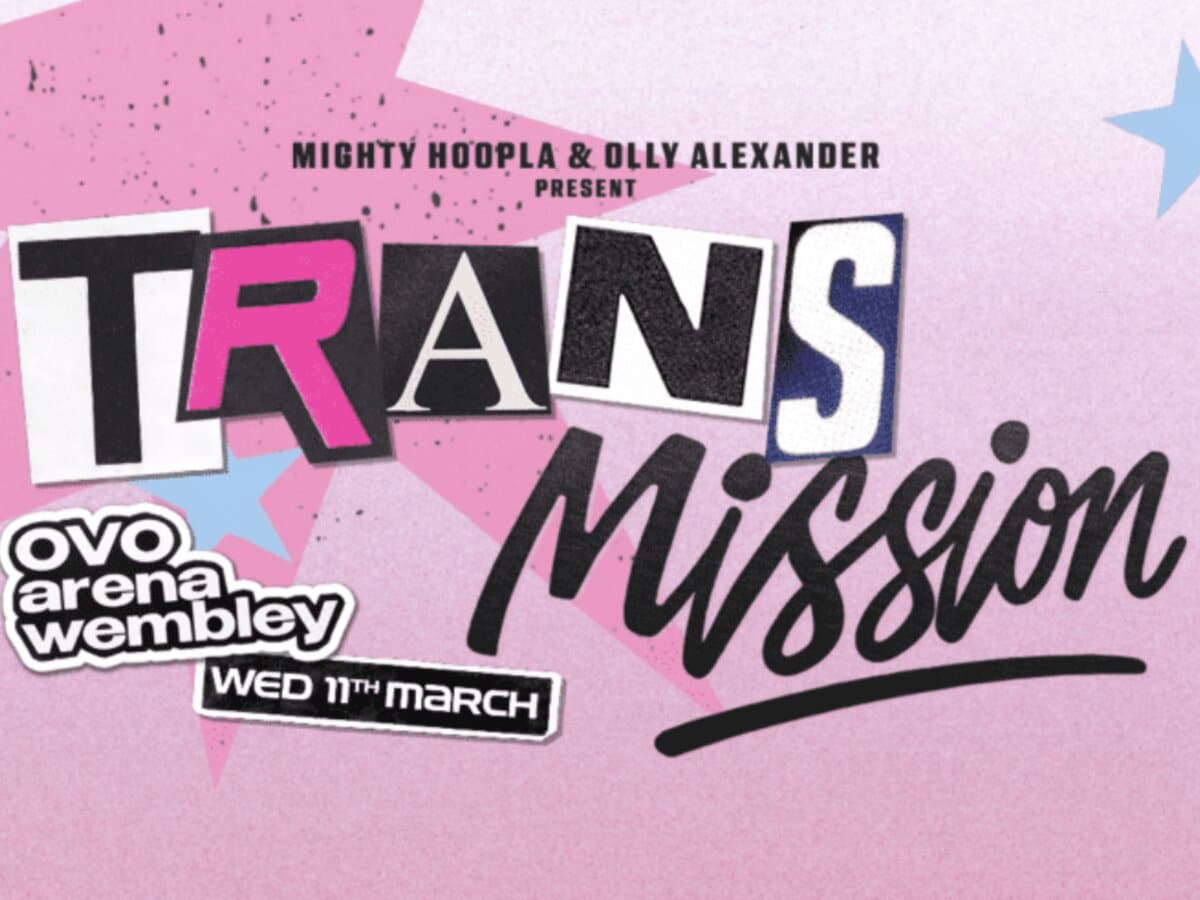
A group of anticolonial collectives is calling for a boycott of Mighty Hoopla, Europe’s largest LGBTQ+ music festival due to the involvement of genocidal Israel.
The four organisations – Antifascist Music Alliance, Muslim Social Justice Initiative, NY Cultural Solidarity Project, Ravers for Palestine and Writers Against the War on Gaza have penned an open letter that explains their boycott.
Mighty Hoopla is owned by KKR, a global investment firm which invests in Israeli data centres. Data gathering technology has been central to Israel’s genocide against Palestine. Additionally, it is the primary shareholder in the Coastal Gaslink pipeline, which is invading the indigenous Wet’suwet’en lands in the West of Turtle Island in Canada.
In 2025, Land Defenders in Toronto initiated a global boycott of all KKR-owned festivals. Queer & trans artists have been especially prominent in this effort.
Israel once again accused of pinkwashing
Now, Mighty Hoopla is hosting a trans fundraiser at Wembley, which amounts to nothing short of pinkwashing and indigenous erasure.
Pinkwashing is an Israeli government propaganda strategy which cynically exploits LGBTQIA+ rights. It projects a progressive image whilst hiding Israel’s occupation and apartheid policies, which oppress Palestinians.
The open letter states:
The KKR boycott is an aperture onto a world where movements work together to dismantle empire and capitalism.
Those participating in Mighty Hoopla and its fundraiser undermine this collective project of Indigenous-queer liberation. Their proposition, that imperial core trans rights can be disaggregated from the fate of Palestinians and Wet’suwet’en, is grim and malign.
It invites queers to seek recognition from Western colonial structures rather than working alongside other targeted groups to dismantle them.
It is the spirit of the gay cop, of ‘Tel Aviv Pride’, of Stonewall giving diversity awards to MI5.
More action needed
Olly Alexander is hosting the fundraiser on March 11.
Throughout the last few years of Israel’s Genocide in Gaza, Alexander ignored thousands of personal appeals to boycott Eurovision. Shockingly, he even crossed the picket line to perform on the same stage as ‘Israeli’ singer Eden Golan.
The lineup also includes Zack Polanski, the leader of the Green Party.
Even the Good Law Project are promoting the event.
The letter requests that anyone participating in Mighty Hoopla watch Yintah – a 2024 documentary of Wet’suwet’en resistance to the Coastal GasLink pipeline. It also invites them to:
witness the Royal Mounted Canadian Police, armed with dogs, snipers and chainsaws, brutalising elders. We ask them to listen to the stories of Wet’suwet’en interned in residential schools, to hear about the mass graves that continue to be discovered, and tell us they are still happy to break this boycott.
So far, many DJs have dropped out of other KKR-owned events, including Sonàr, Field Day, Boiler Room and Milkshake. Moreover, many of these artists are precarious and from the global majority.
Despite this, only a few artists and collectives have dissociated from Mighty Hoopla: Daytimers, T Boys Club, Bledi Party, NRG Cru and yungcweed.
The letter asks:
Do the imperial core queers of Hoopla believe they are exempt from this boycott?
The letter ends:
Do not scab.
Do not disgrace our queer ancestors and their legacies of resistance.
Do not foreclose our possible anticolonial futures.
Respect the Indigenous-led boycott of KKR. This means withdrawing your participation at the fundraiser unless Mighty Hoopla is removed, and boycotting the festival itself.
There is still time to do the right thing.
Featured image via Ovo Arena
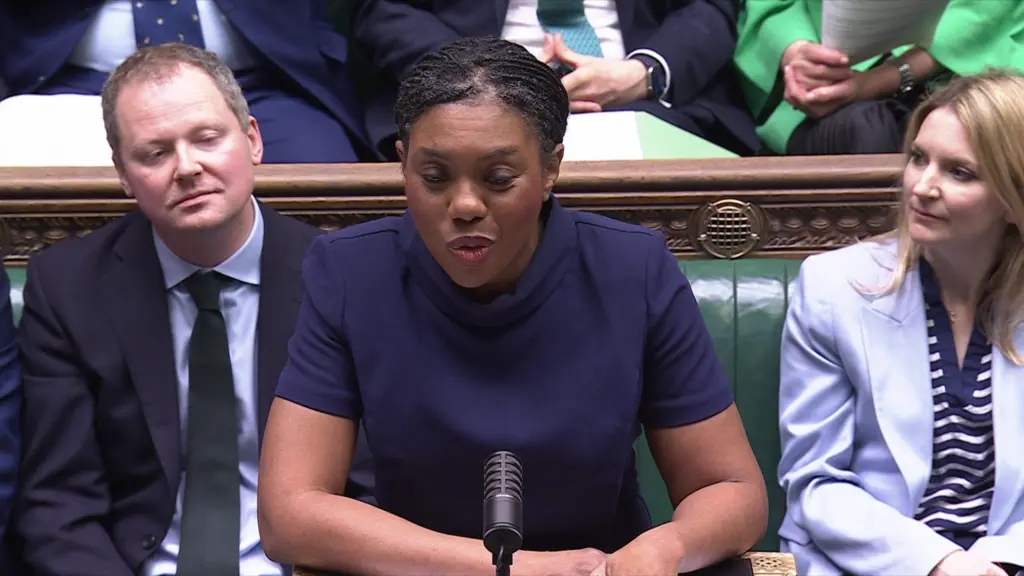
The post PMQs: Badenoch grills Starmer over fuel duty rise appeared first on Conservative Home.

CAGE has expressed deep alarm at reports that Jack Letts has been renditioned from detention in northern Syria to Al Karkh prison (formerly Camp Cropper) in Iraq where he may face the death penalty.
These reports have not yet had official confirmation. But the likelihood is that he, along with others held in the region, has been kidnapped and moved to Iraq. And it raises serious alarm about the complicity of western nations in serving their citizens up for torture, and possibly death sentences.
Iraq is also one of the world’s leading executioners, and individuals transferred there face the very real risk of severe human rights violations, including the death penalty after trials that fall far short of international legal standards.
For years, hundreds of foreign nationals, including those with UK links, have been held in conditions of indefinite detention without due process. Abuse, violence and deaths in these facilities have been widely documented.
As a young vulnerable man, Letts travelled to territory controlled by ISIS. Following the collapse of ISIS, he was detained alongside hundreds of others and taken to US funded, Kurdish-run prison camps in northern Syria.
The UK government chose to strip Jack of his citizenship, knowing full well that this could lead to him facing torture and a death sentence without due process.
The UK cannot wash its hands and use citizenship deprivation, a legal instrument that relegates Muslims and those of overseas ancestry as second class citizens, to facilitate the extrajudicial detention and murder of its own nationals
Western governments supported an illegal war and now must begin with the repatriation of foreign nationals and securing guarantees of due process for all who remain.
Anas Mustapha, head of public advocacy at CAGE International, said:
No parent should have to endure the agony of knowing their child is trapped in a prison system where they face torture and potential death. The ongoing suffering of families like the Letts highlights the urgent need for Western governments to repatriate their citizens and contribute to ending this crisis which they’ve contributed to.
Featured image via CAGE
John Wall is a retired engineer and former Conservative county councillor in Hampshire.
According to Churchill: “Those that fail to learn from history are doomed to repeat it.” Although Marx’s, “history repeats itself, first as tragedy, second as farce,” might be more appropriate!
Consider the duration of governments we’ve had.
1945-1951: 6 (5+1) years Labour
1951-1964: 13 (4+4+5) years Conservative
1964-1979: 15 years Labour (2+4) + Conservative (4) + Labour (5)
1979-1997: 18 (4+4+5+5) years Conservative (13+5)
1997-2010: 13 (4+4+5) years Labour
2010-2024: 14 (5+2+2+5) years Conservative (including coalition with the LDs)
With a few exceptions this is essentially a series of three-term governments (2010-24 had two short terms), and these ended for multiple reasons.
“Events, dear boy, events!”
Shocks to the system, sometimes self-inflicted, can change the course of history.
The 1956 Suez Crisis finished Eden and he resigned citing ill-health. Wilson was expected to win in 1970 but, amongst other things, had a legacy from the 1967 devaluation and his poorly judged “pound in your pocket” speech.
The exception is the 1982 Falklands War. Failure would have probably finished Thatcher, but it’s one of her greatest legacies.
In 1992 Major was barely back in Downing Street when Black Wednesday, an inherited ticking time bomb, holed his government below the waterline. The 2008 Financial Crisis happened on Brown’s watch and the Conservatives successfully blamed him.
In early 2020 Johnson had the largest Conservative majority since the 1980s, Labour was undergoing a leadership contest and needed de-Corbynising, and then Covid struck. Without this there wouldn’t have been Partygate. The messy and introverted 2022 Johnson-Truss-Sunak succession bequeathed Sunak a poisoned chalice.
“Something will turn up” but things can only get worse
The final term tends to be five years as PMs become Mr Micawber. Attlee’s 1950 majority of five meant he went in 1951. 1959-64 isn’t a great example as Macmillan was replaced by Douglas-Home in 1963 due to ill health. Callaghan hung on, some suggest he might have won in Autumn 1978, until losing a vote of confidence, and an election, in 1979.
The real exception is Major in 1992 who had a year and a half to steady things, make a start on replacing the Community Charge and get on his soapbox.
After becoming Labour leader Blair increasingly set the agenda and Major forcing a leadership contest in 1995 made no difference. Had he then called an election and Sunak similarly after succeeding Truss they would have almost certainly lost, but probably by smaller margins.
Brown should have probably emulated Eden and called an election on succeeding Blair in 2007. He didn’t know the Financial Crisis was coming but a victory may have finished the relatively new Cameron and caused another Conservative leadership contest. He hung on and lost in 2010.
Sunak went slightly earlier than necessary in 2024 but was still wiped out.
“Changing the guard”
Can a new Captain steer the ship of state away from the rocks or is it rearranging the deckchairs on the Titanic?
In 1957 Macmillan’s survival was uncertain, but Labour was associated with union militancy and divided between the Gaitskellites and Bevanites. He secured a majority of 100 in 1959. Douglas-Home replaced Macmillan in 1963 and lost by only four seats in 1964. He possibly did better than Macmillan, damaged by scandals like Profumo and increasingly considered out of touch, might have managed.
Major replaced Thatcher in 1990 and unexpectedly won in 1992. The Conservatives received just 8.8 percent of the vote in the May 2019 European elections, Johnson succeeded May and less than six months later secured a majority of eighty.
Johnson resigned on 7 July but Truss wasn’t installed until 5 September 2022. She resigned on 20 October and Sunak was installed on 25 October, Sunak directly following Johnson may have been more successful.
In a quieter 2019 the Conservatives took two months to replace May in 2022 we were coming out of Covid and inflation was rising, they fiddled while Britain burned.
Not every change of PM is because their administration is in trouble as Eden (1955, won in 1955), Callaghan (1976, hung on and lost in 1979), Brown (2007, hit by the financial crisis and lost in 2010), and May (2016, won in 2017) show.
“The lessons of history”
In a volatile world three terms (12 to 15 years) looks like the limit, and it’s unlikely anyone will equal Thatcher or Blair.
- A significant “event” will probably finish a PM.
- Mr Micawber rarely delivers. When a government is turned off the longer it hangs on the worse the defeat will probably be.
- Changing an unpopular PM has some chance of success, if done quickly and with the right result.
Starmer’s government is extremely unpopular suggesting a 2029 election. We shall have to see how the Iran War or May elections plays for him. Replacing him could be worthwhile, but if his successor hangs on until 2029 they’ll have to achieve something only Attlee, just, and Major managed.
A new PM might provide political acumen but Labour want to throw money at the public sector like Blair, who inherited growth, and now the pips are squeaking. They’re spending £820m to provide work for 18-21 year olds, many made unemployable by their policies!
The priorities should be promoting private sector wealth creation to fund the public sector, controlling spending and stopping the small boats, but would their party support it?
There is still much speculation about Starmer’s future but it’s unlikely Mr Micawber will retire.

The first batch of documents related to Peter Mandelson’s appointment as the UK’s ambassador to the US has been released by the government.
The highly-anticipated drop is one of at least two volumes expected to cause major embarrassment for ministers. Here’s what you need to know.
Why Is This A Big Deal?
The former Labour peer was sacked from his position in September after the depth of his friendship with the late convicted sex offender Jeffrey Epstein was revealed.
Further details about their extensive relationship emerged in the US Department of Justice’s Epstein files in late January, including suggestions that Mandelson passed sensitive information to the disgraced financier when in cabinet.
The former minister has denied any allegations of wrongdoing, including misconduct in public office.
The saga has raised questions about how much the government knew prior to appointing Mandelson to the plum job and how thorough the vetting process was.
While Starmer insisted Mandelson “lied” to him about his Epstein friendship, ministers have since been forced by the Conservatives to release their internal documents related to his appointment.
But some of the requested information has been held back to avoid prejudicing the ongoing police investigation into Mandelson over misconduct in public office.
Other files are still being reviewed by the Cabinet Office because the government wants to redact them for national security or diplomatic reasons.
A separate committee of MPs then gets to decide which redactions to honour.
Here’s what we know after the first tranche of information dropped…
What The First Batch Of Documents Revealed
1. Mandelson Received £75,000 Payout
Mandelson received a hefty severance payment of £75,000 when he was sacked last autumn.
The documents show the Foreign Office came to that number by combining £40,330 “in lieu of three months’ notice plus a termination payment of £34,670”.
The US ambassador role typically has a baseline salary of £152,000, but he received £157,000 per annum. He then had a further bump, taking his pay to £161,318 per year.
2. Mandelson Asked For More Than £500,000 As A Pay-Off
He initially requested a sum more than six times the final amount granted to him.
An email exchange shows Mandelson began payout negotiations by asking for the Foreign Office to pay out his four-year contract – which would have been a sum over £500,000.
“The government found that to be inappropriate and unacceptable,” chief secretary to the prime minister Darren Jones told MPs today. “The sum that was agreed was to avoid a drawn-out process at an employment tribunal.”
3. Due Diligence Did Flag The Epstein Friendship
Official advice sent to the prime minister from December 2024 warns of the “general reputational risk” that comes with Mandelson.
The document pointed to a 2019 report which showed Epstein appeared to “maintain a particularly close relationship” with Mandelson after the financier spent time behind bars.
The advice noted that they remained in contact from 2002 and throughout the 2000s. Epstein was convicted of procuring an underage girl in 2008, but he maintained a friendship with Mandelson “across 2009-2011”.
It also pointed out that friendship began when Mandelson was business minister and continued “after the end of the Labour government”.
It notes Mandelson agreed to be a “founding citizen” of an ocean conservation group funded by Epstein and founded by his associate Ghislaine Maxwell in 2014.
The advice notes that these links to Epstein were widely reported in January 2024, too.
4. Mandelson Once Suggested Introducing Blair To Epstein
The documents include an email from May 2002 between then-MP Mandelson and Tony Blair’s chief of staff Jonathan Powell.
Mandelson suggests introducing the prime minister to Epstein – whom he described as a “young and vibrant” entrepreneur and “friend of mine”.
“He is safe (whatever that means),” Mandelson wrote. “And [Bill] Clinton is doing a lot of travelling with him.”
It is not clear when this meeting took place.
5. Mandelson Proposed Starmer Use Farage To Connect With Trump
Mandelson said the prime minister could use the MP for Clacton to “better UK connections with the Trump administration”.
A due diligence checklist sent to Starmer in December 2024 noted that Mandelson “has suggested using Nigel Farage”.
It adds: “Mandelson quoted saying of Farage, contrary to UKG (UK government) policy: ’You can’t ignore him, he’s an elected member of parliament. He’s a public figure. He’s a bridgehead, both to President Trump and to Elon Musk and others…
″‘National interest is served in all sorts of weird and wonderful ways.’”
6. National Security Adviser Said The Mandelson Appointment Was ‘Rushed’
The documents show the summary of a call between the general counsel to the prime minster, Mike Ostheimer and Jonathan Powell, the national security adviser in September.
Speaking after the ambassador had already been sacked, Powell said the appointment process “unusual of Lord Mandelson” was “weirdly rushed”.
Powell also raised concerns “about the individual and reputation to Morgan McSweeney”, Starmer’s then-chief of staff who was known to have a close relationship with Mandelson.
McSweeney supposedly said these issues “had been addressed”.
McSweeney has since stepped down from his post.
7. Mandelson Expected To Be Treated With ‘Maximum Dignity’
In an email to the Foreign Office organising his return to the UK after he was sacked, Mandelson demanded to be treated well.
He said: “My chief concern is leaving the US and arriving in the UK with the maximum dignity and minimum media intrusion which I think is to the advantage of all concerned, not least because I remain a crown/civil servant and expect to be treated as such. How is the FCDO assisting in this ?”
8. No.10 Suggested A Daily Welfare Check On Mandelson
Officials in No.10 proposed carrying out a “welfare check” on the ex-ambassador in early February, shortly after the US Department of Justice released all of its own documents around Epstein.


March 2025, Sudan: mother and child on a paediatric ward, White Nile State | Image by: Xinhua / Alamy

4 min read
Progress made across education, maternal and child health, and access to safe water and sanitation, shows what happens when ambition meets action
In 2015, the world came together with a bold ambition – to form a global partnership to tackle global poverty and inequality, combat climate change and protect our planet.
The result was the UN Sustainable Development Goals (SDGs): a call to action, in the form of 17 promises that provide the world with a roadmap to build a healthier, safer and more equal world by 2030.
Ten years on, however, progress towards achieving the SDGs is alarmingly off-track. Despite headway across many indicators, the world’s attention has waned over time, and the goals are at risk of becoming a cursory afterthought.
The goals reinforce the fundamental belief that everyone, no matter where they are born, is entitled to a life free from poverty and persecution. They represent a promise to the next generation: that the international community, including the private sector, is taking action to fix the challenges of climate change, conflict and inequality.
Progress made across education, maternal and child health, and access to safe water and sanitation, shows what happens when ambition meets action. Over 100 million more children are in school, and 16 per cent more children are surviving past the age of five than in 2015. New infections of HIV and malaria have plummeted as health systems have been strengthened. These gains were possible because funding and investment flowed, innovation scaled, and public and private institutions decided that ‘doing good’ and ‘doing well’ could go hand in hand.
However, amid increasing global challenges, this progress is under threat. The level of conflict has risen to its highest level since the end of the Second World War, with 59 active conflicts raging in over 35 countries. There are more people forcibly displaced than at any point since records began, and inequality is deepening worldwide.
Global challenges not only obstruct progress towards achieving the SDGs: they also act as brakes on economic growth and stability
In the face of these crises, the world has turned its back on its most marginalised communities. Historic partners in the fight against poverty and inequality, including the UK, have cut their Official Development Assistance budgets and retreated from international commitments – leaving more people in conflict zones without access to food and water, fewer reproductive health services available to women and girls, and defences against disease and climate change weakened.
The UN warns that the current pace of change is not enough to achieve the goals by the target, less than five years away. Nearly half of indicators are moving too slowly or making only marginal progress, while 18 per cent have regressed below 2015 levels.
These global challenges not only obstruct progress towards achieving the SDGs: they also act as brakes on economic growth and stability. Conflict, displacement and climate instability cause supply chains to fracture, food systems to crumble, and economies to shrink: damaging commercial interests while hindering progress towards a safer, healthier and more equal world for all.
To drive progress towards the SDGs and tackle the world’s challenges, our solutions must also be global – and rely on strong leadership, adequate funding and genuine cooperation to succeed. Governments must step up to fund humanitarian and development assistance and commit to ambitious reform of global economic systems. Businesses must channel investment and innovation to fuel sustainable growth, redress the impacts of climate change and facilitate development that uplifts the world’s most marginalised communities.
The past decade has shown that progress is possible when the world works together. A sustainable, resilient future is within reach, but the next five years will be decisive. Governments, donors and businesses must step up and deliver on the Sustainable Development Goals together. There are no opportunities, business or otherwise, on a dead planet.
Tracy Gilbert is Labour MP for Edinburgh North and Leith and co-chair of the United Nations Global Goals APPG
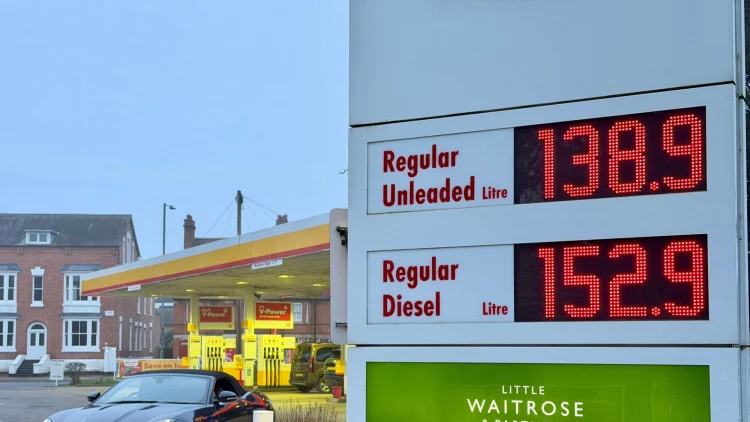
Prices at the pump in the UK have already started to rise following the US-Israeli attacks on Iran. (Alamy)

5 min read
The conflict in Iran has triggered concern about an energy bill shock in the UK. How likely is a spike in prices? And what could the government do to mitigate it?
On Monday, US President Donald Trump claimed that the US and Israeli war with Iran was “very complete, pretty much”. Speaking to CBS News, he said: “They[Iran] have no navy, no communications, they’ve got no air force.”
His comments came amid growing warnings, both in the US and around the world, about the impact the conflict was having on global energy prices.
Despite Trump’s claim, the conflict in the Middle East remains ongoing.
Keir Starmer has warned that the UK market is exposed to international shocks, as it was at the onset of Russia’s invasion of Ukraine. Speaking earlier this week, the Prime Minister said, “the longer this [conflict] goes on, the more likely the potential for an impact on our economy, impact into the lives and households of everybody and every business”.
Why is the Iran war impacting energy prices?
Both Iran and Oman control the Strait of Hormuz, a vital shipping lane responsible for around a fifth, or 20 per cent, of the world’s oil supply. A significant amount of the world’s gas supply also passes through the Strait.
Traffic in this crucial shipping lane has fallen sharply since the US and Israel started bombing Iran, with Tehran threatening to attack ships trying to pass through it.
Iran has also conducted strikes on other oil-rich countries in the region it views as allies of the US, including Saudi Arabia and the United Arab Emirates (UAE).
Disruption to these key sources of energy means international prices rise, resulting in reliant countries, which include the UK, having to pay more.
How has it impacted the UK so far?
Oil prices soared to almost $120 USD a barrel at the start of the week, the highest level since Vladimir Putin launched his attack on Ukraine in 2022.
They have since dropped to around $90 USD a barrel, but prices remain high and are expected to be volatile.
In the UK, household energy bills are protected by the Ofgem cap until the end of June, meaning people will not see a change to what they pay for energy in their homes in the short-term. However, if global prices remain high, then the cap could rise from July.
There has been an immediate impact on motorists, though. On Monday, RAC reported that the average diesel price had increased by 9.43p to 151.81p a litre as a result of the conflict in the Middle East, with average petrol prices rising by 4.95p to 137.78p a litre.
Could this be as severe as the Ukraine/Russia spike?
Adam Berman, director of policy at Energy UK, told PoliticsHome that while it “too early to tell” what long-term impact the Iran war will have on energy prices, it is currently “nowhere near the peaks of the energy crisis” triggered by Russia’s invasion of Ukraine.
“That was a different order of magnitude to where we are today, and the [Iran war] crisis would have to carry on for a very sustained period, or perhaps even worse, for that to happen,” said Berman.
“I do think that it’s worth us recognising that we have a long way to go until we are in a similar situation.”
Adam Bell, former government energy adviser and director of policy at Stonehaven Consultancy, agreed that while the country should expect “an uncomfortable bump”, there is currently no reason to believe it will be as bad as the shock resulting from the war in Ukraine.
“We can assume that it will be unpleasant for a while. It might interact with the government’s plans to raise fuel duty, depending on how long it goes on,” said Bell.
“But I find it hard to see it enduring all the way up to September.”
Simon Francis, co-ordinator at the End Fuel Poverty coalition, sought to stress that there is immediate concern for 1.5m UK households that use oil to heat their homes, and which “will have seen energy prices kind of going up pretty much overnight”.
“We’ve had people get in touch with us saying they’ve seen 50 per cent increases… Those households are already struggling.”
He predicted that energy bills “are going to go up fairly significantly” from July once the current price cap expires, and said that ministers must use the time between now and then to work out what their response will be to protect people from higher bills.
What has the government said?
The government argues that the best way to avoid a shock to UK energy prices is to help bring about de-escalation in the Middle East.
However, on Wednesday, Chancellor Rachel Reeves acknowledged that the government may have to step in to protect energy bills, telling the Treasury select committee that “nothing is off the table”.
‘We are looking at a whole range of different scenarios,” she told MPs.
“One reason why any future package, if it were necessary, would be more affordable is that we are now less reliant on international energy price movements than we were before Russia invaded Ukraine, because we have invested more in homegrown, renewable energy.”
She added: “We are looking at targeted support as well as broader measures, but it is just too early to say what is needed.”
In Prime Minister’s Questions today, Starmer suggested that the planned rise in fuel duty in September may not go ahead, saying: “We will keep the situation under review in light of what’s happening in Iran.”
The UK has joined other countries in releasing 400m barrels of oil to the international market as part of a collective bid to boost supply and keep prices down.
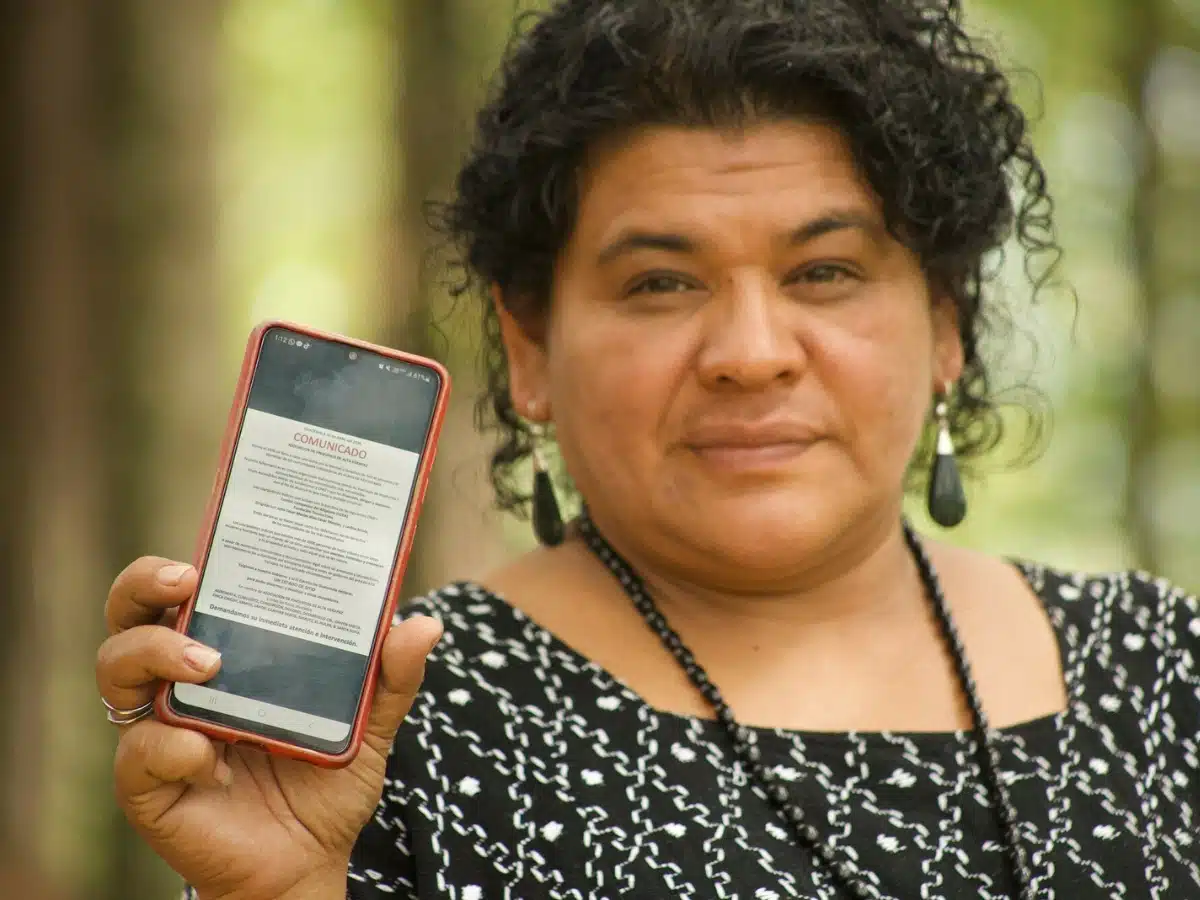
Networks of powerful elites in Guatemala are using social media platforms to orchestrate coordinated online smear campaigns. These are targeting anti-corruption activists, environmental defenders and Indigenous leaders, Global Witness today reveals.
A new report by the investigative organisation details how popular social media platforms including X, Facebook and TikTok are being flooded with thousands of abusive, hateful, defamatory and misleading posts targeting activists and Indigenous leaders in the country.
The report draws on interviews with Mayan leaders, including some who are in prison or exile. It examines how these smear campaigns lay the groundwork for spurious criminal charges that threaten victims with decades in jail.
Driving digital repression
The investigation maps the powerful networks of political and economic interests behind many of the attacks. Campaigners say the attacks are helping to silence dissent and undermine Guatemala’s fragile democracy.
Corrupt networks, particularly within Guatemala’s justice system, have spent years working to erode democratic institutions and repress legitimate opposition in the Central American country.
The report uncovers how these same forces are now mobilising fake news sites and anonymous online accounts. They’re spreading disinformation that defames their political and ideological opponents and threatens them with criminal charges.
Campaigners say these online attacks are not isolated or spontaneous. Rather, they form part of a wider strategy to discredit dissent, intimidate communities, criminalise activists and protect entrenched power.
Global Witness senior policy advisor Javier Garate said:
What we are seeing in Guatemala is not random online abuse; it’s a coordinated strategy to silence those that threaten powerful interests.
These online abuse campaigns weaponise disinformation to destroy reputations, intimidate communities and clear the way for extractive violence. Far too often we see online smears of this kind preceding physical attacks, including lethal violence.
Guatemala shows us how failures in platform governance by companies such as Meta, X and TikTok have devastating consequences for communities and individuals around the world, as well as the rights and land they seek to defend.
Smear campaigns intensify
This surge in digital harassment is unfolding amid Guatemala’s fragile political landscape. This suffers from entrenched corruption, close links between political elites and organised crime. And there’s been a prolonged struggle to shed the legacy of military dictatorship and chronic impunity.
Anti-corruption candidate Bernardo Arévalo secured a surprise victory in the 2023 election. But state prosecutors refused to recognise the outcome, orchestrating efforts to overturn the result. Observers described the events as an “attempted coup”, which failed following massive Indigenous-led protests and international pressure.
The same forces behind the attempted coup now appear to be punishing protesters who defended the legitimacy of the election. And they’re driving coordinated smear campaigns against those who demonstrated to protect the democratic vote.
The report shows that Indigenous leaders and land activists asserting legitimate territorial and land rights are also frequent targets of these campaigns. Smear campaigns frequently frame Indigenous or land activism as criminal, extremist or foreign-influenced. This is reinforcing long-standing patterns of discrimination and repression against Mayan communities in Guatemala.
Global Witness warns that the aim of such attacks is to isolate defenders from their communities, pave the way for criminalisation, and delegitimise Indigenous claims to land and rights. Last year, key leaders of the pro-democracy movement that surged after the 2023 elections were arrested and could face decades in jail.
Social media enabling abuse
The report highlights how weak regulation and enforcement by global social media companies is enabling these smear campaigns.
Most attacks documented in the report occurred after companies such as Meta and X rolled back key fact-checking and safety measures. Those decisions faced wide criticism for exacerbating disinformation and human rights harms.
Global Witness argues these social media companies are failing to enforce their own rules prohibiting harassment, hate speech and incitement to violence.
The report underscores how the criminalisation of land and environmental defenders increasingly begins online, where coordinated harassment and disinformation sets the stage for more traditional forms of repression.
Garate added:
We tend to think of criminalisation as something decided by a politician or judge. But increasingly, the social and ideological groundwork is laid online, on the very platforms we use every day.
These tactics weaponise stigma, fear and social isolation to strip defenders of their legitimacy, eroding their reputations with the public and within their own communities.
When these narratives take hold in digital spaces, defenders can lose long before they see a courtroom.
What is happening to defenders in Guatemala is a profound threat to democracy and human rights – and an indictment on Big Tech’s failure to act.
Global Witness says social media companies must be accountable for their failure to enforce their own anti-harassment policies.
Stronger platform governance, combined with broader accountability measures, is essential to weakening the grip of corrupt actors over Guatemala’s justice system and creating safer conditions for defenders of democracy, the environment, and human rights to carry out their vital work.
Featured image via Rafael Gonzalez / Global Witness

Joël Reland considers why the UK government’s announcement of the EU legislation ‘in scope’ for the UK-EU ‘SPS’ deal is significant, both for UK businesses and politically.
This week the government published a list of EU legislation ‘in scope’ for the UK-EU ‘SPS’ deal. Translated into normal English, that is the list of EU laws which the UK will have to adopt in order to cut red tape on trade in animal and plant goods.
What have we learnt from this announcement? On a technical level, we now know that there are at least 76 pieces of EU legislation with which the UK will align, covering areas ranging from animal health, welfare and hygiene to food marketing rules and additive and pesticide restrictions.
But, stepping back from the legal minutiae, the statement sends an interesting political signal about just how keen the UK government is to get the SPS deal done. Two aspects in particular stand out.
First, there is the unfussy manner in which the government accepts the need for alignment. Most UK announcements about any form of closer cooperation with the EU are couched in obfuscatory language about ‘sovereign decisions’, value for money, and keeping matters under review. It often takes a deep dive into the supplementary annexes to properly understand what is going on.
Not so here. The press release essentially says: we want to cut red tape for importers and exporters; here are the EU rules that we need to align with to do that. The two sides continue to negotiate on a few limited cases where the UK may be exempted from alignment (namely some rules on genetic editing and animal welfare) – but the vast bulk of relevant EU law will be accepted without further scruples.
Second, the statement is clearly designed to get firms started on the process of adaptation. Normally, businesses would only learn of the outcome of a negotiation once the final, agreed text is published. This announcement is in effect a way of giving them advance sight of the deal – including guidance on what specific sectors need to do – so they can begin preparations for the new regime while the final details are haggled over.
There seems to be a concerted effort to avoid the errors of Brexit past, where the implementation of various new regimes was hampered by a lack of clear messaging about the way ahead and, therefore, a lack of preparedness on the business side.
This uncharacteristic assertiveness from a regime renowned for its caution tells us of the growing importance which EU policy plays in the government’s wider economic agenda. Last month, the Chancellor publicly stated her desire to make a “political argument” about the economic benefits of a closer EU relationship – making the implications of the ‘EU reset’ policy more explicit. Her argument – that “economic gravity is reality, and almost half of our trade is the EU” making better EU trade the “biggest prize” for the economy – is not something you would have heard a year ago.
But the government needs evidence to make that case, and this is why the SPS deal seems so prized. There is a tangible, everyday quality to the agreement which other deals on carbon pricing and electricity price auctions do not have, allowing the government to tell a clear story about how closer ties to Brussels can bring economic benefits at home – in terms of lower food prices for consumers and export opportunities for British fishers, farmers and small businesses.
It is telling that it the SPS deal is the only bit of business emanating from last year’s UK-EU summit for which the government has set a clear target date (2027). Whether it can deliver the anticipated economic and political rewards, however, is far from certain.
After all, just because government starts telling business to get ready doesn’t mean the deal is in fact done. Some important details are still subject to negotiation, and a best-case scenario would probably see the text agreed this summer. But, even then, the UK still needs to go through the process of adopting the necessary EU legislation – the parliamentary mechanics of which take time, especially if MPs seek close scrutiny of the process.
Then there is the question of business adaptation, with farming industry groups already arguing that a transition period may be necessary given the scale of divergence in UK-EU rules in areas like pesticides. The government says that most sectors should experience ‘minor or minimal’ change, but it will consider ‘targeted transitional arrangements’ for the most-affected – potentially adding many months before the deal is operating at full capacity.
An optimistic reading is that the agreement could come into full force 18-24 months before the next general election (if it takes place at the latest possible date of mid-2029). Is that enough time for voters to feel the benefits? Unlikely, given that the overall economic gains from the deal appear quite marginal, and any savings for consumers are likely to come in the form of lower food price inflation (rather than costs coming down) which will probably be blown out of the water by a spike in energy costs anyway.
The government is to be credited for being clear with industry about the way ahead on the SPS deal. Early and consistent messaging will be essential for a speedy adaptation process. But for it to win the “political” argument about the benefits of closer EU ties, it will probably need to set its ambitions a lot higher.
By Joël Reland, Senior Researcher, UK in a Changing Europe.

A drone strike has hit a Sudan school and medical center, killing 17, mostly schoolgirls

Target cuts prices on 3,000+ items amid inflation concerns

Ethereum Whales Boost XAUT Holdings as Supply Hits 712K


-
Business5 days ago
Form 8K Entergy Mississippi LLC For: 6 March
-

 Tech6 days ago
Bitwarden adds support for passkey login on Windows 11
-

 News Videos2 days ago
10th Algebra | Financial Planning | Question Bank Solution | Board Exam 2026
-

 Fashion5 days ago
Weekend Open Thread: Ann Taylor
-

 Crypto World2 days ago
Paradigm, a16z, Winklevoss Capital, Balaji Srinivasan among investors in ZODL
-
 Tech9 hours ago
A 1,300-Pound NASA Spacecraft To Re-Enter Earth’s Atmosphere
-
 Sports6 days ago
499 runs and 34 sixes later, India beat England to enter T20 World Cup final | Cricket News
-

 Politics5 days ago
Top Mamdani aide takes progressive project to the UK
-

 Sports4 days ago
Three share 2-shot lead entering final round in Hong Kong
-

 Sports3 days ago
Braveheart Lakshya downs Lai in epic battle to enter All England Open final | Other Sports News
-

 Business1 day ago
ExxonMobil seeks to move corporate registration from New Jersey to Texas
-

 Entertainment5 days ago
Hailey Bieber Poses For Sexy Selfies In New Luscious Lip Thirst Traps
-

 NewsBeat6 days ago
Piccadilly Circus just unveiled ‘London’s newest tourist attraction’ and it only costs 80p to enter
-

 Business3 days ago
Search for Nancy Guthrie Enters 37th Day as FBI Probes Wi-Fi Jammer Theory
-

 Business9 hours ago
Search Enters Sixth Week With New Leads in Tucson Abduction Case
-
 NewsBeat2 days ago
Pagazzi Lighting enters administration as 70 jobs lost and 11 stores close across Scotland
-

 Tech2 days ago
Despite challenges, Ireland sixth in EU for board gender diversity
-
Entertainment7 days ago
Harry Styles Has ‘Struggled’ to Discuss Liam Payne’s Death
-
 Crypto World7 days ago
New Crypto Mutuum Finance (MUTM) Reports V1 Protocol Progress as Roadmap Enters Phase 3
-

 Tech6 days ago
ACIP To Discuss COVID ‘Vaccine Injuries’ Next Month, Despite That Not Being In Its Purview