Politics
The House Opinion Article | Clean water must be protected from aid cuts


4 min read
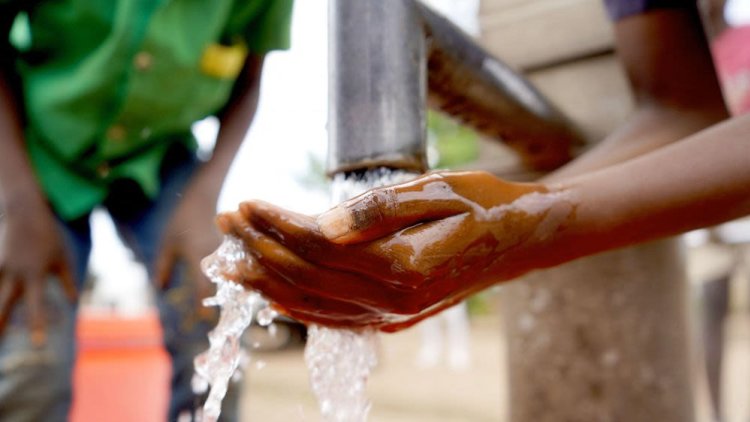
A mother gives birth in a health centre without clean water, decent toilets and good hygiene every two seconds. The government must bear this in mind before going ahead with planned cuts to aid spending.
For the first time since the UK government announced its drastic aid cuts – the steepest of any G7 country – we’ve heard how it plans to spend what’s left of the overseas aid budget. Amid sweeping changes, we’re hearing that the flagship global health and water programme, WASH FOR Health (HS4H), has been axed, cancelling work across multiple countries with only 3 months’ notice.
Last week, I had the privilege of being elected as the new Chair of the All-Party Parliamentary Group on Water, Sanitation and Hygiene in parliament. Water runs through every priority area in international development, from prioritising women and girls, to building resilience to the climate crisis, and reducing the spread of deadly diseases, yet we’re seeing critical programmes like WASH4Health being cut.
This sidelines one of the public’s top issues, with new polling showing that clean water tops the public’s priority for UK aid spending for the third year in a row. In a new More in Common poll, almost half of respondents (48 per cent) say access to clean water and sanitation is the most important area for investment in foreign aid, with health the second most selected option (35 per cent). Regardless of voting preferences, of geography or gender, across different viewpoints and core beliefs, water comes out on top.
Furthermore, the data shows that the public believes clean water to be the area which receives the most money from UK aid spend, second only to disaster relief, when in reality it’s one of the lowest areas of spend. Funding for water, sanitation and hygiene (WASH) has been reduced by over 60 per cent since 2018. With nearly three-quarters of the public supporting increased investment into WASH in healthcare centres to support maternal and newborn health, cuts like WASH4Health clearly fly directly in the face of public support.
Looking at conflicts around the world, we’re increasingly seeing that water security is global security, elevating the risk of instability, the spread of diseases that don’t respect borders, and climate pressures that make us all more vulnerable, at home and abroad.
The sweep of global aid cuts calls for much sharper thinking on how to make the most of a scarce resource. If the UK wants to be an investor, it should be prioritising water – an overlooked tool that saves lives, creates long-term change and underpins global health, food, energy and national security.
And the public agrees. WASH is ranked as the best value for money intervention and the best way to build self-sufficiency in developing countries. If the government is serious about moving from paternalism to partnership, the answer is clear: change starts with water.
It’s not just about smart investment. It’s also about the lives of millions around the world.
Every two seconds, a mother gives birth in a health centre without clean water, decent toilets and good hygiene. That means wards or delivery rooms which are unclean, where midwives are unable to deliver babies with clean hands and new mothers are unable to clean themselves after giving birth. Over three-quarters of births in Sub-Saharan Africa take place in unsafe delivery rooms like this, contributing to 1 in 9 mothers developing sepsis each year.
WaterAid’s new Time to Deliver campaign joins the demands of women around the world, calling for every health centre to have clean water, decent toilets and good hygiene.
At the campaign launch in Parliament last week, I had the privilege of hearing from Patience Emmanuel, a former midwife now working as a WASH Manager for WaterAid Nigeria. When asked what having funding for water would mean for women giving birth in health centres right now, she became emotional. She told us that if governments took action this year, the difference that mothers would feel first is dignity. Their child would be born into a place that is safe.
It’s testimony like Patience’s that should be in the minds of decision makers at the moment. Water, sanitation and hygiene are simple, inexpensive tools that have the power to create long-term change for low- and middle-income countries, while transforming the lives of women and girls, protecting global health, and boosting economies.
Lee Pitcher is Labour MP for Doncaster East & the Isle of Axholme and Chair of the Water, Sanitation and Hygiene All-Party Parliamentary Group

You must be logged in to post a comment Login