Politics
The House | Our rural communities are being hollowed out by the existential threat of depopulation


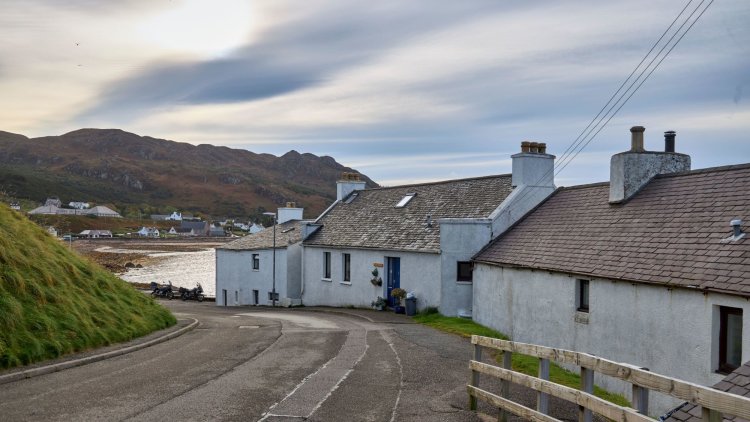
Gairloch looking toward Strath Bay, North-West Highlands of Scotland (Alamy)


4 min read
Britain, like every developed country, has a problem: an ageing population and declining birth rate.
My constituency of Inverness, Skye and West Ross-shire, is an extreme example of what is happening across our island.
In the Highlands and Islands, youth emigration and rural depopulation are nothing less than an existential threat. Every year there’s worse news about plummeting school rolls, struggling local services, and communities growing older and older. Between 2001 and 2024, the Highlands saw the population aged 75 and over increase by 78 per cent, placing a massive burden on struggling social care provision.
Meanwhile, schools like Mallaig High School have seen pupil numbers fall from 147 pupils in 2005 to just 100 today, a 32 per cent drop, and in Gairloch there’s been a 47 per cent decrease. Availability of Stem teachers is limited, and these subjects are what the better-paying employers want. The families are leaving, looking for higher-paid work and available housing, and our young people are unable to see a future locally.
I believe that rural communities are considered as an afterthought, not helped by the fact that decision makers – in my case, Highland Council, the Scottish government and the UK government – are concentrated in Inverness, Edinburgh and London, far removed from rural realities. Funding pots are focused on population centres. I recently spoke to communities who felt abandoned because decision makers at CalMac had decided from behind a desk 150 miles south that their ferry services weren’t important enough to be classed as “lifeline”.
The cost of living only deepens the challenge. In remote Scotland, a Scottish affairs committee inquiry found the cost of living was estimated to be up to 30 per cent higher than in urban areas. Fuel poverty affects around 33 per cent of households, one of the highest rates anywhere in the UK. Housing shortages make it even harder for young people and families to stay or settle. As a result of the lack of working-age people, employers across the Highlands cannot recruit for essential roles in care, hospitality and other sectors that underpin the west coast economy.
Immigration policy is also part of the problem. Controls set at Westminster fail to reflect the acute labour shortages facing rural communities. Areas that need workers, whether in social care, tourism or local services, are too often unable to get the people required to sustain them.
There are also the missed opportunities. The Highlands sits at the heart of the UK’s renewable energy potential, yet communities see little benefit in terms of local jobs or long-term economic gain. The SNP cut college provision and apprenticeship pathways by £100m, adding to the shortfall of education and training pathways that have would allowed local young people to enter these industries and stop the rural brain-drain.
This trajectory doesn’t have to be inevitable. The Faroe Islands, which I visited with the Scottish Affairs Committee recently, offers a powerful counter example. With a population of around 55,000, they have maintained a stable population by investing in connectivity and education, paying higher average wages, and ensuring that people have a reason to stay.
That contrast should prompt serious reflection. In the Highlands, the opposite is too often true. A lack of housing, shortage of NHS staff, unreliable ferry services, and inadequate infrastructure are all making it harder to live and work in these communities.
Demographic change on this scale cannot be ignored. Without action, we risk hollowing out communities that have existed for generations. But with the right policies – targeted investment in skills, better infrastructure, action on housing, and embracing a migrant policy where there are labour shortages – we can turn the tide before it’s too late.
Angus MacDonald is Liberal Democrat MP for Inverness, Skye and West Ross-shire

You must be logged in to post a comment Login