Politics
The House | Standards Committee proposals will see us backslide into political opacity


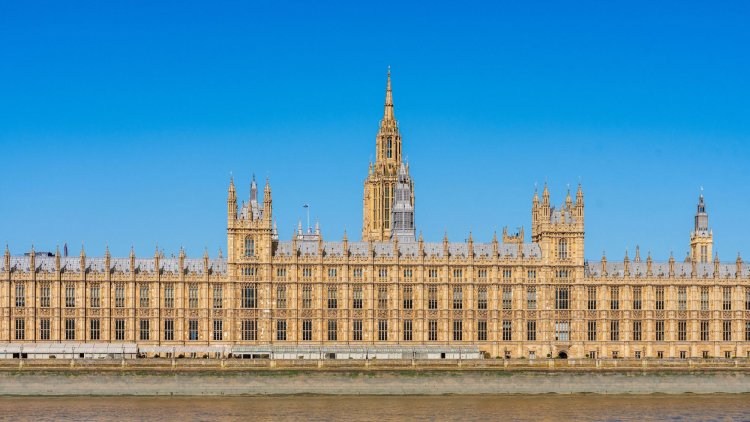
UK Parliament (Alamy)


3 min read
Each evening in the pandemic, millions watched the Downing Street briefings where ministers and scientists took questions, explained data and made the case for difficult decisions.
When the public needed it most, the government was visible and accountable. In return, the public was largely sympathetic and compliant.
We would later discover that key decisions were being made not in Cabinet or formal, minuted, meetings but in private chats that would be deleted in apparent defiance of preservation requests. When the Covid Inquiry pulled at those threads, a picture unravelled of a government that had mastered the performance of transparency while insulating actual decision-making from meaningful scrutiny.
Information – or lack of it – plays a significant role in shaping public trust. People want to know why decisions are being made. Too often we face an iceberg with some information voluntarily offered to the surface with the substance remaining hidden. Indeed, Westminster offers few statutory transparency requirements: the flawed 2014 Lobbying Act has damningly co-existed with some of the most significant lobbying scandals in a generation.
Labour came to power promising to clean up politics. There have been small positive steps, including creating the Ethics and Integrity Commission – albeit on a non-statutory basis – but most campaigners are underwhelmed by the gap between pre-election promises, including a long-overdue overhaul of our weak lobbying laws, and delivery.
So, it was somewhat surprising that the Committee on Standards recently published proposals that, in the words of the parliamentary commissioner for Standards, could serve to “reduce transparency and accountability”.
The committee’s report on the Register of Interests of Members’ Staff proposes to redact parliamentary staff names from the public register, removing around 2,000 individuals, including those seconded from outside organisations or employed by MPs’ families. A 2021 HuffPost analysis found nearly 90 MPs were employing family members at the time.
The committee argues that measures are needed to guarantee individuals’ safety, and nobody disputes this matters, but the register also exists for good reason. The identification of individuals alongside the Members they serve and interests they hold allows civil society, journalists and the public to scrutinise potential conflicts of interest.
Patterns of employment, repeated hospitality and broader networks of influence which have historically shaped political decision making away from public view can be traced. Removing the names removes this thread. There are sometimes concerns, legitimate and misplaced, that corporate interests, lobbying firms and think tanks attempt to exert influence by placing staff within MPs’ offices. These proposals will fan those flames by making identifying such arrangements virtually impossible. Instead, ironically, they may add further contempt towards parliamentarians.
There is also irony that the committee appeared to reach these conclusions based partly on written submissions that are not publicly available, undeclared meetings and no public consultation. A proposal reducing transparency was developed with a notable absence of it.
These proposals would also worsen our reputation internationally. Comparable legislatures all maintain registers that identify individual staff members routinely. The Chartered Institute of Public Relations’ No Rules Britannia? report demonstrates how the UK already scores poorly in international assessments of lobbying regulation.
The answer is not to remove names from view, but to find a proportionate solution addressing safety without sacrificing accountability. These proposals provide no accountability to those in office and entrench an exploitable gap in our ineffective lobbying framework. We risk going two steps back before making one stride forward.
If Parliament wants to increase public confidence, it must demonstrate the highest ethical standards. It cannot draw the curtain on those with whom it is seeking to build trust.
Alastair McCapra is CEO of the CIPR

You must be logged in to post a comment Login