Politics
The House | The devastating OfS ruling exposes our dysfunctional higher education sector


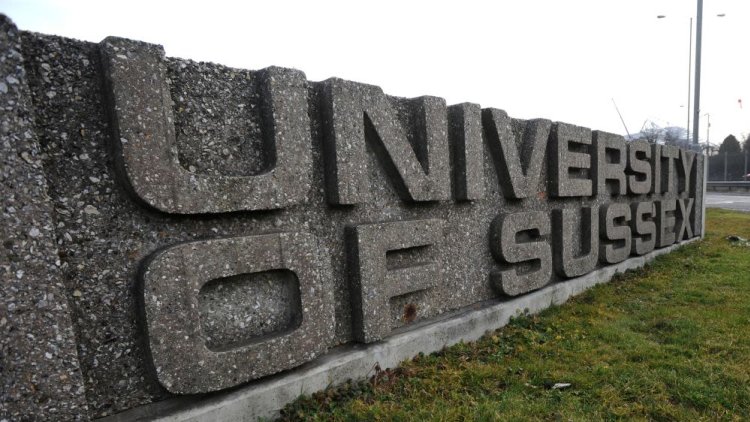
(Alamy)
3 min read
As a former executive director of the Office for Students (OfS), the regulator for higher education in England, it was hard to read the stinging judgement in a court case between it and one of the universities it oversees.
I was not involved in the investigation, but I know many of those who were are diligent public servants, charged with a fiendishly difficult brief.
That said, the judgement is devastating: the court found the OfS had misread, misunderstood, or just plain missed issues of legal meaning, fair process, and the need for unbiased judgement in an investigation around free speech at the University of Sussex. Hard work and good intentions will not help pay the significant legal costs that Sussex will likely be awarded by the court.
The court’s conclusion that OfS appeared to have predetermined the outcome of its investigation is particularly troubling. The regulator must surely make significant changes in response, with its focus on addressing problems not broadcasting them. Independent reports found that regulation of access and participation – which I led in my four years at OfS – was less confrontational but still rigorous. I hope it provides a useful template.
But this latest reckoning in higher education will not be the last, whatever the OfS does. Because the regulator’s woes are a symptom, not the cause, of wider dysfunction in English higher education.
In my new role as Director of The Post-18 Project think-tank, I recently published a report setting out how, for 30 years, English politicians have expected student choice and competition to make the higher education sector more efficient, better quality, and more closely tied to the labour market. The OfS was set up to be the referee in this marketised system.
But none of those goals has been consistently achieved – and the OfS has not properly worked – because higher education is not a market. The government controls how much students pay their university, which is a different amount from how much those students are expected to pay back, which is routinely more than they borrowed in the first place. Not only does the system fail to reward good teaching – its funding structure actively discourages it. No one knows what the proper limits of academic freedom are or ought to be, because Parliament ducked the question while legislating that more had to be done. Meanwhile, students are choosing between heating and eating as living costs outstrip the support available.
English politicians have made higher education systemically incoherent – none of the parts fit together properly, and while the OfS could clearly have made better choices, its powers and purpose have always been inadequate to the problems it faces. Only a comprehensive review of all post-18 education can remedy the parlous state we are in.
Professor John Blake is Director of The Post-18 Project, and was Director for Fair Access and Participation at the OfS from 2022 to 2025

You must be logged in to post a comment Login