Politics
The House | The Global Partnerships Conference is an opportunity to show what Labour stands for




5 min read
Amid the political upheaval of recent weeks, a post from a former colleague caught my eye.
Amid the political upheaval of recent weeks, a post from a former colleague caught my eye.
Alia Al Bwary, a nursery teacher, was killed in an airstrike in Lebanon along with her husband and three-year-old son. Her nine-year-old survived. The International Rescue Committee, the post said, had funded her work and were mourning the loss of a woman who loved her family and her community, and believed in the power of education to bring stability and hope.
This week, the government is hosting a Global Partnerships Conference in London. I fear it will pass unnoticed, a side show while the main event remains the future of our party and country.
But this is to miss an opportunity – for people like Alia, but also for us in the Labour Party.
In the local elections, voters told us repeatedly that they simply don’t know why we’re in government, what we stand for, who we stand with, and how we’ll make their lives better.
When it comes to Britain’s role in the world, voters see our determination to keep us secure in the world, for example by increasing defence spending and boosting homegrown energy production. This is a fundamental necessity of government. But is it enough?
A foreign policy agenda that drives both security and hope, even in this world in turmoil, could be exactly what is needed to answer voters’ doubts. Not a side show but the main event.
Why are we in government? Across the Labour Party we share a core belief that people – here and across the world – should be able to live together freely, in a spirit of solidarity, tolerance and respect. This belief is under global threat like no time in my life and we are here to fight for it.
What do we stand for? We don’t have to look far for clarity when it comes to foreign policy. It’s right there, in Clause IV of the Labour Party’s Constitution: “Labour is committed to the defence and security of the British people and to co-operating in… international bodies to secure peace, freedom, democracy, economic security and environmental protection for all.”
Who do we stand with? First and foremost, the people of Britain. But when we look internationally, that means three things. First, the global and regional institutions who share our beliefs and priorities. This includes re-embracing the European Union, deepening our defence and security collaboration but also re-building responsible, collective advancement of scientific research, artificial intelligence, the rights of women and girls and so much more.
Second, we stand with like-minded countries from Japan to South Africa, from Jordan to Indonesia, alongside longer standing and still valuable allies like the US, Canada and Australia. We won’t agree with them on everything, but where we do, we must act together.
And third we stand with people like Alia, who share our beliefs our values, and seek to realise people’s potential, alongside their community and their international partners.
How will it help make voters’ lives better? The people of our country – many of whom rejected us at the ballot box last week – rightly expect government to offer them security and hope. It’s been proven repeatedly, from Covid to the economic fallout of the Iran War, that Britain can’t do this in isolation. It is hard when the global order established in the wake of World War II is crumbling. But it can still be achieved through the right proactive, strategic alliances – just look at how we’ve led the Coalition of the Willing in Ukraine to deter Russian threats to our security.
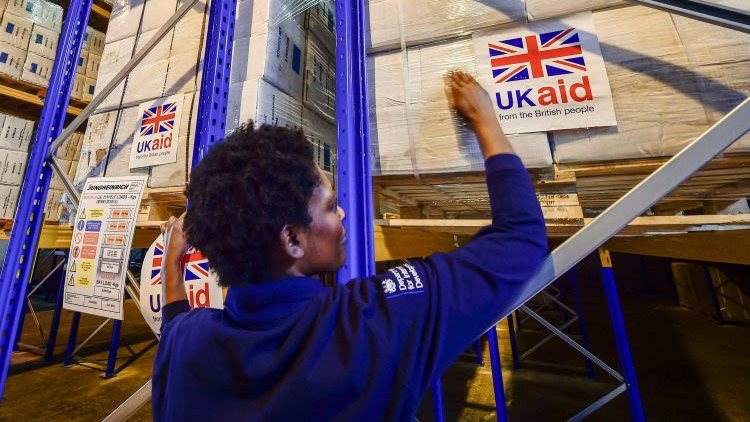
Going back to this week’s Global Partnerships Conference, let’s look briefly at what this means in practice in the sector I know best, which is humanitarian aid.
Why does it matter to government? Because humanitarian aid is a source of stability and a first line of defence. Just look at the work to stop Ebola reaching our shores from West Africa, or the support for Sudanese refugees in Chad, which has meant they can stay alive close to home without risking onward journeys. But also, what could be a more hopeful agenda, aligned with our core belief, than to save and strengthen lives when they’re at risk?
What do we stand for? The Labour Party came into government with a commitment to return aid spending 0.7 per cent of GNI as soon as fiscal circumstances allow. Instead, we’ve seen cuts. The fiscal constraints are real but that shouldn’t constrain our conviction, ambition or expertise. Yvette Cooper is determinedly working to reduce violence against women and girls, but we could stand proud for so much more, from reforming the institutions and frameworks that provide development and climate finance, to championing international humanitarian law.
Who do we stand with? Vital institutions like the UN Office for the Coordination of Humanitarian Affairs and the World Bank need our time and energy. From the Gulf to Brazil, we can find countries willing to partners in humanitarian delivery. And across the world, people like Alia need us to call out attacks on civilians and play our part in humanitarian response.
How will it help make voters’ lives better? Because it helps keep us secure in a world where problems cross borders, and because it’s the manifestation of the solidarity, tolerance and respect that we stand for as a party and that voters know is our country’s strength.
The stakes could not be higher: If Reform maintains this level of popularity, Nigel Farage is our next Prime Minister, and he’d scrap our remaining aid commitments almost entirely.
Security, stability, but also hope. Even in this troubled world we can strive for that, as Alia knew.

You must be logged in to post a comment Login