Politics
The House | Vaccinations save lives and money


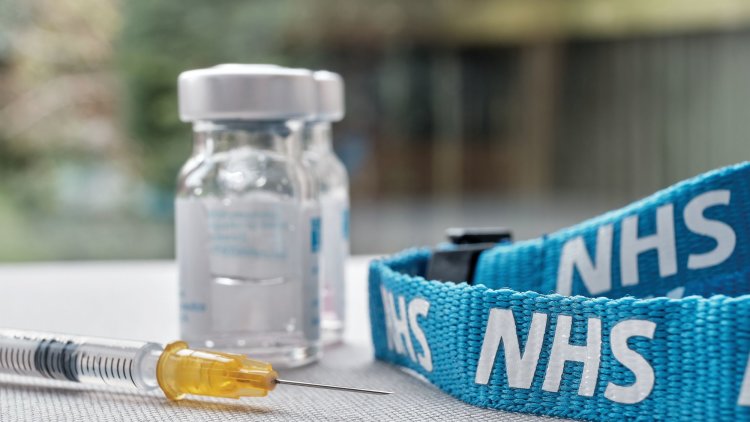
Alamy


4 min read
Immunisation rates keep falling – without targets and someone directly responsible – that trend looks set to continue
Strong political leadership and a sense of urgency are needed to reform the health service – on that, we can all agree. So, it has been disappointing to see those instincts lacking in the government’s approach to vaccinations, which are fundamental to protecting children from preventable diseases and hospitals from winter pressures.
In a recent evidence session, our committee examined why vaccination rates are so poor across all types and age groups. England’s immunisation coverage among over-65s has fallen every year since 2021/22, and is worse than in Wales, Scotland and Northern Ireland.
Could this decline have something to do with the government’s hands-off approach to vaccination policy, you might wonder? Indeed, last year it seemed to abandon the World Health Organization’s (WHO) guidance that 95 per cent of children should receive their full schedule of jabs.
There are no clear targets, no milestones, no single person to hold to account, and the system doesn’t have a clear idea of what success would look like.
As we questioned witnesses from the Department of Health and Social Care and NHS England, it became clear that while ostensibly there is a vaccination strategy, there are no clear targets, no milestones, no single person to hold to account, and the system doesn’t have a clear idea of what success would look like. The session left us unconvinced that there is a plan to get vaccine uptake back to where it should be.
Let’s not lose sight of why this matters. In 2024, the UK saw 11 deaths of children from whooping cough and another from measles. Last month, WHO revoked this country’s ‘measles elimination’ status. Children are dying or falling seriously ill due to preventable diseases. Failure to adequately prepare for winter by getting older or immunosuppressed people vaccinated has left hospitals and ambulance services exposed.
Fin McCaul of Community Pharmacy England described scenes of “chaos” due to poorly communicated changes to eligibility for Covid vaccines. And we heard that despite having an abundance of locations to get flu jabs, at pharmacies and GPs, booking systems allowed people who weren’t eligible to nab appointments that should have been available to others who were. Greg Fell of the Association of Public Health Directors told us misinformation and hesitancy are a problem, but nowhere near as important as access and effective comms. On childhood immunisations, he said it’s too easy for parents to miss a letter or “one of thousands of texts” from their school.
Our committee’s most recent report, The First 1,000 Days, concluded that a hollowing out of the health visitor workforce over 10 years has meant fewer contacts between parents and professionals who can provide advice and encouragement to get infants vaccinated.
One of our witnesses, who leads on immunisations on the Integrated Care Board for Leicestershire and Rutland, said the government should invest new, ring-fenced funding every year for five years. It was also conceded by the department that no cost-benefit analysis has been carried out into the long-term collateral damage that poor vaccine coverage has on the health system through increased demand. The evidence suggests that cuts have been a false economy.
Next month, our committee holds another one-off session where we’ll deep dive into the corridor-care phenomenon. Snarl-ups in emergency departments are thought to be directly linked to failures in preventative care and the role of vaccinations in helping the NHS prepare for winter. Quite simply, if the flu and Covid vaccination programmes flounder again next autumn, there is a high risk that we’ll see a rerun of the tragic scenes we have just witnessed.
If the government really wants to achieve the NHS’ strategic shift to preventative care, we are adamant that it must once again prioritise vaccinations. But we have further questions about the commitment to the shift to prevention, full stop. The 10-Year Health Plan was widely welcomed, as were the three shifts. As our committee does its work, we are setting down a marker that this lesser-loved but extremely cost-effective pillar must not be forgotten.
