Politics
Why An Israeli Attack On An Iranian Gas Field Is Such A Big Deal

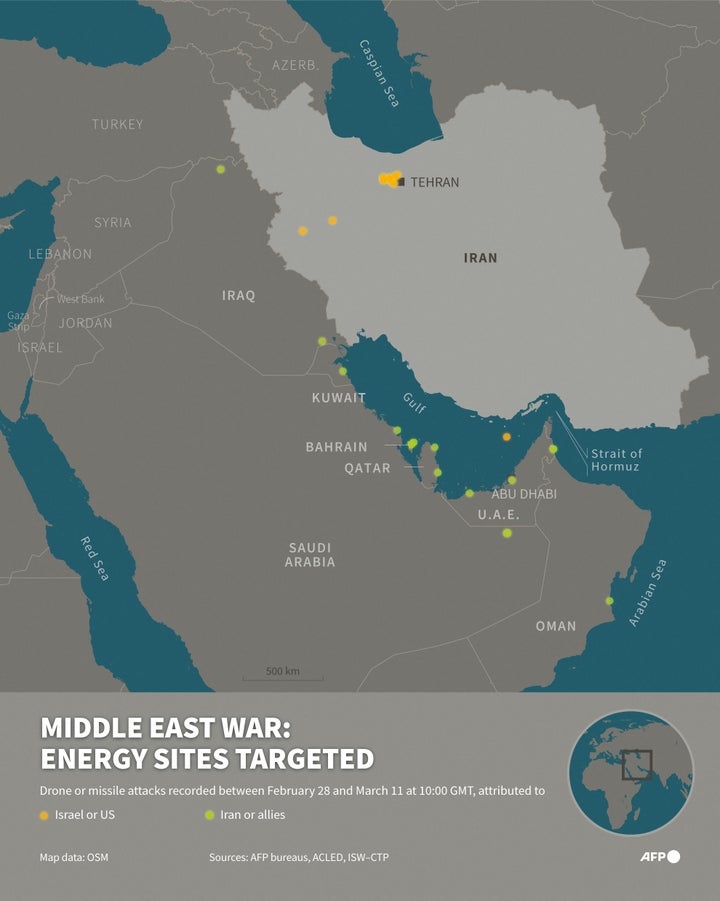
In the three weeks since Donald Trump and Israel first started bombing Iran, the Tehran regime has been targeting energy sites across the Middle East in retaliation.
It has also effectively closed the Strait of Hormuz, a major oil shipping lane, by attacking any oil tankers which attempt to pass through the waterway.
The conflict has sent international markets into a tailspin and pushed the cost of oil up to almost $110 a barrel.
This latest attack on a gas field has also increased gas prices by more than 25% – more than double the levels seen before the war began.
Here’s what you need to know.
What Happened?
Hours after killing Tehran’s intelligence minister and launching some of the most intense airstrikes in Beirut for decades, Israel hit the South Pars natural gas field on Wednesday, escalating its growing conflict with Iran.
The world’s largest natural gas site, located in the Persian Gulf, it is shared between Iran and Qatar.
Qatar is a close ally of the US and a host of the US largest military base in the Gulf.
Trump announced overnight that Israel had “violently lashed out” and targeted the major Iranian gas field in rage over what Tehran is doing in the region.
Iran condemned the strike and its president Masoud Pezeshkian warned of “uncontrollable consequences” which could “engulf the entire world”.
It then turned its fire on neighbouring energy facilities in the Gulf.
Saudi Arabia said it managed to intercept and destroy four ballistic missiles which were heading towards its capital Riyadh, presumably from Iran, and claimed more drones were intercepted and destroyed.
Meanwhile, State oil giant QatarEnergy reported “extensive damage” after Iranian missiles hit the Ras Laffan Industrial City, which processes around a fifth of global gas supply.
The Habshan gas facilities and Bab field in the United Arab Emirates were also targeted and have since been shut down after interceptions over the major sites.
The UAE said Iran’s retaliatory strikes were a “dangerous escalation” and have ordered Iranian embassy officials to leave the country.

SYLVIE HUSSON,SABRINA BLANCHARD via AFP via Getty Images
What Does This Have To Do With Trump?
The US president insisted that the US did not have advance warning of the Israeli strike and also that Qatar was not involved.
In a post on TruthSocial, he wrote: “Israel out of anger for what has taken place in the Middle East, has violently lasted out a major facility known as South Pars Gas Field in Iran.
“Unfortunately, Iran did not know this, or any of the pertinent facts pertaining to the South Pars attack, and was unjustifiably and unfairly attacked a portion of Qatar’s LNG Gas facility.”
But the Wall Street Journal reported that Trump did approve of Israel’s plan, according to US officials.
The president was reportedly hoping to pressure Tehran into unblocking the Strait of Hormuz with the attack.
But Trump has insisted that Israel would not make any further such attacks unless Tehran hits back – while claiming the US will “blow up the entirety of the South Pars Gas Field” if Iran does retaliate.
What Does This Mean For Other Countries In The Gulf?
For many in the region, this feels like a seismic moment in the conflict as neighbouring nations feel more under threat than before.
Saudi Arabia’s Red Sea port of Yanbu, the only export outlet for many local countries’ crude oil, was also hit by an aerial attack on Thursday.
The country made it clear overnight that it reserves the “right to take military action” over Iran’s attacks.
Iran’s Islamic Revolutionary Guards Corps have also sent an evacuation warning to several oil facilities across Saudi Arbaia, UAE and Qatar.
How Does This Impact The Rest Of The World?
In Europe, natural gas prices have already climbed by 35% since Thursday’s attack.
Gas prices overall have increased by more than 60% since the war began less than three weeks ago.
Brent crude, which is the international benchmark oil price, have jumped from $73 to around around $108 a barrel as of Wednesday – and every $10 increase pushes up pump prices by around 7p a litre.
This will impact the cost of living, though there is normally a time lag as prices trickle through to customers.
EU leaders are keen to curb the jump in energy prices and are meeting this week to discuss how to migitate the coming crisis.
There’s the human cost to consider, too.
More than 3,000 people have been killed in Iran since the conflict started, according to the US-based Iran human rights group HRANA.
Local authorities say approximately 900 people have been killed in Lebanon, and 800,000 forced to flee their homes.
Iranian attacks have also killed people in Iraq and across the Gulf states. At least 13 US military service members have been killed in the war.
What Might Happen Next?
Trump claimed Israel would not make any further such attacks unless Tehran hit back.
In his TruthSocial post, the president claimed: “NO MORE ATTACKS WILL BE MADE BY ISRAEL pertaining to this extremely important and valuable South Pars Field unless Iran unwisely decides to attack a very innocent, in this case, Qatar.
“In which instance the United States of America, with or without the help or consent of Israel, will massively blow up the entirety of the South Pars Gas Field at an amount of strength and power that Iran has never seen or witnessed before.”
However he is also thinking about sending thousands more US troops to the Middle East according to reports from Reuters, possibly to help oil tankers move through the Strait of Hormuz.
You must be logged in to post a comment Login