Politics
Why Do My Fingers Suddenly Have Tiny Itchy Bumps?

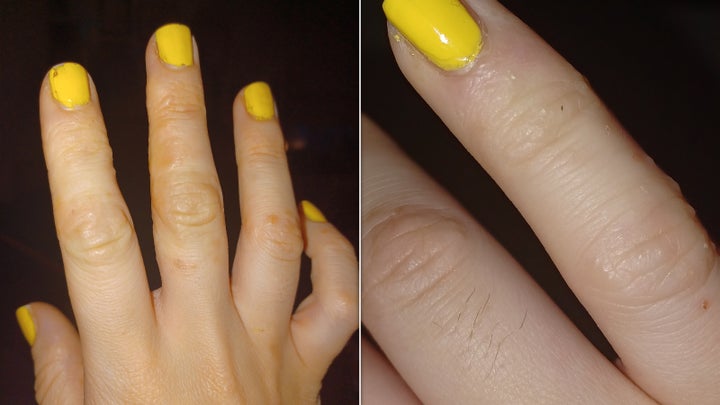
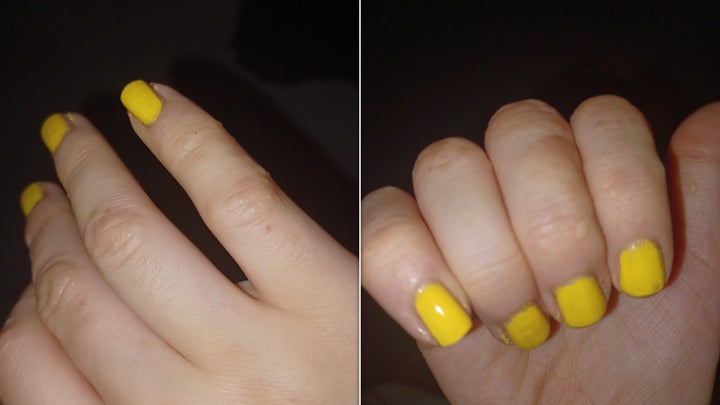
A few summers ago, I noticed tiny, tapioca-like clusters of bumps on my fingers. They were flesh-coloured and incredibly, hand-bitingly itchy.
This turned out to be a condition called pompholyx or dishydrotic eczema. The issue is sometimes nicknamed “summer finger bumps”, due to how much worse it tends to get in the hotter months.
In fact, warm weather and excessive sweating are listed as factors that may cause pompholyx to form or flare up.

What are the symptoms of dishydrotic eczema?
- extreme itchiness
- the sudden appearance of tiny blisters on your hands (especially the sides of your fingers) or feet
- a prickling sensation
- dry or cracking skin after the blisters burst
- feelings of heat in your soles or hands.
Symptoms typically last two to three weeks.
It’s more common among women, people under 40, individuals with another type of eczema, those with asthma and heavy sweaters.
It’s a chronic condition, meaning that though there are ways to manage the symptoms, we don’t have an outright cure yet.
Flare-ups may be more likely during times of stress, hot weather or contact with soaps, cleansers and detergents.
What should I do if I suspect I have dishydrotic eczema?
Don’t try to diagnose yourself, the NHS says. If you have new skin issues you suspect are due to dishydrotic eczema, see a GP.
The same goes if you have pompholyx that’s already been diagnosed but “the blisters are very painful, leak yellow or green pus or are covered in a yellow-brown crust – these are signs of an infection”, they added.
Soaking your hands in potassium permanganate may help if they’re weeping or oozing. Using an emmolient moisturiser on the affected area is one of the main ways to manage flare-ups.
Sometimes, your doctor may prescribe a steroid cream to help you manage the itching or send you to see a specialist for UV or other treatments.
-
washing your hands with warm water and using a moisturising soap,
-
wearing protective gloves (ideally with a cotton lining) when using chemicals like shampoos, cleansers and detergents
-
wearing socks, tights or stockings made from cotton or silk, rather than nylon, if the condition affects your feet,
-
wearing shoes made from leather, rather than plastic or rubber (again if the condition affects your feet),
-
avoiding anything you think causes your symptoms, such as cleansers, some metals, or detergents.
Don’t burst your blisters, as this can lead to further damage and leave your skin open to infection.
You must be logged in to post a comment Login