
Business
Expert Picks for Every Need

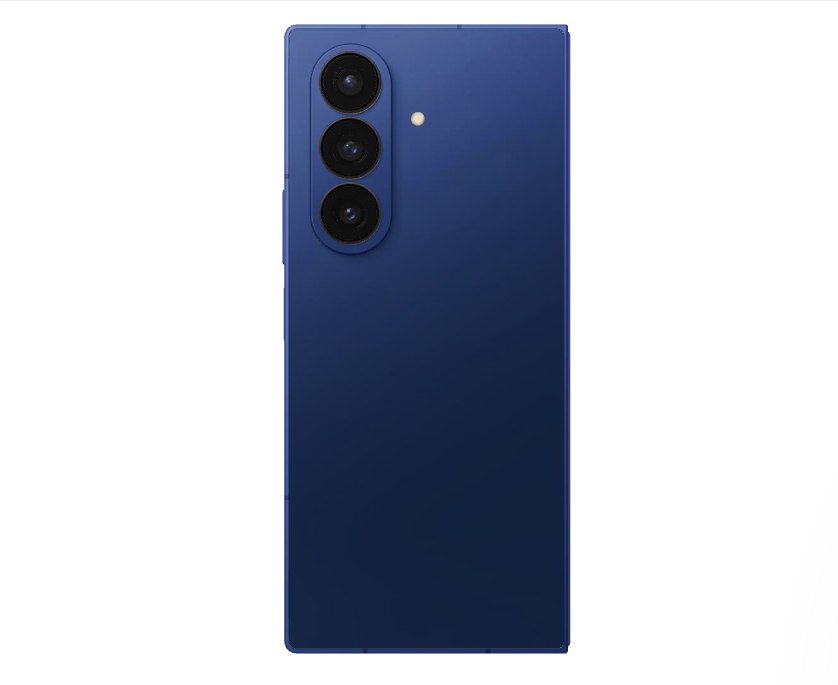
Foldable smartphones have matured dramatically by April 2026, shedding much of their early bulk and fragility to become practical daily drivers with improved durability, battery life and multitasking capabilities. Leading models from Samsung, Google, Motorola and others now compete closely with traditional flagships while offering the unique appeal of a compact device that unfolds into a mini-tablet or stylish flip form factor.
Industry analysts and reviewers from outlets including PCMag, PhoneArena, ZDNet and Wirecutter highlight a clear top tier based on hands-on testing, real-world performance and value. While availability varies by region — with some Chinese brands like Honor and Oppo offering exceptional hardware but limited U.S. support — the following five stand out as the best foldable phones currently on the market.

1. Samsung Galaxy Z Fold 7 — Best Overall Book-Style Foldable
Samsung’s Galaxy Z Fold 7 earns frequent nods as the top foldable for most users thanks to its ultra-slim profile, premium build and polished software experience. Measuring just over 8mm thick when closed and weighing around 215 grams, it feels remarkably close to a conventional flagship yet unfolds into an expansive 8-inch inner display ideal for productivity, media consumption and split-screen multitasking.
The device features a bright 6.5-inch cover screen with 120Hz refresh rate, allowing full app functionality without unfolding. Powered by the Snapdragon 8 Elite for Galaxy processor, it delivers smooth performance across demanding tasks. Cameras have seen meaningful upgrades, with a standout 200-megapixel main sensor producing sharp, vibrant photos that rival non-foldable competitors.
Reviewers praise the refined hinge, improved crease visibility and long software support extending years into the future. Drawbacks include a premium price tag often starting near $1,900 and average battery life that may require midday top-ups for heavy users. Still, its ecosystem integration with Galaxy Watch, Buds and DeX mode makes it a compelling choice for Samsung loyalists and power users alike.
2. Google Pixel 10 Pro Fold — Best for Durability and Cameras
Google’s Pixel 10 Pro Fold stands out for its rugged construction and photography prowess. It boasts a full IP68 dust and water resistance rating — a rarity among foldables — along with enhanced hinge durability and drop protection on the main display. At roughly 258 grams, it feels more substantial than Samsung’s offering but rewards owners with reliable all-day performance.
The Tensor G5 chipset powers intuitive AI features, including real-time call translation, audio magic eraser and Gemini Live integration. Cameras shine with computational photography that delivers natural colors and excellent low-light results, making it a favorite for content creators. The 6.3-inch cover screen and large inner display support seamless multitasking with clean Android 16 software.
Battery life impresses in testing, often outlasting slimmer rivals. Pricing starts around $1,800, positioning it as a strong value for those prioritizing longevity and photography over the absolute thinnest design. Limitations include slightly warmer performance under sustained loads compared to Snapdragon-equipped devices.
3. Motorola Razr Ultra (2025/60 Ultra) — Best Flip-Style Foldable
For users seeking pocketable convenience with flair, the Motorola Razr Ultra delivers one of the most stylish and functional clamshell experiences. Its vertical fold design snaps shut into a compact square, while the generous external display supports full apps, notifications and even quick camera previews.
Equipped with strong battery life that frequently tops competitor flip models, the Razr Ultra handles daily tasks efficiently on its Snapdragon processor. The inner 7-inch display offers smooth 120Hz visuals, and the overall build feels premium with thoughtful details like a titanium hinge option in select variants. Cameras perform adequately for casual use, though they trail book-style models in versatility.
Reviewers highlight its fun factor and practicality for one-handed operation. Starting prices often land in the mid-$1,000 range, making it more accessible than premium book-style foldables. Potential downsides include a smaller unfolded screen compared to tablet-style devices and occasional software quirks in the Motorola skin.
4. Samsung Galaxy Z Flip 7 — Best Compact Flip for Everyday Use
Samsung’s Galaxy Z Flip 7 refines the flip formula with a larger 4.1-inch edge-to-edge cover screen that finally enables meaningful interaction without unfolding. The 6.9-inch inner display provides ample space when needed, while the overall design remains slim and lightweight for easy pocket carry.
Battery improvements help it last through a full day for moderate users, and the Exynos 2500 or Snapdragon variant (depending on region) ensures snappy performance. New DeX support on the Flip adds desktop-like productivity when connected to external displays. Cameras remain solid for social media and quick shots, with the main 50-megapixel sensor delivering reliable results.
Priced starting around $1,100, it offers strong value within the Samsung ecosystem. Critics note it can overheat during intensive multitasking and that battery claims sometimes exceed real-world endurance. Its stylish appeal and improved cover screen functionality make it a top pick for fashion-conscious users or those transitioning from traditional bar phones.
5. Honor Magic V5 — Best Ultra-Thin Alternative for Multitasking
The Honor Magic V5 earns acclaim for its exceptionally slim design, measuring under 9mm folded and around 4.4mm unfolded in some configurations. It targets users who want a near-nonexistent crease and premium feel without Samsung’s ecosystem lock-in.
Featuring a large inner display and capable outer screen, it excels at multitasking with smooth software optimizations. The Snapdragon 8 Elite processor paired with generous RAM handles heavy workloads, while a sizable silicon-carbon battery supports fast charging and extended use. Cameras offer competitive performance, particularly in daylight scenarios.
Availability may require importing in some markets, and software updates could lag behind Google or Samsung. Still, its combination of thinness, battery capacity and vibrant displays positions it as a compelling choice for enthusiasts seeking cutting-edge hardware at potentially competitive pricing.
Buying Considerations in 2026
Foldable phones now address many early criticisms: creases are subtler, hinges more robust and repair programs more widespread. Most top models promise four to seven years of software support, reducing obsolescence concerns. Battery technology has advanced, though heavy multitasking or camera use still drains power faster than slab phones.
Prices remain elevated, with book-style models often exceeding $1,800 and flips starting above $1,000. Trade-in deals, carrier promotions and installment plans can ease the cost. Buyers should consider ecosystem preferences — Samsung for seamless integration, Google for pure Android and AI, Motorola for flip charm.
Durability has improved markedly, but users should invest in quality cases and screen protectors. Coverage for accidental damage varies by manufacturer and carrier.
Regional factors matter: U.S. buyers enjoy broad carrier support for Samsung, Google and Motorola models, while international shoppers may access superior specs from Honor, Oppo, Vivo or Huawei at lower prices, albeit with potential Google service limitations on some devices.
The Future of Foldables
As 2026 progresses, expectations include further refinements such as even lighter builds, under-display cameras that eliminate notches and possible trifold designs from Samsung and others reaching wider markets. Apple’s rumored foldable iPhone could reshape the segment later in the year or in 2027.
For now, the market offers something for nearly every preference: productivity powerhouses, stylish compacts and durable all-rounders. Early adopters who hesitated in previous years will find 2026 models far more refined and reliable.
Consumers weighing a purchase should evaluate their primary needs — screen size for work, portability for travel or camera quality for photography — and test devices in-store when possible. With rapid iteration, waiting for carrier deals or next-generation hints may also pay off.
Foldables represent more than a novelty in 2026; they deliver genuine utility that enhances how many people work, create and consume content on the go. Whether opting for the versatile Galaxy Z Fold 7, the rugged Pixel 10 Pro Fold or a fun flip like the Razr Ultra, buyers are investing in devices that continue to evolve the smartphone experience.

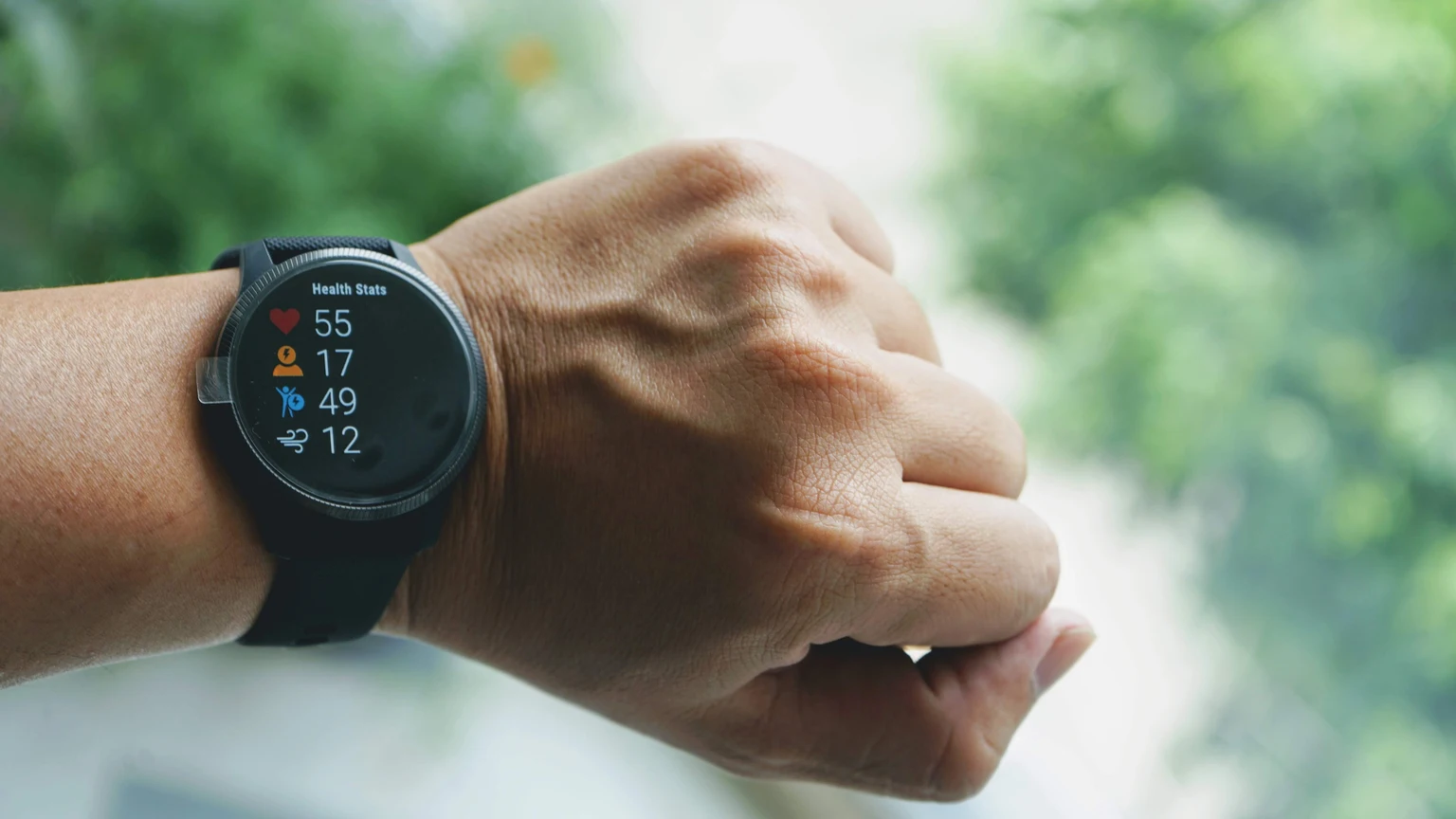

With combined experience of covering technology companies on Wall Street and working in Silicon Valley, and serving as an outside adviser to several seed-round startups, Gary Alexander has exposure to many of the themes shaping the industry today. He has been a regular contributor on Seeking Alpha since 2017. He has been quoted in many web publications and his articles are syndicated to company pages in popular trading apps like Robinhood.
Analyst’s Disclosure: I/we have no stock, option or similar derivative position in any of the companies mentioned, and no plans to initiate any such positions within the next 72 hours. I wrote this article myself, and it expresses my own opinions. I am not receiving compensation for it (other than from Seeking Alpha). I have no business relationship with any company whose stock is mentioned in this article.
Seeking Alpha’s Disclosure: Past performance is no guarantee of future results. No recommendation or advice is being given as to whether any investment is suitable for a particular investor. Any views or opinions expressed above may not reflect those of Seeking Alpha as a whole. Seeking Alpha is not a licensed securities dealer, broker or US investment adviser or investment bank. Our analysts are third party authors that include both professional investors and individual investors who may not be licensed or certified by any institute or regulatory body.
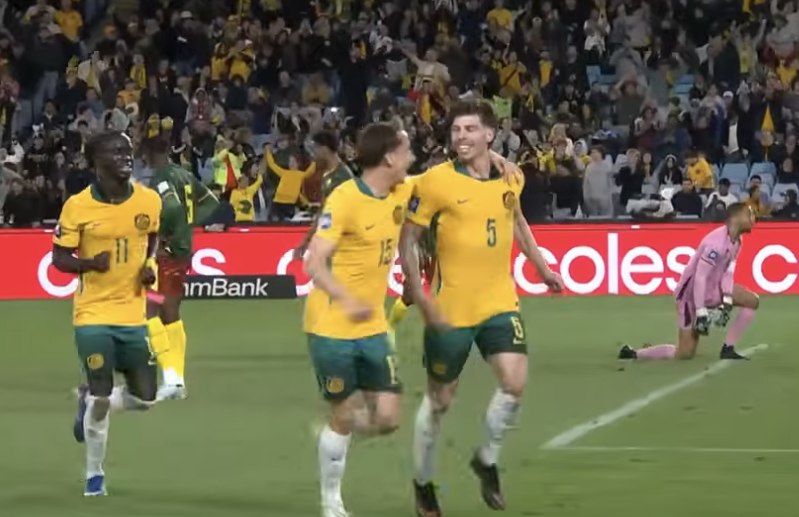
SYDNEY — With the 2026 FIFA World Cup less than two months away, Australia’s Socceroos face steep odds of advancing deep into the expanded 48-team tournament. Betting markets and statistical models peg the probability of the Socceroos reaching the semifinals at approximately 0.8% to 1%, reflecting a long-shot scenario even in a more forgiving format that guarantees at least a round of 32 for most teams.

The Socceroos, ranked 27th in the latest FIFA men’s world rankings released April 1, 2026, qualified comfortably for their sixth straight World Cup — and seventh overall — after finishing second in their AFC third-round group behind Japan. They secured direct qualification with a dramatic 2-1 comeback win over Saudi Arabia in June 2025, avoiding the inter-confederation playoffs that have defined some past campaigns.
Drawn into Group D alongside co-host United States, Paraguay and Turkey, Australia landed what many analysts described as a favorable but still challenging group. The expanded tournament structure means the top two teams advance automatically to the round of 32, with a possible third-place “lucky loser” path depending on results elsewhere. Simulations and expert previews give the Socceroos roughly 55-65% chance of progressing from the group stage, primarily as runners-up behind the favored Americans.
However, the path narrows dramatically beyond that. Current outright odds list Australia at +50000 (or 500/1) to win the entire tournament, implying an extremely low baseline probability. Implied probabilities for reaching the semifinals sit in the 0.8-1.2% range across major sportsbooks, with some Australian-focused books offering slightly more generous figures around 1.5% when factoring in the larger bracket.
Coach Tony Popovic’s squad relies on a mix of experienced European-based players and domestic talent. Key figures include defenders like Harry Souttar, midfielders Jackson Irvine and Aiden O’Neill, and forwards such as Kusini Yengi. The team’s physical style, aerial strength and organized defense have historically allowed them to punch above their ranking in short bursts, as seen in the 2022 Qatar tournament where they reached the round of 16 before a narrow loss to eventual champion Argentina.
Yet reaching the final four would require multiple upsets against higher-ranked sides. In a typical bracket projection, advancing from Group D as runners-up would likely set up a round of 32 clash against a strong side from another group, followed by increasingly difficult knockout matches. Historical data shows Australia has never progressed beyond the round of 16 in six previous appearances, with their best result the 2006 quarterfinal exit on penalties to Italy.
Betting markets reflect this reality. Odds to reach the quarterfinals hover around 20/1 to 25/1 (+2000 to +2500), translating to roughly 4-5% implied probability. The jump to semifinals adds another layer of difficulty, as it would demand at least four knockout victories in a tournament where upsets become rarer deeper in the draw. For context, even established powerhouses like the Netherlands or Belgium sit at much shorter semifinal odds.
Analysts point to several factors limiting Australia’s ceiling. The squad lacks the depth and star quality of top European or South American nations. Recent friendlies and qualifiers have shown solidity but occasional struggles against technically superior teams. FIFA rankings place Australia behind several Group D rivals in projected strength, though home-like conditions in North America — with significant Australian supporter travel expected — could provide a boost.
The 2026 format expands opportunities for mid-tier teams. With 104 matches and a round of 32 followed by round of 16, quarterfinals and beyond, more nations have realistic knockout paths. Simulations run by fans and analysts, including one using 10,000 iterations based on FIFA and Elo ratings, estimated Australia’s chance of reaching the round of 16 at 27-32% and quarterfinals at just 2-5%. Semifinal probability in those models rarely exceeded 1%.
Optimists highlight the group draw as a springboard. Facing the United States (ranked higher but under new management pressures), Paraguay (solid but not elite) and Turkey (inconsistent) offers winnable matches if the Socceroos can secure results through set pieces and defensive resilience. A strong group-stage performance could build momentum and confidence heading into knockouts.
Realistically, most experts see Australia’s realistic target as advancing from Group D and perhaps reaching the round of 16 for the third time in their history. Anything beyond that would represent a historic overachievement. Popovic has emphasized preparation, unity and seizing the moment in what could be a career-defining tournament for several senior players.
Off-field support remains strong. Australian fans have a reputation for traveling in large numbers, and the tournament’s North American venues — including matches in Vancouver, Seattle and Los Angeles — are relatively accessible. Corporate and government backing has grown, with the Socceroos brand continuing to expand domestically through the A-League and grassroots programs.
As June 2026 approaches, attention turns to final squad selections, warm-up friendlies and tactical fine-tuning. Popovic must balance experienced campaigners with emerging talent capable of handling the intense schedule of the expanded competition.
While the dream of a semifinal run captivates supporters, the numbers tell a sobering story: roughly a 1-in-100 chance or less. That slim probability fuels the romance of the World Cup, where underdogs occasionally defy expectations. For the Socceroos, the immediate goal remains clear — navigate Group D successfully and then see how far resilience and a bit of fortune can carry them in North America.
Australia’s 2026 campaign represents both continuity and opportunity. Sixth consecutive qualification underscores consistent regional strength, while the larger tournament format offers a platform for further growth. Whether the Socceroos can translate that into a deep run remains one of the intriguing subplots as the world prepares for the biggest sporting event of the year.
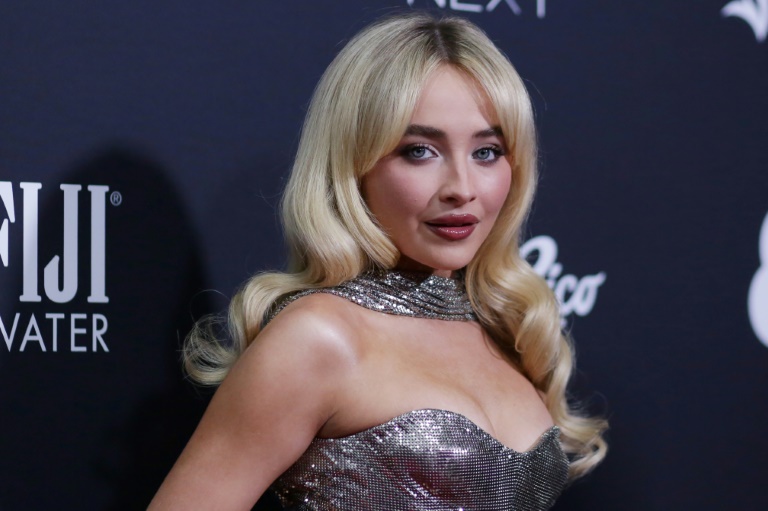
INDIO, Calif. — Sabrina Carpenter delivered a star-studded, cinematic headlining performance at Coachella 2026 that transformed the desert into “Sabrinawood,” earning widespread acclaim for its ambition, production value and crowd engagement, while Justin Bieber’s Saturday night headline slot drew sharp criticism for its minimalist approach and unconventional song delivery that some called “YouTube karaoke.”
Carpenter took the main Coachella Stage on Friday night, April 10, fulfilling a promise she made after her memorable 2024 appearance. Her roughly 90-minute set featured elaborate Hollywood-themed production, multiple costume changes, backing dancers and surprise cameos from actors including Susan Sarandon, Will Ferrell and Sam Elliott. Reviewers described it as a “superstar-caliber” theatrical revue blending film noir, Broadway flair and cheeky pop energy.
The 26-year-old pop star opened with a black-and-white video intro in which Elliott portrayed a menacing cop pulling her over in a vintage vehicle. She emerged onstage to launch into tracks from her “Man’s Best Friend” era and earlier hits, including “House Tour,” “Taste,” “Busy Woman” and “Manchild,” the latter featuring dancers in dog costumes. A towering “Sabrinawood” sign lit up the stage during “When Did You Get Hot?,” evoking the Hollywood Hills.
Critics praised Carpenter’s strong live vocals, which sounded “pristine” and more robust than on recordings despite constant movement, including a treadmill segment in “My Man on Willpower.” The set mixed high-energy hits early — “Please Please Please,” “Espresso” and “Juno” — with theatrical segments, genre blends and playful interpolations like Barry Manilow’s “Copacabana” into “Feather.” It concluded with an elaborate water show during “Tears.”
Social media and fan reactions largely celebrated the spectacle. Many called it one of the most creative and visually impressive headlining sets in recent Coachella history, comparing it favorably to Lady Gaga’s ambitious 2025 opener. Reddit users and reviewers highlighted the thoughtful stage design, moving set pieces and how Carpenter “wrapped Coachella around her finger.” Even some who found mid-set lulls during costume changes admitted the overall ambition and live execution wowed them.
In contrast, Bieber’s performance the following night divided audiences and sparked immediate backlash. The 32-year-old made his Coachella headlining debut on Saturday, April 11, reportedly commanding a hefty $10 million fee. Attendees and online viewers criticized the set for minimal production, heavy reliance on newer material from his “Swag” albums and moments where Bieber appeared to sing along to his own music videos pulled up on a device.
Fan videos showed the singer in casual attire performing on a sparsely staged main stage with limited backing musicians. While some dedicated Beliebers defended the intimate, raw vibe and praised his vocal delivery after years of health challenges, many casual festivalgoers and critics found it underwhelming for a headliner. Social media memes quickly labeled it “lazy” or “a snoozefest,” with particular mockery aimed at the YouTube-assisted throwback segments that included classics like “Baby.”
The stark difference in execution fueled online debates comparing the two headliners directly. Carpenter’s polished, high-concept production stood in sharp relief to Bieber’s stripped-back approach. Commentators noted the contrast: one artist delivered a full-scale theatrical event with celebrity guests and immersive visuals, while the other opted for a low-key, seemingly personal set that felt mismatched for the festival’s grand scale and expectations.
Industry observers pointed out that modern Coachella headliners face intense pressure to provide spectacle in the social media era, where viral moments and production value often define success. Carpenter met and exceeded those expectations with a set described as “electric,” “rollicking” and “ambitious.” Bieber’s approach, while perhaps authentic to his current artistic phase focused on introspection and family life, appeared to miss the mark for many in attendance and watching livestreams.
Carpenter’s setlist balanced hits with deeper cuts, front-loading crowd-pleasers before transitioning into more theatrical segments. Reviews noted occasional pacing issues during changes but overall hailed the performance as a career milestone that solidified her status as a top-tier pop performer. Bieber’s set leaned toward mid-tempo and newer tracks, with throwbacks integrated late, reportedly leading to some crowd thinning.
The contrasting receptions highlight generational and stylistic differences in pop stardom. Carpenter, riding a wave of recent success, leaned into playful, visually driven entertainment that resonated with younger festival crowds. Bieber, a veteran with a massive global fanbase, seemed to prioritize a more subdued, mood-driven presentation that appealed mainly to core supporters but left broader audiences wanting more energy and production.
As the first weekend of Coachella 2026 unfolded, Carpenter’s Friday set quickly entered conversations as a festival highlight, with clips and reviews amplifying its impact. Bieber’s Saturday performance generated buzz primarily through controversy, with divided opinions continuing into Sunday as Karol G prepared to close the weekend.
Festival organizers have not commented on the differing reactions. Both artists are scheduled to perform again during the second weekend, April 17-19, offering opportunities for adjustments or repeats of their respective approaches.
Ultimately, the head-to-head comparison favors Carpenter’s ambitious execution over Bieber’s polarizing minimalism. While subjective tastes vary — with some praising Bieber’s authenticity — the consensus from critics, attendees and social media tilts decisively toward Sabrina Carpenter as the stronger performer of the two Coachella 2026 headliners.
The desert festival continues to showcase how production, engagement and timing can define a headline legacy. Carpenter’s “Sabrinawood” created lasting memories and viral moments, while Bieber’s set added fuel to debates about expectations for superstar performances in 2026.
As discussions persist online and reviews roll in, the weekend’s headline contrast underscores Coachella’s role as both a music event and a stage for spectacle, where ambition often separates memorable sets from mixed ones.
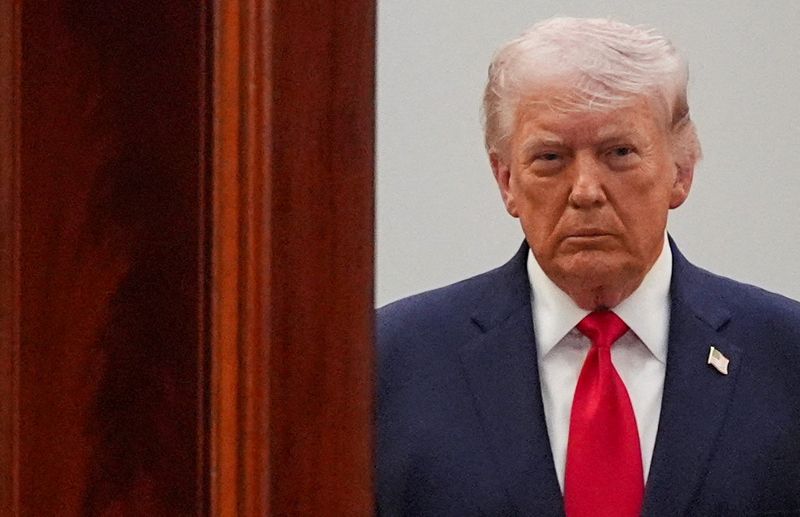

Trump says US to start blockading the Strait of Hormuz immediately
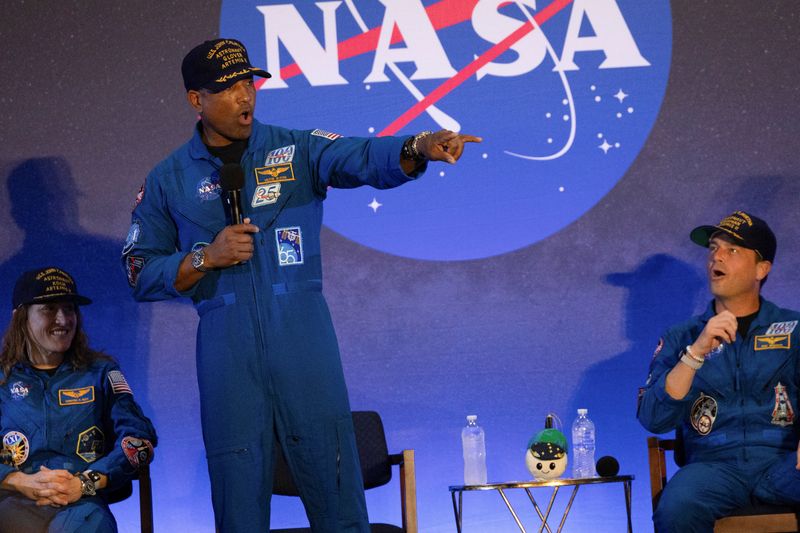

Circling the moon, a Black astronaut inspires millions
6 Barbell Stocks: Growth Meets Income For U.S. And Iran Negotiations

The equity market is a powerful mechanism as daily fluctuations in price get aggregated to incredible wealth creation or destruction over the long term. Pacifica Yield aims to pursue long-term wealth creation with a focus on undervalued yet high-growth companies, high-dividend tickers, REITs, and green energy firms.
Analyst’s Disclosure: I/we have no stock, option or similar derivative position in any of the companies mentioned, and no plans to initiate any such positions within the next 72 hours. I wrote this article myself, and it expresses my own opinions. I am not receiving compensation for it (other than from Seeking Alpha). I have no business relationship with any company whose stock is mentioned in this article.
Seeking Alpha’s Disclosure: Past performance is no guarantee of future results. No recommendation or advice is being given as to whether any investment is suitable for a particular investor. Any views or opinions expressed above may not reflect those of Seeking Alpha as a whole. Seeking Alpha is not a licensed securities dealer, broker or US investment adviser or investment bank. Our analysts are third party authors that include both professional investors and individual investors who may not be licensed or certified by any institute or regulatory body.

US earnings season set to test war-rattled stocks

Live Oak Bancshares gains 62% after InvestingPro Fair Value call
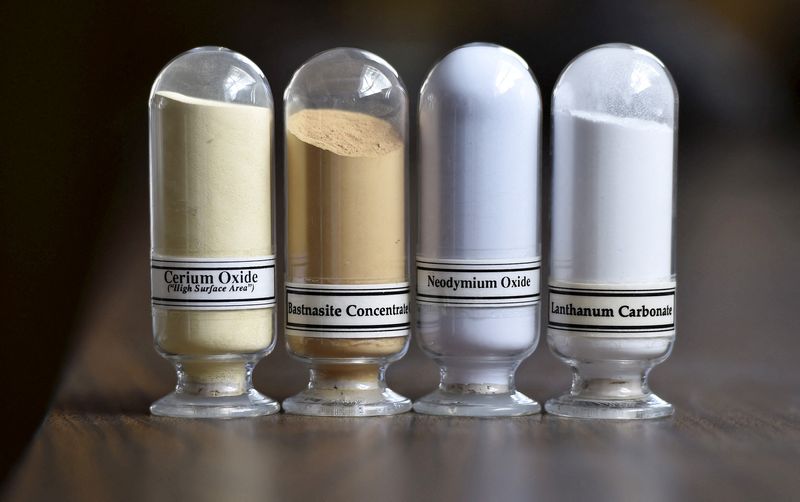

Australia and US boost support for critical minerals with $3.5 billion

Malicious Compliance: The Best Way To Deal With A Toxic Boss

Tempted dazzles in Arrowfield 3YO Sprint prompting Maher’s 2026 Everest thoughts

The software that landed Apollo 11 on the moon is now free online


![DJ KANJI - MONEY UP (feat. 7 & eyden) [Official Music Video]](https://wordupnews.com/wp-content/uploads/2026/04/1776001891_maxresdefault-80x80.jpg)


-

 Business7 days ago
Three Gulf funds agree to back Paramount’s $81 billion takeover of Warner, WSJ reports
-

 Politics2 days ago
US brings back mandatory military draft registration
-

 Fashion2 days ago
Weekend Open Thread: Veronica Beard
-

 Tech5 days ago
How Long Can You Drive With Expired Registration? What Florida Law Says
-

 Fashion6 days ago
Massimo Dutti Offers Inspiration for Your Summer Mood Board
-
 Sports2 days ago
Man United discover Nico Schlotterbeck transfer fee as defender reaches Dortmund agreement
-

 Crypto World3 days ago
Canary Capital Files SEC Registration for PEPE ETF
-

 Fashion5 days ago
Let’s Discuss: DEI in 2026
-

 Business2 days ago
Tesla Model Y Tops China Auto Sales in March 2026 With 39,827 Registrations, Beating Cheaper EVs and Gas Cars
-

 Crypto World4 days ago
Bitcoin recovers as US and Iran Agree a Ceasefire Deal
-

 Politics2 days ago
Malcolm In The Middle OG Turned Down ‘Buckets Of Money’ To Appear In Reboot
-

 Business2 days ago
OpenAI Halts Stargate UK Data Centre Project Over Energy Costs and Copyright Row
-

 Business21 hours ago
Ireland Fuel Protests Enter Day 5 as Blockades Spark Shortages and Government Prepares Support Package
-

 Tech6 days ago
Italian court says Netflix must refund customers up to $576 over price hikes
-

 Tech6 days ago
Gamer Restores the Original PlayStation Portal From Two Decades Ago
-

 Tech6 days ago
The Xiaomi 17 Ultra has some impressive add-ons that make snapping photos really fun
-

 Tech6 days ago
Samsung just gave up on its own Messages app
-

 Tech6 days ago
Haier is betting big that your next TV purchase will be one of these
-

 Politics2 days ago
LBC Presenter Mocks Trump Over Iran War Failures
-
 Tech6 days ago
Save $130 on the Samsung Galaxy Watch 8 Classic: rotating bezel, sleep coaching, and running coach for $369
You must be logged in to post a comment Login