Foldable smartphones have matured dramatically by April 2026, shedding much of their early bulk and fragility to become practical daily drivers with improved durability, battery life and multitasking capabilities. Leading models from Samsung, Google, Motorola and others now compete closely with traditional flagships while offering the unique appeal of a compact device that unfolds into a mini-tablet or stylish flip form factor.
Industry analysts and reviewers from outlets including PCMag, PhoneArena, ZDNet and Wirecutter highlight a clear top tier based on hands-on testing, real-world performance and value. While availability varies by region — with some Chinese brands like Honor and Oppo offering exceptional hardware but limited U.S. support — the following five stand out as the best foldable phones currently on the market.
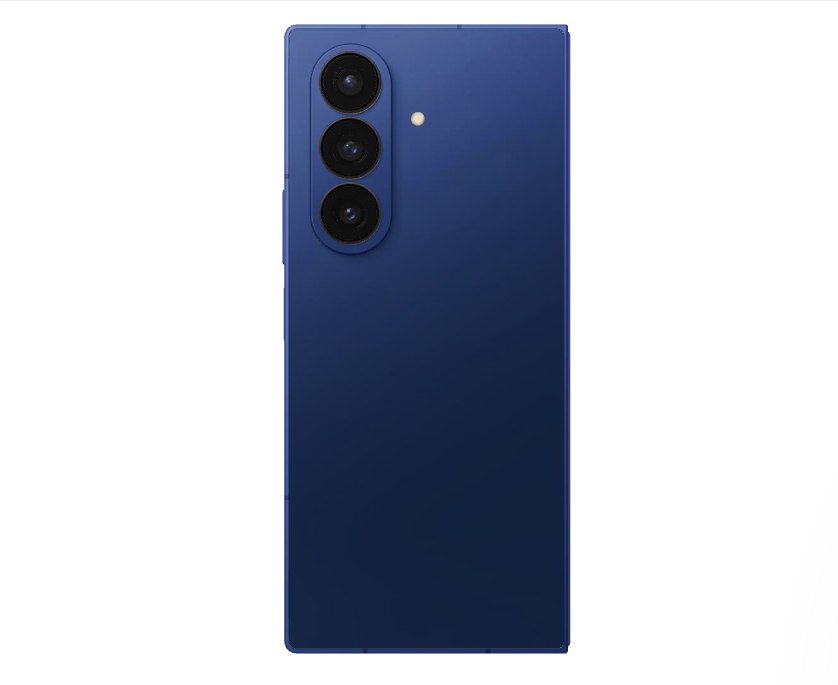
Samsung Galaxy Z Fold 7
1. Samsung Galaxy Z Fold 7 — Best Overall Book-Style Foldable
Samsung’s Galaxy Z Fold 7 earns frequent nods as the top foldable for most users thanks to its ultra-slim profile, premium build and polished software experience. Measuring just over 8mm thick when closed and weighing around 215 grams, it feels remarkably close to a conventional flagship yet unfolds into an expansive 8-inch inner display ideal for productivity, media consumption and split-screen multitasking.
The device features a bright 6.5-inch cover screen with 120Hz refresh rate, allowing full app functionality without unfolding. Powered by the Snapdragon 8 Elite for Galaxy processor, it delivers smooth performance across demanding tasks. Cameras have seen meaningful upgrades, with a standout 200-megapixel main sensor producing sharp, vibrant photos that rival non-foldable competitors.
Advertisement
Reviewers praise the refined hinge, improved crease visibility and long software support extending years into the future. Drawbacks include a premium price tag often starting near $1,900 and average battery life that may require midday top-ups for heavy users. Still, its ecosystem integration with Galaxy Watch, Buds and DeX mode makes it a compelling choice for Samsung loyalists and power users alike.
2. Google Pixel 10 Pro Fold — Best for Durability and Cameras
Google’s Pixel 10 Pro Fold stands out for its rugged construction and photography prowess. It boasts a full IP68 dust and water resistance rating — a rarity among foldables — along with enhanced hinge durability and drop protection on the main display. At roughly 258 grams, it feels more substantial than Samsung’s offering but rewards owners with reliable all-day performance.
The Tensor G5 chipset powers intuitive AI features, including real-time call translation, audio magic eraser and Gemini Live integration. Cameras shine with computational photography that delivers natural colors and excellent low-light results, making it a favorite for content creators. The 6.3-inch cover screen and large inner display support seamless multitasking with clean Android 16 software.
Advertisement
Battery life impresses in testing, often outlasting slimmer rivals. Pricing starts around $1,800, positioning it as a strong value for those prioritizing longevity and photography over the absolute thinnest design. Limitations include slightly warmer performance under sustained loads compared to Snapdragon-equipped devices.
3. Motorola Razr Ultra (2025/60 Ultra) — Best Flip-Style Foldable
For users seeking pocketable convenience with flair, the Motorola Razr Ultra delivers one of the most stylish and functional clamshell experiences. Its vertical fold design snaps shut into a compact square, while the generous external display supports full apps, notifications and even quick camera previews.
Equipped with strong battery life that frequently tops competitor flip models, the Razr Ultra handles daily tasks efficiently on its Snapdragon processor. The inner 7-inch display offers smooth 120Hz visuals, and the overall build feels premium with thoughtful details like a titanium hinge option in select variants. Cameras perform adequately for casual use, though they trail book-style models in versatility.
Advertisement
Reviewers highlight its fun factor and practicality for one-handed operation. Starting prices often land in the mid-$1,000 range, making it more accessible than premium book-style foldables. Potential downsides include a smaller unfolded screen compared to tablet-style devices and occasional software quirks in the Motorola skin.
4. Samsung Galaxy Z Flip 7 — Best Compact Flip for Everyday Use
Samsung’s Galaxy Z Flip 7 refines the flip formula with a larger 4.1-inch edge-to-edge cover screen that finally enables meaningful interaction without unfolding. The 6.9-inch inner display provides ample space when needed, while the overall design remains slim and lightweight for easy pocket carry.
Battery improvements help it last through a full day for moderate users, and the Exynos 2500 or Snapdragon variant (depending on region) ensures snappy performance. New DeX support on the Flip adds desktop-like productivity when connected to external displays. Cameras remain solid for social media and quick shots, with the main 50-megapixel sensor delivering reliable results.
Advertisement
Priced starting around $1,100, it offers strong value within the Samsung ecosystem. Critics note it can overheat during intensive multitasking and that battery claims sometimes exceed real-world endurance. Its stylish appeal and improved cover screen functionality make it a top pick for fashion-conscious users or those transitioning from traditional bar phones.
5. Honor Magic V5 — Best Ultra-Thin Alternative for Multitasking
The Honor Magic V5 earns acclaim for its exceptionally slim design, measuring under 9mm folded and around 4.4mm unfolded in some configurations. It targets users who want a near-nonexistent crease and premium feel without Samsung’s ecosystem lock-in.
Featuring a large inner display and capable outer screen, it excels at multitasking with smooth software optimizations. The Snapdragon 8 Elite processor paired with generous RAM handles heavy workloads, while a sizable silicon-carbon battery supports fast charging and extended use. Cameras offer competitive performance, particularly in daylight scenarios.
Advertisement
Availability may require importing in some markets, and software updates could lag behind Google or Samsung. Still, its combination of thinness, battery capacity and vibrant displays positions it as a compelling choice for enthusiasts seeking cutting-edge hardware at potentially competitive pricing.
Buying Considerations in 2026
Foldable phones now address many early criticisms: creases are subtler, hinges more robust and repair programs more widespread. Most top models promise four to seven years of software support, reducing obsolescence concerns. Battery technology has advanced, though heavy multitasking or camera use still drains power faster than slab phones.
Prices remain elevated, with book-style models often exceeding $1,800 and flips starting above $1,000. Trade-in deals, carrier promotions and installment plans can ease the cost. Buyers should consider ecosystem preferences — Samsung for seamless integration, Google for pure Android and AI, Motorola for flip charm.
Advertisement
Durability has improved markedly, but users should invest in quality cases and screen protectors. Coverage for accidental damage varies by manufacturer and carrier.
Regional factors matter: U.S. buyers enjoy broad carrier support for Samsung, Google and Motorola models, while international shoppers may access superior specs from Honor, Oppo, Vivo or Huawei at lower prices, albeit with potential Google service limitations on some devices.
The Future of Foldables
As 2026 progresses, expectations include further refinements such as even lighter builds, under-display cameras that eliminate notches and possible trifold designs from Samsung and others reaching wider markets. Apple’s rumored foldable iPhone could reshape the segment later in the year or in 2027.
Advertisement
For now, the market offers something for nearly every preference: productivity powerhouses, stylish compacts and durable all-rounders. Early adopters who hesitated in previous years will find 2026 models far more refined and reliable.
Consumers weighing a purchase should evaluate their primary needs — screen size for work, portability for travel or camera quality for photography — and test devices in-store when possible. With rapid iteration, waiting for carrier deals or next-generation hints may also pay off.
Foldables represent more than a novelty in 2026; they deliver genuine utility that enhances how many people work, create and consume content on the go. Whether opting for the versatile Galaxy Z Fold 7, the rugged Pixel 10 Pro Fold or a fun flip like the Razr Ultra, buyers are investing in devices that continue to evolve the smartphone experience.
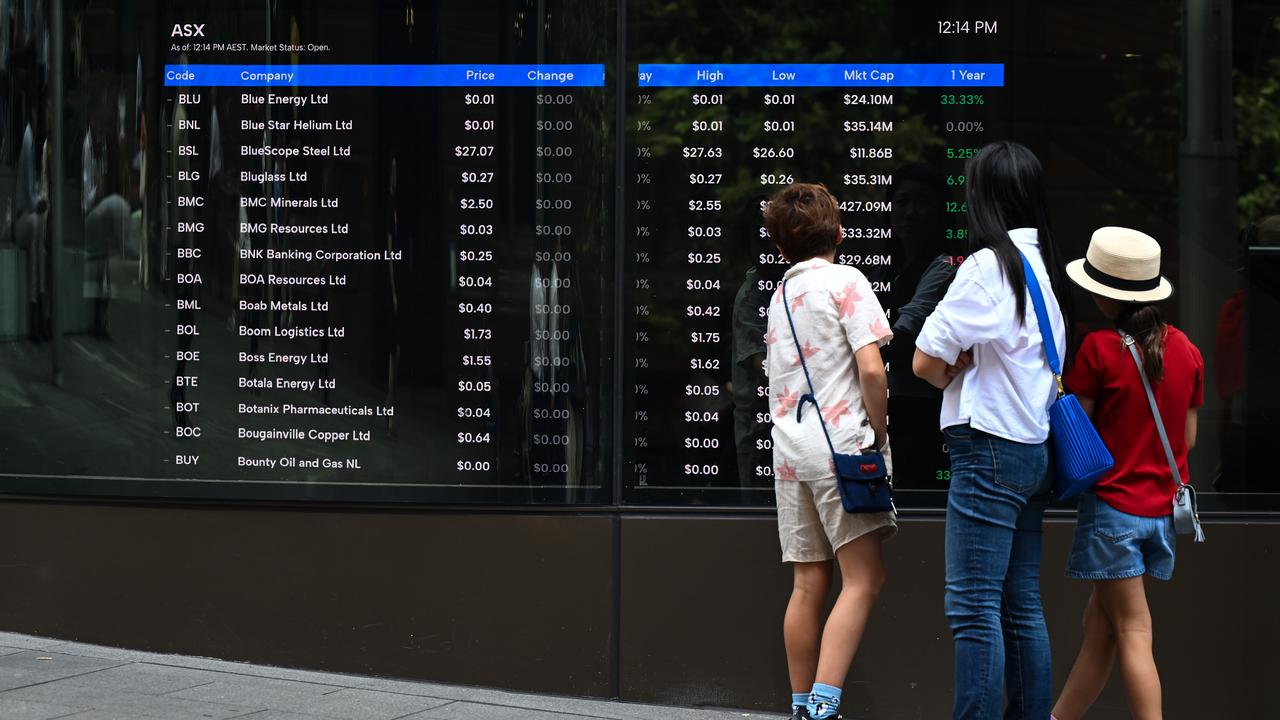
The Australian share market has finished little changed for a third straight session amid a looming US-Iran ceasefire deadline and continued tensions over control of a crucial maritime oil choke-point.
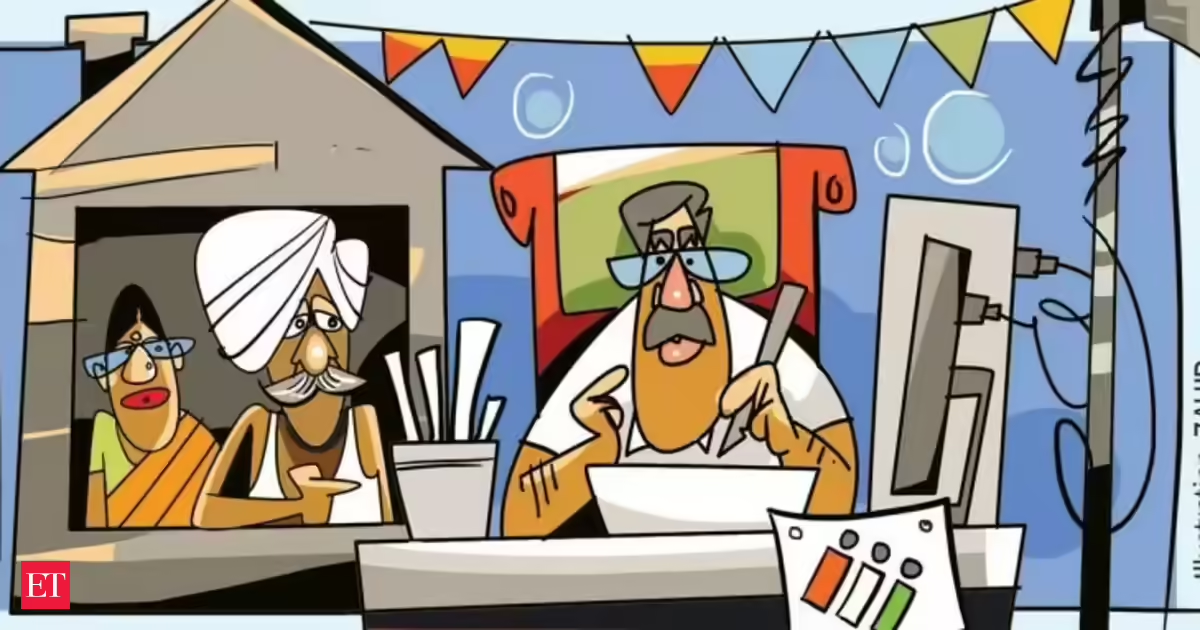
New Delhi: The Election Commission’s ‘Special Intensive Revision’ of Bihar’s electoral rolls has sparked a major political debate. However, this is not the first time that the poll panel has ordered an ‘intensive’ revision of electoral rolls — at least nine such revisions were held from 1952 to 2004, several of which came with similar house-to-house verification and even a ‘de novo’ electoral roll in some cases. However, the EC has seldom ordered a full state intensive revision in a state 4-6 months ahead of assembly elections, as is the case with Bihar.
Alongside, it ordered a ‘special summary revision‘ in Andhra Pradesh, Bihar, Chhattisgarh, Goa, Gujarat, Haryana, Himachal Pradesh, Jharkhand, Karnataka, Kerala, Madhya Pradesh, Maharashtra, Orissa, Punjab, Rajasthan, Sikkim, Tamil Nadu, Uttar Pradesh, Uttaranchal, West Bengal, and Union Territories of Andaman & Nicobar Islands, Chandigarh, Daman & Diu, Dadra & Nagar Haveli, NCT of Delhi, Lakshadweep and Pondicherry.Prior to that, ‘intensive revision’ of the electoral rolls was conducted in 20 other states/UTs, including Bihar, in two phases during 2002 and 2003, except the northeastern states and J&K.
BIHAR 2025- A unique case The 2025 SIR in Bihar is different on several counts. While an ‘intensive’ revision mostly involves a ‘de novo’ exercise, drawing up a fresh electoral roll from the scratch, the Bihar SIR is using the 2002-03 electoral roll as a base to build upon. At the same time, it involves a new pre-printed enumeration form included in the usual house-to-house verification format and document submission, associated with an ‘intensive’ revision. It is, also, very different from previous intensive revision exercises in terms of timing.
Live Events
EC has seldom ordered a full state and full-scale intensive revision in a state 4-6 months ahead of scheduled assembly elections, as is the case with Bihar. Bihar saw its last intensive revision in 2002, a good three years away from the assembly polls held in October 2005. Similarly, when the EC, on June 29, 2004 announced an intensive roll revision in eight states, it chose to leave out two states which were pending a similar intensive roll revision. These were Arunachal Pradesh & Maharashtra where assembly polls were due in October 2004. “In Arunachal Pradesh and Maharashtra, general elections to the assemblies are to be held in the latter half of 2004. Therefore, the programme in these two states will be announced after the completion of the elections,” the EC press note on 29.06.2004 read. Instead, a ‘special summary revision of rolls’ was announced for Maharashtra ahead of the October 2024 assembly polls with house-to-house enumeration, as per the September-December 2004 EC newsletter.
The EC has, in fact, often conducted ‘intensive’ revision in certain areas of a state. In Tamil Nadu- after inquiry reports indicated ‘shortcomings in the conduct of different levels of election officers at the time of intensive revision of electoral rolls in 2002’- the poll panel on October 19, 2004 ordered a ‘special revision of intensive nature with house-to-house enumeration’ in six municipal corporation areas across 33 constituencies, spanning parts of Chennai, Salem, Coimbatore, Tiruchirappalli, Madurai, and Tirunelveli.
Advertisement
In the aftermath of Gujarat riots, the ECI on August 16,2002, announced a repeat of the 2002 ‘special revision of intensive nature’.
Types Of Electoral Roll Revisions
Intensive Revision: It’s usually a de-novo process without reference to earlier existing roll; involves at least 2 household verification visits by booth-level officer Summary Revision: Roll is simply updated; no house-to-house enumeration but objections are addressed before final roll publication
Special Summary Revision: EC can order so if it finds inaccuracies or poor coverage of any area. EC can adopt changes in existing procedure
Partly Intensive and Partly Summary Revision: Existing electoral rolls are published in draft and checked through household verification and put through claims/objection process
Advertisement
Roll revision chronology
1950 Originally Section 23 of Representation of the People Act, 1950 provided for annual revision with March 1 as qualifying date
1952 After first gen election in 1952, EC directed that from 1952 to 1956, annual revision of electoral rolls should cover 1/5th of entire state area so that every locality might have its electoral roll intensively revised at least once before 2nd gen polls
1956 EC directed intensive revision of rolls every year in some areas where electoral rolls were likely to become inaccurate: (i) Urban Areas (ii) Areas with floating labour population (iii) Areas where fairly large movements of population had taken place
1957 Post 1957: Lok Sabha polls: EC directed that during each of the three following years, the electoral rolls of 1/3rd of the entire state area be revised intensively, while during 1961 the revision would be intensive only in urban areas, areas with floating, migratory population and service voters
Advertisement
1960 Following amendments to RP Act, 1950, EC ordered annual revision of rolls between January 1 and Jan 31 of the year
1962 Post 1962 LS Polls: EC directed ‘summary revision’ adequate for 1963 and 1964. In 1965 intensive revision conducted again in 40% of the country; the rest 60% was done in 1966
1966 Post 1966: District Election Officer appointed in each district and summary roll revision conducted in 1969-70 and 1975
1976 Emergency: no Lok Sabha polls in 1976; EC held summary roll revision
Advertisement
1983 1983 on: Staggered intensive revision of all rural constituencies ahead of 1985 LS polls
1987-88 All constituencies revised intensively; special revision in 1989
1992 Summary revision ordered followed by intensive revision in 1993 along with introduction of EPIC card
1995 Intensive Revision comes in
Advertisement
1999-2000 Amid computerisation electoral rolls, no intensive revision in 1999, 2000
2002 Special intensive revision in 20 states; intensive revision in 7 states in 2003-04
The Nifty50 has surged 9% this month, with mid-caps up 13% and small-caps a staggering 15%, as Indian equities staged one of their sharpest recoveries in recent memory. Those who held their nerve and bought the March crash are sitting on swift gains. Those who waited on the sidelines for a deeper dip are now watching a rally they missed as it unfolded even as Iranian missiles flew.
Amid Trump and Iran giving conflicting statements on peace and the opening of Strait of Hormuz, bears are hoping that they will get a second chance to buy. As the ceasefire expires Tuesday, a fresh flare-up in Middle East hostilities could hand sidelined investors the re-entry they’ve been waiting for. But market signals, for now, are sending a different message entirely.
“Markets have clearly turned into buy-on-dips and no war information, whatever negative, is impacting the market,” said CA Rudramurthy BV, MD at Vachana Investments. “This is a very clear sign that the market texture has completely changed.” He sees Nifty heading toward 24,800-25,000, and is unequivocal in saying that this market cannot be shorted now.
The rebound comes after Nifty50 ended a four-month losing streak in March 2026, a decline of that length that has occurred just seven times in the index’s entire monthly history. The recovery since has been fast, broad, and largely driven by retail and HNI buying. The pace of FII selling has also slowed down.
Live Events
“A rally of sorts last week was mostly retail and HNI driven as they felt the market was oversold,” said market expert Sunil Subramaniam, noting that FIIs only began accumulating gradually toward the end of last week. DIIs, meanwhile, have been booking profits, building firepower ahead of the earnings season. “They will redeploy as you get clarity around the earning season,” he said. Subramaniam says oil at $95 is painful, but not spiraling and suggests much of the bad news is already in the price. “This is a time when you can be reasonably confident that the market is close to a bottom unless there is a very dramatic military development,” he said, adding that the scenario most likely to break the market — US boots on the ground — remains a low-probability outcome, even if nothing is off the table with Trump.Manish Gunwani of Bandhan AMC goes further on valuations. “Valuations on a broad basis are quite attractive. We have been deploying cash across the board,” he said, pointing to private banks and other sectors where stocks have languished for three to five years despite earnings growth. “It is not about valuations,” he argued. The bigger structural challenge for India, in his view, is the global AI narrative — and whether India can compete for foreign capital against markets directly leveraged to that theme.
Near-term direction, analysts say, hinges on three variables: progress toward Middle East de-escalation, crude oil holding below $100, and the trajectory of foreign flows. Sustained cooling of the conflict could ease inflation and currency pressures, improving risk appetite for an import-sensitive economy like India’s. Q4 earnings and FY27 management guidance will then shape which sectors lead.
For now, Subramaniam’s advice to latecomers is pragmatic: “Keep buying, but small amounts. Stagger them. Do not go in today.” The setup, he says, favors patience.
(Disclaimer: Recommendations, suggestions, views and opinions given by the experts are their own. These do not represent the views of The Economic Times)
The Weston family-controlled group expressing confidence in the prospects of both companies
Felix Armstrong www.cityam.com
07:47, 21 Apr 2026
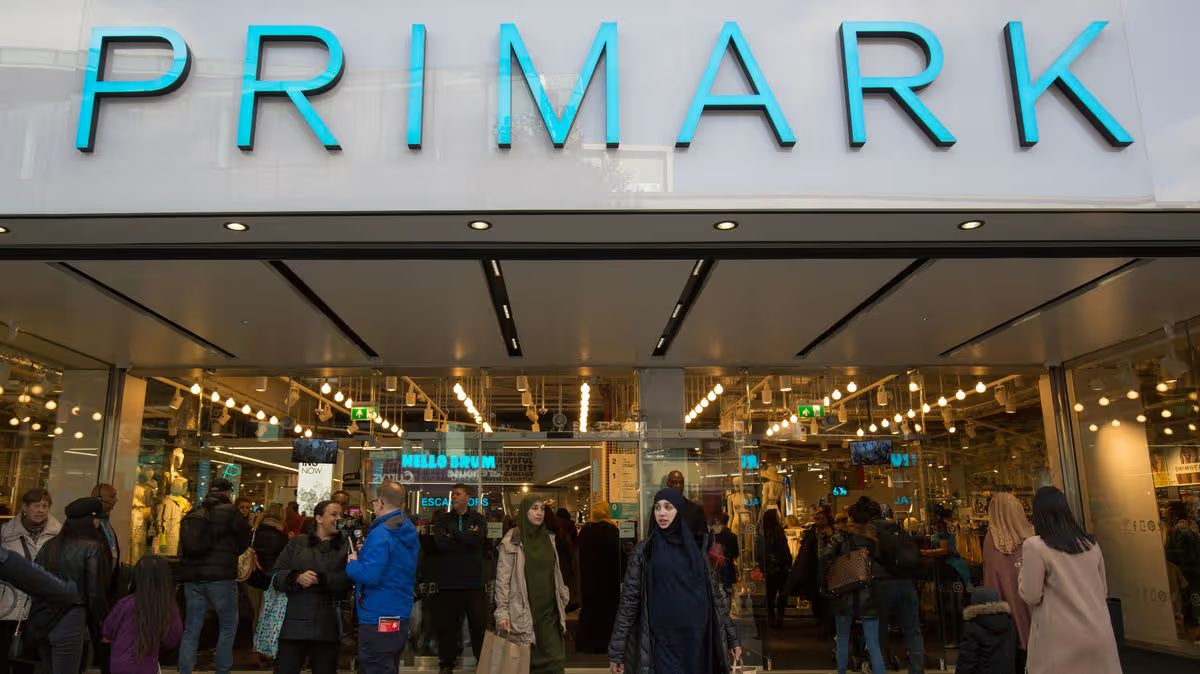
Primark is owned by Associated British Foods(Image: PA)
FTSE-100 heavyweight Associated British Foods has unveiled plans to separate clothes retailer Primark, marking a significant strategic shift for the food and retail conglomerate. The market had broadly anticipated Associated British Foods (ABF) would hive off the retailer following an internal review as it grapples with fierce competition from high street competitors H&M and Zara.
Advertisement
The declaration ends months of conjecture over Primark’s future, and ABF said it anticipates both companies will trade separately on the blue-chip FTSE 100 index. ABF appointed Rothschild & Co last year to assist it in undertaking a “strategic” review to assess whether to divest the retailer.
The company said it was “confident” in the outlook of both operations. Primark runs 486 stores globally and generates approximately £9bn in annual revenue, as reported by City AM.
Associated British Foods is controlled by the Westons, the UK’s wealthiest family, whose holding company, Wittington Investments, maintains roughly 59 per cent of the firm.
Besides Primark, ABF owns tea brand Twinings, baked goods producer Kingsmill and subsidiary British Sugar. ABF, which has witnessed its share price decline so far this year, said it anticipates the demerger will cost around £75m.
Advertisement
The separation will take place through a dividend demerger, which will enable ABF to split off Primark by distributing shares in it to existing shareholders.
Primark sales grew in last year FoodCo, which will be the remaining entity of ABF once Primark is demerged, operates across 52 countries and generates approximately £9.8bn in annual revenue.
Primark currently runs 486 retail stores across 19 markets, with approximately £9.5bn of annual revenue and more than 83,000 employees.
International expansion has been a primary focus for the business, as it looks to grow its market share across Europe and the US.
Advertisement
Michael McLintock, who currently serves as chair of ABF, will remain in post until the spin-off is finalised in 2027.
George Weston, chief executive of ABF, will take the helm at FoodCo, while Primark’s current chief executive Eoin Tonge will continue to lead the clothes retailer.
Associated British Foods recorded a nine per cent decline in pre-tax profit across the group to £632m in the year to February, as revenue edged down two per cent to £9.5bn.
Primark posted like-for-like sales growth of 1.3 per cent in the UK, with the clothes retailer gaining market share over the period.
Advertisement
ABF said it expected Primark would be able to absorb costs arising from the Iran war, but noted it “remains alert to potential further deterioration in consumer spending”.
The company added that the impact of disruptions to energy and fertiliser supply chains resulting from the conflict is “unclear”.
ABF announced in August it would acquire Kingsmill’s bakery competitor Hovis for £75m, but this transaction has since been delayed by the competition watchdog amid concerns the diminished competition could push up prices for shoppers.
The British-Canadian Weston family, via Wittington Investments, also own department store Fortnum & Mason and homeware retailer Heal’s.
Advertisement
ABF was established by W. Garfield Weston in 1935 as Food Investments Limited, before listing on the London Stock Exchange in 1994.
ABF’s share price finished at 1,894p on Monday, leaving the stock down more than 10 per cent in the year to date.
The aerospace heavyweight said the agreement would build a ‘digital shield’ in Europe
An Airbus A350 aircraft(Image: PA)
Airbus has agreed a deal to acquire a French cyber security firm less than a month after snapping up a British business operating in the same sector. The aerospace giant, which has UK bases in Filton near Bristol and Broughton in North Wales, said acquisition of Quakslab would “strengthen its presence” in the European cyber-security landscape.
Closing of the transaction is subject to consultation with social partners as well as customary regulatory approvals and is expected in the course of 2026, Airbus said.
Quarkslab is a privately-owned French cyber-security company founded in 2011, with around 100 employees, primarily based in Paris and Rennes. Since 2020, the firm, which is already an Airbus supplier and partner, has been backed by Tikehau Capital, a global alternative asset manager.
The company delivers cyber security solutions to help organisations protect critical assets, data, and users from cyber attacks.
Advertisement
“Quarkslab’s deep expertise and team are expected to join the fast-growing cyber activities within Airbus Defence and Space and to reinforce a resilient, sovereign cyber player in France and across Europe,” said François Lombard, head of connected intelligence business unit at Airbus Defence and Space.
“This acquisition will strengthen our ability to build the digital shield required to help keep our home nations and allies ahead in the cyber-security domain.”
The announcement follows the acquisition of UK-based Ultra Cyber in March. The company has more than 200 employees, who are mainly based at a state-of-the-art cyber centre of excellence in Maidenhead.
“This acquisition [of Ultra Cyber] testifies to our long-term commitment to the UK as a core home market,” Mike Schoellhorn, chief executive of Airbus Defence and Space said last month.
Advertisement
He added: “We are building the resilient, sovereign infrastructure required to help keep the UK and its allies ahead in the cyber domain.”
In February, Airbus reported a record financial performance over the year amid rising demand for commercial aircraft. The size of Airbus’s global workforce also rose by five per cent during the period to 165,294.
UnitedHealthcare sign is displayed at its office building in Minnetonka, Minnesota, U.S., Dec. 11, 2025.
Tim Evans | Reuters
UnitedHealth Group on Tuesday posted first-quarter earnings that topped estimates and hiked its 2026 profit outlook, as the company better manages high medical costs and streamlines its operations.
Advertisement
The nation’s largest private insurer said it expects 2026 adjusted earnings of more than $18.25 per share, up from a previous outlook of more than $17.75 per share. UnitedHealth is maintaining its full-year revenue guidance of greater than $439 billion, which the company said in January reflects “right-sizing across the enterprise.”
Here’s what the company reported for the first quarter compared with what Wall Street was expecting, based on a survey of analysts by LSEG:
Earnings per share: $7.23 adjusted vs. $6.57 expected
Revenue: $111.72 billion vs. $109.57 billion expected
UnitedHealth is banking on a new leadership team to carry out a turnaround plan. The strategy involves shrinking membership, selling the U.K. business of its Optum health-care unit, heavily investing in artificial intelligence, streamlining access to care and increasing transparency to restore profitability — along with the company’s reputation — after a series of hurdles over the last two years.
The company posted first-quarter net income of $6.28 billion, or $6.90 per share, compared with $6.29 billion, or $6.85 per share, in the same period a year ago. Excluding items like business divestitures, restructuring and the expected reduction of reserves for unprofitable contracts, UnitedHealth earned $7.23 per share.
Revenue climbed to $111.72 billion from $109.58 billion in the prior-year quarter. The company’s insurer, UnitedHealthcare, and Optum both topped analysts’ sales estimates for the quarter, according to StreetAccount.
Advertisement
Notably, UnitedHealth appears to have a better handle on higher medical costs – an issue that has dogged the broader insurance industry for more than two years. Insurers, particularly those that privately run Medicare plans, have been pinched by an influx of people seeking care they delayed post-pandemic and high-cost specialty drugs like GLP-1s, among other factors.
More CNBC health coverage
UnitedHealth’s medical benefit ratio — a measure of total medical expenses paid relative to premiums collected — came in at 83.9% for the first quarter. That’s an improvement from the 84.8% reported in the year-earlier period. A lower ratio typically indicates that the company collected more in premiums than it paid out in benefits, resulting in higher profitability.
Analysts were expecting a ratio of 85.5% for the quarter, according to StreetAccount.
In a release, UnitedHealth said the first-quarter ratio reflects its strong management of medical costs and the release of previously set-aside funds for unprofitable Optum contracts. But that improvement was partially offset by “consistently elevated” medical costs, the company noted.
Advertisement
“We are continuing to help simplify and modernize health care for the people and care providers we serve, bringing greater value, affordability, transparency and connectivity,” UnitedHealth CEO Stephen Hemsley said in the release.
The results come just weeks after the Trump administration finalized a 2027 payment rate increase to Medicare Advantage plans that was far bigger than initially proposed, in a boost to UnitedHealth and other health insurer stocks.
BRAIDWOOD, Australia — Hollywood actor Jack Quaid and his “The Boys” co-star Claudia Doumit exchanged vows in a closely guarded private ceremony Saturday at a picturesque farm venue in this sleepy New South Wales farming town, surprising fans who had followed their low-key romance for nearly four years.
The couple, both 33, tied the knot at Mona Farm in Braidwood, a historic town of fewer than 1,800 residents located about an hour’s drive from Canberra. The intimate event blended Hollywood glamour with rural Australian charm, drawing A-list guests including Quaid’s parents, Meg Ryan and Dennis Quaid, as well as fellow stars Tom Hanks, Kevin Costner, Alec Baldwin and Henry Golding.
Details of the nuptials emerged Tuesday after brief social media glimpses of the reception sparked widespread online buzz. Staff at Mona Farm signed nondisclosure agreements to maintain secrecy, yet fleeting Instagram posts — quickly deleted — captured the couple’s first dance to Donovan’s “Atlantis.” Locals reported spotting the pair casually exploring the town beforehand, including a relaxed visit to the Smokey Horse Himalayan bar and restaurant, where they posed for selfies and received warm congratulations.
Quaid, best known for portraying Hughie Campbell in the hit Prime Video superhero satire “The Boys,” and Doumit, who plays the ambitious and complex Victoria Neuman in the same series, first sparked dating rumors in 2022. They were photographed holding hands during a Season 3 press tour stop in Sydney. Quaid publicly confirmed their relationship in February 2024, describing it as a genuine connection born from shared time on set amid the show’s intense production schedule.
Advertisement
Their on-screen dynamic — often tense and layered with political intrigue and moral ambiguity — contrasted sharply with the quiet affection observed off-screen. Friends of the couple described their bond as supportive and grounded, with Doumit’s Australian roots providing a welcome contrast to Quaid’s Hollywood upbringing.
The wedding venue, Mona Farm, offered a secluded backdrop of rolling hills and elegant grounds ideal for privacy. The reception unfolded in a marquee at the back of the property, allowing guests to celebrate away from prying eyes. Doumit wore an off-white gown featuring delicate floral straps, a flowing billowing skirt and a matching satin floral headband. Quaid opted for a distinctive western-style red suit accented with yellow sunflower embroidery on the lapel, nodding perhaps to the rural setting.
Among the notable attendees were several “The Boys” cast members, including Karl Urban (Butcher), Colby Minifie and Nathan Mitchell, who flew in to support their colleagues. Australian actress Emily Browning and her partner Eddie O’Keefe also joined the festivities. The presence of Quaid’s parents, who divorced in 2000 but have remained amicable co-parents, added a personal touch. Ryan and Quaid reportedly slipped into Sydney before making their way to the countryside event.
Braidwood’s remoteness helped shield the celebration from paparazzi and uninvited attention. The town, known for its preserved 19th-century architecture and quiet lifestyle, suddenly found itself hosting one of the year’s most unexpected celebrity gatherings. Local businesses embraced the moment, with some sharing subtle well-wishes online before respecting the couple’s desire for privacy.
Advertisement
The union marks a new chapter for both actors. Quaid, son of screen legends Ryan and Dennis Quaid, has carved his own path with roles in “The Boys,” “Star Trek” films and other projects, often navigating the challenges of being a “nepo baby” with self-deprecating humor. Doumit, born and raised in Sydney, gained international recognition through “The Boys” and the video game “Call of Duty: Modern Warfare,” where she voiced Farah Karim. Her performance as the shape-shifting, power-hungry Neuman has earned praise for its nuance and intensity.
Fans of the series reacted with delight mixed with surprise at the real-life romance blossoming between two key cast members. Social media platforms lit up with congratulatory messages, memes referencing the show’s chaotic world and hopes that the marriage might influence future seasons in lighthearted ways — though showrunners have kept plot details tightly under wraps.
The couple’s decision to wed in Australia reflected Doumit’s deep ties to her home country. Choosing a small town rather than a glitzy international hotspot underscored their preference for authenticity over spectacle. Sources close to the pair noted that both value keeping personal milestones away from the constant glare of celebrity culture, especially given the satirical lens “The Boys” applies to fame and power.
No official statements have been released by Quaid, Doumit or their representatives as of Tuesday. Representatives for the couple and Warner Bros.-affiliated projects declined comment, consistent with the low-profile approach they maintained throughout their relationship.
Advertisement
The wedding comes as “The Boys” approaches its final season, with production on Season 5 wrapping amid high anticipation. The series, based on the comic by Garth Ennis and Darick Robertson, has become a cultural phenomenon for its dark humor, social commentary and ensemble performances. Quaid and Doumit’s characters have shared significant screen time, fueling speculation among viewers long before their real-life romance became public.
Industry observers viewed the event as a refreshing departure from lavish, highly publicized Hollywood weddings. In an era where many stars opt for destination extravaganzas or social media-documented ceremonies, Quaid and Doumit’s choice of a quiet Australian farm highlighted priorities of intimacy and family. The inclusion of both Hollywood veterans and “The Boys” colleagues created a bridge between generations and professional circles.
Braidwood residents expressed a mix of pride and amusement at hosting such high-profile visitors. One local business owner told reporters the town appreciated the economic boost from the event while respecting the couple’s privacy. The historic setting, with its colonial-era buildings and peaceful atmosphere, provided a storybook contrast to the violent, satirical universe of “The Boys.”
As details continue to trickle out through secondhand accounts and deleted posts, the marriage has reignited interest in the couple’s journey. Their story began professionally on set, evolved through shared travels and press tours, and culminated in vows exchanged far from the spotlight. It serves as a reminder that even in the high-stakes world of blockbuster television, genuine connections can form and flourish quietly.
Advertisement
For “The Boys” devotees, the news adds an extra layer of intrigue to upcoming episodes. While the show’s creators have emphasized that real-life events do not directly influence scripts, the positive energy surrounding the cast could translate into on-screen camaraderie.
As Tuesday unfolded, well-wishes continued pouring in from fans worldwide. Many highlighted the couple’s chemistry both on and off screen, expressing excitement for whatever personal and professional adventures lie ahead. In a town better known for its heritage and tranquility than celebrity sightings, Jack Quaid and Claudia Doumit’s secret wedding has left a lasting, if understated, impression.
The couple is expected to enjoy a brief honeymoon before resuming work commitments. With “The Boys” finale season on the horizon and both actors pursuing other projects, their marriage represents a stable foundation amid demanding careers.
In the end, the event encapsulated a simple truth often lost in Hollywood narratives: Sometimes the most compelling stories unfold not with explosions or superpowers, but with two people choosing each other in a quiet corner of the world.
Barclays has been ushered into the second cohort of firms handpicked by the City watchdog for its artificial intelligence live testing scheme, as Britain’s banking establishment doubles down on the technology race reshaping financial services.
The FTSE 100 lender will rub shoulders with its high street rival Lloyds Banking Group, which is entering the programme through its Scottish Widows subsidiary, alongside credit reference agency Experian, payments outfit GoCardless and Swiss banking giant UBS.
Run by the Financial Conduct Authority in partnership with Advai, the British specialist in automated testing, evaluation and assurance of AI systems, the initiative offers successful applicants a regulatory safe harbour in which to put their models through their paces. The intention is to let firms iron out governance wrinkles well before those systems are turned loose on high-stakes decisions affecting consumers.
Speaking at Innovate Finance’s Global Fintech Summit, Jessica Rusu, the FCA’s chief data, information and intelligence officer, said the scheme “reflects our commitment to supporting the pace of change in AI, whilst demonstrating how regulators and industry can work together to harness innovation responsibly”.
The announcement lands at a moment when Britain’s traditional lenders are under acute pressure to demonstrate tech credentials that can stand comparison with the tech-native neobanks snapping at their heels. Investors have grown increasingly impatient for a convincing AI narrative, particularly one that sets out concrete implications for costs and headcount.
Advertisement
UBS analysts warned earlier this year that banks would be “pressed hard” to articulate a “coherent financial story for AI implementation: what is being spent now and what it means for the future shape of expenses overall and headcount in particular”.
The urgency is reflected in the flurry of alliances struck in recent months. Barclays has thrown in its lot with Microsoft AI in a deal that will put AI tools in the hands of some 100,000 of its bankers, while NatWest has signed with OpenAI and HSBC has turned to the French champion Mistral. NatWest, Lloyds and HSBC each sit within the top 20 of the Evident AI index, the global benchmark for AI adoption in banking.
Yet for all the enthusiasm, the risks have not gone unnoticed. American regulators recently summoned Wall Street chief executives to an emergency meeting amid concerns that Anthropic’s newly released “Mythos” tool could pose systemic risks to the financial system, a reminder that the cybersecurity implications of ever more capable models remain a live worry for supervisors on both sides of the Atlantic.
The FCA launched its first AI live testing cohort last December, with Monzo, NatWest and Santander among the inaugural participants. For smaller and mid-market firms watching from the sidelines, the expanding programme offers a useful weathervane on where the regulator will draw its lines as AI embeds itself deeper into British finance.
Advertisement
Jamie Young
Jamie is Senior Reporter at Business Matters, bringing over a decade of experience in UK SME business reporting.
Jamie holds a degree in Business Administration and regularly participates in industry conferences and workshops.
When not reporting on the latest business developments, Jamie is passionate about mentoring up-and-coming journalists and entrepreneurs to inspire the next generation of business leaders.
NEW YORK — Word game enthusiasts tackling the New York Times Strands puzzle on Tuesday found themselves navigating a grid filled with daring spirit, as the theme “Risky business” challenged players to uncover words describing bold individuals who thrive on adventure and courage.
The daily word-search style game, which debuted as part of the NYT Games lineup and quickly gained a devoted following, presents a letter grid where solvers must find themed words connected to a central spangram — a special word or phrase that typically spans the board and encapsulates the day’s concept. For Strands No. 779 on April 21, 2026, the puzzle rewarded those who embraced risk with a set of synonyms for bravery and thrill-seeking.
Today’s theme hint from the New York Times read simply “Risky business,” with an additional nudge: “Take a chance.” That subtle guidance pointed solvers toward traits of people unafraid to push boundaries, whether in extreme sports, stunts or everyday leaps of faith. Once players identified the spangram, the remaining theme words fell into place more readily for many.
The spangram for Tuesday’s puzzle was **DAREDEVILS**, a 10-letter term that perfectly captured the essence of individuals who court danger for excitement or performance. Sources described it as snaking vertically or spanning multiple directions across the grid, often starting near the left side and connecting key letters. Finding the spangram early provided a significant boost, as it highlighted letters tied to the theme and unlocked hints within the game interface.
Advertisement
The five non-spangram theme words were: **BOLD**, **GUTSY**, **INTREPID**, **COURAGEOUS** and **ADVENTUROUS**. Each word embodies a facet of daring personality — from the straightforward confidence of “bold” to the fearless exploration implied by “adventurous” and the gutsy resolve of “gutsy.” “Intrepid” evoked historical explorers or modern-day risk-takers, while “courageous” highlighted moral or physical bravery in the face of peril.
Solvers reported varying difficulty levels, with some rating the puzzle as moderately challenging due to overlapping letters and the need to distinguish theme words from filler terms. Common distractors included words like ROUTE, ROUTER, DIET, RATE and GATE, which appeared in the grid but did not fit the “Risky business” motif. Playing these extraneous words could trigger the in-game hint system, revealing the first letter or direction of up to three theme words at a time — a helpful tool for those stuck midway through the board.
To approach Tuesday’s Strands effectively, start by scanning for longer letter sequences that might form the spangram. Look for clusters involving D, A, R, E and other letters common in words about risk. Once “DAREDEVILS” emerges, pivot to shorter synonyms for bravery scattered around the remaining letters. Many players found success by focusing on the outer edges or diagonal paths after securing the spangram.
Strands has become a staple alongside other NYT Games such as Wordle, Connections and the Mini Crossword, appealing to fans who enjoy layered word puzzles without the strict rules of traditional crosswords. The game’s visual design — a honeycomb-like grid of letters — encourages both strategic scanning and intuitive leaps, mirroring the risk-taking theme of the April 21 puzzle.
Advertisement
For those who prefer gradual reveals, the official NYT Strands Sidekick provided progressive hints. Clicking each one uncovered partial information, such as the starting letters of theme words: BO for BOLD, GU for GUTSY, IN for INTREPID, CO for COURAGEOUS and AD for ADVENTUROUS. These built confidence without spoiling the full solution, allowing casual players to maintain the satisfaction of discovery.
The “Risky business” theme resonated widely on social media Tuesday, with players sharing screenshots of completed grids and celebrating streaks. One solver noted the puzzle felt thematically timely amid spring’s spirit of outdoor adventure and new challenges. Others drew parallels to real-world daredevils, from stunt performers and athletes to entrepreneurs betting on bold ideas.
Strands puzzles are generated daily, with themes ranging from everyday objects to abstract concepts, pop culture nods and seasonal references. Tuesday’s entry stood out for its motivational undertone, reminding participants that embracing a bit of risk — whether in a word game or life — often leads to rewarding outcomes. The spangram “DAREDEVILS” particularly delighted fans of action sports, circus arts and superhero lore, where the term carries cultural weight.
Beginners or those new to Strands can improve by practicing letter pattern recognition and expanding vocabulary around specific themes. Resources like hint articles from CNET, Mashable, TechRadar and Lifehacker offer balanced guidance, providing escalating clues before full answers. On April 21, sites emphasized avoiding spoilers until after personal attempts, respecting the community’s shared experience of solving together yet independently.
Advertisement
After completing the theme words and spangram, the grid typically fills with neutral letters, signaling victory with a celebratory animation. Tuesday’s board, once solved, showcased the interconnected nature of daring traits: A bold move often requires gutsy follow-through, intrepid exploration and courageous conviction, all wrapped in an adventurous mindset.
The New York Times Games platform tracks player statistics, including solve times and streaks, fostering friendly competition among millions of daily users worldwide. For Tuesday’s puzzle, early data suggested average solve times aligned with a standard difficulty, though the thematic cohesion helped some finish faster than Monday’s “sparkly” edition focused on light-related verbs.
Looking ahead, Strands continues to evolve with fresh themes, keeping the game engaging without major rule changes. Fans appreciate its accessibility — free with a NYT subscription or limited plays — and the absence of ads during core gameplay. The April 21 edition reinforced why the puzzle has carved a niche: It combines mental exercise with thematic storytelling, turning a simple letter hunt into a narrative about human boldness.
If you missed Tuesday’s puzzle or want to revisit it, the NYT Games app and website archive previous Strands entries for practice. For those seeking similar challenges, Connections tests category grouping, while Wordle hones five-letter precision. Together, these games form a robust daily routine for word enthusiasts.
Advertisement
Whether you nailed “DAREDEVILS” on the first scan or needed multiple hints to uncover “INTREPID” and “ADVENTUROUS,” the puzzle delivered a satisfying mental workout. In the spirit of its own theme, tackling Strands requires a touch of daring — committing to letters that might lead nowhere before striking gold.
As solvers wrapped up their grids on April 21, many reflected on personal “risky business” moments, from career shifts to travel adventures. The game subtly encourages that mindset: Spot the pattern, take the chance and reap the reward of a completed board.
For Wednesday’s Strands and beyond, check the New York Times Games section promptly after midnight Eastern Time for the latest grid. With hints available through official channels and community discussions, even tricky themes become conquerable. Today’s “Risky business” served as a perfect reminder that sometimes the boldest path through the letters — or through life — yields the greatest thrill.























































You must be logged in to post a comment Login