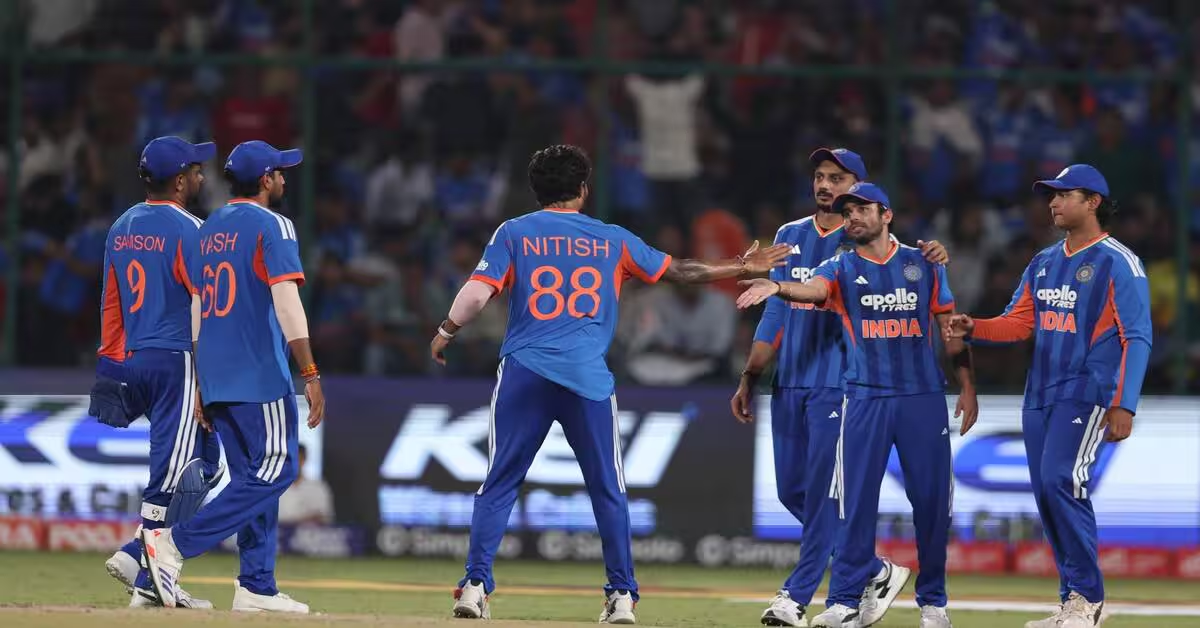
The organisational troubles around India’s Asian Games 2026 campaign continue to grow, as after athletes who have landed in Aichi-Nagoya faced accommodation issues, the Indian men’s cricket team is dealing with a kit delay ahead of its departure for Japan.
The Shreyas Iyer-led side is scheduled to leave New Delhi in the early hours of Sunday, but some members of the squad are still awaiting correctly sized official kits. The issue has led to repeated communication between the Board of Control for Cricket in India (BCCI), Indian Olympic Association (IOA) and JSW Inspire, the IOA’s kit supplier. Most of the sizing problems have been resolved, with only a few players still waiting for their kits.
Advertisement
India team needs two sets of kits
The sizing problem has emerged partly because the Indian players require two different sets of jerseys during their stay in Japan.
The team will wear its regular India kit for the one-off T20I against Japan on September 22 before switching to the official Asian Games jersey for the men’s competition.
Advertisement
India’s campaign at the Games begins with the quarter-finals on September 28, giving the squad less than a week between the T20I and its opening Asian Games match.
The latest issue comes after a separate kit-related problem affected India’s preparations for the opening ceremony. Shot putter Tajinderpal Singh Toor was replaced as one of India’s flag-bearers after his official ceremonial kit did not reach him in time. Kabaddi player Pawan Sehrawat was named as his replacement alongside Manu Bhaker.
BCCI changes accommodation plan
The kit issue is not the only logistical concern involving the men’s cricket team. The BCCI has now made separate accommodation arrangements for the men’s squad in Nagoya after concerns over the rooms allocated through the Games’ organisers. According to a media report from news agency PTI, the rooms provided to the men’s team did not have sufficient space even to keep the players’ cricket kit bags.
Advertisement
The move represents a change from the position outlined by BCCI vice-president Rajiv Shukla earlier this month. On September 8, Shukla had said the cricketers would stay in the designated accommodation arranged by the Asian Games organisers. He said the BCCI had reviewed photographs and videos of the rooms and considered them comfortable, although they were not five-star properties.
At the time, Shukla said Nagoya’s limited supply of top-rated hotels was a major factor behind the decision. The board had also considered accommodation in Tokyo and Osaka, but both were around one-and-a-half hours away by bullet train.
Advertisement
The original plan was for the cricketers to stay in designated hotels in Nagoya, with players receiving individual rooms rather than twin-sharing accommodation.
The latest decision means the men’s and women’s cricket teams will have different accommodation arrangements. The women’s team continues to stay in accommodation arranged through the IOA.
Playing facilities had also raised concerns
Accommodation was not the only issue previously discussed by the BCCI. Shukla had said earlier that the board’s bigger concern was the quality of the cricket facilities, particularly the ground, wickets and dressing rooms. An Asian Cricket Council team inspected the facilities and, according to Shukla, was satisfied with the arrangements.
Advertisement
The cricket teams are also entering a Games environment where accommodation arrangements have come under wider scrutiny. Aichi-Nagoya does not have a conventional Athletes’ Village, with participants being housed across hotels, temporary accommodation and a cruise ship. Several contingents have reported issues involving room allocations, cramped spaces and transport.
India’s Chef de Mission Sahdev Yadav has also acknowledged an accommodation shortage affecting the Indian contingent, with additional rooms having to be arranged after the number of rooms available to the delegation was reduced.
Advertisement
Women’s team already through to semi-finals
While the men’s side is still completing its preparations, India’s women’s team has already secured a medal in Nagoya.
Advertisement
Harmanpreet Kaur’s side defeated hosts Japan by eight wickets in the quarter-final on Friday. Shree Charani claimed four wickets before Shafali Verma smashed an unbeaten 40 off 15 balls to help India chase down 58 in five overs.
India will face Bangladesh in the semi-final on September 20. The bronze-medal match and final are scheduled for September 22.
Advertisement
Men’s campaign begins with quarter-final
The men’s cricket competition begins with the group stage on September 24. Afghanistan, Japan and Nepal are in Group A, while Hong Kong, Malaysia and Oman form Group B.
India, Pakistan, Sri Lanka and Bangladesh have received direct entry into the quarter-finals. India will face the runners-up from Group A on September 28.
Advertisement
The semi-finals are scheduled for October 1, followed by the bronze-medal match and final on October 3.
India are the defending men’s champions, having won gold at the 2023 Asian Games in Hangzhou.
Advertisement
For the Shreyas Iyer-led side, the immediate priority is to complete the remaining kit deliveries before Sunday’s departure. The team will then play Japan in the September 22 T20I before turning its attention to the Asian Games quarter-final six days later.
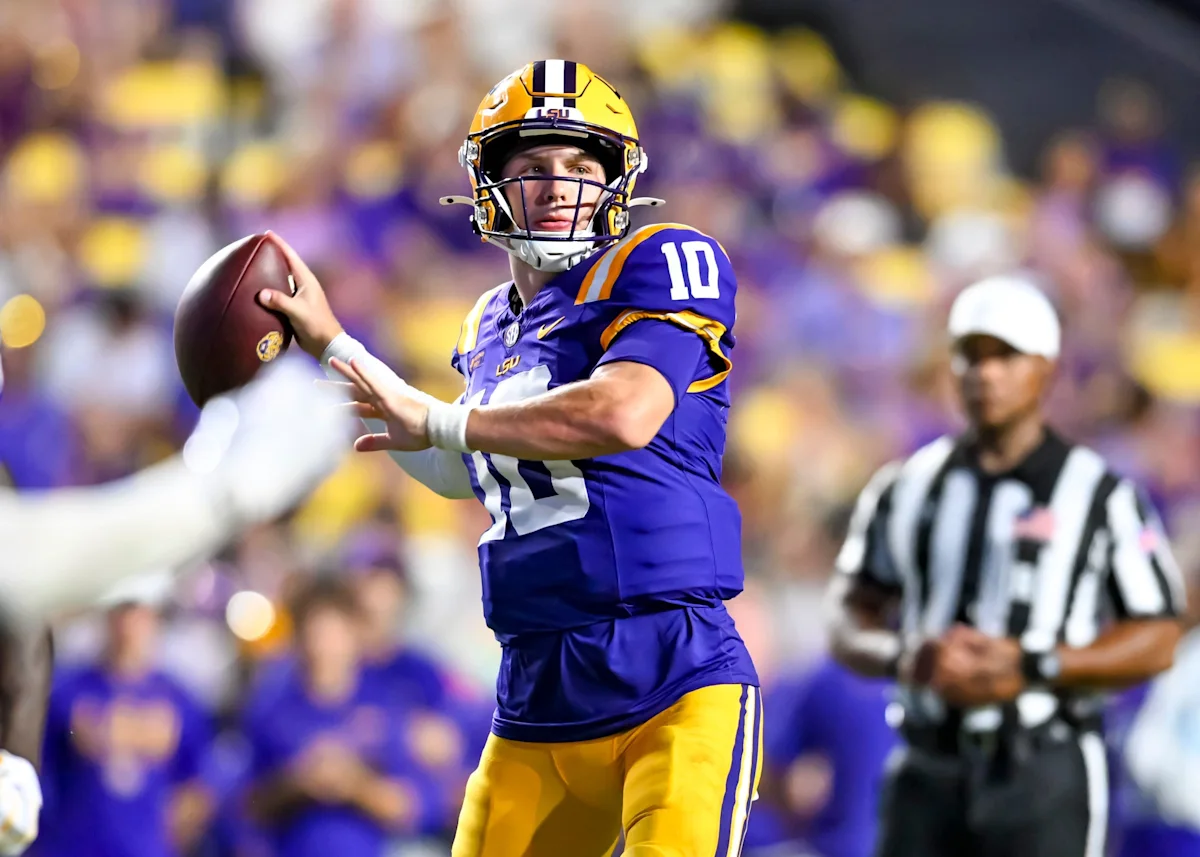
It’s a huge game for LSU and particularly coach Lane Kiffin. This is his first game in Oxford since leaving Ole Miss amid their best season in program history in 2025, so Vaught–Hemingway Stadium will be filled with bad blood. The Tigers will certainly need Leavitt, the former Arizona State star and top transfer quarterback, who’s coming off a rough three-interception game against the Bulldogs.
Advertisement
Here’s what we know about Leavitt’s status.
Advertisement
Is Sam Leavitt playing tonight?
It appears so. Leavitt was not listed on the SEC availability report Friday, indicating he’ll be suiting up Saturday night in Oxford. ESPN is reporting he’ll start. Mystery solved.
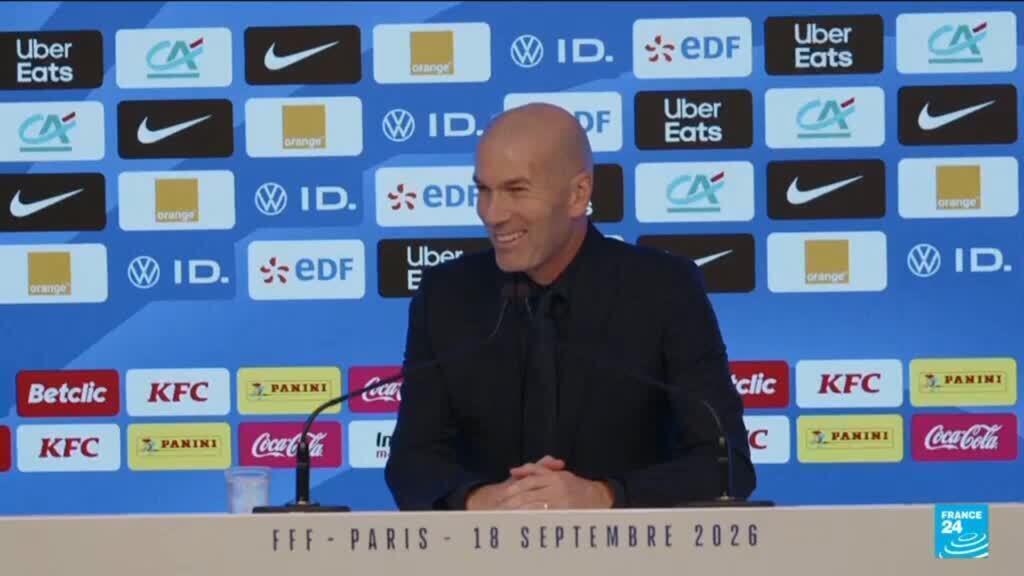
Football legend Zinedine Zidane says that Kylian Mbappe will be his France captain. Zidane named his first squad since being appointed head coach of France’s national football team. His first matches in charge will be against Turkey and Belgium. Details by Nick Rushworth.
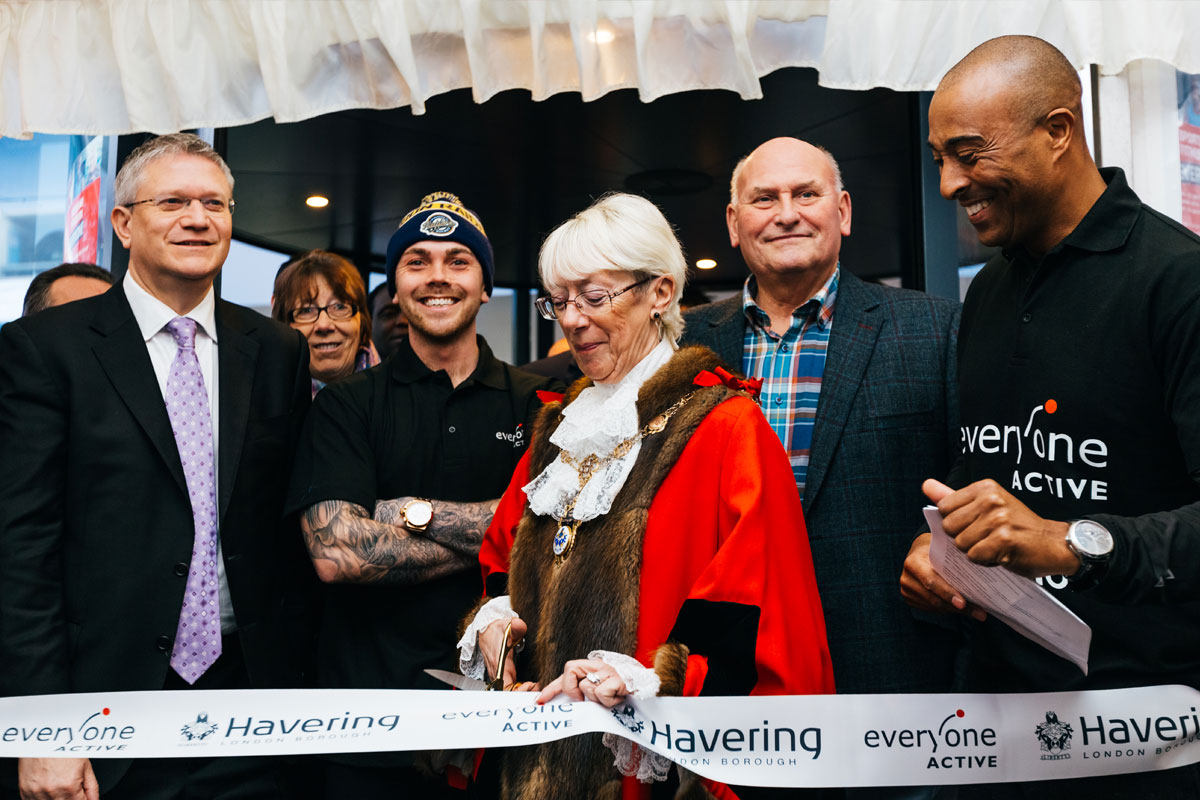
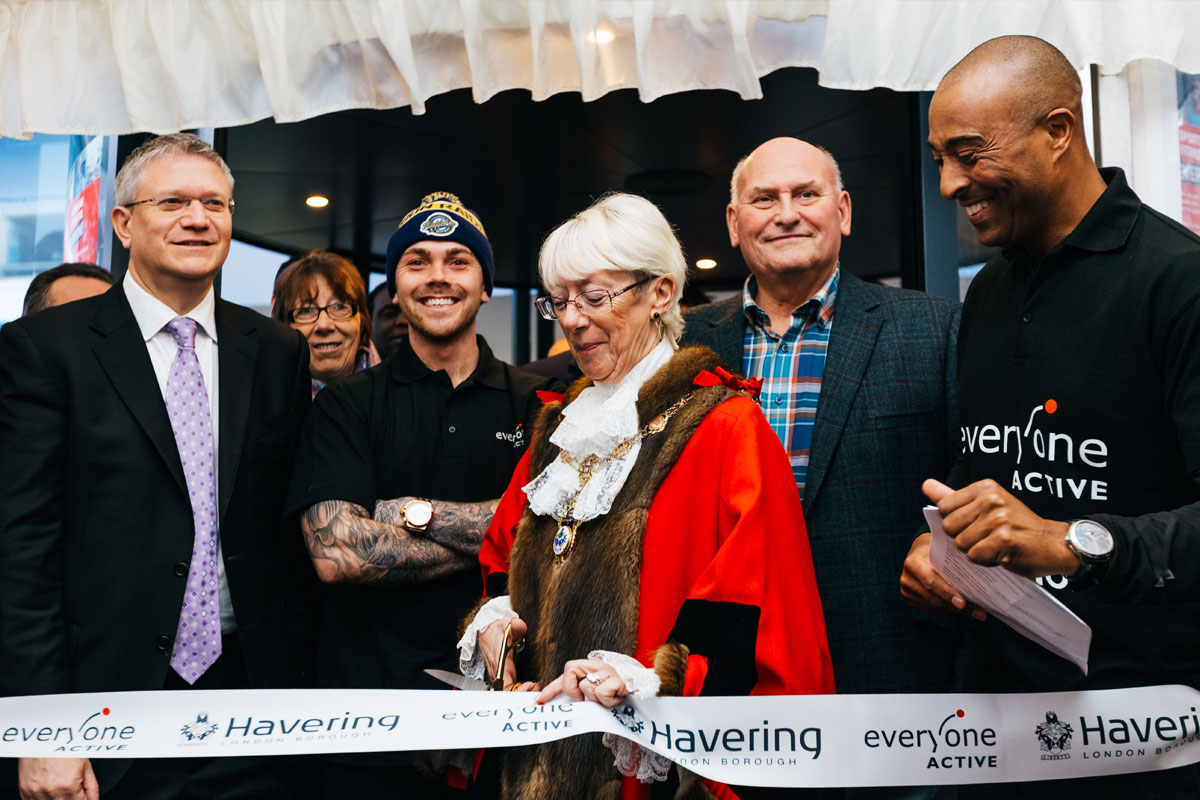
Everyone Active’s aim is to get communities active, engaged and entertained through our wide-ranging activities and services that include, sports, coaching, culture, events, health and happiness.
We manage a vast range of indoor and outdoor facilities including swimming pools, spas, sports halls, squash courts, studios, fitness suites, climbing walls, cafes, golf courses, athletics stadia and sports pitches.
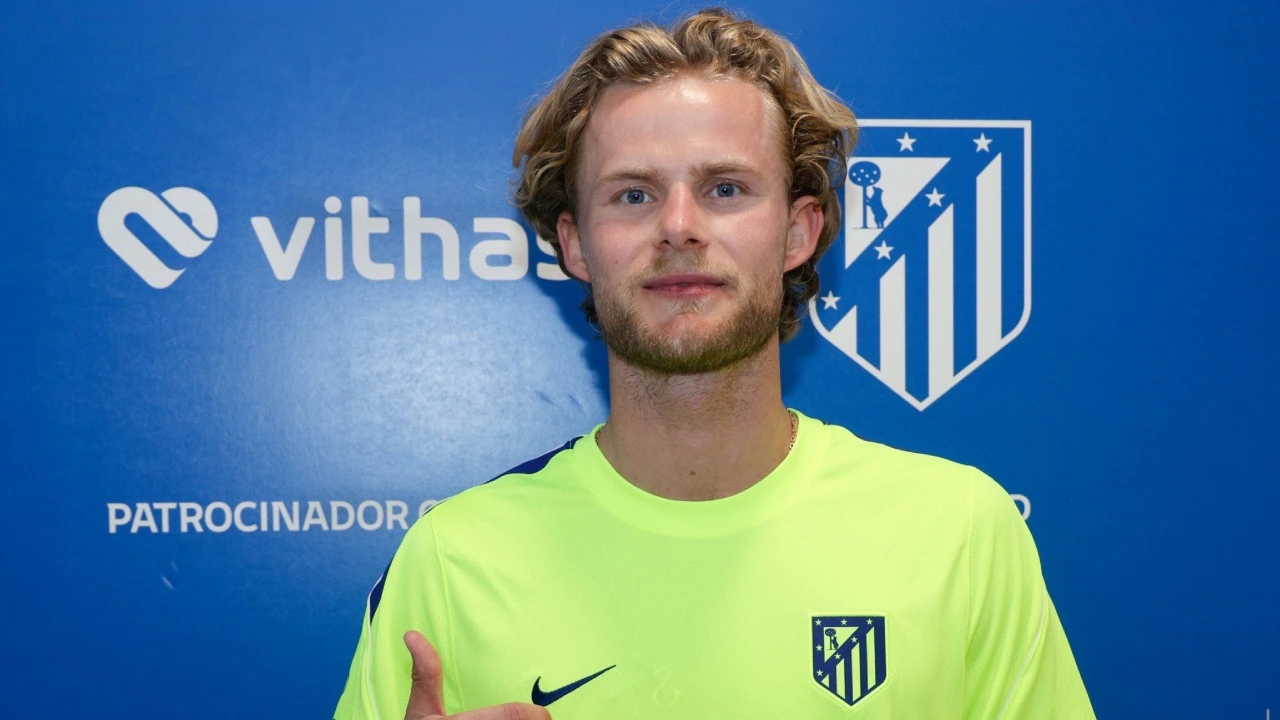
Atletico Madrid midfielder Morten Hjulmand expects another fiercely contested Madrid derby when Diego Simeone’s side host Real Madrid on September 20 in LALIGA, but believes Atletico’s experienced players will be crucial in handling the pressure of one of Spanish football’s biggest fixtures. Talking to FanCode, the official broadcaster of LALIGA in India, The Danish midfielder acknowledged that the scale of Atletico’s task is significant, particularly given Real Madrid’s attacking quality, but dismissed the prospect of another high-scoring derby such as Atletico’s 5-2 victory over Real in the past.
“It’s unusual to get a win like this in a derby because it’s always very even. We almost never see this kind of result in the derbies,” Hjulmand said. “To win 5-2, that will be difficult. But our objective is, of course, to win at home against a very good opponent.”
For Hjulmand, pressure is an unavoidable part of representing Atletico, regardless of the opponent or competition. The midfielder said the team has experienced that pressure throughout the season, including in matches against Osasuna, Real Sociedad and Liverpool.
Advertisement
“When you’re a player of Atletico, you always have pressure, no matter who you are going to play and which competition it is,” he said. “That’s a part of the game.”
Hjulmand believes Atletico’s experienced core can help the team navigate the intensity of the derby. He highlighted captain Koke, goalkeeper Jan Oblak and other long-serving members of the squad, along with the coaching staff, as important sources of guidance for the younger players.
“They’re used to dealing with these kinds of games and this kind of pressure,” Hjulmand said. “They are good to share advice with other players because they experienced it themselves. So, of course, when they open their mouths, you listen to what they have to say.”
The 27-year-old is also under no illusion about the threat posed by Real Madrid’s attack. Hjulmand pointed to the individual quality throughout their forward line and warned that Real possess players capable of changing a game on their own.
Advertisement
“They have world-class players in their offensive, in every position,” he said. “They will for sure create chances and be dangerous also against us. We have to prevent as many chances as possible, but we know with the quality they have, it will be tough.”
Hjulmand was unwilling to reveal Atletico’s specific tactical plan for dealing with Real’s attacking threat, saying that those details would remain within the dressing room.
“We will analyse it inside the dressing room. And then I hope you will see the output on Sunday,” he said.
The midfielder also reflected on training under Diego Simeone and the increased intensity he has experienced since moving to Atletico from Sporting CP. According to Hjulmand, the demands of both training and matches have risen, with the greater intensity and quality of La Liga requiring a different approach.
Advertisement
“His focus on the training is to train well, because if you train well, you play well,” Hjulmand said, referring to the demands of his coaching environment. “So, there has been a difference, of course. La Liga is a stronger league than the Portuguese league.”
Hjulmand also noted a tactical difference between his former club and Atletico. At Sporting, he said, his side was more dominant in possession and generally able to control matches, whereas Atletico faced opponents capable of imposing themselves on the game.
“Here we have stronger teams and teams that also can dominate the games as well,” he said. “So, it’s different, yes, but way more intense in the training and the games than in Portugal.”
The midfielder, who has previously spoken about the importance of regular playing time for young footballers, reiterated his belief that consistent minutes are more valuable for development than immediately joining a bigger club without a guaranteed role.
Advertisement
“For young players, always seek playing time. That is the best advice I can give,” Hjulmand said. “If you are going to join a team where you can play as many games as possible, 90 minutes every week, make mistakes, learn from them, win, that will take you very far.”
He believes spending time at a lower level can ultimately provide a stronger foundation for a player’s career.
“I prefer to play in a lower team, start lower, but then play 90 minutes every week,” he added.
As for his own role in Sunday’s derby, Hjulmand identified balance as one of his key strengths. With the match likely to feature intense duels and transitions, he believes his ability to provide stability in midfield could prove important.
Advertisement
“One of my best skills as a midfielder is the balance I bring to the team,” Hjulmand said. “In a game like this, where the intensity is very high and you have many duels, I think my balance can help the team.”
And against a Real Madrid side renowned for its ability to exploit space in transition, Hjulmand knows that discipline will be particularly important.
“Hopefully not give Real so many transitions, where we know they are very, very strong,” he said.
Atletico Madrid host Real Madrid on September 20 with the derby once again set to provide a test of Atletico’s defensive organisation, midfield control and ability to handle the pressure that Hjulmand believes comes naturally with playing for the club.
Advertisement
Featured Video Of The Day
Neeraj Chopra Wins Silver, Yashvir Singh Bronze As India Seal Double Podium In CWG Javelin
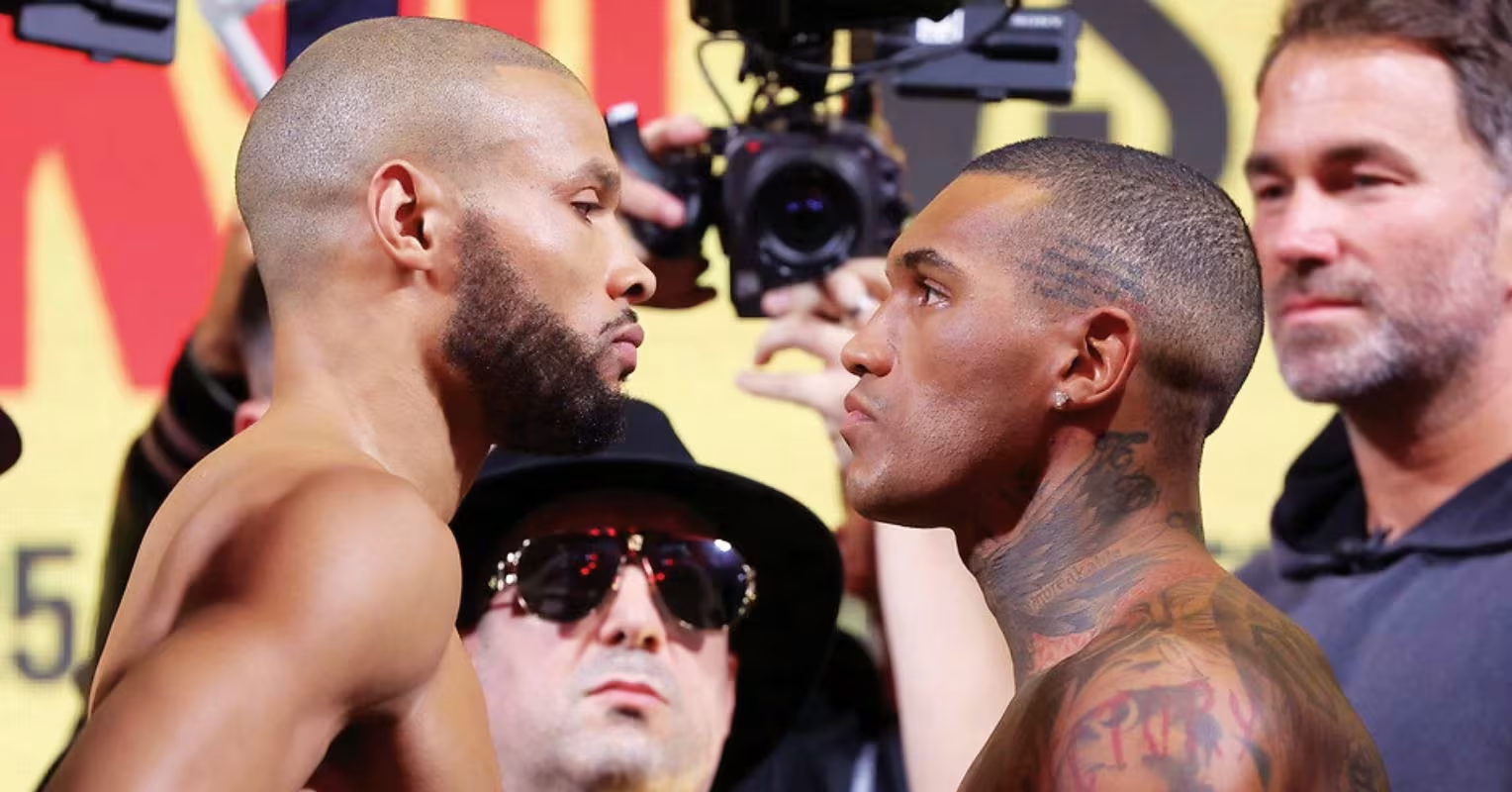
Admitting to negotiating favourable deals against Chris Eubank Jr, Eddie Hearn is unsure that Conor Benn would have the same success against his domestic rival on a fairer playing field.
The two Brits were initially supposed to collide in 2022, only for Benn to test positive for banned substance clomifene and cause their showdown to be cancelled.
Their rivalry was then revisited in 2025 and, following a Fight of the Year contender, Eubank managed to emerge with a unanimous decision victory.
Advertisement
The naturally bigger man was, of course, heavily favoured to win but, due the rehydration clause in their contract, he could not exceed the 170lb limit on the morning of their contest.
One can only imagine the impact this had on the middleweight’s performance but, during their rematch later that year, Eubank certainly seemed a severely depleted version of his typical self.
Since then, ‘The Destroyer’ has united with Dana White’s Zuffa Boxing but, while he was still with Matchroom, Hearn admits to having negotiated the best possible advantage for his man.
Advertisement
Speaking with The Stomping Ground, the Matchroom boss confessed that he is now unsure of Benn’s chances in a potential trilogy bout with Eubank.
“When you talk about the rehydration [clause], when you talk about the weight [160lbs], we did our job to get the best possible edge [against] Chris Eubank.
“If Conor fought him at 168[lbs], with no rehydration clause, could he beat Eubank? I don’t know.”
With Benn coming off a second-round stoppage defeat to Ryan Garcia, the 29-year-old is likely to campaign at either middle or super-middleweight, where a trilogy clash with Eubank could soon be explored.
Ed. note: Thirteen years ago, I visited legendary teaching pro Bob Toski in Boca Raton, Fla. The goal: spend a day with the PGA of America Hall of Famer, at his home and on the range, to better understand what kept his mind sharp and his motor running. Toski was 87 then, and still crackling with energy and chat. If you’d told me then he’d live to 100, I would have believed you. That’s how vivacious he was. Well, Toski made it. On Friday, he hit the century mark, and still is flashing his trademark pep. According to a PGA Tour report, Toski is hosting his own birthday party, where he’s planning to tap dance for his guests. In honor of Toski’s 100th, we’ve re-published GOLF Magazine’s 2013 interview with him below.
Excerpted from the October 2013 issue of GOLF Magazine. For access to theentire GOLF Magazine archive, join InsideGOLF today.
***
Advertisement
You don’t have to snoop for long around Bob Toski’s Boca Raton, Fla., home to realize that the 87-year-old teaching icon has really lived. A samurai sword rests in a sheath in the foyer, a vestige of the years Toski spread his gospel in Japan. Adorning the hallway: framed photos of Toski at the 1954 U.S. Open at Baltusrol and on the first tee at the 1955 Masters with his dear friend Sam Snead. On a kitchen wall, another treasured snapshot: of Toski’s late wife, Lynn. “She was a model,” Toski says, beaming.
And look! There’s Hogan, one of Toski’s two cats, named for the ball-beating legend Toski idolized and eventually befriended. (Well, sort of. More on that later.) And, of course, there’s Toski himself, a 5’7″ firecracker, bursting with stories and learnings and an apparent immunity to the ravages of aging. “I don’t give a f— how old I am,” he barks. “God gave me energy, he gave me a mind, he gave me a body and said, ‘Use the thing. Use it till it wears itself out and then I’ll take you up to heaven and put you on my throne.’”
Colorful, confident and unabashedly candid — that’s Toski. Here’s more from the five-time PGA Tour winner and Hall of Fame instructor, including why teaching is an art, who he admires and how he handled the cheating allegations that rocked his senior tour career.
Bob Toski pictured in 2008.
getty images
Advertisement
You like to say you’re the best 87-year-old golfer in the world. If we went out and played today, what would you shoot?
Well, I shot 75 last week — how is that? When you turn 87, go shoot 75 and then talk to me. You’ll say, “That is fantastic!”
Who’s the second-best 87-year-old golfer in the world?
I don’t know, and I don’t care. But if someone wants to play me for some money, let’s start a little $15,000 Nassau. I can afford to gamble $15K…$30K…$40K! That’s what all these great [golf-loving] athletes do. They have big egos and they think they can play.
Advertisement
If a 15-handicapper challenged you to a money match, how many strokes would you give him or her?
You won’t get me into that deal, ’cause every handicapper I play with is a cheater. I have been hustled before and seen so many people lie about their handicaps. If you’re a legitimate 15, then I’d give you 15 shots, and we’ll both play from our respective normal tees.
How far can you hit it on a good day?
About 250. I can carry it probably 230 and if I can get some run, I’m fine. I try to put topspin on the ball. I hook it, which is something I never used to do. I have a two-degree closed driver. The minute I see that closed face, I know I can hook it. As I always say, an ounce of touch is worth a ton of brawn, and if you don’t find it, you’ll be there till dawn.
Advertisement
What’s the biggest fix needed in golf instruction today?
You can’t teach golf the way they’re teaching it these days. Everybody says that the body controls the swing. The body doesn’t even touch the club — how can it control the swing? The swing starts in the hands. The minute you hold a club in your hand, you feel like you have control of something.
So control and precision have taken a backseat to the power game?
Exactly. Today’s players don’t know where they’re aiming and swinging. They’re swinging so fast that they can’t square the clubface. They are one-dimensional: Bomb it, find it, hit a wedge, make the putt. Teaching players to become three-dimensional is a lost art. Players can’t curve the ball anymore. They aren’t shotmakers.
Advertisement
You’ve influenced countless golfers. Who influenced you?
Seymour Dunn [the noted designer and author] would be up there. I didn’t realize what a great teacher he was until I read “Golf Fundamentals.” The book was so sound and sensible that I made it almost my bible. But I’ve read every book that [Jack] Nicklaus has written and [Ben] Hogan wrote. You name it—I’ve got a whole library. In the present day, I’ve admired Hank Haney, Butch [Harmon] and Eddie Merrins, who I’ve always thought was an underrated teacher. All these guys teach fundamentals, not something that’s off the wall.
You’ve taught some great players — Tom Kite, Judy Rankin — but your best rags-to-riches story might be Birdie Kim, who came out of nowhere to win the 2005 U.S. Women’s Open.
She had one of the best swings I’ve ever seen. I needed to teach her how to score. I told her, “We’re going to play every day, and you can’t beat me.” And I’d beat her. I’d shoot 69 and she would shoot 71. I’d shoot 70 and she would shoot 72. But all along I was giving her playing lessons: how to hit bunker shots, read greens. She was getting better, but she wasn’t getting the ball home. I told her, “Birdie, if you can beat me, I’ll give you $20.” All of a sudden, I shoot 70, she shoots 69!
Advertisement
Money motivates.
Right, and I had pissed her off. You can’t beat me? I’m over the hill! I aggravate my students so they play better. It’s called tough love. I finally told her, “You’ll have to beat me tomorrow.” And she did. I knew then she was ready.
I aggravate my students so they play better. It’s called tough love.
Bob Toski
She was. At the Open, she holed out from a bunker on the 72nd hole to win by one. What ever happened to her?
Advertisement
After she won, she gave my wife and I two watches. They were knockoffs, fakes. I hardly ever saw her again after the Open. I told her, “I’m your best friend; I made you a champion! Your first victory was a major. You need to stick with me.” But [she] left me. Now check her career. She plays on some satellite tour [the Symetra Tour, the LPGA’s development circuit]. How can someone with a great swing, fundamentally a 10, lose it? She’s naive. That’s the story of Birdie Kim. She could have been a great player.
Another of your students, Ken Duke, finally won his first PGA Tour event earlier this year, at 43, beating Chris Stroud in a playoff at the Travelers. Were you watching from home?
I was at the club [Sherbrooke G&CC in Lake Worth, Fla., where Toski teaches] standing around with all the members. On the 72nd hole, when the kid [Stroud] knocked his ball over the green, everybody came up and patted me on the shoulder. I told them he still had a shot of holing out the chip shot and not to celebrate early. Sure enough, he holed it. Everyone was stunned. I stood up and said, “It ain’t over till the fat lady sings, folks!” That’s why they call me “The Godfather.” I bust ass. Then they asked me, “So now what do you think?” And I said, “Ken loves one-on-one. He’s a competitor and has fortitude coming out of his ass. He’ll beat this kid.” Ken put his approach on the second playoff to two or three feet. I knew he could yip from that distance, but he didn’t. He made it and won.
If you were to seek out one player to work with, who would it be?
Advertisement
Well, I’m not one to approach players. If you’re sick, you go to the doctor; the doctor doesn’t seek out patients. But I’d love to work with Michelle Wie. That girl can play! She has dynamic talent like you can’t believe.
So what’s holding her back? She hasn’t won since 2010.
Potential energy has to be turned into kinetic energy. Lightning has great kinetic energy, but it doesn’t know where it will strike. My job is to take potential energy, make it into kinetic energy, and teach you how to strike and know where to strike.
Of all the players you’ve come across, who would you say has accomplished the most with the least raw talent?
Advertisement
Bob Rosburg. He had the worst grip you’d ever seen, like he was grabbing a baseball bat. You’ve never seen anyone hold a club like that, and yet he won a PGA Championship. He had a swing that really looked like a good 15-handicapper’s. He didn’t hit it very far, he didn’t hit it very hard, he hit those squirrely shanks, but he knew how to control the ball. He could chip and putt with the best of them.
Nearly every player on Tour has the talent to win any given week. What separates great players from good ones?
There are two types of swings: a competitive swing and a noncompetitive swing. That’s why these guys on the practice tee all look good. That’s also why these guys get up on the first tee and hit it O.B. There’s a lack of understanding of self-control. I learned to win and compete under the tutelage of the best players in the world. Byron Nelson and Sam Snead tutored me. They helped me every day on the first tee and practice range.
You don’t see that same camaraderie much on Tour today.
Advertisement
We couldn’t afford teachers. [Tour pro] Ted Kroll was my mentor. We traveled together and he taught me the swing that I have today. Now, other guys helped hone it, but he spent hours with me every day. He would call over other guys like Hogan and Nelson to take a look. They would say, “Yeah, that looks good, even better than it did two weeks ago.” That’s the way it would go. We were a little fraternity. We were close-knit, because we didn’t have teachers and gurus or psychologists. We had to become our own best teachers. Hogan was the best at teaching himself how to become a great player.
Would guys gather around Hogan while he practiced?
I used to watch him practice by the hour. He never said a word to me. He just hit balls. You couldn’t talk to him. He didn’t go out there to talk to people. He went out to work on his mind and body. If you wanted to watch, fine. I would stand behind him down the line. I would study his grip, body position, body turn. The tendency is to stand closer and closer when you’re watching someone. Once I stood too close to him and he gave me this glare [Toski’s eyes narrow]. I immediately stepped back.
Did Hogan ever let down his guard? Could you ever just relax with him?
Advertisement
We weren’t that friendly. He knew who I was — a rookie or whatever. He finished practicing at Riviera once and his locker was close to mine. He was taking off his shoes and he said to me, “Bob, you were out there a long time today.” Now, you don’t talk to Hogan like this, but I pointed at him and said, “I was out there as long as you were.” And he said, “Yes, you were. Did you learn anything?” I said, “Ben, every time you made a swing, I learned something.” He said, “Good.” He closed his locker and walked out. We became closer because he knew I had balls. After that he would come talk to me.
What are your memories from the first of your five Tour wins, in Hartford in 1953?
Winning got you into the fraternity, to be one of the boys in the inner circle. It wasn’t about money for us. It was about winning. Suddenly people were asking me to go to dinner.
Bob Toski at the Masters in the 1950s.
getty image
Advertisement
After just seven years on Tour, you quit to teach full-time. Do you regret not playing long enough to win a major?
If I hadn’t been so successful in my marriage and as a teacher, I would have regretted not playing longer to try and win majors. My marriage to a woman that I still love and miss very much — we were married from 1953 to 2010 [when Lynn died] — was something that I can’t replace. I don’t need another woman. My spirit and life is with her every day. I’m closer to her two years after her death than I ever have been. As for teaching, I never thought I would become the teacher that I have become. Playing is a skill; teaching is an art. I learned to become an artful teacher because I studied the swing from an anatomical and psychological standpoint.
Did teaching come naturally to you?
No. Early on, I was giving people their money back. I thought I could teach because I was the top money earner [on Tour], but I couldn’t. I had to learn it. I was a doctor trying to learn about cancer. Bad thoughts and bad swings are cancer in golf. I initially wasn’t a good communicator. I could only teach me. By breaking down the swing, I learned how to teach.
Advertisement
Eventually you went back to playing competitively. In 1986, you voluntarily left the Senior PGA Tour for six months after two of your fellow players alleged that you improperly marked your ball. Were those allegations correct?
If I marked my ball incorrectly, then a lot of other people have marked the ball incorrectly and haven’t been called on it. It wasn’t that I cheated, it’s that I may have been a little negligent in putting the ball down exactly behind the mark. I may have moved it a little right or left, but I never cheated to move the coin forward, or took advantage of where I was placing the coin. There were two players that called me on that. You know who they were?
Gay Brewer was one of them.
The other was Billy Casper. They confronted me in Tokyo, when I beat Brewer in the tournament. Brewer and I didn’t get along for a number of reasons: I had the better swing, I was getting accolades because I was a teacher. There was a lot of animosity. He confronted me after the round and said, “Bob, you were mismarking your ball.” And I said, “If I mismarked a ball, I apologize. I’m not aware of the fact that I mismarked a ball to the point that there was an advantage, like I was trying to move it ahead.”
Advertisement
But placing your ball to the left or right of your marker can also be an advantage if it helps you avoid spike marks.
I’m intuitive, instinctive. I do things quickly. And I said if I marked a ball incorrectly, I apologize. I said to Deane Beman [then the PGA Tour commissioner], “You either believe me, or you believe Billy and Gay. You’re the judge.” So he says, “Well, we’re gonna have to ban you from the Tour for six months.” I said, “If that’s your decision, that’s fine with me. You gotta live with that decision…I’m not worried about it. I don’t care what the public thinks. You guys wanted to do a number on me, you got even, you did a number on me.” For me to have done this as a senior player, and I won all my tournaments on the regular tour and never cheated, and now they accuse me of cheating? Are you gonna think I’m a worse person because of it?
What did that experience teach you about yourself?
It told me that the Tour pros who I thought were my friends were not friends. I can live with my own heart, my own mind. I’ve done so much good for golf. Just think about what I did as a player, and as a teacher what I’ve done for the masses. Now I’m 87, and I’m still doing great things. God put me on this earth for a reason: to succeed as a player and a teacher.
Advertisement
How have you remained so motivated?
I’m not happy just sitting here and saying I did this or that. I’m going to test my body and swing and see how well I can play at 88 or 89. When I’m 90, I want to shoot 70. I’m not going to sit on my ass and just talk to you about how good I am. I’m going to go out and prove it. Every day when I wake up and go out and play golf, I look up and say, “Hey, Lord, how long is this going to last?” And he says, “As long as you want it to.”
And how long is that?
As long as I can still whip ass. Aw, I’ll tell ya, I just love to whip ass!
Advertisement
So, in other words, as long as the game’s still fun, right?
Fun? Now, there’s another subject. Fun is playing good golf. You don’t have fun playing bad golf. When I go out and shoot 75 at 87, I have fun. But if I went out and shot 87 at 87, that’s not fun, because I know I’m unique, I’m different. I don’t have to compare myself to anybody. The only thing I compare myself to is myself and the guy upstairs. That’s it.
How’s that comparison with the Big Man working out?
[Laughs] Listen, I just try to do the right thing. I try to be a Good Samaritan. I’ve been a good father, a good husband, a good teacher, a good player. What else do I have to prove? I’ve got to prove to myself that I can still teach, still produce winners, still shoot low numbers, all while making friends through teaching and playing. That’s my life. I don’t need anything else.
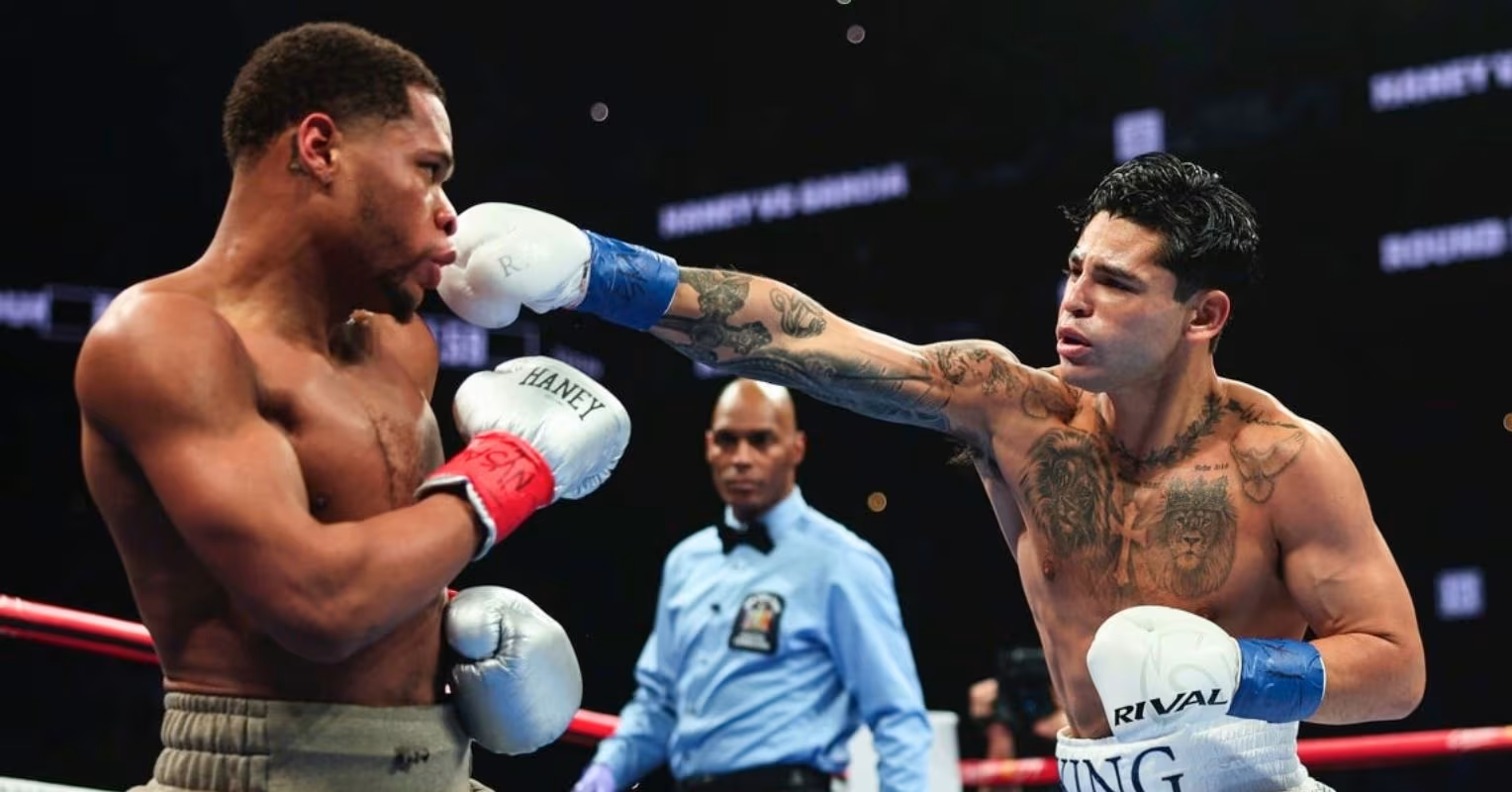
Roy Jones Jr has weighed in on a potential rematch between Ryan Garcia and Devin Haney, believing that both fighters have shown greater improvements than Teofimo Lopez.
As a result, there is now a jostle for supremacy at 147lbs, with fellow champions Haney, Lopez and Liam Paro all boasting a claim to the ultimate throne.
Advertisement
In particular, Garcia has expressed his interest in a unification match with Lopez, who claimed his WBA title by dethroning Rolando Romero last month.
But while many would highlight this as the most intriguing welterweight matchup, pound-for-pound legend Jones has argued that a rematch between Garcia and Haney is far more appealing.
The pair squared off in April 2024 and, despite scoring three knockdowns to edge a majority decision, Garcia’s unexpected triumph was ultimately ruled a no-contest.
This was because the Californian tested positive for banned substance ostarine, for which he served a year-long ban and returned with a unanimous decision defeat to Romero.
Advertisement
But still, Jones has told Parimatch that he believes the winner of Garcia and Haney’s possible rematch would be crowned the top dog at 147lbs.
“Ryan is constantly getting better. These other guys, they’re kind of staying where they are. Teofimo has hit a roadblock – I don’t think he’s really improved much. [Whereas] Haney has gotten better at 147[lbs].
“He looked a lot better in his 147-pound [debut] than he did at 135 and 140[lbs]. So I think the Haney fight [is] the one I would like to see the most right now.
“Both of those fighters have improved. If [Garcia] can get past Devin … yeah, he probably could clean up the division. Ryan definitely has the tools and the skill to run it, but Devin does too.”
While having not fought since his WBO title-winning performance against Brian Norman Jr last November, many still regard Haney as the man to beat at 147lbs.
HOUSTON — The Atlanta Braves held a subdued celebration when they clinched a playoff berth Friday night after missing out last season.
The first-place Braves beat the Houston Astros 6-2 to punch their ticket to the postseason for the eighth time in nine years. They secured at least a National League wild card and reduced their magic number to three for winning the NL East.
Afterward there was no wild celebration, but rather a simple toast with bubbly before they began looking ahead.
“We’ve got our eyes on bigger and better things,” outfielder Michael Harris II said. “We’re trying to win the East. So got to go out there and do what we know we can do and hopefully we can celebrate big for that.”
Advertisement
First-year manager Walt Weiss echoed the sentiment shared by Harris.
“Everything you get in this league is earned,” Weiss said. “I’ve said it a few times this year, but great group, what they’ve overcome this year, and hopefully some bigger celebrations ahead.”
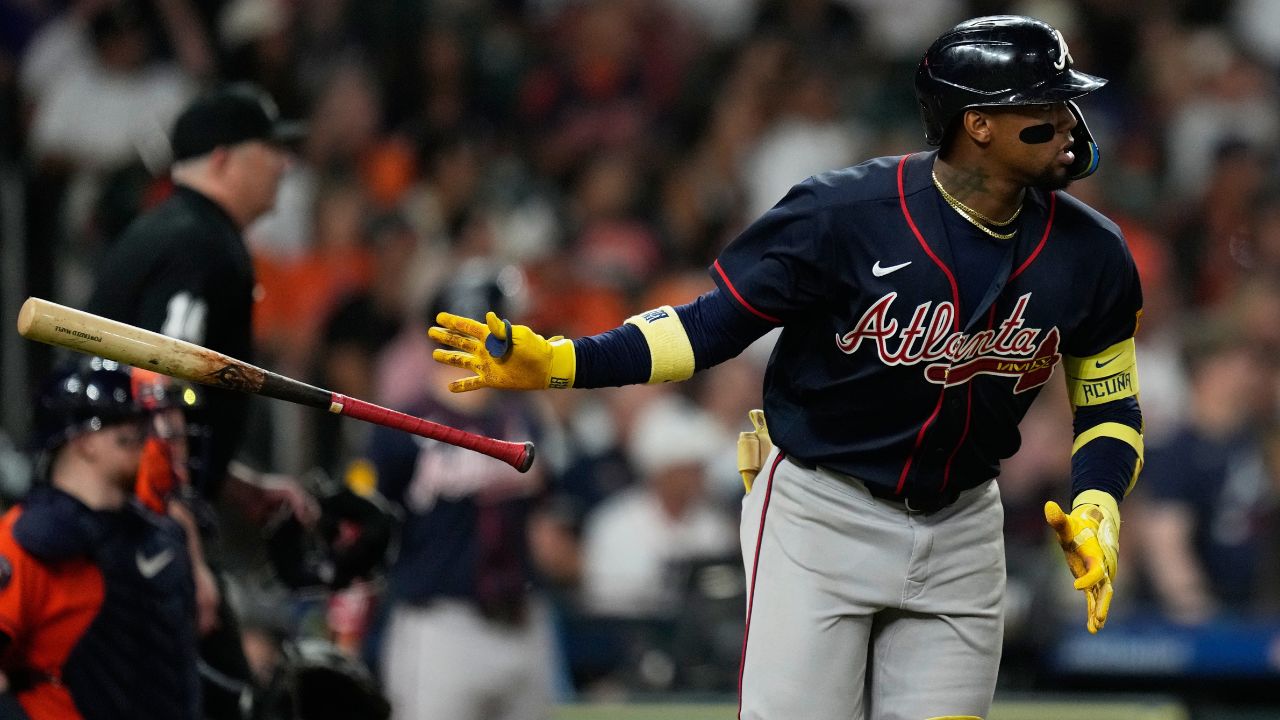
Harris, Ronald Acuña Jr. and Matt Olson each hit a two-run homer to help the Braves bounce back after dropping two of three games to the Chicago Cubs this week.
Atlanta is trying to hold off the Philadelphia Phillies for the NL East title and could wrap up the division crown as soon as Sunday. Atlanta’s win Friday night coupled with Philadelphia’s 6-3 loss to the Mets gave the Braves a five-game lead over the Phillies with eight to play.
Advertisement
Weiss was asked about helping the team back to the playoffs in his first season as manager after spending eight seasons as Brian Snitker’s bench coach.
“I always say it’s always about the players,” Weiss said. “They’re the ones out there performing. We’ve got a good staff. When you accomplish things, it’s an organizational effort. … It takes everybody and we’ve got a really good group.”
If the Braves take the division, it will be their seventh NL East championship in nine years.
Atlanta’s return to the playoffs comes after a disappointing 2025 season in which the team went 76-86 and finished fourth in the division, snapping a streak of seven straight playoff appearances that included six consecutive NL East titles from 2018-23. That run was highlighted by beating the Astros to win the 2021 World Series.
Advertisement
Friday’s victory gave the Braves 90 wins, marking the fifth time in the last eight full seasons that they’ve reached the mark. The only teams with more 90-win seasons in that stretch are the Dodgers with eight and the Brewers and Yankees with six apiece.
What a week it’s been for Manchester City. Sunday’s derby day victory was followed by a convincing Carabao Cup win in which Floyd Samba introduced himself with an excellent double.
With a 100 per cent record in all competitions so far this season, it’s funny to think we’re little more than a month on from City’s season apparently being over after defeat in the Community Shield.
Plenty of tough challenges lie ahead and nobody of a City persuasion is getting too carried away just yet, but Enzo Maresca couldn’t have asked for a better start as Blues boss.
There’s plenty going on at the Etihad and we’re giving the chance to ask us anything about the club. Simply add your questions here and our chief Manchester City writer Simon Bajkowski will give you the answer.
Advertisement
Here are the answers to some of this week’s questions:
Simon, hello. I wanted to ask about Maresca’s coaching staff. Have there been any reports from people working at the club regarding the differences between Pep’s staff (Lijnders, Toure, etc.) and Maresca’s staff? Perhaps the atmosphere within the team has changed or something? Vladimir
Hi Vladimir, thanks for the question. The dynamic of a coaching staff is certainly interesting and each one is different. Last season, for instance, Pep Guardiola was happy for Pep Lijnders to really take control of lots of the sessions and he was particularly intense with the players – more intense than anybody on Maresca’s staff. That said, that is a word that has been used to describe how Maresca is as he tries to get his ideas across to the players. He is more hands-on than Guardiola was, with his staff playing supporting roles. Maresca has made sure that more than one member of his staff keeps an eye on the academy players to make sure they are able to keep developing, with Danny Walker and Willy Caballero taking a particular interest.
Advertisement
Gianluigi Donnarumma also appears to be very happy working with goalkeeping coach Michele De Bernardin. That isn’t a slight on predecessor Xabi Mancisidor, who is widely regarded as one of the best in the business. But Donnarumma is being put through specific paces in training to make sure his kicking is on point, and there is something to be said for the City No.1 having fellow Italians on the coaching staff to bounce off. The atmosphere within the team has also changed naturally just because there are so many different personnel, but the standards remain.
Is Floyd Samba in contention to be a serious first-team option by next year? What I mean is like similar to Foden where he’s training with the first team and starting cup games as he’s behind Enzo and Anderson, do the club see him like that? Kevin
Hi Kevin, what a way for Floyd Samba to introduce himself. What I would say to start is that he is still very young given he doesn’t turn 18 until January, and that while he is one of the most exciting talents in his age group there was something different about Phil Foden. I think Samba will stay with the first team squad for the season and he should get more minutes after how he performed against Norwich. Then a decision will be taken as to what is best for next season – it could well be to remain with Maresca but City could also think that a loan where he can play more regularly might be better.
Divine Mukasa is currently out on loan at West Ham and would be seen to be ahead of Samba, and there is also Claudio Echeverri at Benfica; it isn’t the case any more that a loan away from the club means your first team chances are over. The advantage Samba does have is that he is here now, and if he can keep taking the opportunities that come his way he will get more and more chances while he is here and others are not.
Advertisement
Without signing a back-up striker after selling Omar, are we still too thin behind Haaland, especially if he goes down with any injuries, to go deep in all 4 trophy hunts? Where will we get non-Haaland goals? Xury White
I think the team does look thin without Haaland, and that is in part because the man backed to be his replacement is Antoine Semenyo and he is currently playing as many minutes at Haaland. I’m sure Maresca would have liked to use Foden as a false nine against Norwich before his suspension, and Samba would not be thrown into a more important game yet in that position. Foden, Rayan Cherki and Iliman Ndiaye have all been mentioned as players who can fill in for Haaland as false nines and some of the tactics seen against Norwich with Ayyoub Bouaddi dropping back show that Maresca is experimenting with his players and the formations that they take up.
It’s going to be one of the themes of the season. Right now it looks like City are short but right now a lot of people aren’t convinced that Maresca’s City can win the major trophies. Every game is changing opinions and it’s possible that City can get themselves into a position where they can use Haaland for as much as they want to use him, or they can find an alternative source of goals when they need them.
1. What does Texas need to work on against UTSA in its last tuneup before starting SEC play at Knoxville?
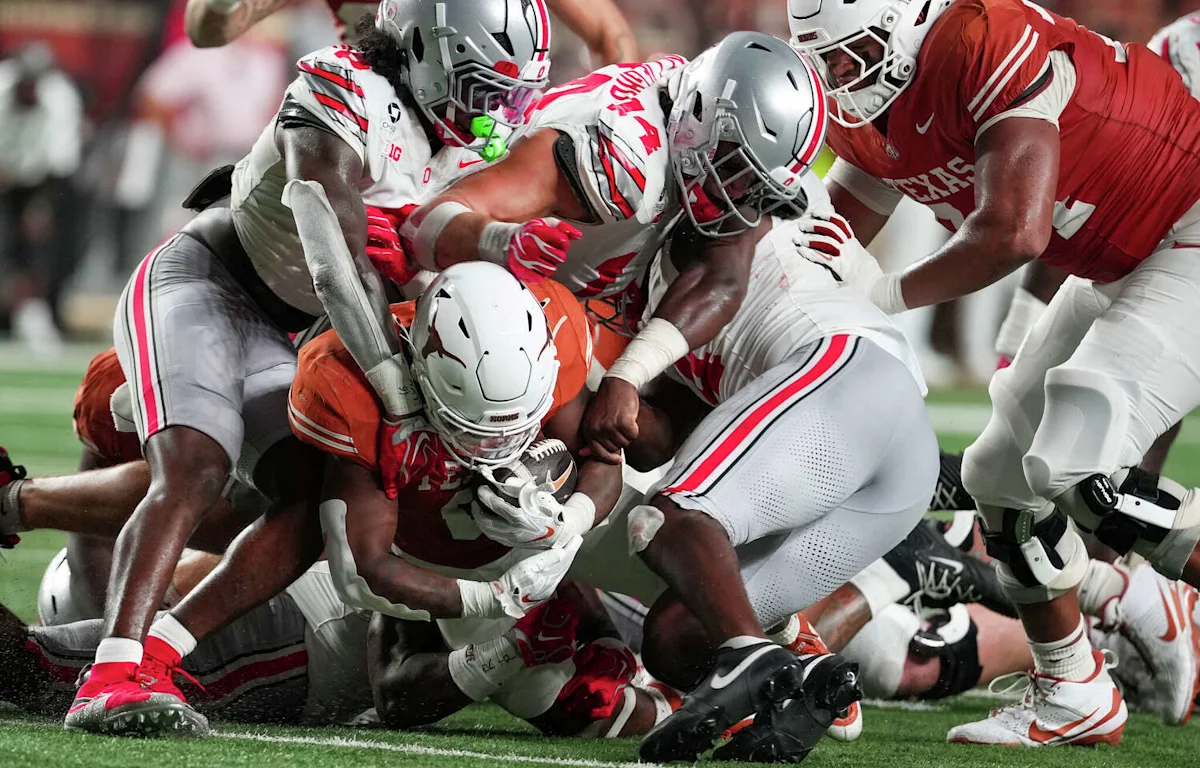
BOHLS: It’s pretty clear that it’s the Longhorns’ running game that needs to be tapped because it ranks a lowly 88th nationally and had just 35 yards on the ground in the first half against the Buckeyes. The Roadrunners are 2-0 but have proven to be very vulnerable in their rush defense, ranking 133rd in the country after allowing Texas State to run for 289 yards and a 5.8 yard average.
Advertisement
GOLDEN: The Longhorns have to tighten up that run game. Sure, they got after Ohio State in the fourth quarter in that Central Texas heat with the Midwesterners’ tongues dragging the ground, but the run was comatose for the first three quarters, one week after they averaged only 4.4 yards per carry against overmatched Texas State. It has to be more consistent throughout if Texas is going special places this season.
2. Should Steve Sarkisian pull all his starters at halftime if the Longhorns go up by 21?
BOHLS: Won’t happen. Now if it were 28 points or even more, I’d play the first-teamers for a series or two in the third quarter and then lift ’em to watch the rest of a 52-17 beatdown.
Advertisement
GOLDEN: Not a chance. I expect the mainline guys to remain in the game through at least half of the third quarter because the Horns are still trying to develop winning habits, regardless of the competition. If they’re up 42-7 midway through the third, then it will be time to pull out the big dogs and get them ready for Knoxville. It’s also important to continue to get backup quarterback K.J. Lacey some live reps in case Arch goes dinged. UTSA won’t pose a threat. Horns win, 58-10.
3. Could Kentucky surprise Texas A&M at Kyle Field?
BOHLS: Uh, no. Oh, the Wildcats could score, but the Aggies defense has been overwhelming so far. It scored on a pair of pick sixes last week against Arizona State. Remember, Alabama outscored Kentucky 32-0 in the second half. I see A&M winning 28-14.
Advertisement
GOLDEN: It’s not happening. Will Stein will eventually bring a winner to Lexington, but this is the year for growing pains. The Aggies haven’t played lights out just yet, but they will put on a strong performance this week. Quarterback Marcel Reed has to remember his legs are his friend. When he runs, this offense goes to another level. The Aggies win, 34-24.
Advertisement
4. Does Lane Kiffin come into Oxford and add insult to Ole Miss’s injured feelings?
BOHLS:
He does not. LSU does have a big edge in manpower and coaching acumen although Sam Leavitt’s four picks are tied for the most in the country. So the Rebels get their revenge when Trinidad Chambliss, who threw only three interceptions all of last year, and No. 1 SEC rusher Kewan Lacey both go off for a 32-28 victory.
Advertisement
GOLDEN: LSU has the potential to be monstrous, if talented but nicked quarterback Sam Leavitt cuts down on the turnovers. He has two touchdowns and four interceptions through two games. The Grove’s prodigal son would love nothing more than to hang a 50 burger on his former employer but the Rebels and quarterback Trinidad Chambliss have an explosive offense as well. Get ready for a shootout with LSU taking a 41-35 win.
BOHLS: Isaac Brown goes off. The stud running back, whom Texas courted in the offseason, has struggled so far, averaging just 3.3 yards a carry, but shows up in a big way as Kevin Jennings will throw two picks and the Cardinals win 27-24 to show Miami it’s not the only power in the ACC.
Advertisement
Advertisement
GOLDEN: Turnovers. SMU quarterback Kevin Jennings is a gunslinger but with that arm talent comes the tendency to force it at times. His two interceptions in the opening win over Florida State made that game closer than it should have been. Louisville QB Lincoln Kienholz has Louisville rolling with 639 yards passing with four touchdowns and no picks so far. This has the feel of a Louisville upset.
6. What’s your upset of a Top 25 team?
BOHLS: Not much to choose from with a lot of blowouts expected. I’ll say a 2-0 West Virginia team stuns No. 25 Virgina by containing Cavs running quarterback Beau Pribula and unleashing former OU quarterback Michael Hawkins Jr., who has run for three scores, passed for three and is completing 76.2 % of his throws without an interception.
GOLDEN: I just spoke on it. In what could be the most entertaining game of the weekend, I’m taking Louisville to turn back No. 16 SMU, 38-35.
Advertisement
Advertisement
7. Who is your most pleasant surprise and biggest disappointment?
BOHLS: I’d say Mississippi State (2-0) is my biggest surprise team, jumping to a 2-0 record after clipping Minnesota. Without question, no top 10 team has been more disappointing than Oregon, which barely beat Boise State and got embarrassed in Stillwater by Oklahoma State, but Oklahoma’s right there.
GOLDEN:
Biggest surprise has to be Mississippi State. They’re tons better than the team that started 4-0 before going 1-8 down the stretch to miss out on its first non-losing season since the great Mike Leach led them to an 8-4 finish in 2022. Disappointing? The Michigan Wolverines, who used stoppage time – who knew that existed in American football? – to remain undefeated in what was one of the biggest gaffes in modern history. Western Michigan won that game, 12-7. Michigan is perpetrating a fraud as the No. 19 team in the country with No. 24 Oklahoma, who pulled a no-show in Ann Arbor last week, not far behind.
Advertisement
Advertisement
8. Whom should Florida State start vetting as its next head coach when Mike Norvell gets axed?
BOHLS: If I were the AD – and that job is already open – I’d circle SMU’s Rhett Lashlee and try to pry him out of Dallas. He’d probably say no, so then I’d go hard after Arizona State head coach Kenny Dillingham, who just happens to be a former Seminoles offensive coordinator.
GOLDEN: Florida State legend Deion Sanders comes to mind but I worry about this health. I would place a call to Arizona State’s Kenny Dillingham, whose $4 million buyout after Dec. 1is peanuts. Dillingham, 36, was Norvell’s former graduate assistant at Memphis before working as his offensive coordinator in Tallahassee.
9. Is Mississippi State’s Kamario Taylor the next LaNorris Sellers or Trinidad Chambliss?
BOHLS:
Advertisement
Advertisement
I’ll say he’s much closer to Chambliss. This kid can play. Taylor is a 6-4, 230-pound quarterback who has scored seven touchdowns and averaged 363 yards a game in total offense.
GOLDEN:
He’s definitely more Trinidad than LaNorris. Huge upside. Taylor is lifting this program and is playing his way into dark horse Heisman Trophy contention but sadly, coach Jeff Lebby will struggle to keep him in StarkVegas. The NIL money is so big now.
10. Which commercials are better, Dr Pepper or AFLAC?
BOHLS: No question. Dr Pepper wins going away. I did dig Ben Affleck in the latest plug for the insurance company. What took ’em so long to sign him on. But very weary of Nick Saban and Prime Time because they’re just not funny and no competition for the Boz.
Advertisement
Advertisement
GOLDEN: It’s not even close. DP’s Fansville commercials have become a phenomenon and continue to push the envelope with Oklahoma legend Brian Bosworth leading the way as the crusty town sheriff. They keep it interesting by subtly poking fun at real issues in college football like the transfer portal and questionable officiating.





;)
;)








![No Money [ DJ BEN RMX ]](https://wordupnews.com/wp-content/uploads/2026/02/1770218101_maxresdefault-80x80.jpg)

































You must be logged in to post a comment Login