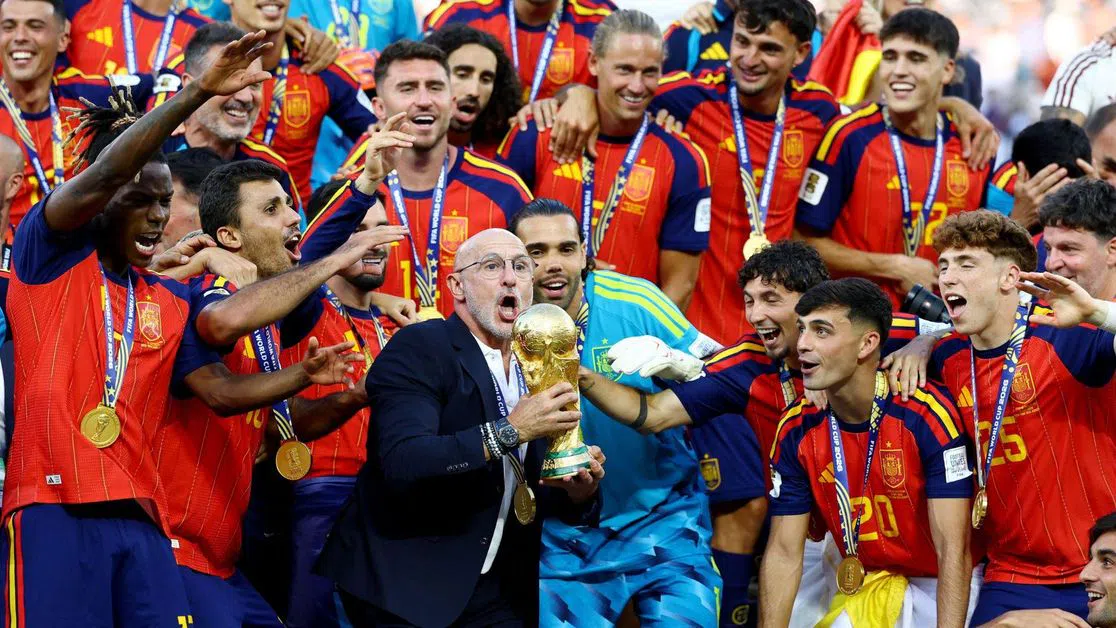
Ferran Torres’ extra-time winner against Argentina at MetLife Stadium in New York on Monday ensured Spain would return home as world champions for only the second time in their history.
For much of the evening, however, attention drifted away from the players celebrating beneath the confetti and towards a bespectacled figure standing calmly on the touchline: Spanish manager Luis de la Fuente.
De la Fuente did not sprint across the pitch or produce an emotional celebration. Instead, the 65-year-old embraced his coaching staff before joining his players, who had just completed the most successful four-year cycle by a men’s national team since Spain’s own golden generation more than a decade ago.
The victory was symbolic in more ways than one. It came in De la Fuente’s 50th match as Spain manager, making the World Cup final a milestone as well as a crowning achievement. In those first 50 matches, Spain won 38, giving him a 76 per cent win rate and matching the best record in the national team’s history, previously set by Vicente del Bosque.
Yet reducing De la Fuente’s success to trophies alone would miss the bigger story. Spain did not simply win another major tournament. They redefined themselves.
The appointment few celebrated
Spain’s elimination by Morocco on penalties at the 2022 World Cup triggered another period of introspection.
Luis Enrique departed after failing to translate Spain’s dominance of possession into tournament success, while speculation quickly centred on experienced club managers capable of restoring the country’s fortunes.
Instead, the Royal Spanish Football Federation chose familiarity over glamour by appointing De la Fuente as the new manager of Spain’s national team.
De la Fuente had never managed Real Madrid or Barcelona. He had never coached in the Premier League or won the UEFA Champions League. His reputation had been built within Spain’s youth system, where he spent years guiding Under-19 and Under-21 sides while quietly shaping the country’s next generation of footballers.
To many observers, the appointment lacked ambition. To the federation, it represented continuity. That distinction would prove decisive.
Luis de la Fuente’s honours
Year |
Competition |
Result |
2015 |
UEFA European Under-19 Championship |
Winner |
2019 |
UEFA European Under-21 Championship |
Winner |
2021 |
Olympic Games |
Silver medal |
2023 |
UEFA Nations League |
Winner |
2024 |
UEFA European Championship |
Winner |
2026 |
FIFA World Cup |
Winner |
Building a generation before coaching it
International managers rarely enjoy the luxury of developing players over several years. De la Fuente did.
By the time Spain entered Euro 2024 and, later, the World Cup, much of the squad already understood the coach’s methods.
Pedri, Ferran Torres, Martín Zubimendi and several others had progressed through Spain’s youth pathway under coaches who shared the same footballing philosophy. Younger stars such as Lamine Yamal, Nico Williams and Pau Cubarsí entered a dressing room where tactical expectations had already been established.
Rather than forcing players to adapt during short international camps, De la Fuente inherited footballers who were already fluent in his ideas.
That continuity shortened Spain’s rebuilding process after Qatar. Instead of spending two years searching for an identity, Spain spent those years refining one.
Possession upgraded
Spain’s greatest sides have always been associated with possession football. Under De la Fuente, possession became a means rather than the objective.
His Spain still dominated the ball but attacked with far greater urgency. Wide players stretched defensive lines, midfielders looked forward earlier, and pressing after losing possession became noticeably more aggressive.
The change was subtle enough to preserve Spain’s footballing identity, yet significant enough to make them far more dangerous.
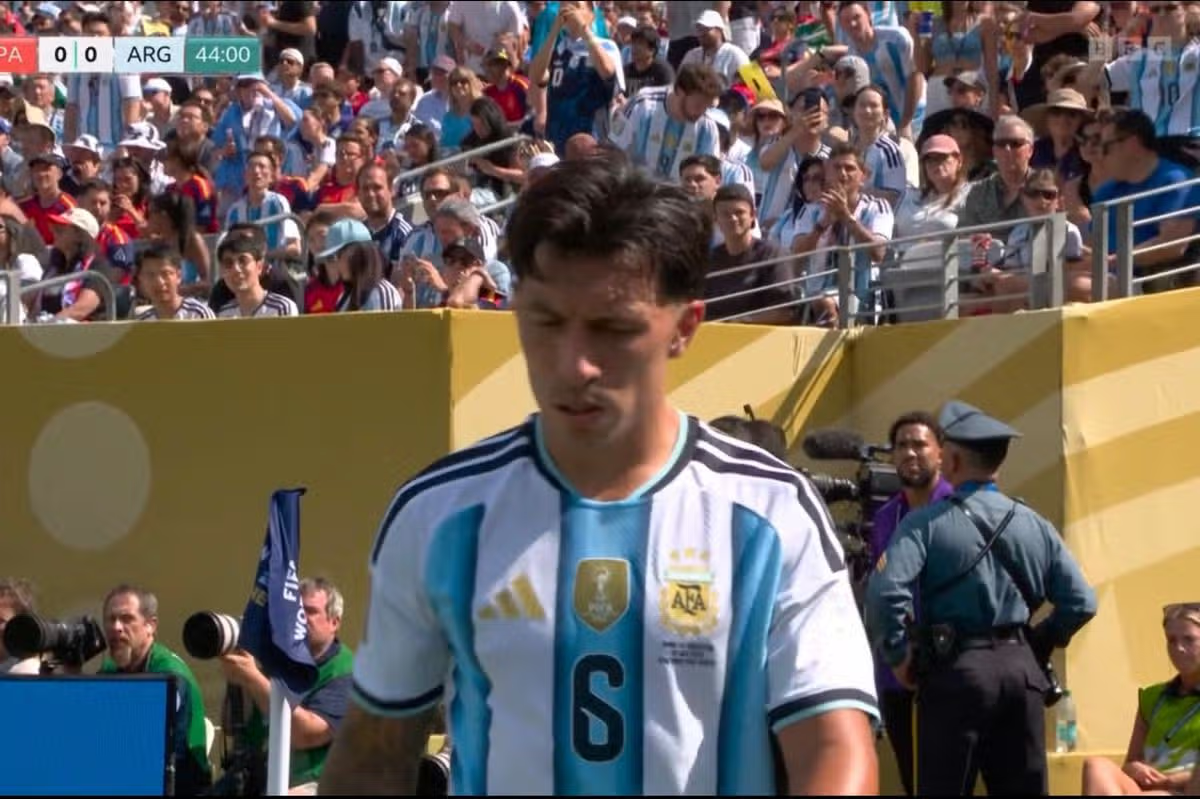
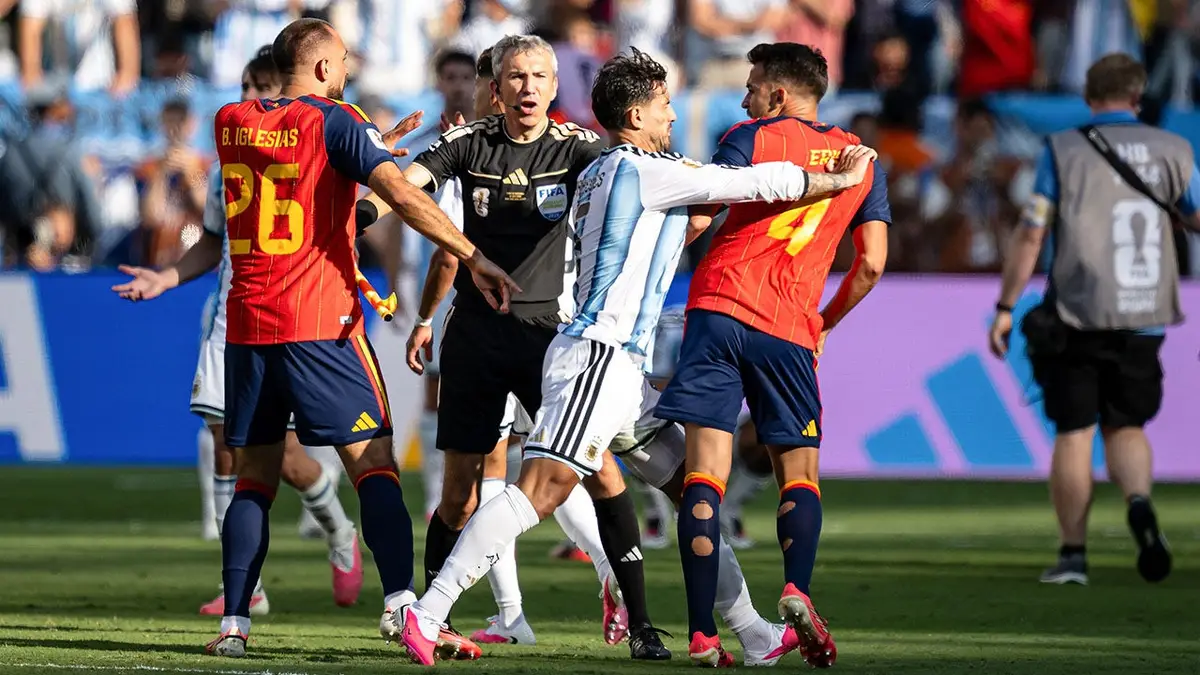
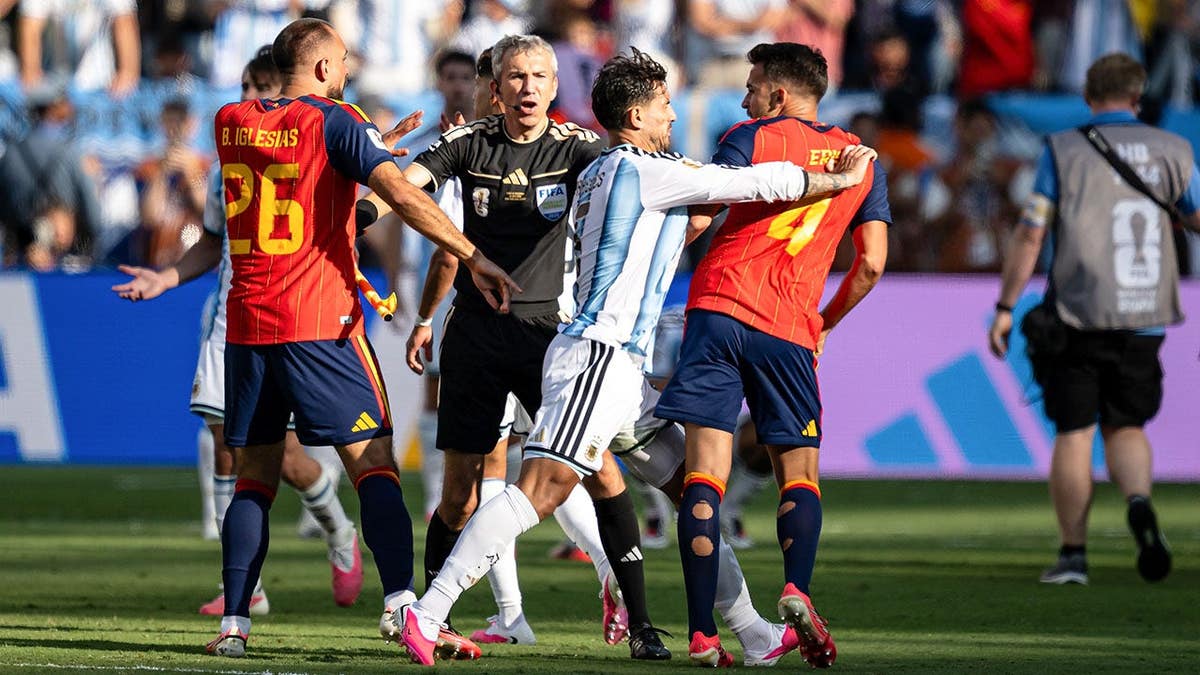
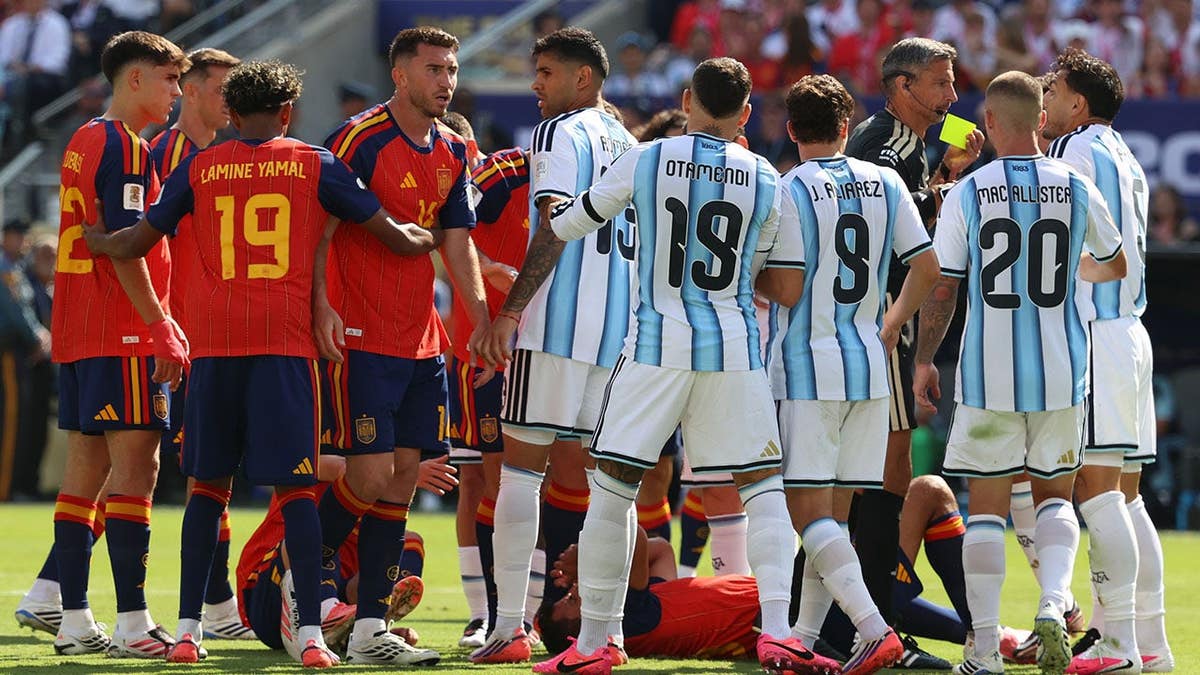
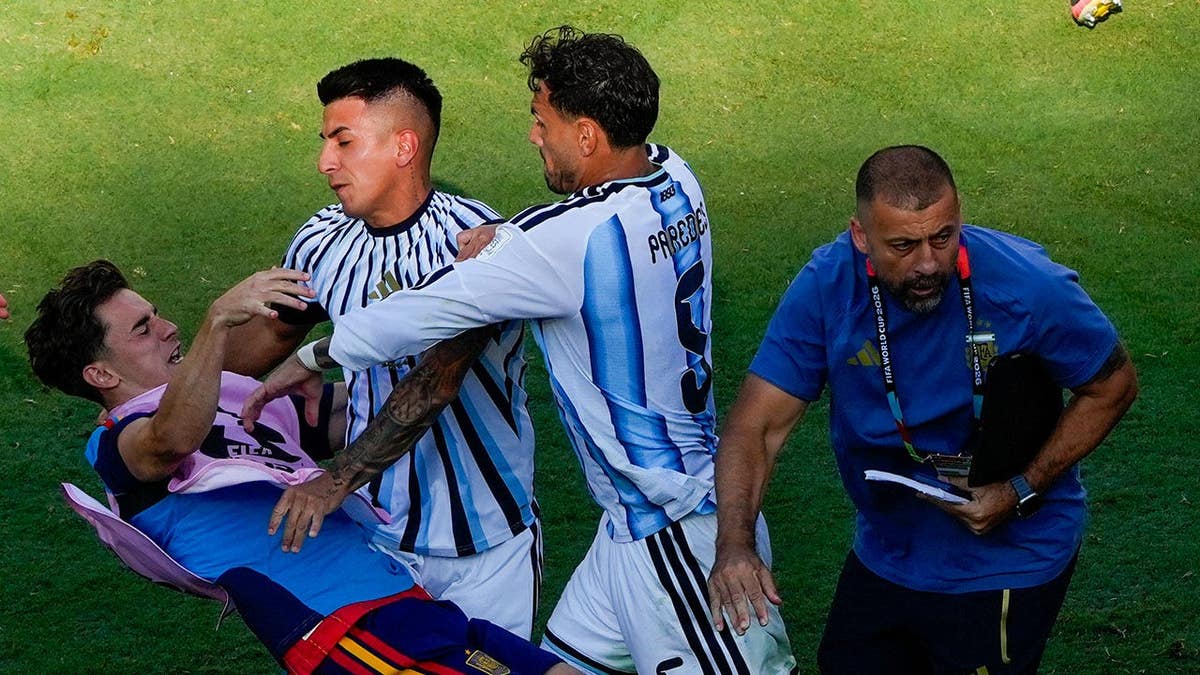
The World Cup final illustrated that perfectly. Spain monopolised possession against Argentina, prevented Lionel Messi’s side from mounting sustained attacks and eventually forced the breakthrough in extra time through Ferran Torres. The triumph reflected tactical patience rather than blind adherence to an old philosophy.
After Qatar 2022 |
By July 2026 |
World Cup Round of 16 exit |
FIFA World Cup champions |
Nations League finalists |
Nations League winners |
Team in transition |
Euro 2024 champions |
Searching for identity |
38-match unbeaten run |
Trust earned through merit
Perhaps De la Fuente’s biggest contribution has been cultural rather than tactical.
Selection was never based solely on reputation. Young players were trusted early, experienced internationals retained important leadership roles, and every position remained open to competition.
That environment accelerated the emergence of Spain’s new core while preventing complacency among established names. It also helped explain why Spain rarely appeared dependent on one individual.
When opponents focused on stopping Yamal, Nico Williams stepped forward. When midfield battles intensified, Rodri and Pedri dictated play.
When extra time arrived in the World Cup final, it was Ferran Torres who delivered the defining moment. Spain became less predictable because responsibility was shared.
Spain’s winning cycle
Competition |
Result |
UEFA Nations League 2023 |
Champions |
UEFA Euro 2024 |
Champions |
FIFA World Cup 2026 |
Champions |
Defence won the World Cup
Spain’s young attackers understandably dominated headlines throughout the tournament. The numbers tell a different story.
Across eight matches, Spain conceded just one goal, the fewest ever by a World Cup-winning team. They combined technical quality with defensive discipline, allowing opponents remarkably few clear opportunities while remaining composed under pressure.
The tournament reinforced a lesson repeated throughout football history. Championships may be remembered for spectacular goals. They are usually built on resilient defending.
Spain’s World Cup 2026 by the numbers
Category |
Record |
Matches |
8 |
Wins |
7 |
Draws |
1 |
Losses |
0 |
Goals conceded |
1 |
World Cup titles |
2 (2010, 2026) |
Final |
Spain 1-0 Argentina (AET) |
A team greater than its individuals
Immediately after the final whistle, De la Fuente resisted the temptation to discuss tactics or legacy.
Instead, he spoke about togetherness. “We are the most united team,” he said, describing collective spirit as the defining characteristic of his squad after winning the trophy.
That unity was reflected in Spain’s consistency. The World Cup triumph extended their unbeaten run to 38 matches, the longest ever achieved by a European national side, underlining that the title was not the product of a fortunate month but of sustained excellence across multiple tournaments.
A legacy that now demands comparison
Every successful era in Spanish football has been defined by a coach. Luis Aragonés ended decades of frustration by winning Euro 2008. Vicente del Bosque delivered the country’s first World Cup and retained the European crown.
Luis de la Fuente inherited neither of those teams. Instead, he rebuilt Spain after one of its most disappointing periods, guided a new generation to the UEFA Nations League, conquered Euro 2024 and completed the journey by lifting the FIFA World Cup.
Whether he ultimately surpasses del Bosque will remain open to debate. What is beyond argument is that De la Fuente has created one of the finest coaching cycles international football has witnessed.
His greatest achievement was never simply winning the World Cup. It was ensuring that, by the time Spain reached the summit again, victory felt less like a surprise than the inevitable conclusion of a carefully constructed plan.

















































You must be logged in to post a comment Login