



Foldable smartphones have matured dramatically by April 2026, shedding much of their early bulk and fragility to become practical daily drivers with improved durability, battery life and multitasking capabilities. Leading models from Samsung, Google, Motorola and others now compete closely with traditional flagships while offering the unique appeal of a compact device that unfolds into a mini-tablet or stylish flip form factor.
Industry analysts and reviewers from outlets including PCMag, PhoneArena, ZDNet and Wirecutter highlight a clear top tier based on hands-on testing, real-world performance and value. While availability varies by region — with some Chinese brands like Honor and Oppo offering exceptional hardware but limited U.S. support — the following five stand out as the best foldable phones currently on the market.
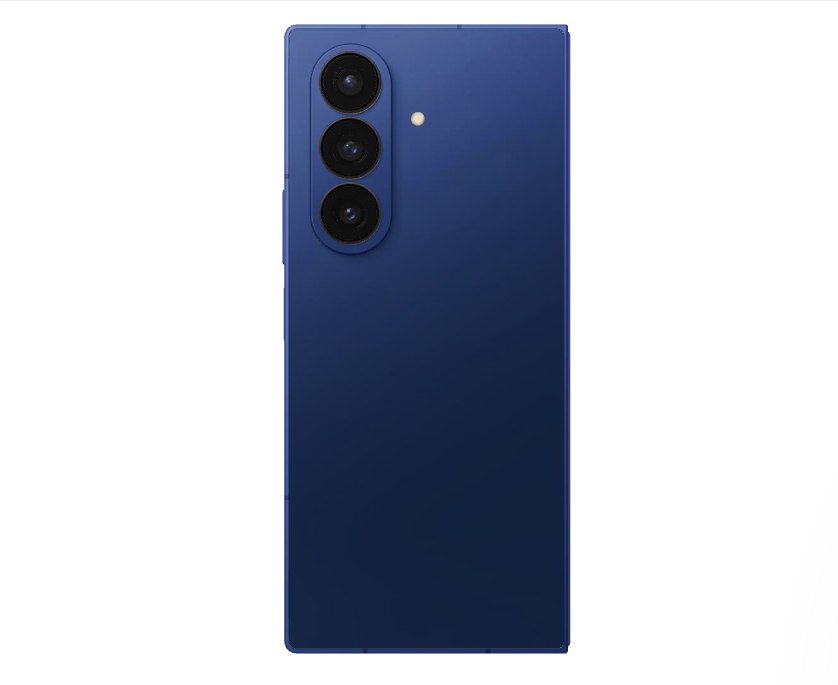
Samsung Galaxy Z Fold 7
1. Samsung Galaxy Z Fold 7 — Best Overall Book-Style Foldable
Samsung’s Galaxy Z Fold 7 earns frequent nods as the top foldable for most users thanks to its ultra-slim profile, premium build and polished software experience. Measuring just over 8mm thick when closed and weighing around 215 grams, it feels remarkably close to a conventional flagship yet unfolds into an expansive 8-inch inner display ideal for productivity, media consumption and split-screen multitasking.
The device features a bright 6.5-inch cover screen with 120Hz refresh rate, allowing full app functionality without unfolding. Powered by the Snapdragon 8 Elite for Galaxy processor, it delivers smooth performance across demanding tasks. Cameras have seen meaningful upgrades, with a standout 200-megapixel main sensor producing sharp, vibrant photos that rival non-foldable competitors.
Advertisement
Reviewers praise the refined hinge, improved crease visibility and long software support extending years into the future. Drawbacks include a premium price tag often starting near $1,900 and average battery life that may require midday top-ups for heavy users. Still, its ecosystem integration with Galaxy Watch, Buds and DeX mode makes it a compelling choice for Samsung loyalists and power users alike.
2. Google Pixel 10 Pro Fold — Best for Durability and Cameras
Google’s Pixel 10 Pro Fold stands out for its rugged construction and photography prowess. It boasts a full IP68 dust and water resistance rating — a rarity among foldables — along with enhanced hinge durability and drop protection on the main display. At roughly 258 grams, it feels more substantial than Samsung’s offering but rewards owners with reliable all-day performance.
The Tensor G5 chipset powers intuitive AI features, including real-time call translation, audio magic eraser and Gemini Live integration. Cameras shine with computational photography that delivers natural colors and excellent low-light results, making it a favorite for content creators. The 6.3-inch cover screen and large inner display support seamless multitasking with clean Android 16 software.
Advertisement
Battery life impresses in testing, often outlasting slimmer rivals. Pricing starts around $1,800, positioning it as a strong value for those prioritizing longevity and photography over the absolute thinnest design. Limitations include slightly warmer performance under sustained loads compared to Snapdragon-equipped devices.
3. Motorola Razr Ultra (2025/60 Ultra) — Best Flip-Style Foldable
For users seeking pocketable convenience with flair, the Motorola Razr Ultra delivers one of the most stylish and functional clamshell experiences. Its vertical fold design snaps shut into a compact square, while the generous external display supports full apps, notifications and even quick camera previews.
Equipped with strong battery life that frequently tops competitor flip models, the Razr Ultra handles daily tasks efficiently on its Snapdragon processor. The inner 7-inch display offers smooth 120Hz visuals, and the overall build feels premium with thoughtful details like a titanium hinge option in select variants. Cameras perform adequately for casual use, though they trail book-style models in versatility.
Advertisement
Reviewers highlight its fun factor and practicality for one-handed operation. Starting prices often land in the mid-$1,000 range, making it more accessible than premium book-style foldables. Potential downsides include a smaller unfolded screen compared to tablet-style devices and occasional software quirks in the Motorola skin.
4. Samsung Galaxy Z Flip 7 — Best Compact Flip for Everyday Use
Samsung’s Galaxy Z Flip 7 refines the flip formula with a larger 4.1-inch edge-to-edge cover screen that finally enables meaningful interaction without unfolding. The 6.9-inch inner display provides ample space when needed, while the overall design remains slim and lightweight for easy pocket carry.
Battery improvements help it last through a full day for moderate users, and the Exynos 2500 or Snapdragon variant (depending on region) ensures snappy performance. New DeX support on the Flip adds desktop-like productivity when connected to external displays. Cameras remain solid for social media and quick shots, with the main 50-megapixel sensor delivering reliable results.
Advertisement
Priced starting around $1,100, it offers strong value within the Samsung ecosystem. Critics note it can overheat during intensive multitasking and that battery claims sometimes exceed real-world endurance. Its stylish appeal and improved cover screen functionality make it a top pick for fashion-conscious users or those transitioning from traditional bar phones.
5. Honor Magic V5 — Best Ultra-Thin Alternative for Multitasking
The Honor Magic V5 earns acclaim for its exceptionally slim design, measuring under 9mm folded and around 4.4mm unfolded in some configurations. It targets users who want a near-nonexistent crease and premium feel without Samsung’s ecosystem lock-in.
Featuring a large inner display and capable outer screen, it excels at multitasking with smooth software optimizations. The Snapdragon 8 Elite processor paired with generous RAM handles heavy workloads, while a sizable silicon-carbon battery supports fast charging and extended use. Cameras offer competitive performance, particularly in daylight scenarios.
Advertisement
Availability may require importing in some markets, and software updates could lag behind Google or Samsung. Still, its combination of thinness, battery capacity and vibrant displays positions it as a compelling choice for enthusiasts seeking cutting-edge hardware at potentially competitive pricing.
Buying Considerations in 2026
Foldable phones now address many early criticisms: creases are subtler, hinges more robust and repair programs more widespread. Most top models promise four to seven years of software support, reducing obsolescence concerns. Battery technology has advanced, though heavy multitasking or camera use still drains power faster than slab phones.
Prices remain elevated, with book-style models often exceeding $1,800 and flips starting above $1,000. Trade-in deals, carrier promotions and installment plans can ease the cost. Buyers should consider ecosystem preferences — Samsung for seamless integration, Google for pure Android and AI, Motorola for flip charm.
Advertisement
Durability has improved markedly, but users should invest in quality cases and screen protectors. Coverage for accidental damage varies by manufacturer and carrier.
Regional factors matter: U.S. buyers enjoy broad carrier support for Samsung, Google and Motorola models, while international shoppers may access superior specs from Honor, Oppo, Vivo or Huawei at lower prices, albeit with potential Google service limitations on some devices.
The Future of Foldables
As 2026 progresses, expectations include further refinements such as even lighter builds, under-display cameras that eliminate notches and possible trifold designs from Samsung and others reaching wider markets. Apple’s rumored foldable iPhone could reshape the segment later in the year or in 2027.
Advertisement
For now, the market offers something for nearly every preference: productivity powerhouses, stylish compacts and durable all-rounders. Early adopters who hesitated in previous years will find 2026 models far more refined and reliable.
Consumers weighing a purchase should evaluate their primary needs — screen size for work, portability for travel or camera quality for photography — and test devices in-store when possible. With rapid iteration, waiting for carrier deals or next-generation hints may also pay off.
Foldables represent more than a novelty in 2026; they deliver genuine utility that enhances how many people work, create and consume content on the go. Whether opting for the versatile Galaxy Z Fold 7, the rugged Pixel 10 Pro Fold or a fun flip like the Razr Ultra, buyers are investing in devices that continue to evolve the smartphone experience.
SYDNEY — The S&P/ASX 200 index closed at 8,955.0 on Thursday, shedding 23.7 points or 0.26 percent, as lingering concerns over Middle East oil supply risks and softness in the big four banks offset gains in technology and healthcare stocks.
The benchmark Australian share index opened near 8,978 and traded in a relatively narrow range before drifting lower in afternoon trade. Volume remained solid at around 690 million shares, with 118 stocks advancing, 74 declining and eight unchanged across the broader market. The All Ordinaries index mirrored the modest retreat, finishing down a similar percentage.
Thursday’s dip came after the ASX 200 notched its highest close since early March on Wednesday, when it edged up 0.1 percent to 8,978.70 on hopes of de-escalation in the US-Iran conflict. Renewed uncertainty over the durability of any ceasefire in the Strait of Hormuz region pushed oil prices higher again, pressuring energy-exposed sectors while lifting some defensive plays.
Financial stocks, which make up the largest weighting in the index, acted as a drag. The big four banks — Commonwealth Bank, Westpac, ANZ and National Australia Bank — traded mixed to lower amid concerns over potential interest rate volatility and softening consumer sentiment. Westpac-Melbourne Institute consumer sentiment plunged 12.5 percent in April to 80.1, its sharpest monthly drop since the COVID-19 pandemic, as households grappled with elevated fuel costs and geopolitical jitters.
Advertisement
Materials and energy stocks showed resilience in parts of the session but ultimately gave back early gains. Iron ore and gold miners found some support from commodity prices, yet broader resources names faced headwinds from a stronger Australian dollar, which climbed to around 71.4 US cents. Oil prices hovered near recent highs, with Brent crude trading around US$94-95 per barrel after volatile swings tied to shipping disruptions and ceasefire developments.
Technology stocks provided a bright spot, continuing a recent rebound as investors rotated toward growth names less exposed to cyclical pressures. Software and semiconductor-related plays benefited from positive sentiment spilling over from Wall Street, where the Nasdaq posted solid gains overnight.
Healthcare and consumer staples also outperformed, acting as traditional safe havens during periods of uncertainty. Telstra and other communication services names held steady, while real estate stocks were little changed despite rising bond yields in some global markets.
Economists noted that persistent oil price volatility remains a key risk for the Australian economy. Higher fuel costs flow through to transport, logistics and household budgets, potentially weighing on discretionary spending. The Reserve Bank of Australia continues to monitor inflation risks, with markets pricing in only modest easing later in 2026 despite earlier expectations of more aggressive cuts.
Advertisement
Broader market context shows the ASX 200 remains roughly 2.7 percent below its February 2026 record high near 9,203 and about 13-14 percent higher than levels seen a year earlier. Year-to-date performance has been respectable but choppy, driven by alternating waves of geopolitical tension and relief rallies.
Analysts at major banks offered mixed outlooks heading into the final trading sessions of the week. Some pointed to resilient corporate earnings and a still-solid jobs market as reasons for cautious optimism, while others warned that prolonged oil supply concerns could cap upside and pressure margins in energy-intensive sectors.
Commodity prices presented a mixed picture. Iron ore held relatively firm on Chinese demand signals, while gold prices softened modestly as the US dollar stabilized. Lithium and other battery metals remained under pressure amid global oversupply concerns, hitting shares of several resources names.
Corporate news flow added some color to the session. Several ASX-listed companies released quarterly updates or trading guidance, with mixed reactions from investors. Mining services firms and retailers highlighted the dual impacts of cost pressures and selective consumer strength in essentials versus discretionary categories.
Advertisement
Looking ahead, investors will watch upcoming domestic data releases, including inflation figures and employment numbers, as well as any further developments out of the Middle East. Global cues from Wall Street and Asian markets will also influence sentiment, particularly as traders assess the balance between growth risks and potential rate-cut tailwinds.
The Australian dollar’s movement against the greenback remains a focal point for exporters and importers alike. A firmer AUD can weigh on multinational earnings when translated back to local currency, while providing some relief on imported inflation.
For retail investors, Thursday’s modest decline offered limited drama compared with the sharp swings seen in recent weeks. Many used the relative calm to reassess portfolio allocations, with some shifting toward defensives or locking in gains in outperforming sectors.
Fund managers noted that while the ASX 200 has shown resilience, valuations in certain pockets — particularly banks and resources — warrant selectivity. Dividend yields remain attractive for income-focused investors, though capital growth expectations have been tempered by external uncertainties.
Advertisement
The small-cap and emerging companies indices outperformed the broader market on Thursday, highlighting selective interest in growth stories less tied to macro headlines. Technology and biotech names in particular drew buyer interest.
As the trading week draws toward a close, the S&P/ASX 200 sits in a consolidation phase after bouncing from recent lows. Technical analysts point to support near 8,800-8,900 and resistance around the 9,000-9,100 zone, with a break above recent highs potentially signaling renewed momentum if geopolitical risks ease further.
Broader economic indicators suggest Australia’s economy has held up better than some feared amid global headwinds, but risks remain tilted toward slower growth if oil prices stay elevated or consumer confidence deteriorates further. The labor market has shown cracks but remains relatively tight by historical standards.
International investors continue to monitor Australia as a stable, resource-rich economy with strong ties to Asia. Portfolio flows have been mixed in recent months, with some rotation out of resources into technology and healthcare.
Advertisement
Thursday’s 0.26 percent decline leaves the index largely unchanged over the past week, reflecting a market that is waiting for clearer signals on both the geopolitical front and domestic policy outlook. With the northern hemisphere summer approaching and potential shifts in global monetary policy, volatility could persist in the weeks ahead.
For now, Australian equities are navigating a delicate balance between underlying economic resilience and external shocks. The modest pullback on Thursday serves as a reminder that even in a relatively constructive longer-term backdrop, short-term noise from oil markets and banking sector dynamics can dictate daily direction.
Investors will reconvene Friday with fresh corporate earnings and any overnight global developments in focus. Whether the ASX 200 can reclaim the 9,000 level or faces further testing of support will likely depend on the durability of any Middle East ceasefire and the trajectory of commodity prices.
Electrical workers who implemented work bans at BHP’s Pilbara sites on Thursday have withdrawn a key element of their industrial protest while accusing the mining giant of making legal threats.
The scheme is set to become one of Hull’s largest ever regeneration projects
East Bank Urban Village will introduce a mix of affordable houses and apartments alongside shops, restaurants, leisure and other neighbourhood uses. Credit CJCT Studios and Virtual Resolution(Image: CJCT Studios and Virtual Resolution)
Plans have been submitted to kick start the first phase of East Bank Urban Village – one of Hull’s largest ever regeneration projects – which promises to breathe new life back into the area through the creation of a sustainable new neighbourhood. The major project is set to completely transform the eastern bank of the River Hull, through a partnership between lead development partner ECF (English Cities Fund – a partnership between Homes England, L&G, and Muse) and Hull City Council.
The East Bank once formed a vital part of Hull’s maritime industry, but this area has seen a significant decline since the mid-20th century and is now primarily occupied by surface parking and vacant brownfield land. Detailed designs for Phase 1 of East Bank are now with city planners and the hybrid application also includes outline plans for the wider neighbourhood which will deliver around 850 new homes once complete.
Shops, restaurants and leisure spaces will also be created as part of the East Bank Urban Village, creating a vibrant place to live. A network of streets, plazas, green spaces and a new riverside promenade will also boost connectivity, creating active travel routes that encourage walking and cycling throughout the site.
The project is to be delivered in four phases with construction of Phase 1 set to start in early 2027, and Phase 4 expected to be completed in 2040.
Advertisement
Phase 1 will create the core of the new neighbourhood, delivering 37 townhouses and 78 apartments across two buildings. The homes will all be affordable, helping to meet local demand and ensuring East Bank is accessible to a wide range of people. Further phases will deliver more than 700 build-to-rent and affordable apartments across the wider site.
Ahead of the latest planning move a series of community conversations was held last autumn, led by the council and ECF, through which local people had the chance to provide suggestions and other feedback which the council says fed directly into the masterplan. Suggestions included a need for more green community spaces, parking and traffic management, enhancing biodiversity and finding new uses for existing historical landmarks including the former Lock Keeper’s Cottage.
A CGI of how the East Bank Urban Village in Hull will look. Credit: CJCT Studios and Virtual Resolution(Image: CJCT Studios and Virtual Resolution)
Raife Gale, senior development manager at ECF said: “Local people have been supportive – and so insightful – in offering their feedback, and this has all fed into the final planning application we’ve submitted.
“Our plan is to deliver a sustainable new neighbourhood where people want to live, work and spend time – and key to this is creating quality homes, attractive public spaces and new leisure and business opportunities. East Bank will kick-start a new chapter for this part of the city’s riverside, ensuring it continues to play a role for future generations.
Advertisement
“The council has an ambitious programme of regeneration which is already helping transform the city centre, as seen with the recently completed redevelopment of the Museums Quarter and Old Town, and we are using our knowledge and expertise in delivering complex schemes across the UK to help unlock the next phase of the city’s development.”
Chris Jackson, director of regeneration and partnerships at Hull City Council, said: “It is pleasing that the council has been able to submit plans for phase one of East Bank Urban Village. This is a significant regeneration project which will help to meet the council’s housing targets, revitalise a long-term brownfield site and also support both Hull’s Old Town and city centre economies.
“We have already welcomed extensive public feedback on draft proposals for East Bank ahead of this planning submission and look forward to hearing their thoughts on the updated plans.”
The project is supported by £9.8m in Government-backed Levelling Up Partnership funding, underpinning enabling works and early infrastructure delivery. East Bank Urban Village will also make a significant contribution to the council’s ambition to deliver 2,500 new homes within Hull city centre as part of its Local Plan. It will also act as a catalyst site for Hull’s recently endorsed City Centre Vision.

NEW YORK — SoundHound AI Inc. shares jumped more than 12 percent to close at $7.85 on Wednesday, April 15, 2026, as traders bet on a potential short squeeze ahead of the company’s first-quarter earnings report expected in early May, reigniting debate over whether investors should buy the voice and conversational AI specialist or take profits amid persistent losses and lofty valuations.
The surge came on elevated volume, with the stock climbing from around $7 in early trading and extending gains into after-hours at $8.07. It marked one of the strongest single-day performances in recent weeks for the Nasdaq-listed shares (ticker: SOUN), which remain down roughly 21 percent year-to-date after peaking near $22 in late 2025. The move reflected renewed optimism around SoundHound’s agentic AI platform, recent enterprise partnerships and strong full-year 2025 revenue growth, even as Wall Street wrestles with the company’s path to profitability.
SoundHound reported record full-year 2025 revenue of $168.9 million, nearly doubling from the prior year, with fourth-quarter revenue rising 59 percent to $55.1 million. Management guided for 2026 revenue between $225 million and $260 million, signaling continued triple-digit percentage growth from earlier years. Non-GAAP gross margins reached 58 percent for the year, while adjusted EBITDA losses stood at $58.4 million. The company expects to achieve adjusted EBITDA breakeven by the end of 2026.
Analysts maintain a moderate buy consensus, with an average 12-month price target around $14.93 to $15.50, implying roughly 90 percent upside from current levels. Targets range from a low of $9 to a high of $20, according to aggregators including MarketBeat and Public.com. Firms such as HC Wainwright have reiterated buy ratings despite trimming targets, citing execution in voice AI for automotive, restaurants and now telecom and retail sectors.
Advertisement
The company has expanded aggressively into “agentic” AI — systems capable of handling complex workflows rather than simple voice commands. In February at Mobile World Congress, SoundHound launched Sales Assist, a real-time AI agent for retail sales floors that recommends deals and add-ons. On April 9, it partnered with Associated Carrier Group to bring agentic AI to telecom customer service and employee experience. Earlier deals include extensions with Five Guys, collaborations with Bridgepointe Technologies and Experis (ManpowerGroup), and integration with TomTom for in-car voice and navigation at CES 2026.
These moves build on SoundHound’s core technology, which powers voice assistants in vehicles, drive-thrus and smart devices. The company’s acquisition of Interactions Corp. in 2025 bolstered its enterprise offerings, though 2026 guidance has not yet fully reflected those synergies. Customer concentration remains a risk, with one client historically accounting for more than 30 percent of revenue.
Short interest has drawn attention, with some traders eyeing a squeeze similar to past AI-related rallies. Options activity showed mixed sentiment, but bullish bets increased as the stock climbed. Year-to-date, SoundHound has underperformed broader AI names amid a cooling enthusiasm for unprofitable growth stocks, yet its revenue trajectory remains among the fastest in software.
For buyers, the bull case centers on several factors. Voice AI represents a massive addressable market as enterprises seek to automate customer interactions and internal processes. SoundHound’s technology operates across automotive, hospitality, retail and telecom, providing diversification. Partnerships with established players like TomTom and major consulting firms could accelerate adoption. If the company hits or exceeds its 2026 revenue guide while narrowing losses, the stock could re-rate higher toward analyst targets. Long-term believers point to potential acquisition interest, given the strategic value of conversational AI in an increasingly agent-driven world.
Advertisement
Bears counter that the valuation remains stretched. Even at current levels near $8, the stock trades at a significant multiple of projected 2026 revenue. Persistent GAAP losses, negative cash flow from operations in past periods and heavy R&D spending raise questions about capital needs. Competition is intense from larger players including Nuance (Microsoft), Google, Amazon and specialized rivals. Execution risk is high for a company still scaling its agentic platform, and any slowdown in AI spending could pressure growth. High short interest can fuel volatility in both directions.
Technical traders note the stock has traded below its 50-day and 200-day moving averages for much of 2026, though the recent pop has challenged near-term resistance. Support sits near $6.50-$7, with resistance around $9-$10. Broader market sentiment toward small-cap AI names will likely influence direction, especially as investors digest upcoming inflation data, Federal Reserve signals and Big Tech earnings.
SoundHound’s next earnings, expected around May 7 for the first quarter, will be closely watched. Analysts anticipate continued revenue growth but ongoing per-share losses near 7 to 10 cents. Any positive surprise on margins, new customer wins or updated full-year guidance could spark further upside. Conversely, softer commentary on AI adoption timelines or widened losses might trigger profit-taking.
Retail investors have shown enthusiasm for SoundHound, drawn to its relatively accessible share price and narrative as a pure-play voice AI contender. Yet volatility remains elevated — the stock has seen multiple double-digit swings in single sessions. Position sizing is critical, with many advisers recommending no more than a small portfolio allocation given the speculative nature.
Advertisement
Institutional ownership has grown with the company’s rising profile, though dilution from equity raises and stock-based compensation has been a feature of its growth story. The balance sheet benefited from past financings, providing runway into 2026, but sustained investment in sales, marketing and R&D will be necessary to scale.
Broader sector dynamics add context. While generative AI hype has cooled from 2023-2024 peaks, practical applications like conversational agents are gaining traction in customer-facing industries. SoundHound’s focus on real-time, domain-specific voice solutions differentiates it from general large language models, potentially offering stickier revenue through multi-year contracts.
As April 2026 progresses, the decision to buy or sell SoundHound AI stock hinges on time horizon and risk appetite. Momentum traders may ride near-term catalysts such as earnings or fresh partnership announcements. Long-term investors bullish on AI infrastructure could view current levels — after the year-to-date pullback — as an entry point, especially if they believe the company can deliver on breakeven targets. More conservative participants might wait for clearer signs of profitability or a pullback to lower support levels before committing capital.
Analysts largely favor the upside, with no sell ratings in recent coverage. Yet forecasts come with caveats around execution and market conditions. SoundHound itself emphasizes its technology’s ability to deliver measurable ROI for clients through faster service, higher conversion rates and reduced labor costs — metrics that could drive adoption if proven at scale.
Advertisement
In the end, 2026 represents a pivotal year for SoundHound as it transitions from high-growth revenue story to a more mature operator targeting profitability. The stock’s recent surge underscores lingering excitement around voice AI, but sustainability will depend on consistent delivery against ambitious guidance.
Investors should monitor quarterly results, partnership traction and any shifts in AI spending sentiment closely. With earnings on the horizon and analyst targets pointing significantly higher, SoundHound offers both opportunity and risk in equal measure — a classic high-beta play in the evolving artificial intelligence landscape.
Whether the momentum continues or fades will likely be decided in the coming weeks, as the market weighs hype against the hard work of turning conversational AI into sustainable profits.
Domestic mutual funds unleashed a Rs 38,000 crore buying spree across five banking giants in March, mounting an aggressive counter-offensive as foreign institutional investors dumped a staggering Rs 60,655 crore worth of financial stocks during the worst of the Iran war selloff.
The multi-billion dollar battle saw mutual funds pile into HDFC Bank (Rs 17,250 crore), ICICI Bank (Rs 7,320 crore), State Bank of India (Rs 5,450 crore), Kotak Mahindra Bank (Rs 4,089 crore), and Axis Bank (Rs 3,892 crore), according to Prime Database estimates for March 2026. HDFC Bank emerged as the top addition across major fund houses, including SBI MF, Nippon India MF, Quant MF, ICICI Prudential MF, Axis, Aditya Birla, and DSP.
The FII exodus from banks was brutal, as every second dollar pulled out from Dalal Street in March came from the financial sector. The Rs 60,655 crore outflow represented more than half of the total Rs 1.18 lakh crore that FIIs withdrew from Indian equities last month, according to NSDL data, making banks and financials the hardest-hit segment.
The carnage sent Nifty Bank plunging 17% in March, with Nifty PSU Bank tumbling nearly 20% as the worst performer. Nifty Financial Services fell 15.6% as the broader Nifty crashed over 11%.
Live Events
Yet, the severity of the selloff has created opportunities, according to brokerages, which argue that the correction has already priced in 2-3 quarters of slower growth. “After the start of the conflict, stocks have corrected by about 10-15% in the case of most largecap banks and NBFCs,” BNP Paribas noted. “It is hard to argue that the starting valuations were rich for our preferred large private banks. We like the risk-reward at current prices and only meaningful economic injury through a prolonged disruption could materially change the prognosis.”Prabhudas Lilladher turned more bullish, upgrading its overweight stance on banks and increasing allocation to Kotak Mahindra Bank and HDFC Bank by 40 basis points each.
“Credit growth remains strong at 13-14%; however, the Gulf War and a change in the interest rate cycle have led to stocks being hammered. We believe that frontline banks would have an advantage in this scenario,” the brokerage said, though it cautioned that medium-term credit growth trends will depend on sustained consumer demand and resolution of the war.
Emkay’s Anand Dama expects profitability in the banking sector coverage universe to improve roughly 10% YoY and 5% QoQ, “mainly led by private banks, up 14% YoY/8% QoQ due to lower credit costs.”
Advertisement
However, he expects profit growth momentum for public sector banks to moderate slightly, declining 10% YoY and 2% QoQ, due to weaker treasury performance.
Ambit Capital acknowledged that the sector faces a “valuation discount” as macroeconomic uncertainty forces a recalibration of risk premiums. “Heightened geopolitical volatility and a tightening liquidity environment have introduced significant ‘earnings visibility’ risks,” the brokerage said, warning that P/BV multiples will remain range-bound until global supply chain disruptions and domestic liquidity constraints stabilise.
Still, Ambit struck an optimistic long-term note: “From a longer-term perspective, banks at currently lower valuations offer a good opportunity to buy, as balance sheet strength and the long-term fundamentals of banks are healthy.”
The mutual fund buying binge suggests domestic institutional investors are betting the war-driven correction has created a rare entry point in India’s banking heavyweights in a wager that will be tested as geopolitical tensions and liquidity pressures continue to weigh on the sector.
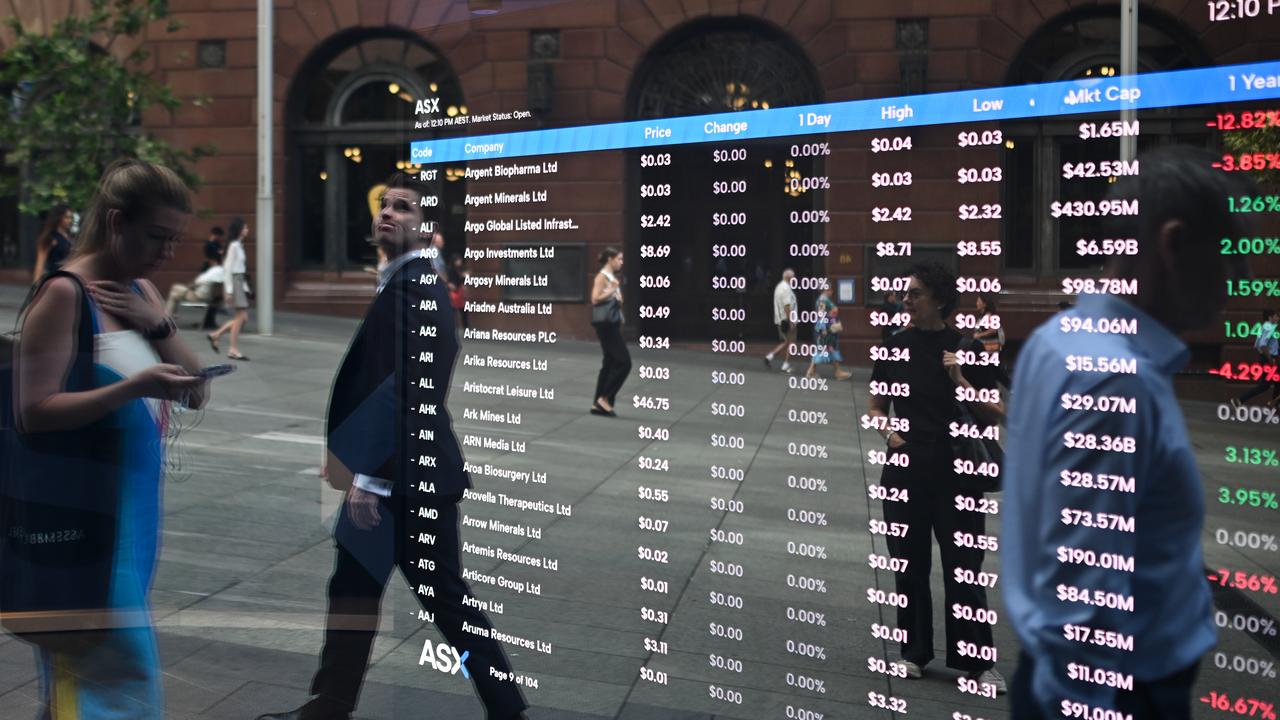
Weak performances from major banks, gold stocks and mega miners have dragged the bourse lower despite hopes of de-escalation in the Middle East boosting the Australian dollar to four-year highs.
SYDNEY — Kalani Artis, the 23-year-old landscaper-turned-singer from the New South Wales Central Coast who captivated audiences with his soulful voice and heartfelt journey on Australian Idol 2026, is preparing to launch his professional music career following a strong top-three finish in the grand final.
Artis placed third behind winner Kesha Oayda and runner-up Harlan Goode in the April 14 finale, a result that left many fans calling him the “true winner” for his consistent emotional performances and unique vocal style. Despite not taking the crown, the former tradie has already lined up live shows, teased an original music project he has been developing for over a year, and expressed confidence that his Idol exposure will open doors to a sustainable career in the industry.
In interviews conducted before and after the grand final, Artis revealed he has several shows booked on the Central Coast and beyond, with dates expected to be announced soon. He told New Idea magazine that even without the win, this is far from the end of his musical story. “I sort of had a big break-up and had lots of sort of epiphanies and changed a lot of things about myself, my lifestyle, which was fed into this project,” he explained, referring to a personal “music manifesto” he has been working on for more than a year.
The shy tradie, who first picked up a guitar as a teenager thanks to his nan, auditioned with a powerful rendition of Natalie Imbruglia’s “Torn” that quickly marked him as one to watch. Throughout the competition, Artis delivered standout moments including an emotional take on “Bruises,” a heroic performance of David Bowie’s “Heroes,” and a breathtaking duet with Pete Murray that fans described as harmonious and tour-ready. His ability to blend vulnerability, raw talent and relatability resonated deeply, turning him into a fan favorite from the Central Coast and beyond.
Artis has been open about balancing his day job as a landscaper with late-night rehearsals and live shows during the competition. That grounded background has shaped his approach to music, emphasizing authenticity and personal growth over instant fame. In conversations with Now To Love, he discussed family inspiration and the major lessons learned from the Idol experience, including the importance of staying true to oneself amid the pressures of national television.

Advertisement
With the spotlight of the grand final now behind him, Artis plans to channel the momentum into original material. He has described his upcoming project as deeply personal, drawing from life changes, heartbreak and self-discovery. The goal, he said, is to create music that allows him to “grow together” with his audience and show that he is “good enough” while continuing to evolve.
Industry observers believe Artis is well-positioned for a successful transition. Although only the winner receives the full prize package — including $100,000 cash, a recording deal with Hive Sound Studios, a Sony Music Publishing songwriting camp, marketing support from The Annex, and VIP access to the ARIA Awards and Logie Awards — strong top-three finishers often benefit from sustained public interest. Past Idol contestants in similar positions have secured independent releases, regional tours and management deals by leveraging their built-in fan base.
Artis has already begun teasing content on his Instagram account @kalaniartis, which has grown to more than 57,000 followers. Posts showcasing his journey and performances continue to receive strong engagement, with fans urging him to release music quickly and organize live shows. Many commenters have expressed willingness to pay for tickets, highlighting his potential as a live performer.
Local support on the Central Coast has been overwhelming. Community groups and media outlets such as Coast Community News celebrated his top-three achievement while noting that his campaign ended just short of the title. Residents view him as a proud representative of the region, with calls for him to headline local events and build a touring presence that starts close to home.
Advertisement
Immediate next steps for Artis include finalizing and announcing tour dates, heading into the studio to record original tracks, and refining the personal manifesto project into releasable songs. He has hinted at a mix of soul, pop and acoustic-driven material that reflects his growth, aiming for relatability that connects with everyday audiences rather than chasing viral trends.
Collaborations could also play a role. His on-stage chemistry with guest artists, particularly the duet with Pete Murray, sparked suggestions of future joint appearances or tours. Artis has not confirmed specifics but appears open to working with established names while focusing on his own voice.
Financially, the lack of the winner’s cash prize means Artis will rely on live performances, streaming revenue and potential management or label interest to fund his early career moves. Many reality TV alumni in similar positions have used the post-show window to gig relentlessly, build streaming numbers and gradually attract industry attention. His landscaper background has instilled a strong work ethic that supporters believe will serve him well in the grind of independent music.
Broader context shows that Australian Idol continues to provide a valuable platform even for non-winners. Contestants who finish in the top three or top five frequently go on to release music independently or sign smaller deals, with some achieving steady careers through consistent touring and fan engagement. Artis’ unique story — transitioning from tradie life to national television while navigating personal challenges — adds a compelling narrative that could help him stand out.
Advertisement
As he steps away from the weekly live shows, Artis has emphasized staying grounded and focusing on long-term growth rather than overnight success. He has spoken about wanting to prove that contestants like him, who may not fit the typical “pop star” mold, can still build meaningful careers by connecting authentically with listeners.
Fans and critics alike expect his first post-Idol single or EP to drop within the next few months, followed by regional shows that allow him to hone his live set and interact directly with supporters. Social media will likely remain a key tool for maintaining visibility, with regular updates on recording progress and tour announcements.
For Kalani Artis, the Australian Idol 2026 experience has been transformative. From nervous auditions to grand final performances that left audiences breathless, he has demonstrated vocal range, emotional depth and resilience. The top-three finish, while not the ultimate prize, has provided national exposure that many aspiring artists spend years chasing.
Looking ahead, the coming months will test his ability to convert that momentum into tangible career steps. With shows already in the works, original music nearly ready and a dedicated fan base cheering him on, Artis appears determined to turn his Idol chapter into the foundation of a lasting music career.
Advertisement
Whether performing intimate acoustic sets on the Central Coast or eventually filling larger venues, Kalani Artis has made it clear: his journey is only beginning. Australia’s music scene may soon welcome a new voice defined by sincerity, growth and the quiet determination of a former landscaper who dared to chase his dreams on national television.
SAN MATEO, Calif. — Upstart Holdings Inc. shares have tumbled roughly 44 percent year-to-date in 2026, trading near $28 to $33 in mid-April after a volatile start to the year, raising a sharp debate among investors: Is the AI-powered lending platform a bargain ahead of its May 5 first-quarter earnings, or should holders sell into recent strength before persistent funding and regulatory risks weigh on results?
The stock closed at $33.36 on Wednesday, up nearly 13 percent in a single session as traders positioned ahead of the earnings report scheduled for May 5. That rebound followed a brutal stretch that saw shares hit lows near $25, reflecting concerns over loan origination volatility, a shareholder lawsuit and a tougher credit environment. Yet Wall Street maintains a consensus “buy” or “hold” rating with an average 12-month price target around $48, implying more than 40 percent upside from current levels, according to aggregators tracking 14 to 16 analysts.
Upstart’s core business uses machine learning to assess creditworthiness beyond traditional FICO scores, enabling banks and credit unions to approve more personal loans with lower default rates. The company facilitated nearly $11 billion in loan originations in 2025, an 86 percent jump, while posting full-year revenue of about $1 billion — its first time crossing that threshold — and returning to profitability with net income near $54 million. Adjusted EBITDA reached $230 million, delivering a healthy 22 percent margin.

Management has guided for 40 percent revenue growth in 2026, targeting approximately $1.4 billion, with fees expected to hit $1.3 billion. The forecast assumes continued expansion in personal lending, auto loans and home equity lines of credit, supported by new bank partnerships. On April 8, DuPage Credit Union in Illinois announced it would use Upstart’s platform for personal loans, adding to a growing roster of financial institutions.
Advertisement
Recent initiatives signal ambition. In February, Upstart unveiled Cash Line, a revolving credit product, and announced plans to apply for a national bank charter that could let it accept deposits and fund more loans internally. A $1 billion forward-flow agreement with Eltura Ventures and Aperture Investors provides additional liquidity for originations. The company also authorized a $100 million share buyback, roughly 3 percent of outstanding shares, as a sign of confidence.


Yet challenges persist. Loan conversion rates slipped in late 2025, prompting a shareholder lawsuit alleging the company missed revenue guidance by about $3 million in one quarter. Funding partners remain sensitive to interest-rate swings and economic uncertainty, even as the Federal Reserve has signaled potential easing later in the year. Upstart’s model performs best in stable or improving credit markets; prolonged high rates or recession fears could slow origination growth.
Analysts are divided on near-term risks but largely optimistic longer term. Some have trimmed targets — Bank of America lowered its price objective from $40 to $36 while maintaining a buy rating — citing cyclical exposure. Others see significant upside. A valuation model from TIKR.com suggests a fair value near $44 based on 45 percent annual revenue growth and normalized margins, implying a 75 percent total return from $25 levels earlier this year. Motley Fool contributors have argued the stock could double by year-end if revenue guidance holds and margins expand.
For potential buyers, the bull case rests on several pillars. Upstart’s AI technology has demonstrated superior risk prediction, allowing partners to originate more loans profitably. The shift toward diversified products like auto and HELOC reduces reliance on unsecured personal loans. If the national bank charter progresses and funding costs stabilize, Upstart could capture a larger slice of the $1 trillion-plus consumer lending market. Revenue growth of 40 percent in 2026 would still leave the stock trading at a forward price-to-sales multiple below its historical average, offering room for re-rating.
Advertisement
Bears highlight execution risks and valuation. Even after the year-to-date decline, shares trade at a premium to many traditional financials given the company’s history of losses in higher-rate environments. Competition from SoFi, Affirm and traditional banks intensifies, while regulatory scrutiny around AI-driven lending could increase compliance costs. The upcoming Q1 report will test whether origination momentum has sustained into 2026 and whether profitability trends continue.
Short interest and options activity suggest traders remain split. Recent surges have been fueled by short covering and momentum buying, but sustained gains will likely require positive earnings surprises or clearer commentary on 2026 guidance. The May 5 conference call at 4:30 p.m. ET will be closely watched for updates on bank charter progress, new partner wins and any impact from the lawsuit.
Broader market context adds nuance. Fintech stocks have faced pressure in 2026 amid fluctuating interest rates and cautious consumer spending. Upstart’s performance has lagged some peers at times but shown resilience in sessions tied to AI enthusiasm. With Q1 results approaching, investors must weigh the company’s long-term potential against near-term cyclical headwinds.
Retail investors drawn to the story should consider position sizing carefully. The stock’s beta remains elevated, producing sharp daily swings. Those bullish on AI disruption in finance may view current levels — after a steep drawdown — as an attractive entry, especially with a $100 million buyback providing a floor. More conservative participants might wait for earnings clarity or a pullback to lower support before committing capital.
Advertisement
Institutional ownership has held relatively steady, though some rotation out of high-growth names has occurred. Insider activity has included selling, adding to caution for some observers. Yet the board’s buyback authorization and management’s confident 2026 outlook have reassured others.
As April 2026 unfolds, Upstart stands at a crossroads. The company has proven its AI platform can deliver strong growth and margins when credit conditions align. The question now is whether 2026 becomes the year of sustained recovery or another test of resilience. Q1 results and any updates on the national bank charter or funding agreements could serve as major catalysts.
Ultimately, buying or selling Upstart stock in 2026 depends on time horizon and conviction in AI’s role in lending. Short-term traders may ride momentum into earnings, while long-term believers could see the current valuation as reasonable given growth projections. Skeptics will point to historical volatility and cyclical risks, preferring to wait for clearer proof of margin sustainability.
With earnings less than three weeks away and analysts projecting significant upside, Upstart offers both opportunity and risk typical of high-growth fintech names. Investors should review the May 5 release closely, monitor origination trends and assess personal tolerance for volatility before deciding. In a year already marked by sharp swings, Upstart’s ability to deliver on its ambitious targets will determine whether the stock rebounds strongly or faces further pressure.
Shares of Tejas Networks plunged as much as 6% to their day’s low of Rs 423.50 on the BSE on Thursday after it reported a weak set of numbers for the fourth quarter on Wednesday, April 15, as losses widened sharply due to a steep fall in revenue.
The company posted a net loss of Rs 211.3 crore, compared with a loss of Rs 71.8 crore in the same period last year. Revenue for the quarter dropped 82.6% year-on-year to Rs 333 crore from Rs 1,907 crore. EBITDA also slipped into the red, with a loss of Rs 118.2 crore against a profit of Rs 121.5 crore a year ago, according to an exchange filing.
The filing noted that revenue during the quarter was mainly supported by sales of wireline products to both domestic and international customers. Despite the weak operational performance, the company’s order book showed strong growth, rising 49% year-on-year to Rs 1,514 crore at the end of Q4. This compares with Rs 1,329 crore in Q3 FY26 and Rs 1,019 crore in Q4 FY25, indicating better demand visibility.
The company highlighted several key achievements for the full year, including the successful commercial launch of BSNL’s pan-India 4G network, powered by its indigenously designed 4G and 5G RAN products.
Advertisement
It was also selected as the IP/MPLS router OEM for the largest number of BharatNet Phase III packages announced in FY26. During the year, it completed the shipment of over 17,000 routers, which are being deployed across 9 states and 5 union territories.
Live Events
On the product front, the company introduced a range of advanced wireless and wireline solutions. These included 64TR massive MIMO radios, a converged 4G and 5G core, and a hyper-scalable data centre interconnectivity platform. The company also strengthened its strategic capabilities by partnering with Rakuten Symphony to develop integrated Open RAN solutions and jointly pursue go-to-market opportunities.In innovation, it filed 63 patents in Q4 FY26, taking its cumulative global patent count to 676, of which 371 have been granted.
You must be logged in to post a comment Login