

Sports
Elevate taps a wide range of critical industry trends

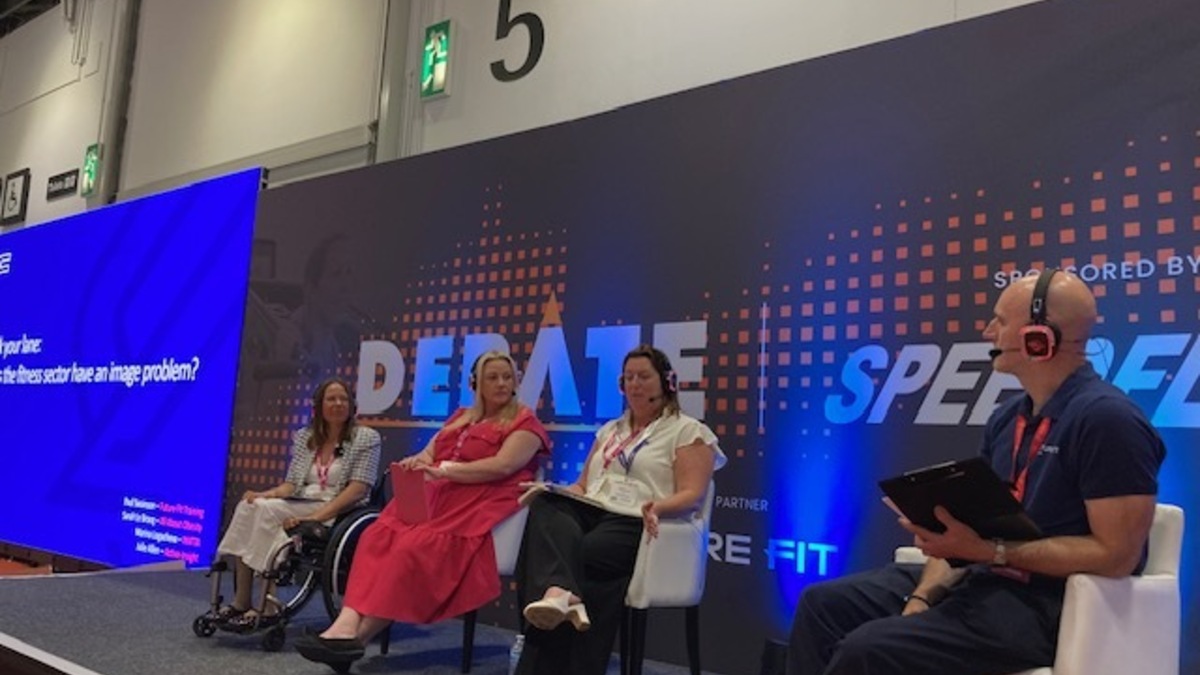
Celebrating its 10th anniversary, Elevate has had its busiest show to date, with almost 200 exhibitors, 115 seminars and 200 speakers over two days, with numbers understood to be up by ten per cent over the two days.
Highlights included a partnership with Intelligent Health to bring in a Beat the Streets trail, with boxes placed on the stands of legacy exhibitors who have been with the event since the beginning.
Another high point was a live workout led by 1980s tv fitness legend, Mr Motivator, who is working with Innerva, around engaging older people with exercise. This was clearly a topic which resonated with the audience, as there were no spare seats for Thursday’s panel discussion on the importance of strength training for older people on the Debate stage.
Talking points on panels included technology, AI, gamification, longevity, diversity and inclusion, as well as the underlying pillars of health – breathing, sleeping, nutrition and recovery.
Here are some of HCM’s key takeaways.
Opportunities to widen our welcome
The disability market is being underserved, with opportunities for the sector.
Including invisible disabilities, one in four people have a disability in the UK and this cohort represents an annual spending power of £446 billion. Of the 49 per cent who are active only half of those feel welcome where they train.
Disability consultant, Marina Logacheva, who is researching and campaigning on the subject told HCM that the industry is taking too long to shift the dial on this issue. As a wheelchair user she has been told by multiple fitness professionals that they won’t work with her because they don’t know how to.
She also has to pay for services at her gym that she is unable to access – for example the swimming pool is inaccessible because there is no hoist – but the gym will not give her a discount.
This is not good enough for an industry which talks about lowering barriers, being inclusive and supporting the NHS. There is the continual narrative in the industry that people who don’t go to gyms have the wrong perception of our facilities, but do they?
In a panel discussion chaired by Future Fit’s Paul Swainson, entitled Does the industry have an image problem, Logacheva and fellow panelists Sarah LeBrocq, founder of All About Obesity and managing director of Active Insight, Julie Allen, agreed that being more inclusive starts with images used in marketing. The people who aren’t coming to facilities need to see people like themselves represented in order to feel they might have a place there.
“Creating a feeling of belonging starts with the ad. If you don’t see yourself then you feel like you don’t belong there,” said Logacheva. “People with disabilities are only on 2 per cent of ads on social media.”
Allen shared a compelling story from a focus group of a man who suffered a stroke which motivated a lifestyle change. After being prescribed GLP-1 medication by his GP and losing weight, he said he felt able to lift the heaviest weight – the door handle of the leisure centre.
“Confidence is one of the top five barriers among people who don’t go to gyms. They feel a sense that the gym is not the place for them,” says Allen. “The industry is still not doing enough to look through the lens of the consumer.”
Triathlete, distance runner and obesity campaigner, LeBrocq, expressed frustration about being patronised by gym staff and having assumptions made that she has joined the gym to lose weight. “Treat the individual, ask questions and don’t make assumptions based on appearance,” she said.
Logacheva has published a report on Creating Welcoming Fitness Environments based on her research trip to Australia which can be downloaded for free at disabilityinsport.com/report
Mental health – great progress and more work to do
A panel discussion hosted by UK Active’s director of membership and sector development, Marianne Boyle, celebrated the journey that the fitness sector has been on with mental health. Ten years ago it was barely spoken about, now it’s widely observed that people use facilities to improve their state of mind as much as their physical health.
There has been a huge amount of progress and yet there’s still a way to go – only 16 per cent of people living with mental health conditions are meeting WHO activity guidelines. Women, younger adults and those in lower socio-economic groups are the most likely to be losing out. “There is still a significant gap between what we know works and what people are able to access in our facilities,” said Boyle.
Panelists included psychotherapist, Charlotte Braithwaite; Swim England’s head of public affairs, Philip Brownlie; founder of Together We Lift, Liam Baker and Sam Perks physical activity operations manager at mental health charity, Mind.
Key takeaways from the panel were the need to have some upskilling of the sector’s workforce so that fitness professionals are comfortable having big conversations while staying in lane.
Perks said that fitness instructors have told him that clients have spoken to them about having suicidal feelings, which is a lot to take on board. The panel stressed that instructors don’t need to solve the problem, they need to be empathetic, present with the individual and know where to signpost.
Braithwaite spoke about the importance of creating psychological safety in gyms and this can only be done by humans. “Gyms can be a confronting environment,” she said. “They’re full of mirrors and metal and people who look like they know what they’re doing. Simply interacting with weights isn’t wellness. You need people and you need to spell out what to expect and provide human touchpoints to make everyone feel safe.”
She also spoke about neuroaesthetics – providing environments where nervous systems feel safe – which HCM has identified as a trend.
Trauma – more common than you think
Another panel discussed the creation of trauma-informed fitness environments, with Akusile Makawa from Loughborough University; Fiona Roberts, founder of The Movement Charity and Kim Grey, founder of Sattva Trauma Informed Education, which offers a CIMSPA-accredited training course to empower fitness professionals to work this cohort.
Trauma might sound niche, but it’s not. Shelving perceptions of what a person living with trauma looks like is important – it’s very likely to be that high-achieving CEO who appears to have life nailed.
Roberts said that 70 per cent of people have experienced trauma, 25 per cent of women have experienced domestic violence and 20 per cent have experienced some form of child abuse.
“There will be people in your clubs and classes who’ve experienced trauma,” she says. “And if not it’s because they’re not getting through the barriers to your facility.”
Human connection, providing touchpoints, relationship building and empathy are the foundations of addressing this issue.
Roberts says that setting the scene at the start of the class of what to expect creates safety and predictability. She also says it’s important to give the individual an element of choice as often they’ve had choices taken away – this could be leaving the class early with no questions asked and no offence taken. “Tell them that everything is optional, that they are in charge of their own bodies and what they do in the class,” she says.
The Movement Charity takes exercise into the community, including women’s refuges and Roberts talked through some of her experiences, including leaving mats by the door, for people to choose where they put them. She also provided a great example of how an empathetic instructor can build confidence.
“Initially people tend to stay by the door and as far away from me as possible because I present the threat,” she said. “But in time they move closer to me and put me between them and the door because I come to represent safety.”
Grey highlighted a major no-no – asking people in front of the class whether they have any injuries or issues. This might sound basic, yet it still happens.
She also highlighted that trauma gets stored in different parts of the body – for example hips, which can lead to some exercises being triggering. Subtly offering alternatives can be a way to navigate this.
Another important takeaway – check before the start of each class if people are happy with being adjusted. A better way of allowing people to respond than a show of hands is to give them a card or a coin which they can flip according to their preference, which might change from day to day.
Exercise addiction – too much of a good thing
Exercise is medicine, but even medicine can have negative side effects for some people. HCM attended a couple of panel discussions which talked about this important issue.
Exercise addiction is when the individual feels dependent on it and an uncontrollable compulsion to exercise, which gets in the way of other areas of their life, for example their work or relationships.
It affects 8 per cent of general exercisers, 9 per cent of fitness professionals and is 3.5 times more likely in those experiencing eating disorders.
People with high intelligence, a tendency towards perfectionism and possibly some form of neurodivergence are most vulnerable to over-exercise.
This is the same cohort that needs to be careful with tracking data. As wearables and data continue to be more deeply embedded in the industry, it’s very important to acknowledge that not everyone will benefit from using them. For some people, the data will start to control them.
Exercise psychologist, Dr Paula Watson, spoke about her work with clients living with exercise addiction. Often these are people who take sports seriously and their identity becomes caught up with it. Much of her work with clients is around developing self-love and self-compassion.
“There are two distorted beliefs associated with exercise addiction,” she says. “The individual feels that if they’re not strict with their training they’ll lose control, for example get fat, or not get big enough, or not be able to cope with their emotions. And if that happens, they’re not good enough.
“The language unintentionally used in fitness culture can fuel these distorted beliefs,” she says. “For example, ‘you’re a machine’”.
Dr George Mycock, founder of MyoMinds, shared his journey with over-exercise and shared some valuable advice: “More is not always better – don’t celebrate exhaustion, stress the need for rest and recovery when working with clients. Avoid talking about using exercise as a way of earning food. And avoid linking self-identity with exercise – talk to clients about the other areas of their life as well.”
The fundaments of good health and an opportunity for coaches
Thomas Hague, The Breath Coach, has worked in elite sport, including with British Sailing, GB Boxing and British Triathlon, as well as individuals struggling with anxiety. He said that breath is the missing performance skill and wants to normalise breath assessments and breathwork in the industry.
“Super simple changes to breath can make a huge difference to performance,” he said. “Breath underpins all the work an athlete or individuals do. The quickest way to downregulate the nervous system is to change the cadence of the breath, it improves the ability to handle pressure, speeds up recovery, improves sleep and emotional regulation, relaxes muscles and can bring about a 30 per cent increase in range of motion. However, most of us completely ignore the thing that keeps us alive.”
Hague says that a few minutes of deep breathing at end of workout would clear the stress of the workout and set the client up for better recovery.
Fitness professionals who are trained in breathwork could help clients to overcome the common negative breathing patterns – mouth breathing, fast respiratory rate (we should breathe 5.5 times a minute), upper chest breathing, poor lower rib mobility (they should expand by 1 – 2.5 cm on an in-breath), weak breathing muscles and poor breathing mechanics. Building carbon dioxide tolerance can help the delivery of oxygen to muscles.
The Sleep Geek, James Wilson, said there is also the opportunity for fitness professionals to be the experts on sleep – both the number one recovery tool and a growing pain point, with people suffering from poor sleep, insomnia and the quest for the perfect night’s sleep.
He cautioned about reliance on sleep trackers, saying they’re not accurate and that optimisation culture makes us doubt ourselves. If people are told they are sleeping badly, they are likely to have a worse night’s sleep.
Some surprising facts raised by Wilson were that we inherit our sleep patterns. Some people are lucky, others less so. Some people can sleep soundly after drinking a cup of tea before bed, others can’t tolerate any caffeine. Emotional and physical security are crucial for sleep. You sleep better if you sleep next to someone you love and this also works the other way.
Next steps
As the industry looks to broaden its reach to cater for new audiences, work more closely with the health service and attract investment, it was great to see such a broad conference programme. While there is still some way to go to become fully inclusive, it’s heartening to see that the conversations are underway and a growing awareness of the changes the industry needs to make. Hopefully all attendees went back to work brimming with inspiration and with some ideas to implement.

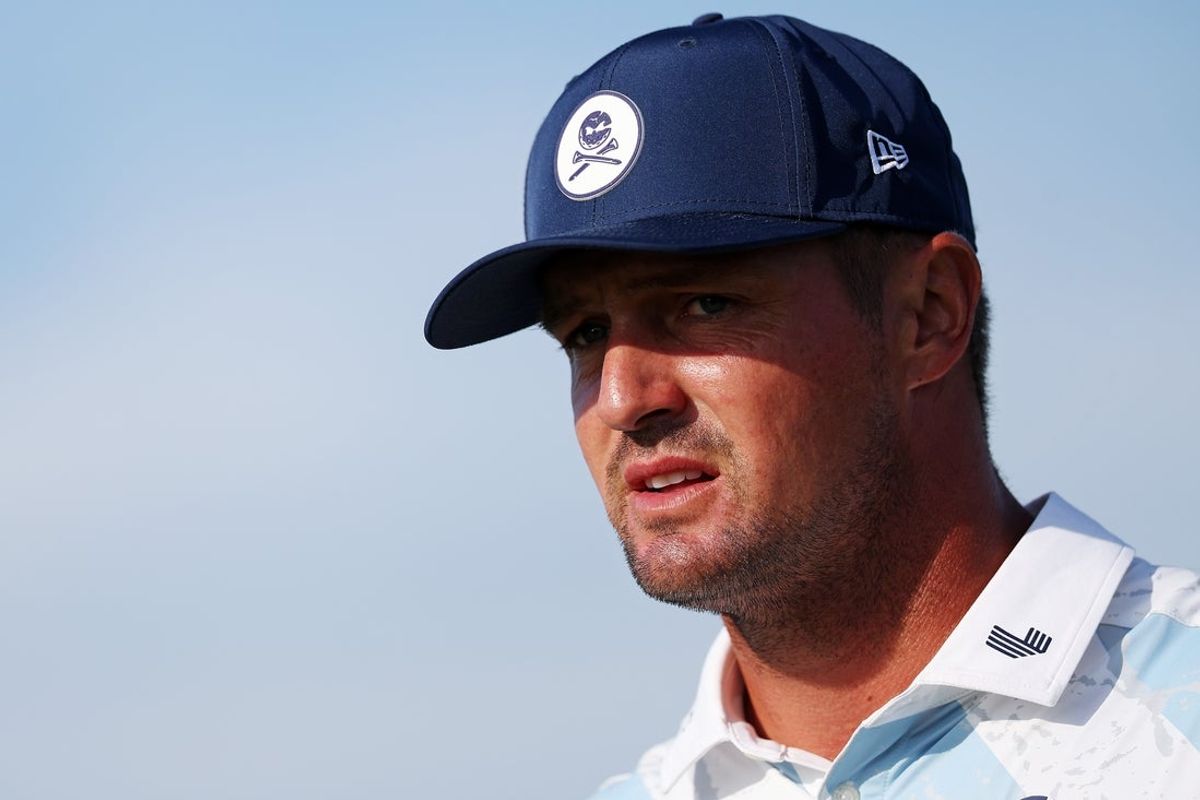 Bryson DeChambeau during the 2026 US Open at Shinnecock Hills.
 LIV Golf has bigger issues to tackle in the near future, but it’s another troublesome sign for the fledgling league that a player who carded a septuple bogey could well be LIV’s top U.S. Open finisher come Sunday in Southampton, N.Y.
For those counting, a septuple bogey is carding a 7 over par on one hole, which Joaquin Niemann ended up with on the par-4 sixth hole at Shinnecock Hills on Thursday after being assessed a two-shot penalty for throwing his club.
To the young Chilean’s credit, he used the viral moment as motivation to card a 65 on Friday, tying the low round of the day with Collin Morikawa. It also propelled Niemann inside the cut line at 3-over 143 for the tournament.
He was one of only six of the 13 LIV players to qualify for the weekend. And half of those made the cut on the number when it moved to 4 over.
At 3 over, Niemann is equal to Dustin Johnson and one shot behind England’s Tyrrell Hatton. Hatton, who was LIV’s top finisher at the Masters and is coming off a win at Andalucia, enters the third round tied for 34th. After opening with a 74, Hatton rebounded with a 2-under 68 on Friday.
Niemann and Hatton were largely an anomaly for LIV on Friday.
Johnson, who was contending for the lead much of the first round, carded double and quadruple bogeys on his back nine on Friday to post a 7-over 77. He will play the weekend, which is more than fellow former U.S. Open champion Jon Rahm can say.
The Spaniard opened with a 68 and appeared poised to build on his runner-up finish at the PGA Championship last month. That was short-lived, however, as Rahm went 6 over across a five-hole stretch and missed the cut by two shots.
Bryson DeChambeau has missed the cut in each of the first three majors of 2026. He carded consecutive double bogeys while stumbling to a 75 on Friday — missing the cut by a lone shot.
On a positive note, 22-year-old Caleb Surratt survived closing with consecutive bogeys to make the cut on the number in his first career major.
LIV GOLF U.S. OPEN SCORES THROUGH 36 HOLES
Tyrrell Hatton, T34 (+2)
Dustin Johnson, T46 (+3)
Joaquin Niemann, T46 (+3)
Laurie Canter, T60 (+4)
Caleb Surratt, T60 (+4)
Peter Uihlein, T60 (+4)
MISSED CUT
Bryson DeChambeau (+5)
Carlos Ortiz (+6)
Jon Rahm (+6)
Cameron Smith (+6)
Lucas Herbert (+6)
David Puig (+9)
Graeme McDowell (+12)
–Derek Harper, Field Level Media
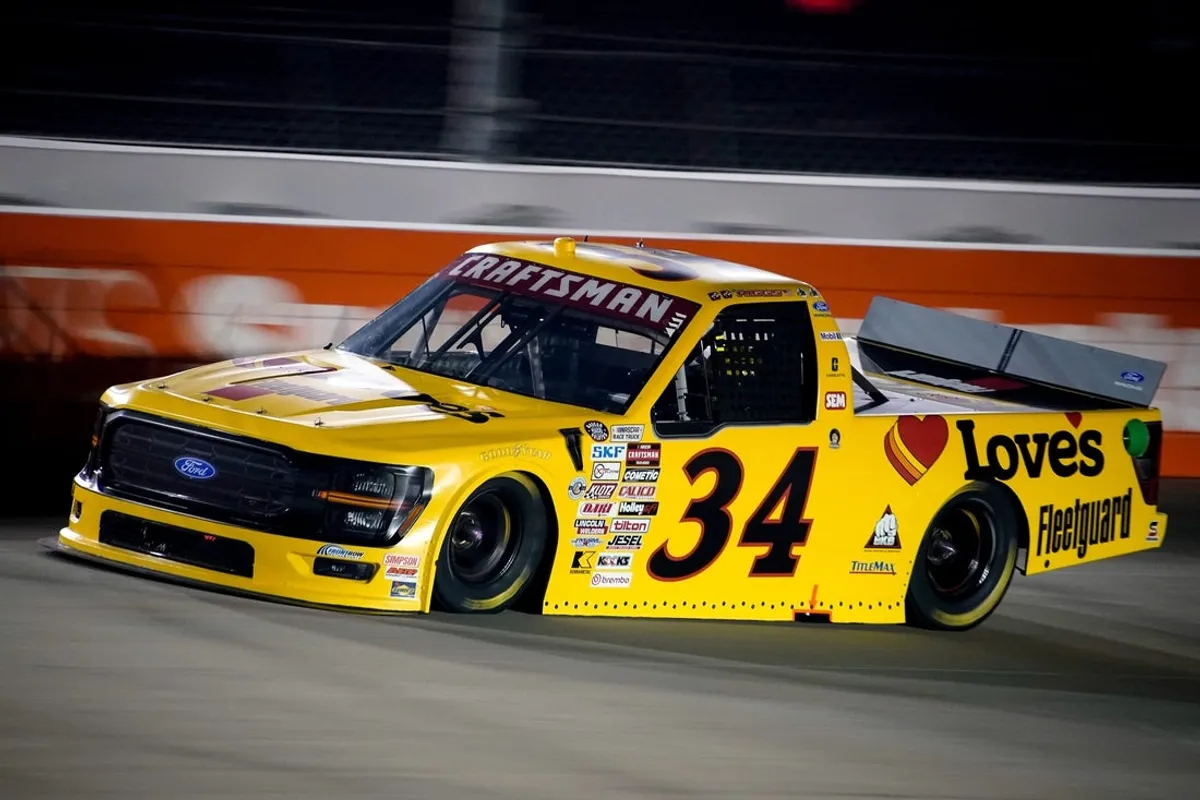
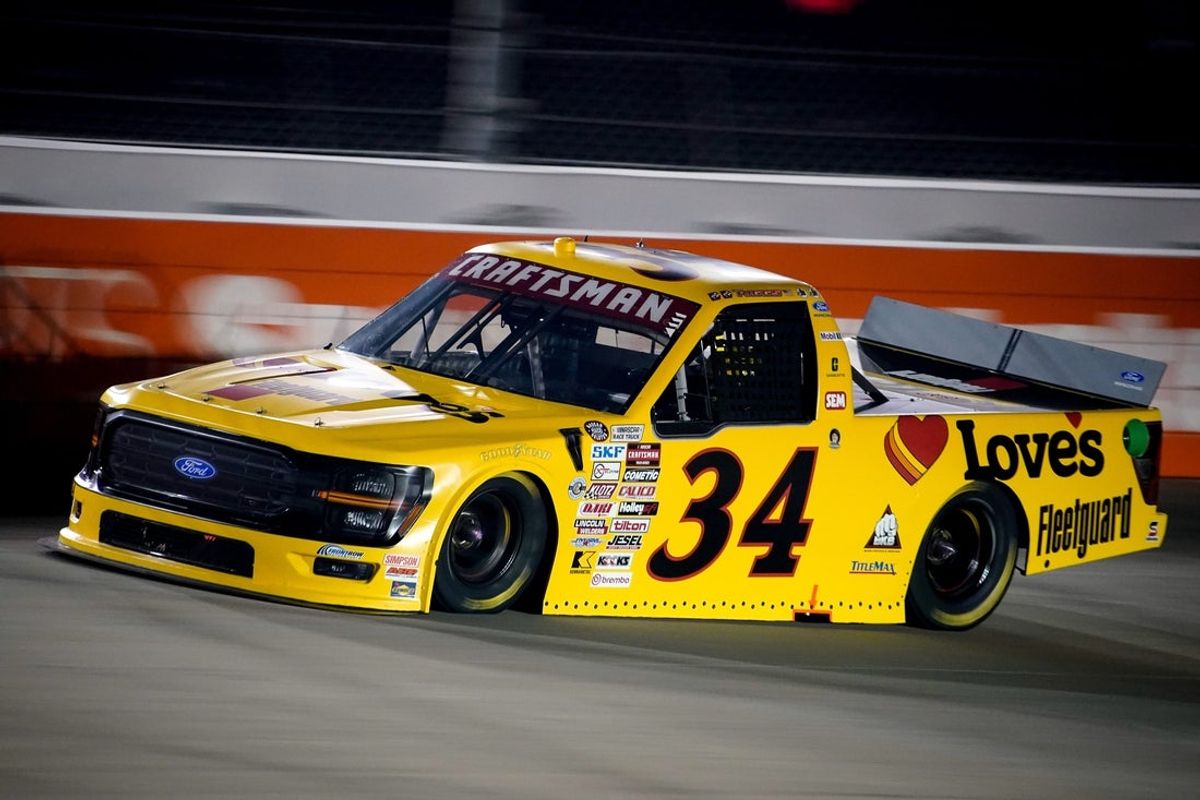 NASCAR Truck Series driver Layne Riggs (34) races during the Allegiance 200 at Nashville Superspeedway in Lebanon, Tenn., Friday, May 29, 2026.
 CORONADO, Calif.– Short on fuel and long on perseverance and good fortune, Layne Riggs won Friday’s inaugural Navy 250 NASCAR Craftsman Truck Series race at Naval Base Coronado on the Qualcomm Circuit.
It wasn’t until the final two corners of overtime that Riggs was able to claim his fourth victory of the season and the ninth of his career. The driver of the No. 34 Front Row Racing Ford was running second behind Tyler Reif entering the chicane that precedes the final corner at the 3.4-mile, 16-turn street circuit.
Under pressure from Riggs, Reif blew the chicane, steered to the inside of the tire barriers defining the racing line and came to a stop after exiting. Riggs grabbed the lead and reached the finish line 1.332 seconds ahead of runner-up Daniel Hemric, who ran the final circuit with a tire losing air.
“Layne van Risberger came to play today, man,” Riggs chortled after climbing from his car — a facetious reference to road course superstar Shane van Gisbergen in the NASCAR Cup Series. “We’re undefeated in street course races — much respect, Shane. I hope I can be as good as you one day, man. I’m going to take all my glory here in the truck series.
“I don’t even know what happened at the end — sparks flying, people wrecking, staying in the throttle. I was running out of fuel the entire last lap. It was like St. Pete all over again (an earlier Riggs victory this season in an inaugural street race).”
Entering the chicane on the final lap, Riggs was trying to force Reif into a mistake — and succeeded.
“I faked left to scare him, and he missed the corner,” Riggs said. “I really wasn’t going to dive it in there, and it worked for me … An amazing, historic win.”
Reif was trying to win in only his seventh start in the series. He finished 19th after being assessed a 30-second penalty for short-cutting the course on the final lap.
“I hear (Riggs was) one (car-length) back from me, and I didn’t want to give him a chance to get to me,” Reif said. “It was my mistake. It’s very unfortunate that I did that. I don’t know how many more chances I’ll have like this, but I’m sure there’ll be more, and I’m going to make sure not to make that mistake again.”
The final two laps featured a surfeit of twists and turns. Superior strategy put Chandler Smith at the front of the field for the overtime restart on Lap 52, with fresher tires and more fuel than Riggs, his teammate.
Smith led the field to green with Kaden Honeycutt beside him, but Honeycutt brushed the wall on the downhill run toward Turn 2, and Smith crashed trying to avoid him. As cars bounced off each other behind them, Henric took the lead briefly, only to be challenged and passed by Reif, who blocked Hemric’s Chevrolet into the wall approaching the chicane on the white-flag lap.
Reif held the lead from that point on until his mistake in the tight, freshly-paved chicane. In the overtime melee, Kaz Grala finished third, followed by Landen Lewis (a career best) and Ty Majeski.
Smith and Honeycutt ran 22nd and 23rd, respectively. Seven-time NASCAR Cup champion Jimmie Johnson led two laps but finished 30th after spinning twice and losing power in the final stage. Johnson was making his second start in the series, 18 years removed from his first.
The race featured 16 lead changes among six drivers, with Riggs leading a race-high 21 circuits and Smith 13. There were seven cautions for 13 laps.
Riggs, who won the first stage, increased his series lead to 65 points over Honeycutt, with Smith trailing by 128 points in third place with five events left in the Truck Series regular season. Parker Kligerman won Stage 2 before finishing 18th.
NASCAR CRAFTSMAN Truck Series Race — Navy 250
San Diego Street Course
San Diego, California
Friday, June 19, 2026
1. (2) Layne Riggs, Ford, 53.
2. (32) Daniel Hemric, Chevrolet, 53.
3. (16) Kaz Grala, Toyota, 53.
4. (9) Landen Lewis, Chevrolet, 53.
5. (8) Ty Majeski, Ford, 53.
6. (17) Justin Haley, RAM, 53.
7. (34) Brenden Queen #, RAM, 53.
8. (13) Ben Rhodes, Ford, 53.
9. (30) Christian Eckes, Chevrolet, 53.
10. (6) Giovanni Ruggiero, Toyota, 53.
11. (23) Mini Tyrrell #, RAM, 53.
12. (35) Tanner Gray, Toyota, 53.
13. (24) Kris Wright, Chevrolet, 53. 14. (33) Adam Andretti, Toyota, 53.
15. (25) Cole Butcher #, Ford, 53.
16. (28) Brendan Gaughan, Chevrolet, 53.
17. (29) Austin Varco, Ford, 53. 18. (10) Parker Kligerman, Chevrolet, 53.
19. (14) Tyler Reif, Chevrolet, 53.
20. (27) Frankie Muniz, Ford, 53.
21. (7) Andres Perez De Lara, Chevrolet, 53. 22. (3) Chandler Smith, Ford, 53.
23. (1) Kaden Honeycutt, Toyota, Accident, 52.
24. (11) Connor Mosack, Chevrolet, 52.
25. (31) Justin Marks, Chevrolet, 51. 26. (18) Dawson Sutton, Chevrolet, 51.
27. (26) Jackson Lee, Ford, 50.
28. (20) Nathan Nicholson, Chevrolet, Accident, 48.
29. (5) Grant Enfinger, Chevrolet, 48. 30. (4) Jimmie Johnson(i), Toyota, Electrical, 47.
31. (12) Tyler Ankrum, Chevrolet, Accident, 46.
32. (19) Jake Garcia, Ford, Transmission, 40.
33. (22) Stewart Friesen, Toyota, Power Steering, 29. 34. (21) Jamie McMurray, RAM, Accident, 22.
35. (15) Corey LaJoie, RAM, Accident, 14.
Average Speed of Race Winner: 64.274 mph.
Time of Race: 2 Hrs, 48 Mins, 13 Secs. Margin of Victory: 1.332 Seconds. Caution Flags: 7 for 13 laps.
Lead Changes: 16 among 6 drivers.
Lap Leaders: K. Honeycutt 1-2;L. Riggs 3-5;K. Honeycutt 6;L. Riggs 7-12;K. Honeycutt 13-16;J. Johnson(i) 17-18;C. Smith 19;P. Kligerman 20;L. Riggs 21;P. Kligerman 22-26;C. Smith 27;K. Honeycutt 28-30;C. Smith 31-33;L. Riggs 34-43;C. Smith 44-51;T. Reif 52;L. Riggs 53.
Leaders Summary (Driver, Times Lead, Laps Led): Layne Riggs 5 times for 21 laps; Chandler Smith 4 times for 13 laps; Kaden Honeycutt 4 times for 10 laps; Parker Kligerman 2 times for 6 laps; Jimmie Johnson(i) 1 time for 2 laps; Tyler Reif 1 time for 1 lap. Stage #1 Top Ten: 34,11,1,38,9,18,99,44,45,42
Stage #2 Top Ten: 75,88,9,18,44,42,38,11,1,91
–By Spencer Reid, NASCAR Wire Service. Special to Field Level Media
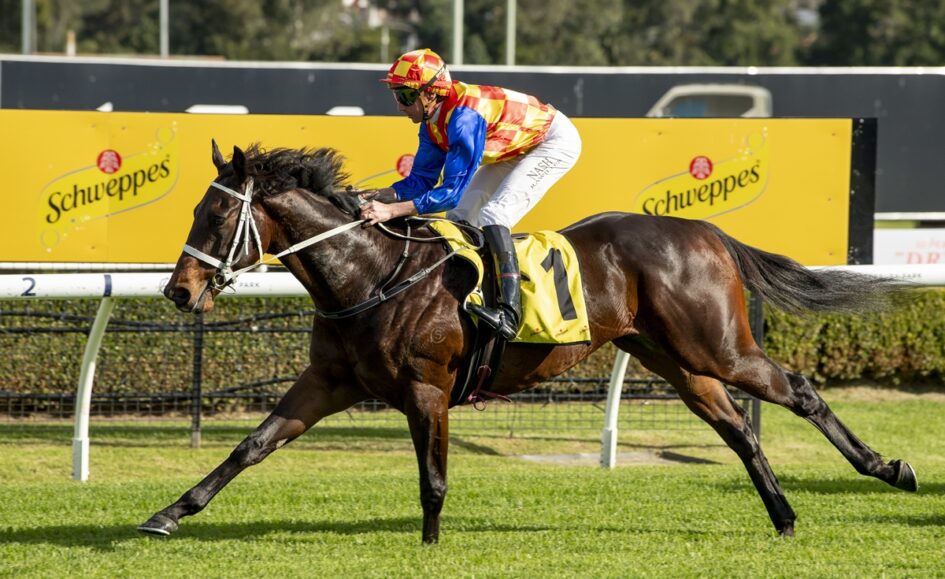
While Chris Waller is occupied with Royal Ascot commitments for Joliestar’s upcoming race, he is also closely monitoring his stable’s prospects on home soil.
A key contender for the stable is Hello Captain, set to contest the Kia Ora Bloodlines to Headlines Handicap (1300m) at Randwick.
The gelding, with Nash Rawiller now aboard, has garnered significant punter interest and is currently the even money favourite.
“Hello Captain has returned in great shape,” Waller confirmed from England.
“He has found really good form, he has won his last three starts and is full of confidence.”
The Hello Youmzain colt, purchased by Waller and bloodstock expert Guy Mulcaster for approximately AU$520,000 at the Karaka Sales in New Zealand, has achieved three wins in four starts, with his other outing a second at Doomben in December.
“He’s a typical New Zealand-bred horse, he has just taken time to mature,” Waller added.
“But James (McDonald, jockey) rode him a couple of starts ago and gave him a good report.
“He’s trained on well since and kept his form. This is a bit trickier with a bit of weight (60.5-kilos) but if he was to win again Saturday we might back off and then have a look at the spring.”
In the subsequent 1800m benchmark 78 event, Waller also has the mare Nasebah lined up, expected to be a strong market fancy.
The four-year-old offered a solid finish for fourth place on June 6, returning to the Randwick mile.
“This horse was very unlucky last start but she will be very hard to beat on Saturday,” Waller stated. Check out the latest online bookmakers for the race.

After a stuttering start against Morocco, Brazil have finally got their World Cup party started.
A 3-0 win over Haiti was just what the doctor ordered after an unconvincing and unbalanced performance in their opening game, and while the usual suspects were at the heart of things for the Selecao, it was a makeshift solution that unlocked their opposition.
Matheus Cunha, most often used as a winger at club level by Manchester United, was chosen to lead the line in Philadelphia, and while Raphinha and Vinicius Jr led the show early on, it was the 27-year-old who opened the scoring, dropping deep to create the opening and managing to bundle it in via the help of Haiti defender Hannes Delcroix.
The winger-turned-striker soon had his second too, making a clever run in behind an admittedly lacklustre Haitian defence before rifling in a superb finish to effectively end the game.

Brazil were two ahead without having to enter second gear, and they soon added a third as Vini Jr raced clear to latch onto Lucas Paqueta’s through ball and slide in a neat finish.
For Cunha – who had been left on the bench for the opener against Morocco – it was a solid audition as he made his claim to Brazil’s number nine spot, with his movement helping his teammates and giving both star wingers more space to operate in.
Nevertheless, this was a game against one of the lowest-ranked teams in the competition, and his goals were just his second and third in the famous Selecao shirt despite frequently being used as a striker in the past.
While he’s proved his ability to finish difficult chances when playing for his club side, we haven’t had enough evidence as to whether Cunha can function as a striker at the top level while giving the team what they need from a number nine. Could he provide more of a classic number nine performance, or offer an outlet when Brazil face a better side?

Those questions remain unanswered but this performance was a step in the right direction, though tougher tests are just around the corner, from Scotland in their final group game to a last-32 tie against the likes of Japan.
And in any case, the idea that the Selecao might have found their answer to their striker problem might have to be shelved for now. An injury to Raphinha – who was forced off with a suspected hamstring issue before the end of the first half – means Cunha may find that his time at striker is short-lived. Interestingly, Ancelotti declined to claim he’d found a solution to the striker issue in his post-match conference, preferring to keep his cards close to his chest.
Ancelotti suggested that Raphinha came off due to tightness in his hamstring, but if the Barcelona man is ruled out for any bigger games, then Ancelotti might be forced to use Cunha on the right wing over the likes of Gabriel Martinelli or Rayan. If this is the case, it could open up the chance for a fan favourite to take his place up front.
Real Madrid striker Endrick, who ended last season on loan at Lyon, is a popular striker choice with the Selecao faithful, with the biggest cheer of the day reserved for when the 19-year-old took Cunha’s place, and again when his name was read by the stadium announcer.
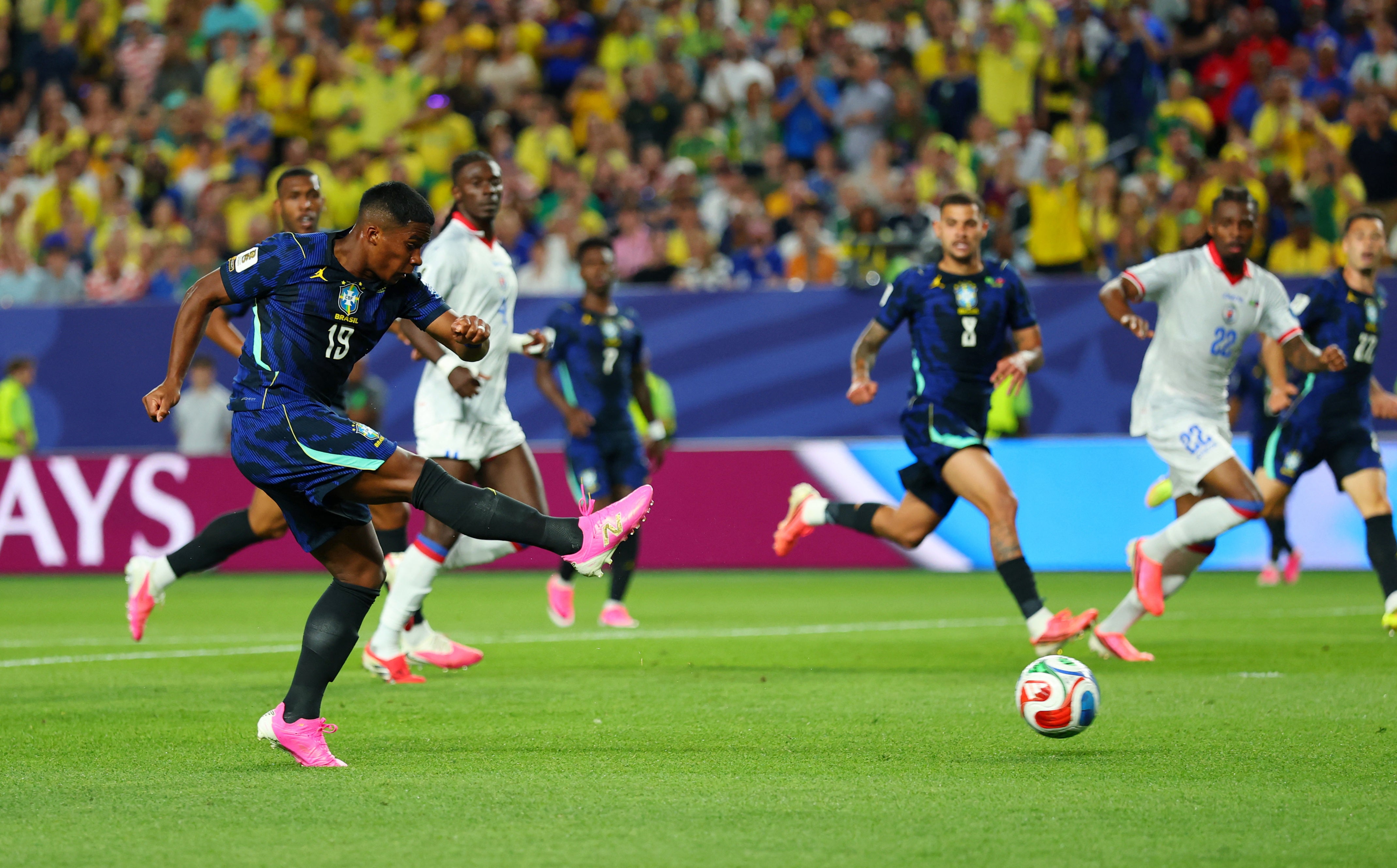
Many fans have wanted to see more of a player branded an “extraordinary talent” by Ancelotti, but he has found opportunities hard to come by since the Italian took over, missing out on the squad for the last four friendlies of 2025 before being given 14 minutes in the win over Croatia and 45 minutes against both Panama and Egypt in the warm-up friendlies.
A tally of five goals in 16 Ligue 1 appearances does not appear enough for Ancelotti to pin his hopes on Endrick, and indeed he did not feature off the bench in the draw to Morocco. There are high hopes for the youngster, but the current Brazil manager is surely one of the best-placed figures in world football to tell whether he is ready for the pressure that being a figurehead of the Selecao puts on a player.
However, there were flashes of his ability when he came on in Philadelphia, a good run and well-taken finish eventually flagged for offside but also offering a glimpse of what the 19-year-old could offer as an alternative to Cunha or Igor Thiago. At present, the youngster makes an interesting proposition for the number nine position, not least because of the injury to Raphinha.
Indeed, Ancelotti himself has previously stated he will “bring Endrick on at the right moment”, adding that “he’ll be important in this World Cup”. The Italian is still tinkering with his side as he looks to find the right formula, but with plenty of uncertainty still in the Brazilian camp, perhaps Endrick’s ‘moment’ will come sooner rather than later.
Scotland were left stunned by what was the fastest goal of World Cup 2026 to that point as Morocco sprinted into the lead 70 seconds after kick-off.
Ismael Saibari leathered past Angus Gunn to open the scoring during in lightning-quick fashion, with Grant Hanley mistiming his step up to allow the forward to run clean through and fire home.
It was the earliest a player has scored in a World Cup match since Alphonso Davies struck in the 2022 World Cup in Qatar, when he netted Canada’s first ever World Cup goal against Croatia inside 68 seconds.
Saibari claimed the accolade of quickest goal of this summer’s tournament but held it for only a couple of hours, with Paraguay’s Matias Galarza drilling home in 64 seconds to break his record. However, both are actually quite a way off the all-time mark, not even breaking into the top 10.

Hakan Sukur boasts the fastest World Cup goal of all time at a blistering 11 seconds, with the Turkey hero-turned-political exile stunning hosts South Korea after stealing possession from kick-off.
England’s Bryan Robson scored in 28 seconds in 1982 while Clint Dempsey netted inside 30 seconds for the USA at Brazil 2014, two goals which are only enough for fourth and fifth in the rankings.
North Korea also have a name on the list, with Pak Seung-zin scoring in 50 seconds in 1966 to put them ahead in their quarter-final against Portugal. The Selecao would come back to win 5-3 in that game, with the honour of knocking them out going to eventual champions England in the next round.
More recently, Mathias Jorgensen scored for Denmark from an early long throw in 55 seconds against Croatia in their 2018 round of 16 match, a match the Danes also went on to lose. That is the 10th fastest time that a goal has been in World Cup history, meaning you have to at least break the minute mark to get in the rankings.
But in Saibari’s hopes of entering some sort of record book, he may be glad to hear that his strike was the earliest goal Scotland have ever conceded at a World Cup.
Saibari also scored a wonderful goal in Morocco’s opening draw with Brazil, again being set in behind before dinking Alisson Becker with a chip.
He is fast emerging as one of this summer’s breakout stars after an influential Africa Cup of Nations campaign, which saw Morocco lose a home final to Senegal before being awarded the title after the fact, with the Teranga Lions stripped of their crown after staging a controversial walk-off over a late VAR penalty decision.
The 25-year-old, who has spent his entire senior career so far at Eredivisie champions PSV, is heavily reported to be on the verge of a €55m move to Bayern Munich.

Ballarat trainer Mitch Freedman is in a quandary regarding the next career step for Tatakai Uta, weighing the merits of a Flemington straight race against targeting a less formidable contest.
Freedman is of the opinion that Tatakai Uta has the potential to develop into a city-class competitor but is apprehensive about pushing the three-year-old into metropolitan racing prematurely.
The gelding is scheduled to participate in the Rod Johnson Handicap (1100m) at Flemington this Saturday, but the potential involvement of Sydney contender Ice Kool is a factor occupying Freedman’s thoughts.
“The Sydney visitor looks exceptionally good and looks like it does a lot of things right, so it will be very hard to beat if it does come down here,” Freedman commented.
Tatakai Uta has had only three starts, finishing second in maiden races at Donald and Bendigo before recording his maiden win at the Swan Hill Carnival midway through the month.
Sent off as the $1.36 favourite, Tatakai Uta reportedly gave his supporters some nervous moments before ultimately winning, according to Freedman.
While the victory was timely, Freedman is keen to avoid compromising the horse’s development by taking him to the city too soon.
“He’s a horse that has plenty of upside, but he’s just doing a couple of things wrong still,” Freedman said.
“He was a short-priced favourite at Swan Hill and he did a few things wrong and probably gave punters a few nervous moments, but he’s shown us enough ability, and I think he will be a horse that gets to city level, but whether that’s now or later down the track.
“We’re a little bit hesitant while he’s learning whether he needs to take that step to town, so whether it’s now or whether we should be aiming for something softer, we shall see.
“Having said that, horses that are progressive in that three-year-old grade, you can really see them leap to a new level, but it’s a balancing act how much you raise the bar and how much that might destroy his confidence.
“It’s a little bit tricky.”
Consider the racing odds for this event with various sports betting platforms.


Paraguay’s Matias Galarza scripted history by scoring the fastest goal of FIFA World Cup 2026 during the Group D match against Turkiye on Saturday. It took just 65 seconds for Paraguay to take the lead in the match as Galarza scored from a sensational long-range effort. Earlier in the day, Morocco’s Ismael Saibari claimed the record when he scored after just 72 seconds during the match against Scotland. However, the record did not last long as Galarza capitalised on a fiery start by Paraguay and handed his team the lead in a must-win game for them.
JAJDUDKWNWWKSI GOLAZO DE GALARZA DE RIVER AL MUNDO GRACIAS DIOS
AHORA LE VAMOS A SACAR 5 PALOS pic.twitter.com/P1zQruooVX
— Carpeta Millo (@CarpetaMillo_) June 20, 2026
Earlier, Matheus Cunha scored twice as Brazil eased past Haiti 3-0 on Friday to breathe life into their FIFA World Cup campaign and close in on a spot in the last 32.
After a much-criticised display in their opening 1-1 draw with Morocco, the five-time world champions underlined the gulf in class with outsiders Haiti, who became the first country to exit this World Cup.
Cunha’s scruffy goal in Philadelphia gave Brazil the lead midway through the first half, and he struck again as Carlo Ancelotti’s side asserted their dominance. Vinicius Junior added a third before the break.
Brazil play Scotland in their final Group C game in Miami on June 24.
Haiti’s first World Cup appearance since 1974 will end after they play Morocco in Atlanta.
The Selecao currently have the edge over Morocco for top spot on goal difference. If they finish first, they would face the Group F runners-up — likely to be the Netherlands, Japan or Sweden — in the next round.
Neymar did not travel with the squad as he continues his recovery from a calf injury, prompting Brazil President Luiz Inacio Lula de Silva to joke he was “working remotely”.
As promised Ancelotti made changes after the insipid showing against Morocco, bringing United forward Cunha in for Brentford’s Igor Thiago and replacing Roger Ibanez with Danilo at right-back.
Despite a US government ban which has prevented fans travelling from Haiti, the Caribbean nation received loud support from the sizeable Haitian diaspora, which filled roughly half of the 68,324 crowd.
Aggrieved at not coming away with a point from their 1-0 loss to Scotland last week, Haiti coach Sebastien Migne urged his players to embrace the opportunity to play Brazil at a World Cup.
With 77 places separating the nations in the FIFA rankings, Brazil quickly took control and thought they had scored when Raphinha fired home, only for the Barcelona winger to be flagged offside.
It was a sign of what was to come though and Brazil broke the deadlock on 23 minutes.
Cunha sparked the move by winning possession in midfield and, after Vinicius’s shot was parried, he reacted quickest to block Hannes Delcroix‘s clearance to send the ball trickling into the net.
Vinicius and Cunha combined again to double the lead, the former slipping his team-mate in behind the Haiti defence to blast in a powerful left-footed shot as he fell to the ground.
Brazil lost Raphinha to injury but scored a third before half-time as Vinicius ran onto Lucas Paqueta‘s floated pass and steered through the legs of Johny Placide.
Haiti almost bagged their first World Cup goal in 52 years when Ricardo Ade’s glancing header at a corner forced Alisson Becker into a sharp stop, but it was a rare moment of hope.
The introduction of 19-year-old Endrick as Ancelotti turned to his bench triggered huge cheers from Brazil supporters, who nearly had another goal to celebrate when substitute Gabriel Martinelli rattled the crossbar.
Haiti refused to go down without a fight as Alisson made two late saves to preserve Brazil’s first clean sheet in seven outings, turning the page on an underwhelming start to the competition.
(With AFP inputs)
Featured Video Of The Day
Tushar Deshpande’s Brilliant Final Act Ensures Thrilling Win For RR Over Gujarat Titans
Topics mentioned in this article
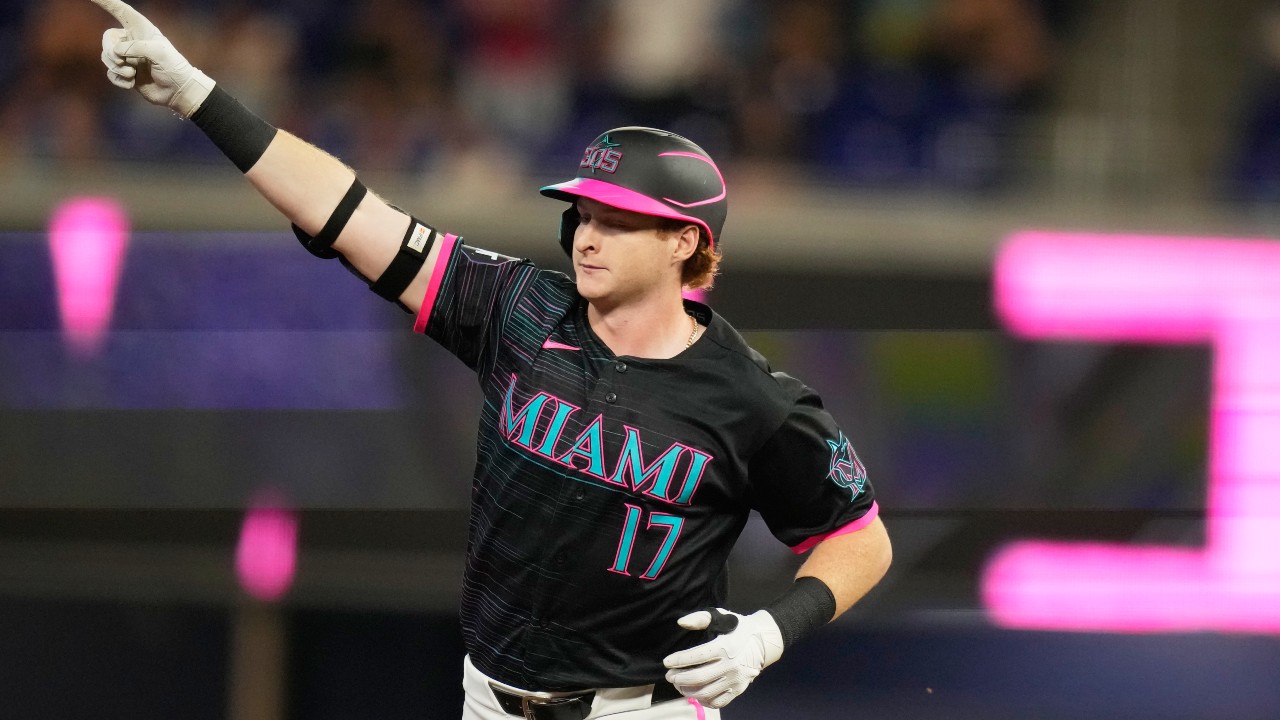
MIAMI — Canadian Owen Caissie was a triple shy of the cycle and hit a go-ahead sacrifice fly as the Miami Marlins beat the San Francisco Giants 4-3 on Friday night.
Javier Sanoja had two hits and scored twice for the Marlins, who are a major league-best 12-4 in June.
Giants reliever Sam Hentges (1-2) hit Esteury Ruiz with a pitch leading off the seventh inning. Sanoja singled and Liam Hicks followed with a tying single that advanced Sanoja to third. He scored on Caissie’s flyball to deep left field.
Cade Gibson (1-0) retired all four batters he faced for the win. Calvin Faucher relieved Gibson and got the last two outs in the eighth before Pete Fairbanks closed with a perfect ninth for his 10th save this season and the 100th of his career.
The Marlins used eight pitchers in a bullpen game.
Rafael Devers’ homer for the Giants against Michael Petersen leading off the sixth tied it 2-all. Jung Hoo Lee followed with a double and scored on Casey Schmitt’s go-ahead single.
Caissie’s run-scoring double in the fifth put Miami ahead 2-1.
San Francisco starter Landen Roupp allowed two runs and seven hits over six innings and 98 pitches. Roupp, who struck out seven, is winless in eight outings since April 26, when he completed 7 2/3 innings in a 6-3 home victory against the Marlins.
Caissie gave Miami an early lead with his solo homer in the first. He drove a cutter from Roupp over the wall in center for his eighth homer.
The Giants tied it in the second on Daniel Susac’s sacrifice fly. Marlins opener Lake Bachar allowed consecutive singles to Willy Adames, Schmitt and Drew Gilbert before Susac hit a drive to the warning track in left that Kyle Stowers tracked down.
RHP Trevor McDonald (2-4, 4.64 ERA) starts Saturday for the Giants against Marlins RHP Max Meyer (7-0, 2.75).

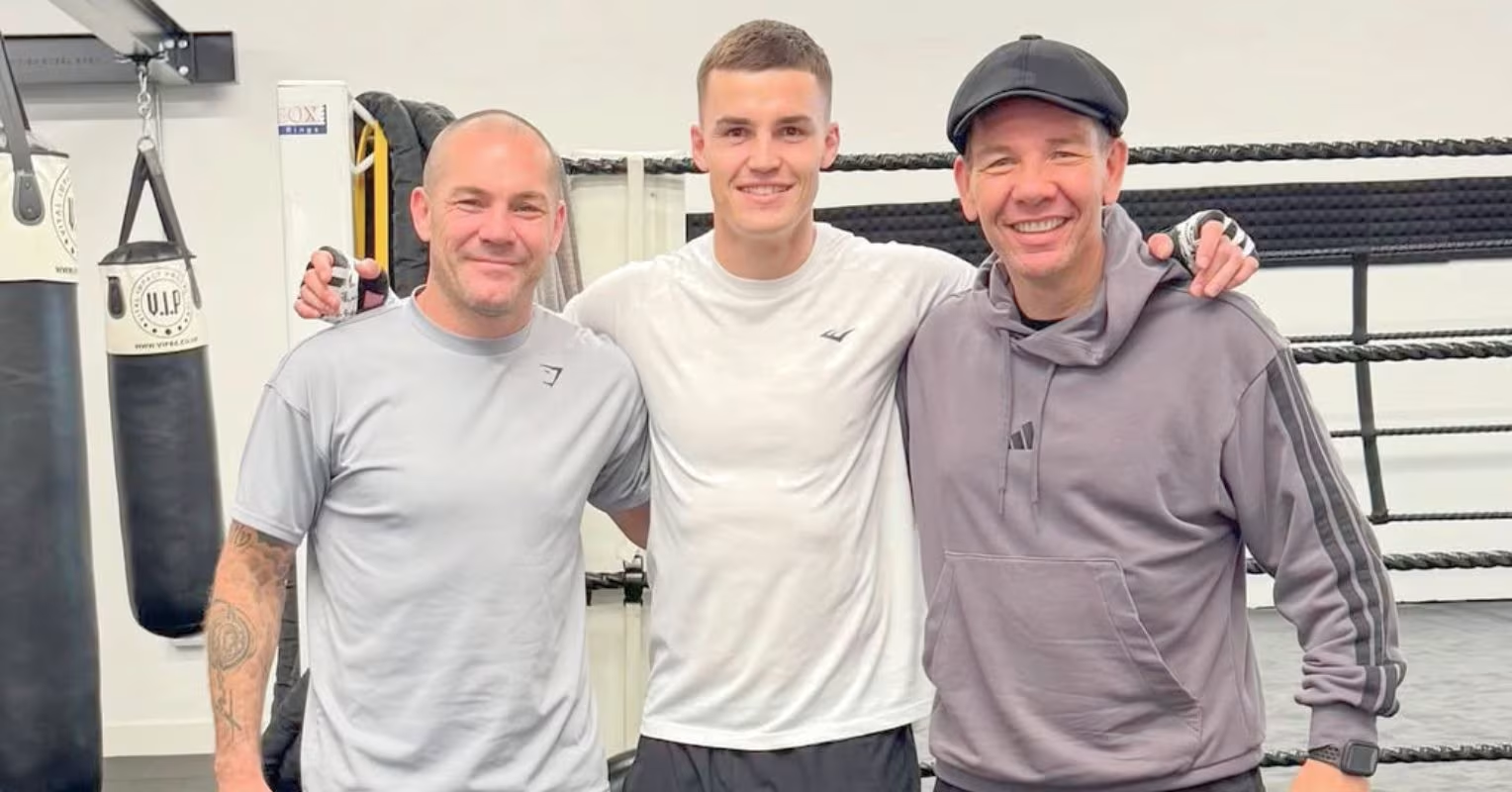
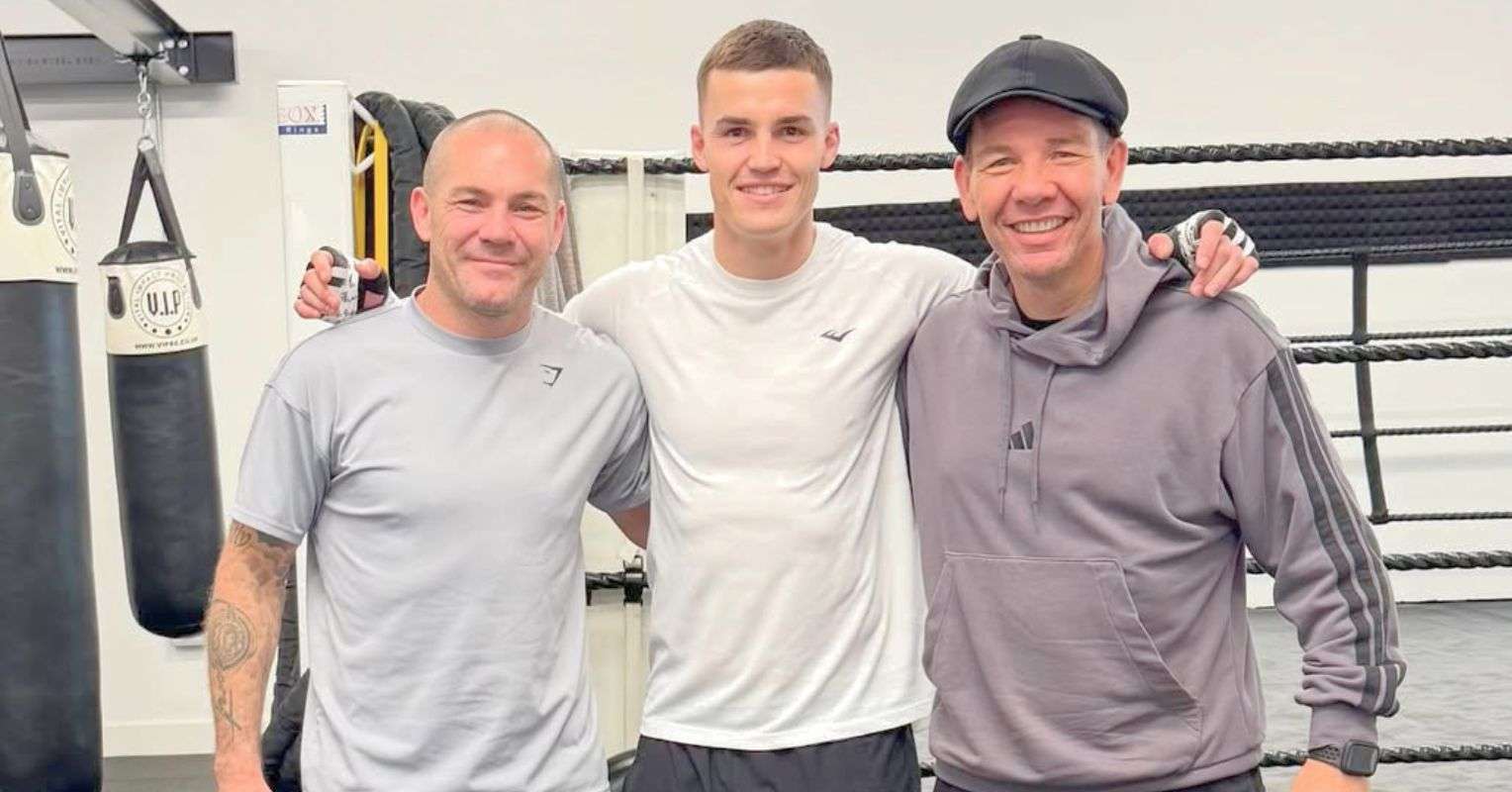
Taylor Bevan’s link-up with Jamie Moore and Nigel Travis has seemingly come at the perfect time, ahead of his first 10-rounder against Ryszard Lewicki.
The 25-year-old has made steady progress in the professional code but, now, it seems as though he is approaching his toughest assignment thus far.
Not only is he facing a credible opponent but Bevan, who was a standout amateur, must also perform on the grandest stage he will have ever encountered.
It is just as well, then, that the talented prospect has joined forces with esteemed coaches Moore and Travis, knowing that basing himself in Manchester is a sacrifice worth making.
“They’re just two very experienced coaches. I went up there to try them out and gelled well with them straight away.
“They’ve obviously got a top stable of boxers – a lot of lads who are further along the journey than I am.
“I can learn a lot of people like that and there’s a great atmosphere in the gym, which is something I was missing before. I’m used to training on my own, so I’ve come from the other end of the spectrum, really.
“It’s a big commitment, moving four or five hours away from home, but I’m willing to make sacrifices at this stage in my career. I believe they’ll pay off in the future.”
One of the benefits of training in Manchester is that Bevan is closer, or at least more so than he was in Southampton, to top-class super-middleweight sparring.
As a result, he has been fortunate enough to share rounds with Callum Simpson, who rematches Troy Williamson on August 8, ahead of his clash with Lewicki.
“Yeah, amazing sparring. He’s at the top level at my weight, and he’s massive for the weight as well. I had eight rounds with him [around two weeks ago] and did another eight rounds with him [last week].
“I don’t think you can get much better sparring than that. It fills me with the utmost confidence going into this next fight, that I’m in great condition and prepared for anything.”
Bevan will collide with Lewicki at St Mary’s Stadium, Southampton, this Saturday, featuring on the undercard of Ryan Garner vs Michael Magnesi.
While still signed with Eddie Hearn’s Matchroom Boxing, this represents Bevan’s second outing on a Queensberry Promotions show, simply because the offer to enter his first professional contest in Southampton was too good to refuse.
The aim, as always, is to produce a statement performance and emerge victorious, yet Bevan does not rule out the possibility of going the full 10-round distance.
“I think it’s come at the perfect time – Tom Dallas at Matchroom has matched me brilliantly so far.
“I’ve been ready to do the eight rounds in my last few fights and it just hasn’t happened. In a way, it’s good to blast people out of there, because you get those highlight-reel knockouts and 8-0 (8 KOs) looks great on my record.
“But, at the same time, I wouldn’t be disappointed to go 10 rounds in this next fight, because it would be a good progression in my career. I’ve got to go the distance at some point, so why not do it now?”
Indeed, Bevan has established himself as a clinical knockout artist, but sees himself as more of a spiteful technician than an all-out power puncher.
“I wouldn’t say I’m a devastating puncher like [stablemate] Pat Brown, but I’d say [I get the stoppages with] smart boxing. When I feint, I look at where [the opponent] leaves himself open.
“I always felt like my style would suit the pros, because I like to think about things and be more calculated, whereas the amateurs is very fast and furious.
“I’ve always been a fit lad, and it was often my heart, determination and will to win that got me through those amateur fights.”
While boasting an accomplished amateur background, Bevan remains acutely aware that, against Lewicki, he could be dragged into something of a “dogfight”. Thankfully, though, he should have plenty of supporters to spur him on through any moments of jeopardy.

How Payment Shifts Are Quietly Changing Everyday Leisure

Your star sign’s Cancer season 2026 tarot horoscope reading

S Token Slumps 5% After Sonic Labs Board Shake-Up and CEO Change


-

 Business6 days ago
No Jackpot Winner as $257 Million Prize Rolls Over to $269 Million Monday Draw
-
 Crypto World5 days ago
Zimbabwe Requires Crypto Businesses to Register Annually Under New FIU Regulations
-

 Crypto World7 days ago
Bitget enters Argentina’s regulated crypto market through PSAV registration
-

 Fashion11 hours ago
Weekend Open Thread: Miami – Corporette.com
-
 Entertainment5 days ago
Matt Damon’s Viral Sci-Fi Thriller Has Taken Over HBO Max
-

 Business5 days ago
Anthropic staff to meet White House officials next week, Axios reports
-

 Tech6 days ago
As AI companies race to go public, who else is along for the ride?
-
 Crypto World5 days ago
Bitcoin could crash to $48,000, if this historical pattern is triggered
-
 NewsBeat5 days ago
Warning of disruption as Cardiff Crossrail works to start
-

 Politics5 days ago
“Israel’s” ban on ICRC visits ruled illegal, but Knesset moves to stop them permanently
-

 Entertainment6 days ago
Deion Sanders Shares Powerful Post After Viral Advice To Deiondra
-

 News Videos5 days ago
Financial Accounting | Last Day Revision Strategy and Booster | CMA Inter – June 2026
-
 NewsBeat5 days ago
Tributes to former deputy head teacher at Cambridge school among death and funeral notices
-
 NewsBeat5 days ago
what doctors are seeing in ebike crashes
-
 Entertainment5 days ago
Kate Middleton Glare Goes Viral After Kids Booed At Royal Event
-

 Crypto World5 days ago
XRP ETFs Outperform As Bitcoin And Ethereum Funds Extend Outflow Trend
-
 Crypto World6 days ago
Market Preview: SpaceX (SPCX) IPO Record, Federal Reserve Meeting, and Iran Nuclear Agreement
-

 Tech5 days ago
Over 400 Arch Linux packages compromised to push rootkit, infostealer
-

 Business5 days ago
Invesco Quality Income Fund Q1 2026 Commentary
-
 Entertainment7 days ago
44 Years Later, This Is the Greatest Star Trek Quote in Sci-Fi History
You must be logged in to post a comment Login