
Business
Expert Picks for Every Need

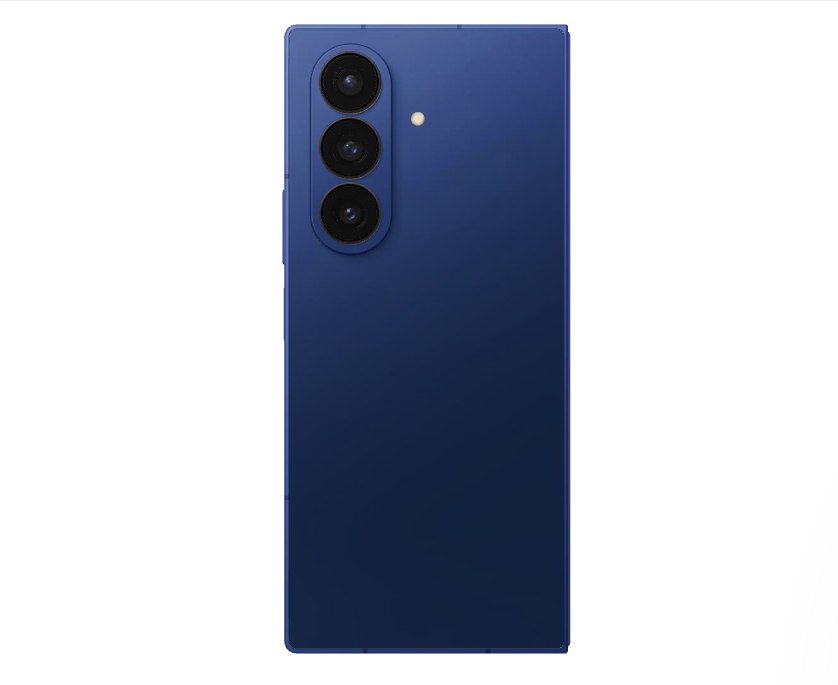
Foldable smartphones have matured dramatically by April 2026, shedding much of their early bulk and fragility to become practical daily drivers with improved durability, battery life and multitasking capabilities. Leading models from Samsung, Google, Motorola and others now compete closely with traditional flagships while offering the unique appeal of a compact device that unfolds into a mini-tablet or stylish flip form factor.
Industry analysts and reviewers from outlets including PCMag, PhoneArena, ZDNet and Wirecutter highlight a clear top tier based on hands-on testing, real-world performance and value. While availability varies by region — with some Chinese brands like Honor and Oppo offering exceptional hardware but limited U.S. support — the following five stand out as the best foldable phones currently on the market.

1. Samsung Galaxy Z Fold 7 — Best Overall Book-Style Foldable
Samsung’s Galaxy Z Fold 7 earns frequent nods as the top foldable for most users thanks to its ultra-slim profile, premium build and polished software experience. Measuring just over 8mm thick when closed and weighing around 215 grams, it feels remarkably close to a conventional flagship yet unfolds into an expansive 8-inch inner display ideal for productivity, media consumption and split-screen multitasking.
The device features a bright 6.5-inch cover screen with 120Hz refresh rate, allowing full app functionality without unfolding. Powered by the Snapdragon 8 Elite for Galaxy processor, it delivers smooth performance across demanding tasks. Cameras have seen meaningful upgrades, with a standout 200-megapixel main sensor producing sharp, vibrant photos that rival non-foldable competitors.
Reviewers praise the refined hinge, improved crease visibility and long software support extending years into the future. Drawbacks include a premium price tag often starting near $1,900 and average battery life that may require midday top-ups for heavy users. Still, its ecosystem integration with Galaxy Watch, Buds and DeX mode makes it a compelling choice for Samsung loyalists and power users alike.
2. Google Pixel 10 Pro Fold — Best for Durability and Cameras
Google’s Pixel 10 Pro Fold stands out for its rugged construction and photography prowess. It boasts a full IP68 dust and water resistance rating — a rarity among foldables — along with enhanced hinge durability and drop protection on the main display. At roughly 258 grams, it feels more substantial than Samsung’s offering but rewards owners with reliable all-day performance.
The Tensor G5 chipset powers intuitive AI features, including real-time call translation, audio magic eraser and Gemini Live integration. Cameras shine with computational photography that delivers natural colors and excellent low-light results, making it a favorite for content creators. The 6.3-inch cover screen and large inner display support seamless multitasking with clean Android 16 software.
Battery life impresses in testing, often outlasting slimmer rivals. Pricing starts around $1,800, positioning it as a strong value for those prioritizing longevity and photography over the absolute thinnest design. Limitations include slightly warmer performance under sustained loads compared to Snapdragon-equipped devices.
3. Motorola Razr Ultra (2025/60 Ultra) — Best Flip-Style Foldable
For users seeking pocketable convenience with flair, the Motorola Razr Ultra delivers one of the most stylish and functional clamshell experiences. Its vertical fold design snaps shut into a compact square, while the generous external display supports full apps, notifications and even quick camera previews.
Equipped with strong battery life that frequently tops competitor flip models, the Razr Ultra handles daily tasks efficiently on its Snapdragon processor. The inner 7-inch display offers smooth 120Hz visuals, and the overall build feels premium with thoughtful details like a titanium hinge option in select variants. Cameras perform adequately for casual use, though they trail book-style models in versatility.
Reviewers highlight its fun factor and practicality for one-handed operation. Starting prices often land in the mid-$1,000 range, making it more accessible than premium book-style foldables. Potential downsides include a smaller unfolded screen compared to tablet-style devices and occasional software quirks in the Motorola skin.
4. Samsung Galaxy Z Flip 7 — Best Compact Flip for Everyday Use
Samsung’s Galaxy Z Flip 7 refines the flip formula with a larger 4.1-inch edge-to-edge cover screen that finally enables meaningful interaction without unfolding. The 6.9-inch inner display provides ample space when needed, while the overall design remains slim and lightweight for easy pocket carry.
Battery improvements help it last through a full day for moderate users, and the Exynos 2500 or Snapdragon variant (depending on region) ensures snappy performance. New DeX support on the Flip adds desktop-like productivity when connected to external displays. Cameras remain solid for social media and quick shots, with the main 50-megapixel sensor delivering reliable results.
Priced starting around $1,100, it offers strong value within the Samsung ecosystem. Critics note it can overheat during intensive multitasking and that battery claims sometimes exceed real-world endurance. Its stylish appeal and improved cover screen functionality make it a top pick for fashion-conscious users or those transitioning from traditional bar phones.
5. Honor Magic V5 — Best Ultra-Thin Alternative for Multitasking
The Honor Magic V5 earns acclaim for its exceptionally slim design, measuring under 9mm folded and around 4.4mm unfolded in some configurations. It targets users who want a near-nonexistent crease and premium feel without Samsung’s ecosystem lock-in.
Featuring a large inner display and capable outer screen, it excels at multitasking with smooth software optimizations. The Snapdragon 8 Elite processor paired with generous RAM handles heavy workloads, while a sizable silicon-carbon battery supports fast charging and extended use. Cameras offer competitive performance, particularly in daylight scenarios.
Availability may require importing in some markets, and software updates could lag behind Google or Samsung. Still, its combination of thinness, battery capacity and vibrant displays positions it as a compelling choice for enthusiasts seeking cutting-edge hardware at potentially competitive pricing.
Buying Considerations in 2026
Foldable phones now address many early criticisms: creases are subtler, hinges more robust and repair programs more widespread. Most top models promise four to seven years of software support, reducing obsolescence concerns. Battery technology has advanced, though heavy multitasking or camera use still drains power faster than slab phones.
Prices remain elevated, with book-style models often exceeding $1,800 and flips starting above $1,000. Trade-in deals, carrier promotions and installment plans can ease the cost. Buyers should consider ecosystem preferences — Samsung for seamless integration, Google for pure Android and AI, Motorola for flip charm.
Durability has improved markedly, but users should invest in quality cases and screen protectors. Coverage for accidental damage varies by manufacturer and carrier.
Regional factors matter: U.S. buyers enjoy broad carrier support for Samsung, Google and Motorola models, while international shoppers may access superior specs from Honor, Oppo, Vivo or Huawei at lower prices, albeit with potential Google service limitations on some devices.
The Future of Foldables
As 2026 progresses, expectations include further refinements such as even lighter builds, under-display cameras that eliminate notches and possible trifold designs from Samsung and others reaching wider markets. Apple’s rumored foldable iPhone could reshape the segment later in the year or in 2027.
For now, the market offers something for nearly every preference: productivity powerhouses, stylish compacts and durable all-rounders. Early adopters who hesitated in previous years will find 2026 models far more refined and reliable.
Consumers weighing a purchase should evaluate their primary needs — screen size for work, portability for travel or camera quality for photography — and test devices in-store when possible. With rapid iteration, waiting for carrier deals or next-generation hints may also pay off.
Foldables represent more than a novelty in 2026; they deliver genuine utility that enhances how many people work, create and consume content on the go. Whether opting for the versatile Galaxy Z Fold 7, the rugged Pixel 10 Pro Fold or a fun flip like the Razr Ultra, buyers are investing in devices that continue to evolve the smartphone experience.


Jefferies reiterates Woodward stock rating on aerospace upside

Form 8K CHS Inc Pref For: 8 April
Business
MAFS Australia 2026 Finale Delivers Drama as Only One Couple Stays Strong Heading Into Reunion

SYDNEY — The explosive 13th season of “Married at First Sight Australia” reached its emotional peak this week with Final Vows that left viewers stunned, as most matched couples walked away single while one standout pair emerged stronger than ever from the high-stakes social experiment.

Season 13, which premiered Feb. 2 on the Nine Network, wrapped its core episodes Tuesday with Final Vows airing April 7. The reunion special is scheduled for Monday, April 13, promising fireworks as the full cast reunites for the first time since filming concluded late last year.
Relationship experts John Aiken and Mel Schilling guided participants through weddings, honeymoons, commitment ceremonies and dramatic dinner parties filmed primarily in Sydney from July to November 2025. The season featured intense clashes, group chat scandals, intruder couples and heartfelt moments that kept audiences glued to Channel 9 and 9Now.
Among the most talked-about stories was the turbulent journey of Alissa Fay and David Momoh, the first couple married. Their Final Vows turned brutal when David refused to listen to Alissa’s vows, walking out in a moment many called one of the season’s harshest snubs. Alissa read her words alone as David departed, later telling producers he had no apologies for his actions. The pair are no longer together.
Bec Zacharia and Danny Hewitt delivered an emotional exchange filled with doubt. Bec described the breakup as “one of the hardest moments of her life,” recounting a brutal phone call days after the vows. They, too, parted ways.
In stark contrast, Stella Mickunaite and Filip Gregov stood out as the season’s success story. In an epic conclusion, Stella accepted Filip’s heartfelt proposal during Final Vows. The couple, praised as MAFS 2026’s most beautiful love story, plan an engagement party on a charter boat and have discussed future wedding and family plans. Multiple reports confirm they remain together and stronger than ever.
Other couples faced mixed fates. Rachel Gilmore and Steven Danyluk appeared solid at times but sources indicate they split shortly after filming, with Steven reportedly failing to make plans to visit Rachel and both moving on with new social circles. Brook Crompton left the experiment early, later announcing she rekindled her relationship with an ex-partner, got engaged on Christmas Day and is now pregnant with her first child — not with her MAFS match Chris.
Gia Fleur and Scott McCristal generated massive drama throughout the season, including accusations of rule-breaking and leaked footage of Gia flirting with another man. Gia has publicly confirmed the split and hard-launched a new romance with Alan Wallace, a former “Love Triangle” contestant, stating she is “in love” and could no longer pretend. Scott has spoken about the difficulty of watching his portrayal. The pair are not together.
Other notable participants included Mel and Luke, whose status remains under discussion in post-show coverage, and various intruder or late-entering couples like Joel and Juliette, whose awkward dynamic raised questions about longevity. Several brides and grooms have moved on, with some confirming new partners or focusing on personal growth.
The season was not without controversy. Brook reportedly considered legal action over certain scenes she viewed as toxic. Group chat leaks, feuds among brides and dramatic exits — including one bride fleeing to avoid exposure — fueled social media buzz. One groom stunned viewers with a confession after hearing his wife’s private messages.
Filming wrapped in November 2025, meaning much of the on-screen drama occurred months before it aired. The delayed broadcast allowed for post-experiment developments to leak, adding layers of intrigue as viewers watched events unfold while knowing some real-life outcomes.
Experts and producers designed the experiment to test whether strangers could build lasting love under intense scrutiny. While success rates on MAFS Australia have historically been low, the reunion often reveals deeper insights into personal growth, lingering resentments and surprise romances formed after the cameras stopped rolling.
The upcoming reunion on April 13 is expected to address unresolved tensions. All 24 participants have been invited back into the same room, setting the stage for score-settling, friendship tests and potential bombshells. Past reunions have featured explosive confrontations and tearful reflections; this year’s promises similar intensity given the season’s chaos.
Post-show updates reveal a mix of heartbreak and new beginnings. Some contestants have shared that the experience accelerated personal clarity, even if romantic matches failed. Others have leaned into newfound fame, with several appearing on related reality projects or building personal brands.
Stella and Filip’s positive arc provided a rare feel-good narrative amid the turmoil. Their willingness to commit publicly at Final Vows contrasted sharply with walkouts and bitter splits elsewhere. The couple’s plans for an engagement party inspired by a memorable date have fans rooting for a real-world wedding.
Viewers have taken to social media to debate everything from David’s cold exit to Gia’s rule-breaking moves. Hashtags related to specific couples trended heavily during Final Vows week, with some fans calling for accountability and others praising the raw honesty displayed.
The 2026 season followed the established MAFS format but amplified drama through new twists, including an alternative matches test that some grooms refused to engage with while brides reacted differently. Commitment ceremonies remained pivotal, forcing participants to decide “stay” or “leave” under pressure.
Nine Network has not released official viewership figures for the finale episodes, but the franchise consistently draws millions, making it one of Australia’s top reality programs. International audiences, including in the UK where it airs on E4, have followed closely despite spoiler risks.
As the reunion approaches, speculation swirls about what new revelations may emerge. Will fractured friendships mend or fracture further? Are there secret post-show hookups? How have participants processed the public scrutiny of their most vulnerable moments?
Relationship experts have weighed in on the season’s lessons, emphasizing communication, trust and the challenges of manufactured intimacy under constant filming. Schilling and Aiken’s guidance often highlighted red flags that played out dramatically on screen.
For many participants, the experiment served as a catalyst for self-reflection. Some have spoken about therapy, career shifts or renewed focus on non-romantic relationships following their time on the show.
The MAFS Australia format continues to evolve while retaining core elements that have made it a cultural phenomenon: strangers matched by experts, shared living arrangements, group challenges and the ultimate test of Final Vows.
With the reunion just days away, fans are bracing for closure — or fresh drama. The episode will air at 7:30 p.m. AEST on Channel 9 and stream on 9Now, with additional “After the Reunion” content available on Stan for subscribers.
In the broader reality television landscape, MAFS 2026 reinforced the genre’s appeal: the unpredictable mix of human connection, conflict and growth under artificial conditions. While only a handful of couples — led by Stella and Filip — appear to have found lasting romance, the season delivered memorable television that sparked nationwide conversations about modern dating.
As participants step back into everyday life, many carry lessons from the experiment. Some have formed genuine friendships that outlasted romantic pairings. Others have distanced themselves from the spotlight to focus on healing.
The coming reunion will likely provide the final chapter for this chaotic season, answering lingering questions and perhaps revealing new twists in the participants’ journeys. For now, Stella and Filip’s story offers a glimmer of hope that love — even when manufactured — can sometimes endure beyond the cameras.

Vishay launches power divider for aerospace applications

An assessment panel has greenlit a $35 million plan for apartments in a coastal suburb, after QS Developments scrapped the previously approved project on the site.
Datavault AI signs $750M in tokenization contracts in Q1
Gov. Ron DeSantis joins ‘Hang Out with Sean Hannity’ to discuss the massive migration to Florida and why blue states like New York and California are facing declining populations.
A new economic iron curtain is falling across America as the “Boom Belt” — an 11-state powerhouse in the U.S. Southeast — shatters records and challenges the traditional financial dominance of New York and Chicago.
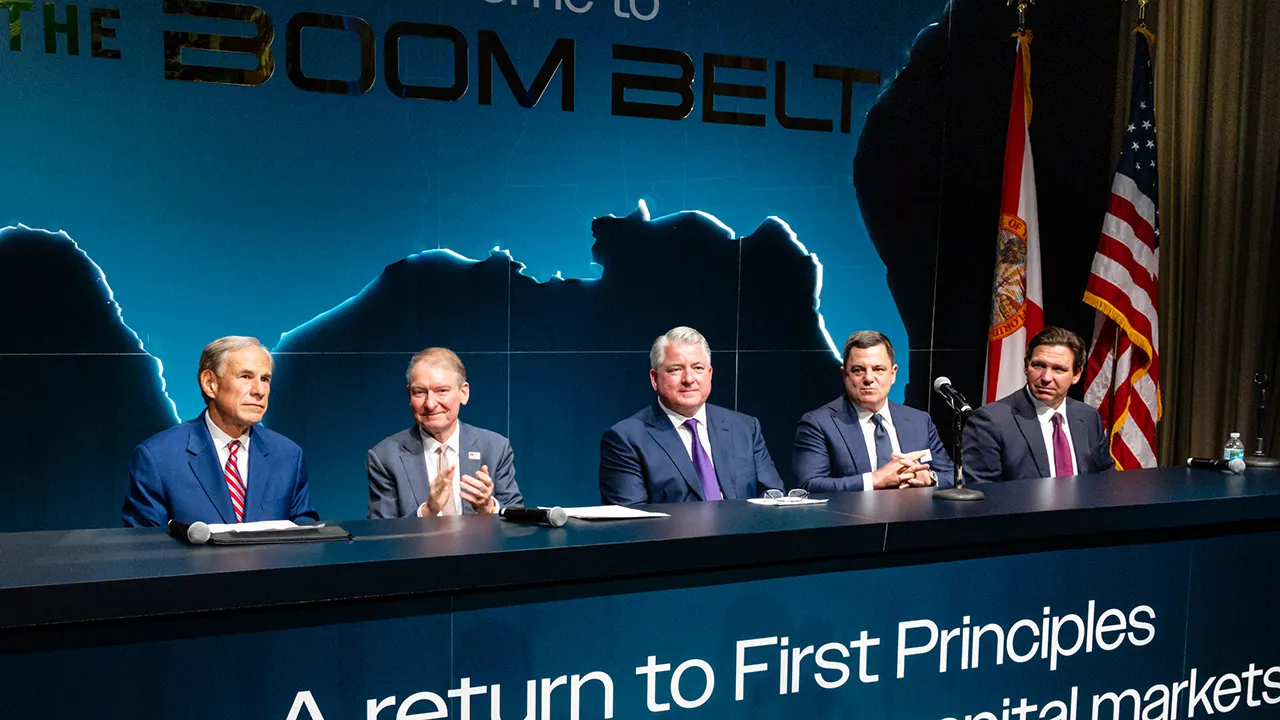
Florida Gov. Ron DeSantis and Texas Gov. Greg Abbott joined forces in Miami on Tuesday to celebrate a $9 trillion gross domestic product (GDP) region that is now outpacing every other quadrant of the country in population, jobs and capital investment.
“I often tell people, as Governor of Florida, my job is to closely follow California, Illinois, New York, so I can do precisely the opposite of what they do,” DeSantis said during the panel held at the Pérez Art Museum. “Florida’s had more adjusted gross income move into our state since I’ve been governor than has ever moved into any state in the history of the United States.”
“Visionary business leaders seek to where not the puck is right now, but to where it is going… while other regions where the puck has been in the past, they’re now burdened by high taxes, by restrictive regulations, by policies that are actually hostile to businesses,” Abbott added.
The governors spotlighted how Alabama, Arkansas, Florida, Georgia, Louisiana, Mississippi, North Carolina, Oklahoma, South Carolina, Tennessee and Texas now generate $9 trillion in annual GDP, trailing only the U.S. and China globally, while absorbing 70% of all U.S. population growth in the last five years.
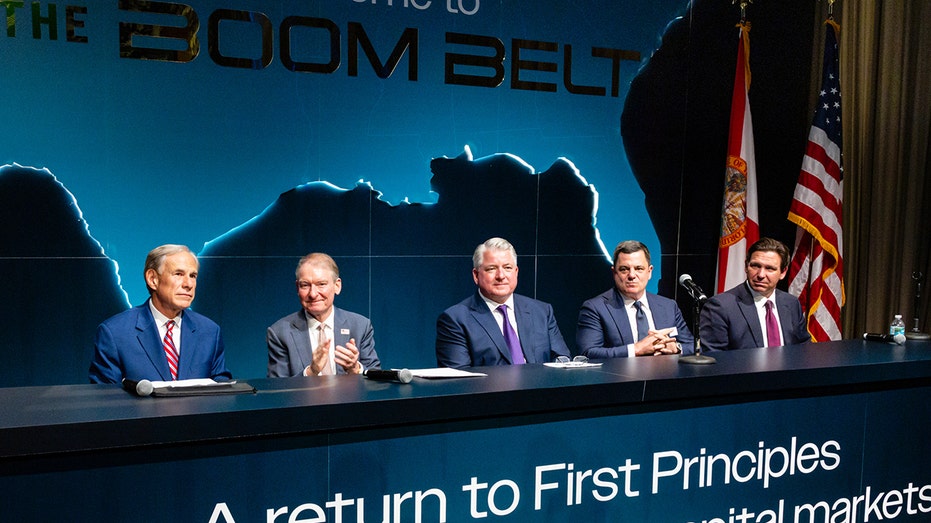
Greg Abbott, governor of Texas, from left, Paul Atkins, chairman of the U.S. Securities and Exchange Commission (SEC), Jim Lee, founder and chief executive officer of the Texas Stock Exchange, Jim Esposito, president of Citadel Securities, and Ron De (Getty Images)
The migration has been fueled by more than just sunshine; it is a tactical retreat from a wave of tax-the-rich proposals sweeping through blue-state legislatures including California, New York and now Washington.
“We’re in the 250th anniversary of the founding of the United States. The founding fathers, they wanted a system based on the consent of the government… They wanted to have a rule of law and they wanted some of this stuff, particularly private property, to not just be subjected to those types of whims,” DeSantis said.
“Hence, in Texas, even though we have never had a state income tax, we wanted to make sure that future generations would not be able to impose an income tax, so we made income taxes unconstitutional in the state of Texas,” Abbott said. “We made a wealth tax unconstitutional. We made a death tax unconstitutional, and as [Citadel’s] Jim Lee pointed out, we made a transactions tax unconstitutional.”
Texas REALTORS Chairman of the Board Jennifer Wauhob speaks to Fox News Digital about the Lone Star State’s recent wealth and population boom that’s ‘creating good things for Texas.’
“I know that there’s been a lot of very healthy competition between states like Florida, Tennessee, Texas, Georgia, some of these. And I think that’s really, really good,” DeSantis noted. “When Greg’s doing stuff, people say, ‘Look [at] what Texas just did.’”
SEC Chairman Paul Atkins and TXSE CEO Jim Lee warned that the U.S. has lost half of its public companies over the last 30 years because the federal government made it “complicated, expensive and legally treacherous” to go public.
“When capital, companies and people all move in the same direction, with that kind of consistency and at that kind scale, it behooves us to ask why. I believe that the answer, more often than not, is the region’s steady adherence to first principles, including those that rigorously protect investors without needlessly paralyzing companies,” Atkins said. “So for our part, the SEC is returning to those same principles by renewing the conditions that make our public markets the natural destination for companies to raise capital and for investors to share in their success.”
‘The Big Money Show’ examines blue state tax policies as the wealthy flock to low-tax states.
“As Chairman Atkins has remarked repeatedly, it used to be cool to be public, so what happened? The answer is we made it complicated, expensive and legally treacherous to be a public company. Remaining private became the only rational choice. This is not a coincidence. It is a consequence,” Lee emphasized.
GET FOX BUSINESS ON THE GO BY CLICKING HERE
As someone who helped lead the firm’s move from Chicago to Miami, Citadel Securities President Jim Esposito highlighted the practical, bottom-line reasons why the “Boom Belt” is winning the war for capital — framing the Southern governing style as an inspiration for the rest of America.
“Across Florida, Texas and other high-growth states, government officials have created environments where businesses can operate, invest. And importantly, grow with confidence,” he said. “This type of public and private partnership should be the model for the rest of our country.”
5 Markets Getting Pummelled Right Now
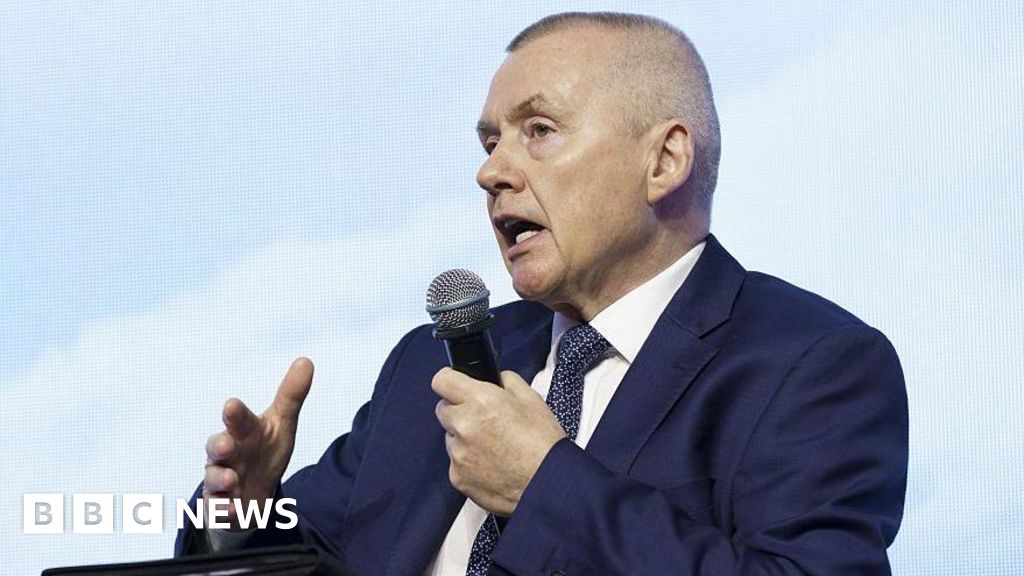
India’s aviation market is set to grow but is held back by limited long-haul capacity, says Willie Walsh.
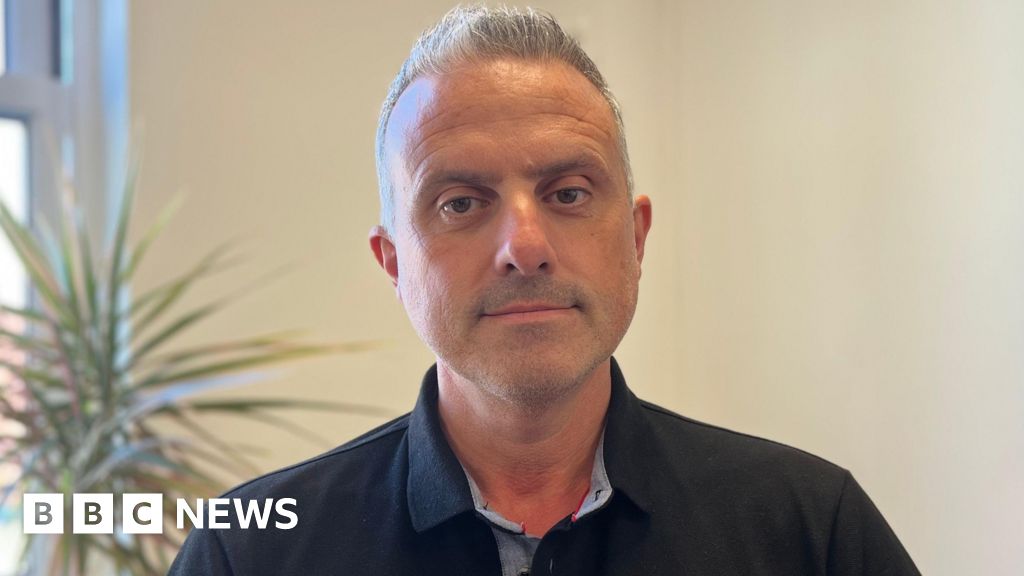
The consumer council says the government is profiting from rising fuel costs via taxation.
Jefferies reiterates Woodward stock rating on aerospace upside

8 leading AI stocks and crypto trading apps for beginners in 2026

Starmer comes out of hiding to comment on Iran

Why Israel is blocking foreign journalists from entering

Bitcoin: We’re Entering The Most Dangerous Phase

Alan Cumming Brands Baftas Ceremony A ‘Triggering S**tshow’

15 Most Valuable Money Making Skills in 2026 (Ranked)

Joe Rogan on Ferrari Suing Philipp Plein! #money #finance #changeyourmindsetchangeyourlife

Monthly Subsidy of 70,000 Rupees Announced | Big Financial Relief| Hum News | Pakistan
-

 NewsBeat6 days ago
Steven Gerrard disagrees with Gary Neville over ‘shock’ Chelsea and Arsenal claim | Football
-

 Business6 days ago
No Jackpot Winner and $194 Million Prize Rolls Over
-

 Fashion5 days ago
Weekend Open Thread: Spanx – Corporette.com
-

 Crypto World7 days ago
Gold Price Prediction: Worst Month in 17 Years fo Save Haven Rock
-

 Business3 days ago
Three Gulf funds agree to back Paramount’s $81 billion takeover of Warner, WSJ reports
-

 Sports4 days ago
India men’s 4x400m and mixed 4x100m relay teams register big progress | Other Sports News
-

 Business7 days ago
Login and Checkout Issues Spark Merchant Frustration
-

 Tech18 hours ago
How Long Can You Drive With Expired Registration? What Florida Law Says
-
Business3 days ago
No Jackpot Winner, Prize to Climb to $231 Million
-

 Tech6 days ago
Commonwealth Fusion Systems leans on magnets for near-term revenue
-

 Fashion2 days ago
Massimo Dutti Offers Inspiration for Your Summer Mood Board
-

 Crypto World7 days ago
Ripple rolls out enterprise crypto treasury platform for corporates
-
 Tech7 days ago
Drawing Tablet Controls Laser In Real-Time
-

 Fashion23 hours ago
Let’s Discuss: DEI in 2026
-
Politics5 days ago
Wings Over Scotland | The quality of mercy
-

 Crypto World7 days ago
Why It’s Partnering, Not Issuing
-
 Sports7 days ago
Steal Gary Woodland’s subtle power move for longer drives
-
Sports7 days ago
Tom Pelissero Drives the Final Nail in the Coffin
-

 Tech7 days ago
Battery Tester Outperforms Cheaper Options
-

 Business4 days ago
Akebia Therapeutics, Inc. (AKBA) Discusses Pipeline Progress and Strategic Focus on Kidney Disease Treatments at R&D Day – Slideshow
You must be logged in to post a comment Login