
Business
Betting Firms See $500M Funding Surge


Months ago, half a billion dollars flowed into crypto betting startups through new investment rounds.
Behind these platforms: blockchain fused with online gambling mechanics draws serious interest. User counts climb, transaction speeds improve – founders point to real shifts underway.
Venture Capital Moves Toward Digital Betting
Half a billion dollars flowed into cryptocurrency gambling startups lately, and platforms such as 1xbet Ireland have also expanded their casino online presence by exploring faster digital payment options. Of that sum, three big investors made up close to sixty percent, showing how strongly the casino online sector continues to attract capital.
Each agreement typically involved about twenty-five million dollars, twenty times over. These backers show interest mainly in services using blockchains to handle wagers. Out in the open, every bet lands on shared records. Real-time checking lets people follow payments as they happen.
One reason these platforms gain ground? Fees take a steep drop compared to old methods. While standard networks pull out 3 percent each time, digital currency moves it under Quick movement catches interest too. Withdrawals on certain sites wrap up in under ten minutes. Meanwhile, standard methods can stretch into a forty-eight-hour wait.
What’s Fueling the Rise in Tech Investments
When picking crypto betting sites, investors look at straightforward signs of how well they perform. Evidence points to a close link between financial backing and day-to-day reliability. What pushes success includes:
- Every bet shows up clear as day on public blockchains. Transparency built right into the ledger keeps it that way.
- Smart contracts automate payouts within seconds.
- Funds for digital protection now take up one-fifth of running expenses.
- Most wagers come through smartphone applications. Around seven out of ten are placed that way.
- Processing systems handle one million bets per hour.
Expanding markets and growing user base
Fresh sign-ups at crypto gambling platforms have grown two times over. More than three million people log in each month on big sites now. Bets using cryptocurrency topped two billion dollars lately. Adults under thirty like paying with digital money more often. Moving funds in and out feels easier thanks to wallet apps. More than fifteen digital currencies work across platforms, offering room to move.
Sports and gaming events pull attention from marketers, drawing steady interest. Engagement jumps thirty percent where live wagering runs active. Odds shifting by the second keep players involved more deeply. Even with fast expansion, income strategies stay level and measured. Betting odds are designed so the operator earns a steady profit. Over time, randomness favors the business side of the game.
Staying Safe While Playing Games That Change Quickly
Most sites include features meant for safer play. Wins are never guaranteed, just possible. A built-in advantage stays with the house constantly. Putting boundaries on funds spent is one way players manage risk. Fun should stay fun, nothing more. After a while, alerts pop up to let players know they have been playing long stretches.
Talking with support staff can help clarify better ways to handle gaming routines. Looking at straightforward logs helps people see exactly where money goes. Setting boundaries keeps accounts from tipping into risky zones. Start smart by deciding limits ahead of time. When spending does not spiral, fun holds steady.
Financial Trends and Sector Clues
Growth keeps building in online betting areas. Crypto sites are expected to rise by more than ten percent. Money flowing into startups shows belief in future gains. Big investors watch potential buys with sharp attention. The scene might shift if deals go through.
Now comes the time when working together pushes products faster. Because numbers talk, choices follow what data shows. Watching how users act helps shape better predictions. Getting it right more often keeps things running smoother. When big moments happen, steady money flows help hold everything in place.
Behind the scenes, backers are watching steady growth in users and backbone strength. Companies using crypto for wagers aren’t startups anymore – they’re wide open, full throttle. Fresh ideas mix steadily with careful control of dangers here. As growth moves forward, clear rules and honest actions stay at the center by design.

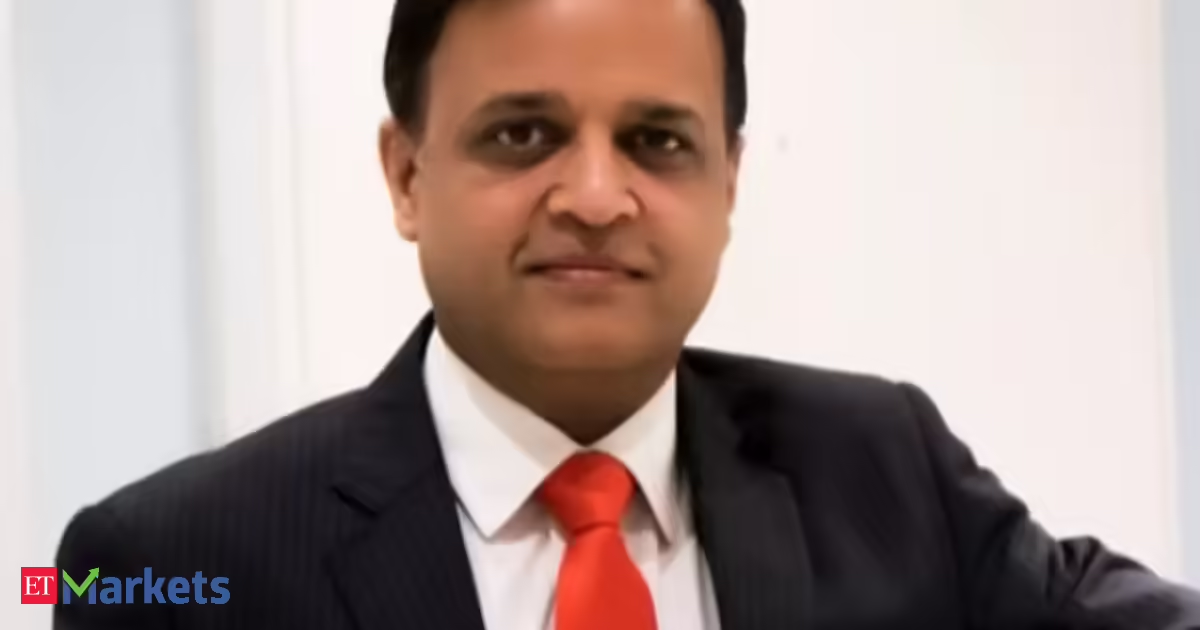
Responding to whether valuations could correct further, Abhay Agarwal from Piper Serica highlighted the outsized role of foreign portfolio investor (FPI) selling in shaping market direction.
“Our biggest problem has been consistent FPI selling, which has not halted and keeps worsening every month. If DIIs had not supported the market, the Nifty could have fallen below 20,000.”
Despite these pressures, he noted that investor confidence in India remains intact, even as the country underperforms other emerging markets.
“Despite incessant FPI selling and multiple challenges like geopolitics and tariffs, investors continue to have faith in the market.”

Liquidity Could Trigger Sharp Rebound
Agarwal pointed out that India’s relatively shallow market structure means even small inflows can drive sharp upside moves, making it difficult to maintain a bearish stance.
“In a shallow market like India, even small inflows can push indices higher quickly. Any liquidity return can reverse the trend.”
Earnings Recovery Still Key
Looking ahead, he identified earnings growth and liquidity revival as the two key triggers for the next market leg, while remaining constructive on domestic fundamentals.
“We are not very bearish because domestic consumption remains strong, and there are no major inventory or cash flow challenges.”
He also noted that export-oriented companies continue to benefit from currency movements.
Opportunities Beyond the Index
Agarwal cautioned against relying solely on Nifty valuations as a benchmark for investment decisions, arguing that broader market opportunities are far more compelling.
“Nifty is not the right benchmark for Indian earnings. The real opportunity lies outside Nifty stocks.”
He emphasized that many midcap and smallcap companies are now attractively priced after recent corrections.
“Several midcaps and smallcaps are now available at reasonable valuations after investing in growth over the last five years.”
West Asia Conflict: Sectoral Impact
On the impact of the West Asia conflict, Agarwal indicated that rising crude and input costs are likely to hurt margins in the near term.
“The current quarter will bear the full brunt of high crude prices unless the situation improves.” He warned that sectors dependent on crude derivatives and metals could face pressure, especially if companies are unable to pass on costs. “Margins will be impacted for companies using crude or metals, as passing on costs typically takes time.”
Crisis Also Brings Opportunity
At the same time, Agarwal highlighted that disruptions often create new opportunities, particularly for domestic manufacturers.
“When there is a crisis, there is also an opportunity, especially for companies replacing imports.”He pointed to sectors such as electronics manufacturing, auto components, and specialised pharma outsourcing as key beneficiaries.
“Advanced electronics, auto components, and CDMO/CMO pharma companies are key opportunity areas.”
A More Selective Market Ahead
The broader message for investors is that while macro headwinds persist, the market is becoming increasingly selective. Index-level valuations may not fully capture the opportunities emerging across sectors.
As liquidity conditions evolve and earnings visibility improves, stock-specific strategies—particularly in emerging sectors—are likely to define returns in the coming quarters.
Business
Blokees made its first appearance at the 2026 Thailand Toy Expo, showcasing a diverse range of products

Blokees debuted at the 2026 Thailand Toy Expo, presenting over 300 products across 17 IPs. Highlights included new model kits and a focus on community engagement, expanding global reach.
SHANGHAI, April 4, 2026 /PRNewswire/ — From April 2 to 31, the Assembly Character Toys brand Blokees made its debut at the 2026 Thailand Toy Expo. Blokees unveiled its two major categories — Blokees Model Kits and Blokees Wheels, highlighting a diverse product matrix of more than 300 products across 17 globally recognized IPs, including Ultraman, Transformers, DC, Evangelion, Naruto, Minions, Jurassic World, Hatsune Miku, and Hero Infinity. Four new model kits also made their global debut, emerging as key highlights of the event.
Mario Maurer attended the opening ceremony of Blokees Thailand Toy Expo as a special guest and engaged in interactive exchanges with consumers.
In the Blokees Model Kits category, Blokees exhibited its Champion, Legend, and Fantastic Series, featuring popular IPs such as Transformers, DC, Mega Man, Saint Seiya, Evangelion, and Naruto. More than 50 products were presented to consumers. Among them, four newly launched items—including Blokees Saint Seiya-Champion Class-12-Phoenix Ikki, Blokees Saint Seiya-Champion Class-14-Andromeda Shun, Blokees DC-Champion Class 05-Batman (HUSH), and Blokees DC-Champion Class 06-Catwoman (Hush)—drew strong interest from fans.
Blokees also highlighted its HERO5 and HERO10 series, featuring well-known IPs including Transformers, Saint Seiya, and Naruto, catering to consumers of hero-themed collectible models.
The DaaLaMode series introduced a range of products inspired by popular IPs such as Hatsune Miku, appealing to female consumers. Meanwhile, the TERRAVENTURE series presented nature and creature-themed model kits based on Jurassic World, further expanding Blokees’ offerings across different consumer segments.
In the Blokees Wheels category, which integrates construction, play, and customization, products are organized into the C, E, and S series. The lineup includes IP-based offerings from Transformers, Ultraman, and Batman, with upcoming collaborations featuring Fast & Furious and Ford.
In addition, Blokees highlighted its global consumer ecosystem, BFC (Blokees Family Creator). Selected works from 2025 The 3rd BFC Creation Contest Stellar Season were exhibited in Thailand for the first time, reflecting strong user creativity and engagement. 2026 The 4th BFC Creation Contest Season of Awakening has officially launched, further encouraging global participation.
Under its “Universally appealing, Stepwise pricing, Globally promoting” strategy, Blokees continues to expand across Southeast Asia, Europe, North America, and Latin America. Thailand is rapidly becoming a strategic hub in its regional expansion, as the company strengthens both product innovation and community-driven growth worldwide.
Source : Blokees made its debut at 2026 Thailand Toy Expo, exhibiting multiple products
The information provided in this article was created by Cision PR Newswire, our news partner. The author's opinions and the content shared on this page are their own and may not necessarily represent the perspectives of Thailand Business News.
Other People are Reading

Apple is reportedly preparing a major design breakthrough for its long-rumored foldable iPhone, with new leaks pointing to a cutting-edge 3D-printed hinge.
This innovation could directly address one of the biggest flaws in foldable smartphones: the visible screen crease.
3D-Printed Hinge Could Redefine Foldable iPhone Design

According to a Weibo post from Fixed-focus digital cameras, Apple plans to integrate advanced 3D printing technology into the hinge mechanism of its foldable iPhone. This would allow for extremely precise engineering. In addition, this would reduce stress on the display and minimize the crease that typically forms along the fold.
The hinge is also rumored to incorporate premium materials, including liquid metal and dual-layer glass. These components could improve both durability and flexibility, ensuring the device withstands repeated folding while maintaining a smooth display surface.
Inspired by Existing Foldable Innovations
While Apple’s approach sounds groundbreaking, it builds on concepts already explored in the industry. Companies like Oppo have used layered materials and precision engineering to reduce crease visibility in their foldable devices.
However, Apple’s reputation for refining existing technology suggests it may take this concept further, delivering a more polished and reliable solution that improves both form and function.
Apple Expands Its Use of 3D Printing Technology.
According to GSMArena, the Cupertino tech titan has gradually increased its use of 3D printing across hardware development. The technology enables faster prototyping, reduced material waste, and more complex component designs that are challenging to achieve with traditional manufacturing methods.
Applying 3D printing to a hinge system could enable a thinner, lighter, and more durable foldable device, key factors in making foldables more practical for everyday use.
Achieving Seamless Foldable Experience
For all we know, Apple is committed to bringing premium design and user experience through this feature. If successful, the foldable iPhone could rival or even surpass existing devices in both aesthetics and performance.
Originally published on Tech Times
Business
Australia Alcohol Consumption in 2026 Drops to 9.8 Litres Per Capita as Gen Z Leads Sobriety Trend
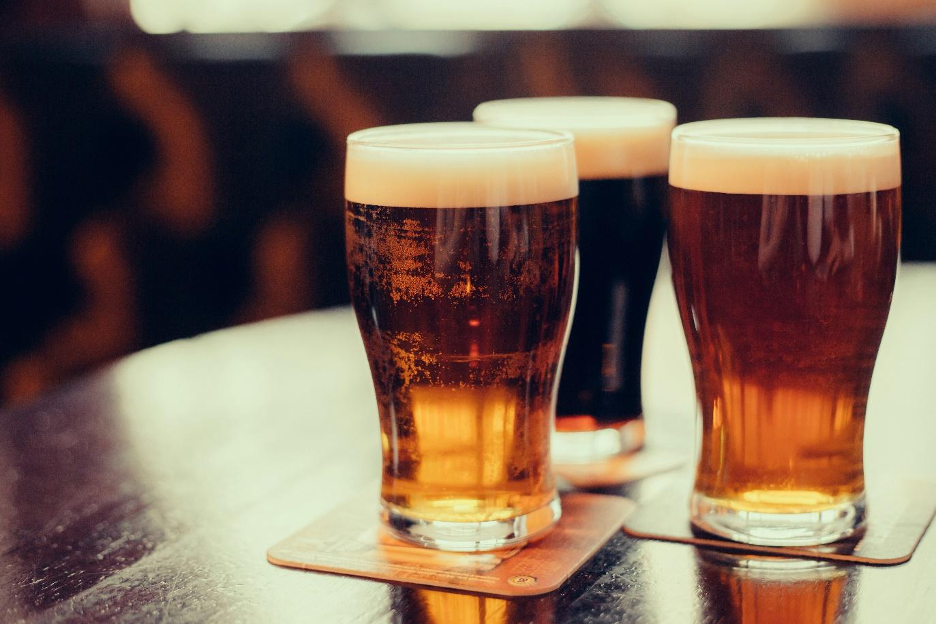
SYDNEY — Australians consumed just 9.8 litres of pure alcohol per capita in 2023–24, the latest official figures show, continuing a long-term decline in drinking habits that health experts say is accelerating in 2026 amid heightened wellness awareness and generational shifts.
The Australian Institute of Health and Welfare reported 217.1 million litres of pure alcohol available for consumption nationwide in the 2023–24 financial year, a 3.7 per cent decrease from 225.5 million litres the previous period. Per capita availability fell from 10.5 litres in 2022–23 to 9.8 litres, one of the lowest levels recorded in recent decades.
Industry projections for the 2025–26 period forecast total alcohol consumption rising modestly by 1.7 per cent to approximately 236.5 megalitres, driven almost entirely by population growth rather than any rebound in individual drinking. Per capita figures are expected to hover near or slightly below 10 litres, with some analysts predicting a further 0.6 per cent decline.
Younger Australians are at the forefront of the change. A Flinders University study examining more than two decades of data from over 23,000 participants found Generation Z nearly 20 times more likely to abstain from alcohol than Baby Boomers, even after adjusting for socioeconomic factors. Weekly consumption has fallen across younger cohorts, though occasional binge drinking persists in some groups.
The National Drug Strategy Household Survey reinforces the pattern. About 77 per cent of Australians aged 14 and over reported drinking in the past 12 months, but daily drinking has dropped to 5.4 per cent. Risky drinking levels — exceeding national guidelines for long-term harm — affected 32.3 per cent of adults over 18 in 2022–23, down from 40.2 per cent two decades earlier. Underage drinking has plummeted, with only 31 per cent of 14- to 17-year-olds consuming alcohol in the previous year, compared with 69 per cent in 2001.
Health authorities link the decline to multiple drivers. Greater public awareness of alcohol’s connections to cancer, liver disease and mental health issues has prompted many to cut back. Updated national guidelines emphasize lower intake, while cost-of-living pressures make premium or frequent drinking less affordable. Sales of non-alcoholic and low-alcohol beverages have surged nearly 20 per cent in recent periods, with no-alcohol beer and spirits gaining strong traction, especially among those under 35.
Market data reflects these shifts. The Australian alcoholic beverages sector reached USD 33.1 billion in 2025 and is projected to grow at a compound annual rate of 2.14 per cent through 2034, reaching about USD 40.3 billion. Growth comes primarily from premiumisation — consumers opting for higher-quality or craft products — and innovation in ready-to-drink options rather than increased volume. Beer remains dominant but full-strength varieties face headwinds, while low- and no-alcohol lines now account for around 9 per cent of the market.
Wine exports tell a similar story. The value of Australian wine shipments fell 8 per cent in 2025 to A$2.34 billion, hurt by softer global demand and domestic moderation trends. Exports to China, a key market, dropped 17 per cent. Domestically, winemakers contend with oversupply, leading some regions to rationalize vineyards.
Ready-to-drink beverages and spirits have shown more resilience. Roy Morgan data indicated that 64.9 per cent of adults aged 18 and over consumed alcohol in an average four-week period in the year to September 2025, a slight dip from pandemic highs but with RTDs continuing to grow in popularity. Off-premise channels, including supermarkets and bottle shops, now handle about 60 per cent of sales as more people drink at home.
Despite overall progress, challenges remain. Alcohol continues to contribute significantly to the burden of disease, accounting for 4.1 per cent of total disability-adjusted life years in recent Australian Burden of Disease studies. Men in their 60s report higher rates of risky consumption at 44 per cent, while those in their 50s sit at 32.3 per cent — above the national average of 30.7 per cent for adults over 18. Women in their 50s show 28 per cent risky drinking levels.
One in five Australians experienced some form of harm — verbal, physical or fear-based — from someone else’s drinking in recent survey periods, with women reporting increased exposure. Road accidents, hospitalisations and family violence linked to alcohol remain public health priorities.
Government policies aim to support moderation. Excise taxes on alcohol increase twice yearly, raising prices and discouraging heavy use. Campaigns promoting “dry” months or mindful drinking have gained traction, particularly among men seeking improved energy, sleep and mental clarity. Some workplaces now routinely offer alcohol-free social events.
Industry players are adapting. Major brewers, distillers and winemakers have expanded low- and no-alcohol portfolios to capture the moderation market. Craft producers focus on unique experiences and quality to justify premium pricing. Retailers note regional variations: stronger preferences for traditional full-strength beer persist in Victoria and Tasmania, while lighter options perform better in Queensland and Western Australia.
Demographic divides stand out clearly. Older Australians, especially those over 70, maintain higher weekly consumption patterns, though even this group has reduced intake modestly over time. Men continue to drink more heavily on average than women. Socioeconomic status and geographic remoteness also influence habits, with wastewater analysis studies sometimes revealing higher consumption in certain regional areas.
Public health experts view the trends as encouraging but stress the need for sustained effort. The 2019–2028 National Alcohol Strategy set targets for reducing harmful consumption, including a 10 per cent drop in risky single-occasion and lifetime drinking. While progress has been made, pockets of heavy use persist, particularly among middle-aged and older cohorts.
Educators and community groups highlight the value of early intervention. Later initiation of drinking — the average age rising from 14.7 years in 2001 to 16.1 years in recent data — correlates with lower lifetime risk. Schools and parents increasingly discuss alcohol openly, moving away from earlier normalisation of underage drinking.
As 2026 progresses, the cultural conversation around alcohol continues evolving. More Australians, especially younger ones, view sobriety or moderation as empowering rather than restrictive. Fitness trends, mental health awareness and social media discussions about “sober curious” lifestyles amplify the shift.
For the alcohol industry, adaptation is key. Those investing in innovation and lower-alcohol alternatives are better positioned to thrive in a market where volume growth is limited but value can still be found through premium and functional beverages.
Health organisations continue advocating for stronger measures, including tighter advertising restrictions and minimum unit pricing, to accelerate gains. They point to the clear public health dividend: fewer hospital admissions, reduced violence and lower long-term disease burden.
In summary, Australia’s alcohol consumption landscape in 2026 reflects a maturing society increasingly prioritising health over heavy drinking. With per capita intake at historic lows and younger generations leading by example, the trajectory points toward continued moderation — even as total market value grows through smarter, more selective consumption.
The latest figures offer cautious optimism. While alcohol-related harm has not vanished, measurable progress over two decades demonstrates that cultural and policy changes can reshape deeply ingrained habits. Ongoing monitoring by the AIHW and other bodies will track whether the downward per capita trend holds as economic and social pressures evolve.
Key Statistics at a Glance:
- Per capita pure alcohol: 9.8 litres (2023–24)
- Total pure alcohol available: 217.1 million litres (2023–24, down 3.7%)
- Past-year drinkers (14+): 77%
- Daily drinkers: 5.4%
- Risky long-term drinking (18+): 32.3% (down from 40.2% in 2004)
- Underage (14–17) past-year drinking: 31% (down from 69% in 2001)
- Gen Z abstention likelihood: Nearly 20 times higher than Baby Boomers
For the most current data, refer to Australian Institute of Health and Welfare reports and National Drug Strategy Household Survey releases.


Daniel is an avid and active professional investor.
He runs Crude Value Insights, a value-oriented newsletter aimed at analyzing the cash flows and assessing the value of companies in the oil and gas space. His primary focus is on finding businesses that are trading at a significant discount to their intrinsic value by employing a combination of Benjamin Graham’s investment philosophy and a contrarian approach to the market and the securities therein. Learn more.
Analyst’s Disclosure: I/we have no stock, option or similar derivative position in any of the companies mentioned, and no plans to initiate any such positions within the next 72 hours. I wrote this article myself, and it expresses my own opinions. I am not receiving compensation for it (other than from Seeking Alpha). I have no business relationship with any company whose stock is mentioned in this article.
Seeking Alpha’s Disclosure: Past performance is no guarantee of future results. No recommendation or advice is being given as to whether any investment is suitable for a particular investor. Any views or opinions expressed above may not reflect those of Seeking Alpha as a whole. Seeking Alpha is not a licensed securities dealer, broker or US investment adviser or investment bank. Our analysts are third party authors that include both professional investors and individual investors who may not be licensed or certified by any institute or regulatory body.

Gold prices fall amid conflicting Iran war signals
Business
Gold below Rs 1.5 lakh, silver down Rs 2,000 on dollar strength, Trump’s power plant threat to Iran. What should investors do?

Tensions intensified on Sunday after US President Donald Trump issued a sharply worded Easter Sunday social media post directed at Tehran. He warned that Iran’s power plants and bridges could be targeted on Tuesday if the strategic Strait of Hormuz is not reopened.
MCX silver futures due May 2026 were down Rs 2,030 or 1% to Rs 2,30,465 per kg. Meanwhile, gold futures for June 2026 delivery fell Rs 1,047 or 0.7% to Rs 1,48,633 per 10 grams. In the previous session, the white metal plunged nearly 5% while gold ended marginally lower.
In the international market, gold prices declined sharply on Monday, falling more than 1%. Spot gold dropped 1.2% to $4,620.68 per ounce as of 0047 GMT, while U.S. gold futures for April delivery slipped 0.7% to $4,647.10. Meanwhile, spot silver also moved lower, declining 1% to $72.28 per ounce.
Market expectations around monetary policy have shifted significantly, with traders now largely pricing out the possibility of any rate cuts this year. Prior to the Iran war, there were expectations of two rate reductions during the year.
How should you trade gold?
Manoj Kumar Jain of Prithvi Finmart said precious metals are witnessing heightened volatility, although both gold and silver are expected to hold key support levels in the near term. He noted that silver could sustain above $62 per troy ounce, while gold may hold the $4,420 level on a closing basis this week.
He added that prices are likely to remain volatile amid fluctuations in the dollar index, crude oil prices, and the ongoing US-Iran conflict. For the current session, gold has support in the $4,620–4,580 range and resistance at $4,720–4,770 per troy ounce. Silver, meanwhile, has support at $70.70–68.00 and resistance at $76.00–78.40 per troy ounce.
On the domestic front, he said gold on MCX has support at Rs 1,47,200–1,45,500 and resistance at Rs 1,51,100–1,53,350. Silver is seen finding support at Rs 2,28,000–2,22,400, while resistance is placed at Rs 2,37,700–2,42,200.
Jain advised investors to consider booking profits in long positions on every rise and to wait for corrective dips before initiating fresh long positions in gold and silver.
Gold rates in physical markets
Gold Price today in Delhi
Standard gold (22 carat) prices in Delhi stand at Rs 1,10,792/8 grams while pure gold (24 carat) prices stand at Rs 1,20,856/8 grams.
Gold Price today in Mumbai
Standard gold (22 carat) prices in Mumbai stand at Rs 1,10,672/8 grams while pure gold (24 carat) prices stand at Rs 1,20,736/8 grams.
Gold Price today in Chennai
Standard gold (22 carat) prices in Chennai stand at Rs 1,11,592/8 grams while pure gold (24 carat) prices stand at Rs 1,21,736/8 grams.
Gold Price today in Hyderabad
Standard gold (22 carat) prices in Hyderabad stand at Rs 1,10,672/8 grams while pure gold (24 carat) prices stand at Rs 1,20,736/8 grams.
(Disclaimer: Recommendations, suggestions, views and opinions given by the experts are their own. These do not represent the views of The Economic Times)
Business
Cristiano Ronaldo’s Hamstring Injury Recovery Raises Questions on 2026 World Cup Performance Impact

LISBON, Portugal — Cristiano Ronaldo’s recent hamstring injury has sparked debate over whether the 41-year-old superstar can deliver peak performance at the 2026 FIFA World Cup, though Portugal coach Roberto Martinez and club updates suggest the setback poses minimal long-term threat to the five-time Ballon d’Or winner’s participation or output.

Ronaldo sustained the right hamstring injury on Feb. 28, 2026, during Al-Nassr’s Saudi Pro League match against Al-Fayha, forcing him to limp off the field. The club initially described it as a muscle issue requiring rehabilitation, with early estimates of two to four weeks sidelined. Al-Nassr coach Jorge Jesus later noted the injury appeared more serious than first thought after further tests, prompting Ronaldo to travel to Madrid for specialized treatment.
The timing raised eyebrows. With the World Cup set to kick off June 11 in the United States, Canada and Mexico, the injury came just months before what could be Ronaldo’s sixth and final appearance on football’s grandest stage. He missed Portugal’s March friendlies against Mexico and the United States as a precaution, heightening concerns among fans about his fitness at an age when recovery typically slows.
Yet recent developments paint a more optimistic picture. By early April 2026, Ronaldo had returned to full training with Al-Nassr. On April 3, he marked his comeback in style, scoring a brace — including a penalty and a powerful strike — in a 5-2 victory over Al-Najma. The performance pushed his official career goal tally to 967, edging closer to the landmark 1,000. Fabrizio Romano and other reporters confirmed Ronaldo is now available for club duty and expected to rejoin the Portugal squad without issue.
Martinez has repeatedly downplayed the concerns. “Cristiano’s injury is similar to those of Ruben Dias and Nelson Semedo. He is recovering well, and this is not an issue that should raise doubts about his participation in the World Cup,” the coach said after Portugal’s warm-up matches. He emphasized that the squad has about 60 days to monitor all players and described the problem as a minor muscle injury, not a threat to Ronaldo’s place. “The World Cup is not at risk. He is not at risk,” Martinez added.
Ronaldo himself shared positive updates on social media, posting gym photos with the caption “Getting better every day.” His legendary work ethic — often cited as the foundation of his longevity — remains evident. Even at 41, he maintains elite conditioning through rigorous routines, a factor Martinez highlighted when praising the forward’s physical shape this season.
The injury’s potential impact on performance is multifaceted. Hamstring strains can affect speed, acceleration and explosive movements critical for a striker like Ronaldo, who relies on bursts to beat defenders and finish chances. A grade 1 or mild grade 2 strain typically heals within weeks with proper rehab, but incomplete recovery risks re-injury or reduced sharpness. At Ronaldo’s age, experts note that muscle resilience diminishes, making prevention and gradual return essential.
Portugal’s Group K includes DR Congo, Uzbekistan and Colombia, with matches starting June 17 against DR Congo in Houston. Ronaldo scored five goals during qualifying, underscoring his enduring value. While younger talents like Bruno Fernandes, Bernardo Silva and Rafael Leao provide creative firepower, Ronaldo’s leadership, aerial ability and penalty prowess remain central to Portugal’s ambitions. Many analysts argue the team plays with greater confidence when their captain is on the pitch, even if his starting minutes are managed.
Historical context bolsters optimism. Ronaldo has overcome numerous injuries throughout his career, including hamstring issues at Real Madrid and Juventus. His ability to return stronger — often through sheer determination and science-backed recovery — is well-documented. In the Saudi Pro League this season, he has been Al-Nassr’s top scorer with 23 goals in 22 appearances before the layoff, demonstrating sustained form.
Still, some observers caution that cumulative wear could influence his World Cup output. Ronaldo has played over 1,200 senior matches, a staggering workload. Reduced explosiveness might limit his pressing or late-game impact, prompting Martinez to rotate more or deploy him as a focal point rather than a constant runner. Portugal’s depth allows flexibility; the side advanced comfortably without him in March friendlies.
Public reaction mixes concern with unwavering faith. Social media buzzed with #Ronaldo2026 hashtags during his absence, while his comeback brace quieted many doubters. Supporters point to his record: top scorer in qualifying, consistent club contributions and unmatched mental fortitude. Critics, however, highlight the realities of age, noting that even icons like Lionel Messi have seen physical decline in later years.
Medical perspectives vary. Typical hamstring recovery timelines suggest Ronaldo should be fully fit by mid-April, giving him nearly two months of competitive play before the tournament. Strength and conditioning programs focusing on eccentric loading and flexibility will be key to rebuilding confidence in the muscle. Portugal’s medical staff will collaborate closely with Al-Nassr to ensure a seamless transition.
Beyond individual performance, the injury narrative underscores broader themes in modern football: player longevity, load management and the balance between club and country duties. Ronaldo’s move to Al-Nassr in 2023 drew scrutiny over competitive level, yet he has thrived, using the league as a platform to chase records while preparing for international duty.
As April 2026 progresses, all eyes remain on Ronaldo’s minutes and output for Al-Nassr. A strong run of form would silence remaining doubts heading into Portugal’s final pre-tournament preparations. Martinez has made clear that selection hinges on current standards, not past glory — a benchmark Ronaldo has met throughout his career.
For Portugal, reaching the knockout stages and beyond depends on collective strength, but few doubt Ronaldo’s motivational role. Whether he starts every match or impacts as a substitute, his presence could prove decisive in tight contests against Colombia or in potential later rounds.
The 2026 World Cup offers Ronaldo a chance to add to his legacy as one of football’s greatest. While the hamstring episode briefly clouded the outlook, his swift return and positive signals suggest the setback will not significantly derail his performance. With months of monitoring ahead and his trademark dedication intact, the Portuguese icon appears on track to lead his nation once more on the global stage.
Football enthusiasts continue to debate the fine line between caution and optimism. Ronaldo’s body of work suggests he will arrive in North America ready to compete. As the tournament draws nearer, his fitness will be tracked daily, but early indications point to business as usual for one of the game’s most resilient figures.
Key Timeline:
- Feb. 28, 2026: Injury sustained vs. Al-Fayha
- March 2026: Missed Portugal friendlies
- Early April 2026: Returned to Al-Nassr training and scored brace
- June 11, 2026: World Cup begins
Portugal opens Group K play June 17 against DR Congo. For the latest on Ronaldo’s status and World Cup preparations, follow official FIFA and Portugal national team channels.

Prime Minister Anutin Charnvirakul initiated legal action against fuel smugglers to Cambodia, citing national security. The government plans to review fuel pricing amid rising costs and secure adequate reserves.
Key Points
- Prime Minister Anutin Charnvirakul has ordered strict legal action against illegal fuel smuggling to Cambodia, emphasizing its threat to national security and forming a task force for investigations and arrests.
- The government is exploring measures to mitigate rising fuel prices, with Deputy Prime Minister Ekniti Nitithanprapas advocating for a review of refining and marketing margins, aiming to submit proposals to the Cabinet on April 6.
- Thailand’s fuel reserves can meet demand for about three months, while global oil prices remain volatile. Bangchak Corporation has produced 35,000 liters of B20 diesel for distribution at service stations within April.
Prime Minister Anutin Charnvirakul has ordered strict legal action against those involved in smuggling fuel to Cambodia following the discovery of an illegal cross-border network. The premier directed the formation of a task force to investigate and arrest those responsible, warning that such activities would be treated as a threat to national security.
The order comes as the government considers measures to ease the impact of rising fuel prices. Deputy Prime Minister and Finance Minister Ekniti Nitithanprapas has called for a review of refining and marketing margins to help lower retail prices, with proposals set to be submitted to the Cabinet on April 6. The review includes reassessing cost calculations and setting appropriate margins.
Officials are also examining pricing components, including a war-related premium linked to tensions in the Middle East. Authorities said some costs currently included in fuel pricing may not fully align with actual supply conditions, as refineries source crude oil from multiple regions.
The Ministry of Energy reported that Thailand’s fuel reserves are sufficient for about 3 months of demand, with additional supplies being secured. Global oil prices remain volatile, while domestic diesel production continues to fall slightly short of consumption. The Oil Fuel Fund remains in deficit as subsidies are used to manage price pressures.
Separately, Bangchak Corporation has produced an initial batch of 35,000 liters of B20 diesel, which will be distributed through depots and made available at service stations within April for use in large diesel engines.
Source : Thai PM Orders Crackdown on Fuel Smuggling to Cambodia
Other People are Reading

This is the forum for daily political discussion on Seeking Alpha. A new version is published every market day.
Please don’t leave political comments on other articles or posts on the site.
The comments below are not regulated with the same rigor as the rest of the site, and this is an ‘enter at your own risk’ area as discussion can get very heated. If you can’t stand the heat… you know what they say…
More on Today’s Markets:
Moderation Guidelines:
We remove comments under the following categories:
- Personal attacks on another user account
- Anti-Vaxxer or covid related misinformation
- Stereotyping, prejudiced or racist language about individuals or the topic under discussion.
- Inciting violence messages, encouraging hate groups and political violence.
Regardless of which side of the political divide you find yourself, please be courteous and don’t direct abuse at other users.
For any issue with regards to comments please email us at : moderation@seekingalpha.com.
Seeking Alpha’s Disclosure: Past performance is no guarantee of future results. No recommendation or advice is being given as to whether any investment is suitable for a particular investor. Any views or opinions expressed above may not reflect those of Seeking Alpha as a whole. Seeking Alpha is not a licensed securities dealer, broker or US investment adviser or investment bank. Our analysts are third party authors that include both professional investors and individual investors who may not be licensed or certified by any institute or regulatory body.

BTC back above $69,000 as crypto shorts get squeezed

Bitcoin At Quantum Risk From Google

Labour’s Islamophobia ban spells the death of English liberty


-

 NewsBeat3 days ago
Steven Gerrard disagrees with Gary Neville over ‘shock’ Chelsea and Arsenal claim | Football
-

 Business3 days ago
No Jackpot Winner and $194 Million Prize Rolls Over
-

 Fashion2 days ago
Weekend Open Thread: Spanx – Corporette.com
-
Entertainment7 days ago
Fans slam 'heartbreaking' Barbie Dream Fest convention debacle with 'cardboard cutout' experience
-

 Crypto World4 days ago
Gold Price Prediction: Worst Month in 17 Years fo Save Haven Rock
-

 Business5 hours ago
Three Gulf funds agree to back Paramount’s $81 billion takeover of Warner, WSJ reports
-
Crypto World6 days ago
Dems press CFTC, ethics board on prediction-market insider trades
-

 Sports1 day ago
India men’s 4x400m and mixed 4x100m relay teams register big progress | Other Sports News
-

 Business4 days ago
Login and Checkout Issues Spark Merchant Frustration
-

 Tech6 days ago
EE TV is using AI to help you find something to watch
-

 Tech7 days ago
Apple will hide your email address from apps and websites, but not cops
-

 Sports6 days ago
Tallest college basketball player ever, standing at 7-foot-9, entering transfer portal
-

 Politics6 days ago
Should Trump Be Scared Strait?
-

 Tech6 days ago
Flipsnack and the shift toward motion-first business content with living visuals
-

 Fashion7 days ago
The Best Spring Trends of 2026
-
Tech6 days ago
Daily Deal: StackSkills Premium Annual Pass
-

 Crypto World6 days ago
U.S. rule change may open trillions in 401(k) funds to crypto
-

 Sports6 days ago
Women’s hockey camp eyes fitness boost, tactics ahead of WC 2026 campaign | Other Sports News
-

 Tech6 days ago
How to back up your iPhone & iPad to your Mac before something goes wrong
-

 Politics7 days ago
BBC slammed for ignoring author of The Fraud
You must be logged in to post a comment Login