Foldable smartphones have matured dramatically by April 2026, shedding much of their early bulk and fragility to become practical daily drivers with improved durability, battery life and multitasking capabilities. Leading models from Samsung, Google, Motorola and others now compete closely with traditional flagships while offering the unique appeal of a compact device that unfolds into a mini-tablet or stylish flip form factor.
Industry analysts and reviewers from outlets including PCMag, PhoneArena, ZDNet and Wirecutter highlight a clear top tier based on hands-on testing, real-world performance and value. While availability varies by region — with some Chinese brands like Honor and Oppo offering exceptional hardware but limited U.S. support — the following five stand out as the best foldable phones currently on the market.
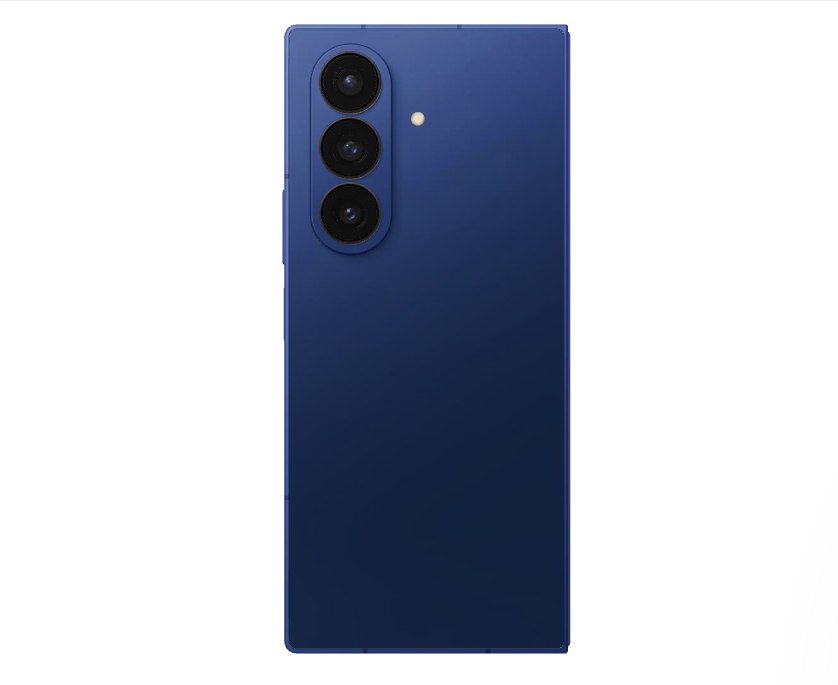
Samsung Galaxy Z Fold 7
1. Samsung Galaxy Z Fold 7 — Best Overall Book-Style Foldable
Samsung’s Galaxy Z Fold 7 earns frequent nods as the top foldable for most users thanks to its ultra-slim profile, premium build and polished software experience. Measuring just over 8mm thick when closed and weighing around 215 grams, it feels remarkably close to a conventional flagship yet unfolds into an expansive 8-inch inner display ideal for productivity, media consumption and split-screen multitasking.
The device features a bright 6.5-inch cover screen with 120Hz refresh rate, allowing full app functionality without unfolding. Powered by the Snapdragon 8 Elite for Galaxy processor, it delivers smooth performance across demanding tasks. Cameras have seen meaningful upgrades, with a standout 200-megapixel main sensor producing sharp, vibrant photos that rival non-foldable competitors.
Advertisement
Reviewers praise the refined hinge, improved crease visibility and long software support extending years into the future. Drawbacks include a premium price tag often starting near $1,900 and average battery life that may require midday top-ups for heavy users. Still, its ecosystem integration with Galaxy Watch, Buds and DeX mode makes it a compelling choice for Samsung loyalists and power users alike.
2. Google Pixel 10 Pro Fold — Best for Durability and Cameras
Google’s Pixel 10 Pro Fold stands out for its rugged construction and photography prowess. It boasts a full IP68 dust and water resistance rating — a rarity among foldables — along with enhanced hinge durability and drop protection on the main display. At roughly 258 grams, it feels more substantial than Samsung’s offering but rewards owners with reliable all-day performance.
The Tensor G5 chipset powers intuitive AI features, including real-time call translation, audio magic eraser and Gemini Live integration. Cameras shine with computational photography that delivers natural colors and excellent low-light results, making it a favorite for content creators. The 6.3-inch cover screen and large inner display support seamless multitasking with clean Android 16 software.
Advertisement
Battery life impresses in testing, often outlasting slimmer rivals. Pricing starts around $1,800, positioning it as a strong value for those prioritizing longevity and photography over the absolute thinnest design. Limitations include slightly warmer performance under sustained loads compared to Snapdragon-equipped devices.
3. Motorola Razr Ultra (2025/60 Ultra) — Best Flip-Style Foldable
For users seeking pocketable convenience with flair, the Motorola Razr Ultra delivers one of the most stylish and functional clamshell experiences. Its vertical fold design snaps shut into a compact square, while the generous external display supports full apps, notifications and even quick camera previews.
Equipped with strong battery life that frequently tops competitor flip models, the Razr Ultra handles daily tasks efficiently on its Snapdragon processor. The inner 7-inch display offers smooth 120Hz visuals, and the overall build feels premium with thoughtful details like a titanium hinge option in select variants. Cameras perform adequately for casual use, though they trail book-style models in versatility.
Advertisement
Reviewers highlight its fun factor and practicality for one-handed operation. Starting prices often land in the mid-$1,000 range, making it more accessible than premium book-style foldables. Potential downsides include a smaller unfolded screen compared to tablet-style devices and occasional software quirks in the Motorola skin.
4. Samsung Galaxy Z Flip 7 — Best Compact Flip for Everyday Use
Samsung’s Galaxy Z Flip 7 refines the flip formula with a larger 4.1-inch edge-to-edge cover screen that finally enables meaningful interaction without unfolding. The 6.9-inch inner display provides ample space when needed, while the overall design remains slim and lightweight for easy pocket carry.
Battery improvements help it last through a full day for moderate users, and the Exynos 2500 or Snapdragon variant (depending on region) ensures snappy performance. New DeX support on the Flip adds desktop-like productivity when connected to external displays. Cameras remain solid for social media and quick shots, with the main 50-megapixel sensor delivering reliable results.
Advertisement
Priced starting around $1,100, it offers strong value within the Samsung ecosystem. Critics note it can overheat during intensive multitasking and that battery claims sometimes exceed real-world endurance. Its stylish appeal and improved cover screen functionality make it a top pick for fashion-conscious users or those transitioning from traditional bar phones.
5. Honor Magic V5 — Best Ultra-Thin Alternative for Multitasking
The Honor Magic V5 earns acclaim for its exceptionally slim design, measuring under 9mm folded and around 4.4mm unfolded in some configurations. It targets users who want a near-nonexistent crease and premium feel without Samsung’s ecosystem lock-in.
Featuring a large inner display and capable outer screen, it excels at multitasking with smooth software optimizations. The Snapdragon 8 Elite processor paired with generous RAM handles heavy workloads, while a sizable silicon-carbon battery supports fast charging and extended use. Cameras offer competitive performance, particularly in daylight scenarios.
Advertisement
Availability may require importing in some markets, and software updates could lag behind Google or Samsung. Still, its combination of thinness, battery capacity and vibrant displays positions it as a compelling choice for enthusiasts seeking cutting-edge hardware at potentially competitive pricing.
Buying Considerations in 2026
Foldable phones now address many early criticisms: creases are subtler, hinges more robust and repair programs more widespread. Most top models promise four to seven years of software support, reducing obsolescence concerns. Battery technology has advanced, though heavy multitasking or camera use still drains power faster than slab phones.
Prices remain elevated, with book-style models often exceeding $1,800 and flips starting above $1,000. Trade-in deals, carrier promotions and installment plans can ease the cost. Buyers should consider ecosystem preferences — Samsung for seamless integration, Google for pure Android and AI, Motorola for flip charm.
Advertisement
Durability has improved markedly, but users should invest in quality cases and screen protectors. Coverage for accidental damage varies by manufacturer and carrier.
Regional factors matter: U.S. buyers enjoy broad carrier support for Samsung, Google and Motorola models, while international shoppers may access superior specs from Honor, Oppo, Vivo or Huawei at lower prices, albeit with potential Google service limitations on some devices.
The Future of Foldables
As 2026 progresses, expectations include further refinements such as even lighter builds, under-display cameras that eliminate notches and possible trifold designs from Samsung and others reaching wider markets. Apple’s rumored foldable iPhone could reshape the segment later in the year or in 2027.
Advertisement
For now, the market offers something for nearly every preference: productivity powerhouses, stylish compacts and durable all-rounders. Early adopters who hesitated in previous years will find 2026 models far more refined and reliable.
Consumers weighing a purchase should evaluate their primary needs — screen size for work, portability for travel or camera quality for photography — and test devices in-store when possible. With rapid iteration, waiting for carrier deals or next-generation hints may also pay off.
Foldables represent more than a novelty in 2026; they deliver genuine utility that enhances how many people work, create and consume content on the go. Whether opting for the versatile Galaxy Z Fold 7, the rugged Pixel 10 Pro Fold or a fun flip like the Razr Ultra, buyers are investing in devices that continue to evolve the smartphone experience.
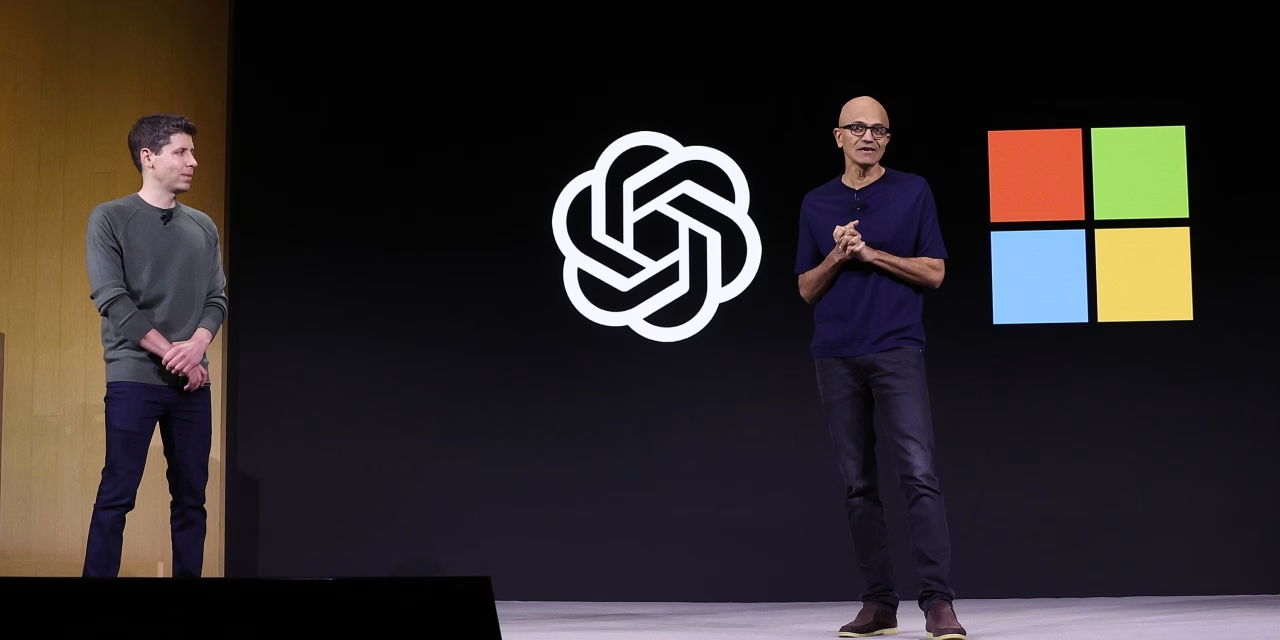
It was once the hottest relationship in AI. As tech’s latest craze started to blossom in 2023, Microsoft invested $10 billion in OpenAI, the startup that had captured the world’s collective imagination with ChatGPT. In exchange, Microsoft got rights to OpenAI’s technology and a revenue-sharing deal, among other terms.
More than three years in, though, circumstances have changed. And on Monday, the companies redrew that partnership agreement for the second time in about six months. The latest tweak freed OpenAI to sell AI tools outside of Microsoft’s Azure cloud-computing service and capped how much revenue it must share with Microsoft through 2030.
| Revenue of $345.66M (7.93% Y/Y) beats by $15.63M
Pebblebrook Hotel Trust (PEB) Q1 2026 Earnings Call April 29, 2026 9:00 AM EDT
Company Participants
Raymond Martz – Co-President, CFO, Treasurer & Secretary Jon Bortz – Chairman & CEO Thomas C. Fisher – Co-President & Chief Investment Officer
Advertisement
Conference Call Participants
Cooper Clark – Wells Fargo Securities, LLC, Research Division Bennett Rose – Citigroup Inc., Research Division Gregory Miller – Truist Securities, Inc., Research Division Aryeh Klein – BMO Capital Markets Equity Research Richard Hightower – Barclays Bank PLC, Research Division Duane Pfennigwerth – Evercore ISI Institutional Equities, Research Division Michael Bellisario – Robert W. Baird & Co. Incorporated, Research Division Chris Darling – Green Street Advisors, LLC, Research Division
Advertisement
Presentation
Operator
Greetings, and welcome to Pebblebrook Hotel Trust First Quarter Earnings Conference Call. [Operator Instructions]. As a reminder, this conference is being recorded. It is now my pleasure to introduce your host, Raymond Martz, Co-President and Chief Financial Officer. Thank you. Please go ahead.
Advertisement
Raymond Martz Co-President, CFO, Treasurer & Secretary
Thank you, Donna, and good morning, everyone. Welcome to our first quarter 2026 earnings call. Joining me today is Jon Bortz, our Chairman and Chief Executive Officer; and Tom Fisher, our Co-President and Chief Investment Officer. But before we begin, I’d like to remind everyone that our remarks are as of today, April 29, 2026 and today’s comments may include forward-looking statements that are subject to various risks and uncertainties. Please review our SEC filings for a detailed discussion of these risk factors and visit our website for reconciliations of any non-GAAP financial measures mentioned today.
Now let’s jump into the first quarter financial results. We had an exceptional first quarter with results well above the high end of our outlook across key earnings metrics. Same-property hotel EBITDA increased 27.6% to $82.2 million, coming in $8.2 million above the high end of our outlook. Adjusted EBITDA was $73.3 million, up 29.5% from last year
DUBAI — The Strait of Hormuz, the critical chokepoint for global oil and gas shipments, continued operating under severe restrictions on Wednesday, April 29, 2026, with maritime traffic at just 5% of normal levels as the ongoing Iran conflict and U.S.-led blockade limited commercial transits to a handful of vessels daily.
Real-time tracking data from platforms like Hormuz Strait Monitor and Kpler showed only three to eight ships crossing the narrow waterway in the past 24 hours, compared to the pre-crisis average of around 60 vessels per day. The majority of transits involved smaller dry bulk carriers or vessels with special permissions, while large oil tankers and LNG carriers largely avoided the route due to security risks and insurance costs that have skyrocketed since late February.
The restrictions stem from a combination of Iranian military actions, U.S. enforcement of a blockade on Iranian ports, and heightened tensions following strikes and counterstrikes in the region. Iran has periodically demanded tolls, conducted inspections, and in some cases launched strikes on vessels it deemed non-compliant, effectively turning the strait into a high-risk zone for commercial shipping. The U.S. has maintained its blockade on Iranian ports, further complicating navigation and leading to a near-standstill in normal traffic patterns.
Despite a fragile ceasefire in place, shipping data indicates the waterway has been in a restricted state for over 60 days. On some days, only a handful of ships have made the transit, often by switching off transponders or taking unconventional routes closer to Iranian waters. A recent LNG tanker successfully crossed the strait, marking a rare breakthrough, but overall commercial activity remains muted as major shipping companies reroute around Africa or delay voyages.
Advertisement
Oil prices have remained elevated above $100 per barrel as a direct result of the disruptions. The strait normally carries about one-fifth of the world’s oil and natural gas supply. Reduced flows have forced buyers to seek alternative sources, driving up costs for energy importers worldwide and contributing to inflationary pressures in multiple economies, including Australia’s ongoing fuel crisis.
U.S. and Iranian officials have engaged in sporadic talks aimed at de-escalation, but no comprehensive agreement has been reached. Iran has offered to reopen the strait to commercial shipping in exchange for lifted sanctions and an end to the U.S. blockade, but Washington has expressed dissatisfaction with the terms. Recent diplomatic efforts, including involvement from regional mediators, have yet to yield a breakthrough.
For shipping companies, the risks are enormous. Insurance premiums for vessels attempting the transit have increased dramatically, making the route economically unviable for most operators. Several tankers have been stranded or diverted, with crews facing extended waits in safer waters. A Russian superyacht linked to a Putin ally successfully transited the strait recently, highlighting how some well-connected vessels can still navigate the restrictions while ordinary commercial traffic remains severely limited.
The humanitarian and economic impacts extend far beyond energy markets. Countries dependent on Gulf oil, including many in Asia, have faced higher fuel costs and supply uncertainties. India, China, Japan and South Korea have all been forced to adjust import strategies, with some turning to emergency reserves or alternative suppliers at higher prices.
Advertisement
In the United States, the situation has added complexity to domestic energy policy. Higher global prices have supported U.S. oil producers but also increased costs for consumers at the pump. The Trump administration has used the disruptions to push for expanded domestic production and energy independence, while critics argue the blockade has backfired by driving up costs without achieving clear strategic gains.
Maritime security firms have reported increased activity by the Iranian Revolutionary Guard Corps Navy in the area, with vessels conducting patrols and occasional boardings. Some shipping companies have hired private security teams for protection, adding further costs to already expensive voyages.
Environmental groups have raised concerns about potential oil spills or accidents in the narrow waterway, which could have devastating consequences for the fragile marine ecosystem in the Persian Gulf. The restricted traffic has reduced the immediate risk of collisions, but any escalation could quickly change that dynamic.
As April draws to a close, shipping analysts expect continued volatility. Diplomatic talks remain stalled, and military posturing by multiple parties keeps the situation tense. Some vessels continue attempting the transit using unconventional methods, but the vast majority of commercial operators have rerouted around the Cape of Good Hope, adding thousands of nautical miles and weeks to journeys.
Advertisement
The Strait of Hormuz crisis has become a defining feature of the 2026 global energy landscape. Its restricted status has reshaped trade patterns, driven up prices and highlighted the vulnerability of global supply chains to geopolitical flashpoints. For now, the narrow passage between Iran and Oman remains a high-stakes chokepoint where commerce, conflict and diplomacy intersect in real time.
The coming days and weeks will be critical as parties seek a resolution. Any significant breakthrough in talks could quickly restore traffic and ease pressure on global energy markets. Until then, the strait’s restricted status continues to ripple through economies worldwide, affecting everything from fuel prices to inflation and supply chain stability.
Citi Global Chief Economist Nathan Sheets reveals why the Fed is in wait-and-see mode on ‘The Claman Countdown.’
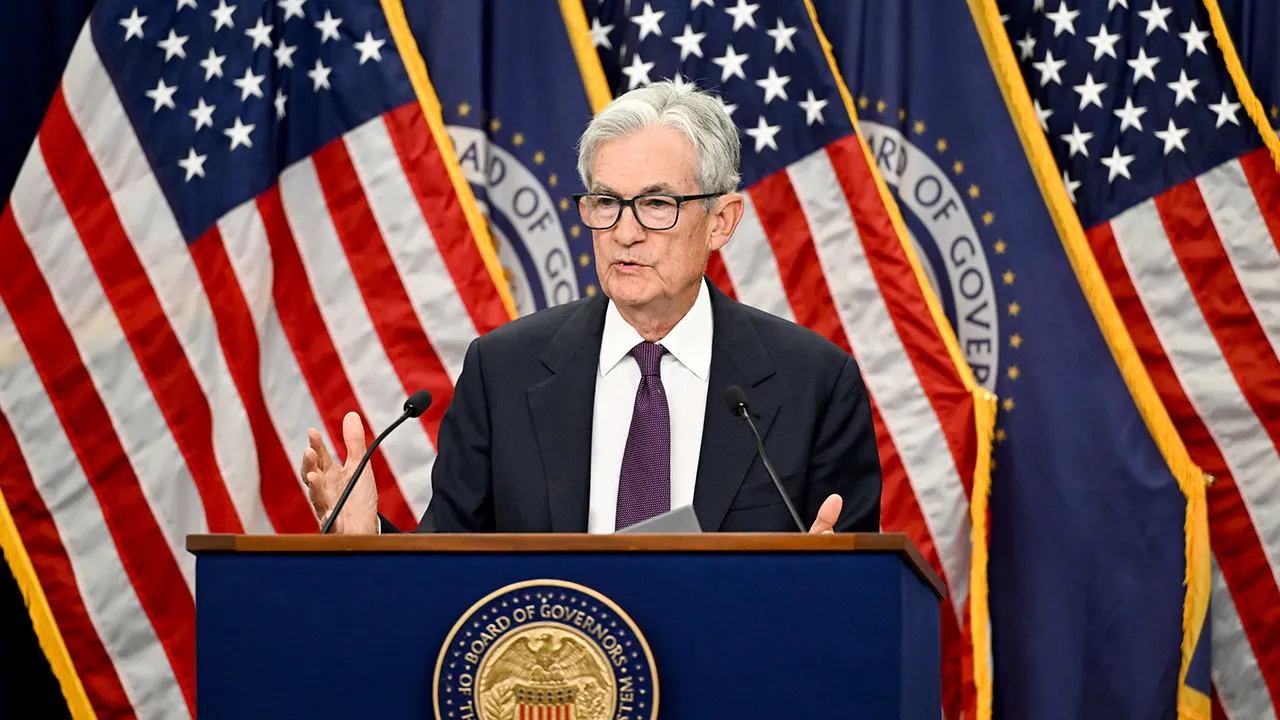
Federal Reserve Chair Jerome Powell on Wednesday announced he will remain a member of the Fed’s Board of Governors after his term as chairman ends next month, though he added that he won’t be a “shadow Fed chair.”
The outgoing Fed chair hosted his final news conference after the Federal Open Market Committee (FOMC) voted to hold interest rates steady at the current range of 3.5% to 3.75%. The news conference occurred hours after the Senate Banking Committee voted to advance his successor as Fed chair, former Fed Governor Kevin Warsh.
Advertisement
Powell said he intends to continue serving as a member of the Fed’s Board of Governors for a “period of time to be determined” and was asked during the press conference about how he will conduct himself as a governor and not have an outsized influence over the process.
“That’s just something I would never do, the shadow chair thing. I don’t know what the exact specifics of it will be, but I’m going back to being a governor. I respect the role of chair,” Powell said. “I was a governor for six years, and I know what that’s like.
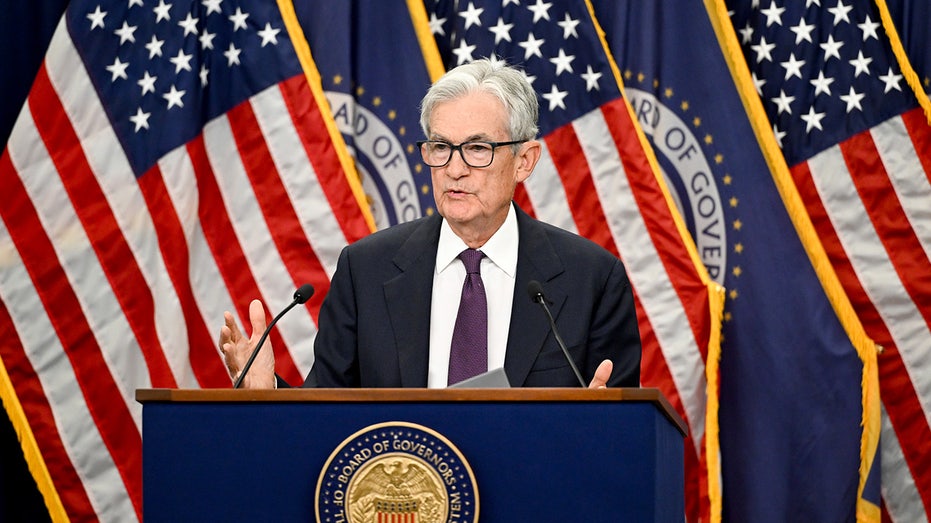
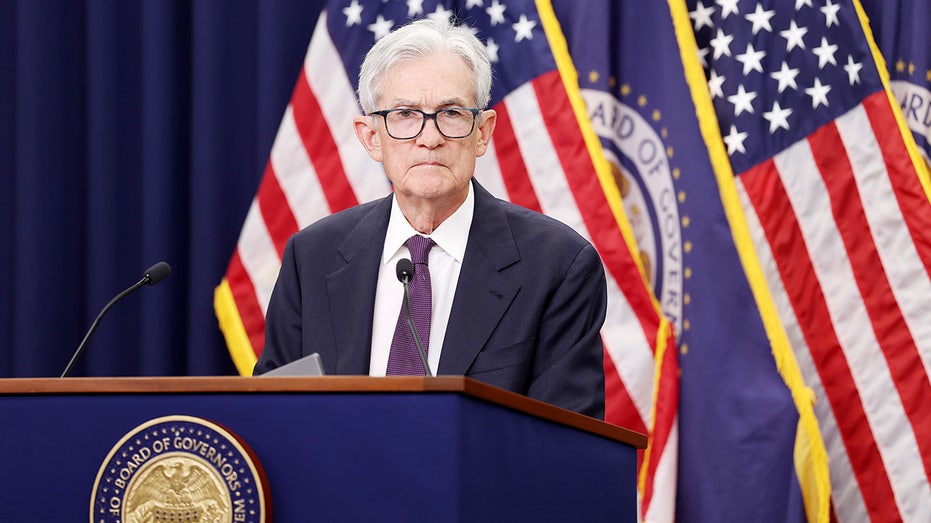
Fed Chair Jerome Powell said he doesn’t plan to act like a “shadow Fed chair” and wants to help build consensus where he can. (Daniel Heuer/Bloomberg via Getty Images)
“I had a pretty front row seat, particularly with Chair Yellen, to whom I was close. When I worked with Chairman Bernanke for two years, I was brand new at that time. So I got a sense of what it was, and I had real sympathy for how hard it is to get that group to consensus,” he explained.
Advertisement
“I always felt like I don’t want to add that unnecessarily, and that means trying to support the chair or the direction the chair wants to go. And if you can’t, you can’t. I think that’s the way it’s always worked there because the chair only has one vote plus the ability to develop consensus,” Powell said.
“I propose to be a very constructive participant in that process, really out of respect for the office of the chair.”
In his opening remarks, Powell said he plans to “keep a low profile as a governor,” and explained, “There’s only ever one chair of the Federal Reserve Board. When Kevin Warsh is confirmed and sworn in, he will be that chair. Once sworn in as board chair, his new colleagues will elect him to chair the FOMC as well.”
Powell said he will stay on as a member of the Fed’s Board of Governors until the investigation is closed with finality and transparency. (Kent Nishimura/Reuters)
Powell said that while he planned to retire at the end of his chairmanship, the Justice Department investigation launched by the Trump administration prompted him to shift those plans because he was concerned about threats to the independence of the Fed to conduct monetary policy free of political pressure.
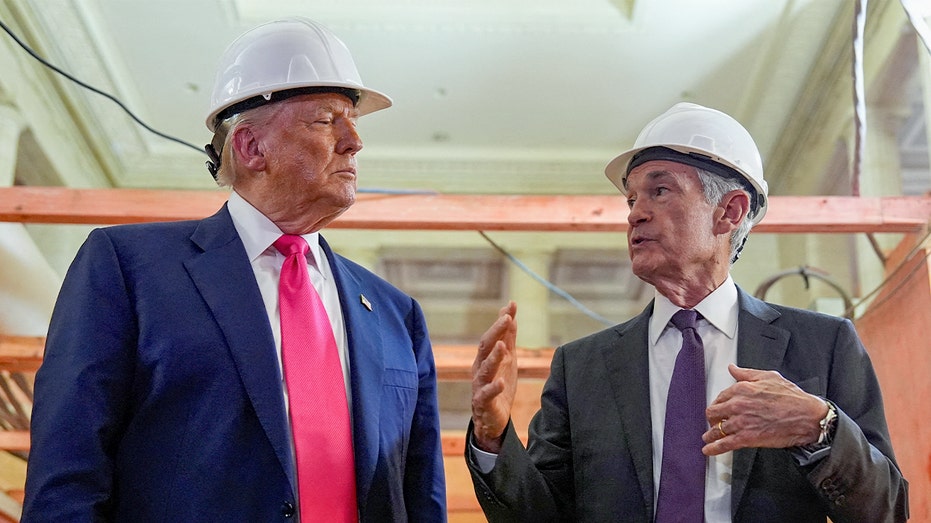
In January, U.S. District Attorney for the District of Columbia Jeanine Pirro issued subpoenas to the Fed as part of a criminal investigation into whether Powell misled Congress about the Fed’s costly renovation project at its D.C. headquarters.
Powell said the investigation was politically motivated, and courts quashed the DOJ subpoenas as being a “pretext” to pressure him into cutting interest rates or stepping down.
Powell said he planned to retire at the end of his chairmanship prior to the DOJ investigation. (Anna Moneymaker/Getty Images)
Pirro announced on Friday that the DOJ is dropping the investigation and allowing the Fed’s inspector general, Michael Horowitz, to handle the matter. Pirro said she wouldn’t hesitate to “restart a criminal investigation should the facts warrant doing so,” while the DOJ told Powell and the Fed over the weekend that it would only be reopened if the IG submits a criminal referral. The move allowed Warsh’s nomination to advance in the Senate after a Republican senator lifted his block over concerns about Fed independence.
“My concern is really about the series of legal attacks on the Fed, which threaten our ability to conduct monetary policy without political factors,” Powell said. “These legal actions by the administration are unprecedented in our 113-year history, and there are ongoing threats of additional such actions.”
He added that the Fed’s ability to operate independently is “so important for our economy, for the people that we serve, that they can depend, over time, on a central bank that operates that way free of political influence. It’s part of the absolute foundation of this amazing economy that we have. It’s just one of the many reasons why the U.S. economy is the envy of the world.”
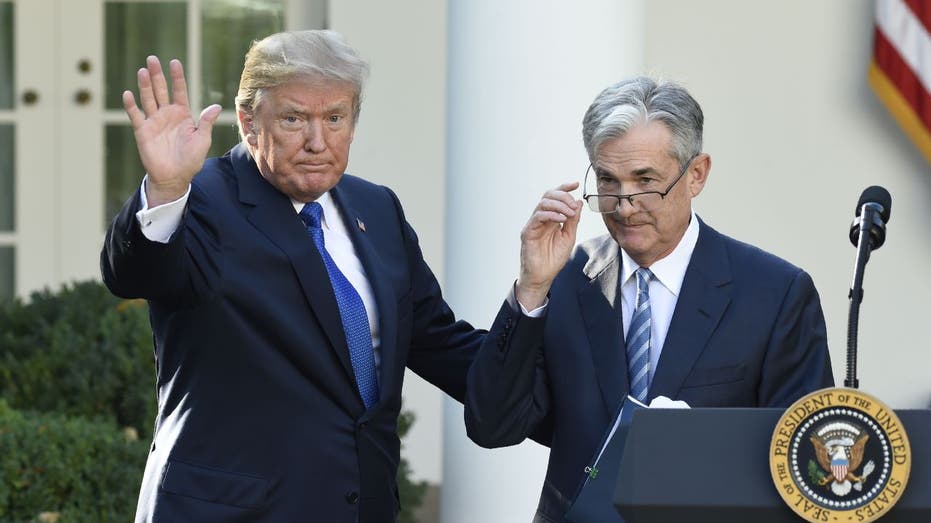
Trump picked Powell to serve as Fed chair starting in 2018, though he went on to repeatedly threaten to fire him for not cutting interest rates. (Saul Loeb/AFP via Getty Images)
During Wednesday’s news conference, Powell was asked if remaining at the Fed after his chairmanship was a political act to influence the board’s actions. He responded that the legal inquiry left him with no choice but to stay on until it’s truly over and that he doesn’t want to interfere in the Fed’s operations when Warsh becomes the chair.
“I’m literally staying because of the actions that have been taken. I had long planned to be retiring. And you know, the things that have happened, really in the last three months, left me no choice but to stay until I see them through, at least that long,” Powell explained. “In addition, I don’t see how this will interfere. My intention is not to interfere.”
Powell’s term as a member of the Fed’s Board of Governors runs until January 31, 2028, though he didn’t say whether he would consider staying on for the remainder of his term and emphasized he will leave when the investigation is “well and truly over with finality and transparency, and I’m waiting for that, and I will leave when I think it’s appropriate to do so.”
Powell won’t be the first former Fed chair to remain as a governor after his term as chair expires. Marriner Eccles, who one of the buildings at the Federal Reserve’s D.C. headquarters is named for, served as Fed chair from 1934 to 1948 and remained on as a member of the Fed’s Board of Governors until 1951.
Amazon.com topped Wall Street estimates for quarterly cloud revenue growth on Wednesday, driven by strong enterprise spending on its cloud computing services as companies step up artificial intelligence adoption.
Revenue at Amazon Web Services (AWS) jumped 28% to $37.6 billion in the first quarter ended March, compared with analysts’ average estimate of a 25.08% increase to $36.61 billion, according to data compiled by LSEG.
Shares of the company, however, dipped 2% in volatile extended trading after it projected current-quarter operating income between $20 billion and $24 billion, slightly lower than estimates of $22.62 billion at midpoint.
The upbeat cloud revenue comes when Amazon – the world’s largest cloud services provider – has already boosted investor confidence by deepening its partnership with the two biggest AI firms, OpenAI and Anthropic, within days of each other.
Advertisement
On Tuesday, Amazon made available all of OpenAI’s latest models and its coding agent, Codex, on AWS, taking advantage of loosened ties between the ChatGPT maker and cloud rival Microsoft.
Live Events
Last week, Amazon stuck a deal to invest up to $25 billion in Anthropic, while the Claude creator committed to spending more than $100 billion on AWS in the next 10 years. The announcements, coupled with a disclosure earlier this month that AI services at AWS were generating more than $15 billion in annualized revenue, have helped push Amazon’s stock up some 14% so far this year, putting it among the best performers in the “Magnificent 7” group of tech mega-caps. Amazon, which has set a target of around $200 billion in capital spending this year, has been going all out to reassure investors that its spending on AI infrastructure will generate returns in the near term.
CEO Andy Jassy said in his shareholder letter this month that much of the company’s 2026 spending will be monetized over 2027 and 2028.
Still, the roughly $600 billion that Big Tech is expected to pour into AI this year – a historic outlay that has dented cash flows at these companies – is testing investors’ patience, even as companies say that it is necessary to increase computing capacity as strong AI demand outstrips supply.
At its retail business, Amazon has been investing in expanding same-day delivery to more towns and small cities, and has sharpened focus on grocery delivery in a bid to better compete with supermarket chains such as Walmart and Kroger.
NEW YORK — NXP Semiconductors NV shares skyrocketed more than 24% on Wednesday, April 29, 2026, trading around $314 in morning action after the analog chipmaker reported robust first-quarter results that beat Wall Street expectations and highlighted broad-based growth driven by industrial, automotive and AI-related demand.
NXP Semiconductors Stock Surges 25% on Strong Q1 Earnings Beat and AI Momentum
The company posted revenue of $3.18 billion for the quarter ended March 29, 2026, up 12% year-over-year and exceeding analyst forecasts. Non-GAAP diluted earnings per share reached $3.05, surpassing consensus estimates. GAAP net income attributable to stockholders was $1.13 billion, significantly boosted by a one-time gain from the sale of its MEMS sensors business.
CEO Rafael Sotomayor described the quarter as a strong start to 2026, noting broad-based improvement across all focus end markets. “Our growth reflects sustained investment, disciplined execution, and growing customer adoption of our differentiated portfolio, particularly in industrial and automotive processing that supports software-defined vehicles and physical AI,” he said in the earnings release.
The results triggered enthusiastic buying, with volume surging well above average. The move ranks among the strongest percentage gains on Nasdaq Wednesday morning and reflects renewed investor confidence in NXP’s positioning within high-growth segments like AI infrastructure, automotive electrification and industrial automation.
NXP’s performance was driven by strength in multiple segments. Automotive revenue rose 6% year-over-year (10% on an adjusted basis excluding the MEMS divestiture), while Industrial & IoT and Communication Infrastructure & Other segments posted gains exceeding 20%. The company’s focus on higher-margin, differentiated products helped expand non-GAAP gross margin to 57.1% and operating margin to 33.1%.
Advertisement
Analysts reacted positively to the beat. Several firms raised price targets following the report, citing improved visibility, margin expansion and NXP’s exposure to secular growth drivers. The results validate the company’s strategy of investing in advanced analog and mixed-signal solutions for emerging technologies.
For investors, today’s surge underscores the market’s appetite for companies benefiting from AI, automotive electrification and industrial digitization. NXP’s semiconductors are critical components in a wide range of applications, from vehicle safety systems and data centers to industrial automation and consumer electronics. As these markets expand, demand for NXP’s specialized chips is expected to remain robust.
The company also returned capital to shareholders, paying $256 million in dividends and repurchasing $102 million of common shares in the quarter. This disciplined approach to capital allocation has been well-received by investors seeking both growth and shareholder returns.
Broader semiconductor sector sentiment has been mixed in 2026, with some names facing headwinds from inventory corrections and macroeconomic uncertainty. NXP’s strong results and positive commentary stand out, highlighting the resilience of its diversified portfolio and focus on high-value applications.
Advertisement
Longer-term, analysts remain constructive on NXP. The combination of secular tailwinds, strong competitive positioning and operational execution supports a favorable outlook. While valuations have expanded on AI enthusiasm, many view current levels as reasonable given the company’s growth trajectory and margin profile.
As trading continued Wednesday morning, shares held near session highs with sustained volume. Technical analysts noted the breakout above recent resistance levels, with potential near-term targets in the low-to-mid $320s if momentum persists. Options activity showed aggressive call buying, suggesting traders anticipate further upside.
The day’s performance caps a strong period for NXP. The stock has delivered significant returns for investors who recognized its critical role in the semiconductor supply chain. With record results and positive momentum, many expect continued upside through the remainder of 2026 and beyond.
For long-term investors, NXP offers exposure to key technology trends including automotive electrification, industrial IoT and AI infrastructure. Its focus on analog and mixed-signal solutions provides differentiation in a market increasingly driven by advanced nodes and system-level integration.
Advertisement
Near-term risks include macroeconomic uncertainty, potential slowdowns in end-market demand and geopolitical factors affecting supply chains. However, NXP’s diversified customer base and technological leadership provide a solid foundation for navigating these challenges.
As the market digests today’s move, NXP Semiconductors stands out as a standout performer, illustrating how strong execution and exposure to high-growth technologies can drive significant shareholder value in the semiconductor space. The coming quarters will reveal whether the company can sustain this momentum and continue capitalizing on favorable industry trends.
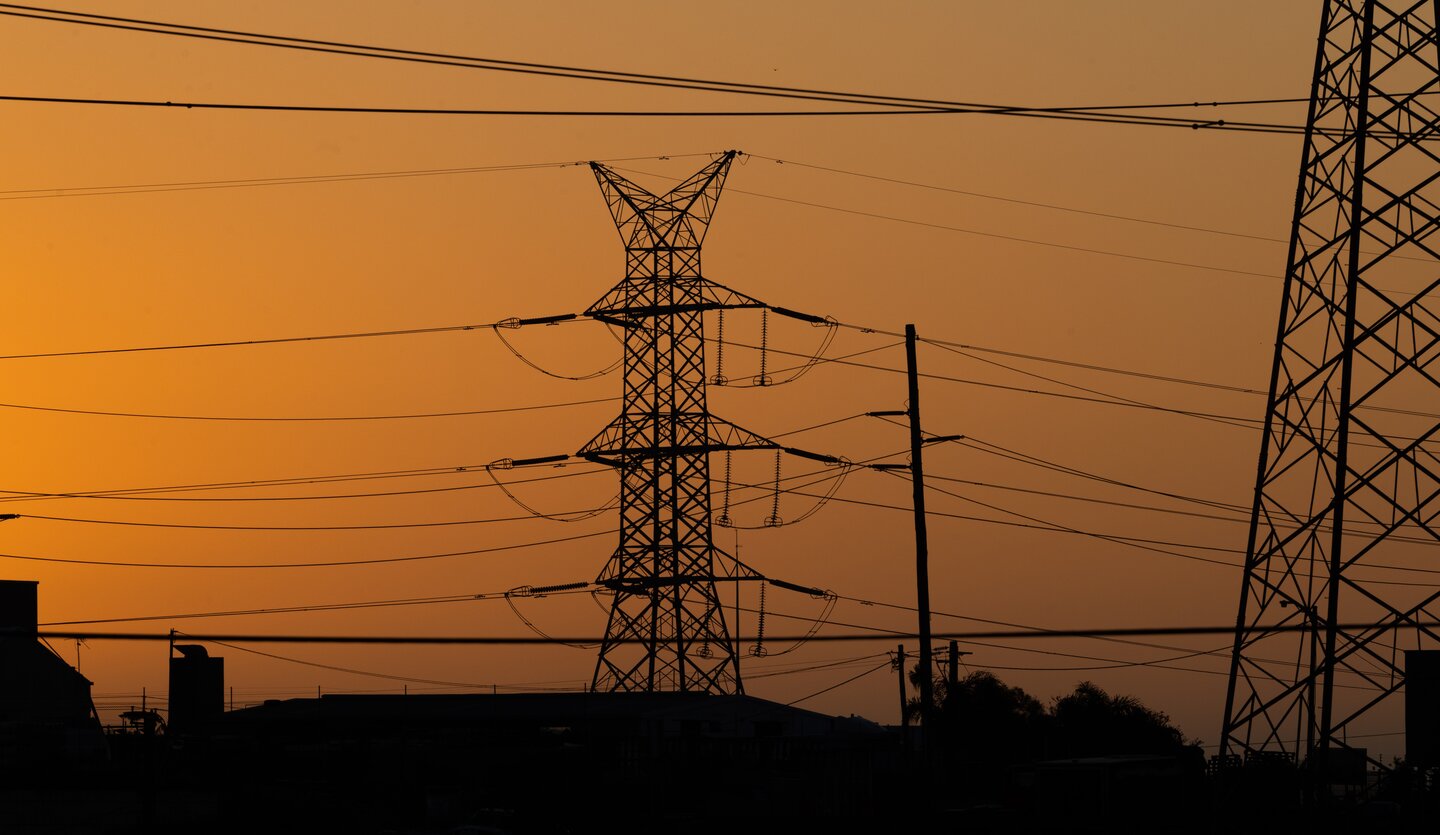
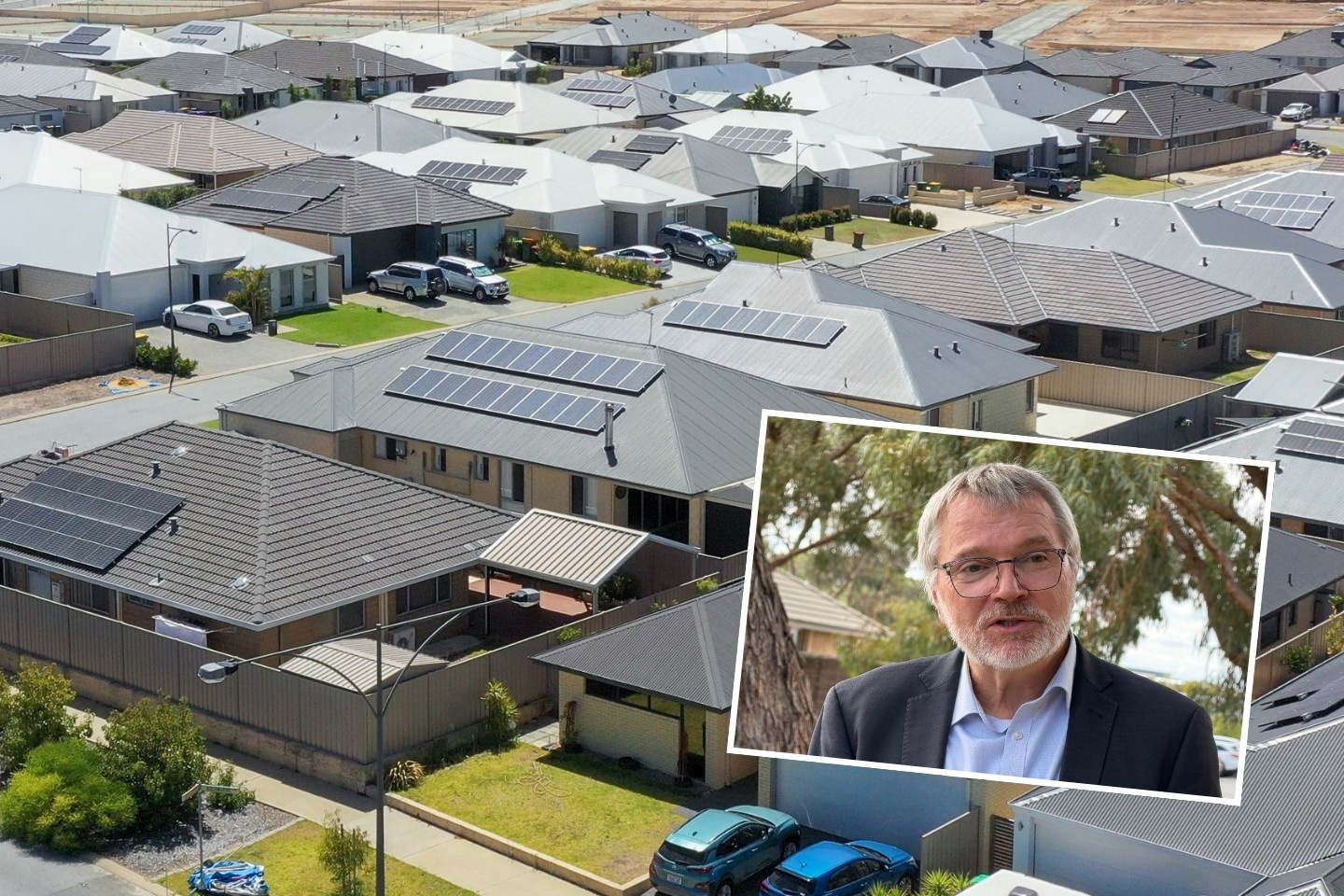
Average renewable contributions to Western Australia’s wholesale electricity market fell back more than 6 per cent quarter-on-quarter during the three months to March 31.













































You must be logged in to post a comment Login