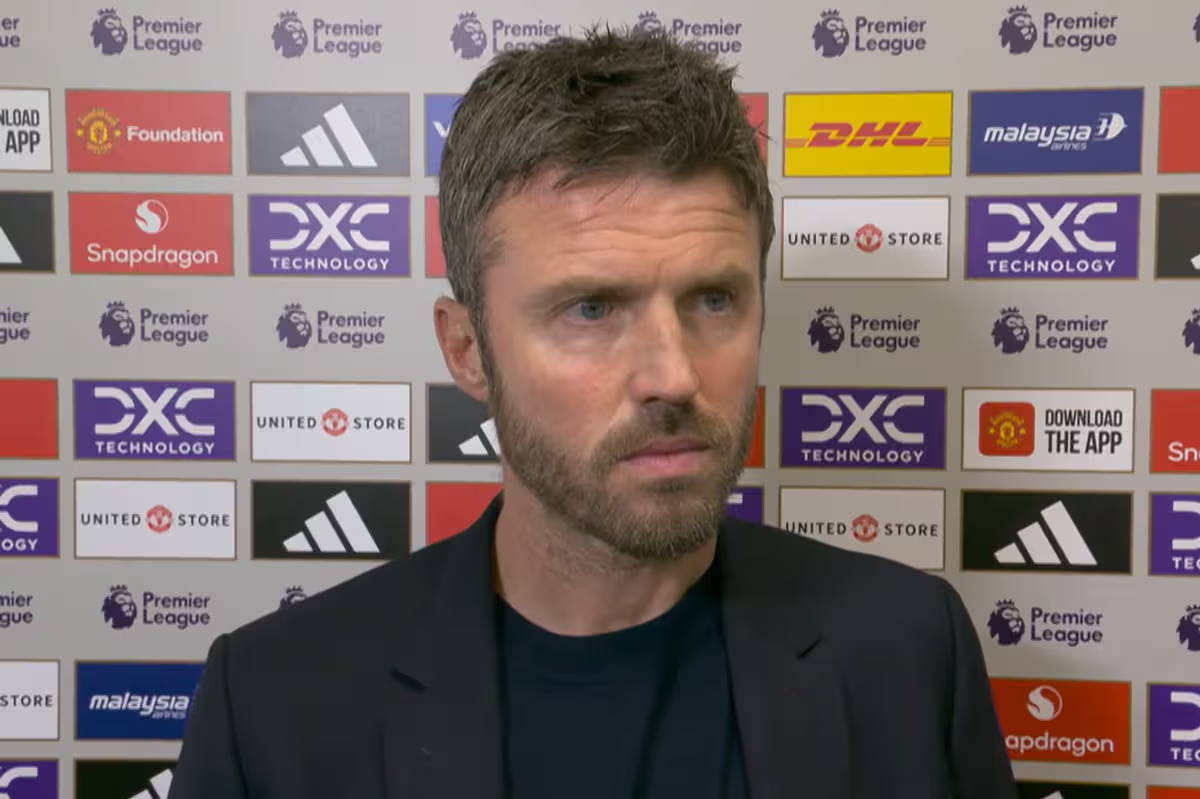
Man Utd play Tottenham in the Premier League on Saturday and Michael Carrick explained his team selection.
Michael Carrick has reiterated Benjamin Sesko is important at Manchester United after again naming the striker on the bench. United won 3-2 against Fulham last weekend and Carrick has made no changes following that result.
Sesko scored a late matchwinner against Fulham, but he has been named on the bench to face Tottenham, with Carrick sticking by the players who performed at Old Trafford last weekend.
Advertisement
Carrick has enjoyed a dream start to his interim role, winning against Manchester City, Arsenal and Fulham, and the 44-year-old is hoping to extend that sequence against Spurs.
Speaking to TNT Sports about the decision to stick with Sesko on the bench, Carrick said: “Ben’s been fantastic. He’s going to be a big player for us and everything I’ve seen from him is really encouraging. Today was just a decision I’ve made but Ben will come on and make a big difference for us again.”
Advertisement
Asked about the game plan, he said: “I’ve not had to pass an awful lot on. They’ve been fantastic, there’s been little pieces about taking the ball up the pitch but it’s mainly about trusting them to express themselves.”
Carrick also discussed the partnership between Casemiro and Kobbie Mainoo, saying: “I haven’t really had to pass any tips onto him yet. Case and Kobbie have been fantastic. “I’ve given them little bits of advice and trusting them on finding their way and expressing themselves.”
Tottenham are unbeaten in their last eight meetings with United in all competitions (W5 D3), which is their longest ever run without defeat against the Reds. However, United are fourth in the Premier League table after three wins on the bounce.
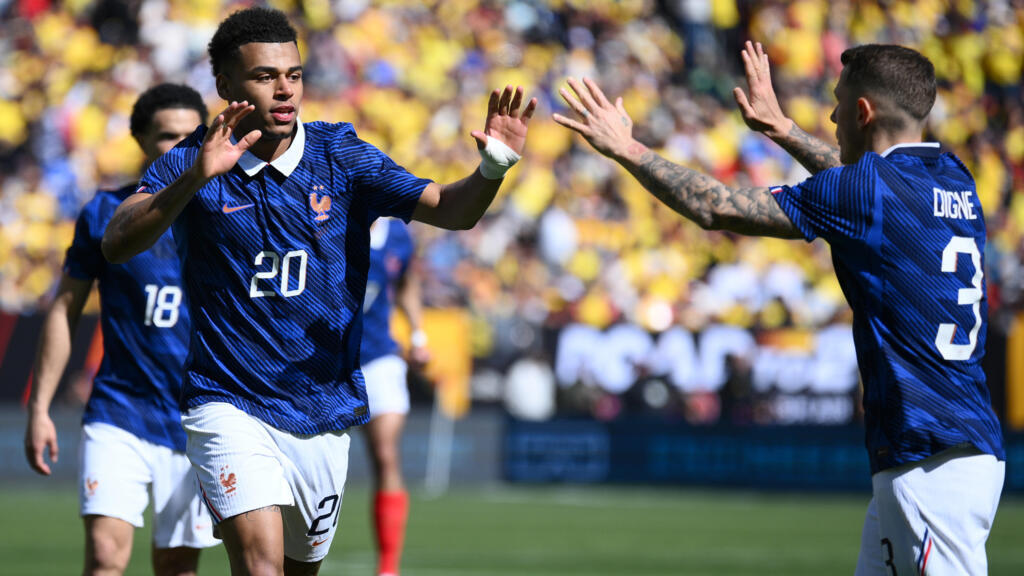
France’s football team comes back from the US with two victories under its belt. Warm-up matches against Brazil and Colombia allowed the players to get used to the terrain ahead of the 2026 World Cup. Trainer Didier Deschamps was able to see his team in action, and work out any adjustments needed, before they compete. The final line-up is set to be revealed by Deschamps on May 14th.
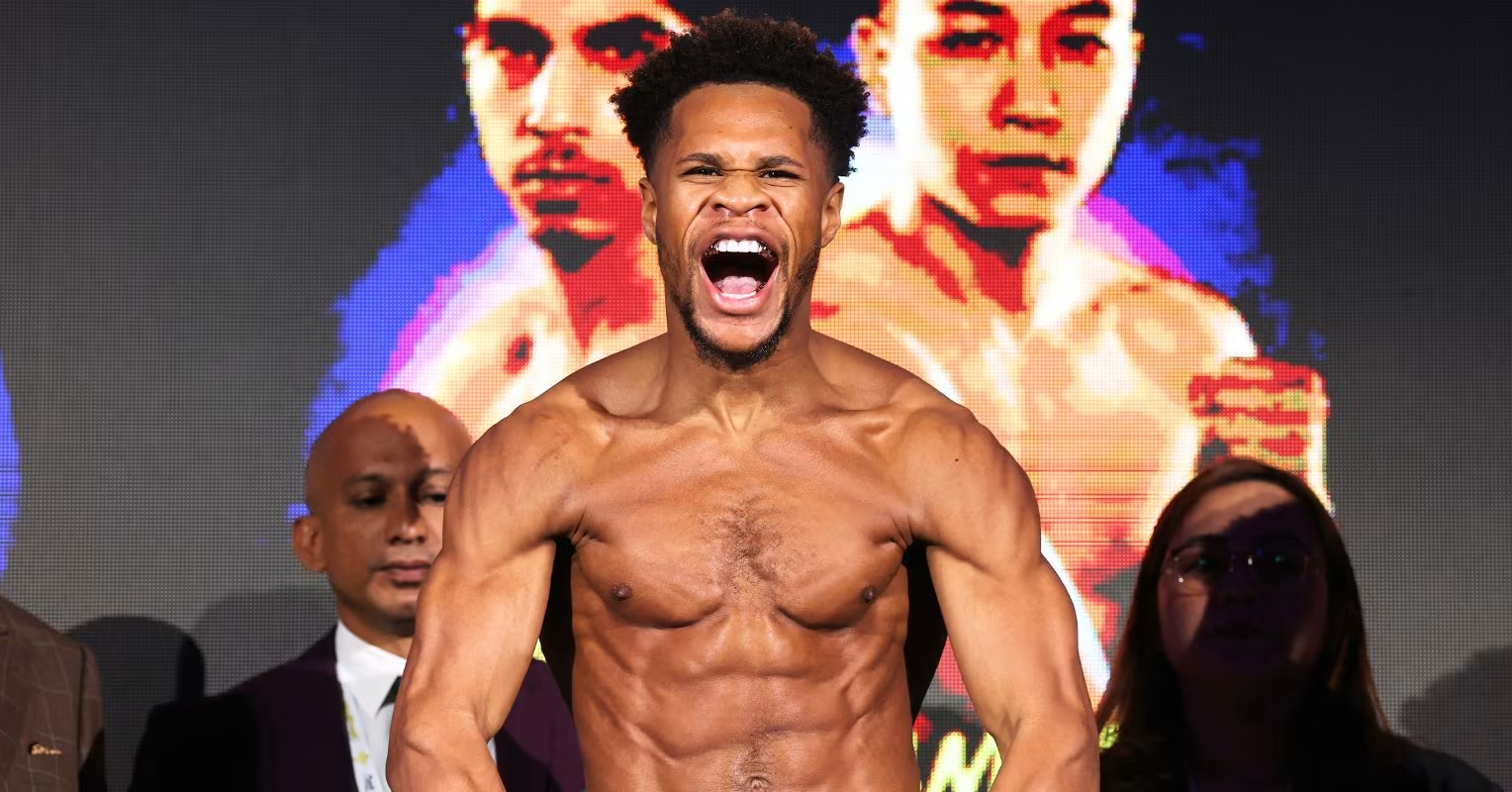
Devin Haney is back in the market for his next opponent.
The three-division world champion moved up to the welterweight ranks in November of last year, dropping and outpointing Brian Norman Jr to win the WBO belt.
There are several options for ‘The Dream’ at 147lbs, including three potential unification fights. Lewis Crocker holds the IBF belt, Rolando Romero the WBA and Ryan Garcia the WBC.
Advertisement
A rematch between Haney and Garcia following their controversial 2023 fight – overturned from a Garcia win to a no contest after a failed doping test – would be the preferred option for fans, but Haney had instead been in talks to face ‘Rolly’ Romero.
Romero beat Garcia last year to win the WBA Regular strap and was subsequently elevated to full champion when Jaron Ennis vacated to move up in weight. He has a mandatory challenger in Shakhram Giyasov, though appeared close to securing a two-belt bout with Haney for May in Las Vegas.
“Rolly [is] delusional acting like he some kind of draw but can’t sell out a ballroom. Thats why the fight hasn’t been made yet. The money isn’t right. I’m looking at other options he can go fight his mandatory since he’s such a draw.”
Whether or not negotiations with Romero can be salvaged remains to be seen, but this development opens the door to the Garcia rematch, and the latter’s promoter, Oscar De La Hoya, has said he is very keen to make that happen next.
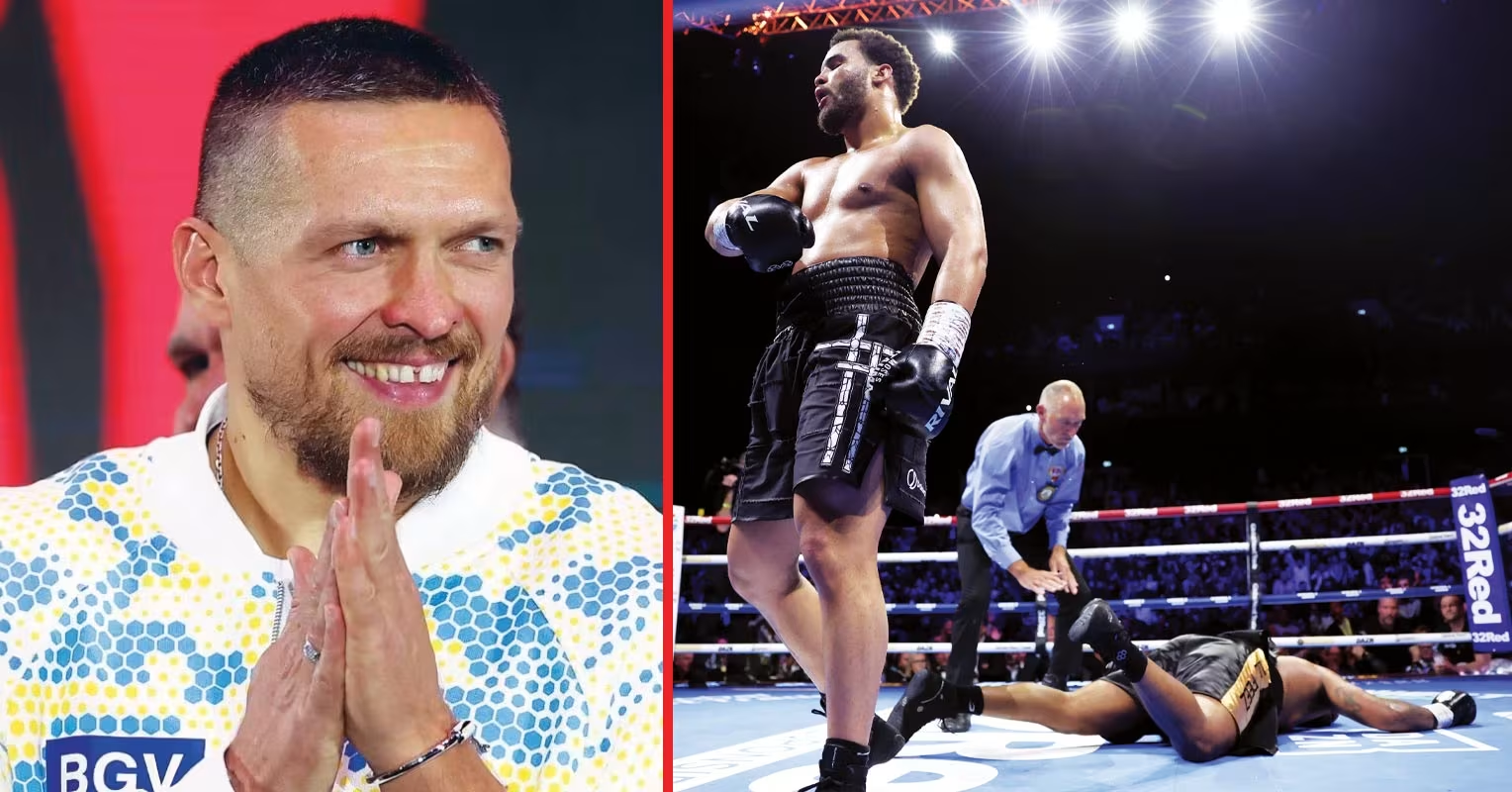
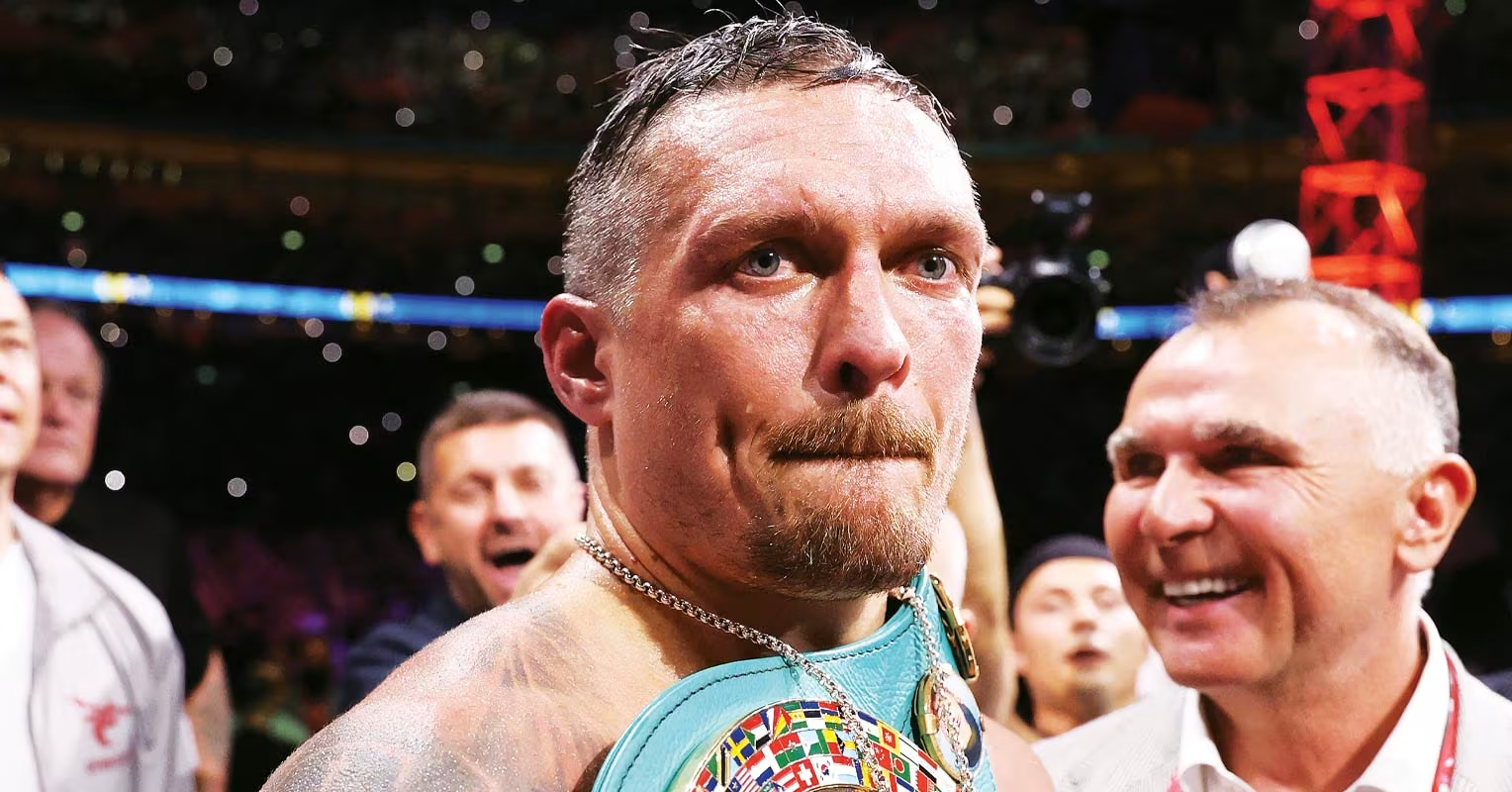
After another dominant display, Moses Itauma is once again being linked to a shot at unified heavyweight ruler, Oleksandr Usyk. In response, Carl Froch has offered his thoughts on that proposed contest, admitting that he ‘does not like the fight’ for one man.
On Saturday night, atop a British bill for the first time in his career, Itauma dispatched of Jermaine Franklin with a special knockout, taking the American out with a crisp and clean left uppercut followed by a devastating right hand that will no doubt appear in his future highlight reels.
With Dillian Whyte and Anthony Joshua unable to halt Franklin in their fights with the game Michigan operator, Itauma’s fifth-round stoppage has sent a major statement to the rest of his division – his power now proven to be real.
Speaking on his YouTube channel, super-middleweight legend Froch, declared that he ‘does not like that fight for Usyk’.
“I just think that a peak Usyk against a peak Itauma, you would have to say Usyk, but Usyk is a natural cruiserweight and Itauma is a big lump. Have you seen the size of him? Tall, big, strong, heavy, and lightening-fast hands like a middleweight.
“I don’t like the Usyk-Itauma fight. I don’t like it for Usyk. I think that Usyk has done what he needs to do and I’d like to see him hang his gloves up and retire as the number one king. He is the kingpin of the division, of cruiserweight and heavyweight, but he loves fighting and he wants to fight again.
“Would Moses Itauma fancy the fight with Usyk? I am not even sure if his team would fancy it. You wouldn’t usually put someone like him in, at his level, with somebody like Usyk. But, he might have no option and no choice because if he keeps his obliterating opponents the way he has been doing it then that might be a fight that happens.”
Advertisement
However, when predicting how the bout would play out if it were to happen, ‘The Cobra’ found himself unable to go against the dominant world champion, ultimately siding with Usyk due to his superior experience.
“I think that Usyk has got too much experience and that he would be too good for him but you just never know because Moses Itauma looks that good.”
Moses Itauma is set to return to the ring in July, ahead of a planned world title shot before the end of the year.
Oleksandr Usyk’s three-fight plan has got the heavyweight contenders riled up, and one of the names that is on that hit list has admitted that he will be ‘fuming’ if the Ukrainian pursues other options.
Earlier this month, Usyk revealed plans to take on the victor of Fabio Wardley’s upcoming WBO world title defence against Daniel Dubois, after his fight with Rico Verhoeven in May, before finishing his career with a Tyson Fury trilogy clash.
However, fans have demanded that the Ukrainian fights WBC mandatory challenger Agit Kabayel, due to the German’s triumphs over Arslanbek Makhmudov, Frank Sanchez and Zhilei Zhang, which are adjudged to merit a title challenge.
“No one knows [who he is going to fight]. One minute he is over in Egypt fighting a pharaoh or something, the next he wants to fight me, then he wants to fight Kabayel. He doesn’t know what he wants to do.
“I will just crack on, I will keep winning and knocking people out and if he wants to have a go, he can have a go.”
Then, when quizzed whether it would be a relief to avoid Usyk, Wardley declared that he would be ‘fuming’ if he and his fellow undefeated heavyweight did not go toe-to-toe before he retires from the sport.
“Absolutely not, I would be fuming. I got through the Joseph Parker fight and I wanted Usyk. I’m going to get through the Daniel fight and I want Usyk. How many tests does he want [me to have]?
“I feel like I am going through Usyk tests. He is setting me things to do before I am allowed to fight him. So, if I do them, and then he just f**ks off, I will be fuming. I’ll be having words.”
The Vegas Golden Knights only have eight games remaining in the 2025-26 season, but decided to make the stunning move to fire and replace their head coach.
Vegas announced on Sunday that they relieved Bruce Cassidy as head coach and replaced him with John Tortorella.
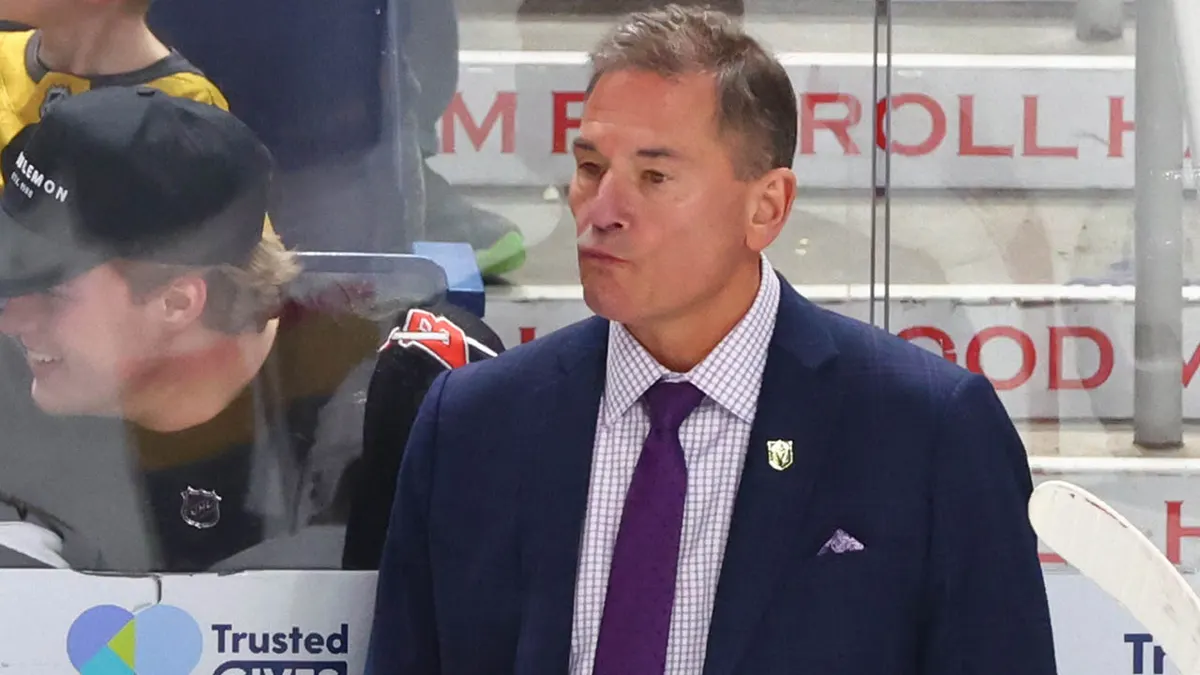
Vegas Golden Knights head coach Bruce Cassidy looks on during the third period of an NHL hockey game against the Buffalo Sabres, March 3, 2026, in Buffalo, New York.(AP Photo/Jeffrey T. Barnes, File)
“We thank Bruce Cassidy for his dedication to our hockey club and community over the past four seasons,” Golden Knights general manager Kelly McCrimmon said in a news release. “Under Bruce’s leadership, we reached our ultimate goal in 2023 by bringing a Stanley Cup to Vegas. Bruce will forever be remembered with the utmost regard by our organization for what was accomplished here. With the stretch run of the 2025-26 regular season upon us, we believe that a change is necessary for us to return to the level of play that is expected of our club.
“With John Tortorella, we bring in a Stanley Cup Champion as well as one of the most experienced and respected coaches in the NHL. His guidance will be a great asset to our team at the pivotal point in the season we currently face. We look forward to welcoming John to Vegas.”
John Tortorella, Philadelphia Flyers head coach, arrives for a news conference at the NHL hockey team’s arena on May 12, 2023, in Philadelphia.(AP Photo/Matt Slocum, File)
The Golden Knights fell to the Washington Capitals, 5-4, on Saturday in a shootout. It marked the team’s third straight loss and sixth defeat in their last seven games.
Advertisement
Vegas is 32-26-16 this season and in third place in the Pacific Division. If the season ended Sunday, the team would be in the playoffs and have a series against the Edmonton Oilers in the first round.
Tortorella was not coaching in the NHL this season. He spent time as an assistant for Team USA at the 2026 Milan Cortina Olympics. The Americans took home the gold medal.
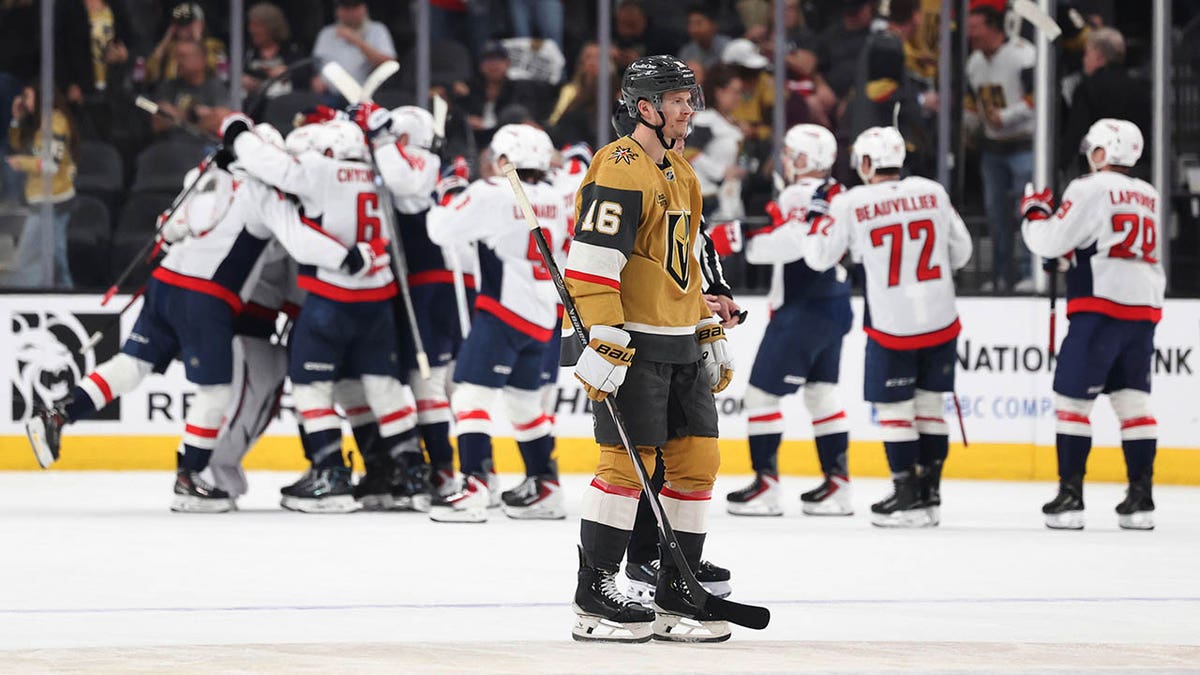
Washington Capitals players celebrate as Vegas Golden Knights right wing Pavel Dorofeyev (16) skates off the ice after failing to score during a shootout in an NHL hockey game Saturday, March 28, 2026, in Las Vegas.(AP Photo/Ian Maule)
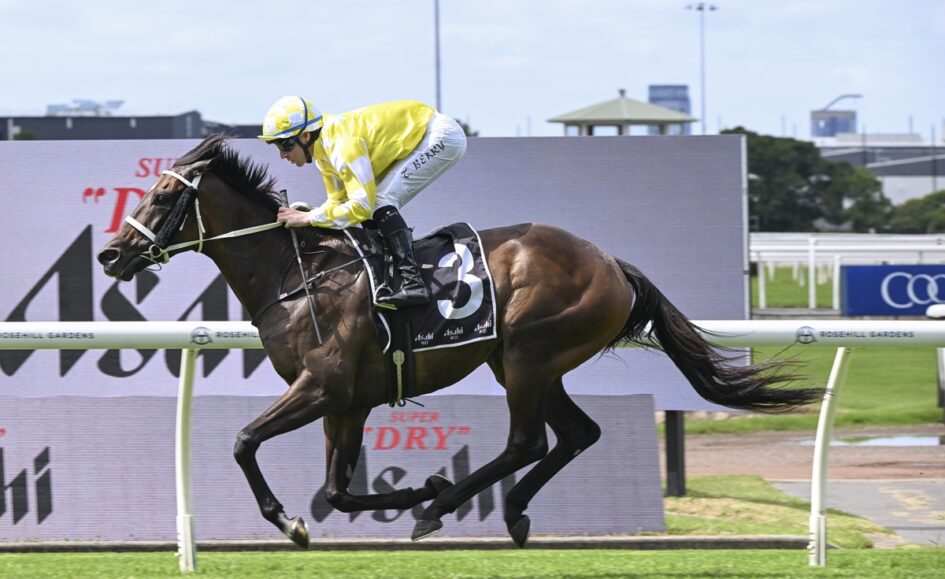
Favourite Barnavara at $1.70 failed to make an impact late, crossing only fourth behind stablemate Wootton Verni who claimed a decisive triumph.
Waller credited Wootton Verni’s Australian tenure as pivotal, expressing regret over Barnavara’s display yet acknowledging her excuses.
“Wootton Verni has been here a while now and he found some great form in the spring,” Waller said, referring to the gelding’s wins in the Coongy Handicap and Rosehill Gold Cup.
“Certainly, he’s talented horse and with a bit of give in the ground and being rock-hard fit, he showed the others up.”
Advertisement
Barnavara’s European style involved settling prominently, but a poor start hindered her on Australian soil.
“The plan was to go forward, to be second, third or fourth but she dwelt at the start,” Waller said.
“I think rather than fire her up, Australian horses just find their positions so quickly, whereas if you fire her up first Australian start I guess James (McDonald) would have thought you could of set her alight which is what we didn’t want.
Then when they went slow, it was very hard from back there. They controlled it from the front and made it hard to finish off.”
Advertisement
Tommy Berry guided $5.50 shot Wootton Verni to a two-and-a-half length romp over $4.20 English import Caviar Heights in second after a bold finish, with $26 outsider Portland grabbing third close up.
Barnavara, Group 1 winner from France, surged on the turn but weakened beyond 300m to run fourth.
Berry appreciated having Wootton Verni ahead of the mare Barnavara.
“I was always going to put my bloke into the race,” Berry said.
Advertisement
“I thought the mare (Barnavara) was going to maybe even slide forward and I would be on the back of her.
It’s always nice to be in front of quality horses in the run and they’ve got to chase you.”
James McDonald on Barnavara noted the slow pace disadvantaged her.
“She got back in a slowly run race,” McDonald said. “She will improve.”
Advertisement
Waller is contemplating futures for the pair.
“The plan was always to run Wootton Verni in the Tancred Stakes today but he just didn’t quite fulfill our expectations last start,” Waller said.”So, we’ve come back a grade just to give him some confidence, and he’s got that confidence back.
“Caviar Heights will go to either of those races, it will be up to the boss (Haggas),” Paul said.”But we are very happy with Caviar Heights. He has run a really good race and will improve.”
Jockey Tom Marquand lauded Caviar Heights’ effort.
Advertisement
“He ran great,” Marquand said. “We were ruined a little bit by the lack of tempo.
I wish he’d stepped a little better and I’d have been able to be a bit more positive.”
Matthew Smith was satisfied with Portland’s third-place finish.
“He’s run well and continues to improve,” Smith said. “We will look at the JRA Plate for him.”
Advertisement
Kerrin McEvoy aboard Portland described a meritorious run.
“I got onto the back of the favourite but it didn’t really take me anywhere,” McEvoy said.
“I had to switch out to get into the clear and he got going well over the last furlong (a200m).”
Discover leading betting sites offering racing odds for the Neville Sellwood Stakes and similar events.
After four rounds, 64 teams have been sent home and four remain in the hunt for a national championship. Connecticut, Arizona, Michigan and Illinois are en route to Indianapolis, two wins away from winning it all.
Advertisement
Some of the representatives aren’t much of a surprise, as the top-seeded Wildcats and Wolverines have looked like a tier above the rest of the sport, and anything less than a Final Four appearance would have been a disappointment. The Huskies stunned its away back to a familiar place, and Illinois isn’t really a shocker and are far from an underdog after a very successful season, proving worthy of its spot.
The results of the weekend not only impacted the championship race, but the sport as a whole. Here are the winners and losers of the Elite Eight:
Advertisement
Advertisement
Winners
UConn’s comeback
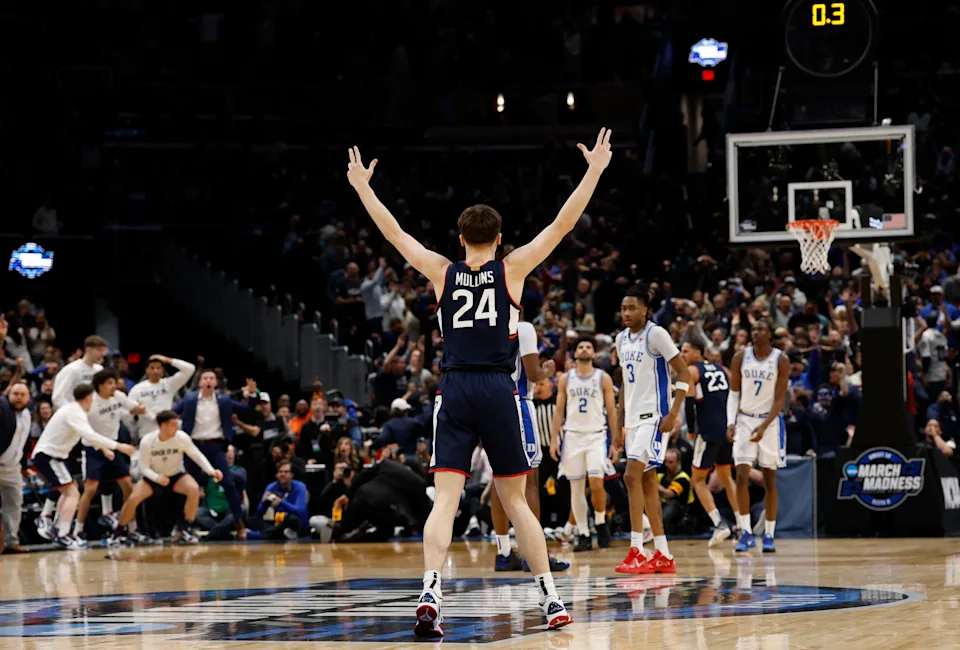
UConn Huskies guard Braylon Mullins (24) celebrates after making the game-winning three-point basket against the Duke Blue Devils in the second half during an Elite Eight game of the East Regional of the men’s 2026 NCAA Tournament at Capital One Arena.
A return to the Final Four didn’t seem possible when Connecticut was down 19 points late in the first half against Duke, but did the Huskies respond.
UConn clawed back in the second half, slowly chipping away at the lead before a 7-0 run put it in striking distance with under four minutes left. The Blue Devils couldn’t stop the momentum and Connecticut pulled out a shocking victory, punctuated by Braylon Mullins’ 3-pointer at the final second. UConn outscored Duke 44-28 in the final 20 minutes for its third trip to the Final Four in four seasons.
It was one of the largest comebacks in NCAA Tournament history, and UConn made Duke the first No. 1 seed to lose a game after being up by at least 15 points at halftime in an ending for the ages.
Advertisement
Advertisement
Big Ten
The Big Ten rolls onto the biggest stage with the conference getting two teams into the Final Four with Michigan and Illinois. It’s the first time the conference has accomplished the feat since 2015 and fourth time since 1999.
The tournament has been a Big Ten showcase after seven of its nine teams won their first round game. It put a record four teams in the Elite Eight, and was guaranteed to get at least one Final Four team with the Illinois-Iowa winner, and could’ve had up to three, but two is still a very successful result.
It’s been the winner of every round so far. Now all that’s left is finishing it on top with a 50% shot at a national championship, the first since 2000. It could be sealed with an all-Big Ten title game, very much possible.
1 / 30
Advertisement
See the best photos of Arizona basketball’s run to 2026 Final Four
Arizona Wildcats forward Ivan Kharchenkov (8) reacts in the first half against the LIU Sharks during a first round game of the men’s 2026 NCAA Tournament at Viejas Arena.
1 / 30
See the best photos of Arizona basketball’s run to 2026 Final Four
Arizona Wildcats forward Ivan Kharchenkov (8) reacts in the first half against the LIU Sharks during a first round game of the men’s 2026 NCAA Tournament at Viejas Arena.
2 / 30
See the best photos of Arizona basketball’s run to 2026 Final Four
Arizona Wildcats center Motiejus Krivas (13) and guard Brayden Burries (5) and forward Tobe Awaka (30) react with the bench in the second half against the LIU Sharks during a first round game of the men’s 2026 NCAA Tournament at Viejas Arena.
3 / 30
See the best photos of Arizona basketball’s run to 2026 Final Four
Arizona Wildcats forward Tobe Awaka (30) dunks against the Long Island University Sharks during a first round game of the men’s 2026 NCAA Tournament at Viejas Arena.
Advertisement
4 / 30
See the best photos of Arizona basketball’s run to 2026 Final Four
Brayden Burries #5 of the Arizona Wildcats reacts during the first half against the Long Island University Sharks in the first round of the 2026 NCAA Men’s Basketball Tournament at Viejas Arena at San Diego State University on March 20, 2026 in San Diego, California.
5 / 30
See the best photos of Arizona basketball’s run to 2026 Final Four
Shadrak Lasu #22 of the Long Island University Sharks defends against Motiejus Krivas #13 of the Arizona Wildcats during the second half in the first round of the 2026 NCAA Men’s Basketball Tournament at Viejas Arena at San Diego State University on March 20, 2026 in San Diego, California.
6 / 30
See the best photos of Arizona basketball’s run to 2026 Final Four
Koa Peat #10 of the Arizona Wildcats shoots the ball against Mason Porter-Brown #6 of the Long Island University Sharks during the second half in the first round of the 2026 NCAA Men’s Basketball Tournament at Viejas Arena at San Diego State University on March 20, 2026 in San Diego, California.
7 / 30
See the best photos of Arizona basketball’s run to 2026 Final Four
Ivan Kharchenkov #8 of the Arizona Wildcats rebounds the ball in front of teammates Koa Peat #10 and Tobe Awaka #30 during the first half against the Utah State Aggies in the second round of the 2026 NCAA Men’s Basketball Tournament at Viejas Arena at San Diego State University on March 22, 2026 in San Diego, California.
Advertisement
8 / 30
See the best photos of Arizona basketball’s run to 2026 Final Four
Koa Peat #10 of the Arizona Wildcats speaks with teammates during the first half against the Utah State Aggies in the second round of the 2026 NCAA Men’s Basketball Tournament at Viejas Arena at San Diego State University on March 22, 2026 in San Diego, California.
9 / 30
See the best photos of Arizona basketball’s run to 2026 Final Four
Ivan Kharchenkov #8 of the Arizona Wildcats reacts during the second half against the Utah State Aggies in the second round of the 2026 NCAA Men’s Basketball Tournament at Viejas Arena at San Diego State University on March 22, 2026 in San Diego, California.
10 / 30
See the best photos of Arizona basketball’s run to 2026 Final Four
Arizona Wildcats forward Ivan Kharchenkov (8) shoots against the Utah State Aggies in the second half during a second round game of the men’s 2026 NCAA Tournament at Viejas Arena.
11 / 30
See the best photos of Arizona basketball’s run to 2026 Final Four
Arizona Wildcats forward Koa Peat (10) celebrates with guard Brayden Burries (5) after defeating the Utah State Aggies during a second round game of the men’s 2026 NCAA Tournament at Viejas Arena.
Advertisement
12 / 30
See the best photos of Arizona basketball’s run to 2026 Final Four
Arizona Wildcats guard Brayden Burries (5) celebrates after defeating the Utah State Aggies during a second round game of the men’s 2026 NCAA Tournament at Viejas Arena.
13 / 30
See the best photos of Arizona basketball’s run to 2026 Final Four
Koa Peat #10 of the Arizona Wildcats dunks the ball against the Arkansas Razorbacks during the second half in the Sweet Sixteen of the 2026 NCAA Men’s Basketball Tournament at SAP Center on March 26, 2026 in San Jose, California.
14 / 30
See the best photos of Arizona basketball’s run to 2026 Final Four
Motiejus Krivas #13 of the Arizona Wildcats dunks the ball against the Arkansas Razorbacks during the second half in the Sweet Sixteen of the 2026 NCAA Men’s Basketball Tournament at SAP Center on March 26, 2026 in San Jose, California.
15 / 30
See the best photos of Arizona basketball’s run to 2026 Final Four
Head coach Tommy Lloyd of the Arizona Wildcats reacts after the game against the Arkansas Razorbacks in the Sweet Sixteen of the 2026 NCAA Men’s Basketball Tournament at SAP Center on March 26, 2026 in San Jose, California.
Advertisement
16 / 30
See the best photos of Arizona basketball’s run to 2026 Final Four
Mar 26, 2026; San Jose, CA, USA; Arizona Wildcats forward Koa Peat (10) dunks the ball against the Arkansas Razorbacks in the first half during a Sweet Sixteen game of the West Regional of the men’s 2026 NCAA Tournament at SAP Center. Mandatory Credit: Kyle Terada-Imagn Images
17 / 30
See the best photos of Arizona basketball’s run to 2026 Final Four
Arizona Wildcats guard Brayden Burries (5) reaches for a loose ball against the Arkansas Razorbacks in the first half during a Sweet Sixteen game of the West Regional of the men’s 2026 NCAA Tournament at SAP Center.
18 / 30
See the best photos of Arizona basketball’s run to 2026 Final Four
Arizona Wildcats guard Jaden Bradley (0) high-fives Arizona Wildcats forward Koa Peat (10) against the Arkansas Razorbacks in the second half during a Sweet Sixteen game of the West Regional of the men’s 2026 NCAA Tournament at SAP Center.
19 / 30
See the best photos of Arizona basketball’s run to 2026 Final Four
Arizona Wildcats guard Brayden Burries (5) celebrates after a play against the Arkansas Razorbacks in the second half during a Sweet Sixteen game of the West Regional of the men’s 2026 NCAA Tournament at SAP Center.
Advertisement
20 / 30
See the best photos of Arizona basketball’s run to 2026 Final Four
Arizona Wildcats forward Koa Peat (10) dunks the ball against the Arkansas Razorbacks in the second half during a Sweet Sixteen game of the West Regional of the men’s 2026 NCAA Tournament at SAP Center.
21 / 30
See the best photos of Arizona basketball’s run to 2026 Final Four
Arizona Wildcats forward Koa Peat (10) reacts after a pay against the Arkansas Razorbacks in the second half during a Sweet Sixteen game of the West Regional of the men’s 2026 NCAA Tournament at SAP Center.
22 / 30
See the best photos of Arizona basketball’s run to 2026 Final Four
Anthony Dell’orso #3 of the Arizona Wildcats reacts after shooting a three point basket against the Purdue Boilermakers during the second half of a game in the Elite Eight of the 2026 NCAA Men’s Basketball Tournament at SAP Center on March 28, 2026 in San Jose, California.
23 / 30
See the best photos of Arizona basketball’s run to 2026 Final Four
Jaden Bradley #0 of the Arizona Wildcats reacts during the second half of a game against the Purdue Boilermakers in the Elite Eight of the 2026 NCAA Men’s Basketball Tournament at SAP Center on March 28, 2026 in San Jose, California.
Advertisement
24 / 30
See the best photos of Arizona basketball’s run to 2026 Final Four
Ivan Kharchenkov #8 of the Arizona Wildcats reacts during the second half of a game against the Purdue Boilermakers in the Elite Eight of the 2026 NCAA Men’s Basketball Tournament at SAP Center on March 28, 2026 in San Jose, California.
25 / 30
See the best photos of Arizona basketball’s run to 2026 Final Four
Ivan Kharchenkov #8 of the Arizona Wildcats looks on during the second half of a game against the Purdue Boilermakers in the Elite Eight of the 2026 NCAA Men’s Basketball Tournament at SAP Center on March 28, 2026 in San Jose, California.
26 / 30
See the best photos of Arizona basketball’s run to 2026 Final Four
Bryce James #6, Koa Peat #10 and Brayden Burries #5 of the Arizona Wildcats celebrate after defeating the Purdue Boilermakers 79-64 in the Elite Eight of the 2026 NCAA Men’s Basketball Tournament at SAP Center on March 28, 2026 in San Jose, California.
27 / 30
See the best photos of Arizona basketball’s run to 2026 Final Four
Brayden Burries #5 and Motiejus Krivas #13 of the Arizona Wildcats celebrate after defeating the defeating the Purdue Boilermakers 79-64 in the Elite Eight of the 2026 NCAA Men’s Basketball Tournament at SAP Center on March 28, 2026 in San Jose, California.
Advertisement
28 / 30
See the best photos of Arizona basketball’s run to 2026 Final Four
Ivan Kharchenkov #8 of the Arizona Wildcats cuts down the net after defeating the Purdue Boilermakers 79-64 in the Elite Eight of the 2026 NCAA Men’s Basketball Tournament at SAP Center on March 28, 2026 in San Jose, California.
29 / 30
See the best photos of Arizona basketball’s run to 2026 Final Four
Jaden Bradley #0 of the Arizona Wildcats cuts down the net afterdefeating the Purdue Boilermakers 79-64 in the Elite Eight of the 2026 NCAA Men’s Basketball Tournament at SAP Center on March 28, 2026 in San Jose, California.
30 / 30
See the best photos of Arizona basketball’s run to 2026 Final Four
Head coach Tommy Lloyd of the Arizona Wildcats cuts down the net after defeating the Purdue Boilermakers 79-64 in the Elite Eight of the 2026 NCAA Men’s Basketball Tournament at SAP Center on March 28, 2026 in San Jose, California.
Breaking droughts
The 2026 Final Four is more than two decades in the making for Arizona and Illinois, getting back to the final stage after falling short so many times.
Advertisement
Advertisement
Arizona is in the Final Four for the first time since 2001, a relief on the shoulders of the Wildcats after losing all of its past five Elite Eight appearances. They did it in emphatic fashion with a major second half comeback over Purdue to cruise toward a stress-free finish against the Boilermakers. Illinois was able to put away the surprise run against Iowa to reach the semifinals for the first time since 2005, the last time it was close to winning its first national title.
Two successful programs redeemed years of frustrations, and not only have they finally broken through, but they are viable national championship contenders, with Arizona on the verge of its second title and Illinois on the cusp of its biggest accomplishment yet.
1 / 34
Advertisement
See the best photos of Illinois basketball’s run to 2026 Final Four
Illinois Fighting Illini center Zvonimir Ivisic (44) dunks the ball against the Penn Quakers in the second half of a first round game of the men’s 2026 NCAA Tournament at Bon Secours Wellness Arena.
1 / 34
See the best photos of Illinois basketball’s run to 2026 Final Four
Illinois Fighting Illini center Zvonimir Ivisic (44) dunks the ball against the Penn Quakers in the second half of a first round game of the men’s 2026 NCAA Tournament at Bon Secours Wellness Arena.
2 / 34
See the best photos of Illinois basketball’s run to 2026 Final Four
Illinois Fighting Illini guard Andrej Stojakovic (2) celebrates after scoring Thursday, March 19, 2026, during the NCAA Men’s Basketball Tournament first round game against the Penn Quakers at Bon Secours Wellness Arena in Greenville, South Carolina.
3 / 34
See the best photos of Illinois basketball’s run to 2026 Final Four
Illinois Fighting Illini guard Keaton Wagler (23) is defended by Penn Quakers guard AJ Levine (0) Thursday, March 19, 2026, during the NCAA Men’s Basketball Tournament first round game at Bon Secours Wellness Arena in Greenville, South Carolina.
Advertisement
4 / 34
See the best photos of Illinois basketball’s run to 2026 Final Four
Penn Quakers guard Michael Zanoni (7) and Penn Quakers guard AJ Levine (0) defend Illinois Fighting Illini center Tomislav Ivisic (13) Thursday, March 19, 2026, during the NCAA Men’s Basketball Tournament first round game at Bon Secours Wellness Arena in Greenville, South Carolina. Illinois Fighting Illini won 105-70.
5 / 34
See the best photos of Illinois basketball’s run to 2026 Final Four
Kylan Boswell #4 of the Illinois Fighting Illini reacts with teammates after a basket and a foul during the second half against the Penn Quakers in the first round of the 2026 NCAA Men’s Basketball Tournament at Bon Secours Wellness Arena on March 19, 2026 in Greenville, South Carolina.
6 / 34
See the best photos of Illinois basketball’s run to 2026 Final Four
Ben Humrichous #3 of the Illinois Fighting Illini reacts after making a 3-pointer during the first half against the Penn Quakers in the first round of the 2026 NCAA Men’s Basketball Tournament at Bon Secours Wellness Arena on March 19, 2026 in Greenville, South Carolina.
7 / 34
See the best photos of Illinois basketball’s run to 2026 Final Four
Keaton Wagler #23 of the Illinois Fighting Illini drives the ball against Cam Thrower #5 of the Penn Quakers during the first half in the first round of the 2026 NCAA Men’s Basketball Tournament at Bon Secours Wellness Arena on March 19, 2026 in Greenville, South Carolina.
Advertisement
8 / 34
See the best photos of Illinois basketball’s run to 2026 Final Four
The Illinois Fighting Illini center Tomislav Ivisic (13) reacts after a play during the second half against the VCU Rams during a second round game of the men’s 2026 NCAA Tournament at Bon Secours Wellness Arena.
9 / 34
See the best photos of Illinois basketball’s run to 2026 Final Four
Illinois Fighting Illini celebrates after a play during the second half against the VCU Rams during a second round game of the men’s 2026 NCAA Tournament at Bon Secours Wellness Arena.
10 / 34
See the best photos of Illinois basketball’s run to 2026 Final Four
Illinois Fighting Illini guard Andrej Stojakovic (2) dunks the ball during the second half against the VCU Rams during a second round game of the men’s 2026 NCAA Tournament at Bon Secours Wellness Arena.
11 / 34
See the best photos of Illinois basketball’s run to 2026 Final Four
Illinois Fighting Illini forward David Mirkovic (0) celebrates after scoring Saturday, March 21, 2026, during the NCAA Men’s Basketball Tournament second round game against the VCU Rams at Bon Secours Wellness Arena in Greenville, South Carolina.
Advertisement
12 / 34
See the best photos of Illinois basketball’s run to 2026 Final Four
Fans cheer Saturday, March 21, 2026, during the NCAA Men’s Basketball Tournament second round game between the Illinois Fighting Illini and the VCU Rams at Bon Secours Wellness Arena in Greenville, South Carolina.
13 / 34
See the best photos of Illinois basketball’s run to 2026 Final Four
Illinois Fighting Illini guard Kylan Boswell (4) shakes hands with VCU Rams guard Nyk Lewis (1) March 21, 2026 after the NCAA Men’s Basketball Tournament second round game at the Bon Secours Wellness Arena in Greenville, South Carolina.
14 / 34
See the best photos of Illinois basketball’s run to 2026 Final Four
Illinois Fighting Illini center Zvonimir Ivisic (44) reacts after teammate Illinois Fighting Illini forward David Mirkovic (0) scored March 21, 2026 during the second half of the NCAA Men’s Basketball Tournament second round game with VCU Rams at the Bon Secours Wellness Arena in Greenville, South Carolina.
15 / 34
See the best photos of Illinois basketball’s run to 2026 Final Four
Illinois Fighting Illini center Zvonimir Ivisic (44) dunks against VCU Rams March 21, 2026 during the second half of the NCAA Men’s Basketball Tournament second round game at the Bon Secours Wellness Arena in Greenville, South Carolina.
Advertisement
16 / 34
See the best photos of Illinois basketball’s run to 2026 Final Four
Illinois Fighting Illini guard Andrej Stojakovic (2) scores near VCU Rams forward Michael Belle (8) March 21, 2026 during the first half of the NCAA Men’s Basketball Tournament second round East Region game at the Bon Secours Wellness Arena in Greenville, South Carolina.
17 / 34
See the best photos of Illinois basketball’s run to 2026 Final Four
Illinois Fighting Illini guard Andrej Stojakovic (2) dunks the ball past VCU Rams forward Lazar Djokovic (17) Saturday, March 21, 2026, during the NCAA Men’s Basketball Tournament second round game at Bon Secours Wellness Arena in Greenville, South Carolina.
18 / 34
See the best photos of Illinois basketball’s run to 2026 Final Four
Zvonimir Ivisic #44 of the Illinois Fighting Illini celebrates against the Houston Cougars during the first half in the Sweet Sixteen of the 2026 NCAA Men’s Basketball Tournament at Toyota Center on March 26, 2026 in Houston, Texas.
19 / 34
See the best photos of Illinois basketball’s run to 2026 Final Four
Illinois Fighting Illini fans cheer against the Houston Cougars during the second half in the Sweet Sixteen of the 2026 NCAA Men’s Basketball Tournament at Toyota Center on March 26, 2026 in Houston, Texas.
Advertisement
20 / 34
See the best photos of Illinois basketball’s run to 2026 Final Four
David Mirkovic #0 of the Illinois Fighting Illini looks for the rebound against the Houston Cougars in the Sweet Sixteen of the 2026 NCAA Men’s Basketball Tournament at Toyota Center on March 26, 2026 in Houston, Texas.
21 / 34
See the best photos of Illinois basketball’s run to 2026 Final Four
Illinois Fighting Illini center Tomislav Ivisic (13) grabs a rebound against the Houston Cougars in the first half during a Sweet Sixteen game of the South Regional of the men’s 2026 NCAA Tournament at Toyota Center.
22 / 34
See the best photos of Illinois basketball’s run to 2026 Final Four
Illinois Fighting Illini guard Keaton Wagler (23) shoots on Houston Cougars forward Kalifa Sakho (14) in the first half during a Sweet Sixteen game of the South Regional of the men’s 2026 NCAA Tournament at Toyota Center.
23 / 34
See the best photos of Illinois basketball’s run to 2026 Final Four
Illinois Fighting Illini forward David Mirkovic (0) reacts against the Houston Cougars in the second half during a Sweet Sixteen game of the South Regional of the men’s 2026 NCAA Tournament at Toyota Center.
Advertisement
24 / 34
See the best photos of Illinois basketball’s run to 2026 Final Four
Andrej Stojakovic #2 and Keaton Wagler #23 of the Illinois Fighting Illini celebrate after defeating the Houston Cougars in the Sweet Sixteen of the 2026 NCAA Men’s Basketball Tournament at Toyota Center on March 26, 2026 in Houston, Texas
25 / 34
See the best photos of Illinois basketball’s run to 2026 Final Four
Kylan Boswell #4 and Keaton Wagler #23 of the Illinois Fighting Illini celebrate after defeating the Houston Cougars in the Sweet Sixteen of the 2026 NCAA Men’s Basketball Tournament at Toyota Center on March 26, 2026 in Houston, Texas.
26 / 34
See the best photos of Illinois basketball’s run to 2026 Final Four
Illinois Fighting Illini guard Keaton Wagler (23) shoots against Iowa Hawkeyes guard Tavion Banks (6) in the first half during an Elite Eight game of the South Regional of the men’s 2026 NCAA Tournament at Toyota Center.
27 / 34
See the best photos of Illinois basketball’s run to 2026 Final Four
(L-R) Keaton Wagler #23, David Mirkovic #0 and Kylan Boswell #4 of the Illinois Fighting Illini celebrate after defeating the Iowa Hawkeyes in the Elite Eight of the 2026 NCAA Men’s Basketball Tournament at Toyota Center on March 28, 2026 in Houston, Texas.
Advertisement
28 / 34
See the best photos of Illinois basketball’s run to 2026 Final Four
Keaton Wagler #23 of the Illinois Fighting Illini celebrates after defeating the Iowa Hawkeyes in the Elite Eight of the 2026 NCAA Men’s Basketball Tournament at Toyota Center on March 28, 2026 in Houston, Texas.
29 / 34
See the best photos of Illinois basketball’s run to 2026 Final Four
Illinois Fighting Illini center Zvonimir Ivisic (44) and forward Ben Humrichous (3) celebrate after defeating the Iowa Hawkeyes in an Elite Eight game of the South Regional of the men’s 2026 NCAA Tournament at Toyota Center.
30 / 34
See the best photos of Illinois basketball’s run to 2026 Final Four
Illinois Fighting Illini forward Jake Davis (15) reacts in the second half against the Iowa Hawkeyes during an Elite Eight game of the South Regional of the men’s 2026 NCAA Tournament at Toyota Center.
31 / 34
See the best photos of Illinois basketball’s run to 2026 Final Four
(L-R) Keaton Wagler #23, Kylan Boswell #4 and David Mirkovic #0 of the Illinois Fighting Illini celebrate after defeating the Iowa Hawkeyes in the Elite Eight of the 2026 NCAA Men’s Basketball Tournament at Toyota Center on March 28, 2026 in Houston, Texas.
Advertisement
32 / 34
See the best photos of Illinois basketball’s run to 2026 Final Four
Illinois Fighting Illini head coach Brad Underwood celebrates with the trophy on the podium after defeating the Iowa Hawkeyes in an Elite Eight game of the South Regional of the men’s 2026 NCAA Tournament at Toyota Center.
33 / 34
See the best photos of Illinois basketball’s run to 2026 Final Four
Illinois Fighting Illini head coach Brad Underwood celebrates after cutting down the net after defeating the Iowa Hawkeyes in an Elite Eight game of the South Regional of the men’s 2026 NCAA Tournament at Toyota Center.
34 / 34
See the best photos of Illinois basketball’s run to 2026 Final Four
Illinois Fighting Illini center Tomislav Ivisic (13) cuts down the net after defeating the Iowa Hawkeyes in an Elite Eight game of the South Regional of the men’s 2026 NCAA Tournament at Toyota Center.
Andrej Stojakovic
Watch out dad, son can definitely hoop, too. The son of Peja, Andrej Stojakovic came up clutch for Illinois, a catalyst for his team surviving and advancing.
Advertisement
Advertisement
Iowa jumped out to a quick double-digit lead, but Stojakovic came in and helped his team recover quickly and eventually win. He made some clutch shots at the end and most importantly, defended Iowa star Bennett Stirtz down the stretch to prevent any late heroics. Even though Keaton Wagler was the star with 25 points, Stojakovic had 17 points and his plus/minus of +19 was the best on the team, proving how vital he was to his team’s success.
The Elite Eight isn’t the only time Stojakovic has come up big in the tournament, but Illinois may have been cooked if he wasn’t the sparkplug he was against the Hawkeyes. His presence keeps his team’s title hopes alive and well.
Losers
Duke chokes
It’s another stunning March loss for Duke. The top overall seed looked destined for the Final Four after jumping to a 19-point lead against UConn in the first half.
Advertisement
Advertisement
Then came the second half.
The Blue Devils couldn’t stop UConn from rallying at the end, and had the game in its hands in the final seconds, but a shocking turnover turned into a game-winning 3-pointer by the Huskies. UConn outscored Duke 15-5 in the final five minutes. Duke now is the first No. 1 seed in NCAA Tournament history to lose after leading by at least 15 points at halftime, as they were 134-0 in such instances. The 19-point blown lead is tied for the sixth largest in the tournament.
The shocking loss keeps Duke away from winning its first national championship in the Jon Scheyer era, with the last title in 2015. Its the longest the Blue Devils have gone without a championship this century.
Advertisement
SEC
March doesn’t mean more in the SEC as the conference finishes with a dud to follow its historic past season.
Advertisement
It was going to be hard to follow up two teams in the Final Four en route to a national champion, but the SEC didn’t get close to replicating some of that success. It only got one team in the Elite Eight in Tennessee, and it got blown out by Michigan. The SEC will not be represented in the semifinals for the first time since 2023.
To add insult to injury, the conference did not do well against its fellow Power league in the Big Ten. The SEC went 0-5 vs. Big Ten teams in the tournament, which ended up getting two teams to the Final Four. After an amazing showing in 2025, this one has been a forgettable month in the Southeast.
Advertisement
Lower seeds
Make way for the heavyweights. The 2026 Final Four will feature two No. 1 seeds, a No. 2 and a No. 3 seed, another season of no surprise runs to the semifinals.
Advertisement
While it’s no surprise when the favorites at the start of the tournament ended up making it to the final weekend, it’s exactly what happened last season when we had an all-No. 1 group. This marks back-to-back years where the Final Four doesn’t feature a team seeded No. 4 or lower, which hasn’t happened since a three-year streak from 2007-09.
This year’s tournament had upsets and some magical runs, but none of them reached the final stage. Are even really solid teams going to have trouble winning a region, and are true Cinderellas dead?
Advertisement
Tennessee
Another Elite Eight, another exit for Rocky Top. The Volunteers are left searching again for their first Final Four after getting stopped at the doorstep.
Advertisement
Tennessee’s optimism was quickly wiped out early against Michigan, leading to a 33-point rout in one of the largest blowouts in Elite Eight history. While the Vols have nothing to be ashamed about given it was a good run as a No. 6 seed, it’s the third straight season the Vols were eliminated in the regional final.
Rick Barnes has maintained winning in Knoxville, but after coming up short so often, will Tennessee ever get over the hump?
On Thursday, Feb. 26, the Arkansas Racing Commission unanimously approved FanDuel and DraftKings for sports wagering vendor licenses for Arkansas sports betting. Arkansas sports betting has been legal since 2019, with Arkansas online sports betting launching in 2022.
National sportsbooks initially stayed away from Arkansas, largely due to apprehension about a revenue split that forces third-party operators to give more than half their revenue to its in-state partner. However, DraftKings and FanDuel have accepted that split, as DraftKings partners with Oaklawn Casino, while FanDuel partners with Southland Casino Hotel to take over their Arkansas sports betting apps. Click here to create your DraftKings Arkansas account:
Arkansas Sports Betting (March 2026 Updates)
New Arkansas sports betting apps launch date
March 20, 2026
New Arkansas sportsbooks
DraftKings, FanDuel
Arkansas sports betting regulator
Arkansas Racing Commission
Last updated:
March 30, 2026
History of Arkansas sports betting and latest news
May 2018: The Professional and Amateur Sports Protection Act (PASPA) is deemed unconstitutional by the Supreme Court, allowing states to legalize sports betting.
November 6, 2018: Arkansas voters pass Issue 4 (Amendment 100), which authorized casino gaming and legal sports betting at licensed casinos.
July 1, 2019: The first legal sports bet is placed in Arkansas, a $5 wager on the Dallas Cowboys at Oaklawn Racing Casino Resort. Read more on this here.
April 2021: House Bill 1942 is passed, setting the framework for online sports betting.
December 30, 2021: The Arkansas Racing Commission approves the 51% revenue-sharing rule, meaning 51% of revenues from third-party operators, such as FanDuel and DraftKings, goes to the in-state partner, with the other 49% going to the third-party operator.
February 22, 2022: Arkansas Legislative Council accepts and finalizes the 51% revenue-sharing rule. Read more on this here.
March 5, 2022: Southland Casino launches Betly for Arkansas online sports betting.
May 10, 2022: Saracen Casino’s BETSaracen app launches.
August 2022: Oaklawn Sports mobile app goes live.
Sept 24, 2024: Arkansas sportsbooks clear $1 billion in total handle
February 26, 2026: DraftKings and FanDuel are granted sports wagering vendor licenses from the Arkansas Racing Commission. Read more on this here.
March 20, 2026: FanDuel and DraftKings launch sports betting operations in Arkansas.
FanDuel is one of the nation’s most popular and highly rated sportsbooks. It offers thousands of spreads, money lines, totals, props, and more for professional sports, both domestically and internationally, as well as college sports. FanDuel is known for its easy-to-use, aesthetically pleasing blue-and-white interface, competitive odds and wide market options.
The Arkansas FanDuel promo code offers new users $300 in bonus bets if your first $5 bet wins.
The FanDuel Sportsbook app can be downloaded on both Apple and Android systems.
FanDuel offers a variety of ways to deposit and withdraw, with most withdrawal methods paying out in less than a day. Users who withdraw via debit card, PayPal and Venmo are paid out within 24 hours. Online banking may take up to five days. Mailed checks arrive within 10 business days of being mailed.
DraftKings got its start as a daily fantasy sports platform before evolving into one of the most recognized sportsbooks in the country. That DFS DNA shows in its interface, as DraftKings leans into stats, player data, and same-game parlays in a way that appeals to more engaged, research-driven bettors.
New users in Arkansas can take advantage of the DraftKings promo code, which delivers $300 instantly in bonus bets after placing a first bet of just $5.
The DraftKings Sportsbook app is available for download on both iOS and Android devices.
DraftKings supports multiple deposit and withdrawal methods, with payout timelines varying depending on the option selected. Common withdrawal methods include PayPal, debit card, online banking, and mailed checks.
On Feb. 26, the Arkansas Racing Commission approved Oaklawn Casino’s partnership with FanDuel and Southland Casino Hotel’s partnership with DraftKings. FanDuel and DraftKings can launch sportsbook promos and betting sites immediately.
Oaklawn Sports, an Arkansas betting app that operated under Oaklawn Casino’s license, will no longer be operational and will instead use the FanDuel app “powered by Oaklawn Sports.”
Advertisement
DraftKings operates under Southland Casino Hotel’s license, which was previously used by Betly, for Arkansas online sports betting.
Saracen Casino Resort did not enter a licensing partnership with a national sportsbook and continues with its BETSaracen app.
Southland Casino Hotel, Oaklawn Casino and Saracen Casino Resort, Arkansas’ three commercial casinos, can each operate two sportsbook apps. All Arkansas betting apps must operate under a 51%-49% revenue split, which favors in-state casinos, and that’s unchanged by the FanDuel and DraftKings partnerships.
These Arkansas betting apps can launch immediately. These new partnerships do not include prediction markets, only online sports betting.
The Arkansas Racing Commission regulates racing, casino betting and sports betting, both in-person and online, in Arkansas. It operates under the authority of the Arkansas state government and is made up of appointed members. The Arkansas Racing Commission offers online services at its website (www.dfa.arkansas.gov/office/racing-commission), as well as correspondence in person, on the phone, or through email.
Address
1515 W. 7th Street Ste. 505, Little Rock, AR, 72201
Phone
501-682-1467
Email
racing.@dfa.arkansas.gov
Where does Arkansas sports betting tax revenue go?
According to the National Conference of State Legislators, 55% of the tax Arkansas sportsbooks pay goes to the state general fund, 27.5% goes to the city and county where the casino is located, and 17.5% goes to the Arkansas Racing Commission for deposit into its Purse and Awards Fund. Arkansas sportsbooks pay a 13% tax rate on the first $150 million in gaming revenue, then 20% on all revenue above $150 million. According to the Arkansas Department of Finance and Administration, the state collected $7.229 million in tax revenue from sports betting between January and October 2025.
Responsible gambling in Arkansas
Arkansas has multiple problem gambling helplines, including the National Problem Gambling Helpline at 1-800-MY-RESET and the Arkansas Problem Gambling Council at 501-403-2321.
Advertisement
FAQ
Is sports betting legal in Arkansas?
Yes, Arkansas sports betting has been legal since 2019, with online sports betting launching in 2022.
Will new Arkansas sportsbooks have promo codes?
Historically, FanDuel, DraftKings and many major sportsbooks have offered promo codes when launching in new states. Both FanDuel and DraftKings are offering lucrative welcome promos to new users in Arkansas.
Is DraftKings legal in Arkansas?
Yes, after the Feb. 26 decision by the Arkansas Racing Commission, DraftKings Sportsbook is legal through Southland Casino Hotel’s license.
Is FanDuel in Arkansas yet?
Yes, after the Feb. 26 decision by the Arkansas Racing Commission, FanDuel Sportsbook is legal and is “powered by” Oaklawn Sports.
Advertisement
Can I use Caesars Sportsbook in Arkansas?
No, and there’s no current momentum for that to change soon. However, there are available Arkansas sports betting licenses if Caesars or other sports betting apps become interested.
Do I need to be a resident in order to bet in Arkansas?
No, you do not need to be an Arkansas resident to use Arkansas sports betting apps. However, you do need to be physically located in the state when Arkansas sports betting.
Which sports can I bet on in Arkansas?
Arkansas has no restrictions on traditional professional sports or college sports, in-state or out-of-state, for Arkansas online sports betting. This allows Arkansas sports bettors to wager on the NFL, NBA, MLB, NHL, college football, college basketball and more. However, you can not wager on eSports or prediction markets.
What is the legal age for sports betting in Arkansas?
Users must be 21 to participate in Arkansas sports betting.
Advertisement
How many online sportsbooks are in Arkansas?
Three — FanDuel (Oaklawn), DraftKings (Southland) and BETSaracen (Saracen Casino). All three casinos can partner with a second sportsbook, though.
What betting markets are available in Arkansas?
Arkansas online sports betting allows spreads, money lines, futures, props, and more for professional and college sports. You can also wager on awards, such as the MLB MVP or NFL Coach of the Year, which isn’t allowed in every state with online sports betting.
Will DraftKings and FanDuel be able to bring prediction markets to Arkansas?
No, the February 26th decision only allowed FanDuel and DraftKings to operate in a sports betting capacity in Arkansas.
An emotional subplot will headline Monday’s IPL clash as Sanju Samson faces Rajasthan Royals for the first time after leading them for over a decade. Now with Chennai Super Kings, Samson — RR’s former captain and all-time leading run-scorer — returns in top form following a stellar T20 World Cup campaign, where he struck three successive half-centuries.Go Beyond The Boundary with our YouTube channel. SUBSCRIBE NOW!His move, part of a high-profile swap that saw Ravindra Jadeja rejoin Rajasthan, adds further intrigue. With MS Dhoni sidelined due to injury, Samson will share leadership duties with Ruturaj Gaikwad at the top.CSK appear in transition, bolstered by emerging talents and a varied bowling attack. Meanwhile, Rajasthan begin a new era under Riyan Parag, with Yashasvi Jaiswal leading the batting alongside Shimron Hetmyer.While RR boast explosive batting options, concerns linger over their bowling consistency. Both sides, coming off underwhelming 2025 campaigns, will view this clash as a chance to reset and rebuild momentum.
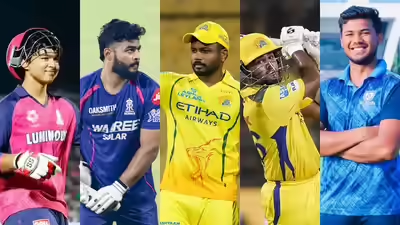
Top 5 players to watch in RR vs CSK clash
Vaibhav Sooryavanshi (15 years old)The Rajasthan Royals opener enters his second IPL season carrying significant expectations after a sensational debut year. At just 14, he scripted history by becoming the youngest centurion in men’s T20 cricket, hammering 101 off 38 balls against Gujarat Titans in IPL 2025. His century came off just 35 deliveries, making it the second-fastest in IPL history. Across seven matches, he piled up 252 runs at a staggering strike rate of 206.55, underlining his fearless approach at the top. Against Chennai Super Kings last season, he scored a brisk 57 off 33 balls, including four sixes and four fours. His explosive powerplay batting makes him a key figure for RR once again.Riyan Parag (24 years old)Riyan Parag begins his first full season as Rajasthan Royals captain following Sanju Samson’s exit, taking charge at his home ground. One of the youngest captains in IPL history, Parag has steadily grown into a central figure for the franchise since his debut in 2019. In IPL 2025, he led the side in eight matches and scored 393 runs, emerging as RR’s second-highest run-getter with a strike rate of 166.52. His breakthrough came in 2024 when he amassed 573 runs in 16 matches at an average of 52.09. Overall, Parag has 1566 runs from 84 games at a strike rate of 141.84. Against CSK, he has scored 122 runs in eight matches, with a highest score of 47.Sanju Samson (31 years old)Sanju Samson will be in the spotlight as he turns out in Chennai Super Kings colours for the first time after being the face of Rajasthan Royals for over a decade. Having played 11 seasons with RR, he remains their all-time leading run-scorer with over 4000 runs. Overall, Samson has accumulated 4704 runs in 177 IPL matches at an average of 30.94 and a strike rate of 139.04, including three centuries and 26 fifties. He comes into the season in excellent touch after a Player-of-the-Tournament performance in the T20 World Cup 2026. His first outing against RR adds emotional weight, making him one of the biggest attractions in this contest.Kartik Sharma (19 years old)Kartik Sharma is a young wicketkeeper-batter, known for his power-hitting abilities. He became the joint-most expensive uncapped Indian player in IPL auction history when Chennai Super Kings signed him for Rs 14.2 crore. After being part of CSK’s wider squad in IPL 2025, he has now broken into the main squad for the 2026 season. If included in the playing XI, Sharma could make his debut, bringing with him the reputation of an aggressive young finisher.Ayush Mhatre (18 years old)Ayush Mhatre, another exciting young talent, enters his second IPL season after making a strong impression in 2025. He scored 240 runs in seven matches at an average of 34.28 and a remarkable strike rate of 188.97, including a high score of 94. Initially unsold at the IPL 2025 auction, Mhatre earned a mid-season call-up to Chennai Super Kings due to an injury to Ruturaj Gaikwad and made an immediate impact. Against Rajasthan Royals, he struck 43 off 20 at a strike rate of 215, showcasing his aggressive batting style.













































You must be logged in to post a comment Login