
Business
Expert Picks for Every Need

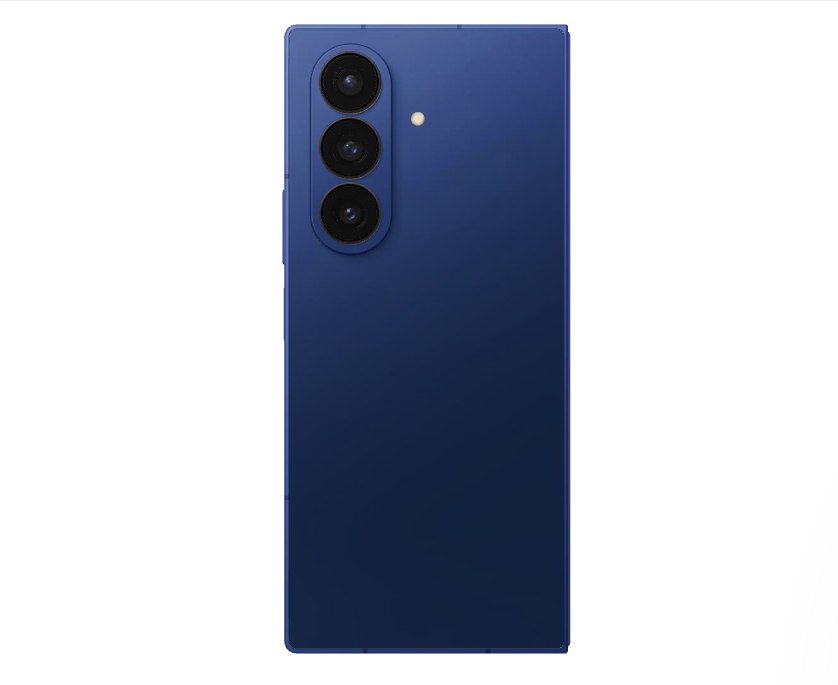
Foldable smartphones have matured dramatically by April 2026, shedding much of their early bulk and fragility to become practical daily drivers with improved durability, battery life and multitasking capabilities. Leading models from Samsung, Google, Motorola and others now compete closely with traditional flagships while offering the unique appeal of a compact device that unfolds into a mini-tablet or stylish flip form factor.
Industry analysts and reviewers from outlets including PCMag, PhoneArena, ZDNet and Wirecutter highlight a clear top tier based on hands-on testing, real-world performance and value. While availability varies by region — with some Chinese brands like Honor and Oppo offering exceptional hardware but limited U.S. support — the following five stand out as the best foldable phones currently on the market.

1. Samsung Galaxy Z Fold 7 — Best Overall Book-Style Foldable
Samsung’s Galaxy Z Fold 7 earns frequent nods as the top foldable for most users thanks to its ultra-slim profile, premium build and polished software experience. Measuring just over 8mm thick when closed and weighing around 215 grams, it feels remarkably close to a conventional flagship yet unfolds into an expansive 8-inch inner display ideal for productivity, media consumption and split-screen multitasking.
The device features a bright 6.5-inch cover screen with 120Hz refresh rate, allowing full app functionality without unfolding. Powered by the Snapdragon 8 Elite for Galaxy processor, it delivers smooth performance across demanding tasks. Cameras have seen meaningful upgrades, with a standout 200-megapixel main sensor producing sharp, vibrant photos that rival non-foldable competitors.
Reviewers praise the refined hinge, improved crease visibility and long software support extending years into the future. Drawbacks include a premium price tag often starting near $1,900 and average battery life that may require midday top-ups for heavy users. Still, its ecosystem integration with Galaxy Watch, Buds and DeX mode makes it a compelling choice for Samsung loyalists and power users alike.
2. Google Pixel 10 Pro Fold — Best for Durability and Cameras
Google’s Pixel 10 Pro Fold stands out for its rugged construction and photography prowess. It boasts a full IP68 dust and water resistance rating — a rarity among foldables — along with enhanced hinge durability and drop protection on the main display. At roughly 258 grams, it feels more substantial than Samsung’s offering but rewards owners with reliable all-day performance.
The Tensor G5 chipset powers intuitive AI features, including real-time call translation, audio magic eraser and Gemini Live integration. Cameras shine with computational photography that delivers natural colors and excellent low-light results, making it a favorite for content creators. The 6.3-inch cover screen and large inner display support seamless multitasking with clean Android 16 software.
Battery life impresses in testing, often outlasting slimmer rivals. Pricing starts around $1,800, positioning it as a strong value for those prioritizing longevity and photography over the absolute thinnest design. Limitations include slightly warmer performance under sustained loads compared to Snapdragon-equipped devices.
3. Motorola Razr Ultra (2025/60 Ultra) — Best Flip-Style Foldable
For users seeking pocketable convenience with flair, the Motorola Razr Ultra delivers one of the most stylish and functional clamshell experiences. Its vertical fold design snaps shut into a compact square, while the generous external display supports full apps, notifications and even quick camera previews.
Equipped with strong battery life that frequently tops competitor flip models, the Razr Ultra handles daily tasks efficiently on its Snapdragon processor. The inner 7-inch display offers smooth 120Hz visuals, and the overall build feels premium with thoughtful details like a titanium hinge option in select variants. Cameras perform adequately for casual use, though they trail book-style models in versatility.
Reviewers highlight its fun factor and practicality for one-handed operation. Starting prices often land in the mid-$1,000 range, making it more accessible than premium book-style foldables. Potential downsides include a smaller unfolded screen compared to tablet-style devices and occasional software quirks in the Motorola skin.
4. Samsung Galaxy Z Flip 7 — Best Compact Flip for Everyday Use
Samsung’s Galaxy Z Flip 7 refines the flip formula with a larger 4.1-inch edge-to-edge cover screen that finally enables meaningful interaction without unfolding. The 6.9-inch inner display provides ample space when needed, while the overall design remains slim and lightweight for easy pocket carry.
Battery improvements help it last through a full day for moderate users, and the Exynos 2500 or Snapdragon variant (depending on region) ensures snappy performance. New DeX support on the Flip adds desktop-like productivity when connected to external displays. Cameras remain solid for social media and quick shots, with the main 50-megapixel sensor delivering reliable results.
Priced starting around $1,100, it offers strong value within the Samsung ecosystem. Critics note it can overheat during intensive multitasking and that battery claims sometimes exceed real-world endurance. Its stylish appeal and improved cover screen functionality make it a top pick for fashion-conscious users or those transitioning from traditional bar phones.
5. Honor Magic V5 — Best Ultra-Thin Alternative for Multitasking
The Honor Magic V5 earns acclaim for its exceptionally slim design, measuring under 9mm folded and around 4.4mm unfolded in some configurations. It targets users who want a near-nonexistent crease and premium feel without Samsung’s ecosystem lock-in.
Featuring a large inner display and capable outer screen, it excels at multitasking with smooth software optimizations. The Snapdragon 8 Elite processor paired with generous RAM handles heavy workloads, while a sizable silicon-carbon battery supports fast charging and extended use. Cameras offer competitive performance, particularly in daylight scenarios.
Availability may require importing in some markets, and software updates could lag behind Google or Samsung. Still, its combination of thinness, battery capacity and vibrant displays positions it as a compelling choice for enthusiasts seeking cutting-edge hardware at potentially competitive pricing.
Buying Considerations in 2026
Foldable phones now address many early criticisms: creases are subtler, hinges more robust and repair programs more widespread. Most top models promise four to seven years of software support, reducing obsolescence concerns. Battery technology has advanced, though heavy multitasking or camera use still drains power faster than slab phones.
Prices remain elevated, with book-style models often exceeding $1,800 and flips starting above $1,000. Trade-in deals, carrier promotions and installment plans can ease the cost. Buyers should consider ecosystem preferences — Samsung for seamless integration, Google for pure Android and AI, Motorola for flip charm.
Durability has improved markedly, but users should invest in quality cases and screen protectors. Coverage for accidental damage varies by manufacturer and carrier.
Regional factors matter: U.S. buyers enjoy broad carrier support for Samsung, Google and Motorola models, while international shoppers may access superior specs from Honor, Oppo, Vivo or Huawei at lower prices, albeit with potential Google service limitations on some devices.
The Future of Foldables
As 2026 progresses, expectations include further refinements such as even lighter builds, under-display cameras that eliminate notches and possible trifold designs from Samsung and others reaching wider markets. Apple’s rumored foldable iPhone could reshape the segment later in the year or in 2027.
For now, the market offers something for nearly every preference: productivity powerhouses, stylish compacts and durable all-rounders. Early adopters who hesitated in previous years will find 2026 models far more refined and reliable.
Consumers weighing a purchase should evaluate their primary needs — screen size for work, portability for travel or camera quality for photography — and test devices in-store when possible. With rapid iteration, waiting for carrier deals or next-generation hints may also pay off.
Foldables represent more than a novelty in 2026; they deliver genuine utility that enhances how many people work, create and consume content on the go. Whether opting for the versatile Galaxy Z Fold 7, the rugged Pixel 10 Pro Fold or a fun flip like the Razr Ultra, buyers are investing in devices that continue to evolve the smartphone experience.


Booking Holdings stock hits 52-week low at 167.77 USD
Under the engagement, Wipro will deliver end-to-end transformation services to Olam Group through a consulting-led and AI-powered approach. The company will leverage its industry expertise, partnerships with leading technology providers, and its Wipro Intelligence platform suite to support the transformation.
The scope of the deal will span Olam Group’s ‘farm-to-fork’ value chain, covering areas such as farming, forecasting, trading, supply chain operations, and customer engagement. The objective is to enhance operational effectiveness, improve resilience, and support long-term growth at scale.
Olam Group, a Singapore-headquartered food and agri-business with a valuation of over $50 billion, employs nearly 40,000 people and is majority owned by Temasek Holdings.
As part of the agreement, Wipro will also acquire Olam Group’s IT and digital services arm, Mindsprint. Upon completion, Mindsprint will become a wholly owned subsidiary of Wipro, subject to regulatory approvals and customary closing conditions. The transaction is expected to be completed by the end of Q1 FY27, that is by, June 2026.

Primarily based in India, Mindsprint has over 3,200 professionals and has been a key enabler of Olam Group’s digital transformation journey. It brings deep domain expertise in the food and agri-business sector, along with strong capabilities in supply chain transformation, digital platforms, and proprietary IP-led solutions.
Its offerings include Farmsprint for plantation management, Procuresprint for AI-enabled procurement transformation, SprintAP for payables transformation, Salessprint for sales operations, and Tradesprint for commodity trading and risk management.Commenting on the development, Olam Group Co-Founder and Group CEO Sunny Verghese said the partnership with Wipro brings together Mindsprint’s sector expertise and Wipro’s global capabilities to drive transformation across the value chain.
Wipro CEO and Managing Director Srini Pallia said the engagement is a key step in expanding the company’s farm-to-fork capabilities and scaling the impact of its AI-led offerings in the food and agri-business segment.
Sensex, Nifty today: Catch all the LIVE stock market action here
(Disclaimer: Recommendations, suggestions, views and opinions given by the experts are their own. These do not represent the views of The Economic Times)

Bosses say a good start to the year has been put at risk, but opportunities have also emerged.

Operator
Good morning, ladies and gentlemen, and welcome to today’s Investcorp Credit Management BDC’s Quarter ended December 31, 2025 Earnings Call. It is now my pleasure to turn the floor over to Andrew Muns, Chief Financial Officer.
Andrew Muns
COO, CFO, Treasurer & Secretary
Thank you, operator. Welcome, everyone, to Investcorp Credit Management BDC’s earnings call for the quarter ended December 31, 2025. I’m joined today by Suhail Shaikh, President and Chief Executive Officer of the company.
I would like to remind everyone that today’s call is being recorded and that this call is the property of Investcorp Credit Management BDC. Any unauthorized broadcast of this call in any form is strictly prohibited. An audio replay of the call will be available on the Investor Relations page of our website at icmbdc.com.
I would also like to call your attention to the safe harbor disclosure in our press release regarding forward-looking information and remind everyone that today’s call may include forward-looking statements and projections. Actual results may differ materially from these projections. We will not update forward-looking statements unless required by law. To obtain copies of our latest SEC filings, please visit the company’s registration statement on the SEC’s EDGAR platform or our Investor Relations page on our website.
The format for today’s call is as follows: Suhail will provide an overall business and portfolio summary, and then I will provide an overview of our results, summarizing the financials. This will be followed by Q&A. Please note that today’s discussion will focus on our financial results. As stated in our press release, we do not intend to comment further regarding

S&P 500 Earnings And A StyleBox Update For March 31, 2026

He highlighted that this is the third consecutive April—2024, 2025, and now 2026—when markets are hovering around similar levels despite earnings growth of nearly 10–12% over the past two years. According to him, this divergence suggests that markets have already undergone a significant correction in terms of valuations, and much of the downside risk appears to be priced in. As a result, he sees every decline from here as a potential buying opportunity.
Maheshwari, however, cautioned that volatility is far from over. With geopolitical tensions capable of triggering sudden market swings, investors should not expect a smooth upward trajectory. Instead, he recommends a disciplined approach to investing—allocating capital in parts rather than all at once. For instance, deploying 10–15% of funds at current levels and adding more on further declines allows investors to navigate uncertainty without trying to perfectly time the market bottom. He also pointed out that valuations, currently at around 17–18 times FY27 earnings, appear reasonable, especially under his assumption that earnings growth could remain flat between FY26 and FY27 due to risks such as rising oil prices. Even with conservative estimates, he sees a fair value zone emerging that supports gradual accumulation.
On the sectoral front, Maheshwari expressed strong confidence in banking stocks, particularly private sector lenders. He noted that these stocks have underperformed over the past two years and are now trading at valuations not seen in four to five years, despite maintaining healthy earnings growth of 12–15%, strong capital positions, and stable asset quality. He attributed the weakness largely to selling pressure from foreign institutional investors (FIIs), who have been reducing exposure to Indian equities. This, he believes, has created an attractive entry point for domestic investors. Alongside banking, he also sees a short-term trading opportunity in the IT sector, where he expects a potential upside of 10–15% over the next three months, though he clearly emphasized that this is a tactical play rather than a long-term investment.
Discussing specific pockets of the market, Maheshwari maintained a positive stance on InterGlobe Aviation, calling current levels favourable for buying. In contrast, he advised caution on retail stocks, suggesting that while existing investors can continue to hold positions, fresh investments may be better directed toward sectors offering more attractive valuations. For those looking to play the consumption theme, he prefers the automobile sector, naming Mahindra & Mahindra as his top pick. At the same time, he urged investors to stay away from high-valuation stocks across the board, stressing that with several sectors now available at reasonable prices, there is little justification for chasing expensive names.
He also flagged certain areas where caution is warranted. In the pharma sector, he recommended a wait-and-watch approach due to potential disruptions from global developments, particularly the possibility of tariffs being discussed by former U.S. President Donald Trump. As for PSU banks, while he acknowledged that recent corrections have made them more attractive, he views them primarily as short-term trading opportunities rather than long-term investment bets, given that their valuations are now comparable to private sector peers.
Overall, Maheshwari’s strategy reflects a balanced and pragmatic outlook. While he acknowledges that markets may continue to swing sharply in the near term, he believes the broader correction has already played out. His core message to investors is simple yet effective: avoid trying to predict the exact bottom, focus on fundamentally strong yet undervalued sectors like banking, participate selectively in tactical opportunities such as IT, and most importantly, build positions gradually. In a market defined by uncertainty, he suggests that consistency and discipline, rather than aggressive timing, will ultimately drive better outcomes.

Thailand will increase retail diesel prices starting April 5, reducing subsidies for B7 and B20 grades, resulting in prices exceeding 50 baht per litre to align with market conditions.
Key Points
- Starting April 5, Thailand will raise retail diesel prices due to the Oil Fuel Fund Management Committee’s decision to reduce subsidies on diesel grades. The B7 price will exceed 50 baht per litre, increasing transport and living costs.
- The subsidy for diesel B7 will decrease by 2.61 baht per litre, from 20.71 baht to 18.10 baht. Similarly, the subsidy for diesel B20 will drop from 22.22 baht to 19.61 baht per litre.
- As a result, the retail prices will rise by 2.80 baht per litre: B7 from 47.74 to 50.54 baht, and B20 from 42.75 to 45.54 baht. This adjustment aims to align prices with market conditions and alleviate pressure on the Oil Fuel Fund.
Price Increase Announcement
Thailand is set to increase retail diesel prices starting April 5 due to a decision by the Oil Fuel Fund Management Committee to reduce subsidies on essential diesel grades. The retail price of diesel B7 is expected to rise above 50 baht per litre, thereby exerting new pressure on both transport and living costs in the country. This decision comes amid ongoing economic challenges, with the aim of aligning fuel prices more closely with current market conditions while also managing the finances of the Oil Fuel Fund.
Subsidy Reductions for Diesel Grades
The committee has announced a 2.61 baht per litre reduction in subsidies for both diesel B7 and diesel B20. Specifically, the subsidy for diesel B7 is being reduced from 20.71 baht to 18.10 baht per litre, while the subsidy for diesel B20 will decrease from 22.22 baht to 19.61 baht per litre. Consequently, the retail price of diesel B7 will increase by 2.80 baht per litre, resulting in a new price of 50.54 baht per litre. Similarly, diesel B20 will see an increase leading to a new price of 45.54 baht per litre. These new pricing adjustments will take effect on April 5, highlighting the government’s efforts to stabilize the Oil Fuel Fund.
Financial Implications of the Decision
The rationale behind this decision is to ensure the liquidity of the Oil Fuel Fund, which has been severely tested due to ongoing subsidies amidst fluctuating market conditions. The anticipated subsidy reductions are projected to decrease the fund’s daily outflow from 1.70875 billion baht to 1.49672 billion baht, yielding a savings of approximately 212.03 million baht daily. The adjustments in diesel pricing and subsidy levels reflect a broader strategy to navigate the economic landscape while maintaining service levels and safeguarding the fund against significant financial strain.
Other People are Reading

Baidu: Pivoting To AI Infrastructure, Robotaxis, And Embodied Robotics At A Discount


North Korea working on carbon-fibre ICBM for multi-warhead delivery, Seoul says
Business
Samsung to Discontinue Messages App in July 2026, Urges Galaxy Users to Switch to Google Messages
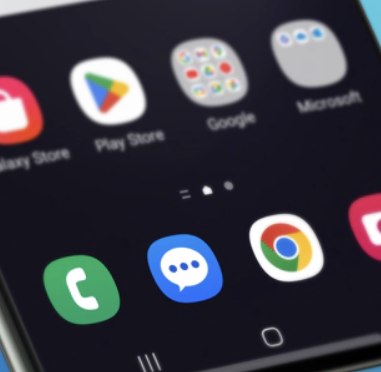
Samsung Electronics will discontinue its long-running Samsung Messages app in July 2026, officially ending support for the native messaging application on Galaxy devices and directing millions of users to adopt Google Messages as the default SMS and RCS platform.

The South Korean tech giant posted an “End of Service Announcement” on its U.S. website, confirming that the Samsung Messages application will cease operations in July 2026. Users still relying on the app are encouraged to switch to Google Messages immediately to ensure uninterrupted texting, with Samsung providing guided transition instructions within the app.
The move marks the culmination of a years-long shift by Samsung toward Google’s messaging ecosystem. Starting with the Galaxy S21 series in 2021, the company began promoting Google Messages as the default on many devices. Newer models, including the Galaxy S25 and S26 series, ship with Google Messages pre-installed as the primary app, and the S26 lineup skipped Samsung Messages entirely. The July 2026 cutoff will remove the app from the Galaxy Store and Google Play Store, preventing new downloads.
Devices running Android 11 or older remain unaffected, but users on Android 12 and newer will lose the ability to send or receive standard SMS and MMS messages through Samsung Messages after the discontinuation date, except for emergency service numbers or predefined emergency contacts. Samsung has not yet specified the exact day in July, advising users to check the app for precise timing.
The decision aligns Samsung more closely with Google’s broader Android strategy, particularly around Rich Communication Services, or RCS. Google Messages offers enhanced RCS features, including high-quality media sharing, typing indicators, read receipts, reactions and improved end-to-end encryption in supported chats. The app also integrates Gemini AI tools for smarter replies and scam detection, features that Samsung Messages lagged in updating.
Industry analysts view the change as practical for both companies. By ceding messaging responsibilities to Google, Samsung can focus engineering resources on hardware innovation, One UI customization and other core Galaxy experiences. For Google, the shift standardizes RCS across more Android devices, especially important after Apple enabled RCS support in iMessage, improving cross-platform texting between Android and iPhone users.
Samsung has assured users that data migration will be seamless during the switch. Conversations, contacts and message history should transfer without loss when setting Google Messages as the default. To make the change, users can open Google Messages, tap the prompt to set it as the default SMS app, or navigate through Settings > Apps > Choose default apps > SMS app on their Galaxy device.
Some users have expressed nostalgia for Samsung Messages, praising its cleaner integration with One UI themes, quick reply options and occasional exclusive features. Online forums buzzed with mixed reactions, with some lamenting the loss of a Samsung-branded experience while others welcomed the consistency and faster feature rollout from Google. A common complaint in recent years was that Samsung Messages stopped receiving major RCS updates on certain carriers, pushing users toward Google’s app anyway.
The transition comes at a pivotal time for mobile messaging. With RCS now bridging the gap between Android and iOS, Google Messages serves as a more universal platform. Features like satellite-based texting, already hinted at in Google’s roadmap, could further enhance reliability in areas with poor cellular coverage. Samsung’s move ensures its vast Galaxy user base — hundreds of millions worldwide — benefits from these advancements without fragmentation.
For existing Samsung Messages users, the company recommends acting soon to avoid any disruption. After July 2026, the app will no longer function for regular messaging on supported devices. Samsung has begun displaying in-app notifications and on-screen prompts guiding users through the switch, including step-by-step instructions and links to download Google Messages if needed.
The change primarily affects the U.S. market in the initial announcement, though similar shifts are expected in other regions as Samsung harmonizes its global software strategy. Carriers have largely embraced Google Messages for RCS certification, simplifying backend support and reducing compatibility issues that sometimes arose with dual messaging apps.
Privacy and security considerations also factor into the decision. Google Messages benefits from Google’s extensive infrastructure for spam filtering, phishing protection and regular security updates. The app’s integration with Google’s ecosystem allows features like message syncing across Android phones, tablets and even web access via messages.google.com.
Samsung emphasized that the discontinuation does not impact other core Galaxy apps or services. Users can continue enjoying One UI features, Bixby routines and device-specific customizations. The company will maintain support for emergency messaging capabilities during the wind-down period.
Tech observers note this fits a broader industry pattern of OEMs streamlining software to reduce maintenance overhead. Similar moves have occurred with other pre-installed apps as manufacturers partner more deeply with Google for core Android experiences. For Samsung, the focus remains on hardware leadership, foldables, AI enhancements like Galaxy AI and ecosystem integration with wearables and smart home devices.
As the July deadline approaches, Samsung is expected to ramp up awareness campaigns, possibly through Galaxy Store notifications, email alerts to registered users and support articles. Community forums and social media will likely see increased guides on backing up messages and troubleshooting any temporary RCS hiccups during the switch.
For most users, the change should feel incremental rather than disruptive. Many Galaxy owners already use Google Messages as default, especially on recent flagships. Those who preferred Samsung Messages can prepare by exporting any unique settings or themes before the cutoff.
The announcement underscores the maturing Android ecosystem, where collaboration with Google on foundational services allows manufacturers like Samsung to deliver polished, feature-rich devices without reinventing every wheel. Google Messages, with its cross-device continuity and rapid iteration, now becomes the unified messaging hub for Galaxy smartphones.
Users with questions can visit Samsung’s support pages or the official Samsung Messages announcement site for detailed migration steps. Google also offers comprehensive help resources for setting up RCS chats and optimizing the app experience.
In an era of rapid technological change, Samsung’s decision to retire its Messages app reflects a pragmatic choice: prioritize user experience through standardization while freeing internal teams to innovate elsewhere. As July 2026 nears, Galaxy users have ample time to make the switch and enjoy an upgraded, future-proof messaging platform.
The move is expected to affect a significant portion of Samsung’s user base still on older devices or those who manually installed Samsung Messages. With roughly 12 weeks remaining from early April announcements, the company urges proactive migration to prevent any last-minute issues.
Overall, the transition promises a more consistent Android messaging experience across devices and carriers, benefiting everyday users with richer features and better interoperability in a multi-platform world.
How to Switch to Google Messages on Galaxy Devices:
- Download or open Google Messages from the Google Play Store.
- Tap “Set as default” when prompted.
- Alternatively, go to Settings > Apps > Default apps > SMS app and select Google Messages.
- Enable RCS chat features in Google Messages settings for enhanced functionality.
For the latest updates, check Samsung’s official announcement page or Google’s Messages support resources. The change does not affect users on very old Android versions.

Anthropic Says One of Its Claude Models Was Pressured to Lie and Cheat
Chiefs Heiress Gracie Hunt Is Engaged to Boyfriend Derek Green

Northern Echo’s Best Restaurant 2026 top ten finalists revealed


-

 NewsBeat3 days ago
Steven Gerrard disagrees with Gary Neville over ‘shock’ Chelsea and Arsenal claim | Football
-

 Business3 days ago
No Jackpot Winner and $194 Million Prize Rolls Over
-

 Fashion3 days ago
Weekend Open Thread: Spanx – Corporette.com
-
Entertainment7 days ago
Fans slam 'heartbreaking' Barbie Dream Fest convention debacle with 'cardboard cutout' experience
-

 Crypto World4 days ago
Gold Price Prediction: Worst Month in 17 Years fo Save Haven Rock
-

 Business7 hours ago
Three Gulf funds agree to back Paramount’s $81 billion takeover of Warner, WSJ reports
-
Crypto World6 days ago
Dems press CFTC, ethics board on prediction-market insider trades
-

 Sports1 day ago
India men’s 4x400m and mixed 4x100m relay teams register big progress | Other Sports News
-

 Business4 days ago
Login and Checkout Issues Spark Merchant Frustration
-

 Tech7 days ago
Apple will hide your email address from apps and websites, but not cops
-

 Tech6 days ago
EE TV is using AI to help you find something to watch
-

 Sports6 days ago
Tallest college basketball player ever, standing at 7-foot-9, entering transfer portal
-

 Politics6 days ago
Should Trump Be Scared Strait?
-

 Tech6 days ago
Flipsnack and the shift toward motion-first business content with living visuals
-
Tech6 days ago
Daily Deal: StackSkills Premium Annual Pass
-

 Fashion7 days ago
The Best Spring Trends of 2026
-

 Crypto World6 days ago
U.S. rule change may open trillions in 401(k) funds to crypto
-

 Sports6 days ago
Women’s hockey camp eyes fitness boost, tactics ahead of WC 2026 campaign | Other Sports News
-

 Tech6 days ago
How to back up your iPhone & iPad to your Mac before something goes wrong
-

 Politics7 days ago
BBC slammed for ignoring author of The Fraud
You must be logged in to post a comment Login