
Business
Expert Picks for Picture Quality, Gaming and Value

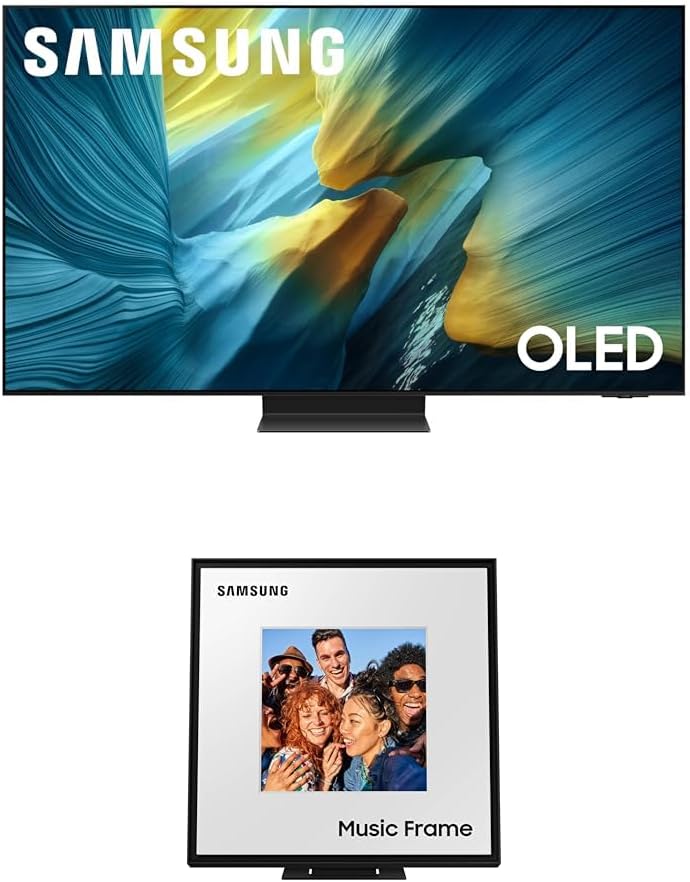
As screen sizes continue to grow in popularity for home entertainment, 70-inch TVs offer an ideal balance of immersive viewing and manageable footprint for most living rooms. While exact 70-inch models remain limited—often budget-oriented—shoppers frequently turn to the closely related 75-inch and 77-inch classes, where premium technologies like OLED, QD-OLED and advanced Mini-LED dominate 2026 recommendations.
Experts from RTINGS.com, CNET, PCMag, TechRadar and Consumer Reports highlight a mix of high-end performers and value-driven options. True 70-inch sets tend to be entry-level LED models from brands like Samsung, LG and Hisense, but the best overall experiences come from stepping up to 75- or 77-inch versions for superior brightness, contrast and features.
Here are the top five recommendations for large-screen TVs in the 70-inch category for 2026, based on recent lab tests, real-world performance and current availability.

1. **Samsung S95F QD-OLED (77-inch)** — Best Overall Premium Pick
Samsung’s flagship QD-OLED series leads RTINGS.com’s rankings for 70-75-77 inch TVs in 2026. The 77-inch S95F delivers exceptional image quality with vibrant colors, near-infinite contrast and peak brightness that outperforms traditional OLEDs in bright rooms. It supports HDR10+, Dolby Vision (via updates in some regions) and boasts low input lag for gaming at up to 165Hz.
Reviewers praise its anti-reflective coating and wide viewing angles, making it ideal for family movie nights or sports viewing. Priced as a premium option, it excels in color volume and accuracy, earning top marks for HDR performance. Available in 77-inch (closest to 70-inch premium), it’s a standout for those prioritizing cinematic quality over exact size matching.
2. **LG G5 OLED (77-inch or 75-inch variants)** — Best for Color Accuracy and Versatility
CNET awarded the LG G5 its first Labs Award for Best Color Accuracy in 2026, calling it a “massive improvement” over predecessors. This OLED model shines with pixel-perfect blacks, excellent upscaling and support for Dolby Vision, HDR10 and HLG. It offers strong gaming features, including four HDMI 2.1 ports, 120Hz (up to 165Hz in some modes) and VRR.
Available in 77-inch for OLED purists and select 75-inch configurations, the G5 handles bright environments better than prior generations while maintaining OLED’s signature contrast. TechRadar and PCMag note its value in the high-end segment, especially for mixed-use—movies, gaming and streaming.
3. **TCL QM8K / QM7K Mini-LED (75-inch)** — Best Mid-Range Value
TCL’s Mini-LED lineup, particularly the 75QM8K, tops mid-range charts on RTINGS.com and appears in multiple “best 75-inch” lists. With thousands of local dimming zones, it achieves high brightness for HDR content and impressive contrast for an LCD-based TV. Google TV integration provides a smooth smart platform, plus 144Hz refresh rates for gaming.
The QM7K variant offers similar performance at a lower price point, making it a strong contender for budget-conscious buyers seeking big-screen impact. CNET and Business Insider highlight TCL’s affordability without major sacrifices in picture quality, positioning these as go-to options for sports enthusiasts and casual viewers.
4. **Hisense U8QG / U65QF Mini-LED (75-inch)** — Best Budget Bright-Room Performer
Hisense continues its rise with models like the 75U8QG, praised by PCMag and TechRadar for bold brightness and solid gaming credentials. Mini-LED backlighting delivers deep blacks and vivid colors, with support for Dolby Vision and high refresh rates. It’s particularly strong in well-lit rooms, where many OLEDs struggle.
The U65QF series earns “best budget” nods from PCMag for larger sizes, offering excellent value under $1,500 in some configurations. Consumer Reports includes Hisense in top-performing big-screen lists, citing great HDR and sound quality that reduces the need for external audio setups.
5. **Samsung S90F QD-OLED (77-inch)** — Best Balanced Mid-to-High End
Business Insider and CNET name the Samsung S90F as a top overall pick, blending QD-OLED excellence with relative affordability compared to flagships. It features wide color gamut, low reflection and gaming perks like 4K at 144Hz. The 77-inch version provides immersive scale with minimal compromises on contrast or motion handling.
Reviewers appreciate its lightweight design and easy setup, making it practical for wall mounting. It serves as a strong alternative to the S95F for those wanting premium OLED without the absolute top-tier price.
Key considerations for 2026 buyers include panel type: OLED excels in dark-room contrast and perfect blacks, while Mini-LED/QLED offers superior brightness for daytime viewing. Gaming features like HDMI 2.1, VRR and low latency matter for consoles, and smart platforms (webOS, Google TV, Tizen) affect usability.
Prices fluctuate with promotions, but 75-77 inch premiums range from $1,000-$3,000+, with budget LEDs closer to $800-$1,200. Availability favors 75-inch for LED/Mini-LED and 77-inch for OLED due to manufacturing standards.
As CES 2026 innovations like tandem OLED and RGB Mini-LED roll out, these models represent the current cream of the crop. Shoppers should check retailer deals and read hands-on reviews for the latest firmware updates enhancing performance.
Whether prioritizing cinema-grade blacks, blazing HDR brightness or wallet-friendly size, these five stand out in 2026’s competitive large-screen market.
Disclosure: This post contains affiliate links. We may receive a commission for purchases made through these links at no additional cost to you.

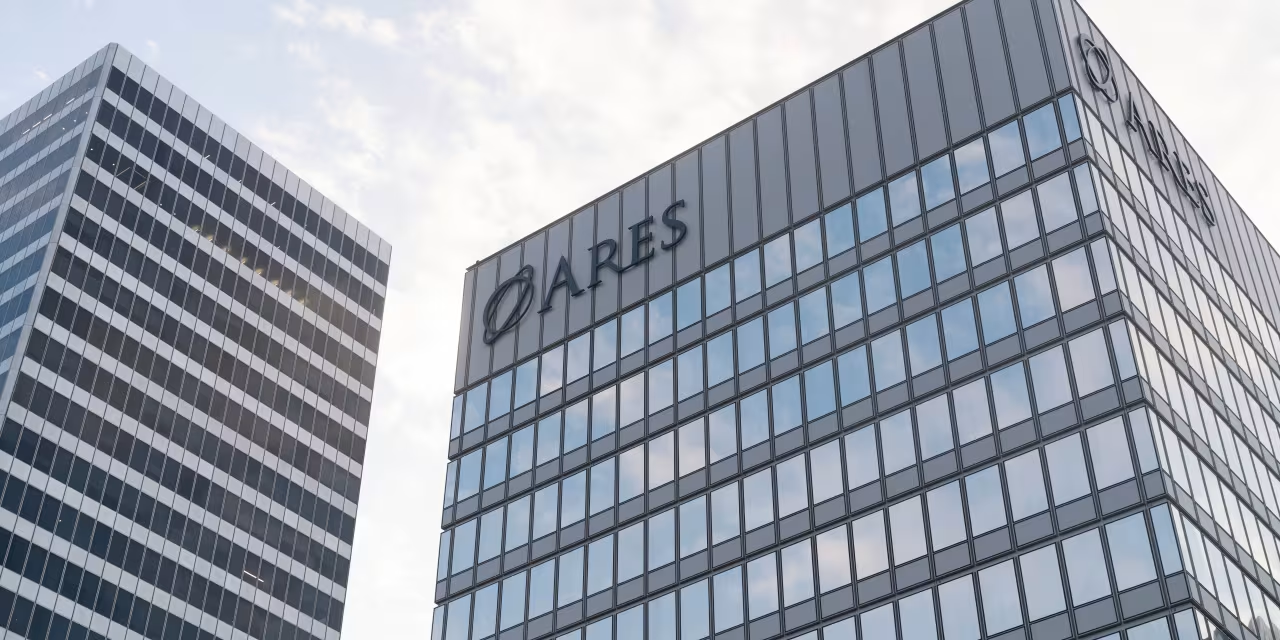
Ares Caps Redemptions as Private Credit Pressures Build
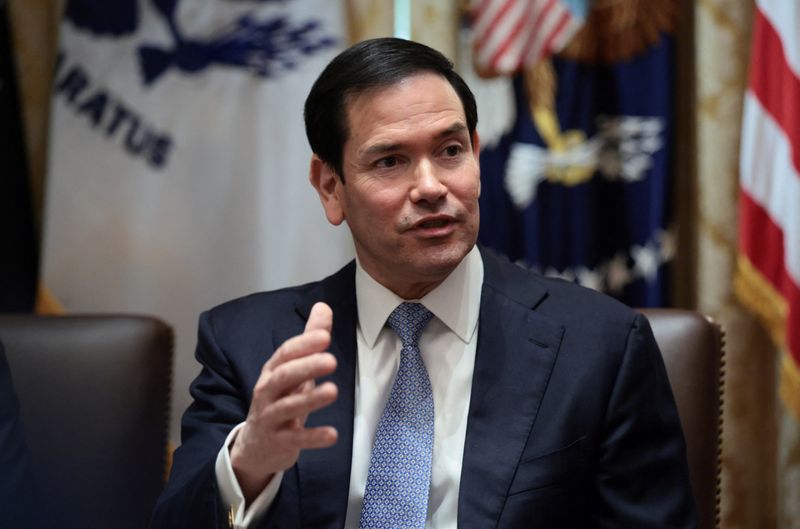

Rubio holds call with Iraqi Kurdish leader, State Department says
Asia stocks fall as Iran uncertainty persists; S.Korea battered by chip losses
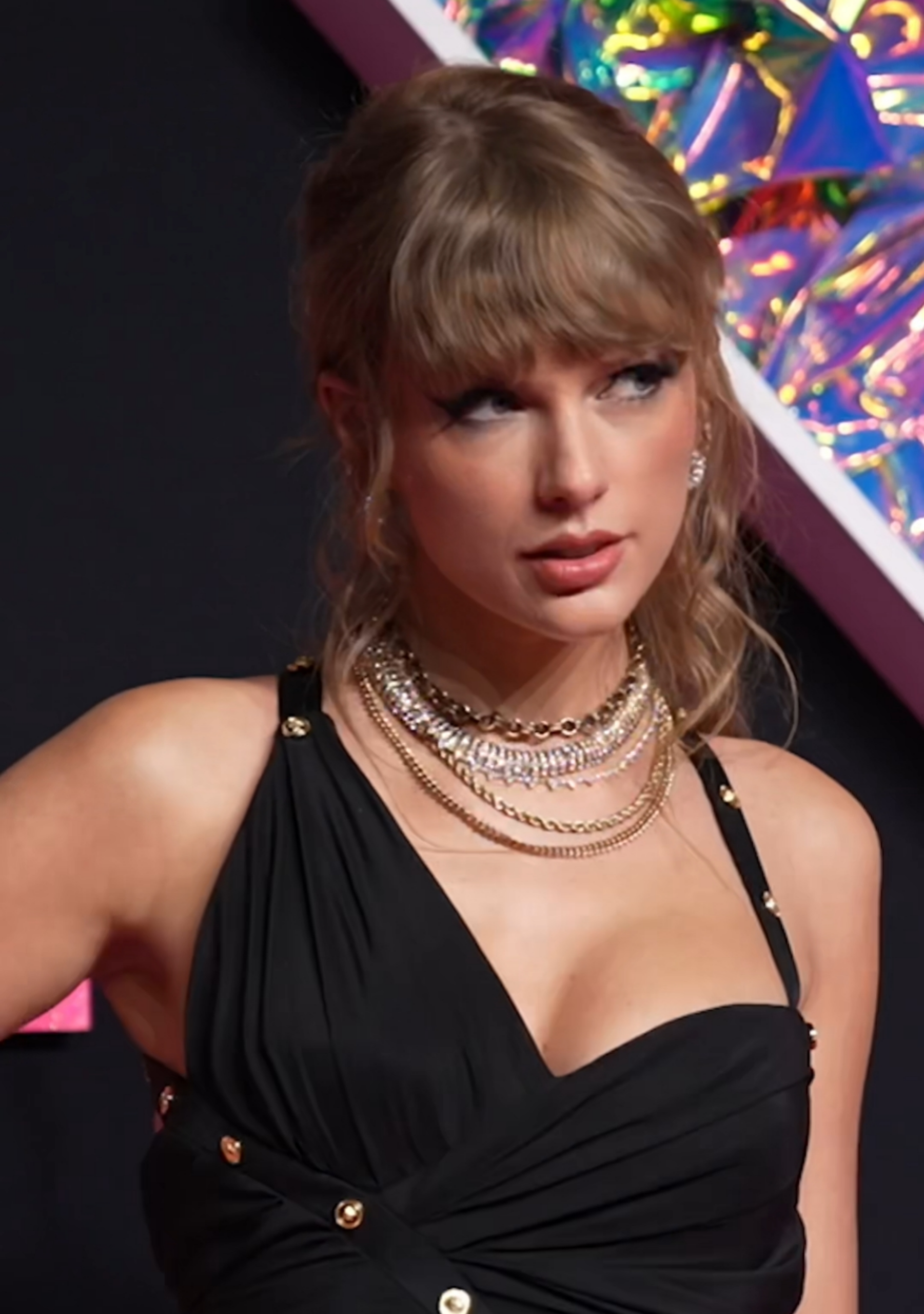
Taylor Swift Dominates 2026 iHeartRadio Music Awards with 7 WinsTaylor Swift emerged as the big winner at the 2026 iHeartRadio Music Awards, taking home seven trophies including Artist of the Year and Pop Artist of the Year on Thursday night at the Dolby Theatre.

The 13th annual ceremony, broadcast live on FOX from Los Angeles, celebrated the most-played artists and songs on iHeartRadio stations and the app over the past year. Ludacris hosted the event and received the Landmark Award for his pioneering contributions to hip-hop and culture. Miley Cyrus accepted the Innovator Award, while John Mellencamp was honored with the Icon Award.
Swift, who led nominations with nine nods, swept several top categories. She won Artist of the Year over contenders including Bad Bunny, Sabrina Carpenter, Benson Boone and others. In the Pop Artist of the Year race, Swift beat out Alex Warren, Benson Boone, Sabrina Carpenter and Tate McRae. Her track “The Fate of Ophelia” also claimed Song of the Year and Pop Song of the Year honors.
“Ordinary” by Alex Warren won Song of the Year in some fan-voted or secondary lists, but Swift’s dominance in major categories underscored her continued chart and streaming power. Warren, recognized as Breakthrough Artist, also picked up Best New Pop Artist. Linkin Park won Rock Song of the Year for “Heavy Is the Crown” and Rock Artist of the Year.
The night featured high-energy performances that blended genres. Alex Warren, Lainey Wilson, Ludacris, RAYE, Kehlani and John Mellencamp took the stage. A standout moment came when TLC, Salt-N-Pepa and En Vogue performed together for the first time, delivering a medley of their classic hits that brought the audience to its feet.
Special appearances included Alysa Liu, Ne-Yo, Nicole Scherzinger, Nikki Glaser, sombr, Weezer and Swift herself. Cyrus’ acceptance of the Innovator Award highlighted her evolution from Disney star to cultural force, noting her advocacy for homeless and at-risk youth through the Miley Cyrus Foundation and Happy Hippie.
Ludacris, accepting the Landmark Award while hosting, reflected on his decades-spanning career that includes multi-platinum albums, Grammy wins and acting roles in franchises like “Fast & Furious.” His presence added a lively, crowd-pleasing energy to the proceedings.
Taylor Swift and Travis Kelce made their first joint awards show appearance as a couple, drawing cheers from the star-studded crowd. The pair’s red carpet moment fueled social media buzz throughout the evening.
Other notable wins included Pop Album of the Year for Swift’s “Showgirl,” described in acceptance remarks as feeling “happy, confident and free.” Duo/Group of the Year went to HUNTR/X featuring EJAE, Audrey Nuna and Rei Ami in some categories, while rock honors favored Linkin Park and Shinedown contenders.
Fan-voted categories added interactivity, covering everything from Favorite TikTok Dance to Best Music Video and K-pop collaborations. Emerging acts like Cortis took home Best New Artist (K-pop) honors, signaling the show’s embrace of global sounds.
The iHeartRadio Music Awards, now in its 13th year, base many wins on airplay, streaming and listener data from iHeartMedia platforms. This year’s event balanced established superstars with rising talents, from Warren’s breakout success to veteran tributes.
Industry observers noted Swift’s seven wins push her total iHeartRadio Music Awards victories even higher, cementing her as one of the most decorated artists in the show’s history. Her ability to dominate both critical and commercial metrics continues to set benchmarks in the streaming era.
Performances captured the evening’s genre-spanning spirit. Lainey Wilson brought country flair, while RAYE and Kehlani delivered soulful and pop-leaning sets. Mellencamp’s Icon Award segment paid homage to his rock roots with a heartfelt performance that resonated with longtime fans.
Red carpet fashion trended toward bold statements, with attendees mixing high-glam looks and personal styles. Social media lit up with reactions to Swift and Kelce’s appearance, Cyrus’ emotional speech and the historic girl group collaboration.
Behind the scenes, the production at the Dolby Theatre — home to the Oscars — featured sleek staging and seamless transitions between awards and musical numbers. FOX’s broadcast reached millions, with additional streaming on the iHeartRadio app.
As the music industry navigates evolving consumption habits, the 2026 awards highlighted the power of fan engagement. Categories determined partly by listener votes underscored iHeartRadio’s direct connection to audiences.
Swift’s “The Fate of Ophelia” emerged as a critical and commercial highlight of her recent output, blending introspective lyrics with infectious melodies that dominated radio and playlists. Her repeated wins reflect sustained popularity even amid a crowded field of pop contenders.
Warren’s multiple mentions, including wins for “Ordinary,” signal a new wave of pop artists gaining traction through authentic storytelling and viral moments. His Breakthrough Artist recognition marks a career milestone following rapid rise.
In rock, Linkin Park’s return to form with “Heavy Is the Crown” resonated strongly, earning song and artist honors in the genre and demonstrating the category’s enduring appeal.
The ceremony also spotlighted hip-hop legacy through Ludacris’ honor and performances, bridging generations alongside R&B and pop acts.
Looking ahead, the awards preview 2026 releases while honoring 2025’s biggest hits. Organizers emphasized the show’s role in amplifying music discovery across platforms.
Swift closed strong segments with gracious acceptance speeches, thanking fans for their ongoing support. “This means everything coming from the people who play the music every day,” she said in one clip shared widely online.
The night wrapped with celebratory energy, as winners posed with trophies and performers mingled backstage. Full winners lists quickly circulated on iHeartRadio’s site and social channels, driving further engagement.
With stars like Swift, Cyrus, Mellencamp and Ludacris at the center, the 2026 iHeartRadio Music Awards reaffirmed music’s unifying power. From chart-topping pop anthems to rock anthems and genre-crossing collaborations, the event captured the vibrant state of the industry.
As fans relive highlights through clips and replays, the conversation shifts to what’s next for these artists. Swift’s dominance sets high expectations for future projects, while breakthroughs like Warren point to fresh voices ready to shape the next chapter.
The Dolby Theatre glowed under lights as the ceremony concluded, leaving audiences energized and already anticipating the 2027 show. For now, Taylor Swift’s seven-win night stands as the defining story of 2026’s biggest music celebration on iHeartRadio.
Business
Oil Price Today (March 27): Crude oil slips marginally, holds above $100 as Donald Trump pauses Iran energy strikes for 10 days. What lies ahead?

The decline follows a sharp rally in the previous session, when Brent surged 5.7% and WTI climbed 4.6% on rising concerns over further escalation. Despite the strong gains, trading activity in the front-month Brent contract remained subdued, with volumes hitting their lowest level since February 27, just ahead of the United States and Israel initiating strikes on Iran.
Crude oil price on March 27
Brent futures declined 90 cents, or 0.8%, to $107.11 per barrel at 0024 GMT, while U.S. West Texas Intermediate (WTI) fell 83 cents, or 0.88%, to $93.65 per barrel, giving up part of the gains seen in the previous session.Despite the recent surge, Brent is set for its first weekly decline in six weeks, while WTI is on track for a second straight weekly loss, as Trump continued to highlight the possibility of a resolution to the war.

In a post on Truth Social on Thursday, Trump said, “As per Iranian Government request … I am pausing the period of Energy Plant destruction by 10 Days to Monday, April 6, 2026, at 8 P.M., Eastern Time.”
Meanwhile, the Pentagon is preparing to deploy thousands of troops from the U.S. Army’s 82nd Airborne Division to the Middle East, according to two sources cited by Reuters, signalling a continued military buildup even as diplomatic efforts are underway.
Iran has outlined a set of conditions for ending the conflict, stating that the first requirement is a complete halt to attacks and assassinations. It has called for firm guarantees to prevent any recurrence of war, along with a clear mechanism to assess and ensure compensation for war-related damages. Tehran also emphasised that hostilities must end not only against Iran but also against resistance groups across the region.
The conflict has severely disrupted flows through the Strait of Hormuz, which typically handles about one-fifth of global crude oil and LNG shipments. International Energy Agency chief Fatih Birol described the situation as more severe than the oil shocks of the 1970s combined with the gas market impact of the Russia-Ukraine war.
What’s next?
International brokerage Macquarie has said that even if tensions ease in the near term, oil prices are likely to find support in the $85–$90 range, with a gradual move back toward $110 until normal flows through the Strait of Hormuz resume. The note added that if disruptions persist through April, Brent could still climb to $150 per barrel.
Looking ahead, crude prices could move higher from current levels. According to Kayanat Chainwala of Kotak Securities, oil may rise to $120 per barrel in the near term and potentially touch $150 if the conflict continues.
Nuvama Institutional Equities echoes the same view. The continued closure of the Strait of Hormuz, which handles around 20 million barrels per day, could push crude prices to the $110–150 per barrel range.
(Disclaimer: Recommendations, suggestions, views and opinions given by the experts are their own. These do not represent the views of The Economic Times)

There is a quiet recalibration happening in the relationship between brands and the people they are trying to reach. It is not loud or sudden.
It is accumulating in the background of every overcrowded inbox, every AI-assembled content feed, and every brand interaction that feels technically correct but humanly hollow. As observed by Clickout Media, the real shift is not just in how content is produced, but in how it is judged.
Audiences are getting better at sensing when something was made for them versus made at them. The volume of the latter, accelerated by AI production tools, is sharpening that instinct.
The result is a market where trust has become the most consequential variable in marketing performance, and where the methods for building it are increasingly distinct from those that merely simulate it.
The Credibility Gap AI Cannot Bridge
AI can produce content that is accurate, well-structured, appropriately toned, and strategically distributed. What it cannot produce is the underlying credibility that makes an audience predisposed to believe what they are reading.
That credibility is built over time through consistency, earned media placements, expert voices with demonstrated knowledge, and brand behaviour that aligns with communication. These are long-cycle investments. They do not appear immediately in performance reports, but they increasingly determine whether AI-assisted marketing converts or simply contributes to noise.
Earned Media Carries a Signal That Paid Cannot Replicate
A mention in a respected publication carries a different weight than a sponsored placement in the same outlet. Audiences understand that editorial coverage represents a decision made independently of the brand. That signal of third-party validation is one of the few credibility shortcuts that cannot be commoditised.
In an environment saturated with paid and generated content, the scarcity and value of earned coverage is increasing. Brands that have invested in building a profile that attracts editorial attention are holding an asset that compounds as the content landscape becomes more crowded.
What Industry Experts Are Seeing
Neil Roarty, spokesperson for Clickout Media, describes the dynamic clearly: “The trust economy is not a concept. It is what is determining outcomes. In Web3, finance, and tech, the brands converting audiences are the ones that have built credibility over time. AI has made it easier to reach people. It has not made it easier to be believed by them.”
This reframes the AI conversation in marketing away from capability and towards credibility capital. This form of capital takes time to build, resists imitation, and compounds in ways that technology alone cannot.
AI should be understood as a distribution and efficiency layer built on top of a credibility foundation. Without that foundation, increased efficiency does not translate into meaningful results.
Where the Trust Economy Is Playing Out in Real Time
Thought Leadership Is Separating Into Two Distinct Tiers
There is a growing divide between thought leadership that genuinely informs and thought leadership that simply follows a format. Content grounded in real expertise and original insight is commanding attention. Content that is generic or easily replicable is being filtered out more aggressively. The gap between these two is widening.
Community Trust Is Becoming a Measurable Asset
Engaged communities are becoming quantifiable assets. AI-driven analytics can now distinguish authentic engagement from inflated metrics, shifting investment towards brands with real relationships rather than superficial reach. This is especially pronounced in sectors like Web3, where community has always been central to value.
Influencer Authenticity Is Under Greater Scrutiny
Advanced audience analysis tools are making it easier to detect inauthentic endorsements. As a result, brands are shifting towards fewer, more credible influencer partnerships. Trust is only transferable when it is genuine, and audiences are increasingly able to recognise when it is not.
The Long Game on Search Is Changing
AI-powered search is prioritising entities with verifiable authority rather than isolated pieces of optimised content. Building that authority requires sustained investment in content depth, earned media, and consistent visibility in credible outlets. Brands that have made those investments are seeing more stable performance.
FAQ
How does earned media contribute to AI-era marketing performance?
It provides credibility signals that AI-generated content cannot replicate. Independent editorial validation increases trust and influences how audiences interpret all other brand communication.
Can AI assist in building trust, or only in distributing content?
AI can improve how effectively credible content is distributed and matched to the right audiences. However, the substance of trust must already exist. AI amplifies credibility; it does not create it.
Why is trust particularly important in sectors like Web3 and finance?
These are high-stakes categories where decisions carry real consequences. Audiences are more sceptical and better informed. Marketing that lacks credibility does not just underperform, it can damage brand perception.
What is the most common mistake brands make when trying to build credibility quickly?
Confusing visibility with credibility. High output and paid reach can create awareness, but not trust. Credibility is built through expertise, consistency, and third-party validation over time.
Conclusion
The trust economy is not a reaction against AI. It is a consequence of it. As content volume increases, the value of what cannot be generated increases alongside it. This includes expertise, earned media, authentic relationships, and brand credibility.
The marketing organisations defining this era are those that understand AI as a tool for amplifying trust, not replacing the work required to build it.
Clickout Media is a PR and marketing agency specialising in Web3, finance, and tech, securing top-tier media placements, building editorial relationships, and connecting brands with audiences in ways that drive measurable growth.


Seeking Alpha’s transcripts team is responsible for the development of all of our transcript-related projects. We currently publish thousands of quarterly earnings calls per quarter on our site and are continuing to grow and expand our coverage. The purpose of this profile is to allow us to share with our readers new transcript-related developments. Thanks, SA Transcripts Team
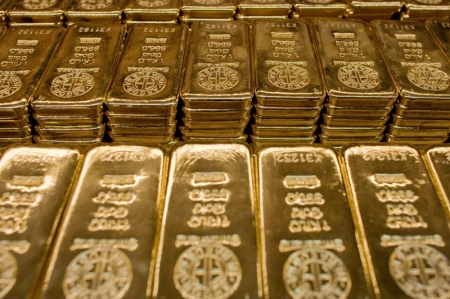
Gold prices rise as Trump signals progress in Iran talks; set for weekly loss

Wikipedia is now enforcing a strict no AI-generated content policy on the free internet-based encyclopedia platform.
This means Wikipedia will ban all AI-generated write-ups that editors submit to the website when they edit information or add a new entry. This applies to both new content and the use of AI to rewrite an already existing page on the website.
Wikipedia Says No to Generative AI Write-ups
Wikipedia recently shared an update on its previous policy change that further clarifies the platform’s stance on the use of generative AI. According to the update, the platform is saying no to the use of large language models (LLMs) to generate the write-ups that are submitted to the website for publishing on its community-sourced pages.
According to TechCrunch, this new update from the website clarifies the policy that the company released previously, which had vague language. Contributors found a loophole to use generative AI in updating previous entries as it only prohibited creating “new Wikipedia articles from scratch.”
In this policy update, Wikipedia makes it clear that the use of large language models to “generate or rewrite article content” on the website is prohibited.
Human-Made Content Only on Wikipedia
Wikipedia’s policy change, however, only affects the write-ups that editors submit to the website for publishing. It was noted by TechCrunch that Wikipedia’s AI policy gives editors a pass to use generative AI platforms or LLMs for “basic” copyediting of the work they are to submit.
Users are permitted to use AI platforms in copyediting their write-ups after editors perform a human review on the articles. However, Wikipedia then clarifies that these works are permitted provided that these LLMs do not add generated content during the editing process.
Wikipedia asks editors to take caution with the use of LLMs for copyediting to help in the content they submit to the platform.
Originally published on Tech Times
Check out what’s clicking on FoxBusiness.com.
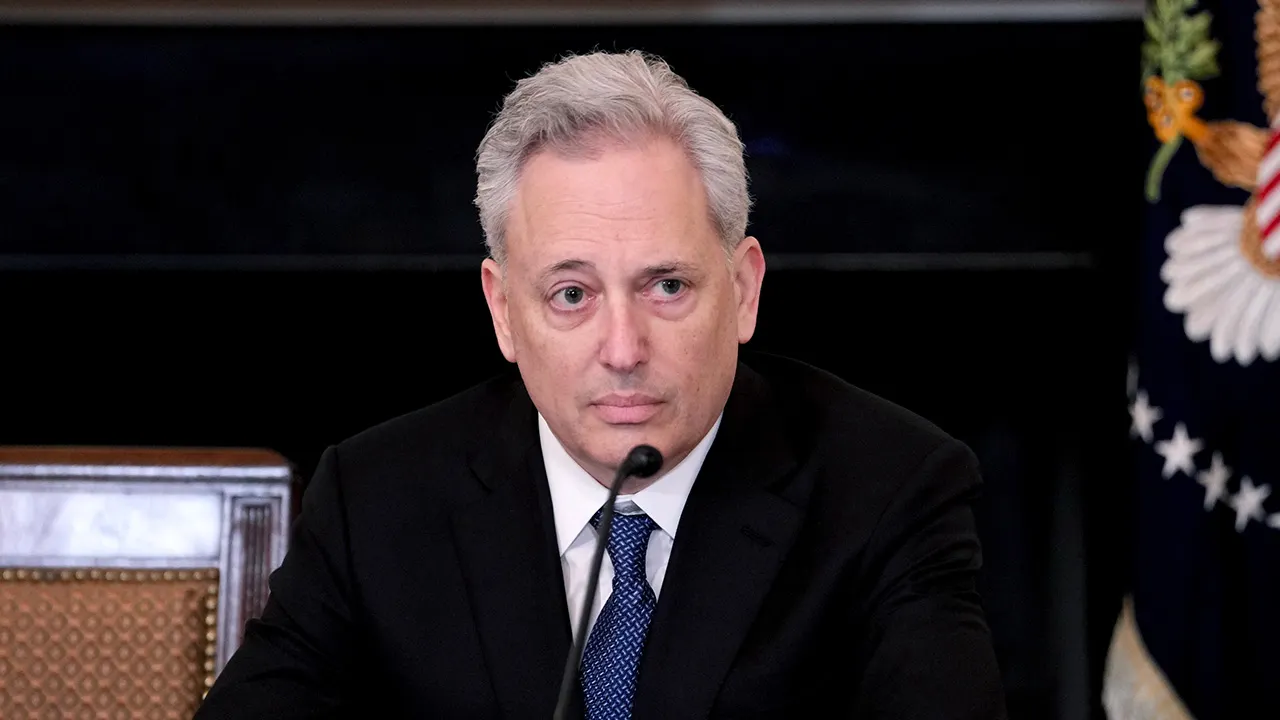
White House AI and crypto czar David Sacks was appointed as co-chair of the President’s Council of Advisors on Science and Technology (PCAST), expanding his role within the Trump administration.
President Donald Trump established PCAST through an executive order on Wednesday, aimed at bringing together leading figures in science and technology to advise the president and strengthen U.S. leadership in those fields.
The new role positions Sacks to oversee a broader range of technology issues and deepen the White House’s engagement with major tech companies.
“We’ve accomplished a lot in the first year, but the President wants to keep the pedal to the metal on everything tech. That’s exactly what we will do,” Sacks told FOX Business.
BLACKROCK CEO SAYS TRUMP ACCOUNTS COULD BE A ‘VERY SIGNIFICANT STEP’ FOR YOUNG AMERICANS
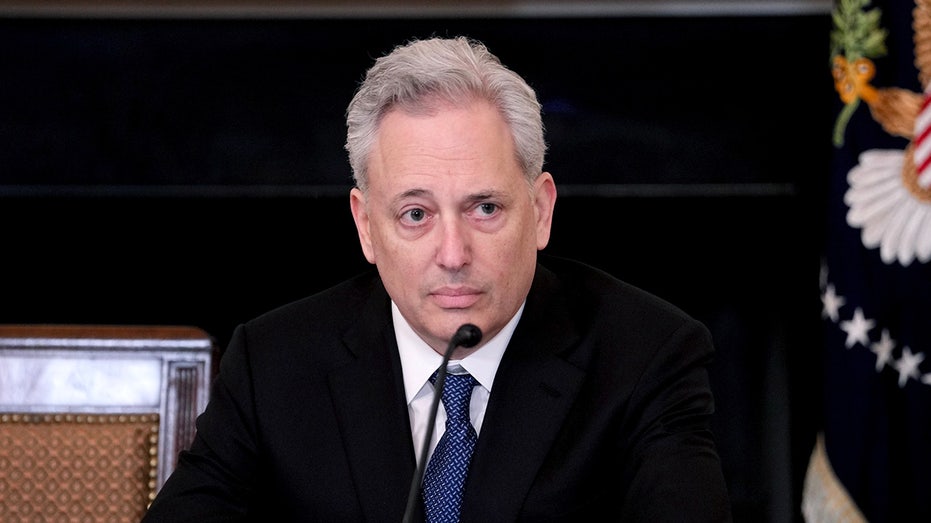
David Sacks, White House Artificial Intelligence (AI) and Crypto czar, during The White House Digital Assets Summit in the State Dining Room of the White House in Washington, DC, US, on Friday, March 7, 2025. (Chris Kleponis/CNP/Bloomberg via Getty Images / Getty Images)
The council will include up to 24 members, including Nvidia CEO Jensen Huang, Meta CEO Mark Zuckerberg and Oracle co-founder Larry Ellison.
A senior adviser to the president told FOX Business that Sacks will continue serving as AI and crypto czar while taking on a broader portfolio.
“David will always be his crypto and AI czar, but to the admin more broadly, this new role will allow him to advise on a broader range of critical tech issues,” the adviser said.
As AI and crypto czar, Sacks has helped drive a series of policy shifts aimed at reshaping U.S. artificial intelligence strategy, including rolling back prior restrictions and expanding federal oversight.
CLASSIC BRAND BECOMING A STATUS SYMBOL IN TRUMP’S WHITE HOUSE
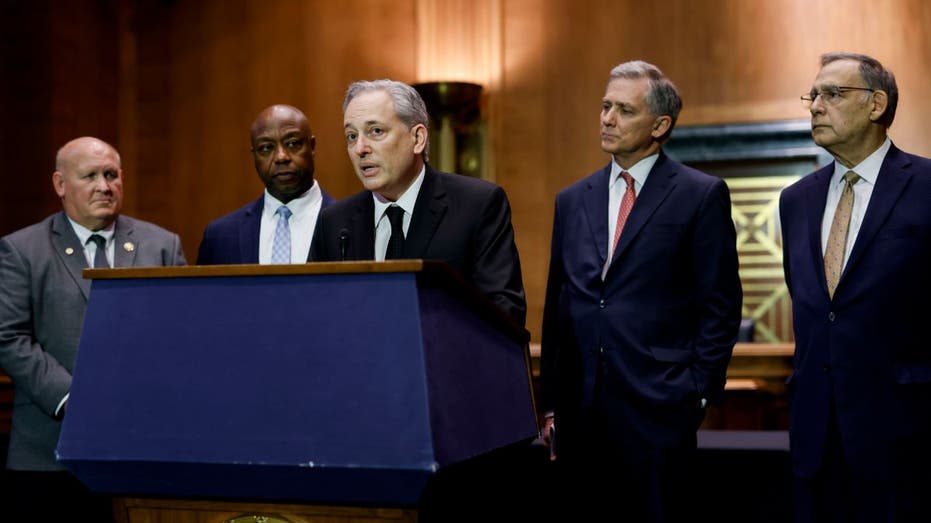
From left: Rep. Glenn Thompson, R-Penn., Sen. Tim Scott, R-S.C., White House Artificial Intelligence (AI) and Crypto czar David Sacks, Rep. French Hill, R-Ark., and Sen. John Boozman, R-Ark., during a news conference on Capitol Hill in Washington, D. (Ting Shen/Bloomberg via Getty Images / Getty Images)
In his first week in office, Trump signed an executive order revoking a Biden-era policy that took a more cautious approach to emerging technologies like AI and blockchain.
Trump later signed another executive order in December 2025 establishing a national framework for AI regulation, preempting state-level rules. The order argued that U.S. companies must be able to innovate “without cumbersome regulation.”
In July 2025, the White House released its “Winning the AI Race” action plan, outlining more than 90 federal policy initiatives focused on accelerating innovation, building infrastructure and strengthening the nation’s position in global AI development and security.
More recently, the White House unveiled a national AI policy framework aimed at creating a “consistent” standard for development nationwide while addressing concerns around censorship, free speech and child protection.
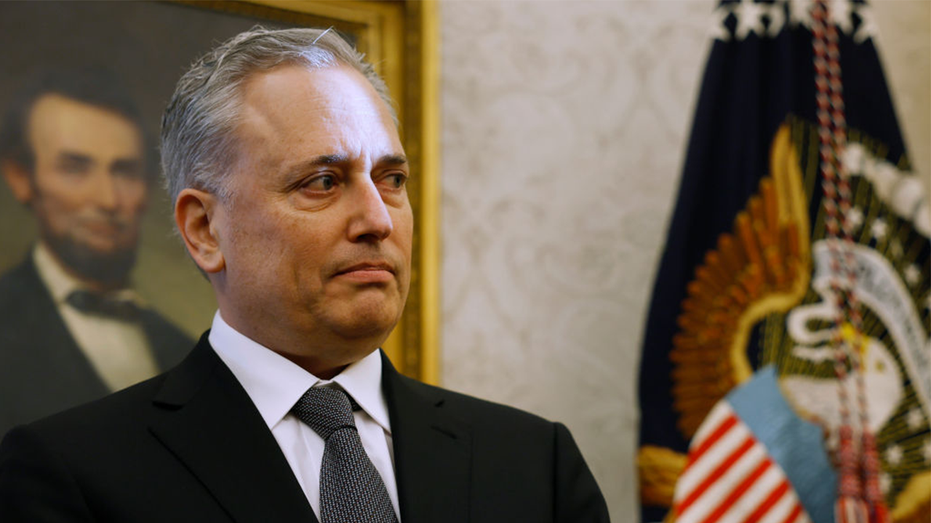
David Sacks, President Donald Trump’s AI and Crypto Czar, listens as Trump signs a series of executive orders in the Oval Office of the White House on Jan. 23, 2025, in Washington, D.C. (Getty Images)
Sacks has also played a key role in shaping the administration’s cryptocurrency agenda.
Within days of taking office, Trump signed an executive order promoting U.S. leadership in digital assets, banning the development of a central bank digital currency and creating a presidential working group on the issue.
In March 2025, Trump signed an order establishing a Strategic Bitcoin Reserve and a U.S. Digital Asset Stockpile, positioning the country as a leader in government-backed digital asset strategy.
Congress followed with the passage of the GENIUS Act in July 2025, the first major federal legislation on digital assets, creating a regulatory framework for payment stablecoins. The bill passed with bipartisan support in both chambers.
The administration has also moved to ease regulatory pressure on the crypto industry, including ending several SEC investigations and installing crypto-friendly leadership at key agencies.
The Consumer Financial Protection Bureau was defunded — a move Sacks called his “personal favorite” — eliminating what he described as the crypto industry’s most aggressive enforcement arm.

Can Ondo price reclaim $0.50 as it confirms bullish reversal pattern?

Mariah Carey Sparks Reactions With Viral Grocery Store Run

Microsoft, Lime and others helping to celebrate opening of new light rail line from Seattle to Eastside


-
 Crypto World6 days ago
NIO (NIO) Stock Plunges 6.5% as Shelf Registration Sparks Dilution Worries
-
 NewsBeat2 days ago
Manchester United reach agreement with Casemiro over contract clause amid transfer speculation
-

 Fashion6 days ago
Weekend Open Thread: Adidas – Corporette.com
-

 Politics6 days ago
Jenni Murray, Long-Serving Woman’s Hour Presenter, Dies Aged 75
-

 Crypto World5 days ago
Best Crypto to Buy Now: Strategy Just Spent $1.57 Billion on Bitcoin During Fear While Early Investors Quietly Enter Pepeto for 150x Potential
-

 Crypto World5 days ago
Bitcoin Price News: Bhutan Sells $72 Million in BTC Under Fiscal Pressure, but the Smart Money Entering Pepeto Sees What the Market Does Not
-

 Tech7 days ago
inKONBINI Lets You Spend Summer Days Behind the Register
-

 News Videos1 day ago
Parliament publishes latest register of MPs’ financial interests
-

 Sports4 days ago
Remo Stars and Kano Pillars Strengthen Survival Hopes in NPFL
-

 Sports4 days ago
Gary Kirsten Accuses Pakistan Cricket Board Of ‘Interference’, Mohsin Naqvi Responds
-

 Tech4 days ago
Give Your Phone a Huge (and Free) Upgrade by Switching to Another Keyboard
-

 Business4 days ago
No Winner in March 21 Drawing as Prize Rolls to $133 Million for Next
-

 Sports6 days ago
2026 Kentucky Derby horses, odds, futures, preview, date: Expert who nailed 12 Derby-Oaks Doubles enters picks
-

 Tech4 days ago
AI enters the chat: New Seattle dating app relies on tech to facilitate meaningful human connections
-
Business6 days ago
Columbia Sportswear enters $500 million credit agreement with JPMorgan Chase
-

 Tech5 days ago
Today’s NYT Connections Hints, Answers for March 22 #1015
-

 News Videos4 days ago
Ch 9 Financial Management Part 1 | Detailed One Shot | Class 12 Business Studies Boards 2026
-

 Business7 hours ago
Instagram, YouTube Found Responsible for Teen’s Mental Health Struggle in Historic Ruling
-

 Business5 days ago
Will Duke Basketball Win It All? Duke Basketball Enters Second Round as Third Favorite to Claim NCAA Title
-
 Business7 days ago
(VIDEO) BTS Drops ‘ARIRANG’ Album Today, Marking Epic Post-Military Comeback With Live Concert
You must be logged in to post a comment Login