
Business
Expert Picks for Every Need

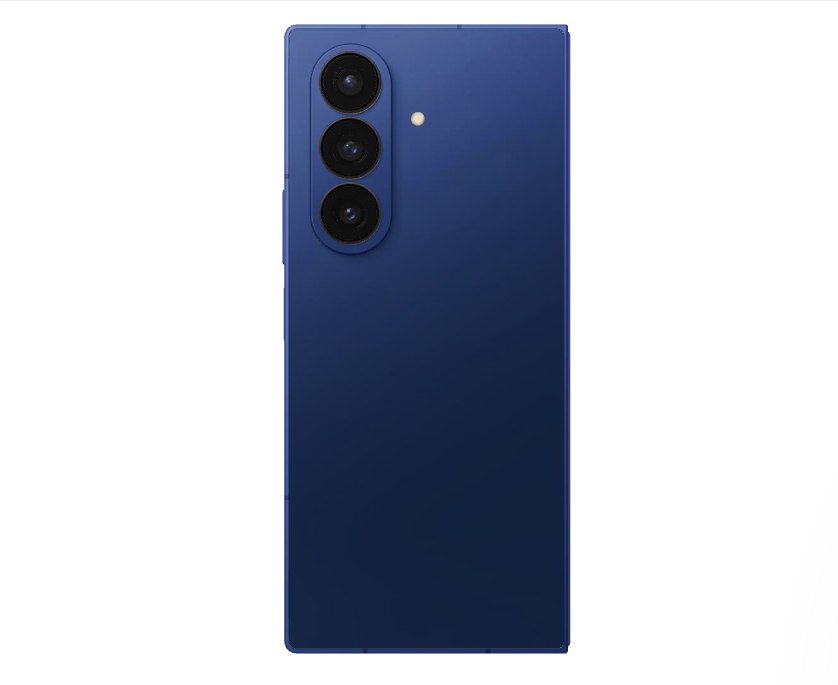
Foldable smartphones have matured dramatically by April 2026, shedding much of their early bulk and fragility to become practical daily drivers with improved durability, battery life and multitasking capabilities. Leading models from Samsung, Google, Motorola and others now compete closely with traditional flagships while offering the unique appeal of a compact device that unfolds into a mini-tablet or stylish flip form factor.
Industry analysts and reviewers from outlets including PCMag, PhoneArena, ZDNet and Wirecutter highlight a clear top tier based on hands-on testing, real-world performance and value. While availability varies by region — with some Chinese brands like Honor and Oppo offering exceptional hardware but limited U.S. support — the following five stand out as the best foldable phones currently on the market.

1. Samsung Galaxy Z Fold 7 — Best Overall Book-Style Foldable
Samsung’s Galaxy Z Fold 7 earns frequent nods as the top foldable for most users thanks to its ultra-slim profile, premium build and polished software experience. Measuring just over 8mm thick when closed and weighing around 215 grams, it feels remarkably close to a conventional flagship yet unfolds into an expansive 8-inch inner display ideal for productivity, media consumption and split-screen multitasking.
The device features a bright 6.5-inch cover screen with 120Hz refresh rate, allowing full app functionality without unfolding. Powered by the Snapdragon 8 Elite for Galaxy processor, it delivers smooth performance across demanding tasks. Cameras have seen meaningful upgrades, with a standout 200-megapixel main sensor producing sharp, vibrant photos that rival non-foldable competitors.
Reviewers praise the refined hinge, improved crease visibility and long software support extending years into the future. Drawbacks include a premium price tag often starting near $1,900 and average battery life that may require midday top-ups for heavy users. Still, its ecosystem integration with Galaxy Watch, Buds and DeX mode makes it a compelling choice for Samsung loyalists and power users alike.
2. Google Pixel 10 Pro Fold — Best for Durability and Cameras
Google’s Pixel 10 Pro Fold stands out for its rugged construction and photography prowess. It boasts a full IP68 dust and water resistance rating — a rarity among foldables — along with enhanced hinge durability and drop protection on the main display. At roughly 258 grams, it feels more substantial than Samsung’s offering but rewards owners with reliable all-day performance.
The Tensor G5 chipset powers intuitive AI features, including real-time call translation, audio magic eraser and Gemini Live integration. Cameras shine with computational photography that delivers natural colors and excellent low-light results, making it a favorite for content creators. The 6.3-inch cover screen and large inner display support seamless multitasking with clean Android 16 software.
Battery life impresses in testing, often outlasting slimmer rivals. Pricing starts around $1,800, positioning it as a strong value for those prioritizing longevity and photography over the absolute thinnest design. Limitations include slightly warmer performance under sustained loads compared to Snapdragon-equipped devices.
3. Motorola Razr Ultra (2025/60 Ultra) — Best Flip-Style Foldable
For users seeking pocketable convenience with flair, the Motorola Razr Ultra delivers one of the most stylish and functional clamshell experiences. Its vertical fold design snaps shut into a compact square, while the generous external display supports full apps, notifications and even quick camera previews.
Equipped with strong battery life that frequently tops competitor flip models, the Razr Ultra handles daily tasks efficiently on its Snapdragon processor. The inner 7-inch display offers smooth 120Hz visuals, and the overall build feels premium with thoughtful details like a titanium hinge option in select variants. Cameras perform adequately for casual use, though they trail book-style models in versatility.
Reviewers highlight its fun factor and practicality for one-handed operation. Starting prices often land in the mid-$1,000 range, making it more accessible than premium book-style foldables. Potential downsides include a smaller unfolded screen compared to tablet-style devices and occasional software quirks in the Motorola skin.
4. Samsung Galaxy Z Flip 7 — Best Compact Flip for Everyday Use
Samsung’s Galaxy Z Flip 7 refines the flip formula with a larger 4.1-inch edge-to-edge cover screen that finally enables meaningful interaction without unfolding. The 6.9-inch inner display provides ample space when needed, while the overall design remains slim and lightweight for easy pocket carry.
Battery improvements help it last through a full day for moderate users, and the Exynos 2500 or Snapdragon variant (depending on region) ensures snappy performance. New DeX support on the Flip adds desktop-like productivity when connected to external displays. Cameras remain solid for social media and quick shots, with the main 50-megapixel sensor delivering reliable results.
Priced starting around $1,100, it offers strong value within the Samsung ecosystem. Critics note it can overheat during intensive multitasking and that battery claims sometimes exceed real-world endurance. Its stylish appeal and improved cover screen functionality make it a top pick for fashion-conscious users or those transitioning from traditional bar phones.
5. Honor Magic V5 — Best Ultra-Thin Alternative for Multitasking
The Honor Magic V5 earns acclaim for its exceptionally slim design, measuring under 9mm folded and around 4.4mm unfolded in some configurations. It targets users who want a near-nonexistent crease and premium feel without Samsung’s ecosystem lock-in.
Featuring a large inner display and capable outer screen, it excels at multitasking with smooth software optimizations. The Snapdragon 8 Elite processor paired with generous RAM handles heavy workloads, while a sizable silicon-carbon battery supports fast charging and extended use. Cameras offer competitive performance, particularly in daylight scenarios.
Availability may require importing in some markets, and software updates could lag behind Google or Samsung. Still, its combination of thinness, battery capacity and vibrant displays positions it as a compelling choice for enthusiasts seeking cutting-edge hardware at potentially competitive pricing.
Buying Considerations in 2026
Foldable phones now address many early criticisms: creases are subtler, hinges more robust and repair programs more widespread. Most top models promise four to seven years of software support, reducing obsolescence concerns. Battery technology has advanced, though heavy multitasking or camera use still drains power faster than slab phones.
Prices remain elevated, with book-style models often exceeding $1,800 and flips starting above $1,000. Trade-in deals, carrier promotions and installment plans can ease the cost. Buyers should consider ecosystem preferences — Samsung for seamless integration, Google for pure Android and AI, Motorola for flip charm.
Durability has improved markedly, but users should invest in quality cases and screen protectors. Coverage for accidental damage varies by manufacturer and carrier.
Regional factors matter: U.S. buyers enjoy broad carrier support for Samsung, Google and Motorola models, while international shoppers may access superior specs from Honor, Oppo, Vivo or Huawei at lower prices, albeit with potential Google service limitations on some devices.
The Future of Foldables
As 2026 progresses, expectations include further refinements such as even lighter builds, under-display cameras that eliminate notches and possible trifold designs from Samsung and others reaching wider markets. Apple’s rumored foldable iPhone could reshape the segment later in the year or in 2027.
For now, the market offers something for nearly every preference: productivity powerhouses, stylish compacts and durable all-rounders. Early adopters who hesitated in previous years will find 2026 models far more refined and reliable.
Consumers weighing a purchase should evaluate their primary needs — screen size for work, portability for travel or camera quality for photography — and test devices in-store when possible. With rapid iteration, waiting for carrier deals or next-generation hints may also pay off.
Foldables represent more than a novelty in 2026; they deliver genuine utility that enhances how many people work, create and consume content on the go. Whether opting for the versatile Galaxy Z Fold 7, the rugged Pixel 10 Pro Fold or a fun flip like the Razr Ultra, buyers are investing in devices that continue to evolve the smartphone experience.

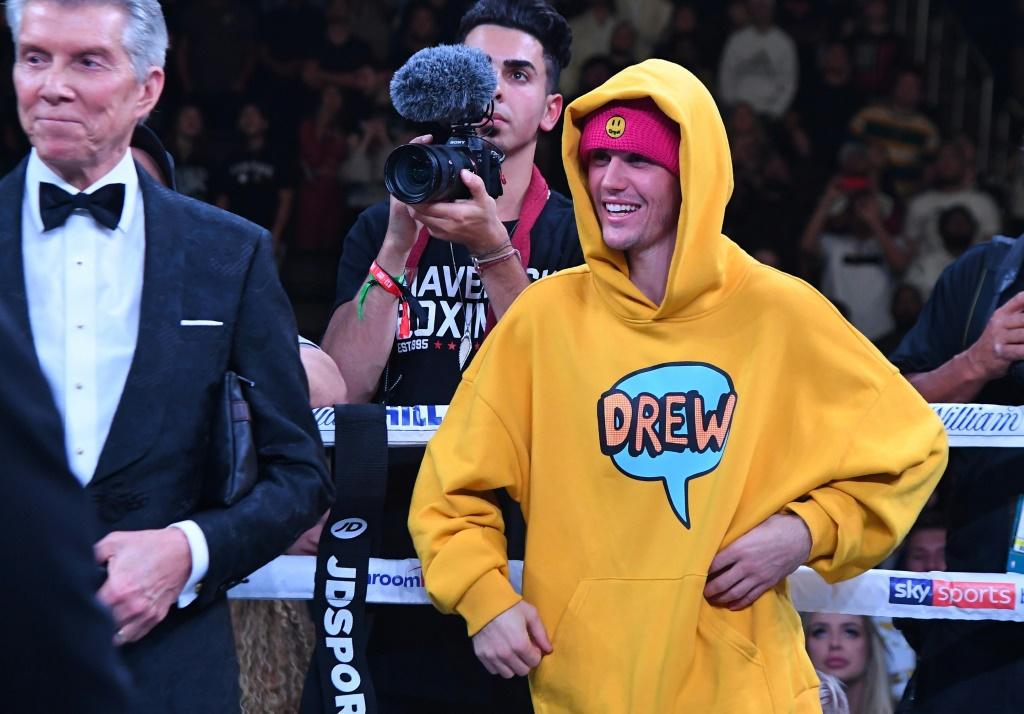
INDIO, California — Justin Bieber’s headlining performance at Coachella 2026 may have divided critics with its intimate, chat-driven set, but his fashion and lifestyle brand Skylrk delivered an undisputed triumph offstage, generating a staggering $5.04 million in merchandise sales during the festival’s first weekend alone.
The figure shattered Coachella’s previous record for artist-branded merch sales across both weekends combined, which stood at $1.7 million. Skylrk’s haul in just three days more than tripled that benchmark, turning “Bieberchella” into a full-scale retail phenomenon and underscoring the pop star’s enduring commercial power beyond the main stage.
Skylrk, Bieber’s own label launched in recent years as an extension of his personal style evolution, operated two dedicated retail points on the Empire Polo Club grounds: a full pop-up shop adjacent to the immersive “Skylrk Oasis” activation and a presence in the official artists’ merch tent. The 10,000-square-foot Oasis featured shaded palm trees, misting stations, video installations and a dedicated store stocked with limited Coachella-exclusive items.
The collection leaned heavily into a “Swag”-themed drop with hoodies priced around $140, graphic tees at $55, beanies, camo hats and the viral “Sizzler” silicone phone cases equipped with a joint-shaped holder. Standout pieces included hoodies emblazoned with slogans like “It’s Not Clocking,” a nod to Bieber’s past viral paparazzi exchange, as well as “Biebervelli” and “Justin Bieber Live, Indio, California” designs marking the April 11 and 18 performance dates. Nostalgic elements referencing his 2016-2017 Purpose Tour also appeared in weekend-two extensions.
Demand proved insatiable. Festivalgoers lined up for hours, and pieces sold out rapidly on-site. Even the branded plastic shopping bags, retailing for $5, began reselling on eBay for as much as $100 within days. Skylrk confirmed the $5.04 million total exclusively to Vogue Business, noting that online pre-orders for site-specific items opened shortly after to accommodate fans unable to attend.
The merch success adds another layer to Bieber’s record-breaking Coachella run. Already the highest-paid performer in festival history with a reported $10 million booking fee, the 32-year-old also drove unprecedented ticket demand and became the most-searched Coachella artist of all time. His Saturday night set, while polarizing for its stripped-back format and audience-influenced song choices via YouTube chat, still drew massive crowds and generated global conversation.
Industry observers say the merch windfall highlights a broader shift in how artists monetize live events. Traditional tour merch has long been lucrative, but few have matched Bieber’s ability to integrate a personal fashion brand directly into a major festival activation. Skylrk’s on-site presence transformed the experience from passive consumption to an immersive retail environment, complete with branded visuals and limited drops that created urgency and FOMO among attendees.
For weekend two, running April 17-19, Skylrk rolled out additional pieces tapping deeper into Purpose-era nostalgia while introducing fresh colorways and accessories. The strategy appears designed to sustain momentum and give returning fans — as well as those attending only the second weekend — new reasons to open their wallets. Early indications suggest sales remain robust, though exact weekend-two figures have not yet been released.
Bieber’s team has positioned Skylrk as more than souvenir apparel. The brand blends streetwear aesthetics with lifestyle elements, including collaborations and functional items like the phone cases. Its rapid growth reflects Bieber’s evolution from teen idol to a mature artist with influence in fashion circles. Past collections have featured elevated materials and artistic direction, helping differentiate Skylrk from generic tour merch.
The commercial triumph comes amid ongoing discussions about Bieber’s stage presence. Some fans and critics praised the vulnerable, interactive nature of his Coachella set as refreshing, while others expected higher-energy production given the headlining slot and hefty paycheck. Regardless of opinions on the performance itself, the retail results prove that Beliebers remain fiercely loyal and willing to invest in tangible connections to their idol.
Coachella organizers have not commented publicly on the new merch benchmark, but the surge likely benefits the festival’s ecosystem through increased foot traffic and vendor partnerships. Past years saw strong sales from headliners, yet none approached the scale achieved by Bieber’s branded activation. The previous $1.7 million two-weekend record now looks modest by comparison, signaling how top-tier artists with established lifestyle brands can exponentially amplify revenue streams at large-scale events.
Resale markets further amplified the phenomenon. Limited pieces commanded premium prices online almost immediately, with some hoodies and accessories trading well above retail. This secondary market activity often serves as a barometer of cultural heat, and in Bieber’s case, it reinforced his status as a perennial tastemaker.
Looking ahead, the success could influence how other major acts approach festival appearances. Integrating a personal brand activation with on-site retail, experiential spaces and timed drops offers a blueprint for maximizing value from high-profile bookings. For Bieber, it also bolsters Skylrk’s visibility as he balances music, family life and entrepreneurial ventures.
As weekend two unfolds with Sabrina Carpenter, Justin Bieber’s return performance and Karol G closing the festival, anticipation builds around whether merch sales will push even higher or if the first-weekend explosion remains the defining commercial story of Coachella 2026.
For now, the numbers speak clearly: what began as a much-anticipated comeback set evolved into a record-shattering retail event. Justin Bieber did not just perform at Coachella — he turned the desert into a $5 million merch empire, proving once again that his connection with fans extends far beyond the music.
Skylrk’s website continues to offer select Coachella-inspired items via pre-order, with delivery timelines stretching several weeks due to overwhelming demand. Fans unable to secure pieces on-site or during the initial online rush are watching closely for restocks, while the broader industry takes note of a new high-water mark for artist-driven commerce at music festivals.
NEW YORK — Thousands of Chase customers reported problems with the bank’s mobile app and online banking services Sunday, with spikes in complaints centered on account balances, transactions and QuickPay with Zelle.

GETTY IMAGES NORTH AMERICA / JUSTIN SULLIVAN
As of mid-afternoon Eastern Time on April 19, 2026, Downdetector showed elevated user reports for Chase, with 66% of issues involving account balances and transactions, 17% related to transfers and wires, and 13% tied to Zelle payments. Reddit threads in r/Chase filled with frustrated users describing error messages such as “Some services aren’t available. We’re working on them” when opening the app.
The problems appeared intermittent rather than a complete nationwide outage. Many customers could log in via the Chase Mobile app or chase.com but encountered delays viewing balances, processing transfers or sending money through Zelle. Others reported temporary inability to complete mobile check deposits or view recent activity. Chase had not issued an official statement acknowledging the issues by early evening, but customer service lines remained open for assistance.
Similar complaints surfaced late Saturday into Sunday morning, with some users noting the problems began around 11 p.m. Eastern on April 18. One Reddit post from early Sunday described being unable to Zelle money or receive payments, while another user reported the app displaying a generic service-unavailable notice despite successful login on a web browser. Reports were concentrated in major metropolitan areas but appeared across the United States.
Chase’s official device status page for business payment solutions showed card readers and POS apps as operational, offering little insight into consumer mobile banking. The bank’s consumer website and app have experienced occasional hiccups in the past, but Sunday’s spike drew immediate attention from users who rely on the platform for daily transactions, especially on a weekend when branch access is limited.
For affected customers, common troubleshooting steps include force-quitting and restarting the app, checking for software updates, clearing cache on Android devices, or trying a different network connection. Some users successfully accessed services via the desktop version of chase.com when the mobile app failed. Others waited out the delay, reporting gradual improvement over several hours.
The timing coincides with typical weekend banking patterns when fewer staff may monitor systems in real time. No widespread cyberattack or external cause was reported, and security experts monitoring the situation suggested a possible internal server load or routine maintenance glitch rather than a major breach. Chase has a history of brief outages, including past incidents tied to high traffic or software updates.
Zelle integration drew particular frustration. QuickPay with Zelle is one of the most popular features in the Chase app, allowing instant person-to-person transfers. When those services falter, users often turn to social media or community forums to confirm whether the issue is widespread or isolated. Sunday’s complaints echoed similar Zelle-related spikes seen in prior months.
Chase customers with urgent needs were advised to visit a physical branch if possible, though many branches operate with reduced Sunday hours. The bank’s 24/7 customer service line at 1-800-935-9935 remained available for account-specific help, though wait times could lengthen during high-volume periods.
This is not the first time Chase’s digital platforms have faced scrutiny. In previous years, the bank has dealt with login loops, check deposit glitches and alert system issues that drew negative app store reviews. Despite these occasional disruptions, the Chase Mobile app maintains high overall ratings for its convenience in check depositing, bill pay and credit monitoring.
Analysts note that major banks like Chase, which serves tens of millions of customers, operate complex infrastructures handling enormous transaction volumes daily. Even minor backend hiccups can cascade into noticeable user-facing problems, especially on mobile where expectations for instant access run high. Sunday’s reports, while significant enough to trend on Downdetector, appeared less severe than full-day outages seen in past years.
As the afternoon progressed, some users reported partial restoration of services, with balances and recent transactions beginning to load normally. Others continued to see delays, particularly with Zelle and wire transfers. Chase has not confirmed the root cause or provided an estimated resolution time.
For those still experiencing difficulties, experts recommend documenting error messages or screenshots before contacting support. Persistent login failures may require account verification steps or temporary password resets. In rare cases, app reinstallation after clearing data can resolve corrupted cache issues.
The broader banking industry has invested heavily in digital resilience, yet weekend and peak-hour loads continue to test systems. Competitors such as Bank of America and Wells Fargo have faced parallel complaints in recent memory, highlighting the shared challenges of scaling secure mobile banking for mass adoption.
Chase account holders are reminded that ATM access and in-person services generally remain unaffected by app-specific glitches. Debit and credit card transactions at merchants typically continue normally unless a separate network issue arises.
As Sunday evening approached, the volume of new reports on outage trackers appeared to stabilize, suggesting the worst of the disruption may have passed for many users. Still, anyone planning important transfers or payments was urged to verify status directly through the app or website rather than assuming full functionality.
Chase has built its reputation on reliable digital tools, but incidents like Sunday’s serve as reminders of the occasional fragility of even the most sophisticated banking platforms. Customers who encountered problems are encouraged to monitor official Chase channels for any follow-up communications.
In the meantime, simple workarounds such as using a desktop browser or waiting a short period often restore access. For critical needs, speaking with a customer service representative provides the most direct path to resolution while technical teams address backend issues.
The situation remains fluid as of late afternoon April 19. Users should continue checking Downdetector, the Chase app itself or the bank’s support pages for the latest developments. While frustrating, these intermittent issues rarely result in lost funds and are typically resolved within hours rather than days.
Chase’s large customer base means even a small percentage experiencing problems can generate thousands of reports quickly. Most users reported no long-term impact once services normalized, reinforcing the importance of having backup access methods for digital banking.

Mark Zuckerberg is preparing to take the knife to his own creation once again.
Meta Platforms, the parent of Facebook, Instagram and WhatsApp, is lining up a global redundancy programme that will see roughly one in ten of its staff, about 8,000 people, shown the door from next month, with a second wave expected before the year is out.
The Silicon Valley giant has declined to put any figures on the record, but the direction of travel will be uncomfortably familiar to the tens of thousands of staff who lived through Meta’s self-styled “year of efficiency” in 2022 and 2023, when some 21,000 roles were stripped out as the share price slid and the company came to terms with a bout of Covid-era over-hiring.
This time round, the rationale is rather different. Meta is in robust financial health, but Mr Zuckerberg has committed to spending hundreds of billions of dollars reshaping the business around artificial intelligence. The trade-off, it seems, is that a leaner organisation with fewer management layers and AI-augmented engineers is expected to do the heavy lifting that armies of human employees once did.
According to Reuters, the initial tranche of cuts is pencilled in for May, with the timing and scope of the later round yet to be nailed down. Meta employed just shy of 79,000 people at the end of December, according to its most recent filing, meaning the opening salvo alone could remove close to a tenth of that headcount.
Meta is not moving in isolation. Amazon has already swept out 30,000 corporate staff in recent months, equivalent to nearly ten per cent of its white-collar base, while in February the fintech group Block let go of nearly half its workforce, around 4,000 jobs. In both cases, senior management pointed firmly at efficiency gains from AI as the justification.
The industry’s own body count bears that out. Layoffs.fyi, which tracks redundancies across the technology sector, puts the tally at 73,212 jobs lost in the first four months of 2026 alone. For the whole of 2024, the figure was 153,000, suggesting this year’s numbers are on course to eclipse anything seen in the post-pandemic shake-out.
Inside Meta, the reorganisation is already well under way. Teams within its Reality Labs division have been reshuffled in recent weeks, and engineers from across the group have been parachuted into a newly minted Applied AI unit. Its brief is to accelerate the development of AI agents capable of writing code and executing complex tasks without human hand-holding, the very capability, critics will note, that Mr Zuckerberg appears to believe can replace a sizeable chunk of his own workforce.
For Britain’s small and medium-sized businesses watching from across the Atlantic, the signal is a telling one. When the world’s largest technology employers openly argue that generative AI is now capable enough to displace thousands of skilled knowledge workers, the pressure on every other business to rethink how it organises, recruits and deploys talent only intensifies.
Whether the efficiency dividend materialises as cleanly as Mr Zuckerberg hopes remains to be seen. Meta’s 2022 cuts were followed by a sharp recovery in profitability and a soaring share price, vindicating his tough love approach in the eyes of Wall Street. A second act on a similar scale, however, will test whether AI can genuinely deliver the productivity miracle its champions promise, or whether Meta is simply exchanging one kind of risk for another.

Amy Ingham
Amy is a newly qualified journalist specialising in business journalism at Business Matters with responsibility for news content for what is now the UK’s largest print and online source of current business news.

PNC Financial: Not A Great Buy Right Now


Chris Lau is an individual investor and economist with 30 years of experience covering life science, technology, and dividend-growth income stocks. He has degrees in Microbiology and Economics. Chris runs the investing group DIY Value Investing where he shares his top stock picks of undervalued stocks with catalysts for upside, dividend-income recommendations with quant and payment calendar tracking, high upside plays, and research requests to help you become a better do-it-yourself investor. Flagship Products:1. Top DIY Picks: Undervalued stocks have upcoming catalysts that markets do not expect.2. Dividend-income Champs that have a long history of dividend growth. Includes printable calendar and quantitative scores. 3. DIY Community Picks for a speculative allocation positive momentum.
Analyst’s Disclosure: I/we have no stock, option or similar derivative position in any of the companies mentioned, and no plans to initiate any such positions within the next 72 hours. I wrote this article myself, and it expresses my own opinions. I am not receiving compensation for it (other than from Seeking Alpha). I have no business relationship with any company whose stock is mentioned in this article.
Seeking Alpha’s Disclosure: Past performance is no guarantee of future results. No recommendation or advice is being given as to whether any investment is suitable for a particular investor. Any views or opinions expressed above may not reflect those of Seeking Alpha as a whole. Seeking Alpha is not a licensed securities dealer, broker or US investment adviser or investment bank. Our analysts are third party authors that include both professional investors and individual investors who may not be licensed or certified by any institute or regulatory body.
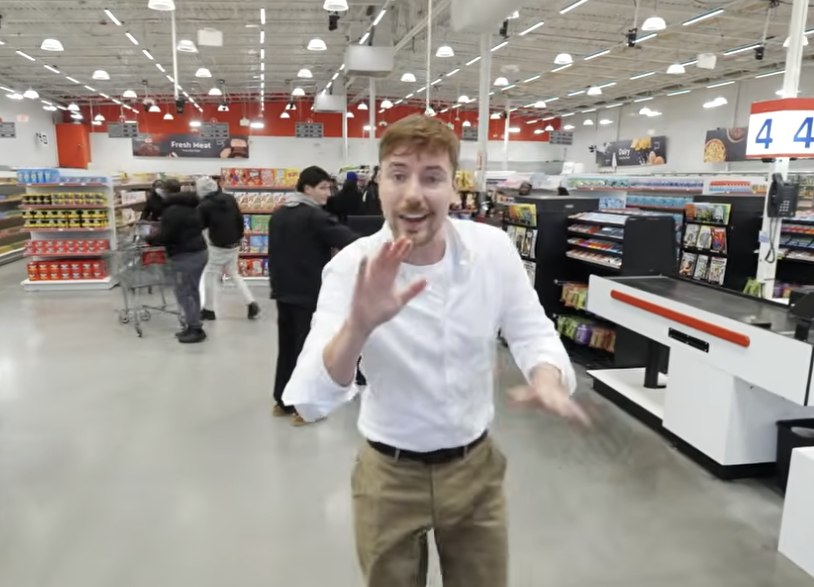
GREENVILLE, North Carolina — YouTube superstar MrBeast turned an ordinary grocery store into an extraordinary survival arena in his latest high-stakes video, challenging random shoppers to stay inside the longest for a chance to win $250,000 — a contest that quickly escalated into alliances, sabotage, emotional breakdowns and a stunning million-dollar twist.

The video, titled “Last To Leave Grocery Store, Wins $250,000,” dropped on April 18, 2026, and exploded in popularity within hours, racking up millions of views. In classic MrBeast fashion, the creator purchased and fully stocked a local supermarket, then invited everyday shoppers to compete by living inside it indefinitely until only one remained.
Contestants faced a grueling test of endurance, strategy and mental fortitude. They built makeshift forts in the aisles — including “Fort Freezy” near the freezers — gathered supplies, formed alliances like the Dream Team and Innovators, and navigated boredom, cold nights and interpersonal drama. Some participants left early upon realizing the commitment, while others dug in, creating sleeping areas from shelves, makeshift showers using produce section hoses and even workout routines with store equipment.
MrBeast kept the pressure high with escalating challenges. He introduced a red line that halved the available space, removed amenities like showers and bathrooms, and forced food donations across the boundary to help local communities. Sabotage incidents sparked chaos, including popped pool floaties that led to near-riots and accusations of theft involving burners and basketballs. Contestants dealt with dwindling phone batteries, family separation visible through store windows and tempting cash offers ranging from $5,000 to $50,000 to quit.
The competition featured memorable characters. A father-son duo, a pregnant participant in the Innovators group, and individuals like Xavian (accused of sabotage), Autumn, Robbie (who left for his daughter), Juan (celebrated a birthday with cake and a piñata) and Colin (eliminated for crossing the red line) added human drama. Alliances shifted as trust fractured over stolen items and strategic betrayals, turning the store into a microcosm of society under extreme conditions.
In a dramatic late twist, MrBeast offered the final contestants $1 million collectively if they agreed to restock the entire store and eat every item inside it. After deliberation, the remaining group accepted, transforming rivals into teammates with added perks like a gym, nutritionist and better sleeping arrangements. The video ends on this open-ended note, leaving viewers speculating how long the new challenge might last.
Production involved heavy sponsorship integration without disrupting the core entertainment. Square empowered local businesses by curating giveaway boxes featuring Greenville favorites like The Bread Lady and Blackbeard Coffee. Good Ranchers supplied U.S.-sourced meat to highlight quality concerns with typical grocery store products. Major brands including Unilever, Mondelez, Campbell’s, Procter & Gamble, Kellogg’s and others kept shelves stocked with recognizable items like Pringles, Tide, Bounty, Hellmann’s and more. Coca-Cola tied in a FIFA World Cup 2026 sticker promotion, with contestants earning tickets through skill challenges like scoring goals.
MrBeast promoted the event in advance with TV commercials, radio ads and flyers to draw genuine random participants rather than pre-selected contestants. All who stayed underwent standard review processes and had access to on-site medics and mental health support, addressing safety in the prolonged isolation format.
The video highlights MrBeast’s signature style: massive cash prizes, over-the-top production and feel-good elements. Beyond the competition, the challenge resulted in thousands of food items donated to those in need, turning spectacle into substance. Viewers praised the mix of chaos, strategy and humanity, with comments flooding in about favorite moments like fort-building, alliance formations and emotional family interactions through the glass.
This release continues MrBeast’s streak of ambitious real-life challenges that blend entertainment, philanthropy and viral appeal. Previous videos have featured extreme survival scenarios, massive giveaways and elaborate builds, consistently drawing tens of millions of views. The grocery store concept taps into universal curiosity — “imagine living in a grocery store” — while delivering escalating stakes that keep audiences hooked for the full runtime.
Social media reactions poured in rapidly after upload. Fans dissected strategies, debated who deserved to win and speculated on the million-dollar extension’s feasibility. Some compared it to other endurance challenges like last-to-leave circles or island survival videos, noting MrBeast’s unique ability to scale everyday settings into epic events. Reddit threads in r/MrBeast and broader discussions analyzed the psychological aspects, from alliance dynamics to the toll of boredom and confinement.
For MrBeast, whose real name is Jimmy Donaldson, the video reinforces his position as one of YouTube’s most influential creators. Known for giving away millions and pushing production boundaries, he continues evolving the format while maintaining core values of generosity and fun. The grocery store challenge also spotlights practical themes like food sourcing, community support and the power of collective decision-making under pressure.
As the final contestants commit to the expanded million-dollar goal, questions linger about how long they can sustain the effort and what further twists MrBeast might introduce. The video’s open ending invites speculation and potential sequels, a common tactic that sustains engagement across his channel.
The production also benefited local economies through sponsorships and the initial 50% off sales that lured participants. MrBeast’s team emphasized ethical standards, ensuring participant welfare amid the unconventional setting. This attention to detail helps differentiate his content in an increasingly crowded creator space.
Within 24 hours of release, the video amassed tens of millions of views and hundreds of thousands of likes, trending across platforms. Clips of key moments — fort constructions, sabotage drama, emotional exits and the million-dollar reveal — circulated widely, amplifying reach beyond the full upload.
MrBeast’s consistent output of high-production challenges has built a dedicated global audience that tunes in for both the spectacle and the underlying positivity. This grocery store edition delivers on expectations while introducing fresh elements like brand integrations tied to real-world impact and the collaborative twist at the end.
As viewers digest the chaos and camaraderie, many are left reflecting on human resilience when basic needs meet extreme incentives. The video not only entertains but sparks conversations about strategy, morality in competition and the blurred line between game and real life when money and survival collide.
For now, the last contestants remaining in the store face an indefinite stay with the raised stakes. Whether they conquer the restock-and-consume challenge or face further MrBeast interventions remains to be seen — but one thing is certain: the internet is already hooked on this latest chapter of outrageous, heart-pounding content.
The full video is available on MrBeast’s YouTube channel, where fans continue to comment, theorize and celebrate another boundary-pushing production that turns the mundane into the unforgettable.
Week Ahead: Dollar And Stocks Due For Corrections?


Tens of thousands gather outside Angolan capital for Pope Leo Mass


Fredrik Arnold is a former quality service analyst. He is now reporting investment ideas with a primary focus on dividend yields by utilizing free cash flow and one-year total returns as trading indicators. He is the leader of the investing group The Dividend Dog Catcher, where he shares a minimum of one new dividend stock idea per week with focus on yield or extraordinary financial circumstances. All ideas are archived and available after weekly announcement. Learn more.
Analyst’s Disclosure: I/we have no stock, option or similar derivative position in any of the companies mentioned, and no plans to initiate any such positions within the next 72 hours. I wrote this article myself, and it expresses my own opinions. I am not receiving compensation for it (other than from Seeking Alpha). I have no business relationship with any company whose stock is mentioned in this article.
Seeking Alpha’s Disclosure: Past performance is no guarantee of future results. No recommendation or advice is being given as to whether any investment is suitable for a particular investor. Any views or opinions expressed above may not reflect those of Seeking Alpha as a whole. Seeking Alpha is not a licensed securities dealer, broker or US investment adviser or investment bank. Our analysts are third party authors that include both professional investors and individual investors who may not be licensed or certified by any institute or regulatory body.
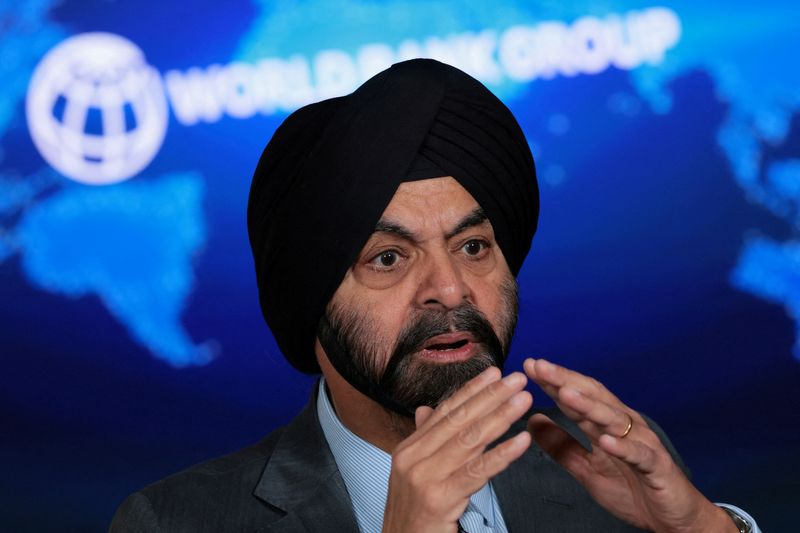

IMF, World Bank meetings show limits in mitigating shocks, reliance on US for solutions

Starmer ‘would not have appointed Mandelson if he was aware of vetting failure’

Justin Bieber Turns Coachella 2026 Into $5M Merch Empire With Skylrk Record Sales

5 Reasons why Gunther defeated Seth Rollins at WWE WrestleMania 42


-
 NewsBeat6 days ago
Pep Guardiola and Gary Neville agree over Arsenal title problem that benefits Man City
-

 Crypto World6 days ago
The SEC Conditionalises DeFi Platforms to Be Avoided for Broker Registration
-

 Fashion2 days ago
Weekend Open Thread: Theodora Dress
-

 Politics7 days ago
World Cup exit makes Italy enter crisis mode
-

 Crypto World6 days ago
SEC Signals Exemption for Crypto Interfaces From Broker Registration
-

 News Videos4 days ago
Secure crypto trading starts with an FIU-registered
-

 Sports2 days ago
NWFL Suspends Two Players Over Post-Match Clash in Ado-Ekiti
-

 Crypto World5 days ago
SEC Proposes Certain Crypto Interfaces Don’t Need to Register as Brokers
-

 NewsBeat5 days ago
Trump and Pope Leo: Behind their disagreement over Iran war
-

 Politics2 days ago
Palestine barred from entering Canada for FIFA Congress
-

 Crypto World1 day ago
Russia Pushes Bill to Criminalize Unregistered Crypto Services
-

 Sports6 days ago
NWFL opens Pathway for new Clubs ahead of 2026 Season
-

 Crypto World6 days ago
Trump whales load up ahead of Mar-a-Lago luncheon.
-
 Business3 days ago
Creo Medical agree sale of its manufacturing operation
-
Business6 days ago
Kering slides after Morgan Stanley downgrade, Gucci woes loom
-
 Crypto World7 days ago
Sei Network Enters Quiet Reset Phase as On-Chain Metrics Signal a Slowdown in 2026
-

 Tech6 days ago
Google adds E2E encryption to Gmail for iOS and Android enterprise users
-
 Entertainment5 days ago
Brand New Day’ Footage Reveals the Devastating Impact of ‘Now Way Home’
-

 Tech6 days ago
Apple glasses won’t go brand shopping like Meta did with Ray-Ban and Oakley
-
 Entertainment5 days ago
Karol G’s ‘Ultra Raunchy’ Coachella Set Gave ‘Satanic Vibes’
You must be logged in to post a comment Login