The Vancouver Whitecaps believe in one another, and the team proved Saturday why exactly that unwavering faith is warranted.
After falling behind 2-1 just moments before halftime, the ‘Caps rallied with a pair of stoppage-time goals for a 3-2 victory over their regional rivals, the Portland Timbers.
“It doesn’t matter the score, we can always get the three points,” said midfielder Sebastian Berhalter, who put away the game-winning strike in the 95th minute. “It’s a testament to the culture, I guess, that we’ve built … that everyone still believes and no one panics.
“And it’s our identity, it’s who we want to be. We want to be people that, even if we’re winning 3-0, want to get the fourth. If we’re down 2-1, we want to get the 3-2.”
Advertisement
The Whitecaps improved to 5-1-0 on the season while the Timbers fell to 1-4-1. Portland has not won a game since Feb. 21 when the Columbus Crew 3-2 to open the season.
Vancouver controlled 61.1 per cent of possession across the game and outshot Portland 22-9, with a 9-4 edge in on-target shots.
It took the home side until nearly the final whistle to seal the win.
“You can never draw up a game. You can hope for something and prepare something, but you know, this game is so unpredictable,” said Whitecaps head coach Jesper Sorensen.
Advertisement
“For a neutral (fan), I think it was very entertaining. For our fans, I think they left the building very happy. And they should, because it was. I think we played a very good game in general.”
The ‘Caps got off to a solid start, with Edier Ocampo scoring six minutes in.
Vancouver ‘keeper Yohei Takaoka sent a long kick up the field and his Portland counterpart James Pantemis came up outside of the penalty area to challenge. Ocampo collected the ball before Pantemis could get to it and took a couple of strides before rolling a low shot in to give the home side an early 1-0 lead.
The Whitecaps controlled play through much of the first half, but the visitors pushed late in the frame and capitalized on their chances.
Advertisement
Juan Mosquera levelled the score at 1-1 in the 37th minute, sending a rocket of a shot soaring into the top corner of the net off a corner kick.
He then helped out on David Da Costa’s tally in first-half injury time. Vancouver defender Mattias Laborda blocked a cross but couldn’t clear the ball and Mosquera was there to pick it up and get it off to Da Costa, who sent a sharp-angle shot in from the side of the six-yard box to give the Timbers a 2-1 lead.
The Whitecaps didn’t take advantage of their chances during the first half, Sorensen said.
In the locker room at the break, the coach said he told his team to stay focused and not panic.
Advertisement
“Just keep believing. We need one moment to equalize and then we needed to push for the rest of the game. And today we managed,” he told reporters. “But there was no need to panic. It would have been worse if we had played a very bad first half. Then we would have needed to change a lot. But there was no need for this.”
Vancouver pressed in the second half, hemming the Timbers in their own end and creating several chances that Portland blocked or quickly headed out of harm’s way.
A corner kick in the 89th minute proved fateful for the ‘Caps.
Berhalter swung the ball in and Ocampo drilled a shot into a defender at the top of the penalty area, who was called for a handball. Referee Joe Dickerson signalled for a penalty kick.
Advertisement
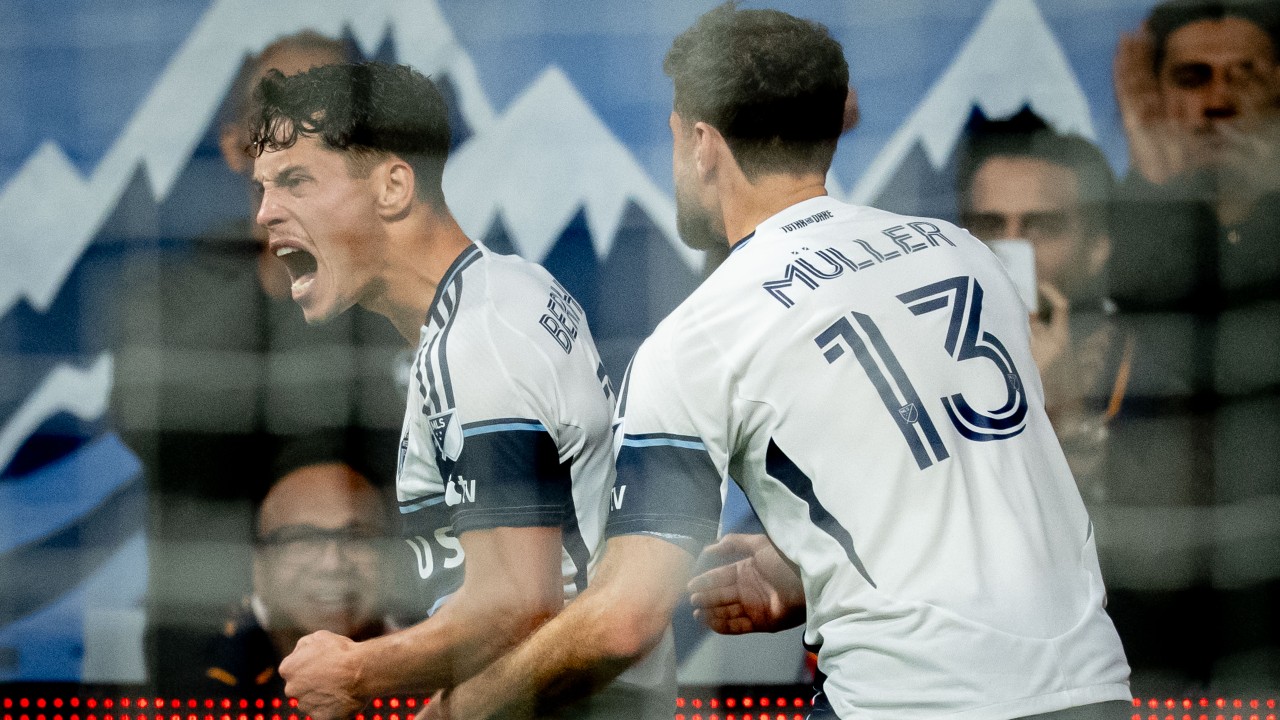
Thomas Muller stepped up to take the shot in the first minute of injury time, stutter stepped, then fired a left-footed shot in past Pantemis for his third goal of the season.
Four minutes later, Berhalter chipped a left-footed shot off from the top of the penalty area, sailing the ball in to give Vancouver a late 3-2 lead with his fourth goal of the season.
“I knew I needed to get in the box. I just got fortunate it fell to me, and then once it fell to me, I knew I was going to score,” said the American midfielder. “So it’s a good effort by the whole team. Honestly, I just looked at it — that was the 91st and 95th minute. And to score two goals in stoppage time shows a lot.”
Even after collecting an important victory, the Whitecaps have work to do, Takaoka cautioned.
Advertisement
“It’s a massive win for us, and we showed our mentality,” said the ‘keeper.
“We never give up until the end. It’s a massive win, but we have to look back at the end of the first half, we’ve conceded two games in a row. We have to be solid and we can’t allow a goal in the end of the first half. So I think we should be better, but it’s a great win.”
Saturday marked the second meeting between the two clubs this season. The ‘Caps beat the Timbers 4-1 in Portland on March 7. Striker Bruno Caicedo made his Whitecaps debut, coming on for Cheikh Sabaly in the 71st minute. An announced crowd of 25,465 took in the game at B.C. Place.
Timbers: Host Los Angeles FC on Saturday, April 11.
Advertisement
Whitecaps: Host New York City FC on Saturday, April 11.
There was a familiar presence on the touchline in a Liverpool FC game. Pep Lijnders belongs in a tradition of successful Liverpool assistant managers, even if his destiny, unlike those of Bob Paisley and Joe Fagan, was not to get the top job at Anfield.
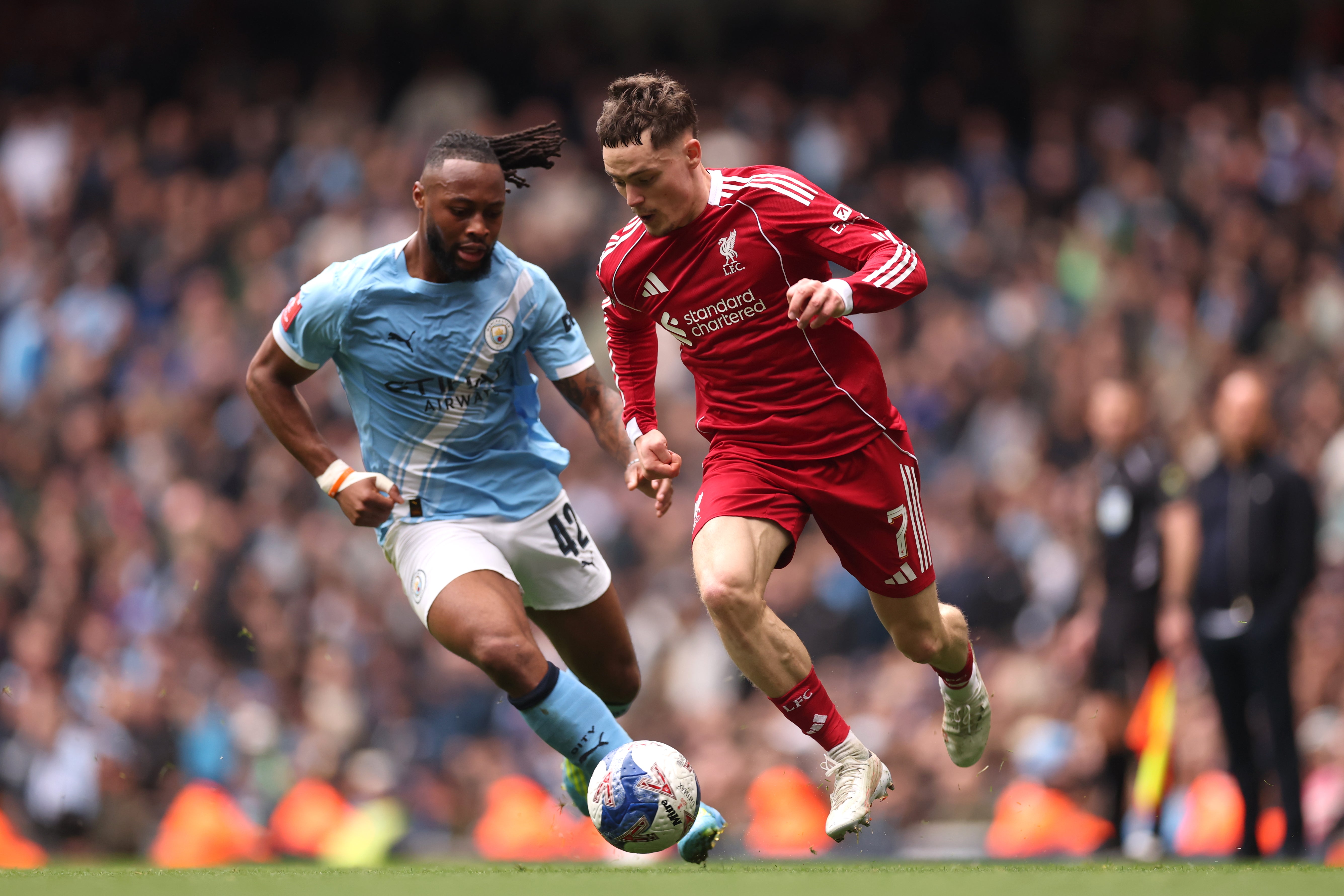
Instead, Lijnders has, via an ill-fated spell in charge of RB Salzburg, traded a role as Jurgen Klopp’s sidekick for one as Pep Guardiola’s second-in-command. With the Catalan banned, he was in charge in the technical area as Liverpool crashed out of the FA Cup, beaten 4-0 by Manchester City. Lijnders had been on the winning side in these clubs’ previous FA Cup clash, too: Klopp’s team had been outstanding in the 3-2 semi-final win in 2022.
Lijnders coined one of the mottos of Klopp’s Liverpool: “Our identity is intensity”. A reason, perhaps, why the Dutchman has not succeeded as a manager in his own right is that such phrases sound more convincing when said by Klopp. But, in his time at Anfield, he wrote a book called Intensity. Unsurprisingly, it is out of stock in the Liverpool club shop now.
Liverpool crashed out of the FA Cup (Mike Egerton/PA Wire)
But Liverpool have lost their intensity in another respect. “Our second half, the intensity we didn’t match,” said a downcast Virgil van Dijk after his hopes of lifting the FA Cup this year ended. Klopp had called his team “mentality monsters”. On Saturday, Dominik Szoboszlai reflected: “The fighting spirit wasn’t there enough. The mentality wasn’t there enough.”
And if, over eight-and-a-half years under Klopp, Liverpool were not always mentality monsters, or intense, or playing heavy-metal football, there is the sense they have lost their identity now. That they have lost 15 games this season, their most in a campaign since 2014-15 culminated in a 6-1 thrashing at Stoke, shows they are not as hard to beat. They have lost to late goals too often this year, but there have also been too many emphatic defeats. This was a fifth by at least three goals. Each, in its own way, has been a limp, lame loss.
There are times when Arne Slot’s Liverpool lose their way in games even before they lose them. It is not entirely his fault, but it raises the question of what Slotball actually is. It had seemed a hugely efficient tweak, rendering Klopp’s football calmer, more efficient, more effective. Yet Arne Slot won a Premier League title with players he inherited, rather than those purchased on his watch.
Advertisement
Arne Slot inherited an excellent squad but has struggled to forge his own (PA Wire)
This year, Liverpool – apart from when they score their own late winners – have tended to lack the visceral excitement Klopp’s football offered. Slot can sound like a man dreaming of a different time when he complains about low blocks and set-pieces. A broader failing – again, not entirely his – is that Liverpool are not intense enough.
They have contrived to spend £450m and yet look short on players, rendering it harder to play high-speed football when the overworked know they have to manage their energy and Slot is forever substituting those he fears will get injured. On Saturday, Van Dijk conceded a fourth penalty of the campaign; but a man nearing his 35th birthday has already played 4,131 minutes for Liverpool and a further 675 for the Netherlands. Szoboszlai, at fault for Tottenham’s late equaliser three weeks ago – albeit when used out of position at right-back – is now up to 3,938, plus 717 for Hungary.
Liverpool have spent huge money and yet seem short of players (Action Images via Reuters)
If there is one team ill-equipped to consistently play at the high speed Liverpool showed in their 4-0 win over Galatasaray, it may be them. They entered the season with too small a squad in which two young players, Rio Ngumoha and Trey Nyoni, and two senior players, Wataru Endo and Federico Chiesa, were never going to start much.
Add in three long-term injuries, to Giovanni Leoni, Alexander Isak and Conor Bradley, and Slot’s attempts to make sure that Jeremie Frimpong and Joe Gomez don’t break down and Liverpool look a team simply trying to survive, an exhausted group rather than one who can tire the opposition with their own running. They lack the pressing that was Klopp’s trademark: two of those who defended so energetically from the front were Luis Diaz and the late Diogo Jota, one sold, the other tragically killed.
Meanwhile, they have lost their efficiency. Slot bemoans missed chances and how other teams overperform their expected goals against Liverpool. Yet a side who have conceded 63 goals in all competitions have not been defensively tight enough. Much as Slot feels that, across the country, there are too few goals in open play, they were unlocked by the creativity in open play of City’s Rayan Cherki on Saturday.
Florian Wirtz has not provided the desired creativity (Getty Images)
Liverpool may have assumed that Florian Wirtz would have had a similar impact. But if they are not the creative team or the efficient side, the mentality monsters or the ones with the intense identity, what are they? And if there is not likely to be an answer to their identity crisis until next season, it would help if Slot could present a compelling vision of what his Liverpool should look like.
1 min read Last Updated : Mar 28 2026 | 3:36 PM IST
Novak Djokovic has pulled out of the Monte Carlo Masters after having skipped the Miami Open with a right shoulder injury.
“We send him our best wishes and hope to see him back on court very soon,” the clay-court tournament wrote Friday in announcing Djokovic’s withdrawal in an Instagram message.
The post didn’t specify the 38-year-old Djokovic’s reason for pulling out, but the 24-time Grand Slam champion hasn’t played since losing in three sets to Jack Draper in the fourth round of the BNP Paribas Open two weeks ago.
Advertisement
A year ago at Monte Carlo, Djokovic lost in the second round to Alejandro Tabilo.
Djokovic, ranked No. 3, has not commented on his social media channels about the withdrawal.
(Only the headline and picture of this report may have been reworked by the Business Standard staff; the rest of the content is auto-generated from a syndicated feed.)
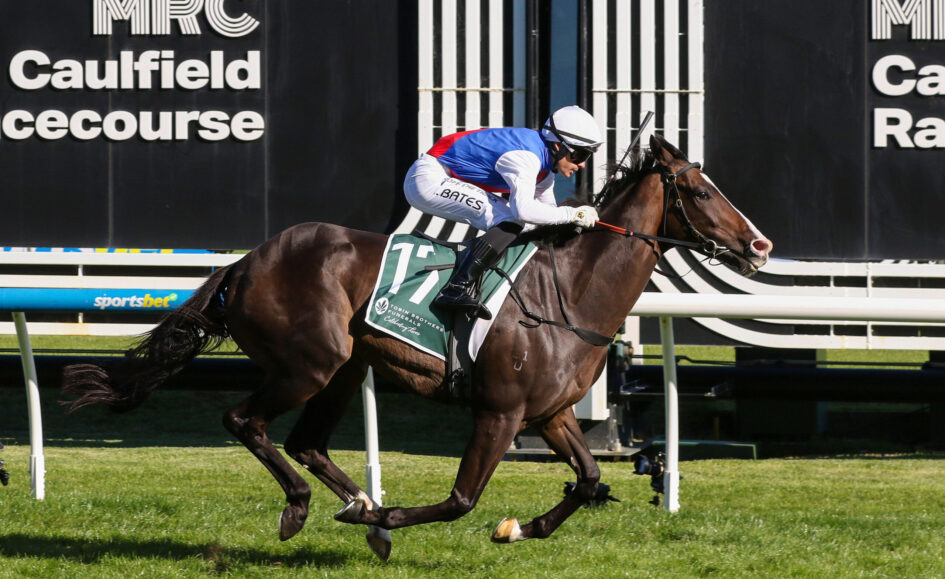
Ambassadorial’s form has surged since he entered the Melbourne Cup-winning yard run by Tony and Calvin McEvoy, with his latest highlight being a triumph in the Easter Cup (2000m) at Caulfield this Saturday.
Achieving a hat-trick of wins, the gelding sired by Fiorente registered his top achievement to date, winning at $4 favouritism for jockey Logan Bates, the apprentice.
The victor edged Sea What I See ($6) by 1½ lengths, leaving Immediacy ($17) a mere short half-head adrift in the runner-up position? No, third.
“A big thank-you to Anne Peacock and Jane Chapple-Hyam for sending us the horse and giving him the opportunity with us,” Tony McEvoy said.
Advertisement
“He’s been such a pleasure (to train). There will be no problem rehoming him as everyone in the stable just adores him.
“He’s such a gentleman and what a magnificent racing pattern he has.
“He’s gone from strength to strength.”
McEvoy joked that part of the gelding’s improvement had come from a change in approach.
Advertisement
“We’ve decided not to train him,” he said.
“We’re still charging training fees – I hope Jane didn’t hear that, but we’re keeping him really fresh.
“He’s a very light-fleshed, athletic horse and doesn’t require a lot and if you look at his CV, he has been with trainers that do train them, so we decided to make a change.”
Trained earlier by Gai Waterhouse and Adrian Bott, and subsequently by Alex Rae, the horse now has three successes and two podium finishes from five efforts with the McEvoys.
Advertisement
Plans call for testing his staying ability, positioning the Mornington Cup (2400m) on April 18 as a key upcoming race.
“He’s a gelding, he’s perfectly sound and he’s in rare form,” McEvoy said.
“What we need to know is whether he runs a mile-and-a-half. If he does that, it opens a brand-new chapter for him.”
The stable sealed a memorable card with a double as Rue De Royale took the Geoff Murphy Handicap (1200m).
Advertisement
Following that, a tilt at the Goodwood (1200m) at Morphettville next month is under consideration for the winner.
Keep tabs on Ambassadorial’s staying prospects and compare betting sites offering the keenest markets for the Easter Cup.
Minnesota Vikings offensive tackle Justin Skule (67) lines up during second-half action, engaging at the line of scrimmage as protection schemes unfold and the offense works through a drive Sep 28, 2025, at Croke Park in Dublin, Ireland, during an NFL International Series matchup against the Pittsburgh Steelers. Mandatory Credit: Kirby Lee-Imagn Images.
By now, NFL free agency is about a month old, and all attention among fans and front offices has fixated on the draft, which is about two and a half weeks away. Meanwhile, the Minnesota Vikings have six free agents from the 2025 roster who remain in limbo.
A few former Vikings from last season are still waiting for their next NFL opportunity.
This happens every offseason, so consider this the 2026 edition.
Advertisement
Familiar Ex-Vikings Names Remain on the Market for Now
Needing employment, these are six Vikings from last year’s roster still hunting.
Cincinnati Bengals quarterback Brett Rypien goes through pregame warmups, loosening his arm and preparing for action ahead of kickoff Sep 21, 2025, at U.S. Bank Stadium in Minneapolis, Minnesota. Rypien worked through routine drills on the field prior to facing the Vikings in an interconference matchup. Mandatory Credit: Brad Rempel-Imagn Images
Brett Rypien (QB)
Rypien’s situation is a stark contrast to last year, when he was the Vikings’ QB2 during the offseason. Now that the Vikings are pursuing other quarterbacks, Rypien will likely seek opportunities elsewhere. He realistically projects as a QB3 or QB4, where his experience and backup capabilities would be valuable.
For the Vikings, it’s Kyler Murray, J.J. McCarthy, Carson Wentz, and Max Brosmer instead.
Advertisement
Fabian Moreau (CB)
Moreau provided quietly effective, albeit largely unnoticed, play for the Vikings in 2025. As a veteran corner, he capably handled his assignments, holding opponents to an impressive 54.2 passer rating in 11 games, a noteworthy figure for a CB3. Given their need for reliable depth at the position,
Minnesota would benefit from re-signing him as CB4 insurance. A reunion feels mutually beneficial. Stay tuned.
Harrison Smith (S)
Advertisement
Although the Vikings officially released Smith last month, his career in Minnesota may not be over. He was re-energized at the end of 2025, playing his best ball in December and January.
The Vikings will open him back with open arms if he’s not ready for retirement. The prospect of the Vikings contending in 2026 with Kyler Murray while Smith is absent feels incongruous. What if they won the Super Bowl without him? Should send shivers down your spine.
The Viking Age‘s Adam Patrick noted on Smith last month, “It seems safe to assume that if Smith comes back for the 2026 season, it will be in a Minnesota uniform and not with another team. The All-Pro defender has spent his entire NFL career with the Vikings, and there haven’t been any indications that he would want to join another franchise.”
“What are the chances of Smith returning for another season in Minnesota? Well, Brian Flores remaining the Vikings’ defensive coordinator for at least another year doesn’t hurt. Smith has expressed multiple times in the past how much he loves playing in Flores’ defense, and Minnesota’s defensive play-caller would obviously love to have his top safety back on the field in 2026.”
Advertisement
Jeff Okudah (CB)
Okudah struggled to find his footing in Minnesota. Injuries hampered his performance, and opponents frequently targeted him with success.
Los Angeles Chargers wide receiver Ladd McConkey breaks free from Minnesota Vikings cornerback Jeff Okudah, creating separation for a touchdown catch in second-half action Oct 23, 2025, at SoFi Stadium in Inglewood, California. The scoring play highlighted McConkey’s route-running and speed against Minnesota’s secondary coverage. Mandatory Credit: Jayne Kamin-Oncea-Imagn Images
His career has veered significantly from the high expectations that accompanied him as a top three draft pick in 2020. The consistent talent that made him a coveted prospect has been elusive, giving the Vikings little incentive to re-sign him.
His career may be on the verge of irrelevance.
John Wolford (QB)
Advertisement
Wolford served as the emergency quarterback last season, providing a veteran option during periods of injury and roster instability. While valuable in the short term, this role rarely offers long-term security. As Minnesota moves in a different direction in 2026, Wolford will likely seek practice squad opportunities or emergency depth roles with another team.
Justin Skule (LT)
Skule presented a compelling case for re-signing early in the offseason. Given Christian Darrisaw’s recovery from a significant knee injury and the unpredictable nature of offensive line recoveries, tackle depth is crucial. Furthermore, Brian O’Neill’s age underscores the need.
Skule provided solid snaps for the Vikings in 2025, demonstrating the reliability and composure expected of a swing tackle. But Minnesota signed Ryan Van Demark from the Buffalo Bills, effectively ruling out a Skule contract.
Advertisement
San Francisco 49ers offensive tackle Justin Skule stands on the field during pregame moments, preparing for kickoff and working through final adjustments Sep 13, 2020, at Levi’s Stadium in Santa Clara, California. Skule readied himself for action along the offensive line ahead of a matchup with the Arizona Cardinals. Mandatory Credit: Kyle Terada-USA TODAY Sports
Our Kyle Joudry wrote about Skule two weeks ago, “In saying ‘yes’ to OT Ryan Van Demark, the Vikings seem to be saying ‘no’ to OT Justin Skule. The decision is to move on, at least if the expected occurs. In fairness, the decision to say goodbye to Justin Skule isn’t totally shocking.”
“At any point, Minnesota could have re-signed him in January, February, or the early portion of March since he was an in-house employee. And then there was Kwesi Adofo-Mensah seemingly tipping the team’s hand, publicly explaining (before being fired) that the team would look to improve at OT3.”
Matt Nelson (LT)
Nelson represents the type of roster depth typically considered when planning the practice squad. His quiet presence in free agency reflects the league’s perception of his limited role. While not without value, his opportunities are restricted, and he appears destined to remain on the fringes of rosters.
Minnesota, in theory, could sign him as a depth guy after the draft.
For right-handed players who favor a fade, Augusta National presents several uncomfortable tee shots. That means the opposite is true for left-handed players, seemingly baking in an inherent advantage for those able to deliver the shot shape that’s most frequently asked of them every other week on Tour.
Start with the first nine, where holes 2, 5 and 9 each move significantly right to left. On the second nine, 10 and 13 move in the same direction. Both par-3s on that side — 12 and 16 — also lend themselves to a left-handed fade.
All of this, one might presume, would help explain why, since 2003, left-handed players have won the Masters six times (Mike Weir, 2003; Phil Mickelson, 2004, ’06 and ’10; Bubba Watson, 2012 and ’14). In that same period, lefties have combined for only four wins at the other three men’s majors.
But what does a deeper data dive say? On what parts of the course are the advantages most significant for left-handers? Or, conversely, does the math not back up the long-standing theory?
Advertisement
We analyzed shot-by-shot strokes-gained data from every Masters from 2015 to present — including more than 3,200 rounds and 234,000 strokes — in search of meaningful answers to our question.
The data set
The left-handed rounds we analyzed come from an eclectic mix of players at different points in their respective careers, including past champions (Weir, Mickelson, Watson); major contenders and winners (Robert MacIntyre, Brian Harman); emerging stars (Akshay Bhatia); and journeymen (Ted Potter, Jr.).
While lefties account for six Masters victories in the last 23 years, they make up a relatively small percentage of the fields. Since 2015, just 4.6% of Masters rounds have been played by left-handers.
When it comes to elite players, that share is even smaller. Since 2015, less than 3.5% of left-handed entrants have been ranked in the top 50 of the Official World Golf Ranking. And just three lefties in that span have been ranked in the top 10 in the world, accounting for only 2.7% of field makeups in the selected time span. It’s important to factor in those numbers when considering that right-handed players in our study window outscored left-handed players by an average of 72.92 to 73.25.
Advertisement
Overall trends
Because most elite players are right-handed, it’s difficult to make broad assessments comparing the average performance of lefties vs. righties.
Off the tee, the numbers are a wash. The two groups produce almost identical overall fairway hit percentages (69.2% to 69.1%). In terms of strokes gained, left-handed players since 2015 have gained an average of 0.03 strokes per round compared to right-handed players.
What about overall approach play? Since 2015, left-handed players have had positive strokes gained approach in 52.7% of their rounds played vs. 51.3% for righties. When looking at elite-level approach performances, though, the numbers drift in favor of the bigger group of high-level righties: while 22.0% of rounds from “elite” lefties result in a full stroke gained or more with approach play, 28.6% of right-handed rounds check that box.
The more interesting data reveals itself when looking at individual holes.
Advertisement
Hole analysis
Statistically, some holes produce surprising results.
You’d think that the par-5 2nd hole, which features the familiar right-to-left dogleg, would favor lefties. But left-handed players make birdie or eagle about 10% less frequently than righties there since 2015. By that statistic, it’s the largest negative differential lefties experience at Augusta.
The par-4 5th hole, which also works right to left off the tee, ranks in the middle of the pack in terms of approach shot difficulty for right-handed players, with the 9th-toughest green in regulation rate since 2015. For lefties, it ranks 5th-toughest, yielding a GIR rate 4.1% lower than their right-handed counterparts.
The 5th hole.
getty images
Advertisement
The par-4 10th hole produces the largest green in regulation rate advantage for left-handed players. Since 2015, lefties have hit the green about 6% more often than righties.
On the famed par-3 12th, left-handed players make birdie 4% more often than righties, and the left-handed scoring average is 0.13 strokes lower than it is for righties (the second-largest advantage on the course).
No single hole has generated a larger statistical advantage for lefties than the hard dogleg-left par-5 13th. Since 2015, left-handed players have hit the 13th fairway 82% of the time, or 11.4% more than the field average. That has led to a birdie or better rate 11.5% higher for lefties than the rest of the field. The memories match the math: think of some of the incredible shots Mickelson and Watson have hit at 13.
The view back to the tee box on 13.
getty images
Advertisement
The par-3 16th generates the largest disparity of green in regulation rate on the course. Since 2015, right-handed players hit the green in regulation at Redbud about 75% of the time. For lefties, that rate is 11% lower. A stock right-handed fade at 16 requires moving the ball over the water that sits left of the green. This wide differential suggests that righties are more prone to a conservative approach there (find the middle of the green) while lefties take on more risk (attacking the pin).
While Augusta National’s par-4 18th moves slightly left to right, lefties have a slightly higher fairway hit rate (+2.3%), green in regulation rate (+2.8%) and birdie or better rate (+0.9%) than right-handed players. Hole shape isn’t the only determining factor in these statistical differences, but it is inarguably the biggest one.
Conclusion
In broad strokes, the stats indicate that left-handed players in the Masters do not have a meaningful advantage over righties. But the course does ask different questions of the players depending on what side of the ball they stand — and in several key spots, the numbers tell you, it’s much more comfortable to be on the left side.
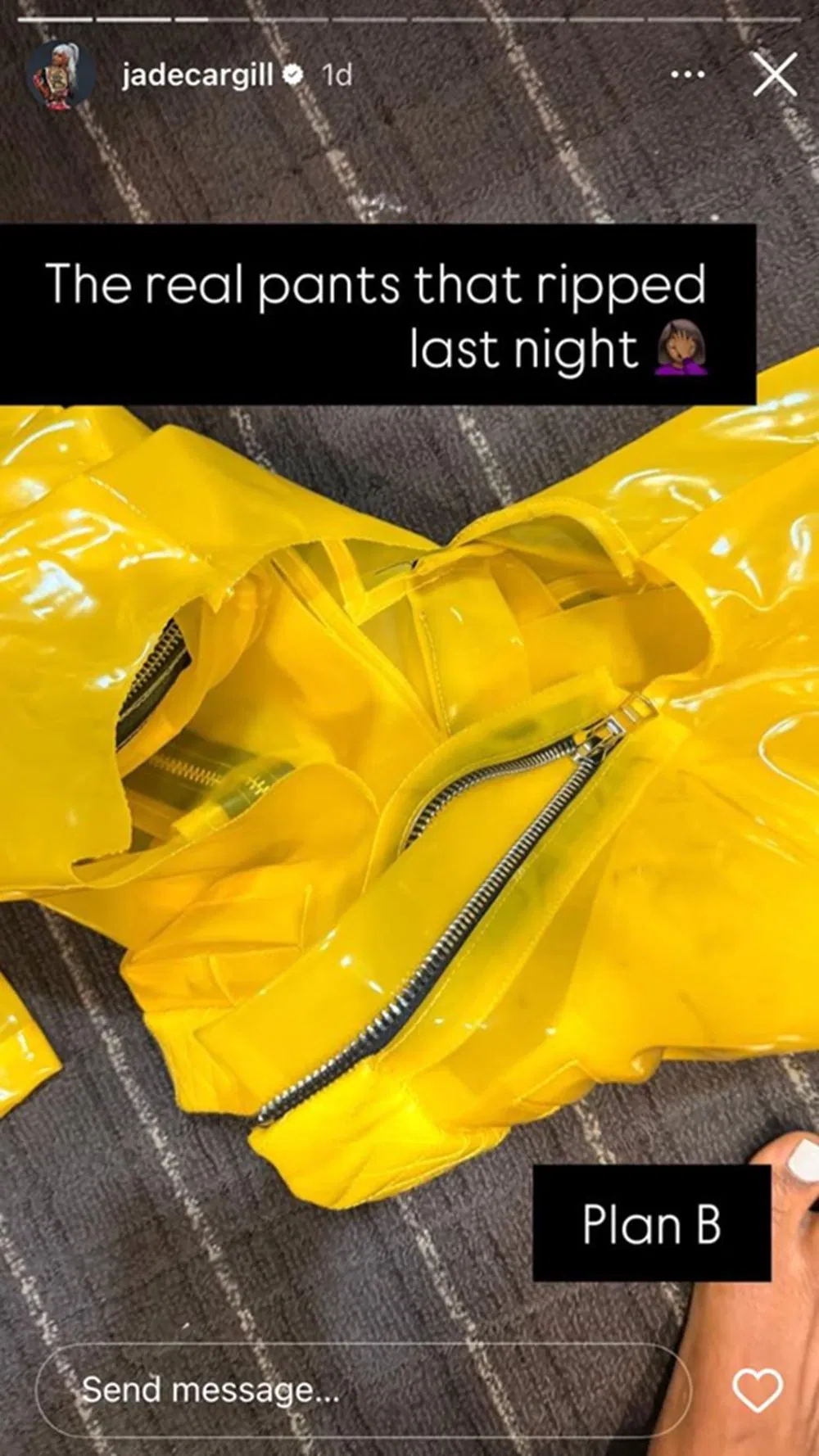
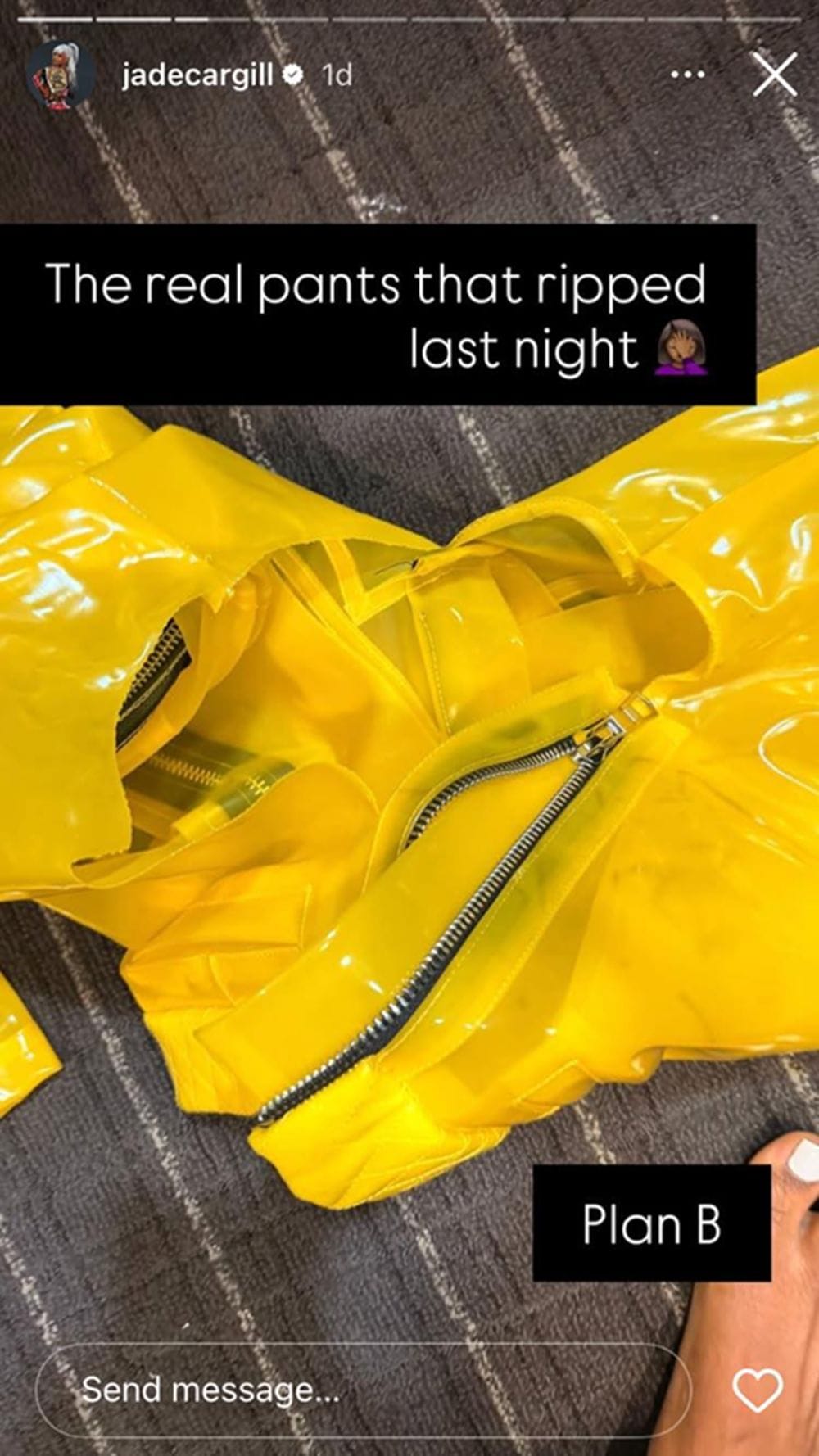
Jade Cargill is the SmackDown Women’s Champion, but she has had her work cut out since stepping into a feud with Rhea Ripley. Cargill has aligned with Michin and B-Fab in recent weeks, but it seems she had much bigger issues on this week’s show.
Following the event, Cargill shared a picture of her trousers that ripped on WWE SmackDown, which meant that she was forced to go with Plan B, and she then came out in shorts instead.
Thanks for the submission!
Advertisement
Jade Cargill had a mishap (Via Instagram)
Cargill was still very much part of SmackDown despite the mishap and was able to stop at ringside for the match between Rhea Ripley and Michin, before she then tried to step up to Mami, but Iyo Sky came out and made the save, after weeks of Cargill getting the upper hand on her WrestleMania opponent.
Wardrobe issues have become common with the women in WWE over the past few years, but it seems that Cargill was able to prevent hers from happening in front of the live cameras.
Advertisement
As noted, Cargill was spotted in shorts on the show instead, but it seems that she did initially have plans to match her team of B-Fab and Michin in yellow before her trousers ripped and she was unable to fix them in time.
Jade Cargill has her work cut out at WrestleMania
Jade Cargill has never been up against anyone like Rhea Ripley in her short career, and it’s clear that numbers will not help her at WrestleMania now that Iyo Sky has been added to the match.
It was announced on SmackDown that Sky will be in Rhea Ripley’s corner for the match to ensure that B-Fab and Michin are non-factors. The two women have been close friends for a long time, and now it seems that Sky will be the one stepping up for Rhea.
Cargill has been able to climb the ranks in WWE relatively fast since making the move over from AEW, but this means that she hasn’t been able to face many challenges, and Ripley will be the hardest of her career.
Advertisement
Why did you not like this content?
Advertisement
Was this article helpful?
Thank You for feedback
Read all the hottest WWE news from Sportskeeda by choosing us as your preferred source. Click HERE.
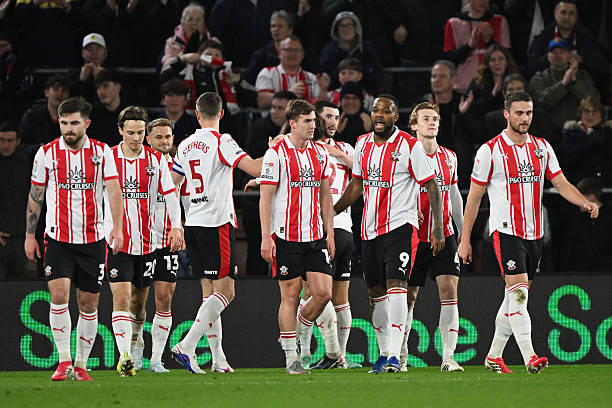
SOUTHAMPTON, ENGLAND – FEBRUARY 24: Finn Azaz of Southampton celebrates scoring his team’s first goal with teammates during the Sky Bet Championship match between Southampton and Queens Park Rangers at St Mary’s Stadium on February 24, 2026 in Southampton, England. (Photo by Mike Hewitt/Getty Images)
Southampton are through to the FA Cup semifinals after a 2-1 win over Arsenal at St Mary’s.
Arsenal had control early on and created the better chances, but Southampton took theirs when it mattered.
The Saints struck twice and held their nerve, with Charles scoring the winner late to seal the result and send the home crowd into celebration.
Advertisement
Arsenal had most of the ball possession but could not turn it into goals. Their night also took another hit when Gabriel Magalhães went off with a knee injury.
After the game, Mikel Arteta did not hide his frustration with the way his team defended:
“If you make defending errors we made today it’s very difficult to be in the semi-final.”
Christian Norgaard says Arsenal cannot afford to overthink their shock FA Cup exit at Southampton as the Premier League leaders look to bounce back in the Champions League.
Mikel Arteta’s men suffered an almighty shock at St Mary’s on Saturday evening as the Championship play-off hopefuls’ intensity and courage paid dividends in a famous 2-1 quarter-final triumph.
Substitute Shea Charles’ late strike sent Southampton to the semi-finals and left Arsenal with some soul searching as the shock defeat compounded their Carabao Cup final loss to Manchester City a fortnight ago.
The Gunners will attempt to get back to winning ways in Lisbon in Tuesday’s Champions League quarter-final first leg against Sporting, before the runaway league leaders host Bournemouth in a key game on Saturday.
Experienced midfielder Norgaard said: “The message is to have a positive body language, to talk with your team-mates, with the coaching staff.
Advertisement
“Now is not the time to go with our heads down for too long.
“It’s fine to be frustrated tonight and also tomorrow to analyse what went wrong, but then we also have to look forward because there are so many big games coming up for this club.”
Arsenal need to shake off their first back-to-back defeats of the season to avoid further damage to what has until recently been a memorable campaign.
“Disappointing evening,” Norgaard told club media. “We all had our hopes high to win and go back to Wembley, but yeah, that’s not the case.
Advertisement
“Sorry to disappoint so many travelling fans, they created an amazing atmosphere and, yeah, today was not good enough.”
Injury-disrupted Arsenal only managed to threaten periodically at St Mary’s, where few would argue that the hosts did not deserve to progress to Wembley.
Ross Stewart coolly struck Saints ahead and Leo Scienza hit the crossbar shortly before Viktor Gyokeres levelled, only for super sub Charles to spark bedlam with a fine finish five minutes from time.
Goalscorer, and boyhood Arsenal fan, Stewart said: “It’s just pure joy and elation, an incredible night for the club to beat a team of Arsenal’s calibre in the manner that we did.
Advertisement
“I thought we were excellent. It’s an incredible night for the club and there were some good celebrations in the dressing room – we’ll enjoy tonight.
“It’s a great occasion to look forward to, but we’ve got a lot of league business that we’ve got to take care of, and the gaffer has just reinforced that – starting Tuesday we’ve got to be ready to go for another tough game.”
Saints are hoping their FA Cup semi-final will be the first of three Wembley trips before the end of the season.
The dream of replicating Lawrie McMenemy’s second-tier FA Cup triumph of 1976 is alive, as is their promotion dream ahead of Tuesday’s return to action at play-off rivals Wrexham.
Advertisement
“I think it’s just where we’re at as a squad,” Stewart told the club website. “That confidence, that belief, the character.
“We knew it was going to be tough but we spoke about it throughout the week that we’re a team that’s 14 games unbeaten, we know we’re a hard team to beat, and I think you saw that again.”
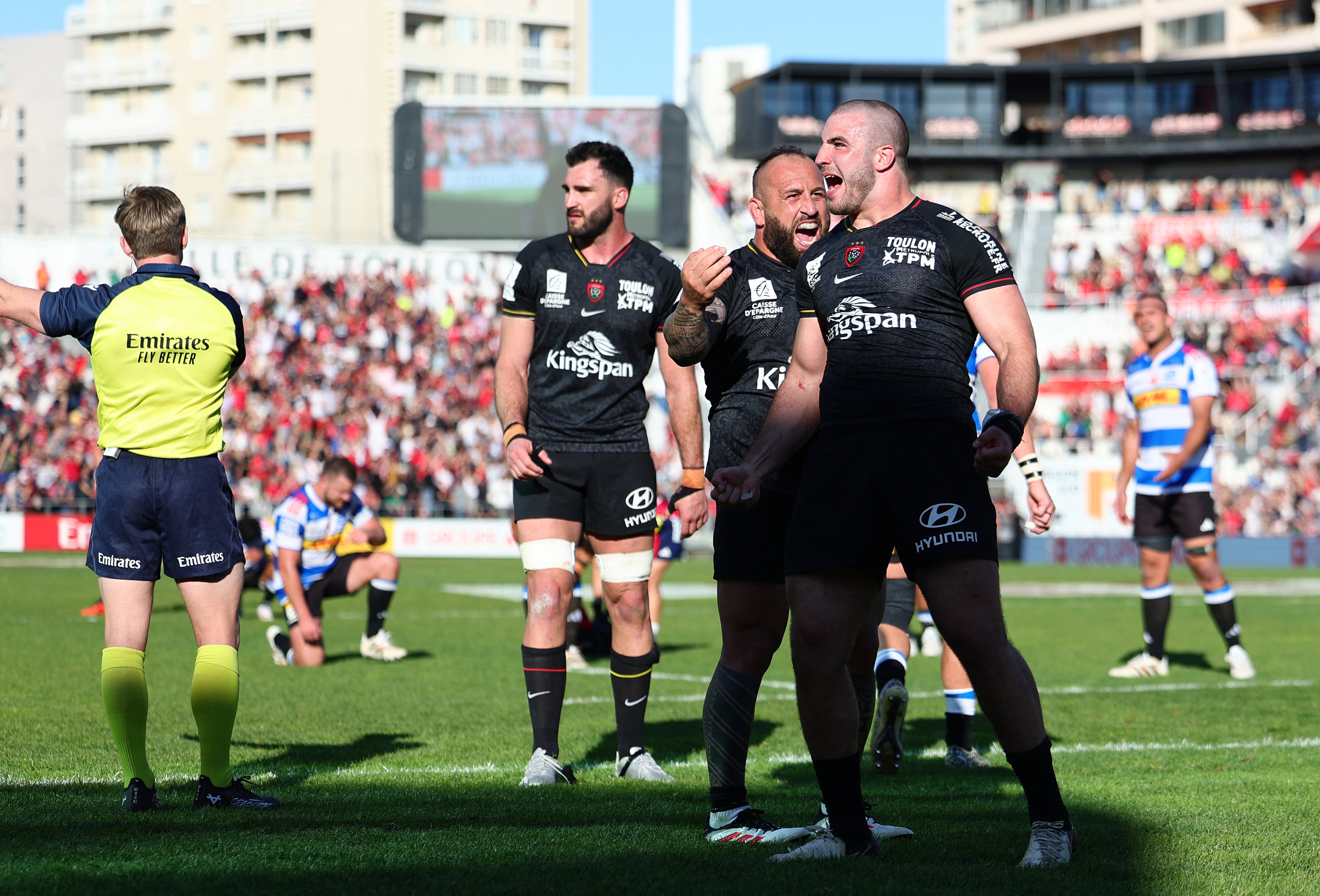
If there was an image to sum up the Investec Champions Cup knockout rounds, it came with the clock nearly three minutes into the red at a scorching Stade Felix-Mayol on Saturday afternoon. As Marcel Theunissen, the replacement back rower, picked and ploughed for the line, players from both the Stormers and Toulon threw their arms aloft like heavyweight fighters as each claimed victory; after a long deliberation in conjunction with his television match official, referee Christophe Ridley stuck with an on-field call of held up.
Toulon just about held firm at the last against the Stormers (AFP via Getty Images)
It sent the French side through, the South Africans away with plenty to ponder – why was there no drop goal? Why, with a two-man advantage, did they keep things so narrow? – and the rest of us to marvel at how wonderful this competition can be. As detailed time and time again in these pages, this version of the Champions Cup is riddled with issues and a pale imitation of what it used to be but for the delivery of drama, and for an intensity of contest, it stands consistently above any club competition. The round-of-16 winners may have been predictably home-side heavy but few would have felt short-changed in terms of entertainment.
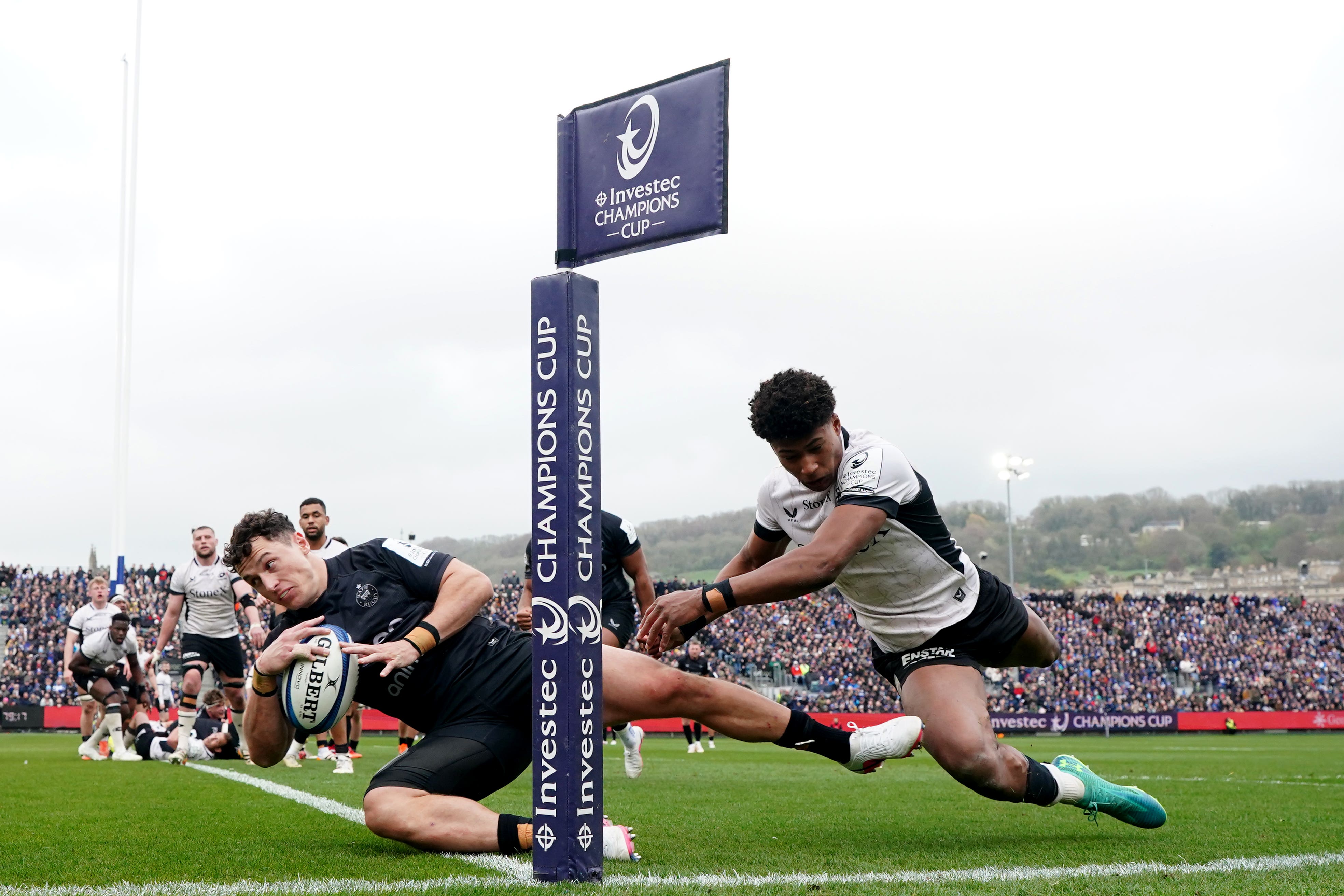
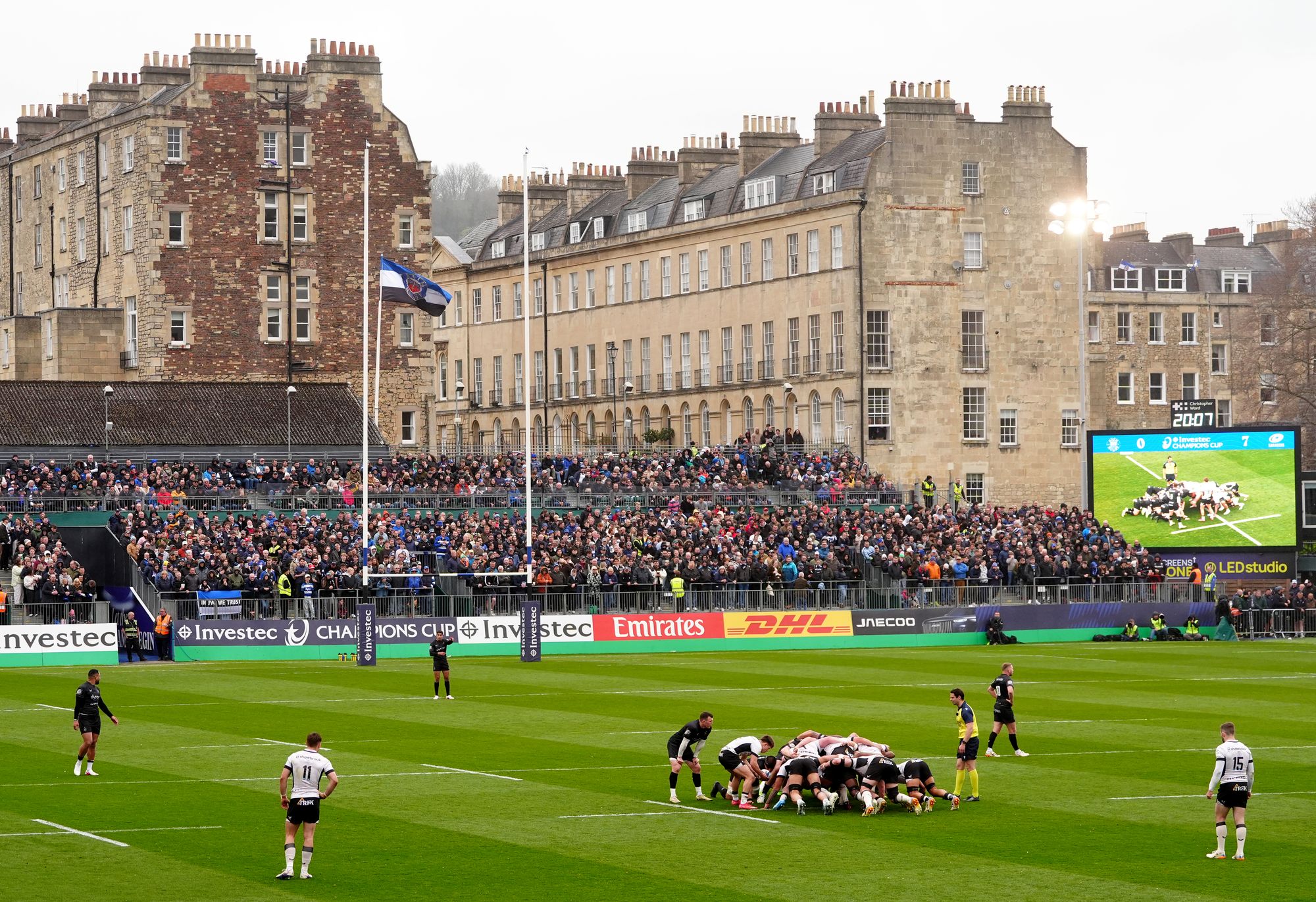
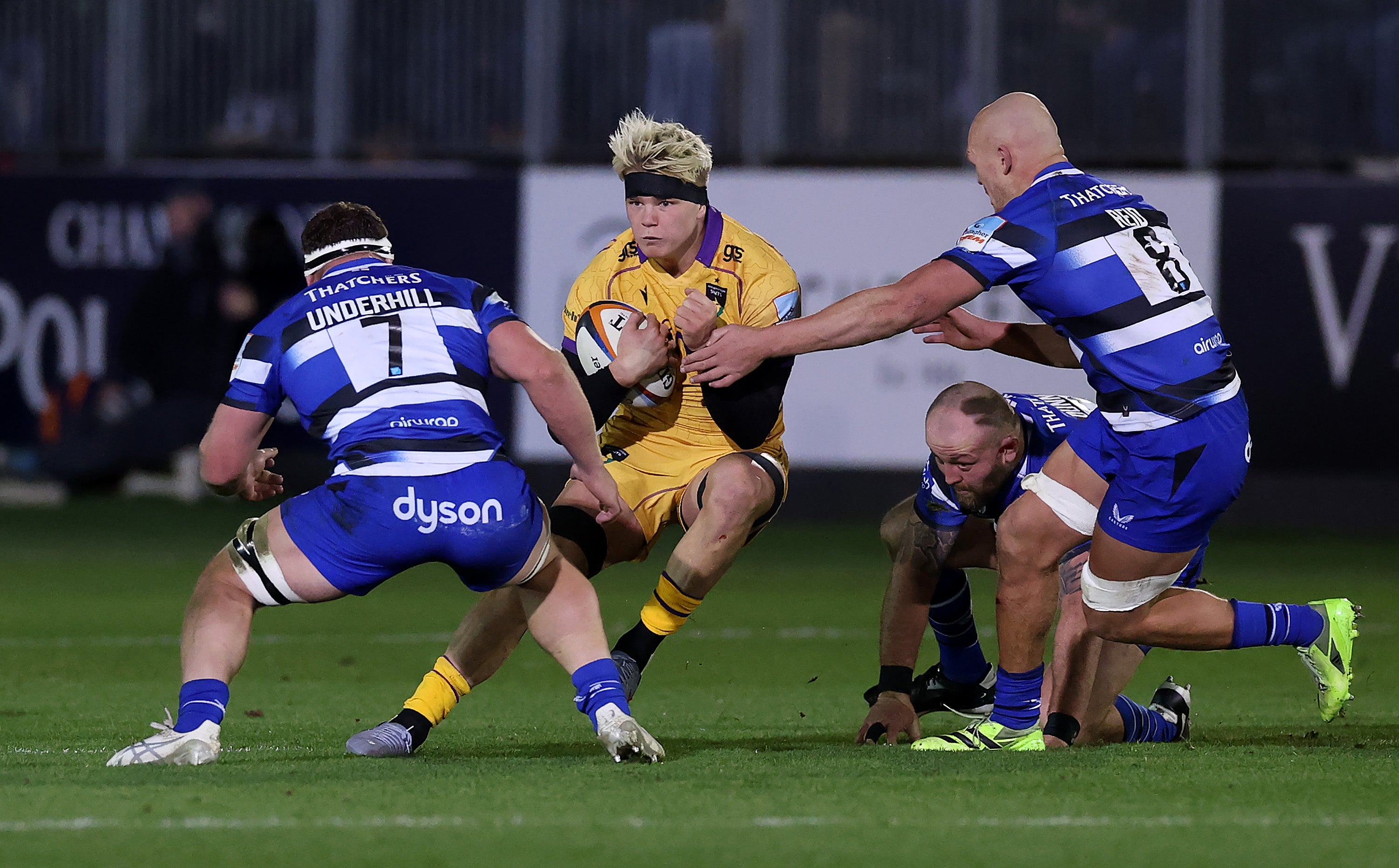
Certainly, those paying fair whack at The Rec would have still felt they received value for money. Bath’s 31-22 win over Saracens was a cracking, crackling cup tie – before the game, the matchday announcer found a travelling family of Norwegian tourists for whom this was a first taste of rugby union. They will surely spread the gospel; perhaps we can expert more visitors over from Oslo once James Dyson and Bruce Craig build their new stadium.
Henry Arundell helped Bath into the Champions Cup quarter-finals (PA Wire)
One should not underestimate the significance of Saturday’s success for Bath. Before the game, a few fans were guilty of overlooking the challenge that Saracens would pose, talking already of the prospect of Northampton, victors against Castres on Friday night, in a quarter-final to come. But Bath had not hosted a knockout tie in this competition since 2002; it looked for a long time like they might not earn a second.
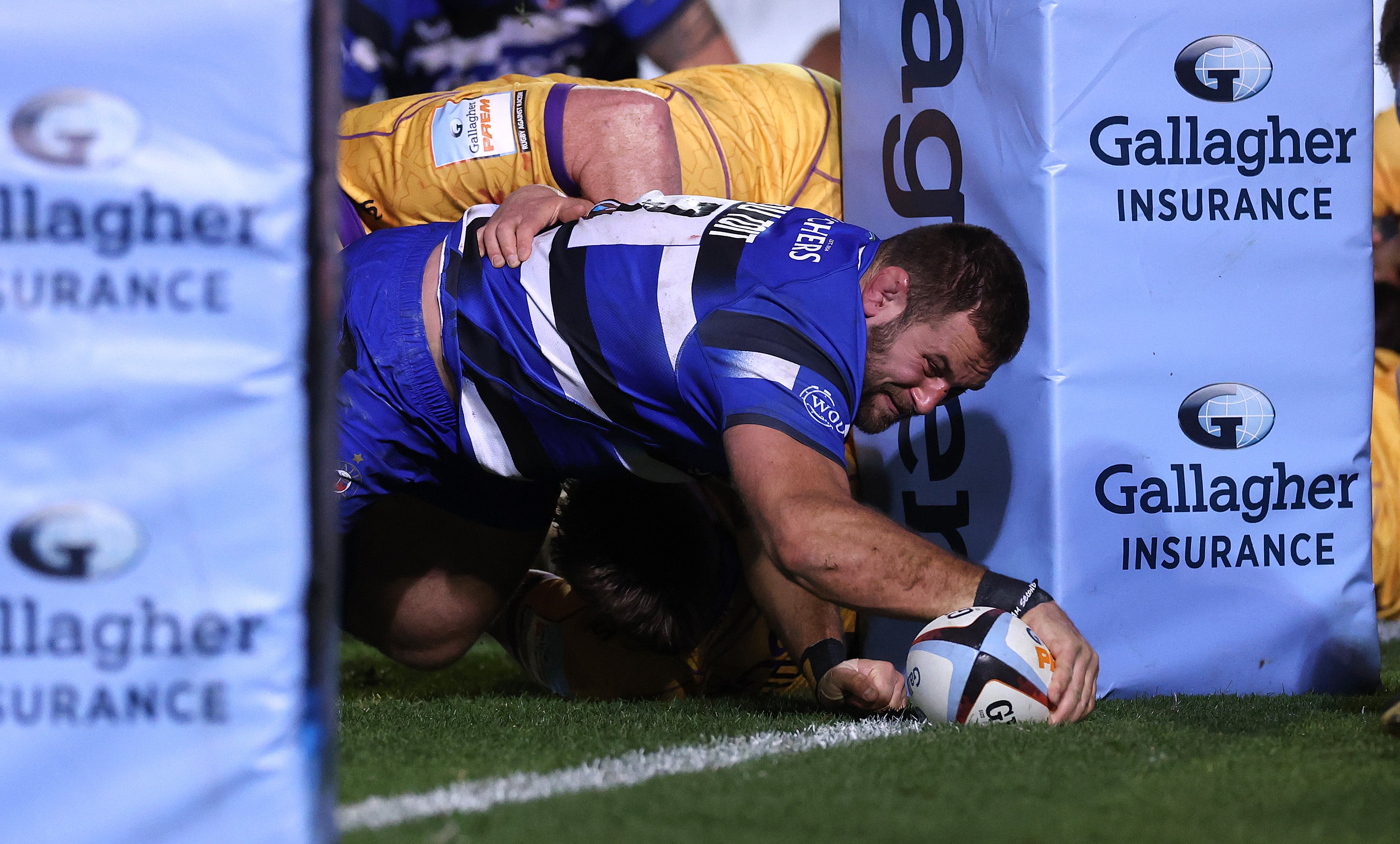
Saracens were on top at scrum time until Bath introduced Thomas du Toit (David Davies/PA Wire)
But they did, and in the process served a reminder of the strength in depth that makes them Champions Cup contenders. South African interest in this competition may have ended by narrow defeats for the Stormers and Bulls, yet it was still a Springbok who perhaps had the most pivotal impact of the round. “It’s quite handy having Thomas du Toit coming off the bench, isn’t it?” smirked Saracens boss Mark McCall, whose side had been in control at the set-piece until the replacement tighthead’s arrival.
The first engagement after his introduction saw Beno Obano, on the loosehead, sent to the sin bin, but Bath were dominant thereafter. Du Toit swung both scrum and game his side’s way, enabling them to overcome on a day where they did not find attacking fluency or their usual red-zone efficiency.
Johann van Graan has an embarrassment of riches at the position, with the injured Will Stuart and starter Archie Griffin both Test tightheads, too, and youngster Vilikesa Sela an England international in waiting. But it is his 30-year-old South African that Van Graan goes to in the big moments – it is he, rather than Finn Russell, that has been their best signing in recent years.
The South Africa tighthead Thoams du Toit has been hailed as one of the best players in the world (Getty Images)
“I thought Thomas was fantastic in that second half,” the Bath director of rugby said. “In my view, he’s currently one of the best players in the whole world. He showed that again today – he was absolutely phenomenal in the scrum, in defence and in attack. That’s why you build a squad. You call on 23 guys on a weekend, and all credit to the players.”
Du Toit’s impact underlining just how important this season may be for Bath. It is difficult for Prem clubs to mix it with the French big boys and Leinster when it comes to squad depth in this competition – Northampton’s appearance in the Champions Cup final last year was an exception that proved the rule, given that the Saints all-but-sacrificed their domestic campaign to prioritise a European run. Bath, conversely, appear equipped to compete on both fronts – though perhaps not for long.
Advertisement
Bath will take on Northampton in the Champions Cup quarter-finals (Getty Images)
Come the end of the season, Du Toit is headed home having agreed a deal to re-sign for the Sharks. It is not just he moving on – No 8 Alfie Barbeary is bound for Saracens, where he has the sizeable shoes of Tom Willis to fill, with Francois van Wyk, Will Butt and Ethan Staddon other vital depth pieces headed elsewhere. The re-signing of Russell, retention of several other key figures and continued strength of the pathway will keep Bath competitive but it is fair to suggest that this may be the strongest squad they will possess in this era.
Saracens have played Toulouse and Glasgow as well this season and fly half Fergus Burke believes Bath are as good as any side. “They are so physical up front,” the Scotland international said. “They’ve got one of the best 10s in the world driving them around, and he’s got eight forwards starting and six on the bench that are genuinely massive. They give him the platform to pull the strings. I can see them going deep in this competition. They are one of the best teams in Europe without a doubt, and I hope they go all the way.”
A six-day turnaround for Bath against Northampton, who won at the Rec just after Christmas, will pit the two best sides in England against one another; another likely last-eight tie between Toulouse and Bordeaux-Begles will see the Top 14’s top two test their mettle. Another captivating Champions Cup weekend is in store.
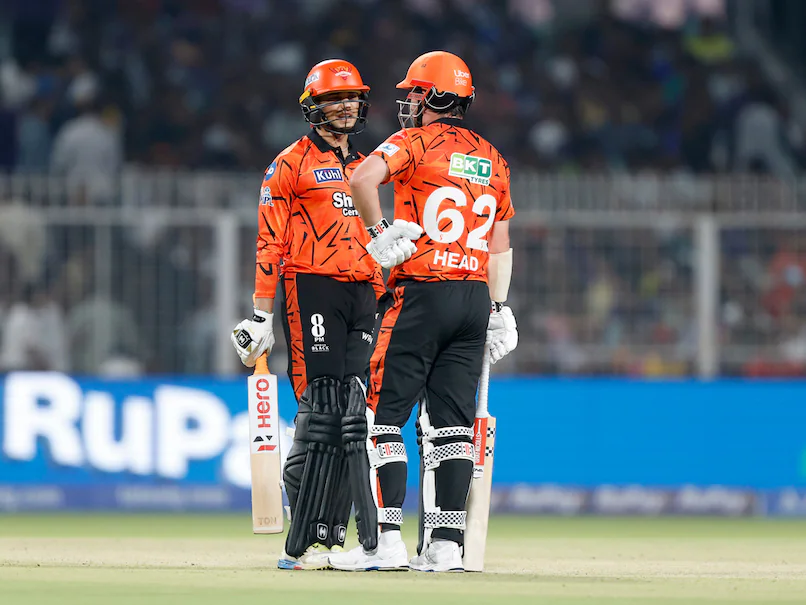
SRH vs LSG Live Score, IPL 2026 LIVE Cricket Score: Lucknow Super Giants skipper Rishabh Pant won the toss and opted to bowl against Sunrisers Hyderabad in their IPL 2026 match on Sunday.









;)
;)









































You must be logged in to post a comment Login