


By SuperWest Sports Staff
Sports
Updated Colorado State All-Time Football Seasons


After last year’s 2-10 campaign, Colorado State football has played 118 seasons, dating back to 1902.
 During that time, the Rams have compiled a 549–631–33 (.466) record through the 2025 season.
Since the program’s initial season, CSU has appeared in 18 bowl games, winning six, along with 15 conference championships.
The Rams have produced five consensus First Team All-America players.
Colorado State begins its 119th season under new head coach Jim Mora in a retooled Mountain West Conference, looking to resume its winning ways.
—Conference Affiliations—
- Pac-12 Conference (2026-present)
- Mountain West Conference (1999–2025)
- Western Athletic Conference (1968–1998)
- Independent (1962–1967)
- Skyline Conference (1938–1961)
- Rocky Mountain Athletic Conference (1909–1937)
- Colorado Football Association (1893–1908)
The table below gives an all-time season rundown with Conference, W-L record, win percentage, coach, and bowl game, if any, for each year.
| Year | Conf | W | L | T | Pct | Coach(es) | Bowl |
|---|---|---|---|---|---|---|---|
| 2025 | MWC | 10 | 4 | 0 | .714 | Dan Mullen (10-4) | Frisco Bowl (L) |
| 2024 | MWC | 11 | 3 | 0 | .786 | Barry Odom (10-3) Del Alexander (1-0) | LA Bowl (W) |
| 2023 | MWC | 9 | 5 | 0 | .643 | Barry Odom (9-5) | Guaranteed Rate Bowl (L) |
| 2022 | MWC | 5 | 7 | 0 | .417 | Marcus Arroyo (5-7) | |
| 2021 | MWC | 2 | 10 | 0 | .167 | Marcus Arroyo (2-10) | |
| 2020 | MWC | 0 | 6 | 0 | .000 | Marcus Arroyo (0-6) | |
| 2019 | MWC | 4 | 8 | 0 | .333 | Tony Sanchez (4-8) | |
| 2018 | MWC | 4 | 8 | 0 | .333 | Tony Sanchez (4-8) | |
| 2017 | MWC | 5 | 7 | 0 | .417 | Tony Sanchez (5-7) | |
| 2016 | MWC | 4 | 8 | 0 | .333 | Tony Sanchez (4-8) | |
| 2015 | MWC | 3 | 9 | 0 | .250 | Tony Sanchez (3-9) | |
| 2014 | MWC | 2 | 11 | 0 | .154 | Bobby Hauck (2-11) | |
| 2013 | MWC | 7 | 6 | 0 | .538 | Bobby Hauck (7-6) | Heart of Dallas Bowl (L) |
| 2012 | MWC | 2 | 11 | 0 | .154 | Bobby Hauck (2-11) | |
| 2011 | MWC | 2 | 10 | 0 | .167 | Bobby Hauck (2-10) | |
| 2010 | MWC | 2 | 11 | 0 | .154 | Bobby Hauck (2-11) | |
| 2009 | MWC | 5 | 7 | 0 | .417 | Mike Sanford (5-7) | |
| 2008 | MWC | 5 | 7 | 0 | .417 | Mike Sanford (5-7) | |
| 2007 | MWC | 2 | 10 | 0 | .167 | Mike Sanford (2-10) | |
| 2006 | MWC | 2 | 10 | 0 | .167 | Mike Sanford (2-10) | |
| 2005 | MWC | 2 | 9 | 0 | .182 | Mike Sanford (2-9) | |
| 2004 | MWC | 2 | 9 | 0 | .182 | John Robinson (2-9) | |
| 2003 | MWC | 6 | 6 | 0 | .500 | John Robinson (6-6) | |
| 2002 | MWC | 5 | 7 | 0 | .417 | John Robinson (5-7) | |
| 2001 | MWC | 4 | 7 | 0 | .364 | John Robinson (4-7) | |
| 2000 | MWC | 8 | 5 | 0 | .615 | John Robinson (8-5) | Las Vegas Bowl (W) |
| 1999 | MWC | 3 | 8 | 0 | .273 | John Robinson (3-8) | |
| 1998 | WAC | 0 | 11 | 0 | .000 | Jeff Horton (0-11) | |
| 1997 | WAC | 3 | 8 | 0 | .273 | Jeff Horton (3-8) | |
| 1996 | WAC | 1 | 11 | 0 | .083 | Jeff Horton (1-11) | |
| 1995 | Big West | 2 | 9 | 0 | .182 | Jeff Horton (2-9) | |
| 1994 | Big West | 7 | 5 | 0 | .583 | Jeff Horton (7-5) | Las Vegas Bowl (W) |
| 1993 | Big West | 3 | 8 | 0 | .273 | Jim Strong (3-8) | |
| 1992 | Big West | 6 | 5 | 0 | .545 | Jim Strong (6-5) | |
| 1991 | Big West | 4 | 7 | 0 | .364 | Jim Strong (4-7) | |
| 1990 | Big West | 4 | 7 | 0 | .364 | Jim Strong (4-7) | |
| 1989 | Big West | 4 | 7 | 0 | .364 | Wayne Nunnely (4-7) | |
| 1988 | Big West | 4 | 7 | 0 | .364 | Wayne Nunnely (4-7) | |
| 1987 | PCAA | 5 | 6 | 0 | .455 | Wayne Nunnely (5-6) | |
| 1986 | PCAA | 6 | 5 | 0 | .545 | Wayne Nunnely (6-5) | |
| 1985 | PCAA | 5 | 5 | 1 | .500 | Harvey Hyde (5-5-1) | |
| 1984 | PCAA | 11 | 2 | 0 | .846 | Harvey Hyde (11-2) | California Bowl (W) |
| 1983 | PCAA | 7 | 4 | 0 | .636 | Harvey Hyde (7-4) | |
| 1982 | PCAA | 3 | 8 | 0 | .273 | Harvey Hyde (3-8) | |
| 1981 | Ind | 6 | 6 | 0 | .500 | Tony Knap (6-6) | |
| 1980 | Ind | 7 | 4 | 0 | .636 | Tony Knap (7-4) | |
| 1979 | Ind | 9 | 1 | 2 | .833 | Tony Knap (9-1-2) | |
| 1978 | Ind | 7 | 4 | 0 | .636 | Tony Knap (7-4) |

Continue Reading
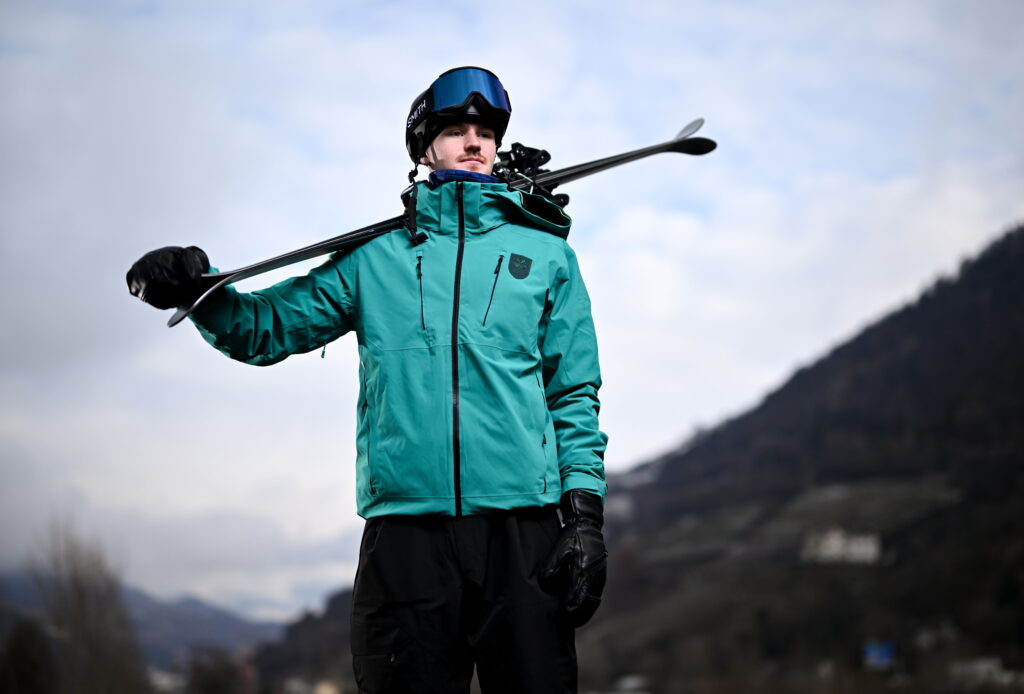
Ben Lynch has finished in eighth place in the Finals of the Men’s Freestyle Skiing Halfpipe at the Milano Cortina 2026 Winter Olympics in Livigno on Friday night.
The Irishman posted an impressive score of 75.00 in the final run of the event. Lynch’s result marks one of the strongest Olympic performances by an Irish winter athlete to date.
Alex Ferreira of the United States won gold in the men’s freestyle skiing halfpipe competition with a score of 93.75. The US Olympian completed his Olympic medal set having previously won silver (2018) and bronze (2022). Silver went to Henry Sildaru from Estonia with a best score of 93.00, while Brendan Mackay of Canada claimed bronze with a 91.00 third run.
Lynch “couldn’t be more happy”
Reflecting on the significance of tonight’s result, Ben Lynch said:
“It feels really cool, especially because eight is my lucky number. My birthday is September 8th. I got eight stitches above my eyebrow here, so eight has always been my lucky number and the fact that I just got eight, the stars align.
“It definitely still feels surreal, but it’s sinking in a little bit. Yeah, it’s pretty cool because my last best result was 16, so I have that at the Olympics and couldn’t be more happy to be here.”
Pivotal third run
Lynch’s third run was his pivotal one, putting him right up the score board, as he explained:
“The third run, I was really nervous at the top. I felt very prepared, but obviously the nerves were on. My family’s here, everyone was watching, and I hadn’t landed my first two runs. But yeah, just tried really hard to focus on the run, not worry about the result, and I ended up landing it pretty much as good as I possibly could have, and I’m really, really excited.
“I think before this, I’d only gotten around the sixties in World Cups. It’s hard to get high scores in world level, world Cup level, but yeah, that’s the best score I’ve ever gotten. I also got down qualifier 75, so just so stoked.”
PurplePTSD works in partnership with Vikings Territory, similarly doing their utmost to offer top-notch coverage of the Minnesota Vikings. As a result, we’re promoting five of their top articles of the past month in “The P/PTSD Perspective.” Take a peek at some of their best stuff.
The P/PTSD Perspective: February 21st, 2026
1) Vikings Likely to Get a Deal Done with Retirement Candidate: Way back in training camp, I had the good fortune of chatting with All Pro LS Andrew DePaola. At the time, DePaola indicated that he wanted to play beyond 2025 even though he was venturing into the final year on his contract. He looks like someone who is going to remain.
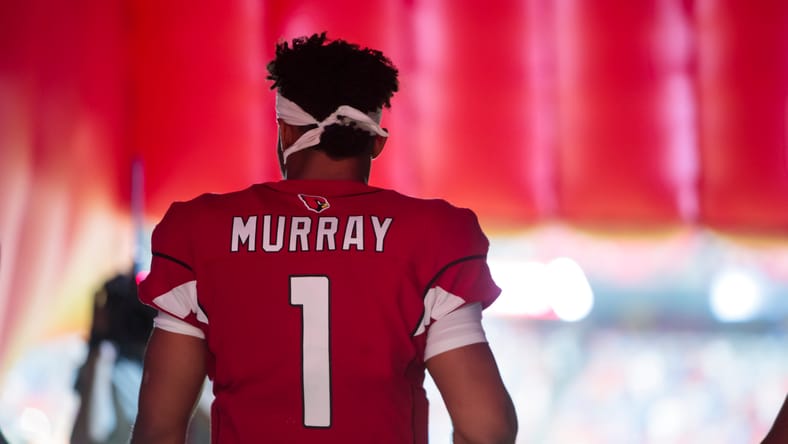
2) Kyler Murray’s Trade Price Comes to Light: Sending out an ambitious draft pick(s) makes very little sense. Much more appealing would be a late-round selection. Even better would be scooping up Mr. Murray from free agency, keeping all of Minnesota’s picks in Minnesota.
3) The Seahawks and Sam Darnold are Cruising Toward a Crossroads: Seattle is staring down what some would call a champagne problem. Indeed, every team would love having a passer in the middle of his prime who demands more money since he just led his team to the Super Bowl.
4) 3-Time Ex-Viking Decides to Keep Riding with the Super Bowl Champs: RB Cam Akers is the gift who keeps on giving in the Twin Cities. By rolling with the Seahawks, Akers opens the door to get grafted onto Minnesota’s roster at some point in the 2026 season. Forget striking twice, can lightning strike four times?
5) Clue Drops on Vikings Target as FA Inches Closer: Minnesota would benefit from adding young, high-end talent at running back. The issue is that Kenneth Walker III isn’t going to lack for options. Quite possibly, Minnesota will roll with Aaron Jones, Jordan Mason, and then a young lad from the draft.
Enjoy the extra reading, Vikings fans.

Senior Editor for Vikings Territory & PurplePTSD . Twitter & Bluesky: @VikingsGazette. Email: k.joudry[at]vikingsterritory[dot]com. Canadian. Jude 1:24-25.
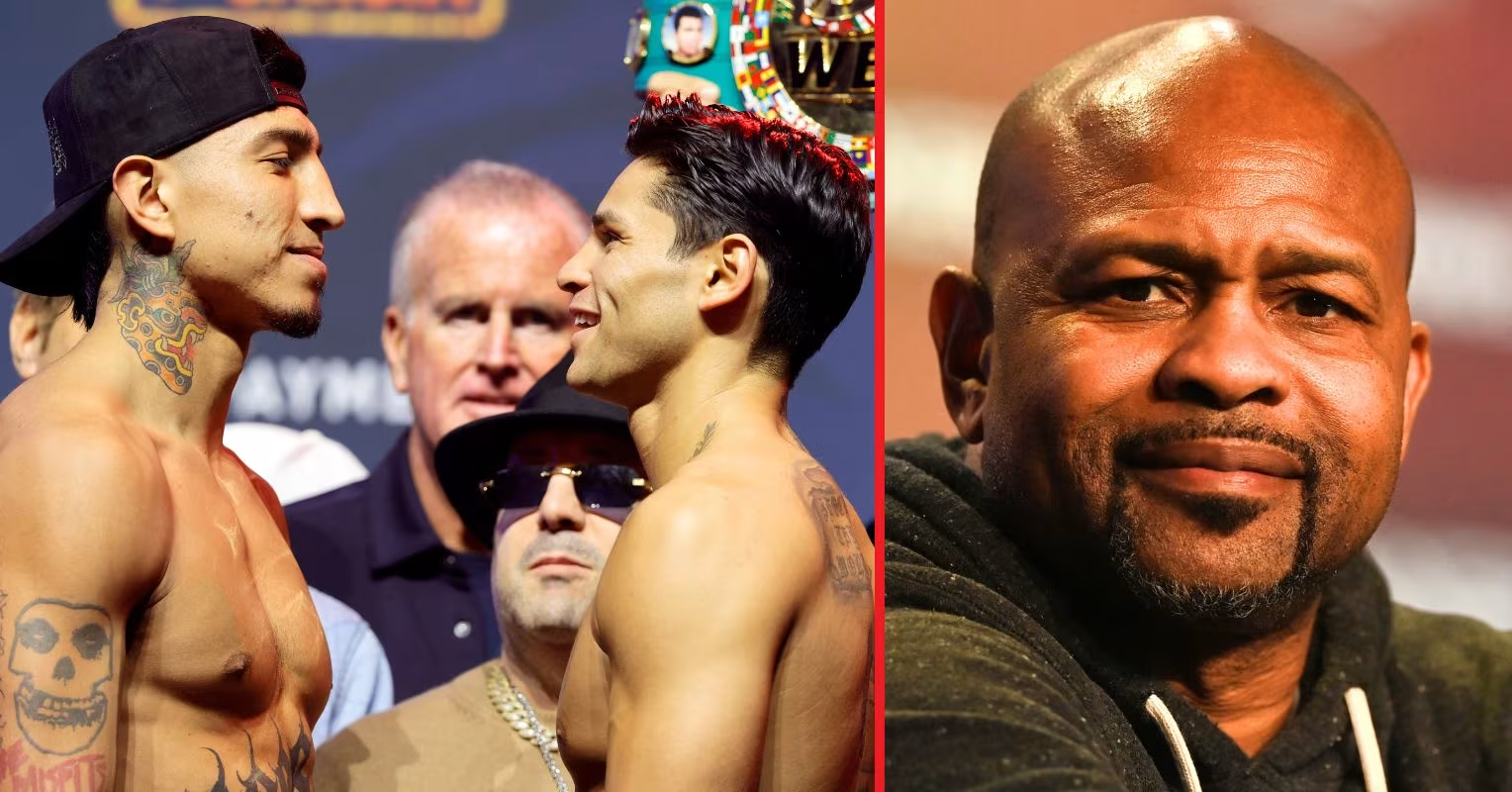

Roy Jones Jr has delivered his final verdict on Mario Barrios vs Ryan Garcia, envisioning a battle between Garcia’s left hook and Barrios’ relentless pressure.
The two American welterweights will square off in the small hours of tomorrow morning, headlining a Ring Magazine show at Las Vegas’ T-Mobile Arena.
Despite being the defending WBC world champion, many believe that Barrios, following back-to-back draws with Abel Ramos and Manny Pacquiao, is far from an elite operator at 147lbs.
Particularly against a 46-year-old Pacquiao last July, the 30-year-old seemed to lack a degree of technical prowess that is needed at the highest level.
What he did demonstrate to a considerably high standard, however, is his ability to fight at a terrific pace for 12 rounds.
In stark contrast to this, Garcia produced a largely lacklustre performance in his last outing against Rolando Romero, losing a unanimous decision after climbing off the canvas in round two.
Prior to his second professional defeat in May, ‘King Ry’ turned in a far more vigorous display against Devin Haney, only for his majority decision victory to be overturned to a no-contest.
This was because Garcia had tested positive for ostarine, a performance-enhancing substance, which led to him receiving a year-long ban by the New York State Athletic Commission.
Speaking with ESPN, pound-for-pound legend Jones has highlighted the 27-year-old’s left hook as a potential factor, while also admitting that he favours Barrios to get the job done.
“I probably lean toward Barrios, but it’s a tough call.
“If Barrios can take Garcia’s hook, he’s got a good chance to win the fight. And if Garcia can hurt him, then Garcia has a better chance to win the fight.
“But I like Barrios as of late. He just got a lot of rounds in against Pacquiao in a fight I actually thought could have gone either way, but he got the better of it.
“I hope that’ll give him the confidence he needs.”
As a key to victory for Barrios, Jones adds that the Texan must keep his foot on the gas and never allow Garcia a moment to get comfortable.
Eight DP World Tour members who jumped to LIV now have the freedom to play both tours.
On Saturday, the DP World Tour announced that Laurie Canter, Thomas Detry, Tyrrell Hatton, Tom McKibbin, Adrian Meronk, Victor Perez, David Puig and Elvis Smylie were granted conditional releases to compete on LIV without accumulating further sanctions.
But one notable name was omitted from the list of players: two-time major winner Jon Rahm.
Rahm, who is playing his third season on LIV this year, has reportedly accumulated millions in fines from the DP World Tour for competing in LIV Golf events without a release. In 2024, Rahm said he has no intention to pay the fines and initiated a formal appeal with the DP World Tour, which enabled him to continue to play in DP World Tour events while the appeal was in process. Rahm needed a minimum of four starts outside of the majors to maintain his membership and to be eligible for the 2025 Ryder Cup. Rahm was selected as one of Luke Donald’s captain’s picks, with his 3-2-0 record making him a central character in Europe’s 15-13 victory over the United States at Bethpage Black.
;)
Anthony Kim’s stunning LIV Adelaide win came with universal message
In order to play DP World Tour events in addition to LIV’s 14-tournament schedule, the conditions agreed upon by the eight LIV golfers include payment in full of all outstanding fines for breaches of the DP World Tour’s regulations, participation in additional stipulated DP World Tour tournaments, as well as associated media activity and promotion, and withdrawal of all pending appeals.
“The conditions these members have accepted will provide additional value to the DP World Tour and benefit to the entire membership,” the DP World Tour said in a statement. “Provided each member satisfies the conditions of their individual releases, no disciplinary action under the Regulations will be taken against them for playing in conflicting tournaments on LIV Golf in 2026 and they will retain their membership status.”
The statement also clarified that the releases apply for the 2026 season only and are not precedent-setting.
“Requests for releases will continue to be considered on their individual merits in accordance with the Regulations that all members agree to abide by,” the statement said.
If Rahm loses his appeal, his DP World Tour membership could be revoked or suspended, jeopardizing his participation in the 2027 Ryder Cup at Adare Manor in Ireland.
An arbitration date for Rahm’s appeal has not yet been publicly released.
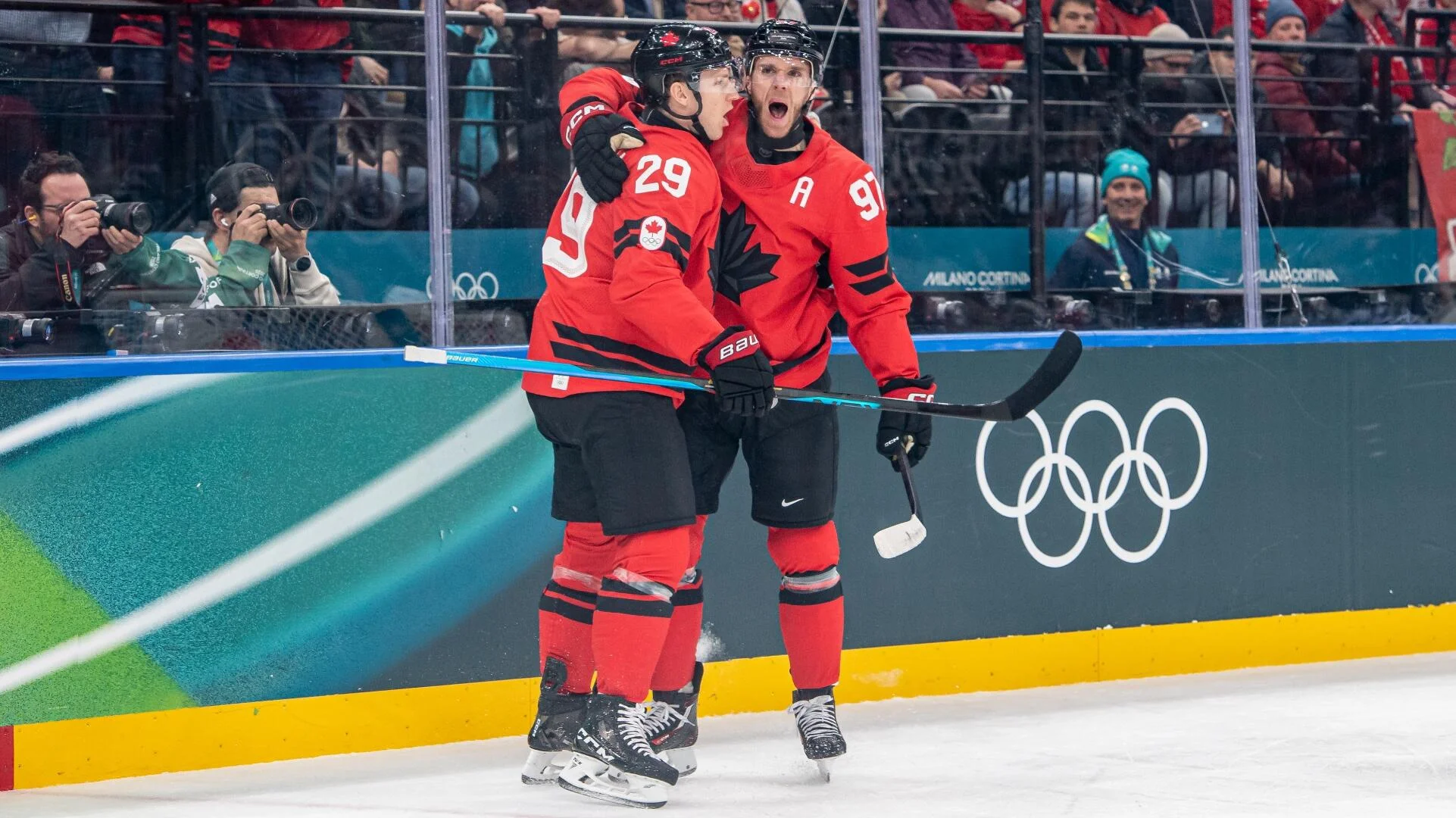
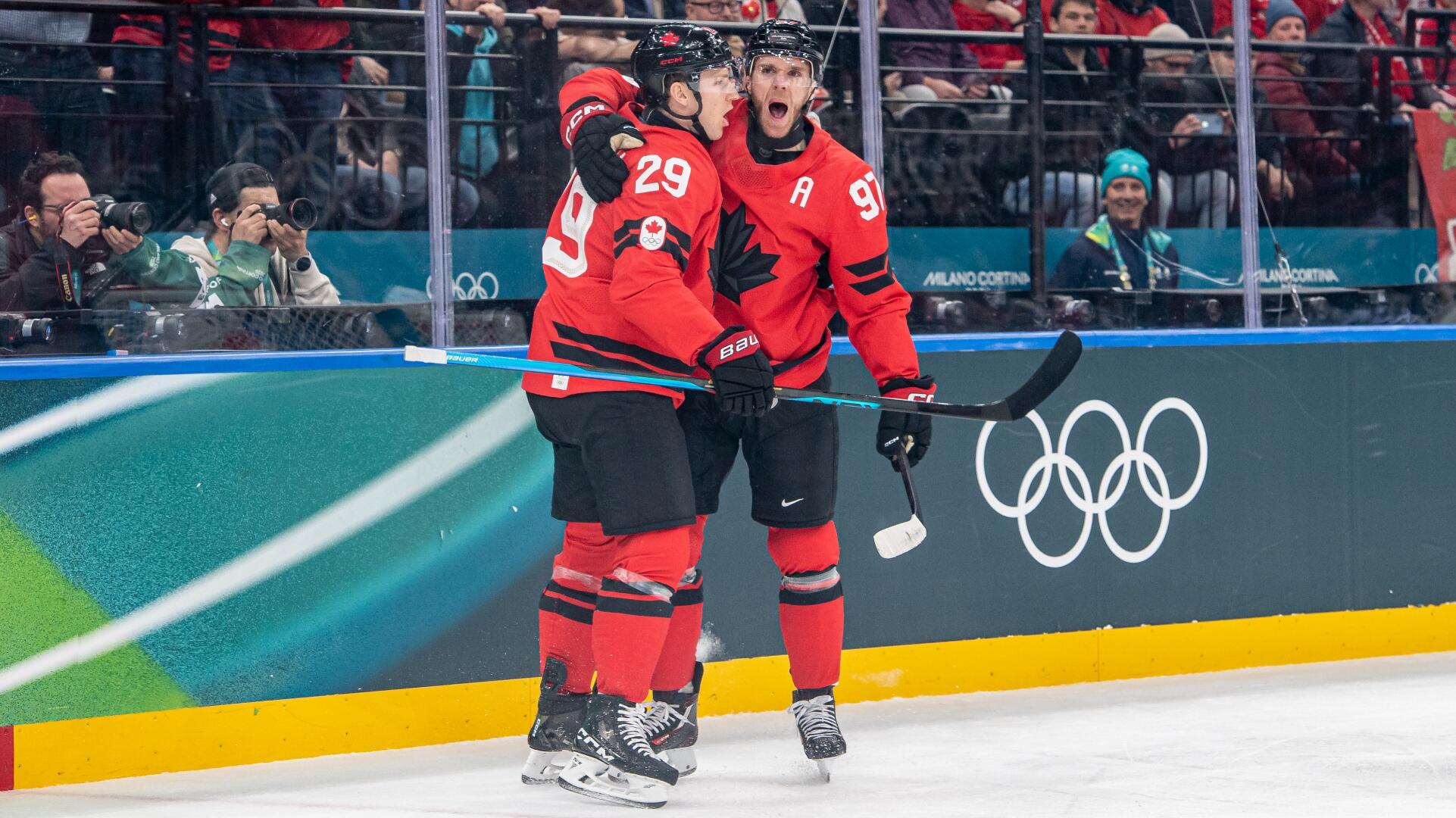
There will be superstars all over the ice on Sunday morning when the United States and Canada face off in the gold medal game at the Winter Olympics. Which of these two rivals has more firepower? The answer to that question may be what determines the winner.
The Canadians probably have more marquee names than the Americans. Connor McDavid and Nathan MacKinnon have four Hart Trophy wins between them, and they’re probably the two best hockey players in the world. That’s a nice luxury for Canada, but it’s not like the U.S. is lacking for star power at the top of its lineup.
We’ve already seen what Quinn Hughes can do in big moments with his overtime goal against Sweden, and reigning Hart Trophy winner Connor Hellebuyck is capable of winning a game on his own between the pipes. That’s without even mentioning the one-two punch of two-way centers the Americans have in their top six forward group.
While Canada holds the edge when it comes to the elite of the elite, the U.S. has the depth to take down a country that has won nine Olympic gold medals in its history. Here are the 10 best players in Sunday’s gold medal game (8:10 a.m. ET).
10. Zach Werenski | D | USA
The U.S. defensive group is deepest and most talented in the tournament, and while Quinn Hughes gets a lot of justified attention, Zach Werenski is right there with him as one of the best defenders in the world. Since the start of the 2024-25 season, Werenski has tallied 144 points, behind only Cale Makar among defensemen.
Werenski also boasts a plus-34 five-on-five goal differential in that span, per Natural Stat Trick. At the 2026 Olympics, we’ve seen the best parts of Werenski’s game, from clean zone exits to the frequent creation of dangerous scoring chances.
9. Mitch Marner | LW | Canada
Marner is the rare playmaking winger who is capable of driving play on his own, and he can play in all situations. In this tournament, we’ve already gotten a clear picture of what Marner can do with the puck on his stick. In the Canadians’ overtime win over Czechia in the quarterfinals, Marner pulled off an incredible individual effort to score the game-winner.
A 2023 Selke Trophy finalist, Marner is also a force in the defensive end. His line with Mark Stone on the other wing could create problems for the American offense.
8. Macklin Celebrini | LW | Canada
Some may think this ranking is a little high and a little premature, but Celebrini has just been that good, both in these Olympics and his young NHL career. Celebrini has completely revived a rebuilding San Jose Sharks franchise, and he’s in the Hart Trophy conversation with 81 points, more than double his next closest teammate.
In Milan, Canadian coach Jon Cooper put Celebrini next to McDavid, and that bold move has paid off in spades. Celebrini leads the Olympics with five goals, and he’s second to McDavid in points with 10.
7. Auston Matthews | C | USA
Matthews is one of the best goal-scorers in hockey. His 427 goals since his rookie campaign in 2016-17 are the most in the league with the next closest player sitting 20 goals behind him. Matthews has a deceptive and powerful release that helps him beat goalies with ease, but he’s not a one-trick pony. Matthews’ defensive game has earned him Selke Trophy votes in each of the last six seasons.
When Matthews is on the ice, the Americans are capable of scoring from anywhere in the offensive zone.
6. Jack Eichel | C | USA
One of the best two-way centers in the NHL, Eichel has been making plays all over the ice for the U.S. through its first five games. Eichel can excel in every situation, and he’s currently on pace for a 111-point season with the Vegas Golden Knights. Coach Mike Sullivan has leaned on Eichel a lot at these Olympics, and that won’t stop now.
I’d expect Eichel to be matched up against Connor McDavid whenever possible, and while that is a big challenge for any player, the American center is capable of holding his own.
5. Connor Hellebuyck | G | USA
Hellebuyck has a strong argument to be the best goalie in the league. He’s a three-time Vezina Trophy winner and the reigning NHL MVP. When Hellebuyck is on his game, there’s little that an opponent can do. Hellebuyck is 6-foot-4 and rarely out of position, making him incredibly tough to beat, and he has been great for the Americans in Milan.
Over the last three seasons, Hellebuyck has saved 77.5 goals above average, per Natural Stat Trick. The next closest goalie is Andrei Vasilevskiy at 52.2. Canada’s Jordan Binnington is below water at -6.54.
4. Quinn Hughes | D | USA
What Quinn Hughes brings to this U.S. team was evident in that dramatic win over Sweden in the quarterfinals. Despite playing big minutes, Hughes was a workhorse in overtime, right up until he ended the game by firing a laser beam past Jacob Markstrom. Hughes is one of the best skaters in the world, and he’s able to pair that with his high hockey IQ.
The U.S. can deploy Hughes in any situation, and I have a hunch Canada will see a lot of him on Sunday morning. Hughes is one of a few defensemen who can skate with Canada’s biggest stars and not look overmatched.
3. Cale Makar | D | Canada
A two-time Norris Trophy winner (who is gunning to make it three in 2026), Makar is a dynamic player who impacts games in a similar fashion as Hughes. Makar is special, especially with the puck on his stick, as he uses his skating, stickhandling and vision to make plays that few players can.
Since his rookie campaign in 2019-20, Makar leads all defensemen with 485 points, which also ranks 16th among all skaters. Makar is a threat to make a big play from anywhere on the ice — from a stretch pass springing a teammate to wheeling around the offensive zone.
2. Nathan MacKinnon | C | Canada
It’s unfair that, in addition to Connor McDavid, the Canadians also have MacKinnon at their disposal. He would be the best player on any other team in these Olympics, and he is playing at a Hart Trophy level for the Avalanche in 2025-26. MacKinnon leads the NHL with 40 goals, and he has seven points in this tournament.
MacKinnon is a versatile player who can win with speed, power or some combination of both. However you want to play, he’s more than happy to beat you.
1. Connor McDavid | C | Canada
McDavid is the best player in the world, and as if he needed to prove that fact, he leads the tournament in assists (11) and points (13). Since his rookie season in 2015-26, McDavid leads the NHL in assists (783) and points (1,178), and he ranks fifth in goals (395). He’s also a three-time Hart Trophy winner, a Conn Smythe Trophy winner, a five-time Art Ross Trophy winner and Maurice Richard Trophy winner.
One of the few things missing from McDavid’s trophy case is a gold medal, and he seems determined to get one of those in Milan. Slowing him down will be a tall task, even for the Americans’ elite defense.
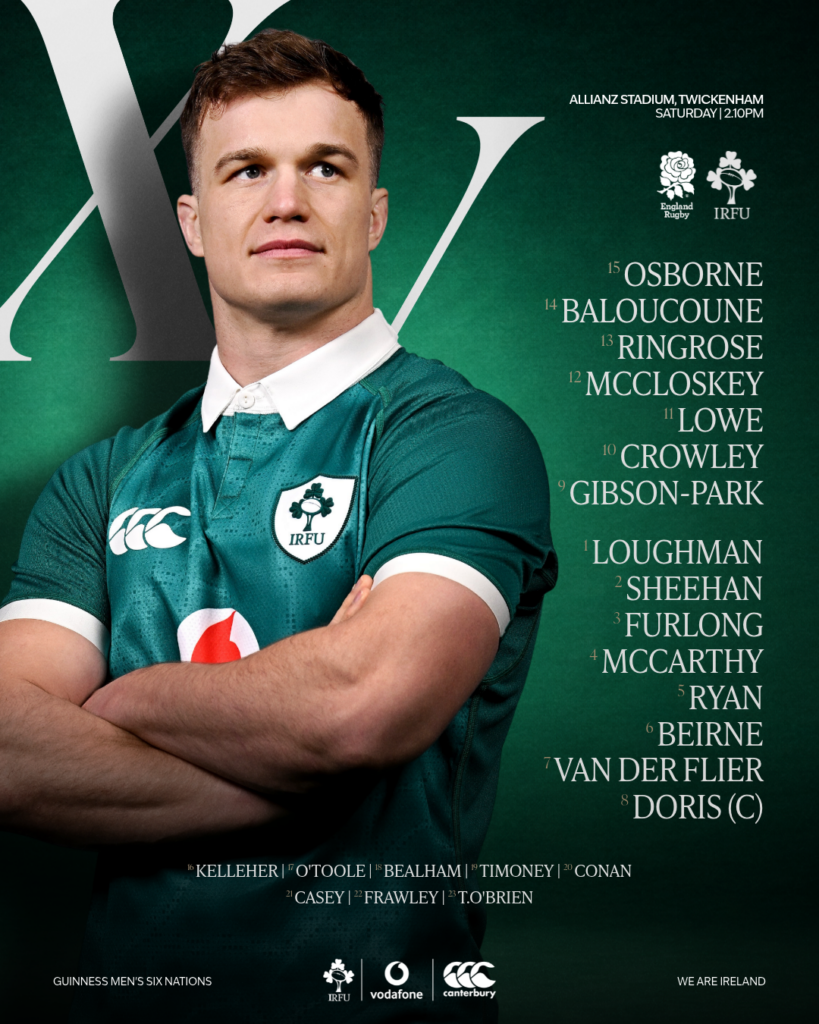
Andy Farrell’s Ireland side take on England in the Guinness Men’s Six Nations at Allianz Stadium, Twickenham, on Saturday (Kick-off 2.10pm).
Caelan Doris will lead the Irish team for the Round 3 clash in the English capital, as Ireland bid to build on last Saturday’s defeat of Italy at the Aviva Stadium.
Back 3 unchanged
Jamie Osborne, Robert Baloucoune and James Lowe are named in an unchanged back three.
Stuart McCloskey and Garry Ringrose continue in midfield, while Munster’s Jack Crowley comes in at out-half to partner Jamison Gibson-Park in the half-backs.
Jeremy Loughman, Dan Sheehan and Tadhg Furlong are selected in the front row. Joe McCarthy and James Ryan are retained in the engine room. Tadhg Beirne, Josh van der Flier and captain Doris will play in the back row.
Experienced Irish bench
Farrell has named an experienced bench with Rónan Kelleher, Tom O’Toole, Finlay Bealham, Nick Timoney and Jack Conan making up the forward replacements.
The backs named in the Match Day 23 are Craig Casey, Ciaran Frawley and Tommy O’Brien.
Speaking ahead of this weekend’s clash, Head Coach Andy Farrell admitted
“Games between the two sides have been nip and tuck over recent times and there’s great familiarity and respect across both camps. We know their strengths and our aim is to deliver the best version of ourselves to put us in a position to get the performance that we want.”
Live on RTÉ TV and Radio
Saturday’s game will be broadcast live on RTÉ2 and ITV, with live radio commentary available on RTÉ Radio 1.
Ireland Team
15. Jamie Osborne, 14. Robert Baloucoune, 13. Garry Ringrose, 12. Stuart McCloskey, 11. James Lowe, 10. Jack Crowley, 9. Jamison Gibson-Park.
1. Jeremy Loughman, 2. Dan Sheehan, 3. Tadhg Furlong, 4. Joe McCarthy, 5. James Ryan,
6. Tadhg Beirne, 7. Josh van der Flier, 8. Caelan Doris (captain).
Ireland Replacements
16. Rónan Kelleher, 17. Tom O’Toole, 18. Finlay Bealham, 19. Nick Timoney, 20. Jack Conan, 21. Craig Casey, 22. Ciaran Frawley, 23. Tommy O’Brien.
With general manager Kwesi Adofo-Mensah no longer attached to the Minnesota Vikings, the frequency of trades may screech to a halt. But for the sake of argument, let’s assume interim general manager Rob Brzezinski has some tricks up sleeve. These are the top eight players — big names — he could target.
Eight names to watch as Minnesota explores trade-market upgrades, including quarterbacks, trench help, and a few surprise options.
Minnesota has an almost full draft pick cabinet to wheel and deal, so there’s plenty of ammunition.
The Vikings’ Options for a Blockbuster
A peek at the Vikings’ would-be trade targets, listed in ascending order (No. 1 = most likely to be targeted by Minnesota.
8. Dexter Lawrence | DT, NYG
Lawrence could be on the trade block, and in theory, the Vikings should ship their No. 18 pick to New York for Lawrence and a mid-rounder.
Minnesota would presumably cut Javon Hargrave and roll with a defensive tackle corps that includes Lawrence, Jalen Redmond, Jonathan Allen, Levi Drake Rodriguez, and Tyrion Ingram-Dawkins. Lawrence is 29, meaning he has about 3-5 ultra-productive seasons left.
7. Drew Lock | QB, SEA
The Seattle Seahawks grabbed Sam Darnold from the Vikings last offseason — and drafted Alabama’s Jalen Milroe in Round 3 of the 2025 NFL Draft. Lock is expendable. If Kevin O’Connell does not have big dreams of onboarding a big-name quarterback like Kyler Murray, Mac Jones, or Malik Willis, Lock has shown flashes in the past and has a strong arm.
Minnesota can probably get him for a 6th-Round pick or so.
6. Will Levis | QB, TEN
Levis is reckless, and no one disputes it. He’s basically Tennessee’s version of J.J. McCarthy. But with Cam Ward firmly in his role as QB1, Levis doesn’t have much footing with the Titans. His next team can pry him away for a late-round pick.
Between McCarthy and Levis, maybe O’Connell could whisper to one and hope for the best. Like Lock, Levis also has a strong arm.
5. Keon Coleman | WR, BUF
The Buffalo Bills’ owner oddly threw Coleman under the bus early in the offseason. He claimed former head coach Sean McDermott was accountable for the “bad” pick in the 2024 NFL Draft.
Coleman’s stock is low, and needing a WR3, the Vikings could trade a 5th-Rounder or so for him.
4. Anthony Richardson | QB, IND
Richardson is just like Levis: plagued by injuries and inconsistent. He has every physical tool, though, necessary to succeed. The Indianapolis Colts used Daniel Jones, Philip Rivers, and Riley Leonard at quarterback down the stretch of the 2025 regular season — basically everyone not named Anthony Richardson.
The Vikings could ship a late-rounder to Indianapolis for Richardson, hoping to see if he’s ready to forge a redemption story.
3. Jerry Jeudy | WR, CLE
Jeudy hasn’t panned on in Cleveland — unless Jameis Winston is under center. He needs a competent quarterback, and with any luck, Minnesota will have one by early summer. The Vikings could also let Jalen Nailor depart in free agency, and replacing him with Jeudy would excite the fan base.
From the Browns’ perspective, it would be financially more navigable to trade Jeudy after June 1st, so this could be a summer talker for Minnesota.
2. Kyler Murray | QB, ARI
Murray didn’t earn the top spot on this list for one reason: recent momentum suggests the Arizona Cardinals may release him. The Vikings could sign Murray for “free.”
Murray ran a 4.38 forty before entering the NFL, he can throw the ball 65-70 yards, and he’s the fifth-most accurate passer in the history of the league. He may not be scripted in a lab for O’Connell’s offense, but if he’s available on the open market, how could a quarterback-needy team like Minnesota possibly ignore the value?
1. Mac Jones | QB, SF
The San Francisco 49ers have overtly stated this offseason that they “don’t see themselves trading” Jones, which means they want a 1st- or 2nd-Rounder to jar him loose. O’Connell and his lieutenants must decide if Jones is worth a juicy draft pick, perhaps sending a 2nd-Rounder to San Francisco for Jones and a 4th-Round pick (or something similar).
Jones isn’t exactly like Sam Darnold — he doesn’t have Darnold’s arm strength — but he will have come from the 49ers’ roster, just like Darnold, and was a 1st-Round pick five years ago, just like Darnold.
In eight starts last season, Jones produced Darnoldian numbers. He’s probably the next reclamation story in the making.
It all boils down to whether Minnesota can part with precious draft capital after a) Drafting poorly over the last four years, b) Having a roster that is old-ish subsequently.

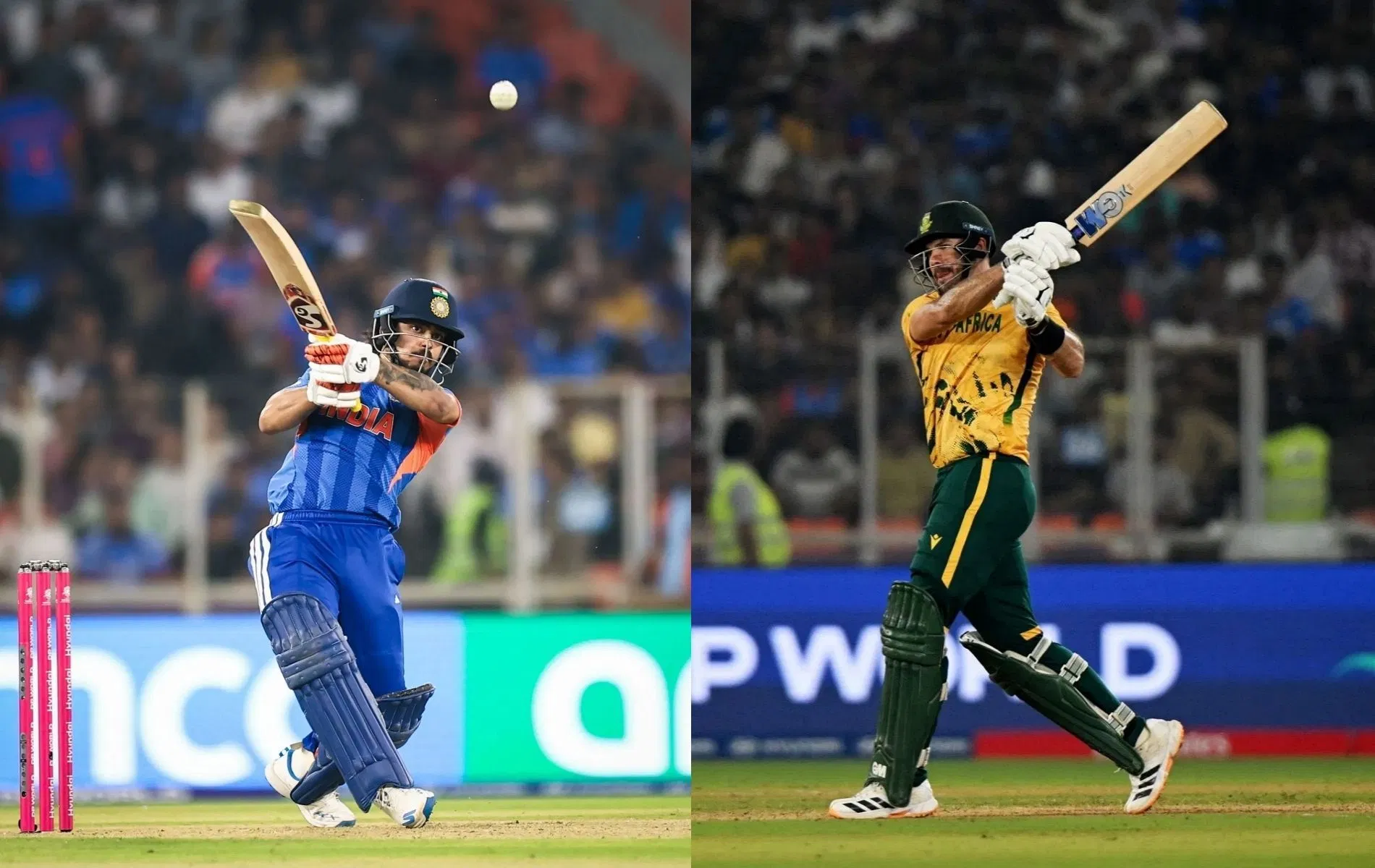

Ishan Kishan and Aiden Markram will be crucial batters for their respective sides when the Men in Blue face South Africa at the Narendra Modi Stadium in Ahmedabad on Sunday, February 22 in a Group 1 Super 8 clash. Both India and South Africa topped their respective groups to progress to the Super 8s.
Kishan is India’s leading run-getter in the tournament heading into the Super 8 stage. In four innings, he has scored 176 runs at an average of 44 and a strike rate of 202.30, with two half-centuries. On the other hand, Markram has scored 178 runs at an average of 59.33 and a strike rate of 187.37, with two fifties.
Kishan has featured in 40 T20I matches so far. Ahead of the India vs South Africa T20 World Cup 2026 Super 8 clash, we compare his stats with those of Markram after the latter had also played the same number of T20I matches.
Ishan Kishan vs Aiden Markram – Who has a better average and strike rate after 40 T20Is?
In 40 T20Is, Kishan has scored 1,187 runs at an average of 30.43 and a strike rate of 144.75. He has scored 318 runs in 11 T20Is against New Zealand at an average of 28.90 and a strike rate of 155.88. The southpaw has also scored 206 runs in five T20Is against South Africa at an average of 41.20 and a strike rate of 150.36. Also, he has 165 runs in six T20Is against Sri Lanka at a strike rate of 136.36.
After 40 T20Is, Markram had scored 1,130 runs, averaging 37.66 at a strike rate of 149.47. The Proteas batter had 251 runs in seven matches against West Indies at an average of 62.75 and a strike rate of 156.87. He had also scored 199 runs in five matches against Pakistan at an average of 39.80 and a strike rate of 177.67. Also, he scored 165 runs in five T20Is against India at a strike rate of 143.47.
Ishan Kishan vs Aiden Markram – Who has more 50-plus scores after 40 T20Is?
In 40 T20Is, Kishan has 10 50-plus scores to his name – one ton and nine fifties. He slammed 103 off just 43 balls against New Zealand in Thiruvananthapuram in January this year. The 27-year-old also struck 89 off 56 balls against Sri Lanka in Lucknow in February 2022 and 77 off 40 against Pakistan in Colombo in the group stage of the 2026 T20 World Cup.
(Kishan vs Markram – Batting stats comparison after 40 T20Is)
After 40 T20Is, Markram had nine half-centuries to his credit. His best at that stage was 70, which came off 48 balls against West Indies in St George’s in July 2021. The Proteas batter had also scored 63 off 31 balls against Pakistan in Centurion in April 2021. Of his T20I fifties at that stage, three had come against Pakistan and two each against England and West Indies.
Ishan Kishan vs Aiden Markram – Who has a better record in wins after 40 T20Is?
In 28 matches in wins, Kishan has scored 1,005 runs at an average of 35.89 and a strike rate of 150.22, with one hundred and eight fifties. In nine matches in losses, he has scored 157 runs, averaging 17.44 at a strike rate of 118.04, with one fifty. Kishan has 15 runs in one game that ended in no result and 10 runs in one match that ended in a tie.
(Kishan vs Markram – Batting stats comparison in wins after 40 T20Is)
In 24 matches in wins, Markram had scored 679 runs at an average of 42.43 and a strike rate of 149.88, with seven half-centuries. In 15 matches in losses, he had 451 runs, averaging 32.21 and a strike rate of 148.84, with two fifties. Markram did not bat in one game that ended in no result.
Ishan Kishan vs Aiden Markram – Who has a better record in chases after 40 T20Is?
In 12 T20Is in chases, Kishan has scored 336 runs at an average of 28 and a strike rate of 136.58, with three half-centuries. In 28 T20Is while batting first, he has 851 runs at an average of 31.51 and a strike rate of 148.25, with the aid of one ton and six half-centuries.
(Kishan vs Markram – Batting stats comparison in chases after 40 T20Is)
In 18 T20Is in chases, Markram had scored 434 runs at an average of 36.16 and a strike rate of 146.12, with three half-centuries. In 22 T20Is while batting first, he had 696 runs at an average of 38.66 and a strike rate of 151.63, with six fifties.
Edited by Renin Wilben Albert
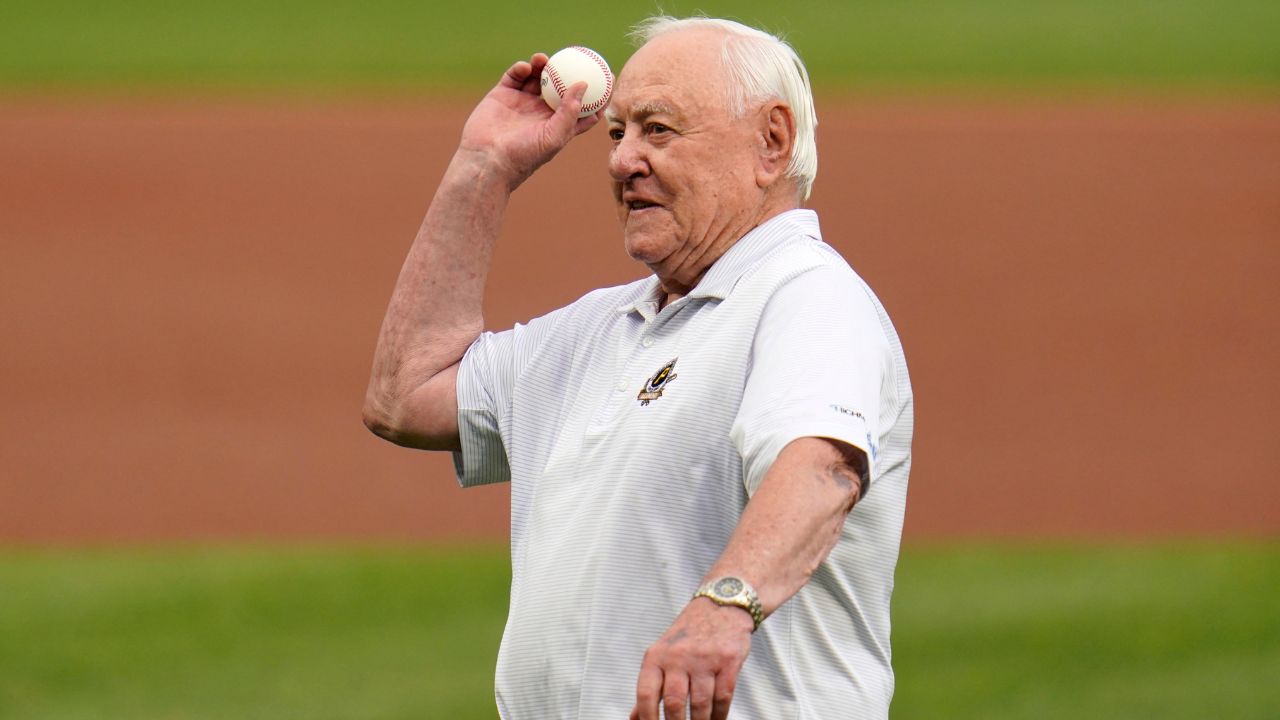
Bill Mazeroski, the Hall of Fame second baseman who won eight Gold Glove awards for his steady work in the field and the hearts of countless Pittsburgh Pirates fans for his historic walk-off home run in Game 7 of the 1960 World Series, has died at the age of 89.
Pirates chairman Bob Nutting said, “Maz was one of a kind, a true Pirates legend … His name will always be tied to the biggest home run in baseball history and the 1960 World Series championship, but I will remember him most for the person he was: humble, gracious and proud to be a pirate.”
Mazeroski died Friday, the Pirates said. No cause of death was given.
Elected to the Hall by the Veterans Committee in 2001, he was, by some measures, no superstar. Mazeroski had the lowest batting average, on-base percentage and stolen base total of any second baseman in Cooperstown. He hit just .260 lifetime, with 138 homers and 27 stolen bases in 17 years, and had an on-base percentage of .299. He never batted .300, never approached 100 runs batted or 100 runs scored and only once finished in the top 10 for Most Valuable Player.
His best qualities were both tangible and beyond the box score. His Hall of Fame plaque praises him as a “defensive wizard” with “hard-nosed hustle” and a “quiet work ethic.” A 10-time All-Star, he turned a major league record 1,706 double plays, earning the nickname “No Hands” for how quickly he fielded grounders and relayed them. He led the National League nine times in assists for second basemen and has been cited by statistician Bill James as the game’s greatest defensive player at his position — by far.
“I think defence belongs in the Hall of Fame,” Mazeroski said, defensively, during his Hall of Fame induction speech. “Defence deserves as much credit as pitching and I’m proud to be going in as a defensive player.”
But his career’s signature moment took place in the batter’s box, as the square-jawed, tobacco-chewing Mazeroski, a coal miner’s son from West Virginia, lived out the dream of so many kids who thought of playing professional ball.
The Pirates had not reached the World Series since 1927, when they were swept by the New York Yankees, and again faced the Yankees in 1960. While New York was led by Mickey Mantle and Roger Maris, Pittsburgh had few prominent names beyond a young Roberto Clemente. They relied on hitters ranging from shortstop Dick Groat to outfielder Bob Skinner, and the starting pitchers Vernon Law and Bob Friend. Mazeroski, who turned 24 that September, finished the season with a .273 average and usually batted eighth.
The series told one story in the runs column and another in wins and losses. The Yankees outscored the Pirates 55-27 and 38-3 in the three games they won. Mazeroski’s counterpart on New York, Bobby Richardson, drove in a record 12 runs and was named the series’ MVP — even though he was on the losing team. Whitey Ford shut out the Pirates twice, on his way to a then-record 33 2-3 straight scoreless World Series innings for the Yankees ace.
The Pirates’ first three wins weren’t nearly so spectacular, but they were wins — and Mazeroski helped. He hit a 2-run homer in the fourth inning off the Yankees’ Jim Coates in Game 1, a 6-4 Pirate victory, and a 2-run double in the second inning off Art Ditmar in Game 5, a 5-2 Pittsburgh win. In Game 7, he saved his big hit for the end.
Some 36,000 fans at Pittsburgh’s Forbes Field, and many more tuning in on radio and television, agonized through one of the fall classic’s wildest and most emotional conclusions. The lead changed back and forth as Pittsburgh scored the game’s first four runs, only to fall behind as the Yankees rallied in the middle innings and went ahead 7-4 in the top of the eighth. Pittsburgh retook the lead with five runs in the bottom of the eighth, helped in part by a seeming double play grounder that took a bad hop and struck Yankees shortstop Tony Kubek in the throat. But the Yankees came right back and tied the score at 9 in the top of the ninth.
The bottom of the ninth has been relived, not always by choice, by the two teams and by generations of fans. The New York pitcher was Ralph Terry, a right-hander whom manager Casey Stengel had brought in during the previous inning and would later acknowledge that he had a tired arm. The right-handed hitting Mazeroski, who had grounded into a double play in his previous appearance, was up first.
Terry started with a fastball, called high for a ball. After conferring briefly with catcher Johnny Blanchard, who reminded him to keep his pitches down, he threw what Mazeroski would call a slider that didn’t slide. Mazeroski got under it and belted it to left, the ball rising and rising as it cleared the high, ivy-covered brick wall, with Yankees left fielder Yogi Berra circling under it, then turning away in defeat. The whole city seemed to erupt, as if all had swung the bat with him, as if he were every underdog who longed to beat the hated Yankees. Mazeroski dashed around the bases, grinning and waving his cap, joined by celebrants from the stands who had rushed on to the field and followed him to home plate, where his teammates embraced him.
“I was just looking to get on base,″ he told The New York Times in 1985. ″Nothing fancy, just looking for a fastball until he got a strike on me. I thought it would be off the wall, and I wanted to make third if the ball ricocheted away from Berra. But when I got around first and was digging for second, I saw the umpire waving circles above his head and I knew it was over.”
ESPN has called it the greatest home run in major league history. It was the first time a World Series had ended on a homer, leading to enduring waves of celebration and despair. Pirates followers memorized the date, Saturday, Oct. 13, 1960, and the local time of Mazeroski’s hit, 3:36 p.m. Forbes Field was torn down in the 1970s, but a decade later fans began gathering every Oct. 13 at the park’s lone remnant, the center field wall, and listened to the original broadcast.
Meanwhile, Mantle would sob on the plane ride home in 1960, insisting the better team had lost. Ford would for years remain angry at Stengel — fired five days after the Series — for using him in Games 3 and 6 and making him unavailable to start a third time. Singer Bing Crosby, a co-owner of the Pirates, was so afraid he’d jinx his team that he listened to the game with friends across the Atlantic Ocean, in Paris.
“We were in this beautiful apartment, listening on shortwave, and when it got close Bing opened a bottle of Scotch and was tapping it against the mantel,” his widow, Kathryn Crosby, told the Times in 2010. “When Mazeroski hit the home run, he tapped it hard; the Scotch flew into the fireplace and started a conflagration.”
Mazeroski was a Pirate for his entire time in the majors and was a team man off the field. His wife, Milene Nicholson, was a front office employee whom he met through Pittsburgh manager Danny Murtaugh. They were married in 1958, had two sons and remained together until her death in 2024.
William Stanley Mazeroski was born in Wheeling, West Virginia, during the Great Depression, grew up in eastern Ohio, and lived for a time in a one-room house without electricity or indoor plumbing. His father, Louis Mazeroski, had hoped himself to be a ballplayer and encouraged his son’s love for sports, even practicing with him by having Bill field tennis balls thrown against a brick wall.
Although a star in basketball and football, he favoured baseball and was good enough to be drafted by the Pirates at age 17 in 1954. Mazeroski was a shortstop for a team with numerous prospects at that position, and had switched to second by his rookie year, 1956. Even as a part-time player at the end of his career, he was a leader and steady presence on the 1971 team that featured Clemente and Willie Stargell and defeated the Baltimore Orioles in the World Series.
After his final season, 1972, Mazeroski coached briefly for the Pirates and the Seattle Mariners and was an infield instructor for Pittsburgh during spring training. In 1987, the Pirates retired his uniform number, 9. The 50th anniversary of his Game 7 heroics was marked in 2010 by the unveiling — on Bill Mazeroski Way — of a 14-foot, 2,000-pound statue of one of Pittsburgh’s greatest everymen, rounding the bases, on top of the world.
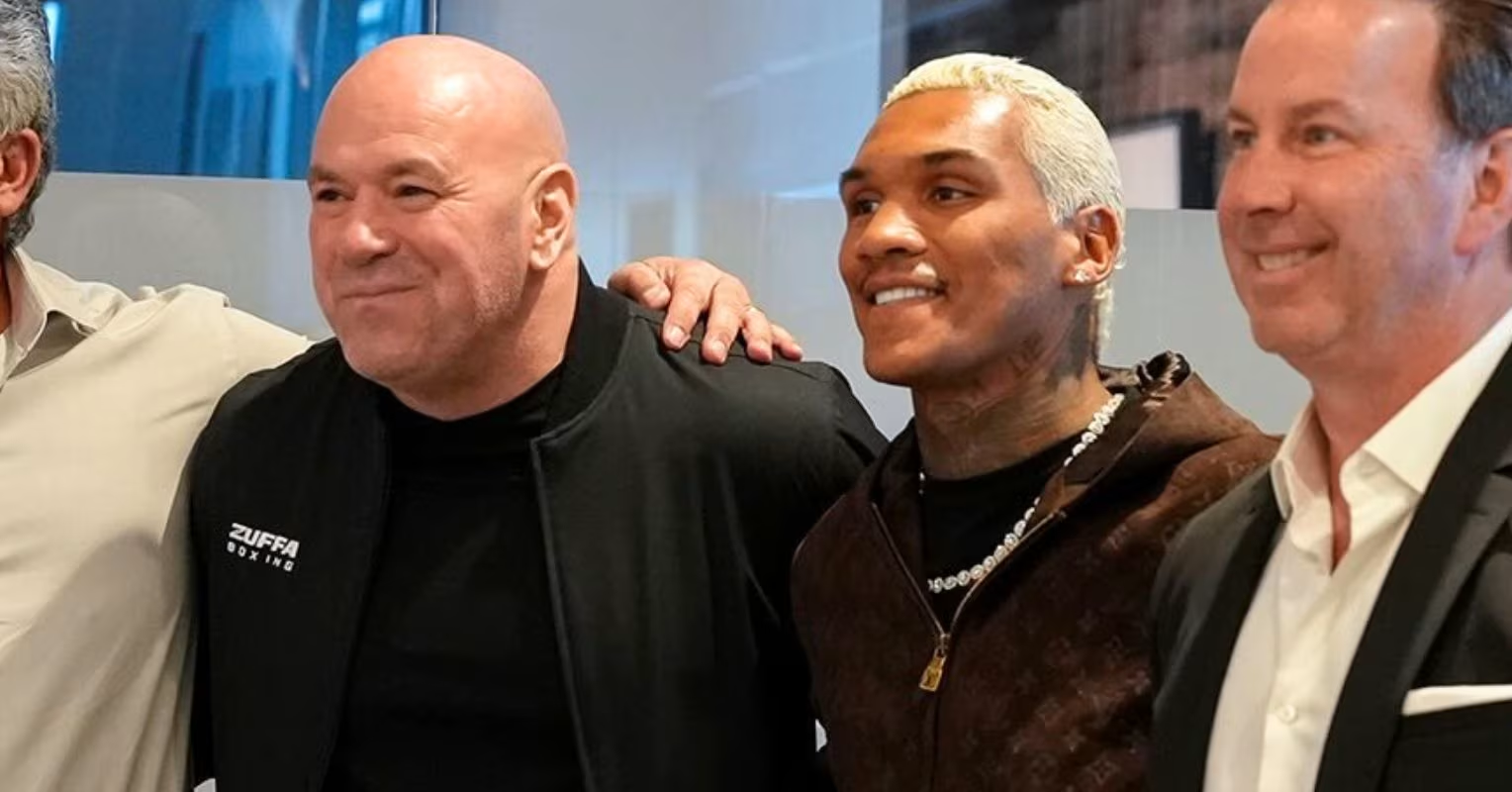

Oscar De La Hoya has issued his verdict on Conor Benn’s ‘mind-boggling’ switch from Eddie Hearn’s Matchroom Boxing to Dana White’s Zuffa promotion.
It was announced just yesterday that the 29-year-old has ended his working relationship with Matchroom who, until now, had promoted him since his professional debut in 2016.
Additionally, Hearn had always been a strong ally to Benn, especially after ‘The Destroyer’ twice tested positive for clomifene ahead of his cancelled encounter with Chris Eubank Jr in 2022.
Amid his attempt to clear his name, Benn had two outings in America – against Rodolfo Orozco and Peter Dobson in 2023 and 2024, respectively – before revisiting his rivalry with Eubank last year.
Their first middleweight encounter saw him suffer a unanimous decision defeat in April, prior to his comprehensive triumph over the weight-restricted Eubank in November.
But despite Hearn standing by Benn’s side through thick and thin, the Ilford man has now decided to join rival promoter Zuffa Boxing, headed by UFC boss White.
Up to this point, the likes of Hearn and De La Hoya have been highly critical of White’s events, and indeed his plans to marginalise boxing’s four major sanctioning bodies.
It is therefore unsurprising that Golden Boy promoter De La Hoya, in an interview with IFL TV, has questioned the source of Benn’s eight-figure purse, which has reportedly been promised for his next outing.
“Eddie Hearn must be p***ed off. My god, how can they do that to Eddie Hearn? It is not right.
“I heard it’s a one-fight deal. What I don’t understand is… who is paying him [Benn]? He’s going to demand a lot of money – if it’s going to be eight figures, or whatever it might be.
“Conor Benn going to [Zuffa] is just mind-boggling for me.”
As an outfit, Zuffa Boxing is expected to ignore the sport’s world championship belts – the WBC, IBF, WBO and WBA titles – in most cases, which makes Benn’s promotional shift particularly interesting.

Entertainment19 seconds ago
5 Best Thrillers on Netflix, Prime Video and More, Ranked by Rotten Tomatoes Score (February 2026)

Sports2 minutes ago
Ben Lynch takes 8th place at Winter Olympics

Tech3 minutes ago
Best Robot Vacuums We’ve Tested (February 2026)


-

 Video5 days ago
Bitcoin: We’re Entering The Most Dangerous Phase
-
 Tech7 days ago
Luxman Enters Its Second Century with the D-100 SACD Player and L-100 Integrated Amplifier
-

 Crypto World4 days ago
Can XRP Price Successfully Register a 33% Breakout Past $2?
-

 Sports5 days ago
GB's semi-final hopes hang by thread after loss to Switzerland
-

 Fashion21 hours ago
Weekend Open Thread: Boden – Corporette.com
-

 Video2 days ago
XRP News: XRP Just Entered a New Phase (Almost Nobody Noticed)
-
 Tech5 days ago
The Music Industry Enters Its Less-Is-More Era
-

 Business4 days ago
Infosys Limited (INFY) Discusses Tech Transitions and the Unique Aspects of the AI Era Transcript
-

 Entertainment3 days ago
Kunal Nayyar’s Secret Acts Of Kindness Sparks Online Discussion
-

 Video4 days ago
Financial Statement Analysis | Complete Chapter Revision in 10 Minutes | Class 12 Board exam 2026
-

 Tech3 days ago
Retro Rover: LT6502 Laptop Packs 8-Bit Power On The Go
-
 Sports2 days ago
Clearing the boundary, crossing into history: J&K end 67-year wait, enter maiden Ranji Trophy final | Cricket News
-

 Entertainment3 days ago
Dolores Catania Blasts Rob Rausch For Turning On ‘Housewives’ On ‘Traitors’
-

 Business3 days ago
Tesla avoids California suspension after ending ‘autopilot’ marketing
-
 NewsBeat6 days ago
The strange Cambridgeshire cemetery that forbade church rectors from entering
-
 Politics4 days ago
Eurovision Announces UK Act For 2026 Song Contest
-

 Crypto World3 days ago
WLFI Crypto Surges Toward $0.12 as Whale Buys $2.75M Before Trump-Linked Forum
-
 NewsBeat6 days ago
Man dies after entering floodwater during police pursuit
-

 Crypto World2 days ago
83% of Altcoins Enter Bear Trend as Liquidity Crunch Tightens Grip on Crypto Market
-
 NewsBeat1 day ago
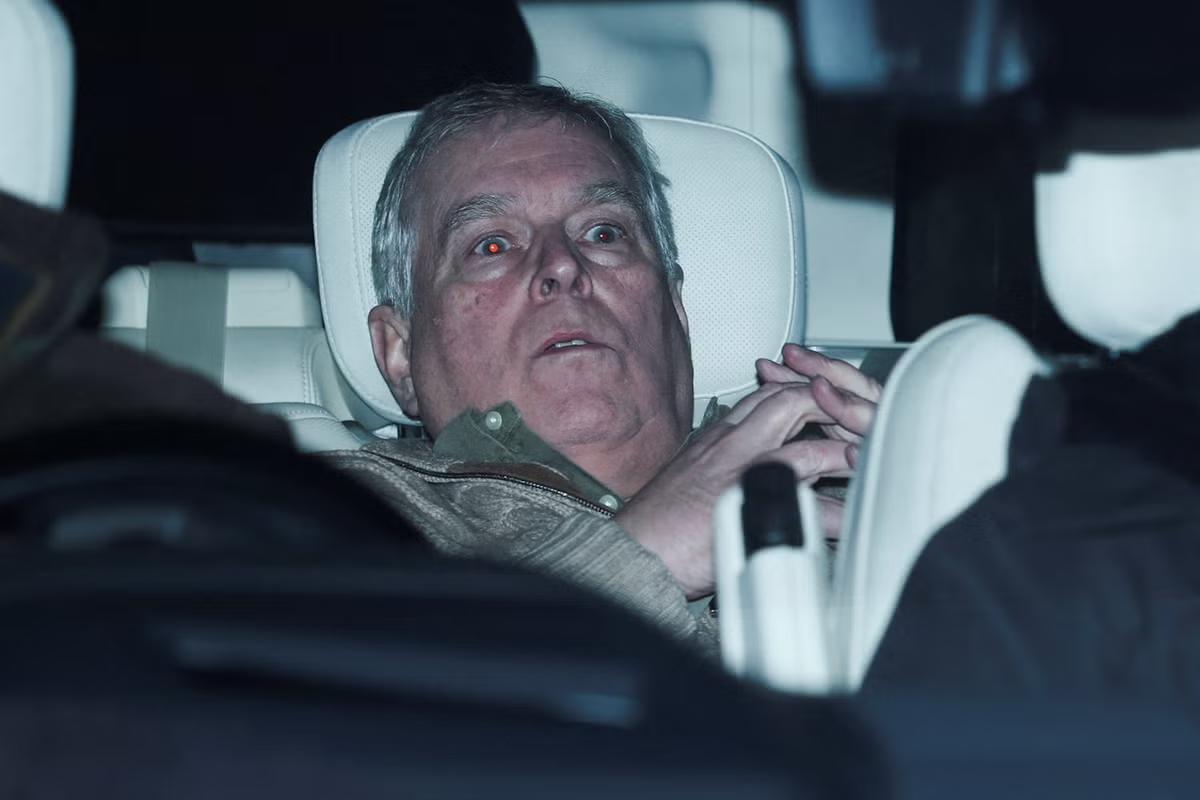
Andrew Mountbatten-Windsor latest: Police search of Royal Lodge enters second day after Andrew released from custody