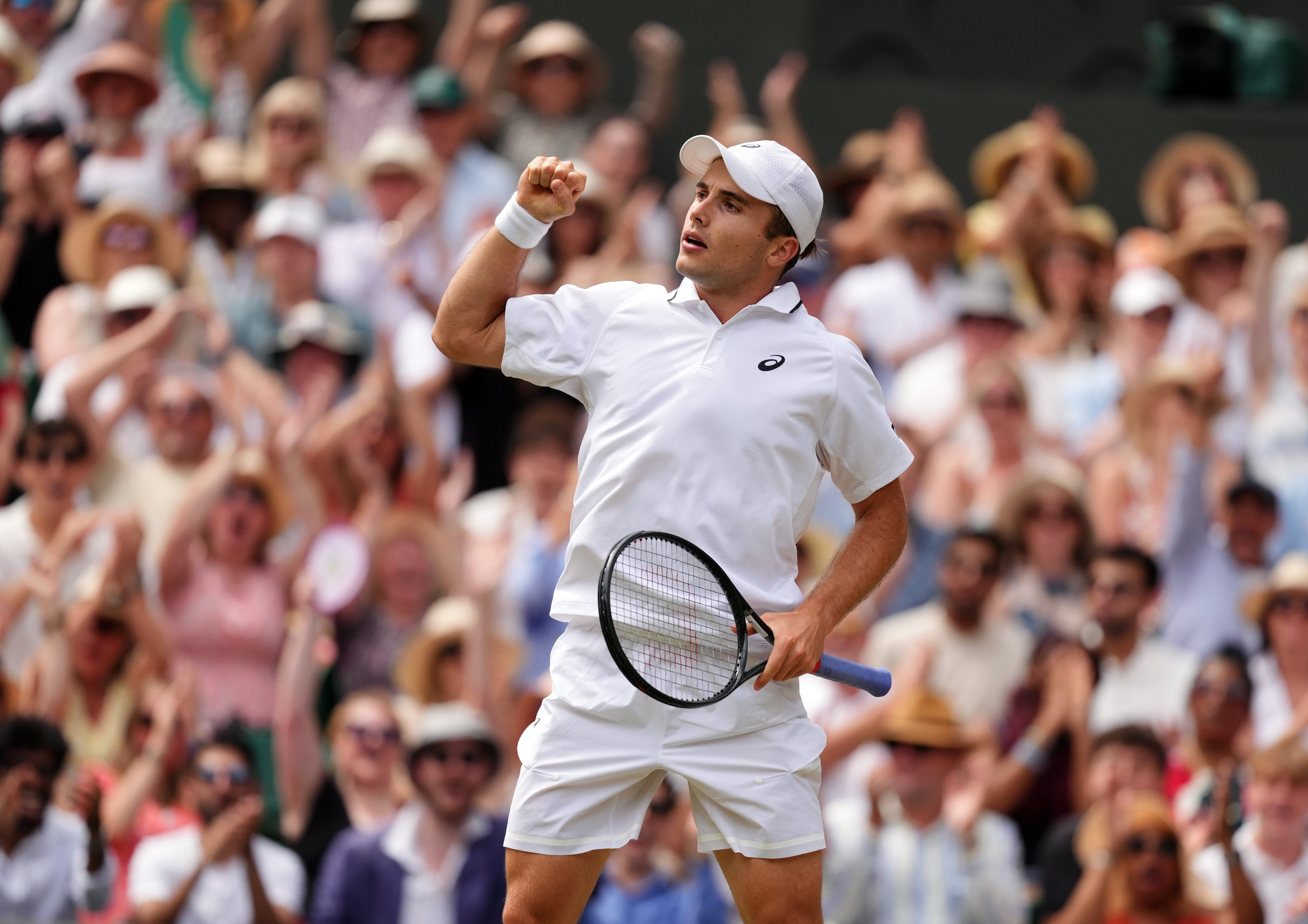
It’s been a good summer to be the world No 114. First Maja Chwalinska produced one of tennis’ great fairytale stories to reach the French Open final as a qualifier, winning nine matches in a row to get there; then Britain’s Arthur Fery embarked on a similarly unpredictable run to the Wimbledon semi-finals as a wildcard.
All in all 15 Britons were to fall in the first round. Some of those were wildcards or qualifiers who simply ran into far superior opposition; others, including some of Britain’s best players, utterly failed to take the golden chance offered to them. There is a wider crisis in British tennis; Fery’s feelgood run has simply papered over the cracks.
Since Andy Murray’s retirement British tennis has been led by Cameron Norrie, usually a dependable, solid player who was left bitterly disappointed by a first-round exit. In his absence there is little leadership among the Brits on the men’s tour, which is largely populated by talented if injury-prone athletes who are yet to turn themselves into consistent features at big tournaments, or the women’s, which has the odd top-50 presence but is mostly top-100 players who have probably reached their ceiling.
It’s not like there are no Brits at all – there are 19 men in the top 300, a good return – but few have been able to truly break through, or stay there, and the gulf between winning at Challenger level – as three Brits did this weekend – and on the ATP Tour is mighty.
Advertisement
Despite having much more financial might, particularly as the host of a grand slam which generates a huge chunk of overall Tour revenue, the UK’s tennis system is light-years behind the likes of Italy (eight men in the top 100, including five-time major winner Jannik Sinner, grand slam semi-finalist Matteo Arnaldi and French Open runner-up Flavio Cobolli) on the men’s side or Czechia (nine in the top 100 and three of the last four Wimbledon champions) on the women’s.
There are lessons to be drawn from those countries, but also from much closer to home: the scarcely believable success story which is British men’s doubles. For the last four years running a Brit has won the Wimbledon title; last year it was two, Julian Cash and Lloyd Glasspool. There are five British men in the world’s top 20 and they frequently battle for the top titles, notably at the ATP Finals last year, where all of those five made the semi-finals. Their success is owed in part to the highly regarded Louis Cayer, the national men’s doubles coach – the only one in existence.
Arthur Fery has jumped up the rankings to world No 36 and British No 1 (PA Wire)
One could point simply to luck of the draw: you can’t manufacture a tennis prodigy out of thin air, and there’s nothing to be done about once-in-a-generation talents cropping up elsewhere in Europe. But a lot of it comes down to the environment players are raised in and the access they have to opportunity.
Some would suggest the fact that promising young players are recruited to the National Academy in Loughborough, and the nature of the centralised model the LTA has recently opted for, have weakened grassroots tennis. Few local clubs are given the resources to produce top players in the manner in which clubs across Europe’s tennis behemoths do, while children who aren’t talent-spotted at a young age can fall through the cracks without the opportunity to develop. There is little investment in coaching and clubs at a micro level, with the inevitable result that young players who can’t afford or access expensive coaching, top-class facilities, or regular, quality tournament fields go by the wayside.
And it hardly bodes well for the health of the centralised system that most of the top British players of the current era, rather than progressing all the way through that pathway, went to college in the US. Norrie paved the way in playing college tennis at Texas Christian University, which Jacob Fearnley also attended, while Fery progressed to the professional tour via a tennis scholarship to Stanford, where he became the top-ranked college player in the States. Andy Murray famously joined Barcelona’s Sanchez-Casal Academy as a teen and grew up training in Spain rather than in the UK. It hardly inspires confidence in a system if players choose to leave it in their droves – and if they achieve greater things than those staying behind.
Advertisement
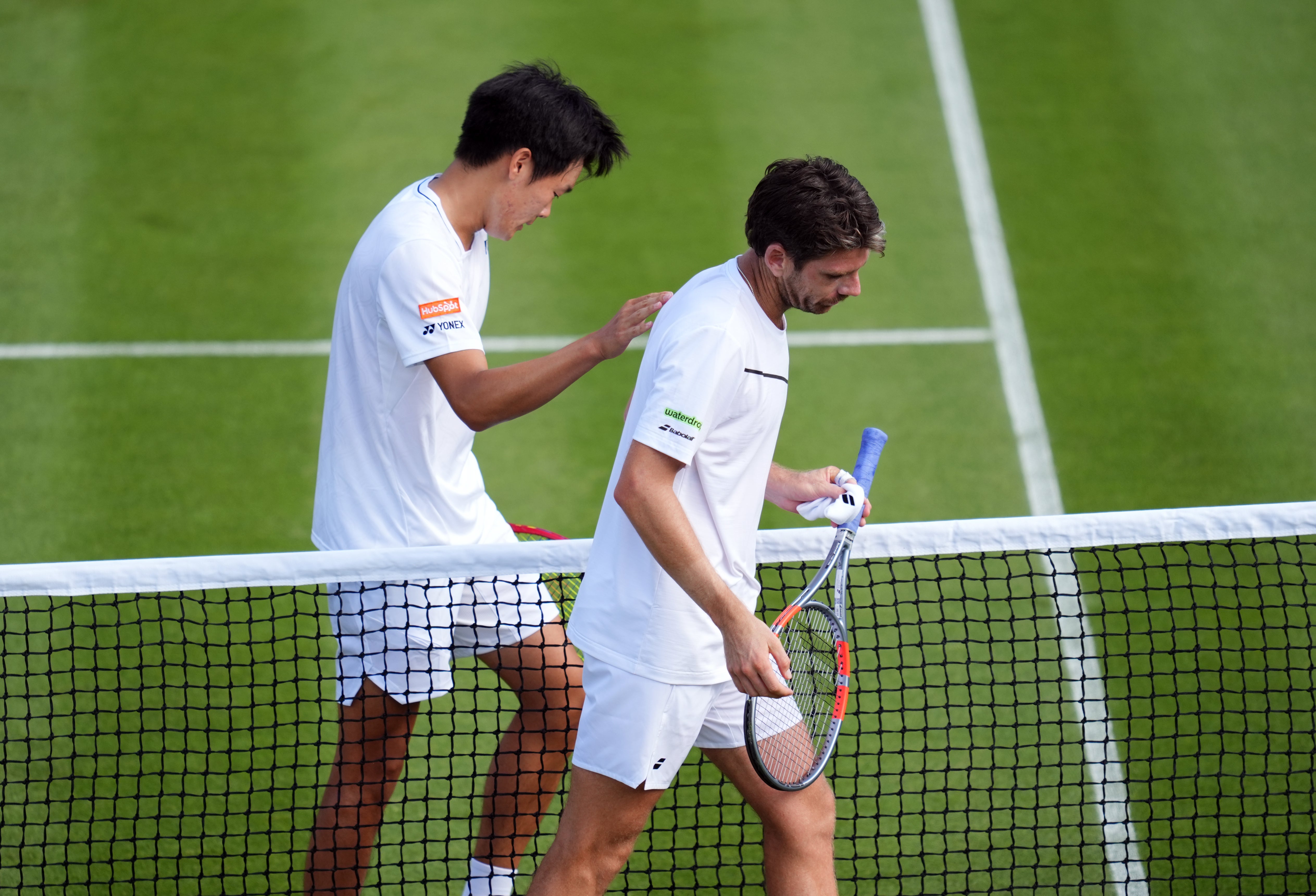
Cameron Norrie was knocked out by collegiate player Michael Zheng in a surprise first-round defeat (PA Wire)
And there are concerns over the durability of home players, too. Jack Draper is capable of astonishing highs, reaching a peak ranking of fourth in the world last year, but since then he has been consigned to the treatment room with a series of worrying injuries, having already endured numerous injury layoffs earlier in his budding career. The litany of injuries Emma Raducanu has had to deal with could fill an entire book. Another promising Brit, Sonay Kartal, has missed the entire clay and grass swings with a troublesome back injury. Perhaps it is simply awkward timing, a strange coincidence; but few other countries have half their top talent laid off at the same time.
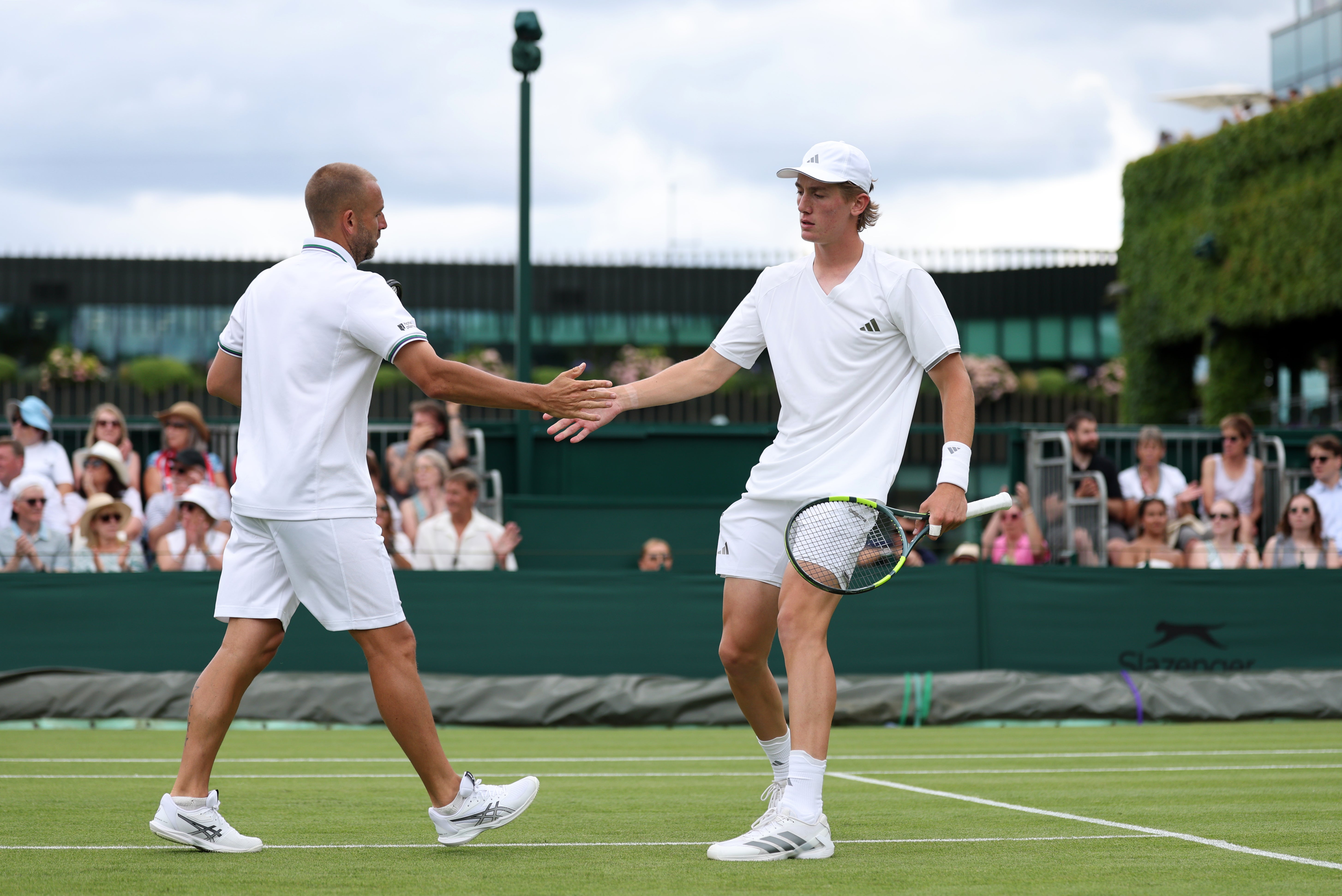
There are further awkward questions to be asked, too. Until Fery’s glorious run, discussions about wildcards at Wimbledon largely centred around Dan Evans, the retiring hero who was not granted a proper send-off at his home slam, his career instead coming to an end on the lowkey Court 15 alongside doubles partner Henry Searle.
Dan Evans’ playing career came to an end in front of around 300 people on court 15 (Getty)
He lambasted the LTA for “not having the minerals” to tell him explicitly why he wasn’t given a singles wildcard (the governing body advises the AELTC on its wildcard selection), and for its failure to wish him well on his retirement in person. It all added to the impression of a governing body locked away in an ivory tower, interested in bottom lines rather than nurturing players both young and old.
Perhaps this is unfair, but sport is a results-based business, and those results aren’t forthcoming. Fery’s run to the semi-finals is a stunning achievement and not to be trifled with. But it shouldn’t obscure the deeper issues within British tennis, which cannot be solved by one young starlet having a dazzling breakout run every few years. Instead, it should be the catalyst to turn those runs into sustained success and consistency at the top, to put Britain’s talent among the tennis elite.
Nine years ago, Jordan Spieth spent 20 minutes sorting through his options for a drop with the Claret Jug on the line. The wait seemed to last forever. The time since has flown by.
Just like that, the Open Championship is back at Royal Birkdale for the club’s 11th turn as host. Before play begins, here are some things to know about one of golf’s great championship venues.
It was born as a nine-hole course
The club first welcomed play in 1889 on what was then a nine-hole course. Eight years later, it moved to its current home in the Birkdale Hills, where 18 holes were laid out by George Lowe, the head pro at nearby Royal Lytham & St. Annes.
It’s in a golf-rich zip code
Public tee times are a no-go at Royal Birkdale this week. But there are plenty of other nearby places to play. An hour’s drive along the coast of the Irish Sea will get you to a constellation of outstanding courses, including Royal Lytham, Royal Liverpool, Wallasey, Formby, West Lancashire, Hillside and Southport & Ainsdale.
Advertisement
It’s a relative newcomer to the rota
Of all the clubs on the current Open rota, Royal Birkdale is the newest addition. Though it was founded in 1889, it didn’t host its first Open until 1954, when Peter Thomson claimed the Claret Jug.
Its “Royal” designation marked a rising reputation
Not every great links gets the royal treatment. Royal Birkdale earned its designation in 1951, when King George VI granted the club permission to add the coveted prefix to its name. The timing wasn’t incidental. In 1946 and 1948, Birkdale had shined while staging the British Amateur Championship and the Curtis Cup, respectively. Then, in 1951, six months before the monarch gave his official sign-off, the club had proved its mettle — and an even bigger tournament was still to come.
It was stadium golf before that became a thing
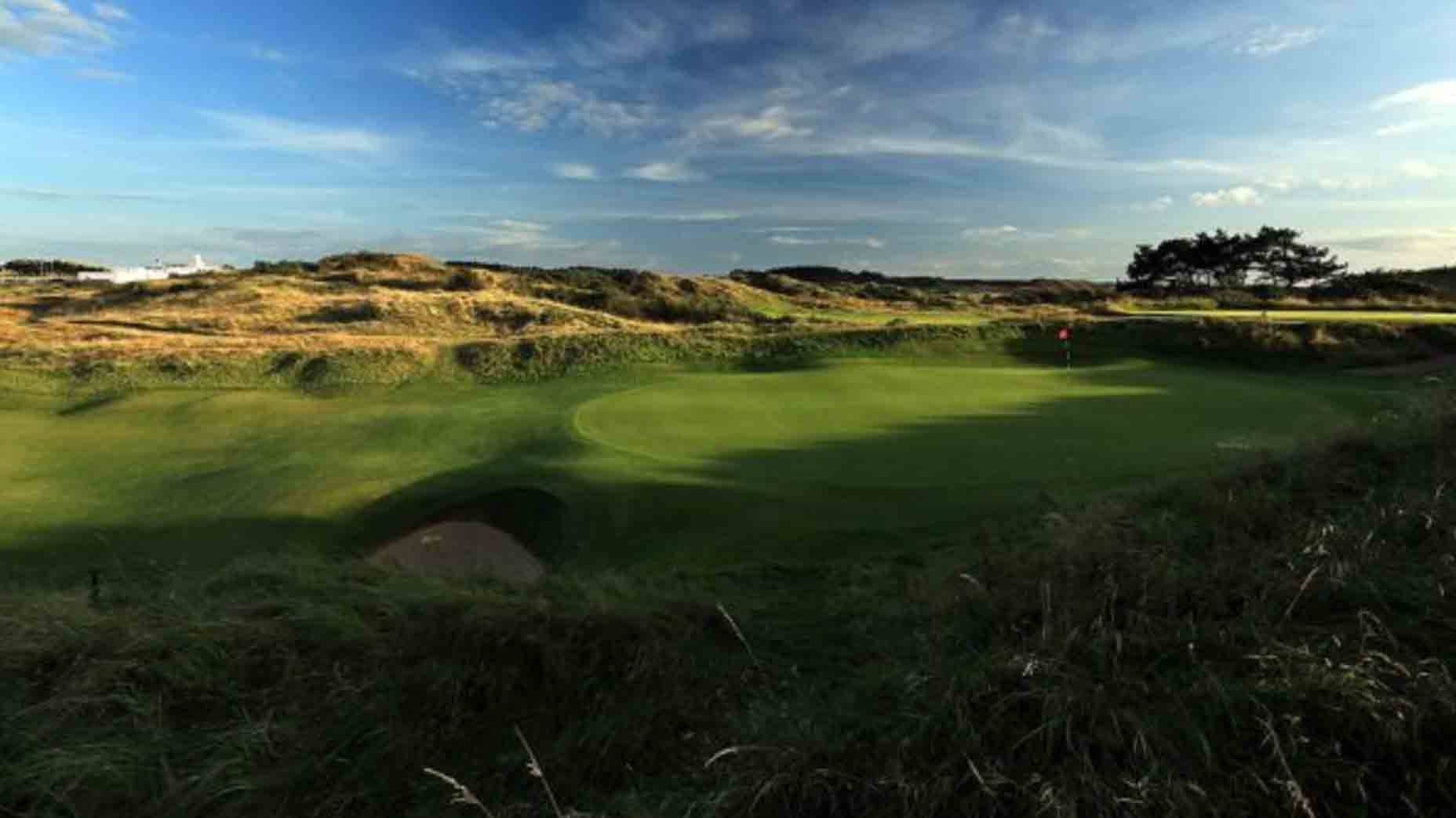
Long before the rise of man-made stadium courses, Royal Birkdale offered a natural example — the layout, which ranks 42nd on GOLF’s list of the Top 100 Courses in the World, runs through a landscape of towering dunes. Despite those dramatic features, the design itself is relatively understated, with mostly mellow contours and few blind shots. It is often referred to as the “fairest” Open test, though don’t try telling that to anyone who spends time in the riveted fairway bunkers, which are steep, devilishly placed and central to the course’s defense.
Its clubhouse breaks the links mold
Unlike the stately Victorian and Tudor clubhouses found at several Open venues, Royal Birkdale’s headquarters looks almost futuristic. The striking Art Deco building opened in 1935 after architects Fred Hawtree and J.H. Taylor rerouted the course, moving the opening hole and rendering the old pavilion obsolete.
Advertisement
Architect George Tonge won a design competition with a building inspired by an ocean liner. As he later explained, “I imagined the lines of a liner at sea; the perfect balance of the ship at whatever angle and from whatever side it was seen.”
Nearly a century later, it remains one of the most recognizable clubhouses in championship golf.
A career bookended by Birkdale
Thomson’s victory in 1954 was the first of three straight Open titles in a career that would ultimately include five. Royal Birkdale served as the bookends to that remarkable run, as it also hosted the ’65 Open, the last time Thomson hoisted the Claret Jug.
It has produced marquee winners — and unforgettable moments
Royal Birkdale’s roster of champions reads like a Hall of Fame ballot. Peter Thomson, Arnold Palmer, Lee Trevino, Johnny Miller, Tom Watson, Padraig Harrington and Jordan Spieth have all lifted the Claret Jug here.
Advertisement
The near-misses have been almost as memorable.
In 1976, a 19-year-old Seve Ballesteros burst onto the international stage with a precocious performance punctuated by a deft chip from the fescue that bounded between bunkers to within tap-in range on the 18th hole, securing a tie for second with Jack Nicklaus.
Twenty-two years later came another breakout showing. This time it was 17-year-old amateur Justin Rose, who holed out from the rough on the final hole to finish fourth, a shot that gave rise to one of the Open’s more meme-worthy celebrations.
Then came Spieth in 2017.
Advertisement
The championship is remembered for a 20-minute rules discussion after his wayward drive on the 13th. But what followed was even more remarkable. Spieth salvaged bogey, then played his final five holes in five-under par, highlighted by an eagle at the par-5 15th and a hole-out from a greenside bunker at the 17th, turning one of the Open’s strangest detours into one of its finest finishes.
It’s not the same Birkdale Spieth conquered
Championship courses often get the architectural equivalent of nips and tucks between major events. Royal Birkdale has had something closer to a facelift.
Since Spieth’s victory in 2017, the club has made several substantial changes. The old 14th hole is gone, while the new 15th is an absolute brute — a par-3 that can stretch to 240 yards. After a scouting visit, Spieth described the new hole as compelling but suggested it could get “funky” with the tees in the wrong place, perhaps playing better when moved forward into more of a 6- or 7-iron range.
The 5th hole has also been transformed from a partially blind tee shot into a drivable par-4 after the removal of a large dune, giving players a clear look at the green. Beware the pond lurking to the right.
Advertisement
As for the new 15th, the first bunker by the green can mess with your mind. Sir Nick Faldo has described it as an “optical delusion” because, from the tee, it appears to sit directly in front of the putting surface when it’s actually offset to the left.
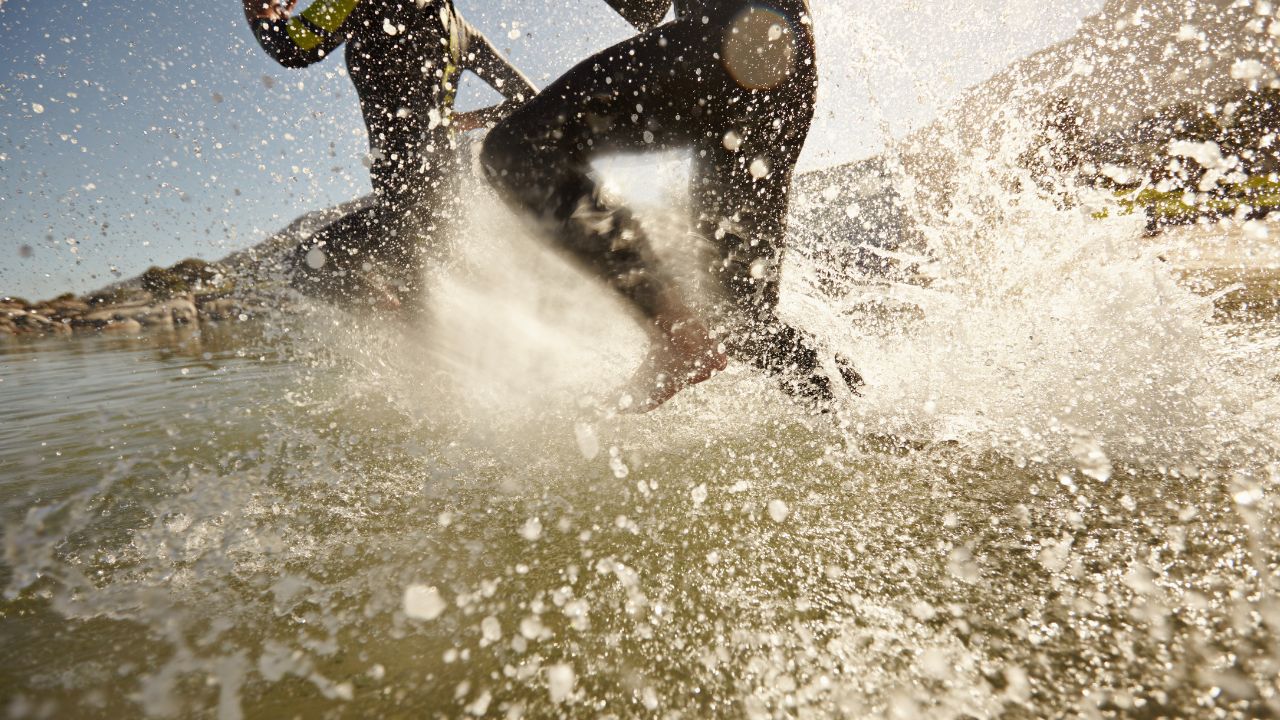
Christy Ann Perez and Christopher Te claimed the overall Sunrise Sprint titles with contrasting victories on Sunday in the Sun Life 5150 Bohol Triathlon, highlighting the country’s emerging triathlon talent.
Perez dominated the women’s 16-17 division from start to finish in the 750-meter swim, 20-kilometer bike and 5 km run, clocking 1 hour, 17 minutes and 52 seconds. Isabel Reyes placed second in 1:44:12.
Te, meanwhile, survived a tight battle in the men’s 18-24 race, winning in 1:08:29 after holding off John Michael Lalimos (1:10:06) and Carron Cañas (1:12:59).
Article continues after this advertisement
Advertisement
Their victories also secured the overall Sunrise Sprint crowns in the event, which serves as an entry-level race alongside the Olympic-distance Sun Life 5150 Bohol. Ines Santiago and Mervin Santiago won the centerpiece 5150 race, while national team standouts Erika Burgos and Dayshaun Ramos captured the Filipino Elite titles.
Host Team Bohol thrilled the hometown crowd in Panglao by winning the men’s relay in 2:00:15, beating Team Kuya J Multisport Team (2:05:58) and Team FerrumTri FLIQ1 (2:08:51).
Team Anselmos ruled the women’s relay in 2:27:52, finishing ahead of Team Kuya J Multisport Team (2:42:53) and Team BYD (2:52:48).
Team FerrumTri FLIQ1 topped the mixed relay in 2:24:15, followed by Team TriBohol (2:50:08) and Team TSG (2:55:59).
Advertisement
Article continues after this advertisement
Other Sunrise Sprint age-group champions were Giro Don Rafael Gito (men’s 16-17), Cecille Mole (women’s 18-24), Justin Pabualan and Joanna Galeza (25-29), Philip Jurolan and Patricia Ann Cruz-Bautista (30-34), Alex Silverio and Mary Grace Torres (35-39), Haroun Calbe and Eugenie Neri (40-44), Indi Felisco and Mae Corona (45-49), Philip Tan Jr. and Nonie Calimbayan (50-54), and John Alcano and Leoniza Gusilatar (55-59).
In the Sunrise Sprint relay races, Team East PH Tri 1 won the men’s title, Team Aceledar topped the women’s division, and Team TriForReels captured the mixed relay crown.
Your subscription could not be saved. Please try again.
Eight of baseball’s hardest hitters are ready to ring the bell at Citizens Bank Park in Philadelphia during the 2026 Home Run Derby.
With a field headlined by hometown stars Bryce Harper and Kyle Schwarber, MLB threw a new format at the sluggers this year. The Derby moved on from the timer that had been in place since 2015 in favour of a swing-based event, where each player will have 20 swings in the first round and 15 swings in the second and third rounds. Hitters can keep hacking if they hit a home run on their final swing of the round.
You can watch the 2026 Home Run Derby on Sportsnet and Sportsnet+, starting at 8 p.m. ET / 5 p.m. PT.
As the event unfolds, follow along below with the results from every round on Sportsnet.ca.
Advertisement
The top four home-run totals in Round 1 advance to the semifinals, where they will be reseeded one through four in head-to-head matchups.
Willson Contreras: 13 home runs (Longest: 490 feet) Jordan Walker: 13 home runs (Longest: 470 feet) Jac Caglianone Munetaka Murakami Ben Rice Junior Caminero Kyle Schwarber Bryce Harper
Philadelphia Eagles’ Jalen Hurts landed outside the top 10 ranking of quarterbacks in the NFL in a recent poll conducted by ESPN among the league’s coaches, scouts and executives. Despite his success in the NFL, including winning the Super Bowl, he only earned an honorable mention.
ESPN’s Jeremy Fowler explained why Hurts wasn’t ranked among the top NFL quarterbacks via a phone call on “Midday With Marks” on Monday. While noting his respect for Hurts, the NFL insider highlights a perceived lack of “fear factor” compared to the league’s elite signal-callers.
Thanks for the submission!
Advertisement
“This is an exercise in fear,” Fowler said. “Fear in the NFL is currency. You fear your opponent. When you game plan against the Eagles’ offense, does Jalen Hurts keep you up at night? So, to be a top quarterback, you have to be number one on that scouting report.
Advertisement
•
“You play the Eagles, it’s Saquon Barkley in the running game, and then it’s probably or was A.J Brown. That is not to diminish Hurts. But he doesn’t have the same fear factor as the top guys do. I am a little surprised that he is as low as he is.”
Looking to predict NFL playoff Scenarios? Try our NFL Playoff Predictor for real-time simulations and stay ahead of the game!
The list, published in the early hours of Monday, had Buffalo Bills’ Josh Allen as the top name on the list, followed by Kansas City Chiefs’ Patrick Mahomes and Los Angeles Rams’ Matthew Stafford. However, the exclusion of Jalen Hurts has sparked significant debate around quarterback evaluation across the NFL world.
Advertisement
Jeremy Fowler highlights what Jalen Hurts needs to do better
Surprised by the exclusion of Jalen Hurts from the top quarterback ranking, Jon Marks questioned Jeremy Fowler on what the Eagles signal-caller needs to do better in his game. The NFL insider pointed out the flaws in the quarterback’s game that got him excluded from the list.
“They want more quality passing, particularly over the middle of the field,” Fowler said. “Quick decision-making from the pocket … That’s really what they want. They feel like he struggles in that area.
“This is a very tough discussion because there’s a great deal of respect in the league for Jalen Hurts for his intangibles. He throws a great deep ball, and he does a lot of things well. … But in the simplest form, the Eagles were in the bottom third in passing offense the last two years.”
Hurts has repeatedly silenced doubters throughout his career, from overcoming criticism to delivering in the biggest moments. The ESPN quarterback poll has added fuel to the conversation around the Eagles quarterback, and the upcoming 2026 season is another opportunity to prove doubters wrong.
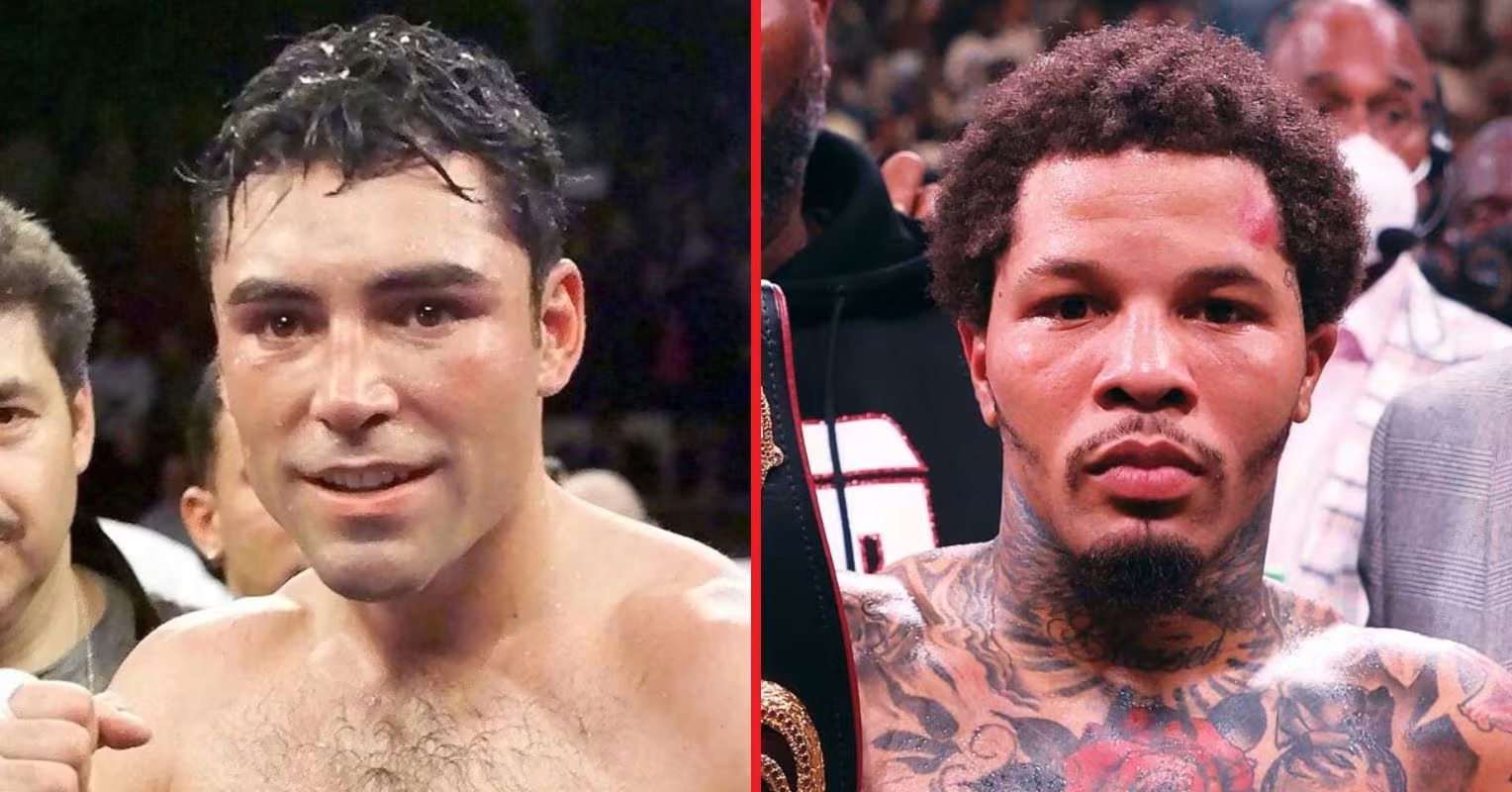
Shakur Stevenson has been linked to a showdown with Gervonta Davis throughout his career but now the Newark southpaw has predicted how his rival would fare against one of the greats of the sport in Oscar De La Hoya.
Stevenson and Davis each held world titles in the lightweight division as recently as February, but Stevenson was then stripped of his WBC crown due to unpaid sanctioning fees and ‘Tank’ was recently demoted to the WBA’s ‘champion-in-recess’ because of prolonged inactivity.
Any hope of seeing the fight is now beginning to dwindle, with Stevenson having signed with Zuffa Boxing, whilst Davis is expected to remain sidelined until early 2027, meaning if the pair are to ever fight, it is unlikely to be anytime soon.
Advertisement
Despite that, Stevenson still clearly holds his rival in high regard, as when discussing hypothetical encounters in an interview with Daily Mail Sport, he picked the Baltimore-born knockout artist to trump a prime De La Hoya, who is one of just two fighters in boxing history to have ruled in six divisions.
De La Hoya fought as a lightweight for just over a year-and-a-half and is better known for his reign as welterweight champion, where he overcame the likes of Pernell Whittaker, Héctor Camacho and Julio César Chávez.
Although, whilst Stevenson also picked Davis to overcome stars such as Vasyl Lomachenko and ‘Sugar’ Shane Mosley, he felt as though a meeting with pound-for-pound sensation Terence Crawford would prove to be a step too far for the undefeated three-division conqueror.
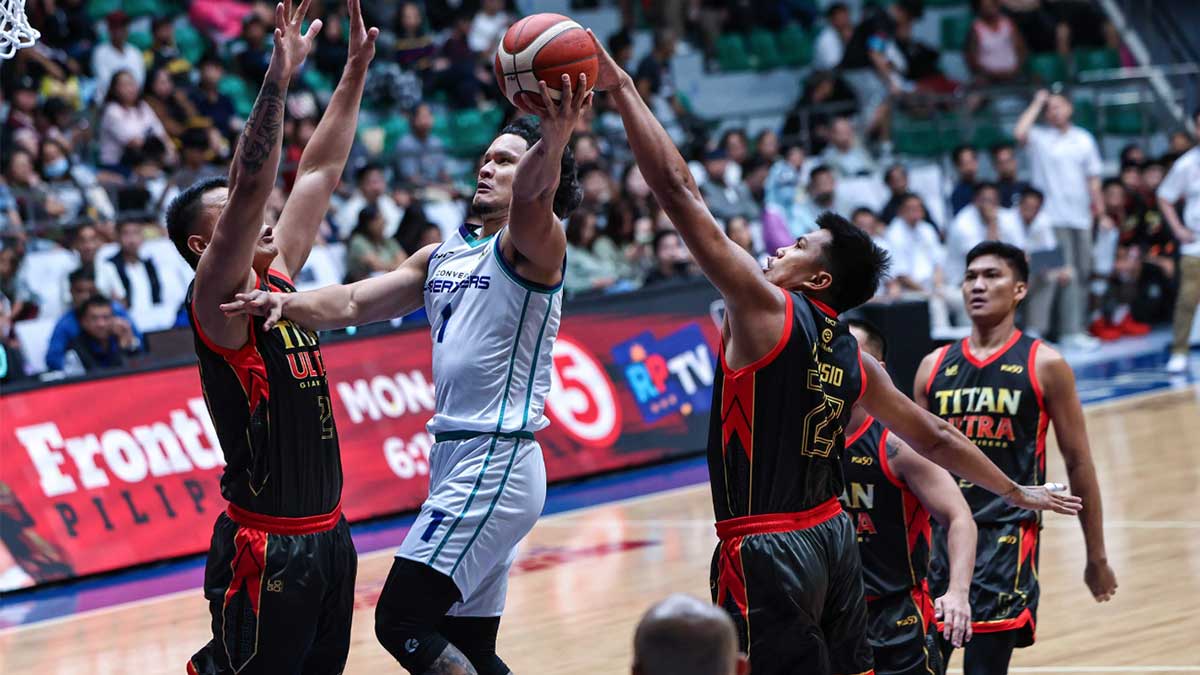
Juan Gomez de Liaño (with ball) rises for a shot. —PBA IMAGES
Converge got off to a flying start in the PBA Governors’ Cup on Sunday when it pummeled an import-less Titan Ultra squad by 31 in faraway Rodriguez, Rizal.
Juan Gomez de Liaño and the rest of the FiberXers are hoping that the 105-74 rout at the Ynares Center Montalban would set the tone for a potential turnaround after a dismal run in the Commissioner’s Cup.
Article continues after this advertisement
Advertisement
“It’s definitely added motivation for us to try to perform and win games,” Gomez de Liaño said.
The FiberXers missed out on a playoff spot in the previous conference despite stockpiling new talent with the arrival of Mikey Williams and the acquisition of Calvin Abueva to mix with Gomez de Liaño, Justin Arana, Justine Baltazar and Alec Stockton.
Enough time
But Converge could only post a 5-7 record as it dealt with an adjustment period with a new roster while also enduring the inconsistencies of 7-foot import Kylor Kelley, who was replaced by Donovan Smith, albeit too late.
With that experience and enough time to build more chemistry this time, the FiberXers will attempt to get back to their winning ways in the Governors’ Cup.
Advertisement
Article continues after this advertisement
“I truly believe our team can make it far in the playoffs, especially with the guys that we have,” the Rookie of the Year frontrunner and Most Valuable Player candidate said. “I’m very optimistic still. And I know that we can make it happen with the pieces that we have.”
Beermen’s opener
Gomez de Liaño, coming off an impressive stint with Gilas Pilipinas in the third window of the Fiba World Cup Qualifiers, scored just two points but had nine rebounds and nine assists in the blowout win.
Import Jalen Hudson, back in the PBA after his debut in 2023 with TNT was cut when he was replaced by Rondae Hollis-Jefferson, posted 20 points, eight rebounds, four assists and four steals while Williams hit seven of his 13 points in the second quarter.
Advertisement
Article continues after this advertisement
Meanwhile, San Miguel Beer starts its third conference campaign on Tuesday at 7:30 p.m. at the Ynares Center in Antipolo, favored to run roughshod over a guest team Macau squad that lost to NLEx by 39 points the last time.
The Beermen parade import George King, who joins the powerhouse squad after playing for Blackwater last season, while Jerrick Ahanmisi debuts in the hope of being a key contributor.
Of course, San Miguel is expected to be led by MVP favorite June Mar Fajardo, CJ Perez, Jericho Cruz, Marcio Lassiter, Chris Ross and Rodney Brondial.
Advertisement
Coach Jimmy Alapag and NLEx go for a 3-0 start in the 5:15 p.m. opener against Titan, which set a record for futility when it missed its first 17 tries from beyond the arc in the loss to Converge.
Titan’s James Milton missed that outing while waiting clearance to play.
Your subscription could not be saved. Please try again.
Your subscription has been successful.
Advertisement
The Road Warriors opened their Group A campaign in contrasting fashion; they blew out the visiting Giant Pandas first before nearly wasting a 23-point lead in a 101-100 thriller against Terrafirma last Sunday. INQ
France top the world rankings and have often been described as the best team in the tournament so far but Spain won Euro 2024, beating France in the semi-finals, and again defeated Deschamps’ side in last year’s Nations League.
And Deschamps, who has spent the World Cup claiming that Spain are the likeliest winners, maintained his position, even though France have scored five more goals and won all of their games.
He explained: “If you see what Spain have done in the first match against Cape Verde [a 0-0 draw], forget about that, but in the rest Spain confirmed they are the favourite. I don’t want to add extra pressure to Luis [de la Fuente, the manager] and their team, he knows very well people are expecting greatly of their team.
“They can attack and defend very well, they only conceded one goal. Luis and myself, we know how to defend well but with the quality of the two teams offensively we could think it is going to be a spectacular game.”
Advertisement
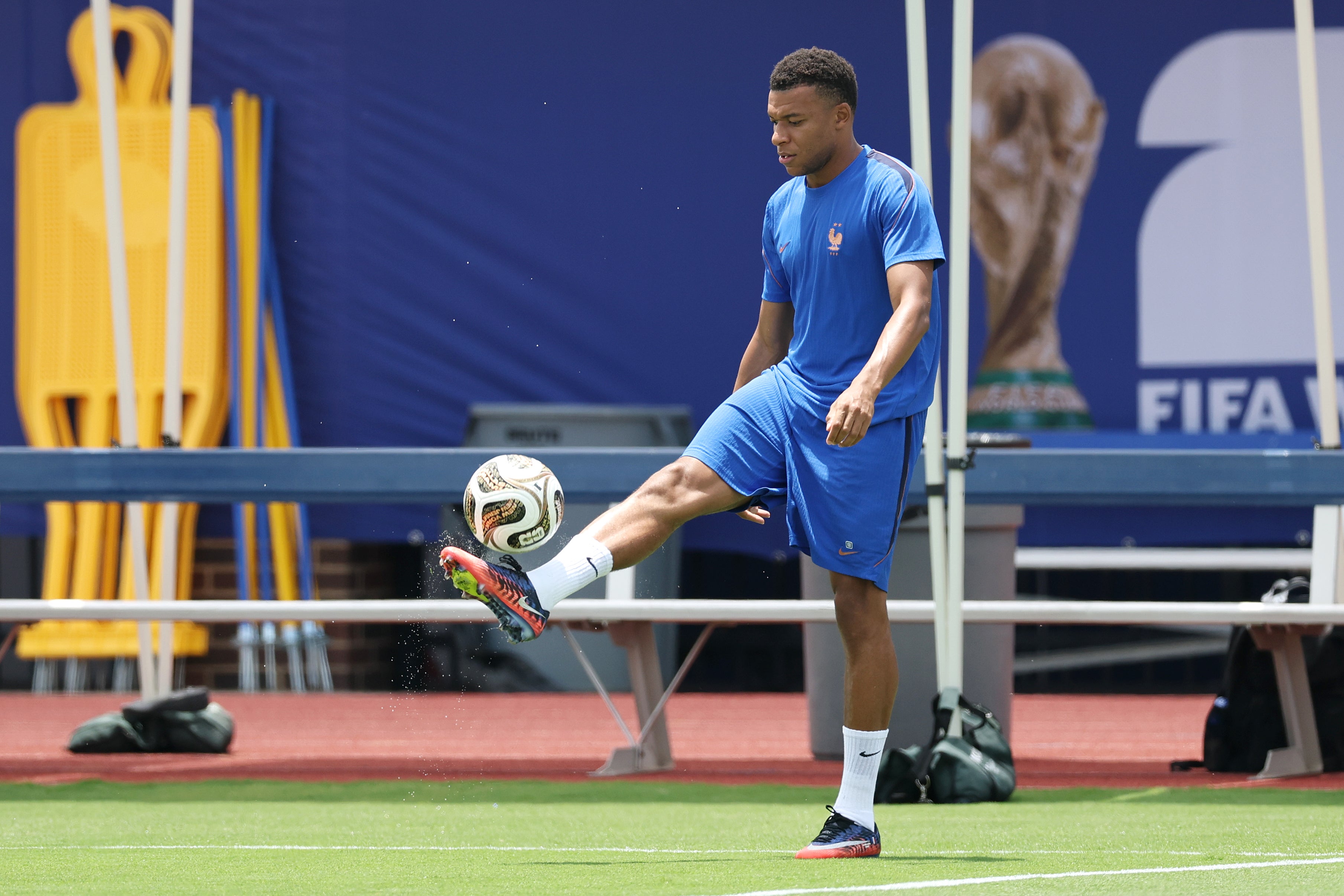
Kylian Mbappe had come off in the quarter-final win over Morocco and put ice on his ankle but said after the match that he was fine.
And Deschamps had no concerns about his captain, who has scored eight goals in this World Cup. “He trained today,” he said.
Kylian Mbappe will be fit to start for France in their World Cup 2026 semi-final (Getty)
But the France manager has a selection decision in midfield where Aurelien Tchouameni is fit again after a groin problem. The Real Madrid player was named as a substitute against Morocco but Deschamps decided it would be too great a gamble to play him then.
“He is now available,” said Deschamps. “Even though he was on the bench for the last game, the risk was high. He is better today, I am not going to say he has been 100 percent cured. The last game he played was two weeks ago but it does not mean anything.”
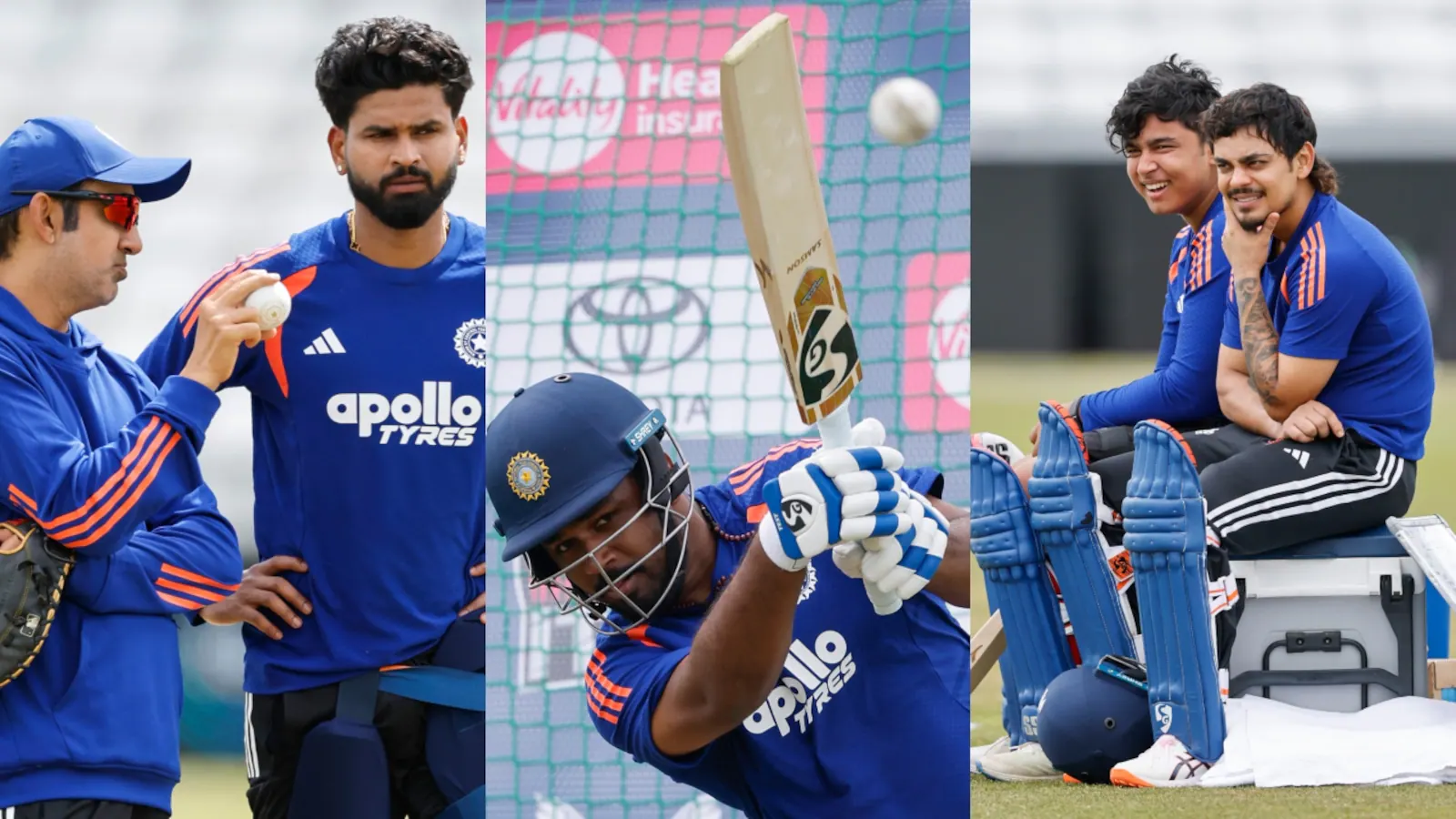
The Indian cricket team is going through an unprecedented slump in T20Is. The current T20 World Cup champions have lost two successive series against England and Ireland, both under new captain Shreyas Iyer. The series saw a musical chairs-like situation in the opening position. Sanju Samson was tried in the two T20Is against Ireland and the first T20I against England. After three poor scores, Vaibhav Sooryavanshi was tried, but the wonderkid could not go beyond 15 in the three matches that he played. Then Samson was again given a chance for the fifth T20I, which India lost, just like the previous matches.
“Gautam Gambhir has certain favourite players and he wants to take them and play them. I don’t see any value in these players being added to the side,” Vihari said on his YouTube channel, as quoted by the Indian Express.
“I don’t understand what some players are doing in the team. Dube does not bowl, cannot field, and has not shown that form in batting either. Shedge was also not impressive in bowling or batting. I have no idea why Washington Sundar is still continuing in the team. If you look at his contributions over the years, they have not been that great.”
Advertisement
Vihari also questioned the musical chairs approach to selection that was evident in the team.
“Spinners were the problem, whether Varun Chakaravarthy or Axar Patel. Why was Ravi Bishnoi taken on this tour? The problem is in the squad selection and the playing XI selection. You gave Samson opportunities in Ireland and then played Sooryavanshi. You dropped him as well after three games. There is no security anywhere in the team. If you do not perform, you will be kicked out. You should give players a long run. If you were fixed on playing Sooryavanshi, at least give him five or six games and then decide whether he is good enough or not. I don’t think this is the right attitude. Security is important for players,” Vihari added.
Featured Video Of The Day
FIFA World Cup 2026 | Argentina Fans Sing & Dance After Dramatic Comeback Against Egypt
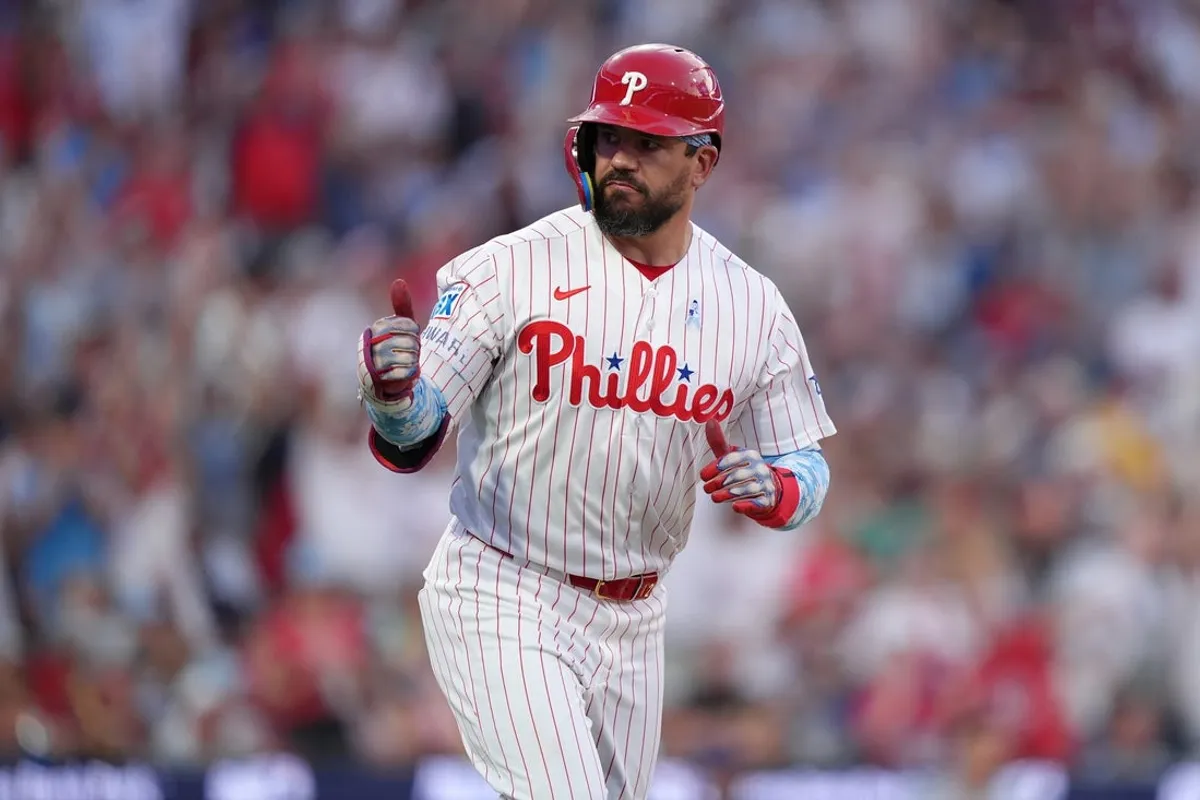
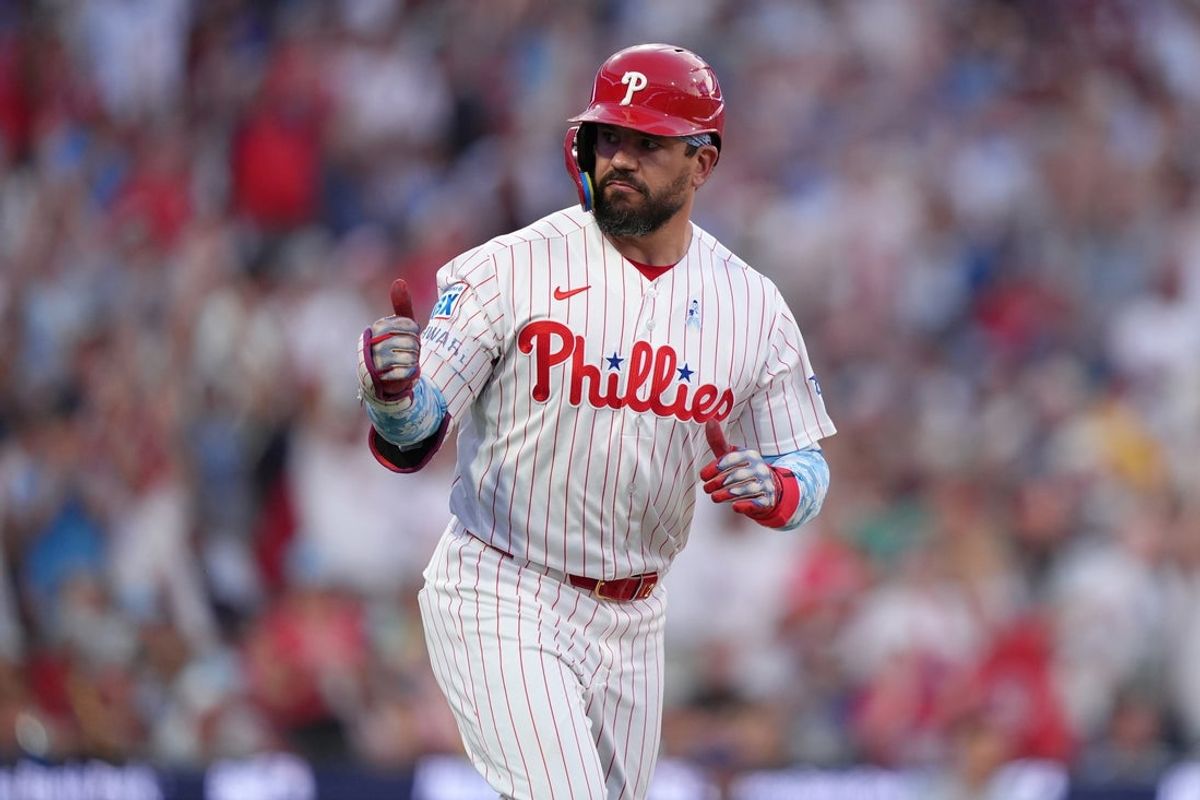
Jun 21, 2026; Philadelphia, Pennsylvania, USA; Philadelphia Phillies designated hitter Kyle Schwarber (12) reacts after hitting a three-run home run against the New York Mets in the second inning at Citizens Bank Park. Mandatory Credit: Kyle Ross-Imagn Images
The National League will frontload its batting order with left-handed hitters, while the American League will counter with mostly right-handers at the top for Tuesday’s All-Star Game at Philadelphia.
National League manager Dave Roberts of the Los Angeles Dodgers, will open the game with potentially seven consecutive left-handed bats against right-hander Dylan Cease, the American League starter from the Toronto Blue Jays.
American League manager John Schneider of the Toronto Blue Jays will go with right-handed hitters in four of the first five spots of the lineup against left-hander Cristopher Sanchez, the National League starter from the host Philadelphia Phillies.
With the Dodgers’ Shohei Ohtani skipping the game to rest a sore knee, Phillies designated hitter Kyle Schwarber will bat in the NL’s leadoff spot followed by right fielder Juan Soto of the New York Mets, first baseman Freddie Freeman of the Dodgers, shortstop CJ Abrams of the Washington Nationals, third baseman Max Muncy of the Dodgers, switch-hitting second baseman Ozzie Albies of the Atlanta Braves and left fielder Brandon Marsh of the Phillies.
Advertisement
The rest of the NL starting lineup will consist of the Dodgers center fielder Andy Pages and Braves catcher Drake Baldwin.
The AL leadoff spot will be filled by Los Angeles Angels center fielder Mike Trout, who is from nearby Millville, N.J. The left-handed hitting Yordan Alvarez of the Houston Astros will bat next as the designated hitter, followed by a trio of right-handed bats: catcher Shea Langeliers (Athletics), third baseman Junior Caminero (Tampa Bay Rays) and shortstop Bobby Will Jr. (Kansas City Royals).
Right fielder Cody Bellinger (New York Yankees), first baseman Ben Rice (Yankees), left fielder Riley Greene (Detroit Tigers) and second baseman Ernie Clement (Toronto Blue Jays) round out the AL batting order.
Sanchez becomes the 14th different pitcher to start an All-Star Game in his home ballpark and the first since the Dodgers’ Clayton Kershaw in 2022.
Advertisement
Cease, who was three outs away from throwing a no-hitter on Wednesday at San Francisco, is the fourth different Blue Jays pitcher to start an All-Star Game. The others are Dave Stieb (1983-84), David Wells (2000) and Hall of Famer Roy Halladay (2009).
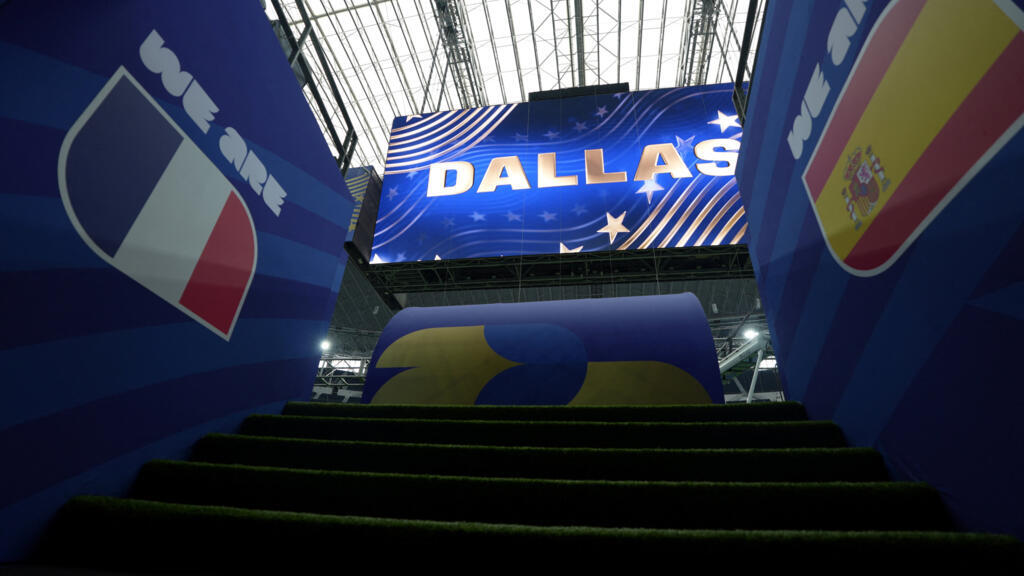
France are preparing for a highly anticipated semi-final against Span following their qualification thanks to a win against Morocco. The Spanish team is expected to be France’s toughest challenge yet, as La Roja have only let in one goal so far. FRANCE 24’s James Vasina tells us more.















































You must be logged in to post a comment Login