Connect with us
DAPA Banner

Sports

WNBA CBA negotiations: WNBPA’s Elizabeth Williams on need for ‘urgency’ and next steps after latest meeting

Published

on

At the beginning of this week, the WNBA and WNBA Players Association had an in-person meeting to discuss the new collective bargaining agreement. It was the first in-person meeting between the two sides in months.

Per reporting by ESPN and Front Office Sports, about 40 players and more than a half dozen team owners and executives were present at the meeting. On Friday, CBS Sports spoke exclusively to one of the players who attended the meeting via Zoom: Elizabeth Williams, the secretary of the WNBPA.

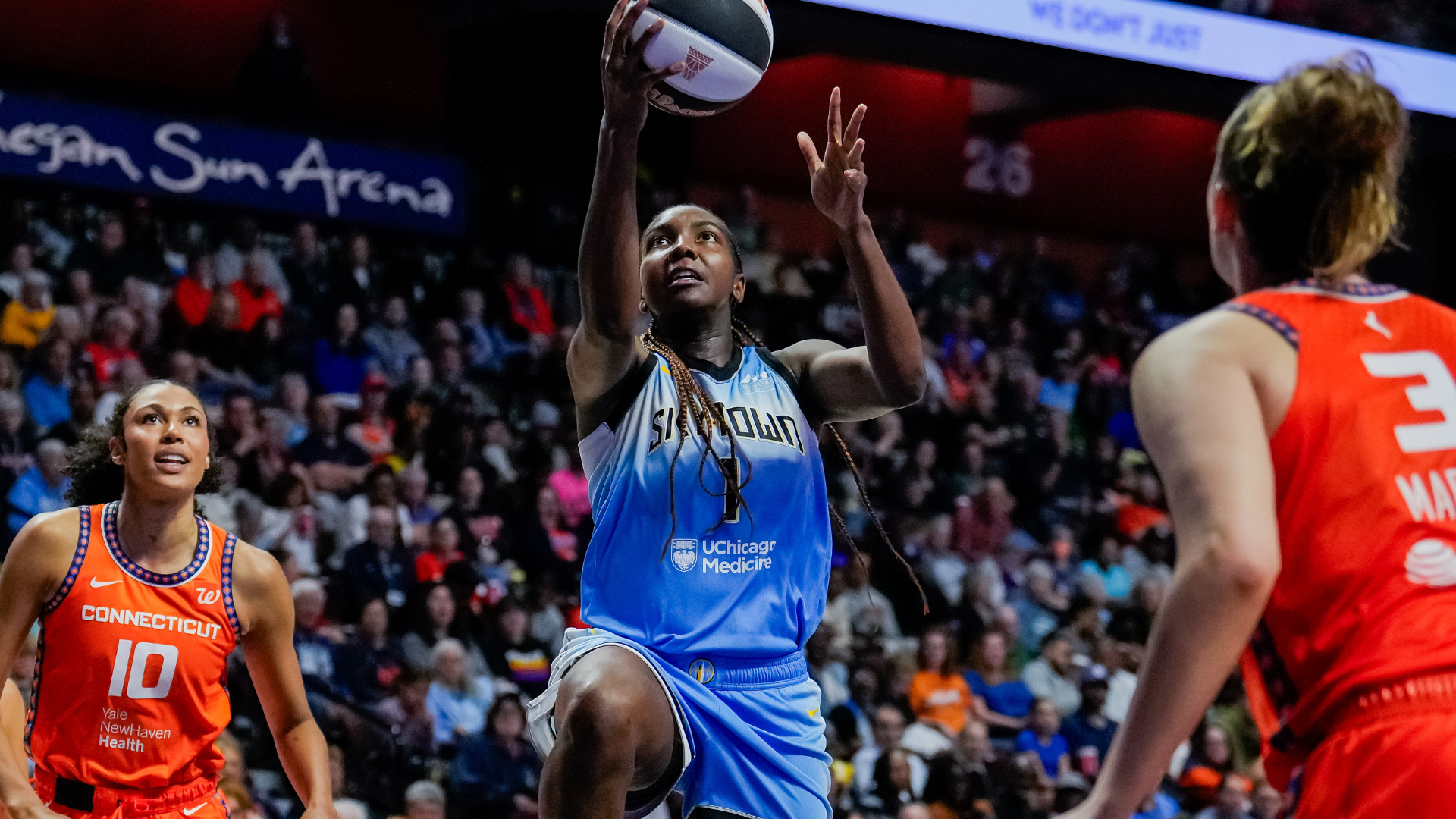
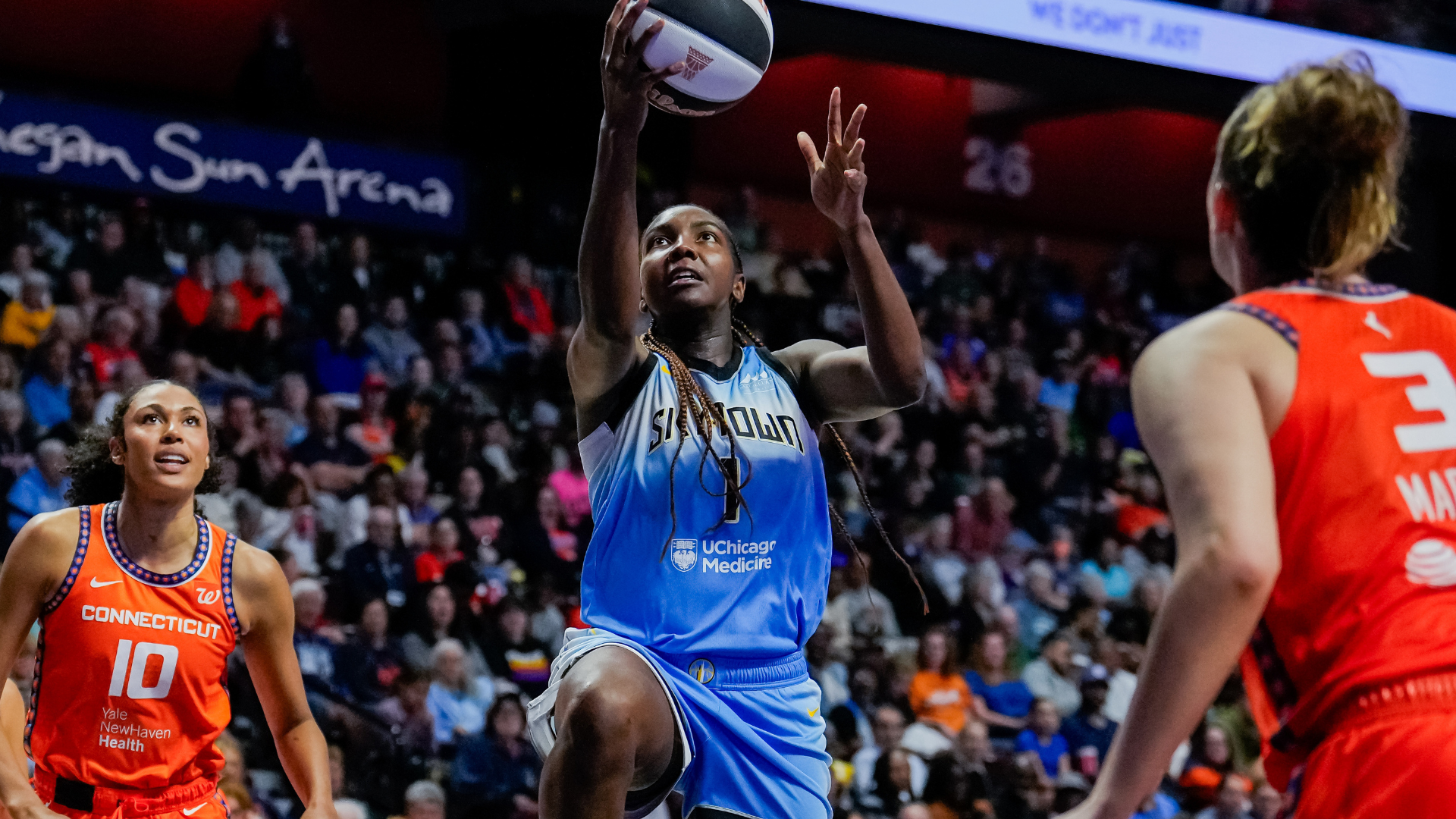
Williams is currently in Europe, where she is playing for Galatasaray of the Turkish Women’s Basketball Super League during the WNBA offseason. The 32-year-old center was the fourth overall pick in the 2015 draft and has been a longtime member of the WNBPA executive committee. She most recently played for the Chicago Sky, but like all but two veterans in the WNBA, is currently a free agent.

The WNBPA opted out of the current CBA at the end of the 2024 season. While the CBA originally expired on Oct. 31, 2025, the league and union agreed to two extensions. But on Jan. 9, when the second extension expired, the two sides entered a period of status quo, meaning the conditions of the current CBA remain in place, but either side can enact a work stoppage at any time. In December, the union voted to authorize a strike “if necessary.” 

Advertisement

Despite the ongoing stalemate, the WNBA released its 2026 schedule in late January. At the time, a WNBA spokesperson told CBS Sports that the schedule release was “a key step as we prepare for the WNBA’s 30th season and allows teams, partners, broadcasters and fans to begin the essential planning for the year ahead.” Training camps are supposed to open on April 19, and the first game is scheduled for May 8, just over three months away. The league still needs to hold free agency, the college draft and, perhaps most importantly, expansion drafts for the two newest WNBA franchises, the Portland Fire and Toronto Tempo.

The main point of contention between the league and players is the revenue-sharing model and salary structure. In the league’s most recent proposal, players would get about 70% of net revenue, which is the revenue remaining when league-specified operating expenses are removed from the pot. The union countered that offer with a proposal that would see the players get about 30% of gross revenue, which is all team and league revenue, before expenses.

The WNBPA sent its latest proposal to the league in late December. The league has yet to counter that proposal, and did not bring one to the meeting on Monday, which reportedly frustrated players. When the two sides left the meeting on Monday, the WNBA made it clear that the league understood it was its turn to respond and that a new proposal was coming soon. As of publication, the WNBPA has still not received a proposal from the league.

On Friday afternoon, Williams spoke to CBS Sports about what led to the meeting, how she felt the meeting went, reports of discord in the union’s executive committee, the possibility of a strike, her faith in leadership and whether she believes a deal will be done by the end of this month.

Advertisement

The following interview has been edited for length and clarity.

Gibbs: I know you were at the meeting on Monday via zoom. Some players have expressed frustration that the meeting didn’t start with a proposal from the league. Was that something that surprised you? And how did you feel the meeting went?

Williams: Yeah, I was a little surprised by that, especially knowing that players were going to be there in person. I think just having something would have been better than nothing. I do think as the conversation went on and the league side and ownership side could hear from people in person and hear the tone of why these issues matter, I think that helped the conversation, and I think it facilitated the level of urgency that’s needed. 

Gibbs: You use the word “urgency.” And I think from the public, it’s felt like there’s been a lack of urgency on both sides. You know, we’re now in February, and getting so close to the season. Have you felt the sense of urgency on the player’s side, and is that escalating as the clock continues to tick?

Advertisement

Williams: Yeah. I mean, I think the urgency is there on our side. I don’t think we would have had that meeting in person if the urgency wasn’t there. I think that was an explicit moment of, “OK. I think you really need to see us to understand where we’re coming from and why we need to come up with this deal ASAP.” I think the league has kind of operated from a place of comfort and complacency in the sense that they released the season schedule without our CBA being negotiated, like, they’re just very confident in what they’ve put out. And I think that’s where the disconnect was. After that, I think players really were like, “OK, the urgency is there from our end. And they just seem to think everything is fine without us agreeing.”

Gibbs: So you felt that the schedule release was a tipping point for the players, maybe that you all felt disrespected by that?

Williams: I think that’s fair to say, because I think it’s bold to put out a schedule without having anything agreed on. You have teams putting out schedules, and these teams don’t have players on them. That’s kind of mind-boggling to me. And so it said a lot about where they stood in the negotiations and feeling like they weren’t really going to budge. And I think after this meeting on Monday, that’s not the case at all. I think there is room for movement, and I think on both sides, I mean, I think players are willing to move on certain things that maybe the league wasn’t at an understanding of before. So maybe that’s just a reminder, like, we’re still negotiating in good faith. And that’s going to help us move forward.

Gibbs: Do you feel like they took you all more seriously after this meeting on Monday?

Advertisement

Williams: Yeah, I would say so.

Gibbs: What misconceptions do you feel like people have about what the players are asking for?

Williams: I think there’s a misconception about how much the league is losing moving forward. Because when you talk about the investment that has gone into the league, when you talk about the valuations of teams, when you talk about expansion fees, all of these things that the league might not consider, like, traditional revenue, it’s still dollars that are coming in. I don’t think you would see the pace of expansion if the league wasn’t growing. And so I think there’s just a misconception of our understanding of that and how that is going to impact our salaries and everything moving forward.

Gibbs: There’s a narrative that is coming out that the players are asking for so much that it’s going to handicap the league, that it’s going to shut down the growth, and that maybe the players don’t understand how much owners are spending and how much it is costing to run the WNBA. How do you respond to that?

Advertisement

Williams: I don’t think we’re being irresponsible. I think that’s what that translates to — that players are being irresponsible, they’re asking for this amount of money, blah blah. I don’t think it’s that at all. I think there are plenty of areas of revenue opportunities for the league and for the teams. I think at the end of the day, the product is most important, and I think the product is continuing to grow. There’s a lot of young talent, and that’s what brings in fans and excites fans. And there’s also still the fact that this league has existed for 30 years, there’s a fandom that’s here that is going to continue to be built on. And so I think all of those things, all the opportunities for revenue to come in, I really don’t think that we’re being irresponsible in how we are presenting what we think we should be getting.

Gibbs: Caitlin Clark was on NBC this week, and she talked about how this isn’t just a big moment for the WNBA, it’s a big moment for all of women’s sports. And I wondered how much you think about this as not just a movement for your league, but a movement for women’s sports and maybe women’s labor rights in general?

Williams: I agree. I mean, it’s kind of wild, especially considering how transformational the last CBA was right for us, and now this moment is that times 100, you know? I think there’s that understanding, and I think that’s why our leadership is being so intentional in how we communicate in the meetings that we have with the league and the meetings that we have with players. 

We’re just in this age where, like, you can see everything. And so there’s an understanding, if this labor is being put in, and you see these dollars coming from TV, see these dollars coming from investment, from expansion, everyone can see that. Why isn’t it reflected in salaries? I think this CBA is going to be that example for sports, of course, but just for women in general. If the work is being put in and the signs are there, then it needs to be reflected, period. And that’s the time that we’re that we’re living in.

Advertisement

Gibbs: You’ve been in the league for so long, you’ve played so many different roles – you’ve been the All-Star, you’ve been the veteran, you’ve been a starter, you’ve come off the bench, you’ve been on so many teams. How have you personally experienced the growth of the league, and what most surprises you about the growth you’ve seen in the past decade?

Williams: Oh, man, there’s so many changes. We joke about it in the locker room with [Maddy Westbeld and Hailey Van Lith] sometimes, sharing rooms on the road, right? Like, that’s something that a lot of people just seem to forget that you had to do that until you were in your sixth year. And then going from that to selling out 20,000 seats for arenas for a regular-season game. For the travel, obviously, the charters, and just overall, the growth from the fans, too. I think it’s just been huge. So all of those things are big. I think people just care more. People are watching more. They’re paying attention. People are inspired about 2020 and the impact that we had with Say Her Name, with Black Lives Matter and Senator Warnock. All of that comes from, yes, the product on the floor, but the type of impact that we have off the floor. And so I think all of that is kind-of reflected in how we’ve been approaching this negotiation, too. We do things together. We’re committed to doing things the right way and doing what we believe is right. So, yeah, it’s been nuts to see how much the league has grown, and deservedly so.

Gibbs: Caitlin Clark also said she thought that in the next few weeks there would be a deal done. I know [Breanna Stewart] had previously said she thought one could get done by Feb. 1. Obviously, that didn’t happen. It can be hard to answer, because it’s not in your control. But how, how confident are you that a deal will get done this month?

Williams: I mean, I would hope so, given that free agency was supposed to start on the first, but again, I think the fact that as of now another proposal hasn’t been sent, that’s not ideal. So I don’t know, I’ve been using the phrase “cautiously optimistic” for a very long time, but I still remain that way because I’m still confident that in in our staff and in our advisors, that we’re still in a position that a deal will get done. So as of now, yeah, I’ll continue to use “cautiously optimistic” as my phrase.

Advertisement

Gibbs: Are the players still ready to strike if necessary?

Williams: I’ll say we didn’t have the strike authorization vote for nothing. So we’re in a position, obviously, if we need to strike, we will. But as far as actually voting on it, we’re relying on our staff and our advisors. If they’re like, “Hey, I think this is time to have that, that vote or that conversation.” And as of now, they haven’t advised us to do so. So that’s where we stand as far as a strike is concerned. I think if the conversation changes with leadership and with legal counsel, and they say, “Hey, this is where I think the conversation should shift,” okay, then we can talk about the vote. But ultimately, we have the strike authorization vote in our back pocket if we need it, and then the [Executive Committee] can talk about striking if necessary.

Gibbs: But you know from talking with other players — the players want to play. You all know this is a big season, and you want to keep the momentum going. Is that fair to say?

Williams: Definitely fair to say. People want to play. There’s not a question. We just want to make sure we get it right. 

Advertisement

Gibbs: I’ll let you have the final word. If there’s anything I didn’t ask or anything you want to communicate?

Williams: I mean, to the fans, we see them. We see them supporting us, and we appreciate their patience with us and with this process, and their patience with the league, too. It matters to us, and they matter to us. As much as we all want to play, we also want to play for the fans. That’s a big part of the WNBA, the fandom and the people that have been with us from the beginning. So we’re doing what we can. We’re not sitting here resting. There are things that we can move on, and we’ve communicated that, just like the league has things that they can move on. We want to play, but we also want to put current players and future players in a position where they’ve gotten the best deal that they could possibly get.

Advertisement

Source link

Continue Reading
Click to comment

You must be logged in to post a comment Login

Leave a Reply

Sports

Duke’s March collapses under Jon Scheyer are no longer a fluke

Published

on

WASHINGTON, D.C. — Huddles are supposed to be the holiest of spaces, the one place where five basketball players can block out five opponents and tens of thousands of fans and regroup, in good times and bad, whether in need of a pump up or a calm down.

But UConn veteran Alex Karaban also recognized it as a sign of No. 1 overall seed Duke wilting under the pressure as the Blue Devils’ lead shrunk and shrunk and shrunk and then, on Braylon Mullinsgame-winner for the agesdisappeared altogether

“You feel the momentum swing, you feel them start to huddle up a lot more, really just get tight,” Karaban said. “You can just tell. When you’re a player, you can tell when the momentum’s swinging and when the other team is trying to regroup themselves.”

Karaban knows the magic of March well. He has two national titles and is now headed to another Final Four.

Advertisement

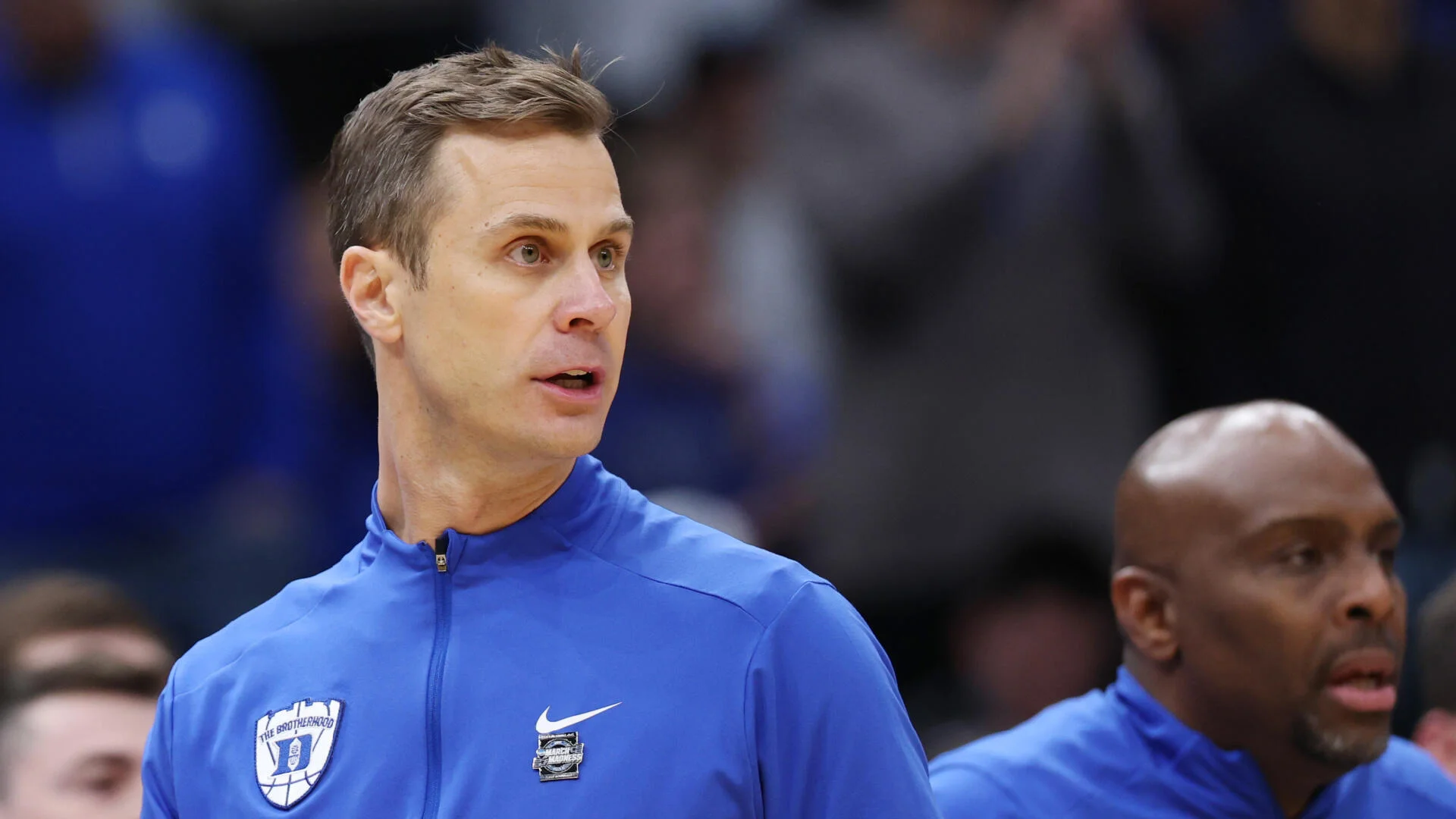
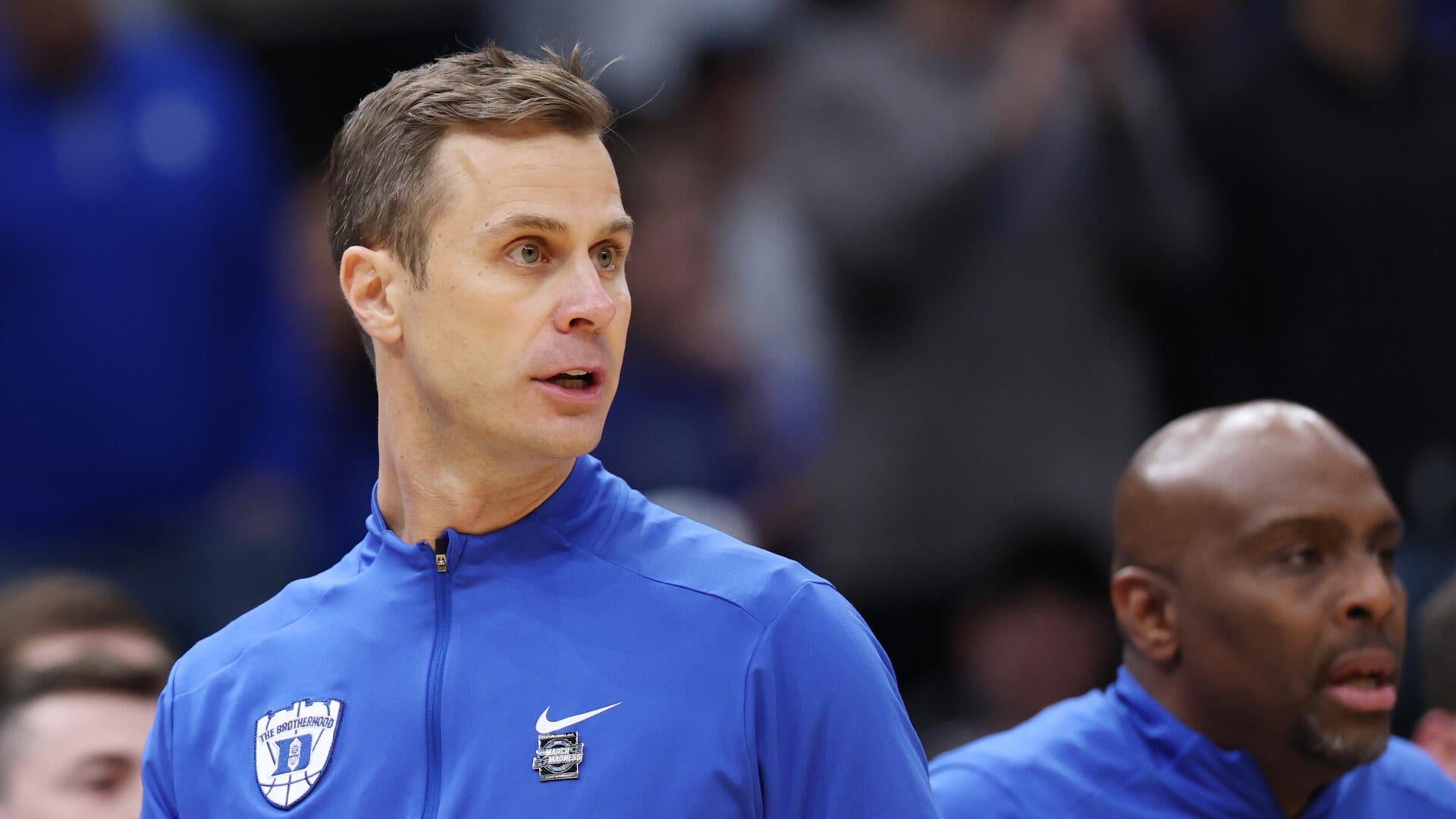
Duke coach Jon Scheyer knows the agony, the brutality, the suddenness of March even better.

Somehow, Duke — for all its talent, all its dominance, all its moments of pure basketball brilliance — has collapsed again. Scheyer bore the brunt of it last year, when the Blue Devils blew a seven-point lead with 1:15 left in the Final Four against Houston. Sunday’s was worse, on the wrong end of a 19-point UConn comeback that tied for sixth largest in NCAA Tournament history, with an all-time dagger to boot. 

One collapse can be credited to the madness of March, perhaps. A second? It’s a downright failure from everyone, and a failure from Scheyer. He cannot, in the exact moment, control whether a Cooper Flagg game-winning attempt goes down in 2025 (it did not). He cannot, in the exact moment, pull the plug on whatever idea Cayden Boozer had to even try and pass the baksetball with Huskies swarming and the clock ticking (Boozer of course put the ball in the air). But a coach can keep his players composed, keep them aggressive in the right spots, and keep them playing their game. Scheyer is failing to do that. 

“There’s not a person in this room, including me, that doesn’t replay everything that you could do and how you can help,” Scheyer said. “I mean, obviously. That’s part of being in this seat. That’s part of being in this spot. … End of the day, we’ve got to finish it off. We’ll reflect. We’ll learn, do all that. But yeah, of course.”

Advertisement

It simply isn’t good enough.

Mullins’ 35-foot prayer from the logo broke Duke’s heart. 
Getty Images

The anatomy of a titanic Duke collapse

Incredibly, UConn actually made a mistake on the play that led to Mullins’ three. Down 72-70, the Huskies were supposed to foul Dame Sarr, who received the ball after inbounding to Cameron Boozer. But they couldn’t get there in time — you can even see on replay Jayden Ross desperately reaching for Sarr — and Sarr zipped a pass to Cayden Boozer. With under seven seconds left, all he had to do was hold onto the ball and get fouled.

“I should have been strong with the ball,” Cayden Boozer said, tears in his eyes, emotions at once swelling and muting his voice. “I cost our team our season. We knew that they were gonna trap. [Scheyer said] ‘Be strong with the ball.’”

But one play did not blow a 19-point lead. One play did not blow a 15-point halftime lead; No. 1 seeds had been 134-0 in NCAA Tournament when leading by that margin at the break, by the way.

Advertisement

“There’s no heat on Cayden at all,” freshman Nik Khamenia said. “This game is not on him at all. He carried us for long, long, long portions of the game, making big play after big play. You can go through every single one of us at different points in the game we messed up. The game of basketball never relies on one possession, so, no, it’s not on him at all.”

This was a collapse from the moment the teams took the floor in the second half.

Duke could have surged. Duke should have surged. The Blue Devils had dominated UConn’s guards, picked apart UConn’s defense and generally gotten whatever it want offensively. Scheyer can’t go out and make the plays for his players, but he can instill them the small advantages to succeed in tough moments — the mental fortitude, the X’s and O’s, the calm nature required of a champion. Either he didn’t instill it Sunday, or his players were unable to instill it in themselves.

“I think as a whole we could have gave a lot more in the second half,” Cameron Boozer said. “We came out a little flat and gave them a little bit of life. When you’re playing a team as good as UConn, that’s all they really need.”

Advertisement

“We didn’t have our competitive edge,” Cayden Boozer said. “We were guarding them pretty well in the first half. We didn’t do the best job of it, but at the end of the day, I’m sticking with our guys no matter what. We had a chance to win no matter what in the second half.”

“In some moments we kind of let up a little bit, we let them off the hook,” Sarr said. “Just … I don’t know.”

Halftime adjustments are generally overrated as a concept. Every coach makes them — some more successfully than others — but it’s up to the players to fulfill them.

Duke’s didn’t, and the issues became apparent immediately. UConn star big man Tarris Reed Jr. had 12 points at halftime, and UConn, even down big, never stopped feeding him. He drew fouls in bunches and got the Huskies into the bonus before the second half was even six minutes old.

Advertisement

After four turnovers in the first half, Duke had eight in the second half. The offense got stagnant: Over the final eight minutes, Duke had as many field goals as turnovers (four), and only one of the makes was assisted. Prior to that, 16 of their 21 makes had been assisted.

“It’s easy to look at that play,” Scheyer said. “I look at every play that happened, especially in that second half, this is not about one play. It’s about every play that put us in that position, and that’s what you don’t want to do, where one play something could happen.”

Sophomore big man Patrick Ngongba II after Duke’s season-ending loss to UConn in the Elite Eight. 
Getty Images

Duke’s nightmarish déjà vu

Could Scheyer have saved the offense? It’s impossible to say. Could he have saved the defense, maybe putting Cameron Boozer on Reed, rather than have Boozer guard one of the ball handlers? Again, it’s hard to say. The game plan he had drawn up in the first half had worked, after all. It’s easy to praise players when things go well and fault coaches when things go poorly.

“I don’t have the words,” Scheyer said after the loss. “I don’t have the words.”

Advertisement

The problem? He needed to have the words during the game. If he had the words, he needed them to resonate more.

“I’m sure there’s a lot more that I could have done to help our guys at the end there,” Scheyer said after last year’s Final Four loss. “That’s the thing that kills me the most. The amount of game situations we’ve watched this year. We haven’t had the real-life experience all the time, but that’s something I really felt we prepared for. So I feel like I let our guys down in that regard.”

And this year?

“I’m incredibly sorry for these guys that they’ve got to go through this,” Scheyer said. “This is on us.”

Advertisement

Just like Scheyer can’t make the plays or avoid the mistakes on the court, he also can’t control some circumstances. Patrick Ngongba II missed five games — including the first round of the NCAA Tournament — earlier this month. Point guard Caleb Foster broke his foot just over three weeks ago and made a miraculous recovery to not only play but shine in the Sweet 16. However, Foster was ineffective in the Elite Eight. He hadn’t even practiced five-on-five with the team since the injury, and playing a second game in two days was always going to be an uphill battle.

These are not excuses. These are facts. Is a healthy Foster on the floor in Cayden Boozer’s spot in the final seconds? Does he avoid that turnover? In some aspects, Scheyer was correct when he told CBS sideline reporter Tracy Wolfson, “All I know is these guys don’t deserve that ending.”

The issue is that implies anyone deserves anything in the NCAA Tournament. No one does. Not Duke, not UConn, not any player or any team. You have to take it. You have to earn it. You have to be the aggressor. You can’t lose your way for a moment. Scheyer’s teams have now done it twice. His teams’ youth has been celebrated for months and then exposed in the crucial moments each of the last two seasons.

“We’re playing this 10-to-12, 10-to-11-point game, and we knew once we got under 10, once we cut it to single digits, it was going to be over,” Reed said. “You can really see it in their faces. The body language is a huge indicator.”

Advertisement

In an alternate universe, Boozer’s throw-ahead pass connects, and Duke gets an easy dunk and is onto the Final Four. In an alternate universe, Silas Demary Jr.’s high ankle sprain costs him an inch or two more on his jump, and he doesn’t tip the ball away.

“We’ve been telling the guys the whole year, there’s a very famous quote that says, ‘Victory is measured in inches, not miles,’” Dan Hurley explained.

But the inches have gone against Scheyer’s No. 1-seeded teams twice now, showing he has miles to go to get over the hump.

That doesn’t mean he can’t cover those miles. Roy Williams won 40 NCAA Tournament games before winning his first title. He ended up with three championships. Scheyer’s predecessor at Duke, Mike Krzyzewski won 26 NCAA Tournament games before winning his first title. He ended up with five.

Advertisement

But in order to cover those miles, Scheyer must get his teams to close consistently. He has to find a message that hits home, a strategy that works. He has to find a way to empower his players, and more importantly have players who empower each other in the biggest moments.

Duke’s NCAA Tournament finishes under Scheyer

Year Round Opponent (Seed) Largest Deficit
2026 Elite Eight UConn (2) 19
2025 Final Four Houston (1) 14
2024 Elite Eight NC State (11) 9
2023 Round of 32 Tennessee (4) 6

Scheyer, who is otherwise off to one of the best coaching starts in college basketball history, must eventually get lucky.

The 38-year-old said he had never seen a locker room like Sunday’s before, but that’s not true. There must have been a similar scene after the Houston loss. He was likely caught up in the moment, which is OK in the moment. But in the weeks and months and, yes, maybe even years to come, he’ll have to find away to avoid having more of those mistake-riddled, regret-filled locker rooms.

Advertisement

The locker room was a mess. Blood, sweat and tears. Lots and lots of tears, some body-shaking, some subdued. Answers barely above whispers. Handshakes and hugs. More tears. Ngongba covered his face with a towel and eventually excused himself. Cameron Boozer, sporting a black eye, and Cayden Boozer took questions with poise beyond their years. The bumps and bruises the team had prided itself on just days earlier after a hard-fought win over St. John’s now represented a team stunningly beaten down.

After the St. John’s win, as media members left the locker room, one Duke player joyously shouted out “No team can f**k with us!”

Perhaps not. But March Madness sure can.

Advertisement

Source link

Continue Reading

Sports

Canadiens’ Suzuki continues to prove he’s among world’s most complete player

Published

on

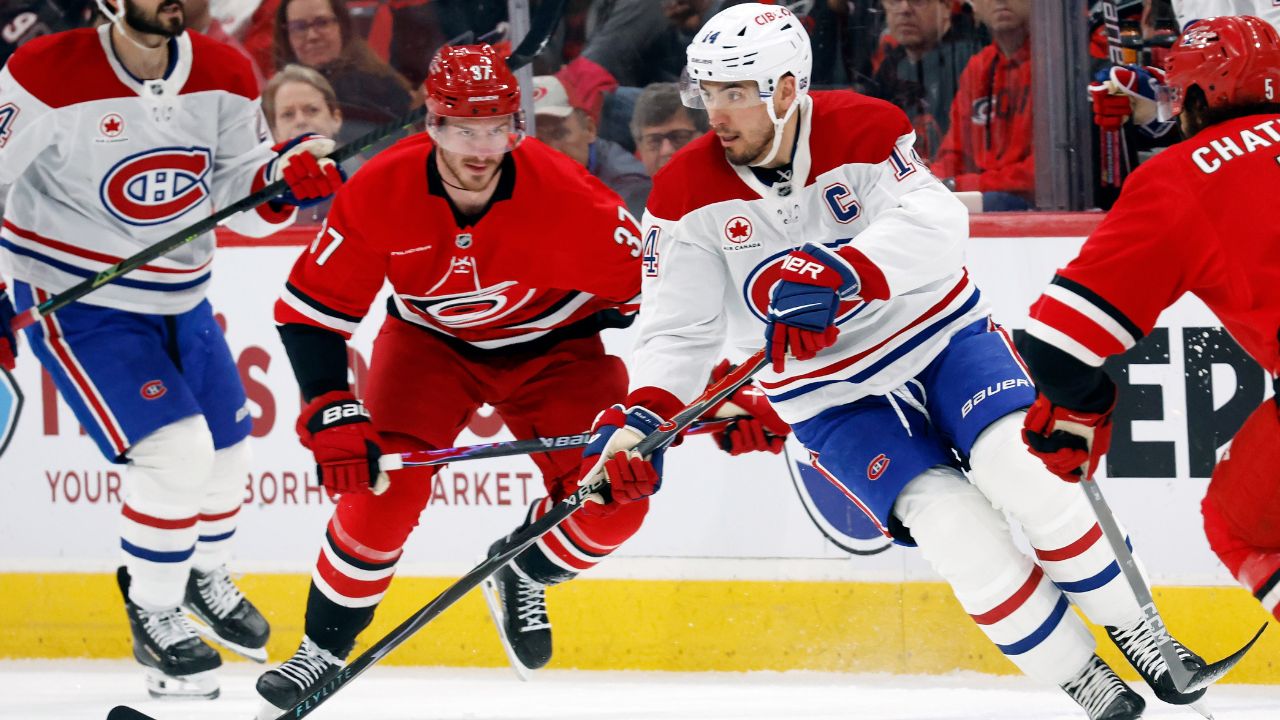
Nick Suzuki closed the gap on Sebastian Aho, dropped to one knee and put the finishing touches on one of his most desperate performances of the season with his strongest defensive play of the night.

Suzuki’s only block of Sunday’s game came with his Montreal Canadiens barely clinging to a 3-1 lead, with just under three minutes to play against a Carolina Hurricanes team that had put them in a spin cycle all night.

It came with the Hurricanes’ net empty, in a five-on-six situation, with the Canadiens burning every ounce of gas remaining in their reserve tank, and it was no coincidence it came from him. Because no Canadien has come up with bigger plays at either end of the ice this season than their captain, who’s in the process of simultaneously becoming the team’s first Selke Trophy winner since Guy Carbonneau in 1989 and its first 100-point player since Mats Naslund in 1986.

Naslund, who had 110 points for the Canadiens the year they won their second-to-last Stanley Cup, wasn’t exactly a defensive maven nor shot-blocker. He didn’t have to be, though, because Carbonneau left a lot of goals and points on the table on his way to finally being crowned the best defensive forward in the NHL three years later, when the Canadiens returned to the Stanley Cup Final.

Advertisement

In the decades that have passed since, no player for the Canadiens has blended Naslund and Carbonneau’s skills as well as Suzuki, who registered points 89, 90 and 91 on Sunday before making his 58th block of the season to keep himself at plus-2 on the night and plus-32 through 73 games.

“Those are the little plays you need to win,” assistant captain Mike Matheson told reporters at PNC Arena after the Canadiens closed out their fifth consecutive regulation win. “At this time of the season, going into the playoffs, that’s what you have to do.”

You must make small plays and big plays all the same, and Suzuki does that every single game.

He sets the standard, and the Canadiens follow, even if on this night they blocked 31 shots before Suzuki got his leg on Aho’s last attempt.

Advertisement

When they needed a rescue breath earlier, down 1-0, Suzuki provided it by skating the length of the ice to score his 25th goal of the season.

Lane Hutson stretched a three-zone pass up to Cole Caufield, and Caufield drew coverage in to lay the puck up for Suzuki to dunk it right as he arrived in front of Frederik Andersen.

Suzuki returned the favour when he set up Caufield’s 46th goal of the season a little over 11 minutes later.

And then, in the dying seconds of that middle frame, Suzuki drew a faceoff back to the point, drove to the net, took a shot, and then buried his own rebound to put the game out of reach.

Advertisement

They were two of a team-leading five shots on net the 26-year-old registered over his 20:17 spread over 22 shifts of this second game in 22 hours, which was played in a different time zone than the one the Canadiens were in the night prior.

Suzuki was desperate, and so were the tired Canadiens. Especially as the Hurricanes pressed and pulverized them early.

“Not an easy team to play against here on a back-to-back,” said Canadiens coach Martin St. Louis. “We had a tough time getting going, and not because we weren’t engaged. We just had trouble executing after their forecheck. We weren’t able to get forechecking ourselves. When you don’t have the puck, it’s hard to gain momentum…

“When you play Carolina, you expect a team that’ll surely have more shots than you, and you’re going to have to for sure weather a storm, and then you have to capitalize on chances when they’re over-aggressive.”

Advertisement

That’s what the Canadiens did.

When they bent, Jakub Dobes kept them from breaking.

The goaltender, who made a career-high 41 saves in a win over the Hurricanes at the Bell Centre to start the week, made another 34 against them Sunday. He stopped 33 consecutive shots after allowing the game’s first two goals Tuesday, and he stopped 26 straight after Andrei Svechnikov ripped one past him on the power play to start the scoring in the final game of the week.

In between, Dobes saved 25 shots in a 2-1 win over the red-hot Columbus Blue Jackets.

Advertisement

“He’s really finding himself as a goalie in this league,” said Suzuki, “and he’s been there for us every single time he’s been in the net.”

In front of Dobes, no player has been more consistent at both ends than Suzuki.

Playing every shift against either the best defensive players in the league or the most offensively potent ones, he’s dominated his matchups, never going more than two consecutive games without a point and rarely allowing anyone to get the over on him.

As a result, Suzuki is already two points up on the 89 he posted in 82 games last season. He ranks seventh in league scoring and is on pace to score 11 more points over the final nine games. And we know that Aho shot won’t be the last one he blocks this season.

Advertisement

It was Suzuki’s final play in a game that highlighted how he’s become one of the most complete players in the world.

Source link

Continue Reading

Sports

Report: Browns decide against signing DE A.J. Epenesa

Published

on

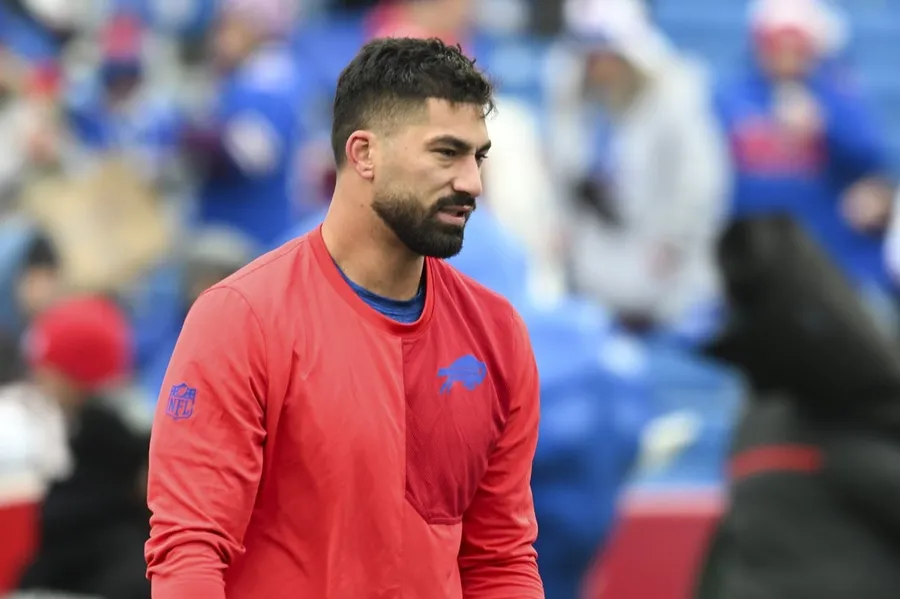
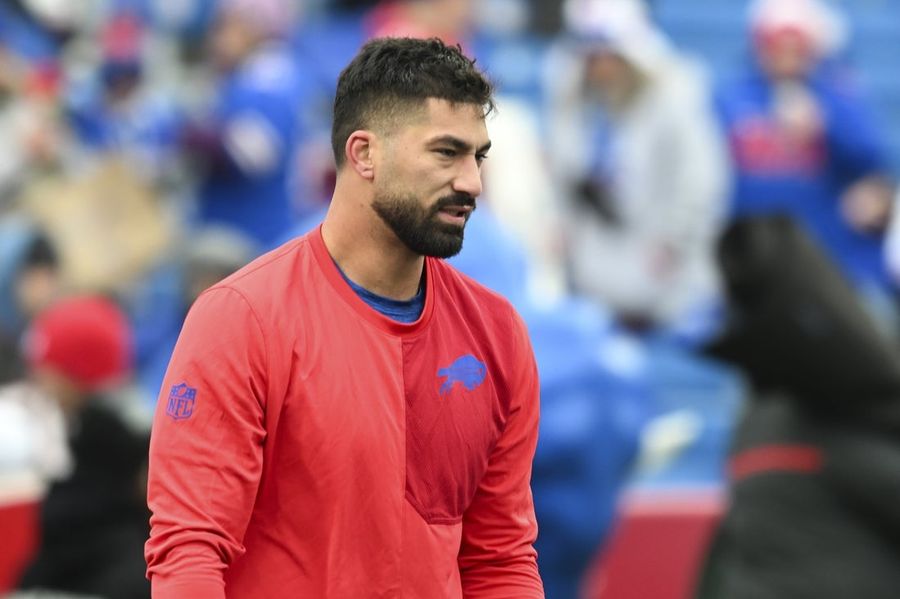
NFL: Tampa Bay Buccaneers at Buffalo BillsNov 16, 2025; Orchard Park, New York, USA; Buffalo Bills defensive end AJ Epenesa (57) warms up prior to the game at Highmark Stadium. Mandatory Credit: Mark Konezny-Imagn Images

The Cleveland Browns are not signing free agent defensive end A.J. Epenesa after concerns following his physical, ESPN reported on Sunday night.

The Browns were reported on March 18, per ESPN, to have agreed to sign the six-year veteran to a one-year contract worth up to $5 million. Epenesa, 27, who had spent his entire career with the Buffalo Bills, was at the Browns’ facility last Monday, per the NFL transactions wire.

Epenesa played in 16 regular-season games (two starts) for the Bills in 2025 and totaled 32 tackles, 2.5 sacks, nine quarterback hits, two interceptions and one fumble recovery. He added two tackles in two playoff games.

Buffalo selected Epenesa in the second round of the 2020 NFL Draft out of Iowa.

Advertisement

Epenesa played out the final year of his four-year rookie contract, reportedly valued at $5,866,299 with a $1,834,399 signing bonus. He became an unrestricted free agent but returned to Buffalo on a two-year, $12 million contract.

For his career, Epenesa had 135 tackles, 24 sacks, 29 tackles for loss, 53 QB hits, four interceptions, five forced fumbles, three fumble recoveries and 21 passes defended in 91 regular-season games (19 starts). He also has 17 tackles in 14 playoff games (three starts).

–Field Level Media

Source link

Advertisement
Continue Reading

Sports

‘KKR fully aware’: Cricket Australia forced to clarify on Cameron Green after Rahane’s ‘ask CA’ jibe | Cricket News

Published

on

‘KKR fully aware’: Cricket Australia forced to clarify on Cameron Green after Rahane’s ‘ask CA’ jibe
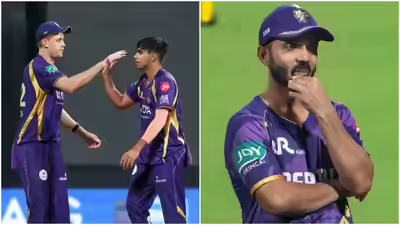
Cameron Green’s non-availability as a bowler had trigged a sharp response from KKR skipper Ajinkya Rahane (IPL/BCCI)

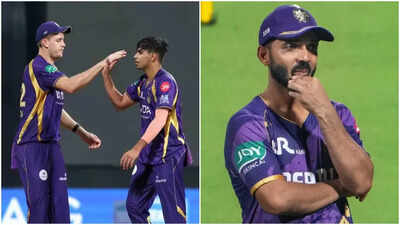
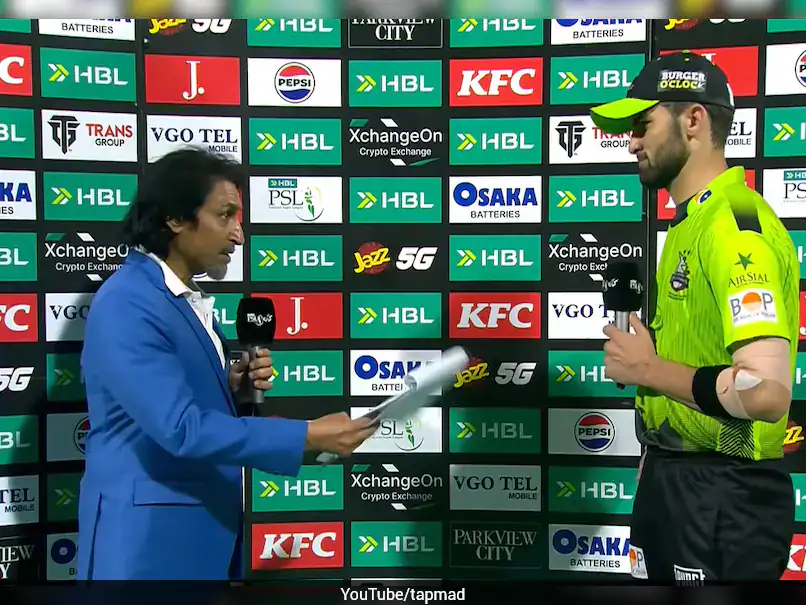
Cricket Australia have been forced to put out a clarification on why Australian allrounder Cameron Green is not allowed to bowl for his franchise Kolkata Knight Riders in IPL 2026, after skipper Ajinkya Rahane took a swipe at the Australian board when asked about Green’s abstinence from bowling duties during KKR’s opening fixture against Mumbai Indians at the Wankhede Stadium, Mumbai, on Sunday.KKR failed to defend a total of 220, with Rahane blaming it on the inexperienced bowling unit and the true nature of the Wankhede track – the same strip which saw nearly 500 runs being scored in the T20 World Cup 2026 semifinal between India and England earlier this month.KKR have been grappling with injuries, and Rahane conceded that the non-availability of Green as a bowler dented the team’s balance.“I think when hopefully Green starts to bowl soon, the combination will be slightly different,” said Rahane during the post-match interaction. “At the moment, we have to see the balance and who can bowl well for us. Batting-wise, as I said, we batted really well, but finding that balance with the ball is really important. So, hopefully, Green starts to bowl soon, then we can find out whether the combination will be okay.And when asked why the 26-year-old was not bowling, he shot back, saying, “That question you need to ask Cricket Australia,” leaving the on-air commentators Ravi Shastri and Kevin Pietersen speechless for a bit.However, Cricket Australia responded to Rahane’s remarks, stating that Green is suffering from a lower back injury and KKR were made fully aware of the situation beforehand.“Cameron has a lower back injury which is being managed but requires him to abstain from bowling for a short period,” a CA spokesperson said, as quoted by FOX Sports.“Cameron is currently rebuilding his bowling loads in India with a view to return in around 10–12 days’ time. KKR has been communicated with and is fully aware of this information,” the report further stated, attributing it to the spokesperson.Green, the most expensive buy of the IPL 2026 auction at INR 25.20 Cr, came out to bat at one-down, scoring 18 off 10 balls, but was not pressed into action with the ball as Mumbai Indians batters made merry against an inexperienced KKR bowling unit. Every KKR bowler was taken to the cleaners by Rohit Sharma and Ryan Rickelton of Mumbai Indians, who combined for an opening stand of 148 in just 11.1 overs.Vaibhav Arora was taken for 52 runs in his four overs, while Blessing Muzarabani leaked 34 runs in his three overs. Kartik Tyagi, the impact sub, returned figures of 4-0-43-1. But the biggest letdown for KKR were their spin twins — Sunil Narine and Varun Chakaravarthy — who proved ineffective on the Wankhede track, giving away 78 runs between them in seven overs.

Source link

Continue Reading

Sports

UI bug fixes, sprint issue fix, and more

Published

on

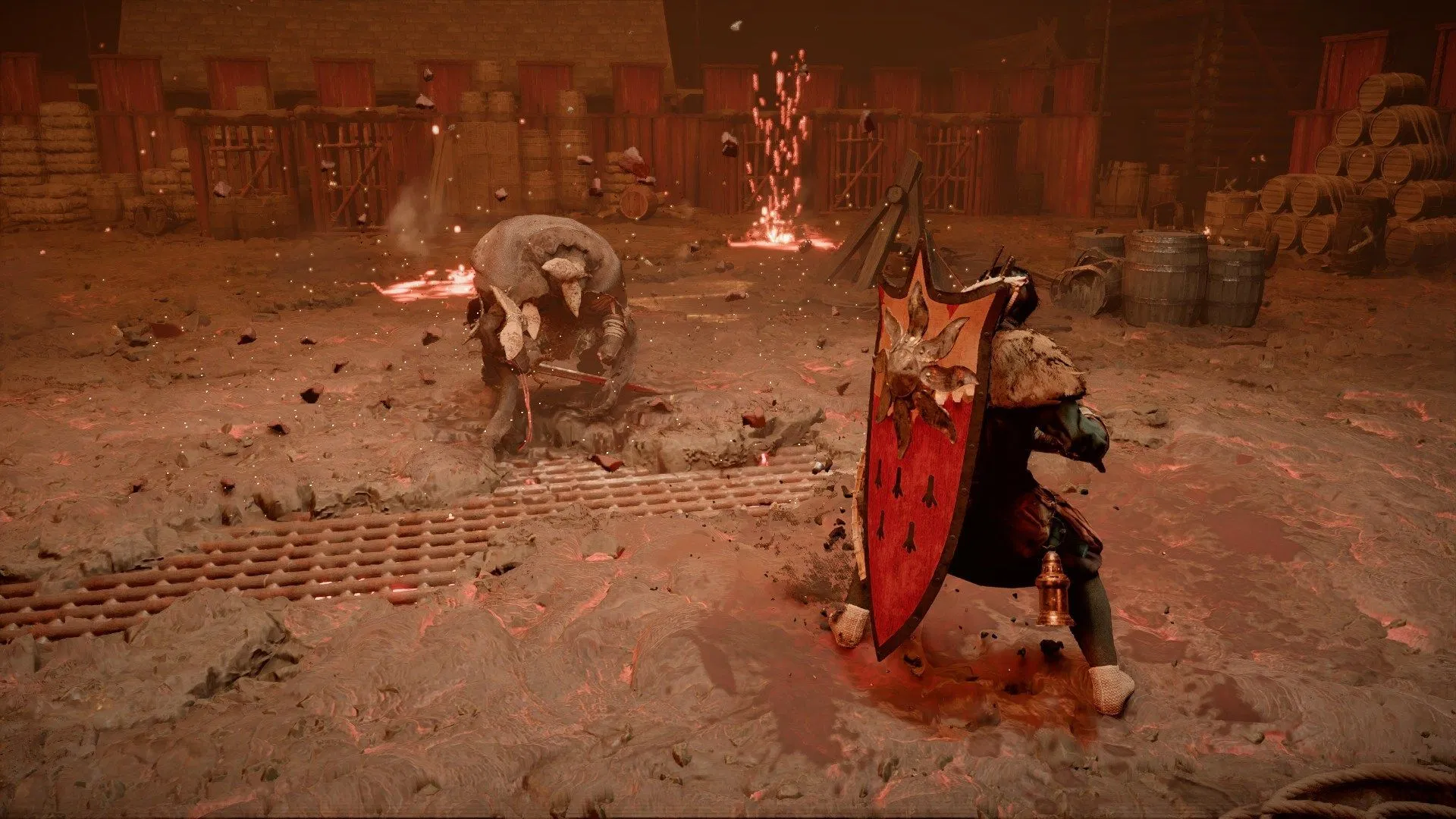
Following a major patch release earlier, the developers have added several hotfix updates to Crimson Desert on March 30, 2026. Pearl Abyss has a dedicated space where players can report in-game issues, and it’s commendable that those bugs are being fixed quickly. The latest adjustments fix numerous UI features and in-game interactions.

Here are all of the included hotfixes mentioned in Crimson Desert Patch Notes Version 1.01.01.


All Crimson Desert hotfixes released with patch version 1.01.01

A hotfix with several fixes is going out across all platforms. For the best experience, we recommend receiving this latest patch. Please check the below notice for details and to see if it’s available for download on your platform.

With Crimson Desert patch 1.01.00 improving plenty of in-game mechanics, and also adding more content to the title, the hotfix patch version 1.01.01 fixes a total of eight bugs. These updates are available for all platforms, including PC, Mac, PlayStation, and Xbox. And as for PC (Steam), the update size is only 208 MB.

With that said, here are the fixes included in patch version 1.01.01:

  • “Fixed an issue where the “Use” button for the Talisman of the 5 new mounts appeared on Damiane and Oongka.
  • Fixed an issue where Blackstar remained flying in place after death instead of disappearing.
  • Fixed an issue where the A.T.A.G was not destroyed even when its Health reached 0.
  • Fixed an issue where the UI for selecting a tempering target became unavailable in certain conditions.
  • Fixed an issue where holding down the button to follow NPCs during missions on horseback caused the horse to move abnormally.
  • Fixed an issue where Sprint could not be used while riding the White Bear.
  • Fixed an issue where the controls became unavailable while using “Examine” with the Constellation Helm.
  • Fixed an issue where Refinement of equipment was not possible for Damiane and Oongka.”

The White Bear is one of the legendary mounts that came with patch 1.01.00, and the developers have already included a bug fix around its riding interaction. With all the recent updates, it’s fair to say that if the community raises an issue (that potentially needs fixing), Pearl Abyss might fix it in time.

Also read: How to summon companions in Crimson Desert

Advertisement

This covers all the hotfixes mentioned in Crimson Desert Patch Notes Version 1.01.01.

Check out more related gameplay guides below: