Tech & AI
Added-Lane Vs. Merge Signs: The Difference Drivers Miss


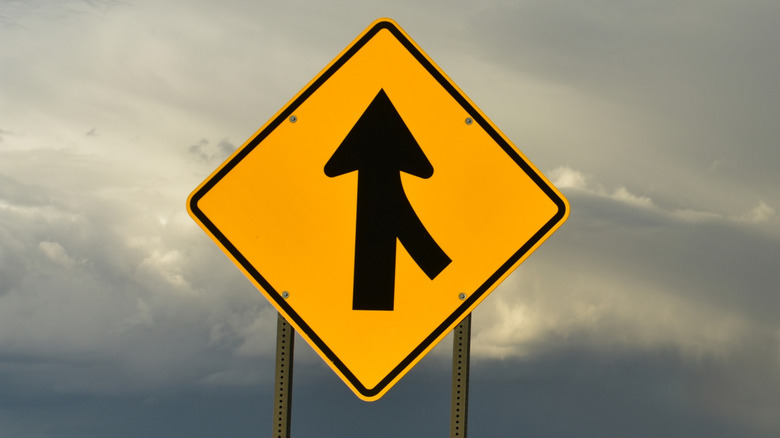
Road signs should be very distinct from one another, but some signs out there look somewhat similar. One such example of this is the added-lane sign and the merge sign. Both of these are yellow, diamond-shaped signs to signal a warning to drivers, and they feature an arrow pointing up with another line curving to point up as well. With a merge sign, the curve line folds right into the main arrow, but with the added-lane sign, it’s its own separate arrow that runs parallel to the main arrow. Plus, there will be a dotted vertical line between the two arrows.
The merge sign is signaling to drivers that two lanes of traffic are about to combine into a singular lane. The added-lane sign, on the other hand, is signaling that a separate lane of road will be joining the flow of traffic. This may seem self-explanatory, but there may be instances where drivers are confused by road signs or misjudge what’s expected of them when they see these signs. This falls on drivers on both the road going straight and the road joining it, whether merging or not.
In the case of added-lane signs, there are some drivers who see this as a merge sign. Roadway joining drivers immediately try to move into the main road lane, while the other drivers have the right to maintain exactly how they’ve been driving. The opposite is true, too. Some main road drivers may try to move into the adjoining lane too soon and dangerously pull in front of those drivers. When you see this sign, expect to stay in your own lane for a little bit before trying to switch lanes.
The many mistakes of merging
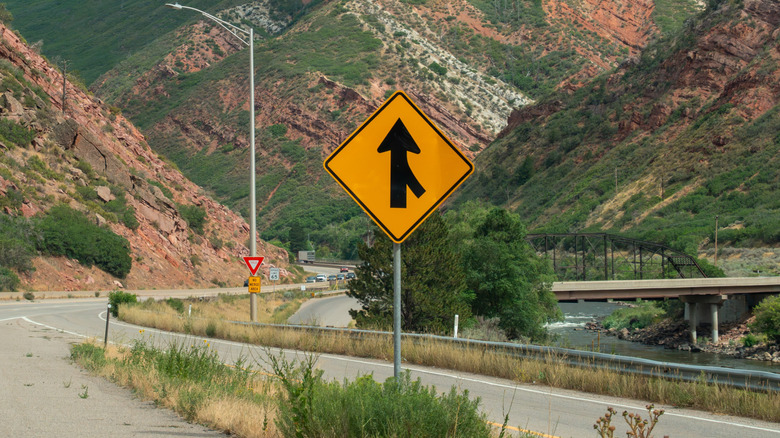
Drivers who are merging onto the main road don’t have the right of way. You must adjust to the rhythm of the flow of traffic, not the other way around. This is why there will often be yield signs at the merge point as well. Mergers also need to be aware of how much roadway there is to merge. Sometimes there are signs that read “No Merge Area,” meaning there’s no buffer; if you’re merging, you must do it immediately. It’s also important for merging drivers to speed up to meet the speed limit as they enter the main road, so as to not disrupt the flow of traffic. Mergers must always use their turn signals, arguably the most important action of all.
There are things drivers on the main road need to keep in mind here, too, as just continuing forward without a care because you have the right of way is dangerous. If possible, give room to those who are merging. You can do this by switching lanes to open up space on the road, but if that’s not possible, it’s good to adjust your speed a bit to best find a way for the merging driver to get in behind or in front of you.
Another important thing to remember is if traffic is backed up and moving slowly, don’t use the merge lane to try and get around that standstill traffic. This is both incredibly dangerous and could result in fines and/or citations, depending on where you live. Merging is one of the trickiest parts of driving, so minimizing its risk is always a good thing.
You must be logged in to post a comment Login