Tech & AI
EXCLUSIVE: How Mike Flanagan’s Carrie revitalizes Stephen King’s classic story for Prime Video

After adapting Stephen King stories like Gerald’s Game, Doctor Sleep, and The Life of Chuck, horror filmmaker Mike Flanagan has taken on the author’s breakout novel in Prime Video’s Carrie series. Many people are already familiar with the story: a shy teenager with telekinetic powers faces vicious bullying from her peers until she unleashes psychic vengeance on Prom Night.
While Carrie has been adapted into multiple feature films, most notably by Brian De Palma in the ’70s, Flanagan expands the original novel into an eight-episode Prime Video miniseries set in the present day. At this point, one may wonder why another Carrie adaptation is needed. But with its layered story, realistic characters, and timely depiction of school bullying, Flanagan’s Carrie delivers one of the best Stephen King adaptations ever.
Carrie expands King’s story and characters

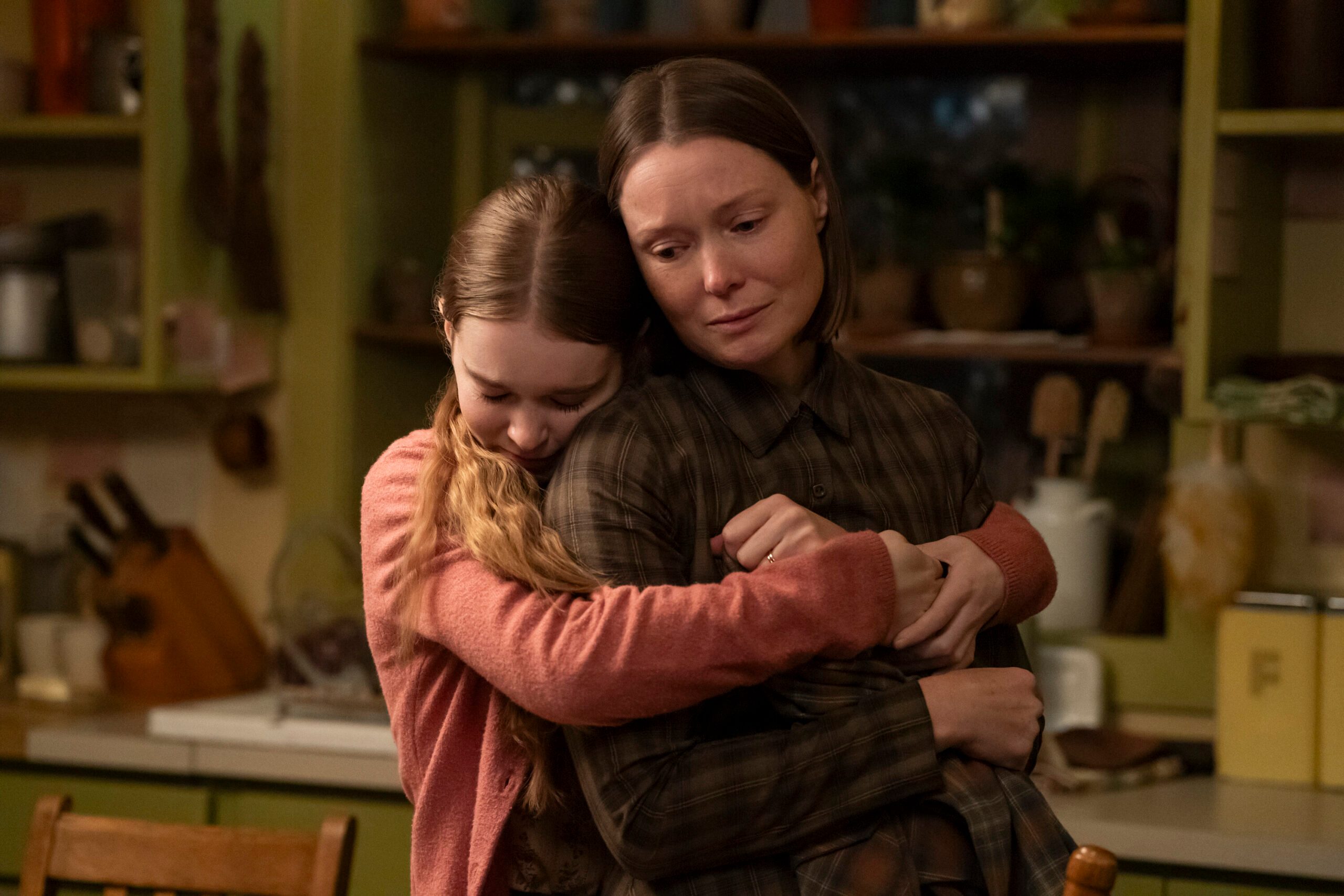
Fans already know Carrie White as a girl brought up by her abusive, fanatical mother. However, Flanagan’s series builds upon that as we follow Carrie from childhood to adolescence with a new story. In the show, Carrie, played by Summer H. Howell, had never left her house and was homeschooled by her paranoid, conspiracy-based parents. On her first day of public school, she enters a whole new world, having never used a smartphone or even a computer. Because Carrie has grown up scared of the outside world, her journey to high school becomes even more terrifying for her and the audience.
The series doesn’t just change Carrie. This eight-episode story spends much of its time exploring the lives and struggles of Carrie’s mother, her classmates, and the adults who knew her in the town of Chamberlain. Even villains like Margaret White (Samantha Sloyan) and Chris Hargensen (Alison Thornton) evoke more sympathy because of their nuanced characters and troubled backgrounds. We then see how the two of them became abusive, mean-spirited people, showing how bullying can begin not at school, but at home.
Overall, the town of Chamberlain feels more like a character that changes throughout the series. The scope and depth of the story only heighten Chamberlain’s tragedy when Carrie destroys the town and kills many of its residents.
Flanagan delivers a fresh, faithful interpretation of Carrie
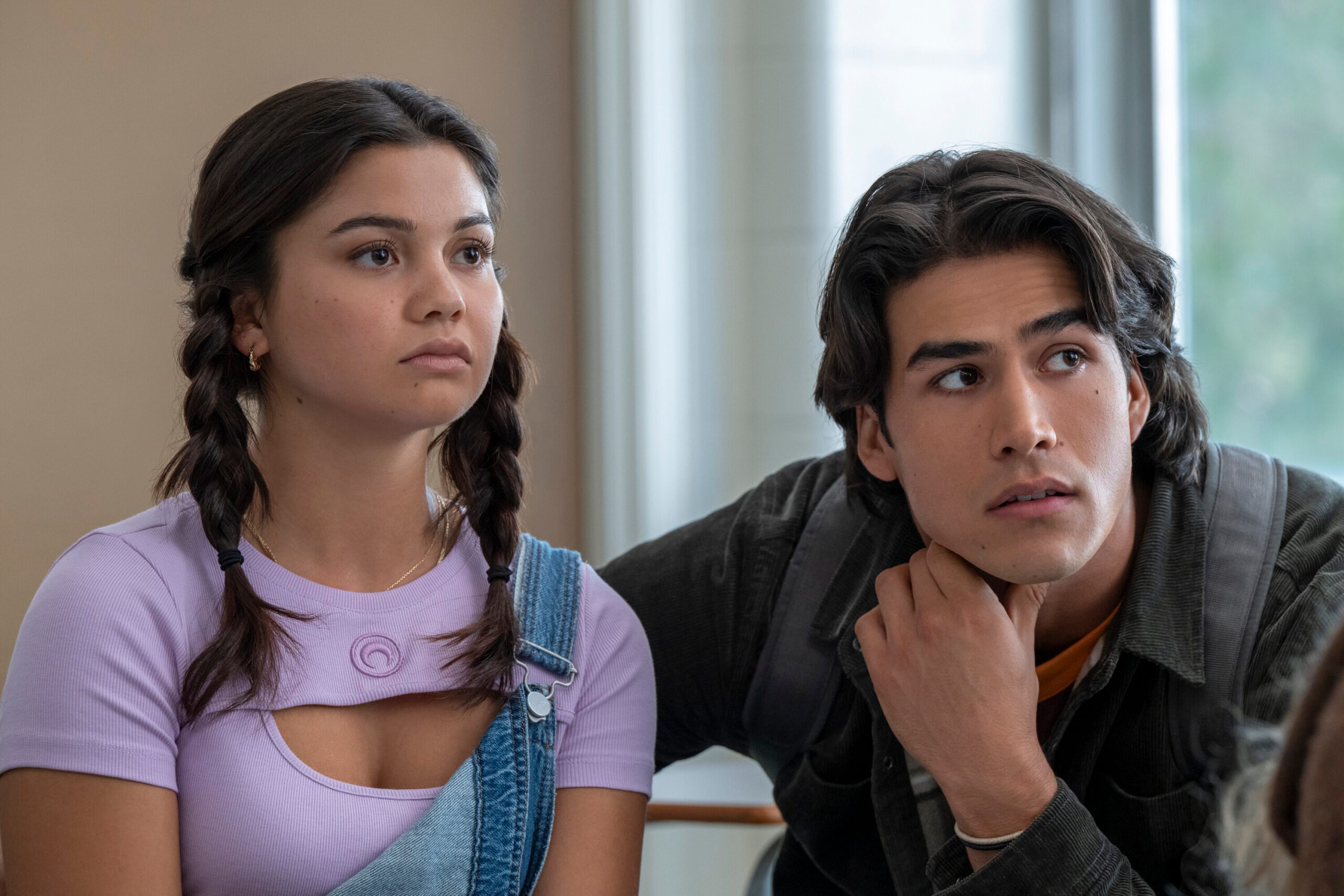
From Oculus to The Haunting of Hill House to The Fall of the House of Usher, Mike Flanagan has often told his horror stories in a nonlinear perspective, playing with audiences’ perception of time and reality. While this makes for unconventional retellings of classic stories, it fits perfectly with Carrie. King’s novel actually presents its narrative through in-universe books, news stories, and investigative reports about Carrie and her rampage on Prom Night, featuring testimonies from students, teachers, and locals who knew her.
As a result, Flanagan’s series tells the story much like a true-crime docuseries, with Kate Siegel’s character interviewing Prom Night survivors and exploring psychic phenomena throughout human history. It actually feels like we’re learning things about the story that weren’t covered before in previous adaptations. Since general audiences have seen multiple Carrie films told the same way, Flanagan’s series stands out with a more distinctive approach.
The series explores adolescence, bullying, and violence in the digital age

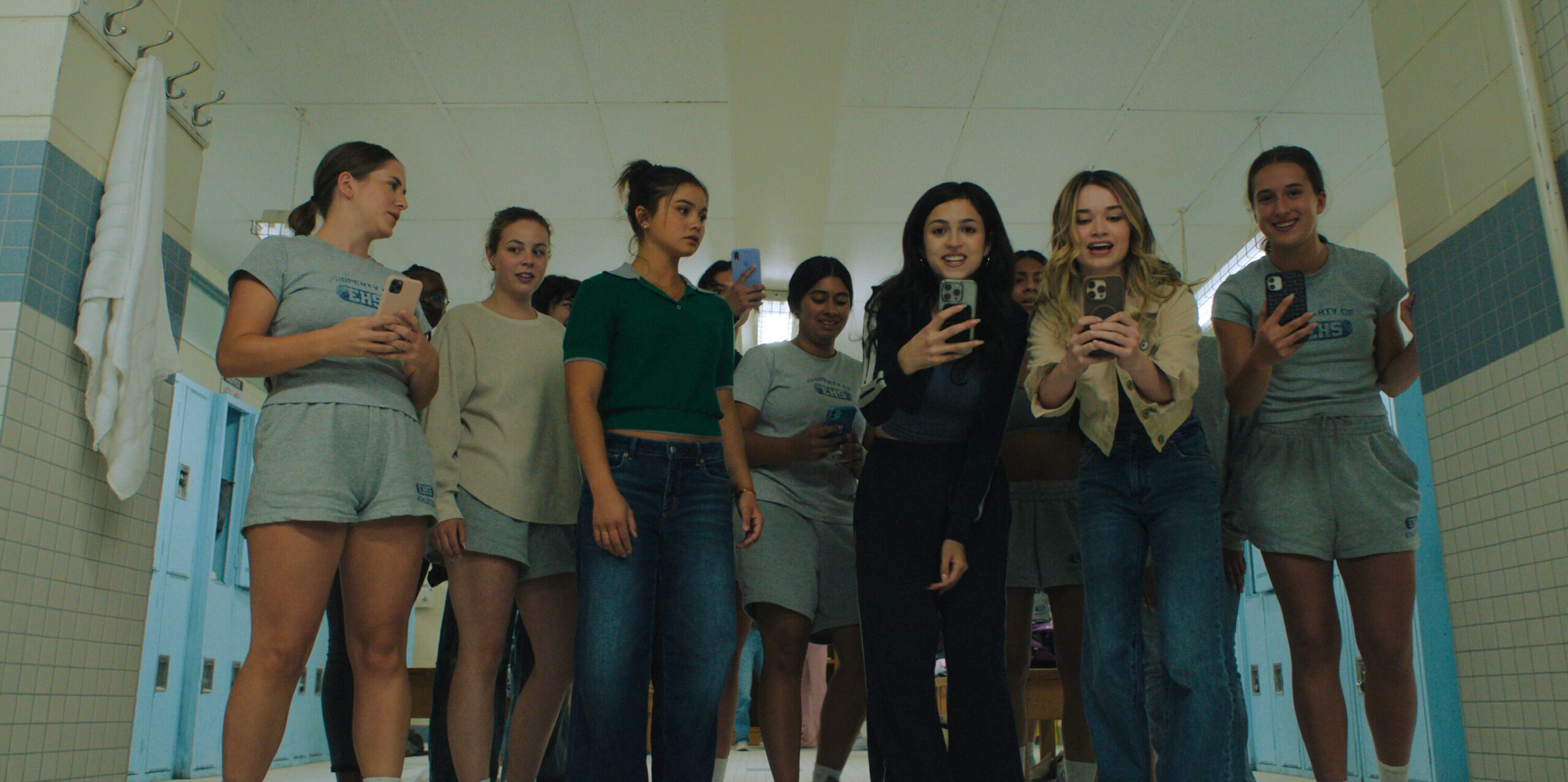
By setting King’s narrative in the present day, Flanagan’s Carrie expands on the source material by tackling issues affecting modern American youth. The show addresses problems like cyberbullying on social media, with Carrie becoming the center of a vicious meme account attacking everyone at her school. Sparking debates about misinformation and freedom of speech, this new storyline unleashes a firestorm of controversy that nearly destroys Chamberlain even before Prom Night.
Carrie also acts as a parable for mass shootings in schools, which have become more common in the decades since King published his novel. This can make Carrie’s psychic rampage at her school hit much closer to home with audiences. However, that makes King’s story as relevant today as it was 50 years ago.
Carrie ultimately shows how schools have become much more dangerous in modern America. At the same time, the show conveys how adults have failed the younger generation by mishandling parenting and education, making Chamberlain’s destruction seem even more inevitable.
Overall, Flanagan’s adaptation of Carrie makes some drastic changes to King’s original narrative. This can throw off fans of the latter, but the series justifies its existence by delivering a unique reimagining that tackles issues affecting modern schools. Though the story leaves the door open for another season, it preserves the horror and tragedy that made King’s story a groundbreaking classic.
Mike Flanagan’s Carrie premieres on Prime Video on October 7.
You must be logged in to post a comment Login