Tech & AI
I think the Xiaomi 18 Fold is the best passport-foldable phone right now and that makes me sad

If I got a dollar for every time someone asked me if this was the new iPhone Duo, I would have a dollar. And the Xiaomi 18 Fold.
I have spent some time with the Xiaomi 18 Fold, and my first impression is pretty simple: this is one of those phones that makes more sense the longer you use it.
Foldables have come a long way, but many of them still feel like regular phones that happen to open into a small tablet. Yes, there are similar designs from other manufacturers like Huawei and Samsung, and most recently, Apple as well. The Xiaomi 18 Fold takes a slightly different approach. When I opened it, the first thing I noticed was not how big the screen was, but how naturally it was shaped for the things I actually wanted to do on it. The square-curved design seems unsymmetrical at first – but boy, it grows on you fast!
It is wide, surprisingly thin, and, despite being a foldable with a huge battery inside, does not feel like I am carrying a small tablet around in my pocket. And my editor specifically told me to keep this under 600 words. Someone’s going to be mad.
The design is slim, wide, and surprisingly feels super-premium
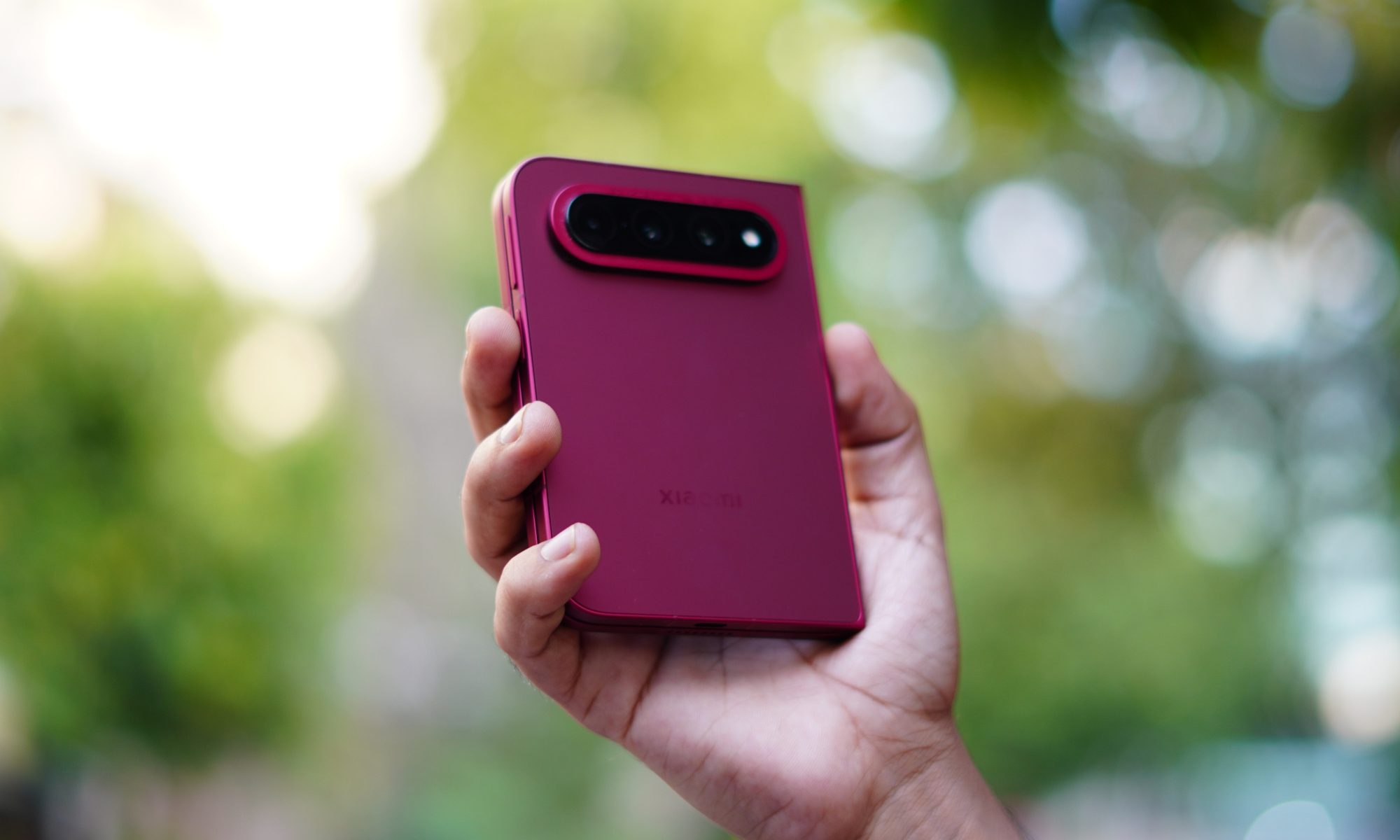
The Xiaomi 18 Fold has a fairly distinctive design. The version I spent time with had a red finish, and I really liked the contrast between the matte glass back and the slightly darker metal frame.
It has that premium feel I expect from a flagship, but without trying too hard to look futuristic. When folded, it feels solid in the hand, and when I opened it, the 5mm-thick body immediately stood out. Xiaomi has managed to keep the unfolded phone remarkably slim, considering everything packed inside it.
At 219 grams, it is obviously not a lightweight phone. But I never got the feeling that the weight was getting in the way. That becomes even more impressive when you remember that Xiaomi has managed to put a 6,000mAh battery inside this thing.
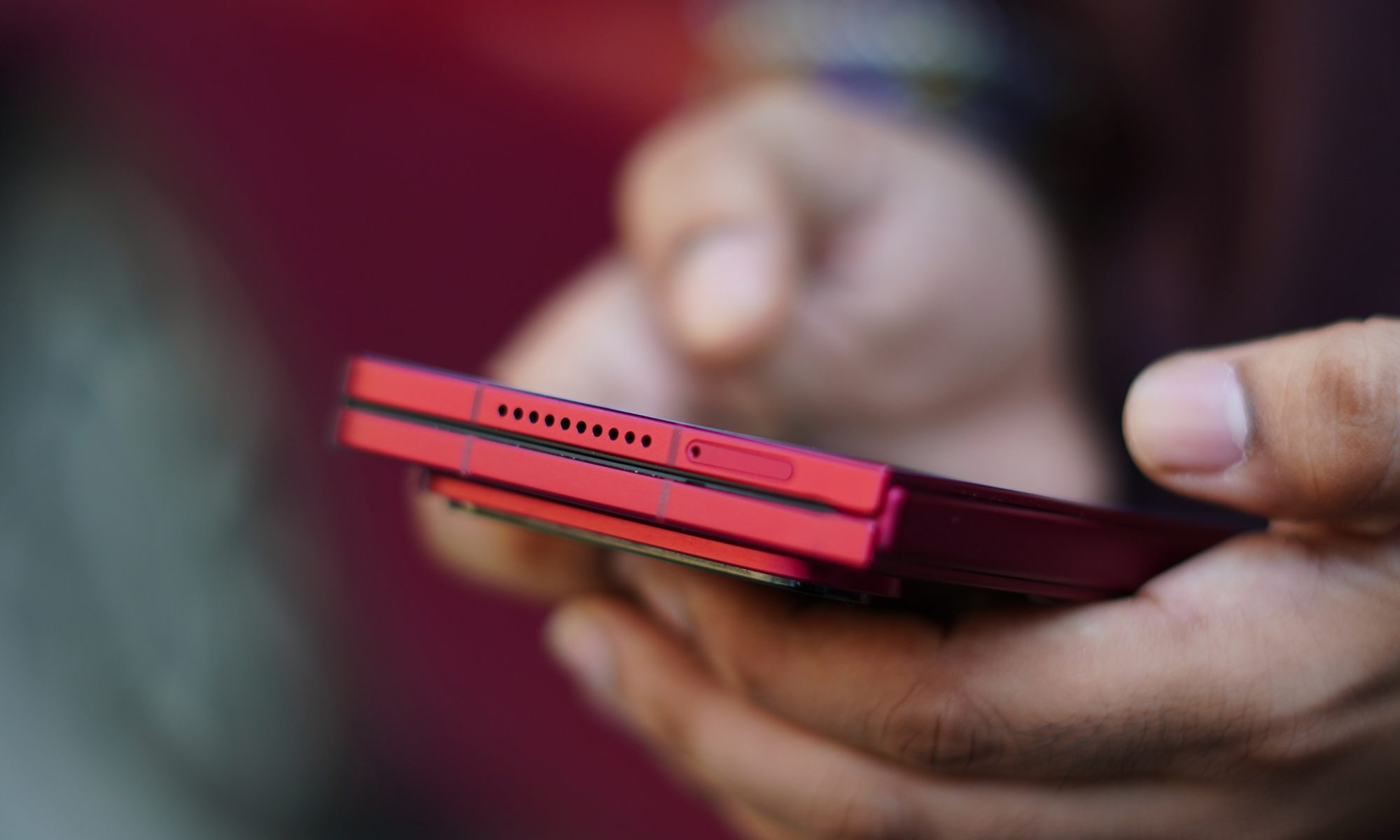

The red version I handled also has an interesting contrast between the frame and the rear panel. The metal sections are slightly darker, while the matte glass back is a lighter shade of red. It gives the phone some personality without making it look overly flashy.
Despite being a foldable, the phone does not feel excessively chunky. Xiaomi has also given it IP58/IP59 protection against dust and water, including resistance to high-pressure water jets and immersion in up to 1 metre of water for 30 minutes.
The hinge is also something I paid attention to because that is usually where foldables start feeling fragile. The 18 Fold feels reassuringly solid when opening and closing it.
And then there is the crease.
I could feel a slight indentation down the middle of the folding screen when running my finger across it, but visually, it was surprisingly difficult to notice. During my time with the phone, the crease was barely noticeable most of the time.
The 7.58-inch screen is the real attraction.
The biggest reason to buy the Xiaomi 18 Fold is obviously the inner display, and this is where the phone gets particularly interesting. It has a 7.58-inch LTPO AMOLED panel with a 2364 x 1672-pixel resolution, a 120Hz refresh rate and a claimed peak brightness of 4,000 nits. It also supports HDR10+, Dolby Vision and HDR Vivid.
But the numbers do not tell the whole story. The display has a 2:1 aspect ratio, which means the phone opens into a wide landscape-oriented screen. I found this particularly useful when watching videos. Instead of getting the more portrait-oriented tablet experience seen on some book-style foldables, the Xiaomi 18 Fold naturally gives you a landscape canvas. However, a tip: watching movies would need the good ol pinch and zoom because most of them run on 16:9 aspect ratios. Not the Justice League Zack Snyder Edition, though.
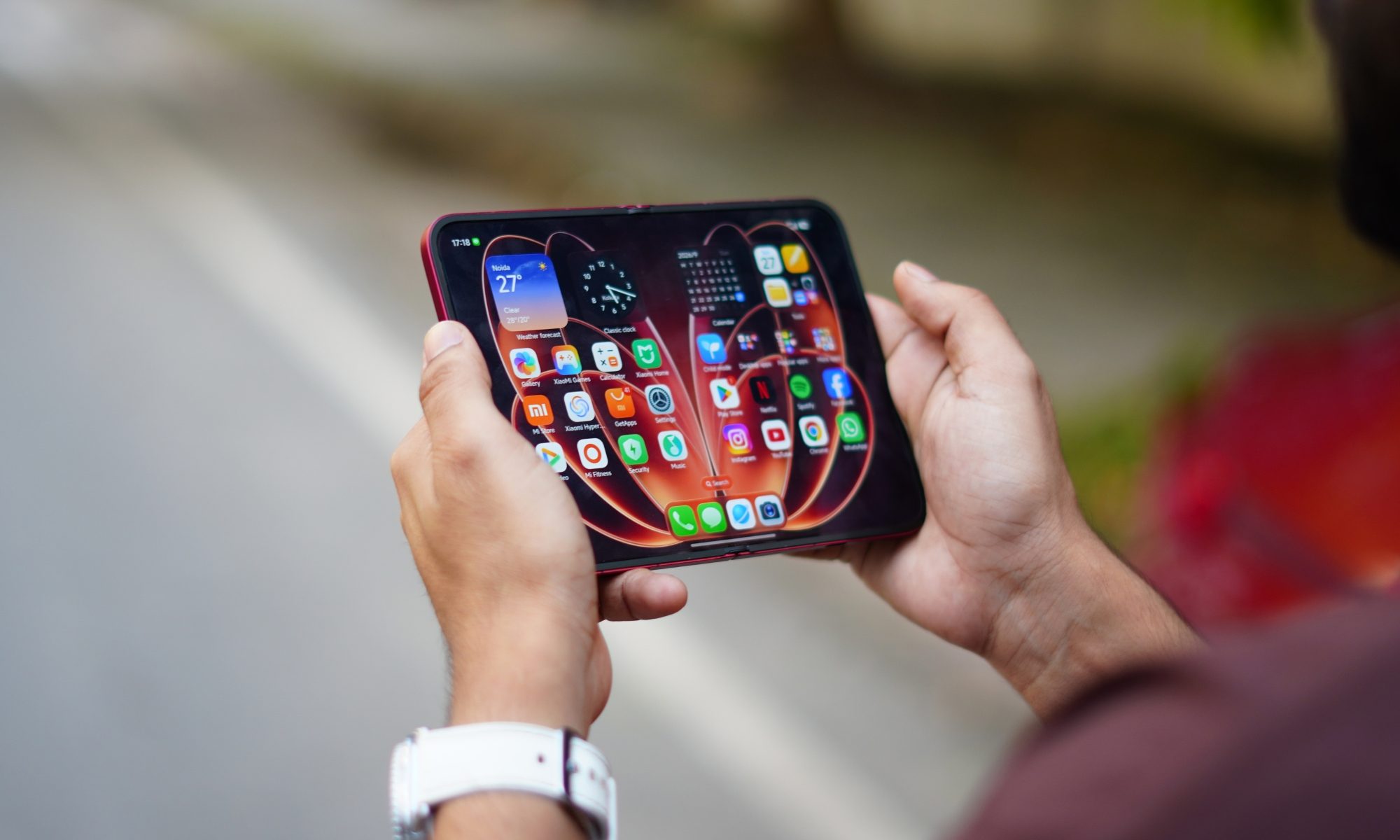
The outer display follows the same philosophy. It is a 5.38-inch LTPO AMOLED panel with a 1168 x 1712 resolution, 120Hz refresh rate, and up to 4,000 nits peak brightness. It also gets Xiaomi Dragon Crystal Glass 3 and support for HDR10+, Dolby Vision, and HDR Vivid.
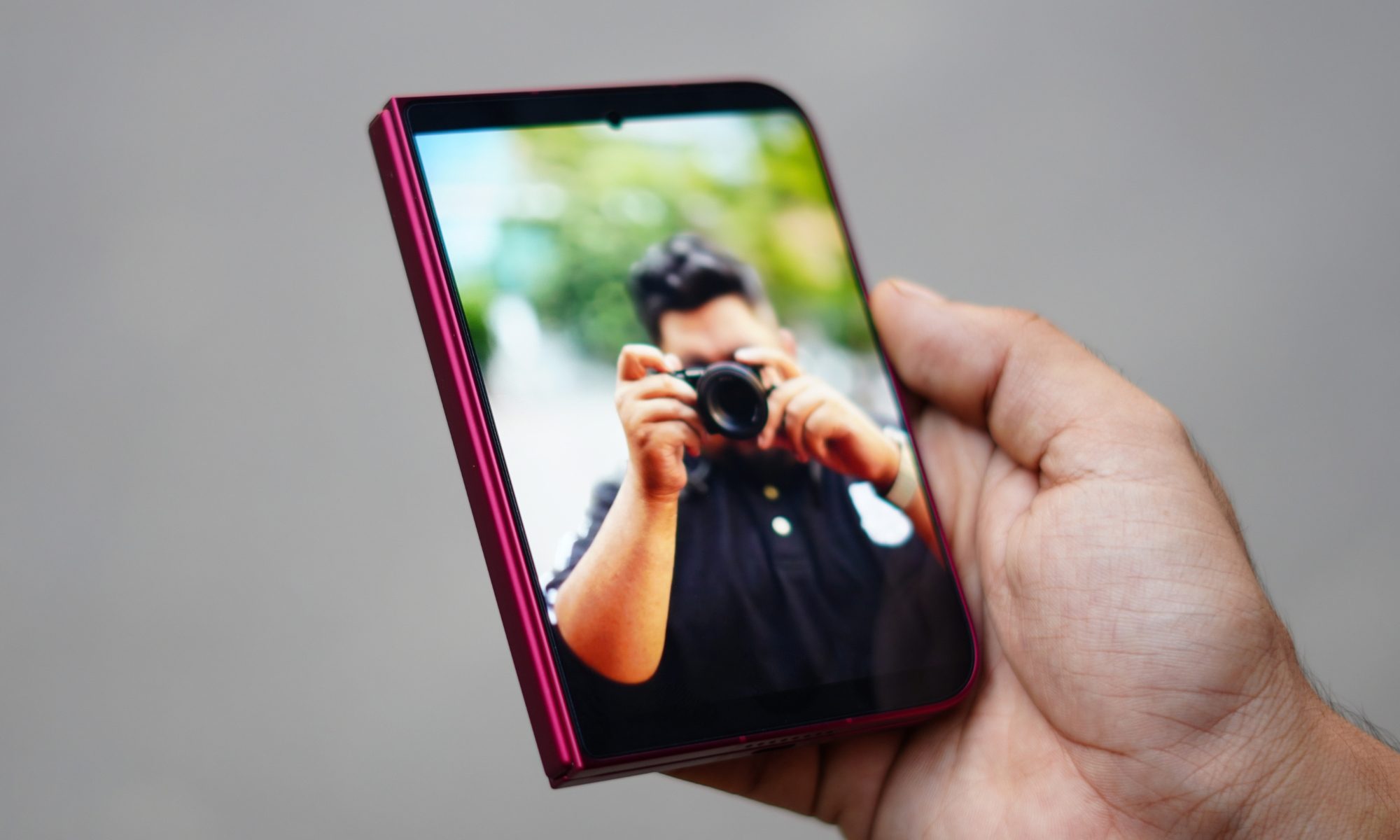
The cover screen is wide enough to use comfortably with one hand. The curved section on the right does eat into a little of the usable screen area, but I did not find it particularly problematic during basic use. Typing also feels more natural than I expected because of the wider shape. No thanks to my fat fingers, though.
XRing O3 keeps everything moving
Powering the Xiaomi 18 Fold is Xiaomi’s XRing O3 chipset, built on a 3nm process. The chip has a 10-core CPU clocked at up to 4.35GHz and is paired with an Arm G2-Ultra NX MC16 GPU.
My unit felt fast during everyday use. Apps opened quickly, animations were smooth, and switching between multiple applications did not feel like something the phone had to think about.
The specifications list four storage configurations: 256GB with 12GB RAM, 512GB with 12GB RAM, 512GB with 16GB RAM, and 1TB with 16GB RAM. Storage is UFS 4.1, although there is no microSD card slot.
The phone runs Android 17 with Xiaomi’s HyperOS 4 interface. What I particularly liked was how well the performance matched the screen.
A powerful chip on a foldable is useful, but it becomes much more interesting when you have this much screen real estate to actually take advantage of it. Multitasking feels like something I would genuinely use here rather than something I would try once because the phone allows it.
Xiaomi has not forgotten the cameras
Foldables often make compromises with their cameras, but Xiaomi has gone in the opposite direction with the 18 Fold. No, I am not looking at you, Samsung.
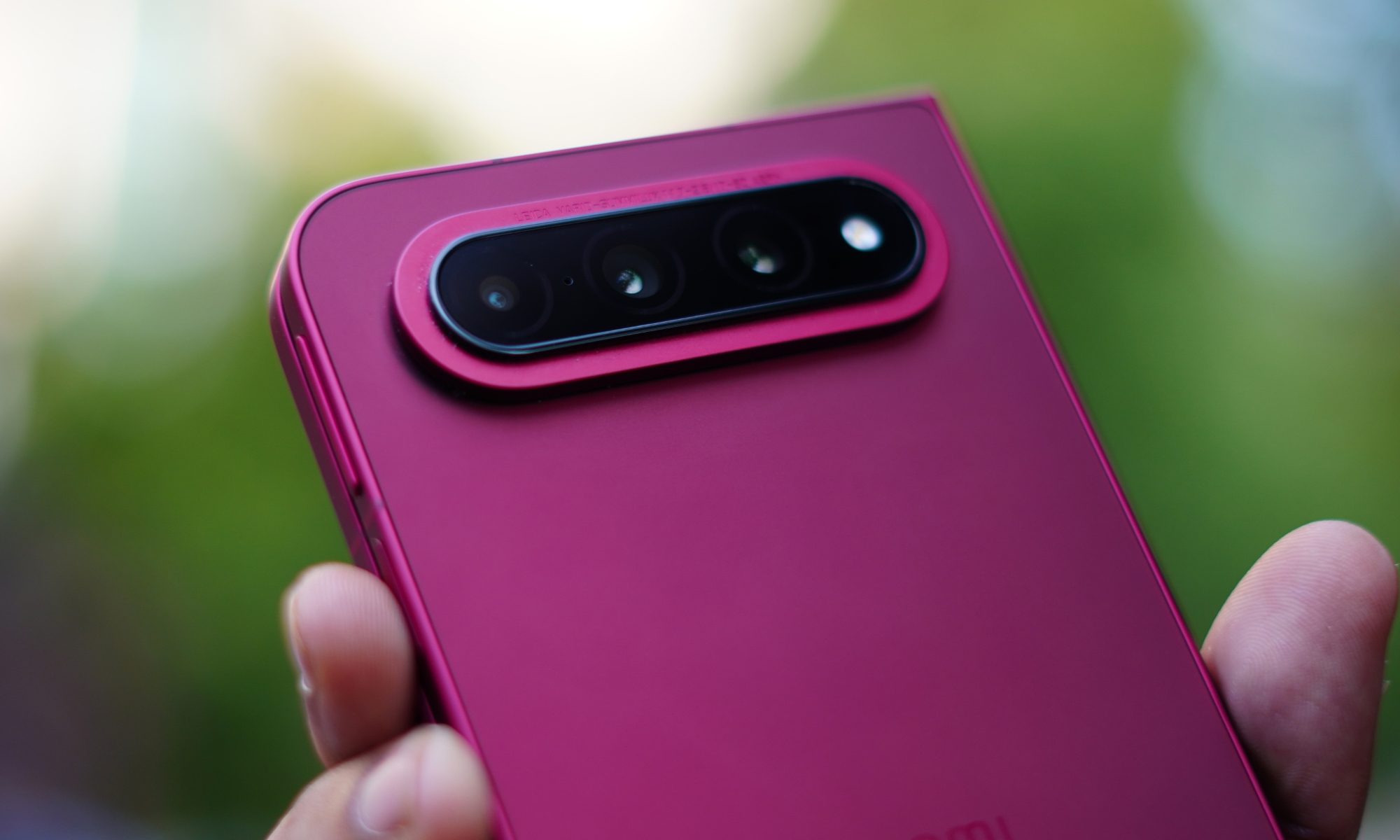
There is a triple-camera setup on the back consisting of a 200-megapixel primary camera with an f/1.7 aperture, a 50-megapixel telephoto camera with 3.5x optical zoom and a 50-megapixel ultrawide camera. The main and telephoto cameras also get optical image stabilisation.
The main camera uses a 1/1.56-inch sensor, while Xiaomi has also included laser autofocus and a colour spectrum sensor. The cameras use Leica lenses and the system supports HDR and panorama modes.
Video recording goes up to 8K at 24fps, while 4K recording is available at 30fps and 60fps with Dolby Vision. The phone can also record 1080p video at up to 960fps. There is also a 16-megapixel selfie camera on the inner display and another 16-megapixel camera on the cover screen. Both have an f/2.2 aperture and 21mm equivalent focal length.
That camera setup makes the 18 Fold feel more like a conventional flagship that happens to fold, rather than a foldable that happens to have cameras.
A 6,000mAh battery in a 5mm-thick foldable
The battery is another area where Xiaomi has gone big. The Xiaomi 18 Fold packs a 6,000mAh silicon-carbon battery. It supports 67W wired charging and 50W wireless charging, along with PD3.0 and 50W PPS support. Reverse wired charging is also supported. Again, for comparison, the Samsung S26 Ultra gets a 5000mAh battery. More so, the Fold 8 gets a 4800mAh battery.
Considering how thin the phone is when unfolded, fitting a 6,000mAh battery inside is impressive on paper. During my time with the device, the combination of the large battery and efficient 3nm chipset made the 18 Fold feel like a phone designed for heavy daily use rather than something that needs to be treated carefully to make it through the day. I usually find myself picking the 67W brick about one and a half days of usage.
It also gets stereo speakers with Dolby Atmos, while there is no 3.5mm headphone jack. The phone supports Wi-Fi 7, Bluetooth 6.0, and NFC, and Xiaomi has included NavIC alongside GPS, Galileo, GLONASS, BDS, and QZSS for positioning.
My first impression
After spending time with the Xiaomi 18 Fold, what stands out to me is that Xiaomi seems to have understood one of the biggest problems with current foldables: simply making the inner screen bigger does not automatically make it more useful.
The 18 Fold’s 2:1 inner display changes that experience. When I opened it, I immediately got a wide screen that felt natural for video playback, multitasking, and general tablet-style use. The 120Hz AMOLED panel, 4,000-nit peak brightness, and Dolby Vision support only add to that experience.
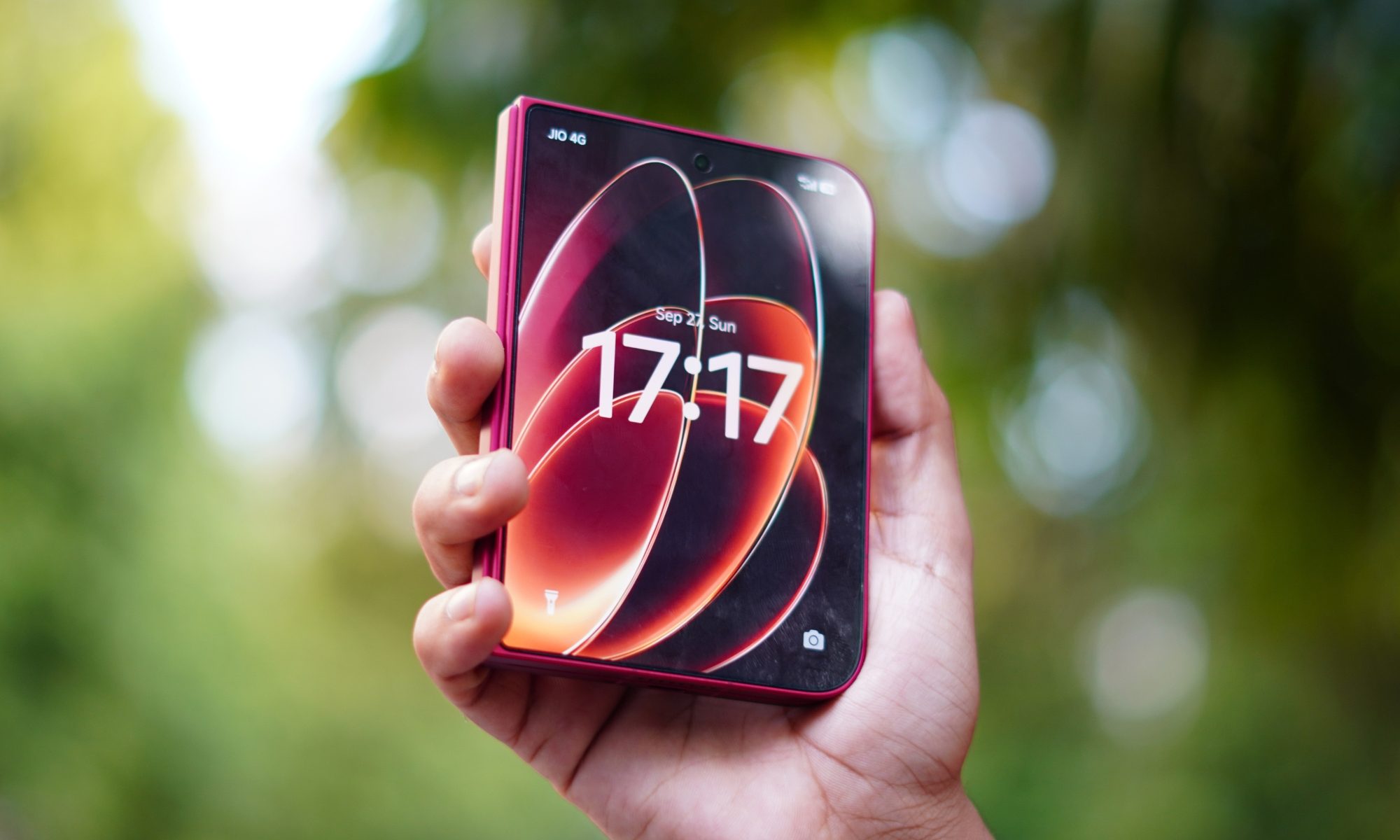
At the same time, it remains reasonably manageable when folded. The 219-gram weight is not particularly light for a conventional phone, but for a device with a 7.58-inch foldable screen and 6,000mAh battery, it does not feel unreasonable.
The cameras are also unusually serious for a foldable, with a 200MP main sensor, 50MP telephoto and 50MP ultrawide. The XRing O3 chip, up to 16GB RAM and UFS 4.1 storage complete what is essentially a flagship specification sheet.
There is, however, one big catch. A sad one.
The Xiaomi 18 Fold is currently a China-exclusive phone, which means buyers outside China may have to admire this one from a distance for now. But purely as a piece of hardware, my first impression is that Xiaomi built a passport foldable for the world but decided to make it available only in its home market, and that is a major regret.
The Xiaomi 18 Fold feels thin without feeling delicate, big without feeling unwieldy, and powerful without making a big show of it. Most importantly, the unusual wide format actually changes how I use the phone.
And after spending some time with it, I think that is exactly what a good foldable should do. It should not just give you a bigger screen. It should give you a reason to use that bigger screen.
Related coverage:
You must be logged in to post a comment Login