Tech & AI
Inside the £10,000 Hunt for ‘Wrench Attack’ Gang That Terrorised Pregnant Woman Over Crypto

A businessman was beaten with hammers in his own home while his heavily pregnant wife was pinned down and threatened with a knife to her stomach, in an attack police believe was orchestrated to force him into handing over his cryptocurrency savings. The case, reported by the BBC, is one of a rapidly growing category of crime investigators call a “wrench attack” — and 2026 is on track to be the worst year on record for it.
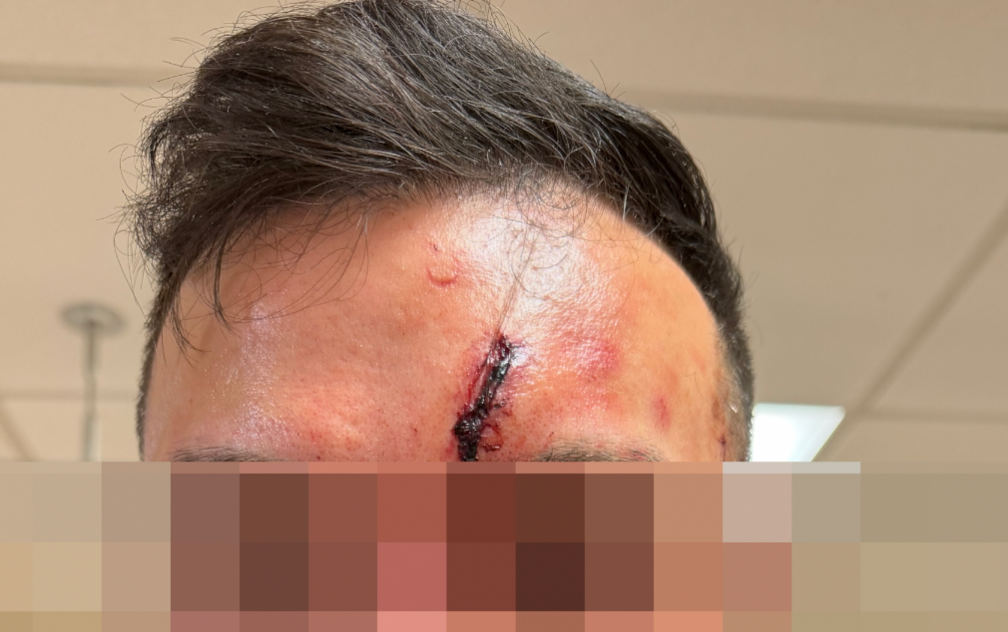
The couple, who asked to remain anonymous and are referred to as James and his wife, say three masked men forced their way into their home in Solihull in December last year and spent 45 minutes assaulting and terrorising them. James was struck repeatedly in the face, head and ribs. His wife, then seven months pregnant, had a pillow held over her face as she struggled to breathe. “He’s literally suffocating her on the sofa. I can hear her screaming, ‘I can’t breathe’,” James told the BBC.
The attackers initially gave no indication of what they wanted, demanding only that James unlock his phone. It soon became clear they knew he held cryptocurrency but had little idea how to access it themselves. Instead, they took orders from someone connected via a live video call, who instructed them to search through James’s apps until they located a wallet holding a significant sum.

How a wrench attack escalates into a hostage situation
Once the caller identified the funds, the threats turned deadly serious. James said the man on the call told the intruders to threaten to “stab your wife in the stomach and kill your baby” unless the money was transferred immediately. James complied, sending hundreds of thousands of pounds in crypto to a wallet controlled by the man directing the robbery. The gang also stole several luxury watches before fleeing in a getaway car.
James’s wife, in her early thirties and expecting her third child, said she feared she might lose the baby because of the stress of the ordeal and believed, at one point, that her husband had been killed. The baby was ultimately born healthy and at full term, but the couple describe the experience as “horrific” and say they continue to live with its aftermath. James, who had quit his job in 2023 to trade cryptocurrency full-time after turning an initial investment into a sizeable fortune, says he has now lost everything and is looking to return to conventional work.
Police have not yet identified the attackers. Crimestoppers is offering a £10,000 reward for information, and the charity’s Alan Edwards says investigators are keen to hear from anyone who might recognise the three intruders, the getaway driver — who was caught on camera without a face covering — or the man coordinating the robbery by phone. “These criminals are obviously serious and part of some kind of organised crime,” Edwards said.
Why crypto holders are becoming prime targets
Unlike money sitting in a bank account, cryptocurrency is frequently controlled directly by its owner through self-custody digital wallets, with no institution standing between the asset and whoever can access the private keys. That makes a wrench attack — named for the blunt, low-tech coercion criminals use instead of sophisticated hacking — a disturbingly effective way to steal large sums almost instantly and with little chance of recovery once funds move.
According to blockchain analytics firm Chainalysis, roughly $30m (£22.6m) had already been stolen through violent crypto robberies in the first half of this year, putting 2026 on course to become the worst year on record for such attacks. The firm says home invasions specifically are also rising sharply. Hotspots include the United States, Brazil and Thailand, but France has recorded by far the highest number of incidents, a surge researchers link to a data breach at a tax office that may have exposed the identities and addresses of wealthy crypto holders.
“The physical security assumptions that protect traditional wealth, such as bank vaults and armoured cars, do not automatically apply in crypto,” Chainalysis researchers noted in their report. “Holders keep their assets in comparatively low security setups, like self-custody wallets, that can be compromised without any institutional gatekeeper standing in the way.”
As digital coin values have climbed, so has the visibility of those who hold them — and with it, the appeal of a brutally simple criminal method that requires no technical skill, only intimidation. Cybersecurity experts warn that as long as crypto wealth remains both lucrative and loosely secured, cases like the one in Solihull are likely to keep multiplying across the UK, Europe and beyond.
Explore more on this topic with Vexel Search.
You must be logged in to post a comment Login