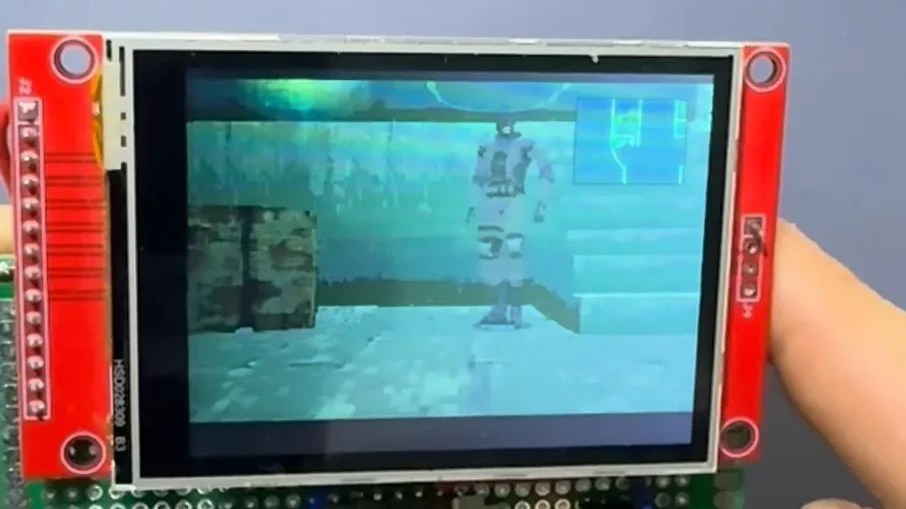
If you haven’t heard of Metal Gear, you probably haven’t played video games these last few decades. The original Metal Gear dates back to 1987 and launched on the MSX, but the real rise to fame probably started with Metal Gear Solid on the original PlayStation in 1998. What needed a hefty console in 1998 can comfortably fit on a microcontroller in 2026, though, as [David Montero Crespo] demonstrates with his port of MGS to the ESP32-S3.
[David] is — as we always are — standing on the shoulders of giants with this hack. Most specifically, the project relies entirely on the [FoxdieTeam] MGS Reversing decompliation project. Of course what one team decompiles, another can recompile, and in this case [David] chose to recompile the game for Expressif’s exceptional ESP32. It wasn’t quite as easy as just forking the repo and compiling with the ESP32 as a target though, as the blog post explains.
We won’t spoil it, but [David] did have to make some changes to account for the different quirks the MIPS processor in the PlayStation has compared to the Xtensa cores on the microcontroller. Then to make it playable, he put the ESP32-S3 module onto some perfboard with an analog stick from a drone controller, an ILI9341 LCD panel, and a resistor ladder to run the buttons for a barebones handheld.
16 cores, 5.2 GHz, and 55 TOPS: Minisforum’s newest AI workstation is mostly a massive upgrade to 192GB of memory – and that is not necessarily a bad thing
Minisforum’s MS-S1 MAX-P495 is on pre-order at $7,399 with 192GB of unified memory and a 2TB SSD
CPU and NPU specs are similar to previous iterations: 16 cores, 32 threads with a boost in clock speeds of 100 MHz, in addition to increased NPU performance by 10% to 55 TOPS
The real upgrade is memory: 192GB total, 160GB for the GPU, and about 7% more bandwidth, enough to fit a 284B-parameter MoE model on one box
Minisforum has opened orders for the MS-S1 MAX-P495, a 3.5-liter workstation built around AMD‘s Ryzen AI Max+ PRO 495, and its launch announcement leads with the processor: 16 Zen 5 cores and 32 threads, clocks of up to 5.2 GHz, and an NPU rated at up to 55 TOPS within a platform total of 131 TOPS.
The single configuration pairs 192GB of unified memory with a 2TB SSD, sells for $7,399 on pre-order, and is expected to begin shipping in mid-October 2026.
Those processor figures match AMD’s own specification page; however, they are also the least consequential change in the machine: what actually separates the P495 from the MS-S1 MAX that Minisforum launched a year ago is the memory.
Latest Videos FromTechRadar
Advertisement
Similar cores, much larger memory pool
AMD introduced the Ryzen AI Max PRO 400 series in May 2026 as a refresh of the Strix Halo silicon in the 300 series, and the CPU side barely improves in performance. The PRO 495 keeps the 16-core, 32-thread Zen 5 layout of the Ryzen AI Max+ 395 that powered the original MS-S1 MAX. Its boost clock rises by 100 MHz, from the 5.1 GHz listed on Minisforum’s spec sheet for the earlier model to 5.2 GHz.
The Radeon 8065S graphics keep 40 RDNA 3.5 compute units and gain 100 MHz to reach 3.0 GHz, and the NPU goes from 50 to 55 TOPS, a 10% uplift that nudges the platform rating from 126 TOPS to 131 TOPS.
All of these upgrades are mild compared to where AMD does the real work: the memory controller. The 400 series supports up to 192GB of LPDDR5X across a 256-bit interface, with up to 160GB assignable to the GPU, against 128GB and 96GB on the last-generation chip it replaces. Rated memory speed also rises from 8,000 to 8,533 MT/s, a roughly 7% increase that will probably matter more here than the clock-speed bumps on display.
Minisforum’s own test results show where the extra capacity pays off: the company says a single unit ran DeepSeek V4 Flash, a 284-billion-parameter model, at Q4 quantization at about 12 tokens per second. Two units linked together ran Qwen3.5-397B at roughly 16 tokens per second, and a four-system cluster loaded the 380GB Q4_0 build of DeepSeek-R1 671B, though it gives no speed for that last result.
Sign up to the TechRadar Pro newsletter to get all the top news, opinion, features and guidance your business needs to succeed!
These parameter counts are larger, however, than the actual work involved. Both models use a mixture-of-experts (MoE) design, which lets them load only specific “experts” into memory when needed. DeepSeek V4 Flash activates about 13 billion of its 284 billion parameters for each token, per Nvidia’s catalog entry, and Qwen3.5-397B activates about 17 billion, per its model card.
Advertisement
Memory capacity decides whether a model fits at all, while active parameters and bandwidth decide how fast it runs, which is how a box with roughly 273 GB/s of bandwidth manages double-digit speeds on models this large. That is also why the 192GB of RAM in play matters far more than the modest performance upgrade the MS-S1 MAX-P495’s APU offers.
The $7,399 price it currently goes for is presented as 20% off a list price of $9,249 that nobody has paid yet, with the unit going on sale even in the preorder stage. This makes the standard MS-S1 MAX with 128GB arguably a better value for all but the most ardent of local AI users who can justify twice the cost for a 50% increase in memory.
The rest of the machine (sans the APU and memory) is identical to the original MS-S1 MAX, including the 320W internal power supply, the six-heat-pipe, dual-blower cooler, dual 10GbE, two 80Gbps USB4 v2 ports, and 2U rack support.
What changes here is that a single compact box can now hold models that previously needed two, and for developers and small teams that need 200-to-300-billion-parameter mixture-of-experts models kept on premises for privacy or latency, that is a meaningful shift. For anyone drawn in by the 16 cores and 55 TOPS that Minisforum chooses to headline with, the cheaper MS-S1 MAX delivers nearly the same power for about half the price.
Disclaimer: Unless otherwise stated, any opinions expressed below belong solely to the author. Data sourced from the Singapore Digital Economy Report published by IMDA last week.
Singapore’s Infocomm Media Development Authority released its annual Digital Economy Report last week, providing data on the developments in the local tech industry—both directly in the Information & Communications sector and all the tech jobs outside of it.
This is an important distinction because many workers or future graduates may think their IT qualifications are best used in major technology companies. But in reality, the demand for their skills may be far greater elsewhere, effectively tripling their employment opportunities.
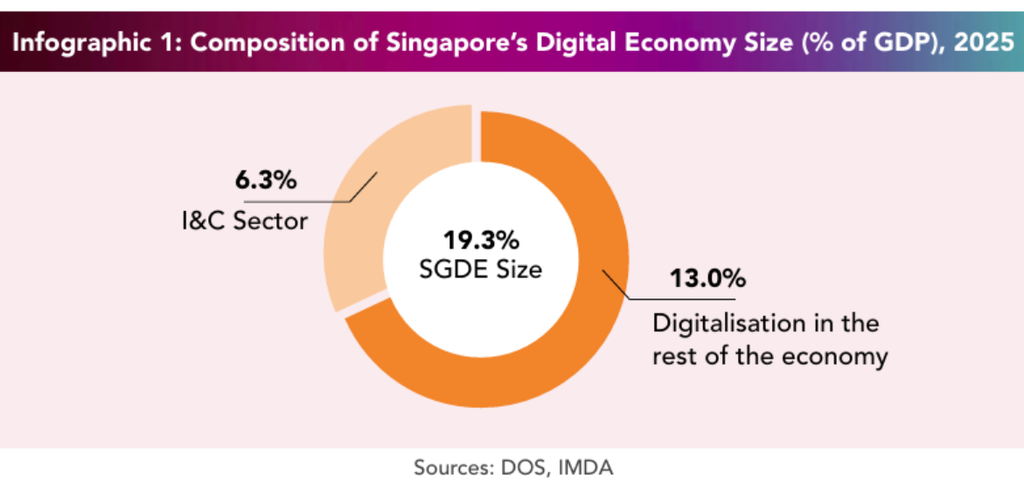
As you can see below, two-thirds of Singapore’s digital economy (and, therefore, jobs) is actually outside of the tech business.
Advertisement
In absolute numbers, the value added of the entire digital sector has grown by over 45% since 2021, to S$144 billion, and constitutes nearly one-fifth of Singapore’s economy:
This, of course, was followed by an increase in employment of nearly 30,000 people, including 8,200 last year alone.
What about the money?
You might have already noticed that there’s a bit of a mismatch here. If the total economic contribution of the digital sector went up by 45%, while headcounts increased by only 15%, it would suggest there is tremendous value here that workers could or even should partake in.
Even if we consider the cumulative inflation of 15% for years 2021 to 2025, it still leaves billions on the table. Fortunately, there is evidence that tech employees have gotten their share, with salaries increasing by 14% since 2023, hitting over S$9,300 in gross salaries, inclusive of employer CPF:
Source: Ministry of Manpower./ Estimates based on own calculations derived from IMDA figures.
This means that more than half of Singapore’s 222,000 tech workers earn S$100,000 per year or more.
Please note that the figures for the general population include bonuses, while the IMDA data for the tech workforce omits them. This means that the gap between the two is likely even larger, close to a factor of 2x.
Where are those jobs?
As I already mentioned, most of the jobs in tech are actually outside of the tech sector itself. Including new ones. Out of 8,200 added in 2025, only 1,700 were in the I&C sector. The remaining 6,500 were created in other industries.
While IMDA doesn’t share how many were added in each of them, it does break down the share of the value of the digital sector by industry, showing where all the money is (which may be a good proxy for where to look for jobs as well).
There are billions made in Finance, of course, but where else?
Advertisement
Surprisingly, perhaps, the next on the list is Wholesale Trade, likely because of the ongoing AI boom, which has made Singapore a crucial manufacturing and transit hub for AI-related tech products, raising demand for all the services that make it work smoothly.
Manufacturing itself is a distant third, followed by all other sectors. While they have a much smaller contribution individually, they do offer considerable diversity of options for tech workers.
The Information & Communications sector in Singapore might no longer be booming, growing at a very modest pace, but it does not mean that the labour market for tech workers is bleak.
On the contrary, as digitalisation spreads across the economy, other sectors need qualified IT staff—and are clearly willing to pay for their knowledge—defying the gloomy predictions that AI would soon render them redundant instead.
Read other articles we’ve written on Singaporean businesses here.
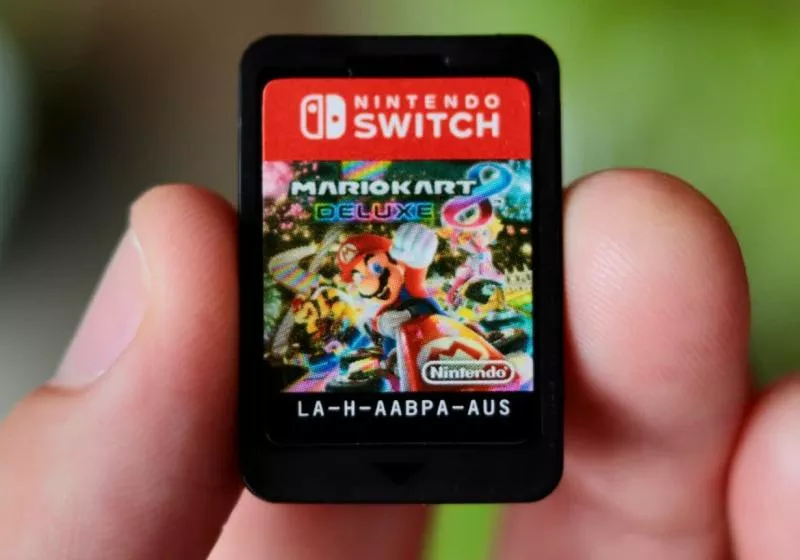
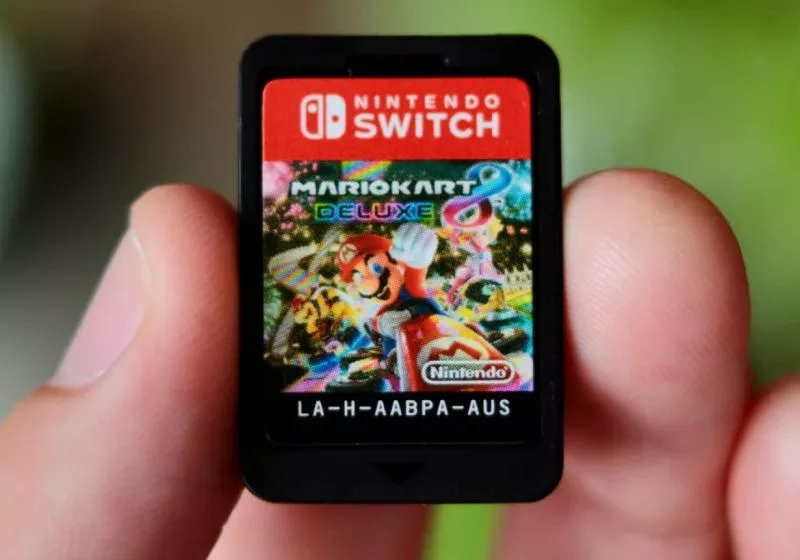
Asked about Nintendo’s stance on physical media, Zyll said that historically, the company goes off what the consumer prefers. They’re barely a year into the launch of the Switch 2, he continued, which supports both digital and physical media. Read Entire Article Source link
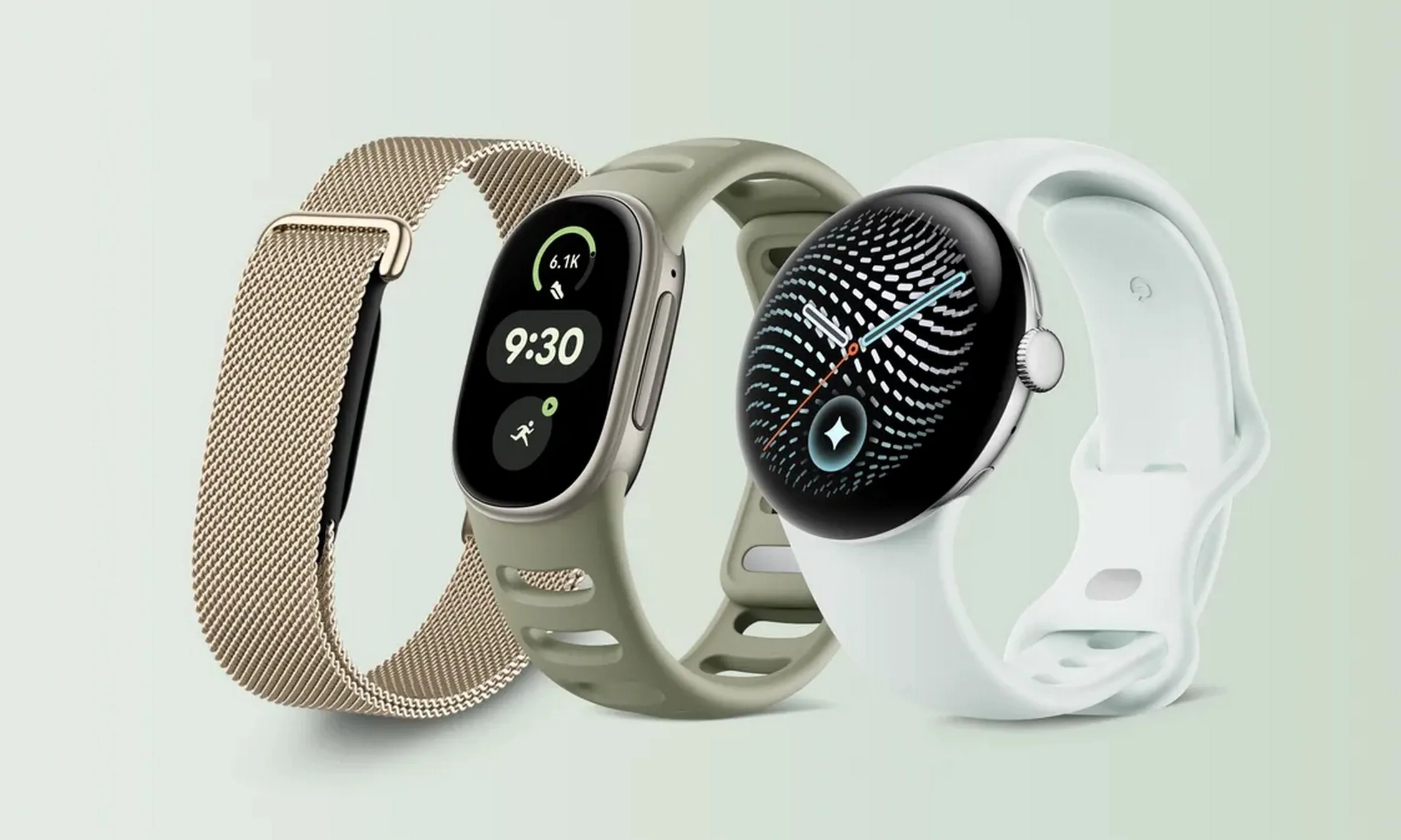
I’ll admit, Google’s new Fitbit Edge looks on par with some of the great fitness bands coming out of China. It takes everything I appreciate about traditional Fitbit trackers and wraps it in a sleek design and better polish. You get a 1.34-inch Hybrid OLED display, built-in GPS, ECG support, and a physical button. Google has even made the battery replaceable, something I genuinely appreciate in an era when most wearables become disposable once their batteries deteriorate.
For $179.99, the Edge seems to be reasonably priced too. However, the more I think about what I’d actually want from a fitness tracker, the more I lean towards Google’s $99.99 Fitbit Air. Believe it or not, the lack of a display is also the Air’s biggest strength.
Google Fitbit Air, Fitbit Edge and Pixel WatchGoogle
Why I’d give up the screen
In my line of work, I’m already spending way too much time looking at a screen. Between the phone or laptop I’m reviewing, the last thing I want is to look at another display, especially one on my wrist. This is one of the biggest reasons why the Fitbit Air had me intrigued. It was built for a precise reason, and it fulfils it without needing a tiny panel. There are zero distractions–no temptation to check notifications or fiddle with the watch’s UI.
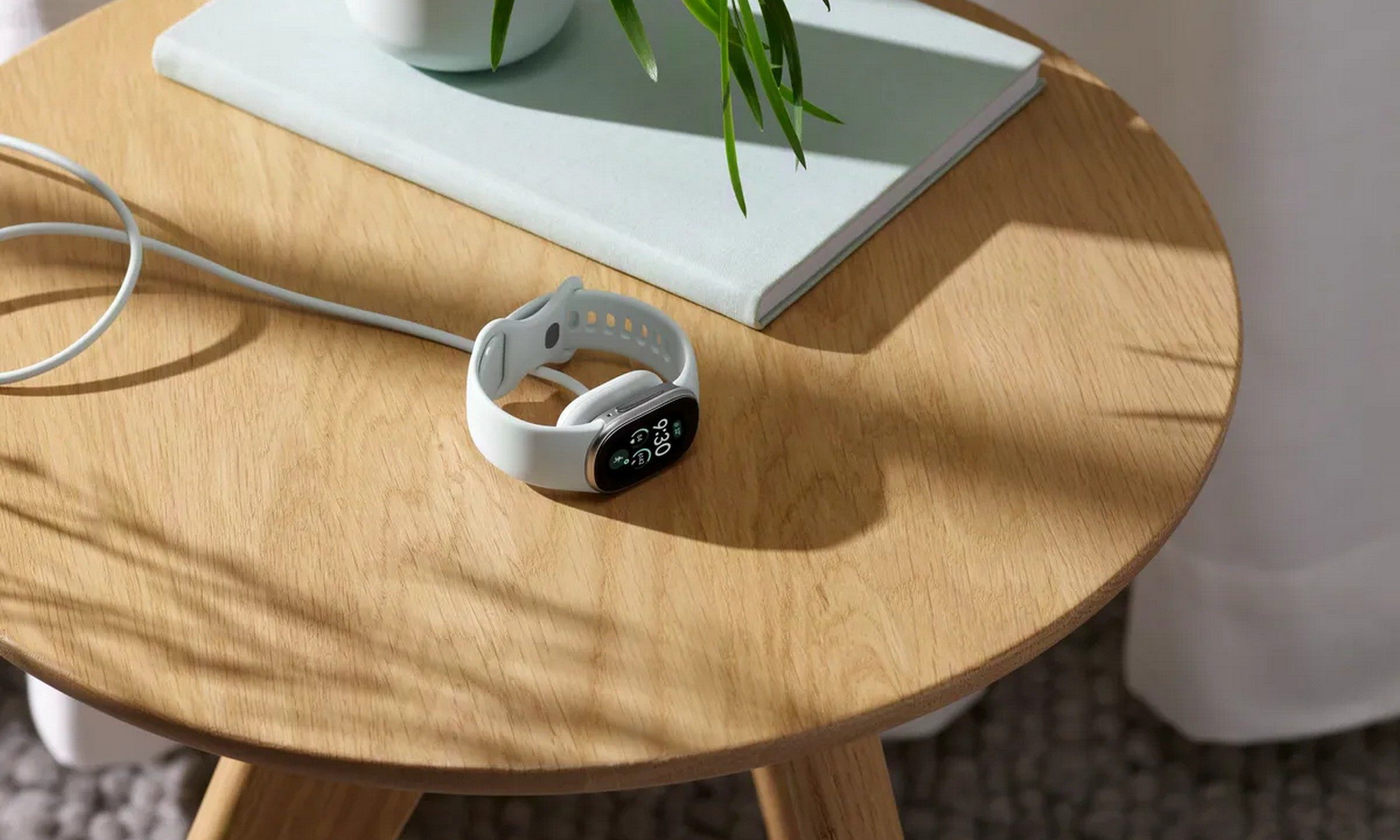
The Air is also considerably smaller. The tracker itself weighs just 5.2 grams without its band and measures 8.3mm thick, compared with the Edge’s 17.7 grams and 11.58mm thickness. So, just as its name suggests, it quite literally disappears on your wrist. Despite all of that, both wearables promise up to seven days of battery life. Though enabling the Edge’s always-on display cuts that endurance to just two days. The Air has no such compromise, and its five-minute quick charge provides enough power for another day.
Google
Most of the health tracking I need is already there
Being minimalist is great and all, but I can’t deny the obvious advantages of the bigger Fitbit sibling. The Edge has its hardware advantages, with its onboard GPS offering more accurate route tracking without a phone, while its altimeter measures elevation changes. You also get on-demand ECG readings and real-time workout metrics directly on your wrist.
For dedicated fitness enthusiasts (like everyday runners), those kinds of additions are quite valuable. Even then, the Fitbit Air covers most of the health metrics I’d personally use every day. It continuously monitors heart rate, heart rate variability, blood oxygen, skin temperature changes, and sleep. The band also supports irregular heart rhythm notifications, including alerts for possible atrial fibrillation.
Additionally, Google is bringing its improved automatic workout detection to both trackers later this month, expanding recognition to more than 100 activities. Its upcoming Health Guardian features will also support both devices, introducing long-term insights into blood pressure and insulin resistance trends.
Both models also have access to the same Gemini-powered Google Health Coach through Google Health Premium. In other words, spending an additional $80 doesn’t necessarily improve the everyday wellness insights I’d be collecting.
The Fitbit Air is exactly what I want from a wearable
The Edge is undoubtedly the better choice for someone who runs without their phone, needs real-time workout guidance, or values ECG readings. Its replaceable battery also gives it a longevity advantage that the Air cannot match. But I find myself increasingly drawn to wearables that quietly do their jobs, serving a dedicated role, and not trying to be another do-it-all smartwatch.
Google
The Fitbit Air gives me the freedom to wear a traditional watch. So I can avoid unnecessary notifications and review my health data whenever I actually want to. Google has also made the Air considerably more stylish with its newly introduced stainless steel Metal Mesh bands. There’s even a $149.99 bundle that includes the tracker and Champagne Gold band, still $30 cheaper than the standard Edge.
Google has also made the Air considerably more stylish with its newly introduced stainless steel Metal Mesh bands. There’s even a $149.99 bundle that includes the tracker and Champagne Gold band, still $30 cheaper than the standard Edge.
The programme will apply to transition year students and aims to prepare young people for a more sustainable future.
The Research Ireland Adapt Centre, in partnership with UNESCO and supported by Huawei Ireland, has launched a new programme designed to give secondary school students in transition year an education in AI and the climate.
According to the programme organisers, it is the first time that AI and climate literacy have been linked in a focused educational programme. The free, four-lesson initiative will explore how science education can prepare young people for a future increasingly shaped by artificial intelligence, climate change and rapid technological transformation.
Using classroom resources, real-world case studies and interactive activities, participating students will examine climate change through data; artificial intelligence, ethics and climate solutions; sustainable systems spanning energy, nature, food and cities; and climate justice, future thinking and green innovation.
Advertisement
The aim is to give students the ability to think critically about the topics at hand. In time, they will be able to conceptualise better questions, evaluate evidence and consider how technology can be developed and used responsibly, according to the organisers.
Ireland and Europe’s future
GreenFutures is one of the five pilot initiatives selected under the Digital Futures for a Smart Europe project, which was implemented by UNESCO and funded by Huawei Technologies.
The project was launched across Europe and aims to assess the current state of digital and green innovation ecosystems in five countries and evaluate the feasibility of a future regional initiative.
Commenting on the initiative, Huawei Ireland CEO Calvin Lan said: “Technology has a vital role to play in supporting sustainable development, but it is equally important that future generations understand both its potential and its responsibilities.
Advertisement
“Through our partnership with Adapt and UNESCO, GreenFutures will help students develop the knowledge and confidence to engage with climate action, digital transformation and responsible AI in meaningful and practical ways.”
The director of the Adapt Centre at Trinity College Dublin, Prof John Kelleher, added: “Artificial intelligence and climate change will be two of the defining forces shaping the lives and careers of today’s young people.
“Digital skills and climate literacy can no longer be treated as separate conversations and GreenFutures responds to that by bringing them together in a way that encourages students to question new technologies, understand their impact and think creatively about how they can contribute to a more sustainable future.
“As researchers we have a responsibility to bring these questions beyond the universities and into classrooms, giving young people an opportunity to engage with them as they begin to make choices about their own futures.”
Advertisement
Google recently announced it would be committing $5m to advance Ireland’s climate research and AI-powered weather forecasting abilities.
The funding, which comes from Google’s philanthropic arm Google.org, will go towards a new four-year research initiative combining satellite imagery and real-time local observations from a new network of weather stations based in schools across the country.
Don’t miss out on the knowledge you need to succeed. Sign up for the Daily Brief, Silicon Republic’s digest of need-to-know sci-tech news.
ASUS has named actor and dancer Raghav Juyal as its brand ambassador in India. The company says the partnership will help it connect with younger consumers, with Juyal appearing in its upcoming brand and marketing campaigns.
The first campaign focuses on the company’s accessories lineup and its Free Doorstep Replacement Service for eligible products under warranty. ASUS released the campaign on October 12 across its social media platforms and Juyal’s accounts.
ASUS Highlights Accessories and Doorstep Replacement Service
The campaign showcases ASUS accessories designed for everyday work, entertainment, creativity, and gaming. The lineup includes wireless and Bluetooth mice, Marshmallow wireless keyboards, backpacks, adapters, GaN chargers, docks, and dongles.
The biggest highlight, however, is the Free Doorstep Replacement Service, which lets eligible customers have their accessories picked up and replaced or returned without visiting an ASUS service center. The service aims to make the replacement process more convenient, especially for customers who don’t live close to a service center.
Advertisement
A few conditions apply. The service applies only to eligible accessories covered under the applicable warranty and service criteria. ASUS will verify factors such as the product type, warranty status, serial number, and whether the customer’s PIN code is serviceable. Customers can check whether their accessories qualify and learn about the process through the dedicated ASUS Accessories Doorstep Replacement website.
According to Paramjeet Singh, Product and Marketing Head, Consumer PC and Gaming, Systems Group at ASUS India,
Raghav Juyal brings a distinctive energy and relatability that strongly resonates with today’s consumers, making him a natural fit for ASUS India. To kick off this association, our first campaign focuses on ASUS Accessories and the Free Doorstep Replacement Service, highlighting not just the breadth of our portfolio but also the experience we want consumers to have after purchase. Our aim is to make technology ownership simpler, more convenient, and worry-free for our consumers
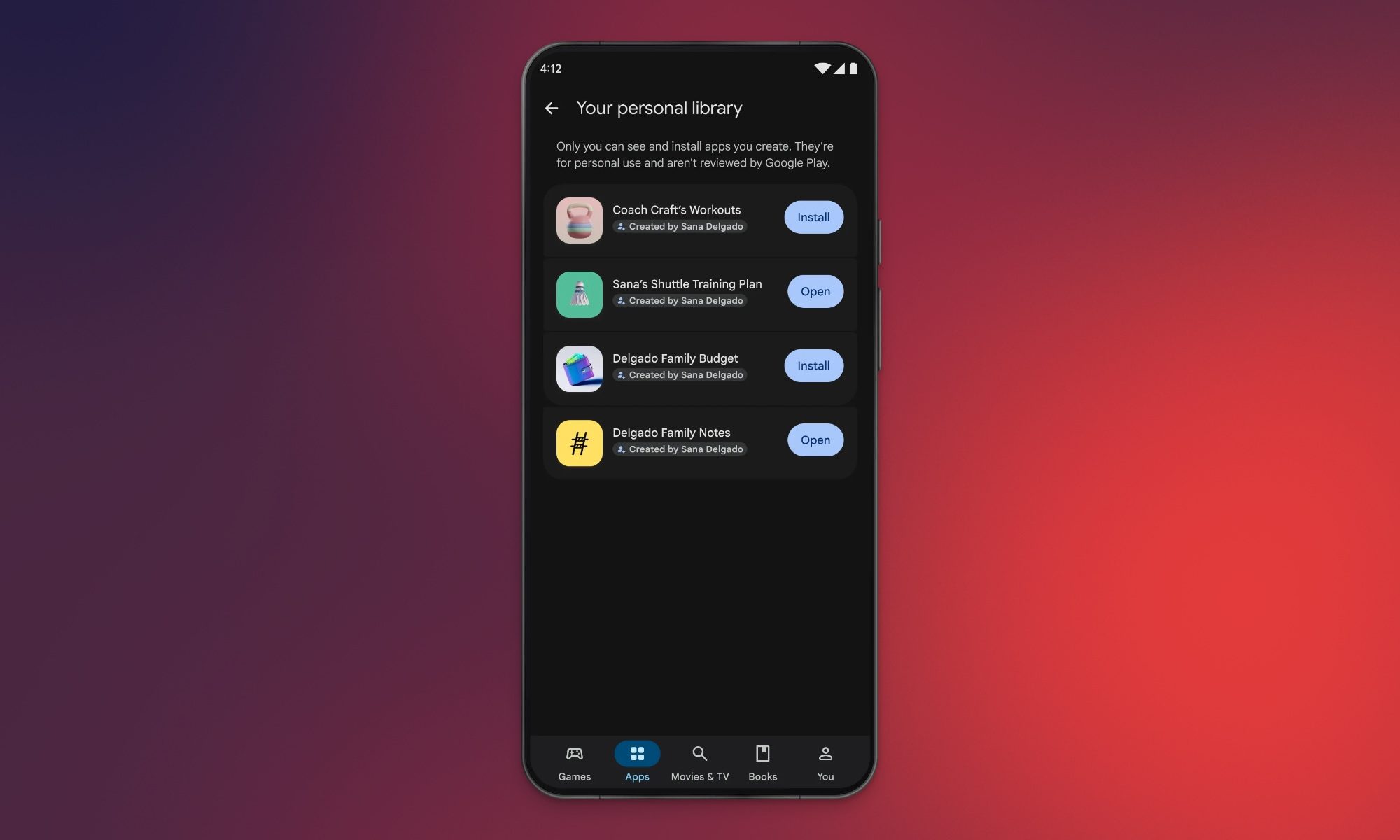
Google Play Store has always been the place to find apps that other people make. Now, Google wants it to be the place where you run the apps you make yourself. The company has announced a bunch of updates, and the biggest one lets you turn your own idea into a working app.
How do you build your own app?
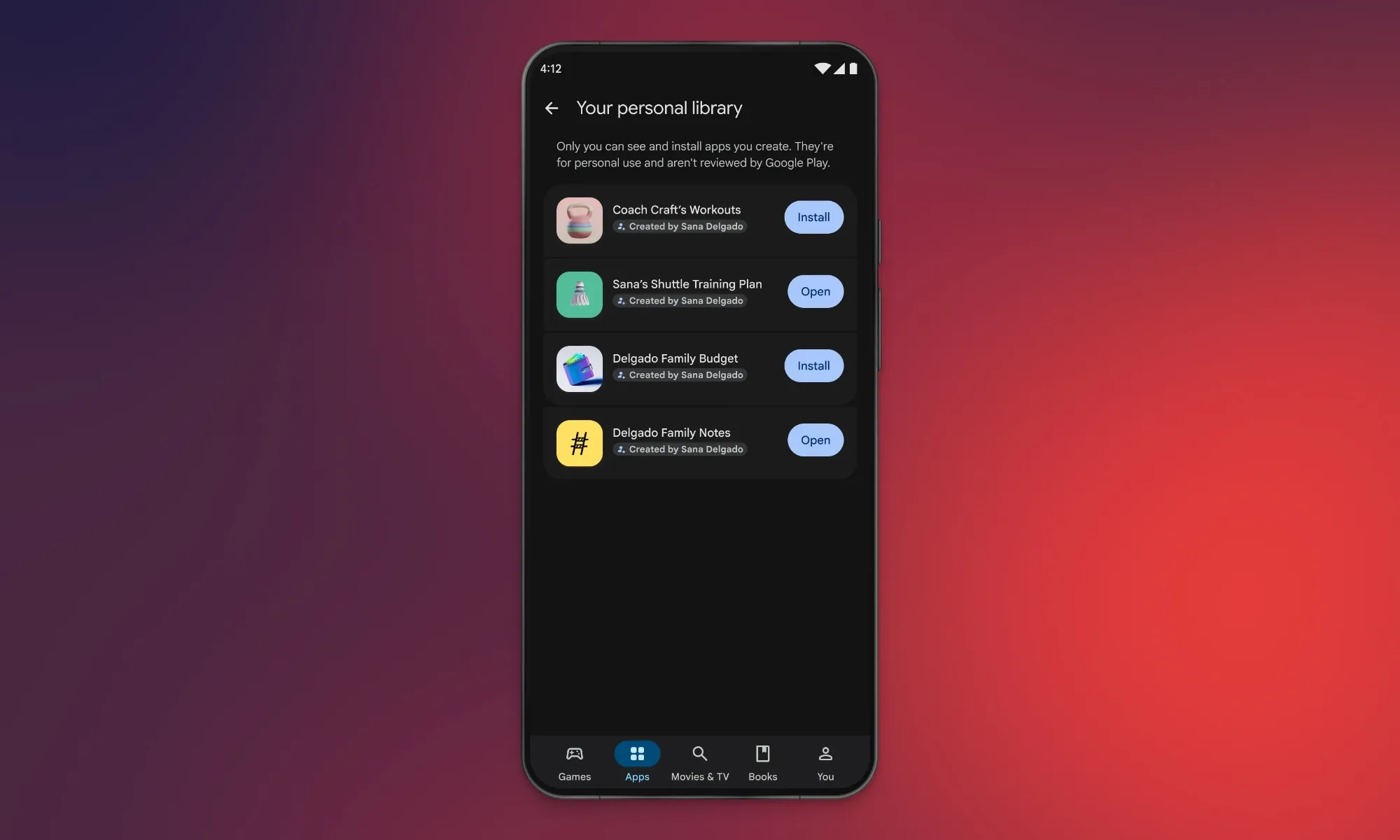
You can use Google AI Studio to vibe code a custom Android app. Once it’s ready, Google Play lets you install it on your own phone. The best part is that you don’t need a developer account, as your regular Google account is enough.
These personal apps remain private and won’t appear in the public Play Store. The feature is available starting today in a few markets, including the US, for users who are 18 or older.
Google
In the coming months, you will also be able to share your apps with friends and family. If your creation turns out to be a hit, you can upgrade to a professional developer account and release it to everyone. However, your app will then go through Google’s usual safety and quality checks, just like any other app.
I love this idea. How many times have you searched for an app that does one specific thing, only to find bloated options that do everything else? Now you can build it yourself.
Advertisement
What else is new in Google Play?
Apart from AI app creation, Google has added a bunch of other handy features. Gamers get a new Game Finder powered by something called Gamer DNA. It studies your play habits along with any preferences you add, then suggests games that fit what you like to play instead of just what’s popular. It’s available in English for US users today.
You can also put together lists of your favorite games with Game Playlists. Then there are Sprints, which are 48-hour mini challenges where you’re matched in groups of two to five players for quick contests. Google is also bringing PC hits like Dave the Diver to Play, and upcoming titles like REPLACED will let you switch between mobile and PC with cloud saves.
Google
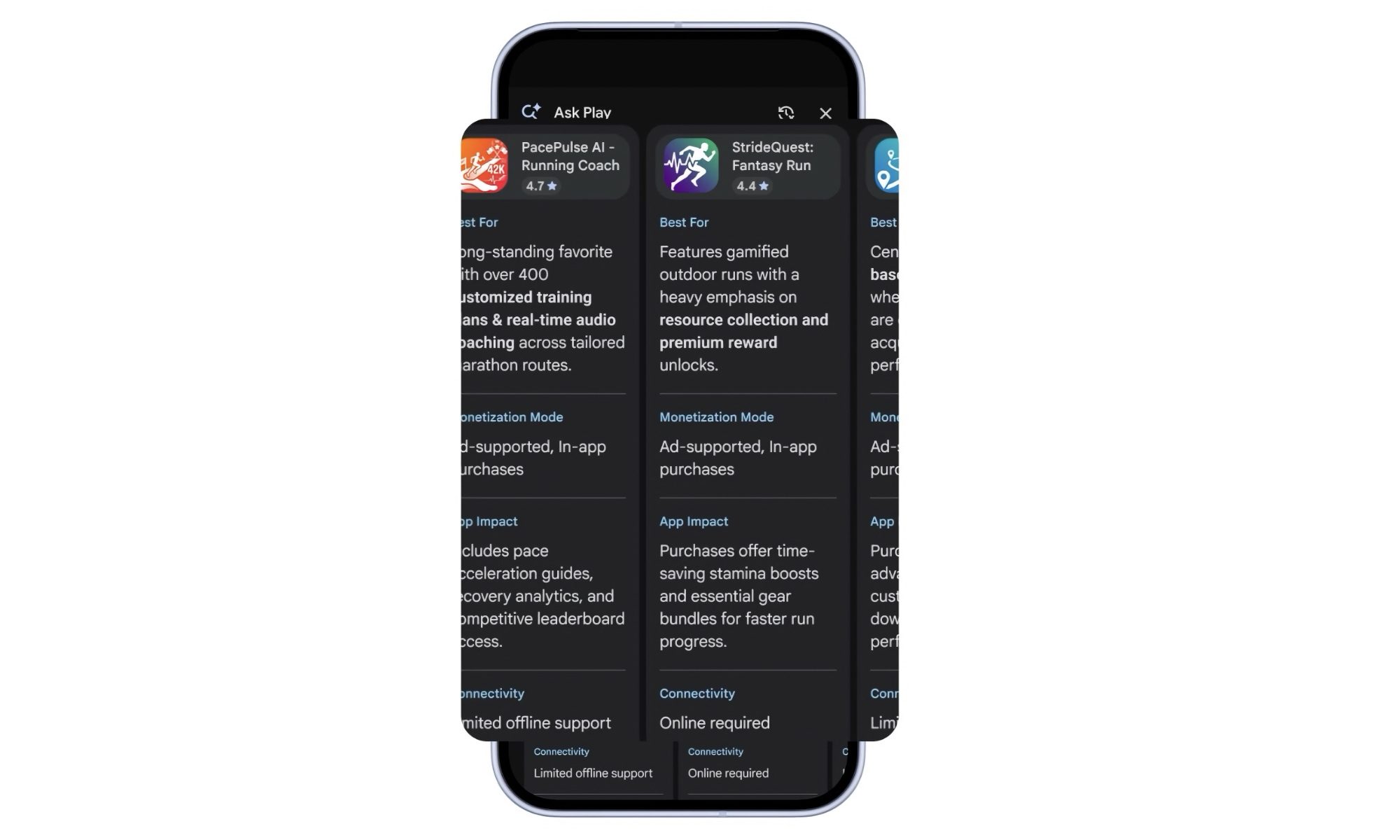
Finally, Ask Play can now compare apps side by side, explaining how they differ and what people think of them. If you often struggle to pick between two similar apps, this should save you some time.
Executives from NTT Data, Brookfield and Infosys say electricity and skilled labour, not chips, now limit how fast AI data centres get built. In Europe the binding constraint is worse, with grid connections in congested markets running to ten years.
The thing slowing the AI buildout is no longer the chips. Executives running some of the world’s largest data centre operations say it is electricity and people.
They spoke at Bloomberg’s New Economy Forum in New Delhi on Tuesday, Bloomberg reported. NTT Data’s chief executive Abhijit Dubey called talent the bottleneck nobody talks about.
European operators said the same in July. A survey of 300 data centre decision-makers in the UK, Ireland and the Nordics put power availability and skills shortages among the leading obstacles.
Advertisement
Dubey put a price on the labour. An electrician in the US now earns about $200,000, he said, and sourcing the right equipment can take as long as 42 weeks.
Europe’s wait is longer. Grid connections in congested markets run to ten years or more, with Amsterdam at about a decade and Frankfurt waiting on upgrades until the 2030s.
Denmark stopped taking bookings. Its grid operator paused new connections in March with roughly 60GW of projects queued against peak demand near 7GW.
On money the panel split from this week’s other big voice. Dubey said capital is not an issue, a day after Broadcom’s chief executive said capital might be the biggest constraint of all.
Advertisement
Demand will outstrip supply past the end of the decade, said Connor Teskey, who runs Brookfield Asset Management. The bottleneck, he said, is who can pull these projects out of the ground.
Teskey also rejected the bubble case, saying most of the infrastructure sits behind long take-or-pay contracts with strong corporate credit. Hours earlier the IMF had called similar revenue commitments wrong-way risk.
Its Global Financial Stability Report counted 14 circular deals since 2023, about $300B of equity and $650B of debt placed into weaker AI firms, securing $1.4T of future revenue promises.
Infosys sees a third risk. Salil Parekh pointed to the backlash in Western markets, and in Scotland the governing party has voted to freeze all new builds.
Advertisement
That resolution counts 24 hyperscale projects at various planning stages, which together would draw more than 1.5 times Scotland’s peak power demand. Ministers have not decided.
Refusals are adding up elsewhere. Dublin turned down a Google data centre over energy, and grassroots opposition blocked $130B of US projects in the first quarter alone.
Ivanti urged customers on Tuesday to immediately patch an actively exploited zero-day vulnerability in the Ivanti Connect Secure (ICS) remote access gateway.
Formerly known as Pulse Connect Secure and originally Juniper Pulse, the enterprise-grade ICS SSL VPN provides remote employees, contractors, and hybrid workforces with secure access to corporate and cloud resources.
Tracked as CVE-2026-104935, this high-severity authentication bypass zero-day was reported by cybersecurity firm Volexity and affects ICS versions 22.8R2.4 and earlier, 25.1.2.2 and earlier, and 25.1.1.1 and earlier.
Remote threat actors without privileges can exploit CVE-2026-104935 in low-complexity attacks that don’t require user interaction to execute arbitrary commands on targeted ICS appliances.
Advertisement
“At the time of disclosure, Ivanti is aware of limited exploitation in the wild. We are working directly with those organizations while making information, updates and remediation available to the broader customer community. If you are running one of the impacted versions, Ivanti recommends you act immediately,” Ivanti said.
“Customers should review the security advisory, upgrade to the fixed version as soon as possible, and run the Integrity Checker Tool regularly.”
Hackers have frequently exploited Ivanti vulnerabilities, often as zero-days, because they provide a quick way to breach enterprise networks and steal sensitive customer and corporate data.
Ivanti has also patched several other Connect Secure zero-days exploited in the wild over the past several years, some of them chained in widespread attacks to deploy malware.
Advertisement
It addressed an authentication bypass (CVE-2023-46805) and a command injection (CVE-2024-21887) in early January 2024, and a server-side request forgery (CVE-2024-21893) two weeks later.
The Cybersecurity and Infrastructure Security Agency (CISA) has flagged 36 vulnerabilities across various Ivanti products as actively exploited in the wild since November 2021, 12 of which ransomware gangs have also abused.
Ivanti has over 3,000 employees, a network of over 7,000 partners, and more than 40,000 customers worldwide using its IT asset management solutions.
Advertisement
Join Mikko Hyppönen and security leaders from the NFL, CHANEL, and Atlassian for a two-hour digital summit on what AI-speed attacks change, what defenders should stop doing, and how to validate, decide, fix, and re-validate at machine speed.
If you’re in the market for a new laptop, HP has just announced a range of festive offers. The offers include bank cashback, exchange benefits, discounted accessories, and extended warranty packages on its OmniBook AI laptops, Omen and Victus gaming laptops, and Smart Tank printers. The festive deals are available at HP World stores, authorized offline retailers, and the HP Online Store until November 10, 2026. Buyers can also get discounted subscriptions to several AI platforms when they purchase select HP laptops.
HP OmniBook Offers
Customers purchasing an HP OmniBook Ultra or OmniBook X laptop can get up to Rs 18,000 in cashback through participating banks. HP is also offering exchange benefits through Cashify for customers trading in an older HP laptop. The OmniBook Ultra comes with exchange benefits worth up to Rs 20,000, while OmniBook X buyers can get benefits worth up to Rs 15,000.
HP is also offering a Da Milano combo worth Rs 10,999 for Rs 499 with either laptop. Customers can also buy an additional protection package for Rs 4,999, which includes a two-year extended warranty, accidental damage protection, and antivirus software.
Meanwhile, the HP OmniBook 7, OmniBook 5, and OmniBook 3 also qualify for festive discounts. Buyers can get up to Rs 12,000 in bank cashback on these laptops. Exchange benefits vary by model. Customers purchasing an OmniBook 7 can get benefits worth up to Rs 10,000 through Cashify when exchanging an older HP laptop. The maximum exchange benefit drops to Rs 7,000 for the OmniBook 5 and Rs 5,000 for the OmniBook 3.
OmniBook 7 buyers can get a two-year extended warranty, accidental damage protection, and antivirus software for Rs 3,999. The same package costs Rs 2,999 for the OmniBook 5 and OmniBook 3.
Advertisement
Gaming & AI Offers
HP’s festive offers also cover its Omen and Victus gaming laptop ranges. Customers purchasing an Omen laptop can get exchange benefits worth up to Rs 15,000 through Cashify, while the maximum benefit for the Victus series is Rs 10,000. Both series qualify for the Da Milano combo offer, which brings the Rs 10,999 accessory package down to Rs 499. HP is also offering a two-year extended warranty, accidental damage protection, and antivirus software for Rs 4,999 with an Omen or Victus laptop.
Buyers of select Omen 5000 series laptops can purchase a HyperX CloudX Stinger 2 Core wired headset, originally priced at Rs 3,727, for Rs 499. They can also get a HyperX Knight backpack worth Rs 6,397 for Rs 999. The same accessory offers apply to the Victus 5000 series. Customers purchasing an eligible model can get the HyperX headset for Rs 499 and the HyperX Knight backpack for Rs 999.
As part of its AI Fiesta offer, HP is bundling subscriptions to several AI platforms at a discounted price with purchases from its OmniBook, Omen, and Victus laptop ranges. Customers can get subscriptions to Claude 4, DeepSeek, GPT-5, Perplexity AI, Gemini 2.5, and Grok.





















































You must be logged in to post a comment Login