Tech & AI
Nothing Headphone (1) Pro Uses Three Drivers Because Apparently One Wasn’t Enough

The premium wireless headphone market has become crowded enough that another $400 active noise-cancelling model needs more than a new finish, longer battery life, and an app full of sliders to get anyone’s attention.
Nothing apparently got the memo.
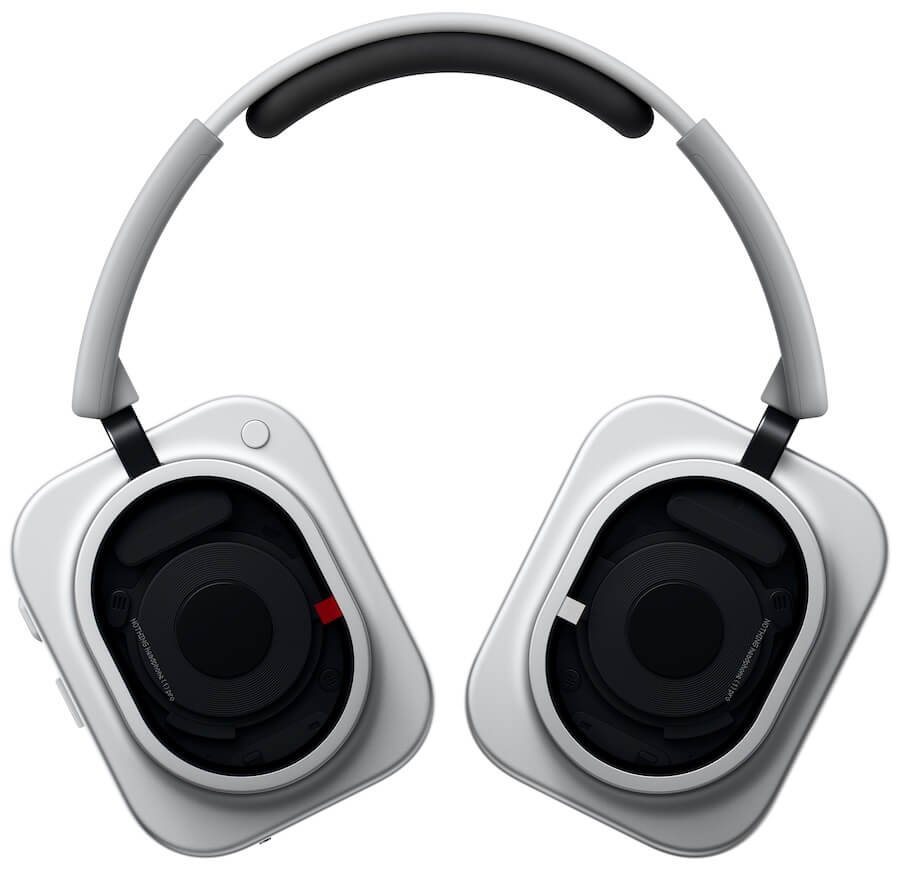
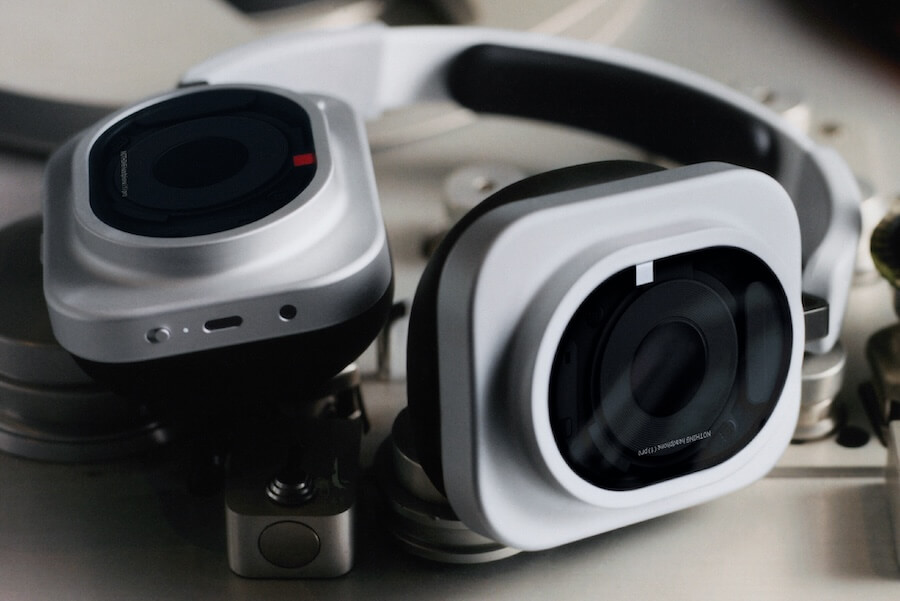
As the new flagship, the $399 Nothing Headphone (1) Pro sits above the $299 Headphone (1) and $199 Headphone (a), but the interesting part is what happened inside the earcups. Each side uses three separate drivers: a 40mm dynamic driver for bass, a 13 x 8mm dynamic driver for the midrange, and a solid-state xMEMS driver for treble. Nothing has also moved away from the original Headphone (1)’s KEF-branded tuning story and is emphasizing a new collaboration with London’s Metropolis Studios, including a physical switch that bypasses the regular EQ profile for a flatter studio-oriented setting.
That is considerably more ambitious than changing the ear pads and adding “Pro” to the box.
Related Reading:

Three Drivers, Three Jobs
Most wireless ANC headphones in this price range use one dynamic driver per earcup and rely heavily on DSP to shape the final presentation.
Nothing has chosen a more complicated route.
The 40mm bass driver uses a PET dome with an electroplated metal-ceramic coating and a dual-magnet motor. Nothing claims 15% greater bass impact and 26% higher sensitivity compared with the original Headphone (1). Those percentages are the company’s own laboratory figures, but they indicate that the low-frequency driver has been substantially reworked rather than simply carried over.
A separate 13 x 8mm midrange driver uses a PEN diaphragm and is tasked with vocals and the middle of the frequency range. The third element is considerably less conventional: a 3.2 x 6.0mm xMEMS solid-state treble driver using a silicon diaphragm. Nothing says the diaphragm is dramatically stiffer than conventional plastics, allowing faster transient response at higher frequencies.
Multi-driver IEMs are hardly exotic in 2026. Multi-driver mainstream wireless over-ear headphones using an xMEMS treble driver? That is a considerably shorter list.
Metropolis Studios Replaces the KEF Story
The original Headphone (1) arrived with considerable fanfare around Sound by KEF, giving Nothing instant credibility with listeners who knew the British loudspeaker company.
The Headphone (1) Pro takes a different approach.
Nothing’s launch materials focus on tuning work performed with Metropolis Studios, the London facility that has hosted generations of recording and mastering engineers. The collaboration produced several EQ profiles inside the Nothing X app along with a dedicated Flat EQ intended for reviewing, producing, and mixing music.
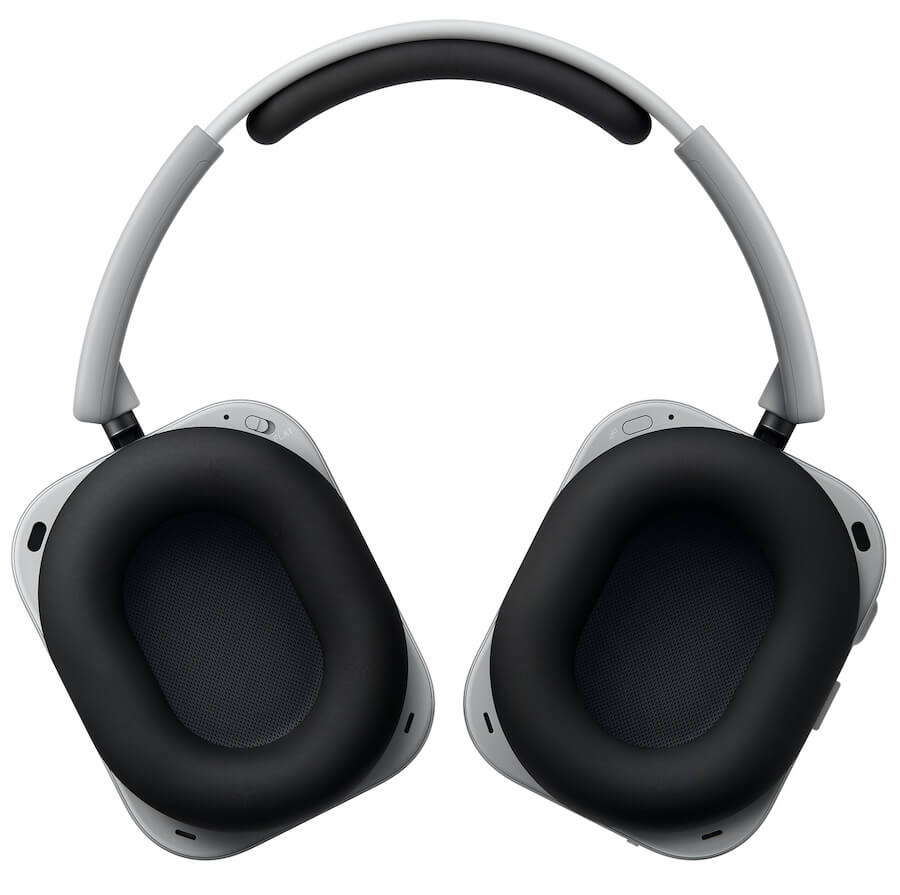
The clever part is that Nothing gave Flat EQ its own physical switch on the headphones.
Flip it one way and you get the normal Nothing EQ setting. Flip it back and the headphone switches to the flatter Metropolis profile without opening the app, digging through menus, or remembering which EQ preset you saved three firmware updates ago. Whether anyone should actually mix a record on Bluetooth ANC headphones is another conversation.
At least Nothing gives you a button.

Hi-Res Wired and Wireless Audio
The Headphone (1) Pro supports SBC, AAC, and LDAC over Bluetooth 6.1, along with multipoint connection and Auracast broadcast reception using LC3. Nothing also provides both USB Type-C and 3.5mm wired connectivity.
USB Type-C supports lossless playback up to 24-bit/192kHz, while the analog AUX connection is rated for Hi-Res playback up to 24-bit/96kHz. The headphones are Hi-Res Audio certified for wired and wireless operation.
One omission is worth noting: there is no aptX Adaptive or aptX Lossless support. Android users with LDAC-compatible devices are covered, but buyers heavily invested in Qualcomm’s ecosystem will have to look elsewhere.
Nothing has also added Dynamic Spatial Audio with head tracking, along with a Metropolis-tuned spatial mode intended to reproduce the presentation of the studio’s Studio B.
More Serious ANC
Nothing rates the Headphone (1) Pro for up to 46dB of adaptive noise cancellation, up from 42dB on the original model.
The system uses 10 microphones, with three feed-forward and two feedback microphones on each side. A new 8mm silicone baffle wall and dual-layer cushions are also used to improve passive sealing before the electronics start doing their work.
Transparency Mode is included, while Clear Voice processing uses four microphones for calls and voice messages.
Forty-six decibels looks impressive on a product page, but ANC performance is one area where we would wait for a proper review before declaring Sony or Bose ready for retirement.
Those two have been fighting this war for a very long time.
Design & Controls

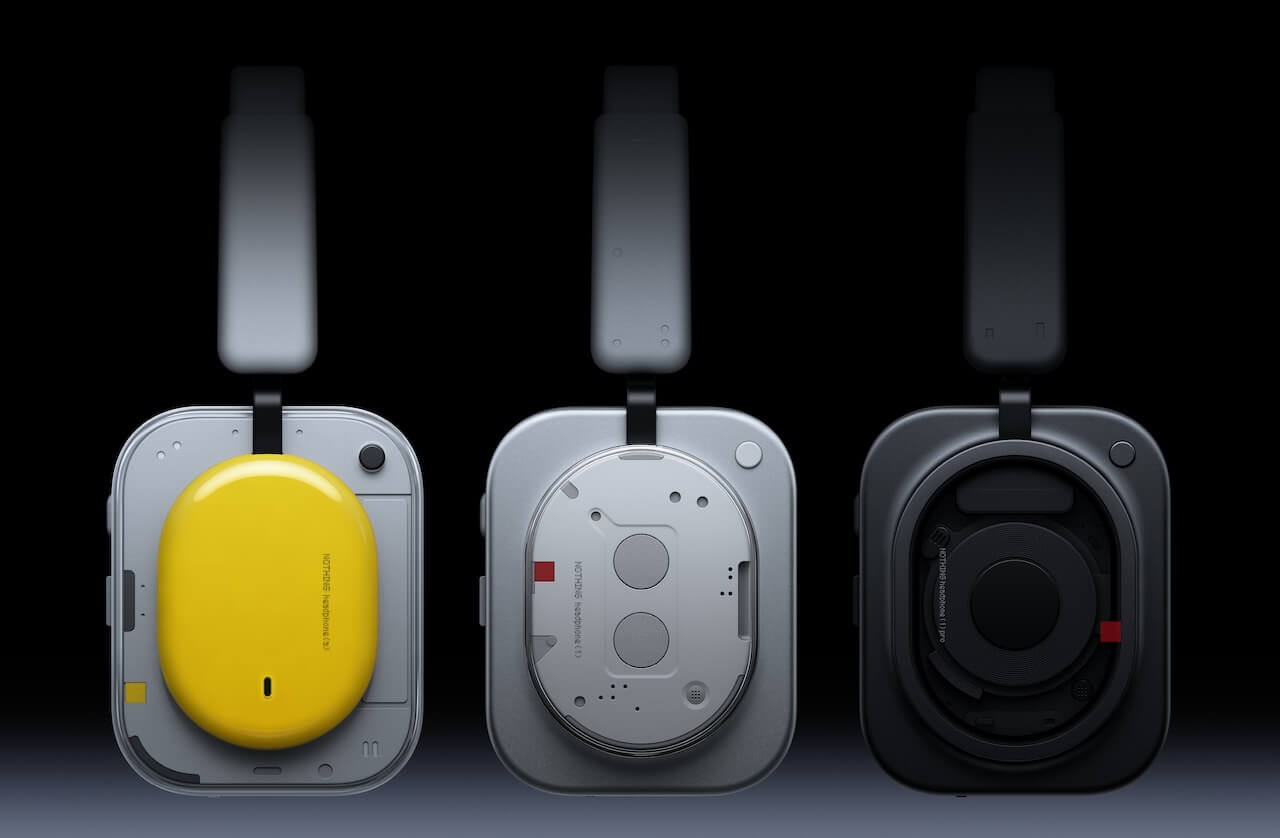
Nothing has retained the transparent industrial design that made Headphone (1 immediately recognizable, but the Pro receives more premium materials.
The earcups use machined aluminum, titanium-alloy arms, and upgraded 9H Panda Glass. Nothing says the titanium arms are 45% lighter than those used on Headphone (1), while the ear cushions are 50% softer and better suited to eyeglass wearers. The headband is 10% wider with 12% thicker padding.
Weight is 327 grams, almost unchanged from the 329-gram Headphone (1), so this is not Nothing’s attempt at building the lightest flagship ANC headphone on the train.
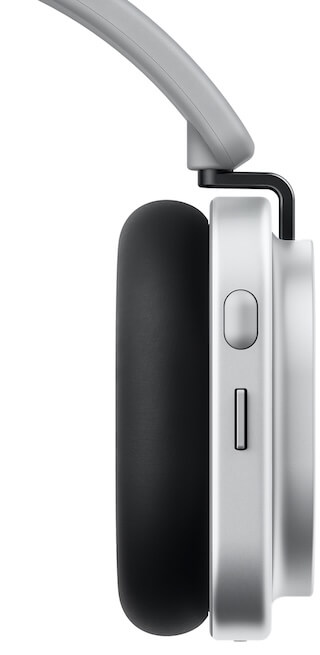
Physical controls remain one of the company’s better ideas. There is a roller for volume and playback, a paddle for track navigation, a customizable button, the new Flat EQ switch, and a separate Bluetooth pairing control.
The headphones also carry an IP52 rating for dust and water resistance and ship with a hardshell case, 3.5mm cable, and USB Type-C cable. They do not fold inward, so the case still occupies meaningful luggage space.

Battery Life
Nothing rates battery life at up to 68 hours with ANC off using AAC and up to 30 hours with ANC enabled. Switch to LDAC and those figures drop to 53 and 28 hours respectively.
A five-minute charge provides up to four hours of playback with ANC disabled or two hours with ANC engaged. A complete charge takes approximately two hours.
The original Headphone (1) could manage as much as 80 hours without ANC, so the Pro actually moves backward in maximum battery endurance.
Nothing Headphone (1) Pro Specifications
- Type: Wireless closed-back ANC over-ear headphone
- Price: $399
- Bass Driver: 40mm dynamic
- Bass Diaphragm: PET with electroplated metal-ceramic coating
- Midrange Driver: 13 x 8mm dynamic
- Midrange Diaphragm: PEN
- Treble Driver: 3.2 x 6.0 x 1.15mm xMEMS solid-state
- Treble Diaphragm: Silicon
- Frequency Response: 20Hz–40kHz
- Tuning: Metropolis Studios
- EQ: Standard, Flat EQ, Advanced EQ, Personal Sound
- Spatial Audio: Dynamic Spatial Audio with head tracking
- ANC: Real-time adaptive, up to 46dB
- Microphones: 10 total
- Transparency Mode: Yes
- Bluetooth: 6.1
- Codecs: SBC, AAC, LDAC; LC3 for broadcast audio
- Auracast: Yes
- Multipoint: Yes
- USB Type-C Audio: Up to 24-bit/192kHz
- 3.5mm Audio: Up to 24-bit/96kHz
- Battery: 1,060mAh
- AAC Battery Life: Up to 68 hours ANC off / 30 hours ANC on
- LDAC Battery Life: Up to 53 hours ANC off / 28 hours ANC on
- Fast Charge: 5 minutes for up to 4 hours ANC off / 2 hours ANC on
- Full Charge: Approximately 2 hours
- Water/Dust Resistance: IP52
- Weight: 327g
- Dimensions: 190.2 x 174.4 x 78mm
- Included: Hardshell case, 3.5mm cable, USB Type-C cable
- Colors: Black, White
What Makes Headphone (1) Pro Unique?
The obvious answer is the triple-driver architecture.
Sony’s WH-1000XM6, Bose QuietComfort Ultra Gen 2, and most other premium ANC headphones still rely on a single full-range dynamic driver per ear. Nothing has divided bass, midrange, and treble reproduction across three separate transducers, including an xMEMS solid-state driver handling the top end.
That alone does not guarantee better sound. Three mediocre drivers can still lose to one excellent one.
The more compelling idea may be the physical Flat EQ switch. Nothing is acknowledging that some buyers want its normal consumer voicing while others may prefer a less processed presentation, and it lets them move between the two without reaching for a phone.
Combine that with 24-bit/192kHz USB playback, LDAC, extensive EQ, head-tracked spatial audio, Auracast, and tactile controls, and the Pro is clearly trying to bridge the gap between mainstream ANC headphones and more serious listening products.
That is a more interesting proposition than another titanium-colored travel headphone.

What Is Missing?
Nothing has packed a lot into the Headphone (1) Pro, but a few omissions remain.
There is no aptX Adaptive or aptX Lossless, which gives products from Bowers & Wilkins and Sennheiser an advantage for users with compatible Qualcomm devices. Maximum battery life is also lower than Headphone (1), and at 327 grams the Pro is considerably heavier than some mainstream travel-focused ANC rivals.
The headphones also do not fold, which matters if you spend much of your life arguing with airline carry-on limits.
And despite all the studio language, Nothing has not replaced traditional professional monitoring headphones overnight. Flat EQ and Metropolis tuning are intriguing features, but durability, repeatability, long-session comfort, and actual tonal accuracy will need proper listening before anybody starts replacing studio standards with transparent Bluetooth headphones.
Competition?
At $458 Sony’s WH-1000XM6 combines excellent ANC, a lighter travel-friendly design, mature DSP, and Sony’s long experience in wireless headphones.
In our review, the XM6 delivered some of the best noise cancellation we have tested, particularly with difficult mid- and higher-frequency environmental noise. Nothing counters with its unusual driver architecture, wired USB-C lossless audio, and more extensive physical controls.
Sony has the track record.
Nothing has the weirder engineering department.
The $449 Bose QuietComfort Ultra Headphones 2nd Gen remains exceptionally strong on comfort and ANC, and the second-generation Ultra finally added wired USB-C lossless playback and listening while charging. Our recent review found the combination of noise cancellation, comfort, spatial processing, and everyday usability difficult to beat.
Nothing is $50 less and offers LDAC, Auracast, the triple-driver configuration, more adventurous EQ controls, and significantly longer maximum battery life.
Bose will still be the safer recommendation for frequent flyers until we hear how Nothing’s new ANC performs in the real world.
The Headphone (1) Pro is the more interesting piece of engineering on paper.
Price & Availability
The Nothing Headphone (1) Pro is priced at $399 in the United States and is available beginning September 29, 2026 through Nothing, Amazon, and Best Buy in North America.
That places it exactly where Nothing needed another product: above the $299 Headphone (1) and $199 Headphone (a), but still below Sony and Bose’s current $449 flagships.
You must be logged in to post a comment Login