Tech & AI
Physical Media Is Booming but Are $125 Vinyl Records and $300 Tapes Getting Ridiculous?

Record labels spent the better part of two decades convincing consumers that owning music was increasingly unnecessary. Now that vinyl and CDs are enjoying a genuine resurgence, the same industry seems determined to find out just how much collectors are willing to spend on albums they probably already own.
Apparently, $300 is no longer out of the question.
On October 9, Rhino High Fidelity released a limited reel-to-reel edition of Joni Mitchell’s Court and Spark for $299.98. Only 350 copies were offered worldwide, and by Saturday morning, Rhino’s website was already showing the title as sold out. That’s an impressive turnaround for an album that requires playback equipment most consumers have never seen outside a recording studio.
On the very same day, Verve announced a $124.98 One Step vinyl edition of Diana Krall’s The Look of Love, celebrating the album’s 25th anniversary. The November 20 release joins a growing collection of premium audiophile records that now cost more than many people spend on music in an entire year.
Both releases are aimed at serious collectors, but they raise a larger question. Is the physical media revival encouraging record labels to produce genuinely better editions, or have they discovered that scarcity, elaborate packaging, and audiophile marketing can make almost any price seem reasonable?
Related Reading:
Physical Music Is Growing and the Labels Have Noticed
The numbers explain why record companies are investing so heavily in physical formats.
According to the Recording Industry Association of America (RIAA), U.S. physical music revenue increased 25.9% during the first half of 2026, reaching $731.5 million. Vinyl revenue climbed 17.7% to $543.8 million, while CD revenue surged 58.6% to $171.1 million.
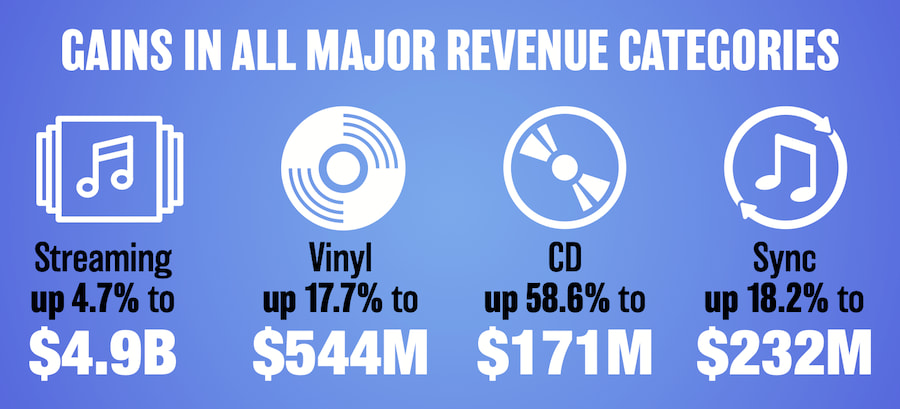

As we examined in our recent report on the CD resurgence, the rebound is not limited to aging audiophiles rediscovering their turntables. Younger consumers, collectors, and music fans who grew up with streaming are also buying physical releases.
Streaming still dominates the recorded music business, accounting for approximately 82% of U.S. revenue during the first half of 2026. Physical music is not threatening that position, but it has become a valuable complementary market built around ownership, better packaging, and the desire to support artists.
Record labels have figured out something rather important: consumers who already have access to virtually everything are increasingly willing to pay for something they can actually keep.
The danger is assuming that willingness has no financial limit.
Rhino Sells 350 Copies of Joni Mitchell’s Court and Spark Almost Overnight
Rhino deserves some credit here.
Its new Court and Spark reel-to-reel edition is not simply another colored pressing with a numbered sticker and a promise that this time the music will sound even more magical.
The company has created a legitimate specialty product with a manufacturing process that is considerably more demanding than pressing another batch of records.
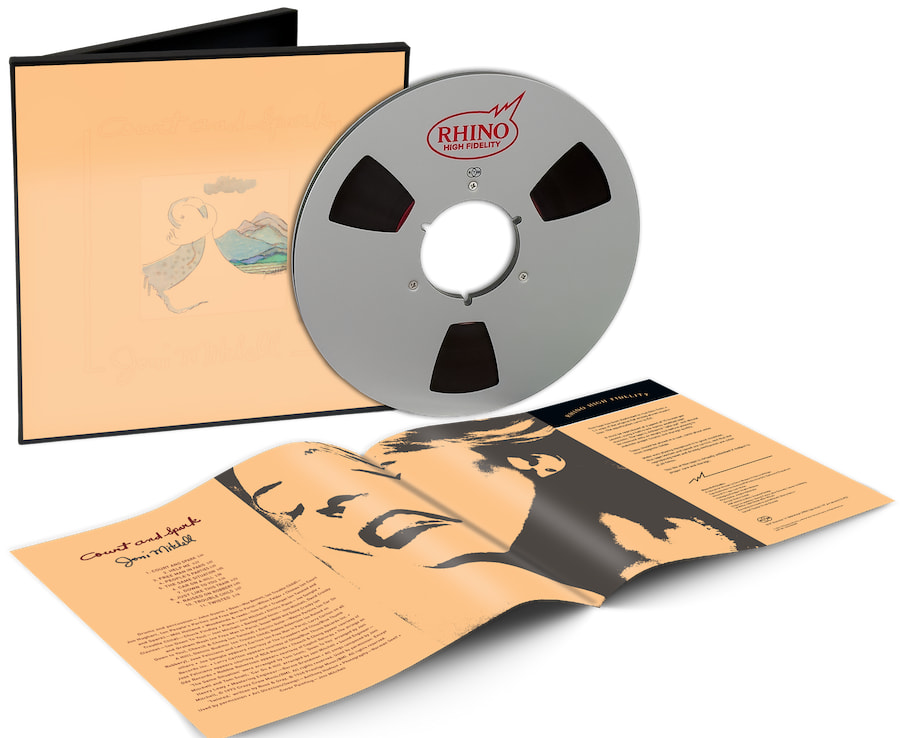

The tape was duplicated in real time from a 1:1 copy of the original stereo master. It uses quarter-inch RTM LPR90 tape stock, runs at 15 inches per second in half-track stereo, follows the IEC equalization standard, and comes on a 10.5-inch metal reel.
Those details are important. Real-time tape duplication is labor-intensive, the materials are expensive, and production cannot be scaled as easily as conventional vinyl manufacturing. This also isn’t a copy of the actual original master tape; Rhino specifies that the duplication source is a first-generation 1:1 copy.
The result should appeal to an extremely small audience with the hardware, technical knowledge, and financial resources to appreciate what Rhino is offering. A properly configured 15 ips half-track reel-to-reel machine isn’t something you casually pick up at Target alongside laundry detergent.
But Rhino understood its customers.
Limiting the edition to 350 copies worldwide created genuine scarcity, and the fact that the company’s online store listed it as sold out by the following morning suggests that the demand was very real. For a $300 analog release in 2026, that is a remarkable achievement.
The clever part is that Rhino hasn’t made this the only serious way to experience the album.
In July, eCoustics contributor Mark Smotroff reviewed Rhino High Fidelity’s $39.98 all-analog vinyl edition of Court and Spark, mastered by Kevin Gray and pressed at Optimal Media. Mark found it superior to his Nautilus SuperDisc edition, praising its more natural presentation, improved separation, and greater warmth.
That’s a very good record for less than $40.
Collectors with suitable tape machines can spend $300 on the new reel-to-reel edition, while listeners who simply want a superb analog presentation of Mitchell’s 1974 masterpiece have a considerably more affordable option.
Rhino hasn’t proven that $300 tapes are the future of physical music. It has demonstrated that a carefully chosen title, credible production methods, and genuinely limited availability can create a successful niche product.
Mazel tov. Now try finding a properly serviced reel to reel tape machine without disregarding your mortgage and private school bills.
Diana Krall’s $125 One Step Vinyl Raises a Different Question
Diana Krall’s The Look of Love is certainly worthy of a premium reissue.
Released in 2001, The Look of Love found Diana Krall working with producer Tommy LiPuma, legendary arranger Claus Ogerman, and the London Symphony Orchestra. Al Schmitt handled the recording and earned a Grammy for his efforts. Not a bad collection of talent for an album that would become one of Krall’s biggest commercial successes.
And the results speak for themselves. Krall’s smoky vocals, understated piano playing, and Ogerman’s lush orchestral arrangements make this the kind of recording that can sound wonderful on a modest system but really comes alive when the equipment is up to the task. Whether it’s worth spending $125 to hear it on yet another vinyl pressing is an entirely different question.
Verve’s new edition uses the One Step manufacturing process, which eliminates intermediate metal-plating generations between the lacquer and the finished stamper. The objective is to reduce potential losses introduced during manufacturing and preserve more information from the lacquer cut.
That approach can produce excellent results, but it also raises manufacturing costs because fewer pressings can be produced from each lacquer before additional cutting and plating work becomes necessary.

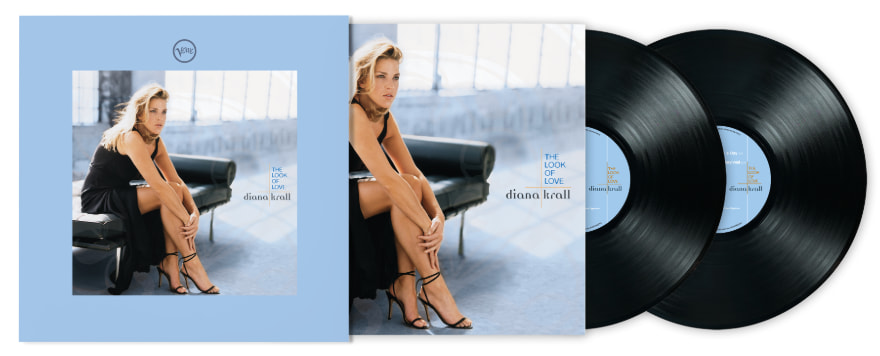
The new two-LP edition will be individually numbered and packaged in a gatefold tip-on jacket with a specially designed slipcase.
All perfectly reasonable.
The $124.98 asking price, however, deserves more scrutiny.
Verve already offers a conventional 2-LP edition of The Look of Love for $34.99 at Amazon. More revealing is the $19.98 deluxe anniversary CD, which includes five bonus tracks, including an alternate take of “Maybe You’ll Be There” and the previously unreleased vault performance “I Love Being Here With You.”
The $125 One Step vinyl contains only the original ten-track album.
In other words, collectors paying more than six times the price of the deluxe CD receive the premium pressing and packaging, but none of the additional music.
Apparently, the bonus tracks didn’t qualify for first-class seating.
There is also the issue of transparency.
Verve’s announcement and current product listing explain the advantages of One Step manufacturing, but do not identify the mastering engineer, specify the source used for the new lacquer cut, or confirm whether the mastering chain is entirely analog.
That information should be available before someone commits $125.
A One Step pressing can be produced from an analog source or a digital source. The manufacturing process alone does not establish which was used, nor does it guarantee that the finished record will sound better than a well-mastered conventional pressing.
This is not a criticism of how the new Krall edition sounds. Nobody should make that judgment without listening to it.
But the burden should be on the label to explain exactly what collectors are getting for their money.
When Does Premium Become Excessive?
We’ve covered enough audiophile reissues in 2026 to know that expensive doesn’t automatically mean better, and affordable doesn’t mean compromised.

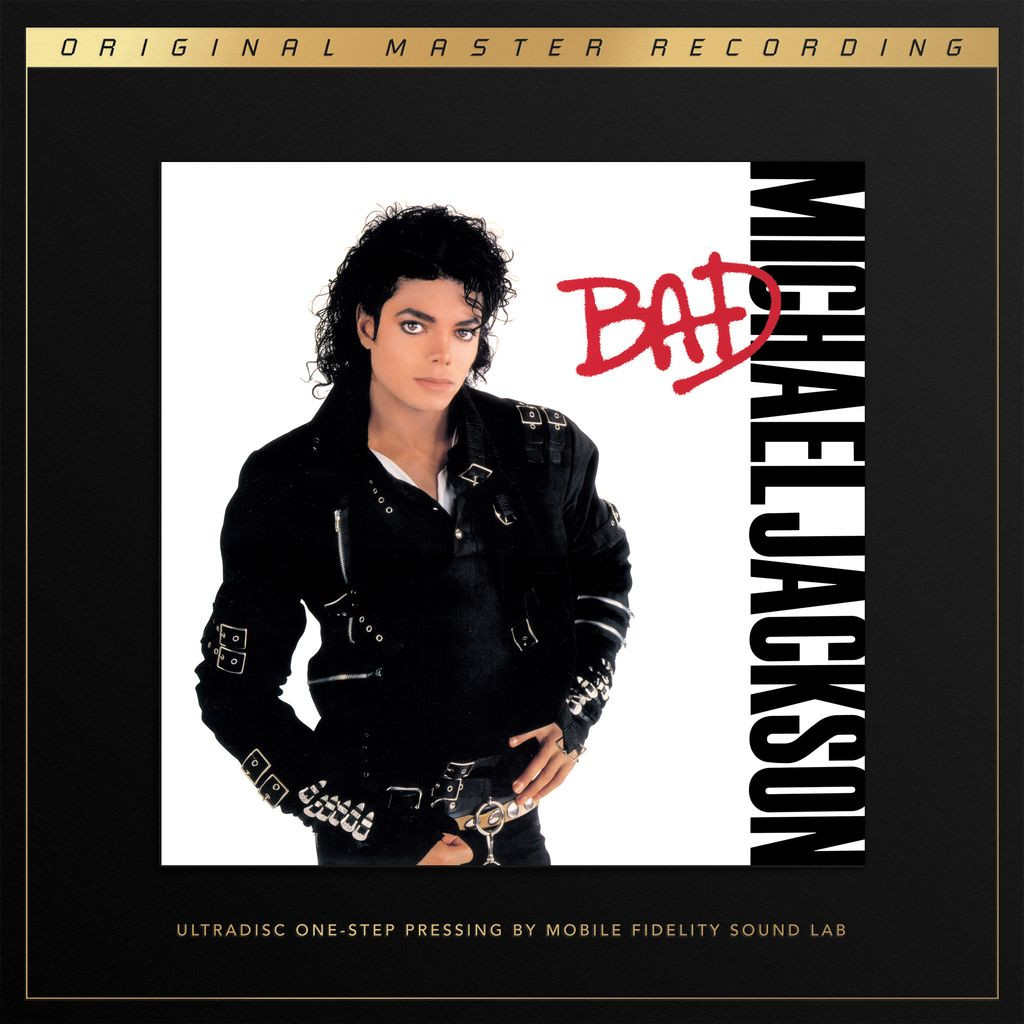
Mobile Fidelity’s upcoming Michael Jackson BAD UltraDisc One Step edition also costs $125, but MoFi identifies its source as the album’s original Mitsubishi X-80 16-bit/48kHz digital master, along with the mastering engineer, cutting chain, and pressing facility.
More recently, we examined Beck’s $110 Ride Lonesome One Step release, which uses 24-bit/96kHz digital files transferred from analog masters. That information gives buyers an opportunity to decide whether the production approach and price make sense to them.
Digital mastering isn’t inherently inferior. An expensive record doesn’t become fraudulent because a computer appeared somewhere in its production history. What matters is the quality of the source, the mastering decisions, the pressing, and whether the label has been forthcoming about the process.
Our reviews have also demonstrated that excellent audiophile vinyl doesn’t require a three-figure investment.
Mark Smotroff recently praised Verve’s Acoustic Sounds reissue of Stan Getz and Luiz Bonfá’s Jazz Samba Encore!, a beautifully manufactured all-analog release available for less than $40. He reached a similarly positive conclusion about John Coltrane’s Africa/Brass, another Acoustic Sounds pressing that makes an important recording accessible without requiring collectors to sacrifice their grocery budget.
These are the kinds of releases that have helped establish credibility for the modern audiophile reissue market.
The labels invest in quality mastering, reputable pressing plants, and attractive packaging, while keeping prices within reach of listeners who care more about the music than the resale value of a numbered box.
Nobody is suggesting that a meticulously produced $300 reel-to-reel tape should cost the same as a standard LP. Nor is a $125 One Step pressing automatically a rip-off.
But increasingly expensive collector editions shouldn’t become the default measure of how seriously someone takes music.
The industry also needs to remember that its fastest-growing major physical format in the first half of 2026 was the compact disc, which offers a much more affordable entry point for consumers who want permanent ownership.
There is a message in that statistic, assuming the labels are willing to hear it over the sound of cash registers.
The Bottom Line
Rhino deserves congratulations for selling out its $300 Court and Spark reel-to-reel edition so quickly. The company identified a small audience, produced something technically distinctive, and created enough demand to exhaust a limited run of just 350 copies. It also offers an excellent $40 vinyl alternative for those of us not currently shopping for another tape machine.
Verve’s $125 The Look of Love One Step edition may turn out to be spectacular. The album certainly deserves first-rate treatment, and the company has a strong record of producing outstanding audiophile releases. But buyers should expect more technical transparency when the premium pressing costs several times as much as an existing version of the same recording.
Physical media is thriving because listeners value ownership, permanence, and a closer connection to music. Labels should be encouraged to preserve important recordings, restore overlooked albums, and invest in better manufacturing rather than treating their catalogs as disposable streaming inventory.
What they shouldn’t do is confuse that loyalty with an unlimited willingness to pay.
There’s room in the market for a $20 CD, a superb $40 LP, and even a meticulously produced $300 reel-to-reel tape. Not every format needs to appeal to everyone, and collectors should be free to spend their money however they please.
But if record labels turn the physical media revival into an increasingly expensive competition over numbered editions, extravagant packaging, and questionable value, they risk pricing the next generation of music buyers out of the hobby entirely.
Which would be quite an accomplishment.
After spending twenty years convincing consumers that they didn’t need to own music, the industry may now discover that people still want to own it.
They just might not want to sell their second favourite child to prove it.
You must be logged in to post a comment Login