Tech & AI
What Type Of Fuel Did WWII Warships Use?

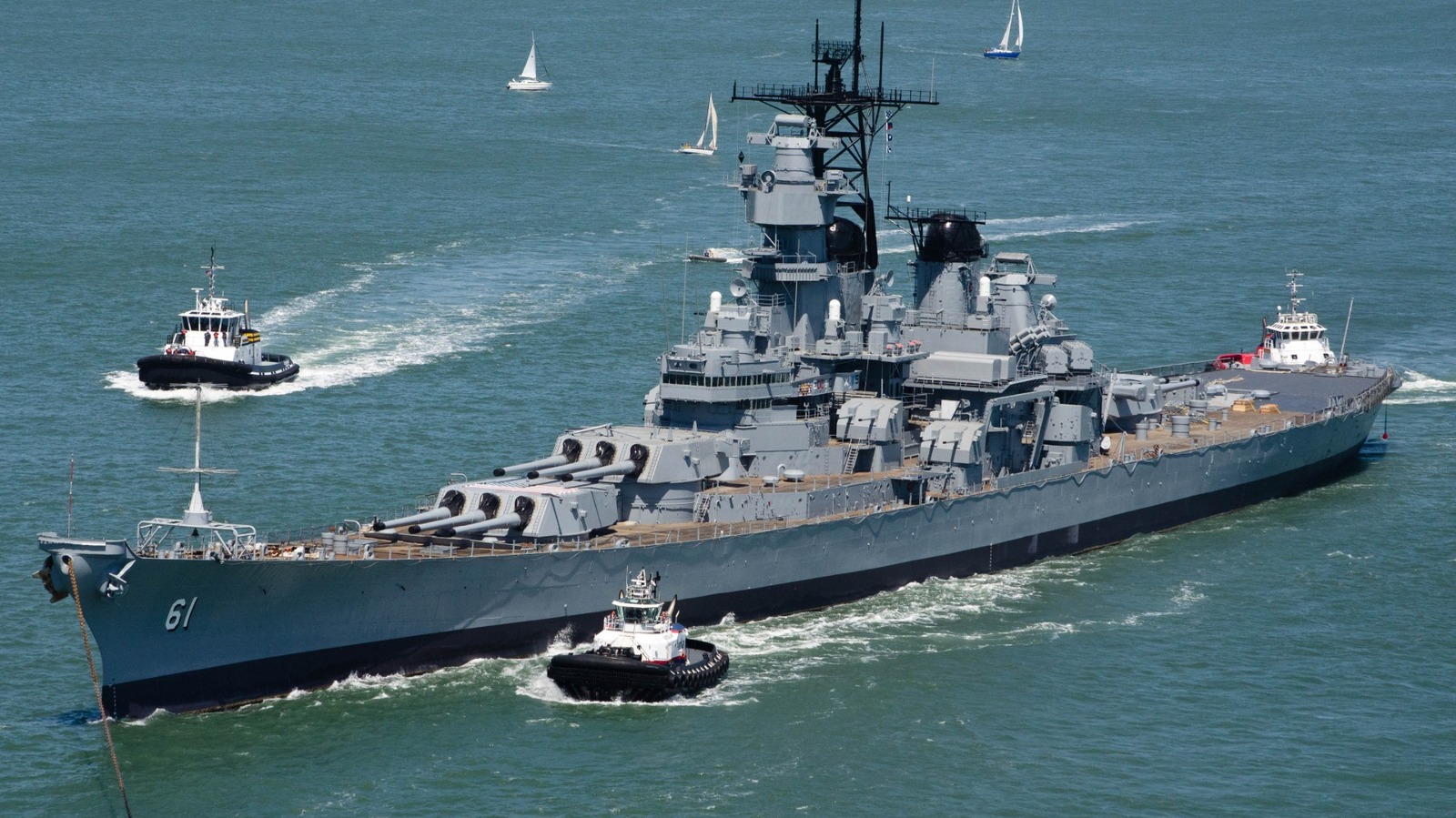

When people study World War II and the overall conflict, it’s not uncommon to focus one’s attention on tanks, airplanes, and massive ships like the Essex-class aircraft carriers used by the United States Navy. It’s easy to focus on these impressive pieces of military machinery and the people who operated them, but there’s one aspect of that historical conflict that’s rarely discussed: fuel. They say an army marches on its stomach, which remains true of the people doing the fighting, but when it comes to moving massive warships, you need fuel.
Modern warships primarily use three fuel sources: gasoline, diesel, and nuclear power. Yet one of those technologies wouldn’t arrive until the world’s first nuclear submarine, the USS Nautilus (SSN-571), entered the fleet in 1954. A decade earlier, WWII warships used a variety of fuels to move across the water, depending on a ship’s age and who operated it. There were four main fuel types that WWII warships used, including diesel fuel, gasoline, fuel oil, and coal.
Coal was mostly gone by the time the war ended, but some of the older ships used in the conflict continued to feature coal furnaces. The U.S. Navy used two of the weirdest ships in the fleet during the conflict: two converted paddle-wheel steamers to train personnel, and both used coal. Most vessels used diesel or heavy fuel oil, while smaller vessels like PT boats used 100-octane aviation gasoline. German U-boats, which caused widespread disruption throughout the Atlantic Ocean, used diesel fuel, as did American subs, so there was a variety of fuel types utilized throughout the conflict.
The many fuels of WWII warships
Most of the ships that used coal in the early 20th century had either been decommissioned or converted by the time WWII rolled around. The last U.S. Navy battleship fueled by coal was the USS Texas (BB-35), but it was converted to oil-fired boilers in 1925. After coal was largely abandoned for fuel oil, battleships like the USS Iowa (BB-61) had much better fuel efficiency, allowing for larger, faster vessels. The USS Iowa carried 2.5 million gallons of fuel oil to power the mighty warship, and the same fuel kept aircraft carriers in operation.
Essex-class carriers carried 1.5 million gallons of fuel oil, not to mention the 240,000 gallons of aviation fuel needed for their air wing. German U-boats, as well as Allied submarines, used diesel fuel while on the surface for propulsion, which also charged their batteries. While submerged, submarines used their batteries to power electric motors, as their diesel engines needed air to function. Regarding fuel oil, it was the most common energy source for WWII warships on all sides, as most surface vessels used it by 1939.
This included destroyers, frigates, cruisers, corvettes, and more. The world’s navies used different forms of fuel oil for various ships, all of which were distilled from crude oil. Regardless of the type, fuel oil was used to power ships via their steam boilers, and the U.S. Navy didn’t switch from Naval Special Fuel Oil (NSFO) until it adopted the NATO standard F-75/76 in 1969, so NSFO was its primary fuel source throughout WWII.
You must be logged in to post a comment Login